
Author: Marie Benz MD FAAD
07 Sep Study Finds Ablation To Be Superior For Atrial Fibrillation In Patients With Heart Failure
MedicalResearch.com Interview with: [caption id="attachment_36803" align="alignleft" width="142"] Dr. Marrouche[/caption]
Nassir F. Marrouche, MD
Professor, Internal Medicine
Cardiology
University of Utah
MedicalResearch.com: What is the background for this study?
Response: Study the effectiveness of catheter ablation of Atrial Fibrillation in patients with heart failure in improving hard primary endpoints of mortality and heart failure progression when compared to conventional standard treatment
Dr. Marrouche[/caption]
Nassir F. Marrouche, MD
Professor, Internal Medicine
Cardiology
University of Utah
MedicalResearch.com: What is the background for this study?
Response: Study the effectiveness of catheter ablation of Atrial Fibrillation in patients with heart failure in improving hard primary endpoints of mortality and heart failure progression when compared to conventional standard treatment
07 Sep Inotuzumab Plus Low-Intensity Chemo Effective in Resistant ALL
MedicalResearch.com Interview with: [caption id="attachment_36799" align="alignleft" width="140"] Dr. Jabbour[/caption]
Elias Jabbour, MD
Associate Professor
Leukemia Department
MD Anderson Cancer Center
MedicalResearch.com: What is the background for this study? What are the main findings?
Response: Inotuzumab is active in relapsed or refractory (R/R) acute lymphoblastic leukemia (R/R ALL). The addition of low intensity chemotherapy may further improve outcome.
ORR around 80%. Median survival 11 months. Better results obtained in Savage 1. Superior outcome when compared to historical cohort treated with inotuzumab monotherapy
Dr. Jabbour[/caption]
Elias Jabbour, MD
Associate Professor
Leukemia Department
MD Anderson Cancer Center
MedicalResearch.com: What is the background for this study? What are the main findings?
Response: Inotuzumab is active in relapsed or refractory (R/R) acute lymphoblastic leukemia (R/R ALL). The addition of low intensity chemotherapy may further improve outcome.
ORR around 80%. Median survival 11 months. Better results obtained in Savage 1. Superior outcome when compared to historical cohort treated with inotuzumab monotherapy
06 Sep Billing Data May Not Accurately Represent In-Hospital Cardiac Arrests
MedicalResearch.com Interview with: [caption id="attachment_36793" align="alignleft" width="100"] Dr. Khera[/caption]
Rohan Khera MD
Division of Cardiology
University of Texas Southwestern Medical Center
Texas
MedicalResearch.com: What is the background for this study? What are the main findings?
Response: An increasing number of studies have used administrative claims (or billing) data to study in-hospital cardiac arrest with the goal of understanding differences in incidence and outcomes at hospitals that are not part of quality improvement initiatives like the American Heart Association’s Get With The Guidelines-Resuscitation (AHA’s GWTG-Resuscitation). These studies have important implications for health policies and determining targets for interventions for improving the care of patients with this cardiac arrest, where only in 1 in 5 patient survive the hospitalization.
Therefore, in our study, we evaluated the validity of such an approach. We used data from 56,678 patients in AHA’s GWTG-Resuscitation with a confirmed in-hospital cardiac arrest, which were linked to Medicare claims data. We found:
(1) While most prior studies have used a diagnosis or procedure code alone to identify cases of in-hospital cardiac arrest, we found that the majority of confirmed cases in a national registry (AHA’s GWTG-Resuscitation) would not be captured using either administrative data strategy.
(2) Survival rates using administrative data to identify cases from the same reference population varied markedly and were 52% higher (28.4% vs. 18.7%) when using diagnosis codes alone to identify in-hospital cardiac arrest.
(3) There was large hospital variation in documenting diagnosis or procedure codes for patients with in-hospital cardiac arrest, which would have consequences for using administrative data to examine hospital-level variation in cardiac arrest incidence or survival, or conducting single-center studies to validate this administrative approach.
Dr. Khera[/caption]
Rohan Khera MD
Division of Cardiology
University of Texas Southwestern Medical Center
Texas
MedicalResearch.com: What is the background for this study? What are the main findings?
Response: An increasing number of studies have used administrative claims (or billing) data to study in-hospital cardiac arrest with the goal of understanding differences in incidence and outcomes at hospitals that are not part of quality improvement initiatives like the American Heart Association’s Get With The Guidelines-Resuscitation (AHA’s GWTG-Resuscitation). These studies have important implications for health policies and determining targets for interventions for improving the care of patients with this cardiac arrest, where only in 1 in 5 patient survive the hospitalization.
Therefore, in our study, we evaluated the validity of such an approach. We used data from 56,678 patients in AHA’s GWTG-Resuscitation with a confirmed in-hospital cardiac arrest, which were linked to Medicare claims data. We found:
(1) While most prior studies have used a diagnosis or procedure code alone to identify cases of in-hospital cardiac arrest, we found that the majority of confirmed cases in a national registry (AHA’s GWTG-Resuscitation) would not be captured using either administrative data strategy.
(2) Survival rates using administrative data to identify cases from the same reference population varied markedly and were 52% higher (28.4% vs. 18.7%) when using diagnosis codes alone to identify in-hospital cardiac arrest.
(3) There was large hospital variation in documenting diagnosis or procedure codes for patients with in-hospital cardiac arrest, which would have consequences for using administrative data to examine hospital-level variation in cardiac arrest incidence or survival, or conducting single-center studies to validate this administrative approach.
06 Sep Morbidity and Financial Costs of Atrial Fibrillation High and Likely to Grow
MedicalResearch.com Interview with: [caption id="attachment_36808" align="alignleft" width="200"] Dr. Sandra Jackson[/caption]
Sandra L. Jackson, PhD
National Center for Chronic Disease Prevention and Health Promotion
Centers for Disease Control and Prevention
Chamblee GA
MedicalResearch.com: What is the background for this study?
Response: People who have atrial fibrillation are at increased risk for having a heart attack or stroke. While we know that the percentage of the population with atrial fibrillation is increasing in the US, there is no national surveillance system to track the burden of emergency department visits, hospitalizations and deaths related to atrial fibrillation across all ages and health insurance provider types. This study combined data from the Healthcare Cost and Utilization Project and the National Vital Statistics System to provide national estimates for atrial fibrillation-related healthcare service use and deaths from 2006-2014.
Dr. Sandra Jackson[/caption]
Sandra L. Jackson, PhD
National Center for Chronic Disease Prevention and Health Promotion
Centers for Disease Control and Prevention
Chamblee GA
MedicalResearch.com: What is the background for this study?
Response: People who have atrial fibrillation are at increased risk for having a heart attack or stroke. While we know that the percentage of the population with atrial fibrillation is increasing in the US, there is no national surveillance system to track the burden of emergency department visits, hospitalizations and deaths related to atrial fibrillation across all ages and health insurance provider types. This study combined data from the Healthcare Cost and Utilization Project and the National Vital Statistics System to provide national estimates for atrial fibrillation-related healthcare service use and deaths from 2006-2014.
06 Sep Patients With Glaucoma Can Be Taught To Measure Their Own Intraocular Pressure
MedicalResearch.com Interview with: [caption id="attachment_36760" align="alignleft" width="133"] Dr. Tatham[/caption]
Andrew Tatham, FRCOphth
Consultant Ophthalmologist
Princess Alexandra Eye Pavilion and Department of Ophthalmology
University of Edinburgh, Scotland
MedicalResearch.com: What is the background for this study?
Response: Raised intraocular pressure (IOP) is the major risk factor for the development of glaucoma, the most common cause of irreversible blindness, with lowering IOP the only proven treatment.
Until recently the only way to measure IOP was for patients to visit their clinician meaning it was only possible to obtain a limited number of measurements. This is problematic given that IOP fluctuates and that 75% of individuals have peak IOP outside office hours. If patients could measure their own IOP it would allow far more measurements to be obtained and result in better understanding of the variation and peaks in IOP. This could improve the detection of glaucoma and determine if patients are adequately controlled with medication.
Recently, a patient-operated, home IOP monitoring device (iCare HOME) has become available. The patient holds the device close to their eye and the device automatically determines if it is in the correct position to take a measurement. The tonometer then deploys a small probe which gently bounces off the surface of the eye to determine IOP. As the probe is only in contact with the surface of the eye for a few milliseconds no anesthetic is needed.
Dr. Tatham[/caption]
Andrew Tatham, FRCOphth
Consultant Ophthalmologist
Princess Alexandra Eye Pavilion and Department of Ophthalmology
University of Edinburgh, Scotland
MedicalResearch.com: What is the background for this study?
Response: Raised intraocular pressure (IOP) is the major risk factor for the development of glaucoma, the most common cause of irreversible blindness, with lowering IOP the only proven treatment.
Until recently the only way to measure IOP was for patients to visit their clinician meaning it was only possible to obtain a limited number of measurements. This is problematic given that IOP fluctuates and that 75% of individuals have peak IOP outside office hours. If patients could measure their own IOP it would allow far more measurements to be obtained and result in better understanding of the variation and peaks in IOP. This could improve the detection of glaucoma and determine if patients are adequately controlled with medication.
Recently, a patient-operated, home IOP monitoring device (iCare HOME) has become available. The patient holds the device close to their eye and the device automatically determines if it is in the correct position to take a measurement. The tonometer then deploys a small probe which gently bounces off the surface of the eye to determine IOP. As the probe is only in contact with the surface of the eye for a few milliseconds no anesthetic is needed.
06 Sep Study Finds Only 1/3 of Melanomas Arise in Pre-Existing Moles
MedicalResearch.com Interview with: [caption id="attachment_36780" align="alignleft" width="200"]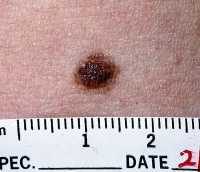 Mole or Nevus
Wikipedia[/caption] Riccardo Pampena MD and Caterina Longo, MD, PhD Dermatology Unit University of Modena and Reggio Emilia Arcispedale Santa Maria Nuova-IRCCS Reggio Emilia Italy MedicalResearch.com: What is the background for this study? What are the main findings? Response: High heterogeneity has been reported in previous studies on the ratio of melanoma associated with moles (nevus-associated melanomas). Despite this heterogeneity, researchers agree that some melanomas may develop in conjunction with a pre-existing mole. We know that nevus-associated melanomas are usually located on the trunk and more frequently occur in younger patients than de novo melanomas (not nevus-associated). Defining the risk for a melanoma to arise in association with a pre-existing mole is important in order to define the best strategies for early melanoma diagnosis. The main finding of our study is that only one third of melanomas arose from a pre-existing mole, in fact the majority were de novo. We also found that nevus-associated melanomas were less aggressive than de novo.
05 Sep Adverse Birth Outcomes and Agricultural Pesticide Use in the San Joaquin Valley of California
MedicalResearch.com Interview with: [caption id="attachment_36776" align="alignleft" width="130"] Dr. Larsen[/caption]
Ashley Larsen, PhD
Assistant professor
Bren School of Environmental Science & Management
University of California, Santa Barbara
MedicalResearch.com: What is the background for this study? What are the main findings?
Response: The relationship between pesticides and adverse birth outcomes has been recognized as an important question for quite some time, and there have been many good studies on the topic. Since randomly exposing people to different levels of pesticides is clearly unethical, researchers focused on the health consequences of non-occupational pesticide exposure often have to choose between detailed studies that follow a couple hundred or couple thousand individuals through pregnancy or larger scale studies that use easier to observe, but less accurate metrics of pesticide exposure (e.g. nearby crops or crop types). Here we tried to provide complementary insight by bridging the gap between detail and scale using detailed pesticide use data and individual birth certificate records for hundreds of thousands of births in an agriculturally dominated region of California. While we found negative effects of pesticide use on birth outcomes including low birth weight, preterm birth and birth abnormalities, these effects were generally in the magnitude of a 5-9% increase in probability of an adverse outcome, and only observed for individuals exposed to very high levels of pesticides.
Dr. Larsen[/caption]
Ashley Larsen, PhD
Assistant professor
Bren School of Environmental Science & Management
University of California, Santa Barbara
MedicalResearch.com: What is the background for this study? What are the main findings?
Response: The relationship between pesticides and adverse birth outcomes has been recognized as an important question for quite some time, and there have been many good studies on the topic. Since randomly exposing people to different levels of pesticides is clearly unethical, researchers focused on the health consequences of non-occupational pesticide exposure often have to choose between detailed studies that follow a couple hundred or couple thousand individuals through pregnancy or larger scale studies that use easier to observe, but less accurate metrics of pesticide exposure (e.g. nearby crops or crop types). Here we tried to provide complementary insight by bridging the gap between detail and scale using detailed pesticide use data and individual birth certificate records for hundreds of thousands of births in an agriculturally dominated region of California. While we found negative effects of pesticide use on birth outcomes including low birth weight, preterm birth and birth abnormalities, these effects were generally in the magnitude of a 5-9% increase in probability of an adverse outcome, and only observed for individuals exposed to very high levels of pesticides.
05 Sep Public Has Negative View Of Genetically Modified Mosquitoes
MedicalResearch.com Interview with: [caption id="attachment_36771" align="alignleft" width="150"] Dr. Bloss[/caption]
Cinnamon S. Bloss, Ph.D.
Associate Professor, Department of Psychiatry
Department of Family Medicine and Public Health
Division of Health Policy
University of California, San Diego
MedicalResearch.com: What is the background for this study?
Response: In 2016, the FDA invited public comments on a draft environmental assessment for a proposed field trial of a genetically modified (GM) mosquito designed to suppress wild-type Aedes aegypti mosquitoes. The preliminary finding from the environmental assessment indicated the trial would be unlikely to adversely affect the environment in Key Haven, Florida, the proposed trial site. We assessed public response to this trial based on the content of public comments submitted to the FDA by requesting comment transcripts through the Freedom of Information Act.
Dr. Bloss[/caption]
Cinnamon S. Bloss, Ph.D.
Associate Professor, Department of Psychiatry
Department of Family Medicine and Public Health
Division of Health Policy
University of California, San Diego
MedicalResearch.com: What is the background for this study?
Response: In 2016, the FDA invited public comments on a draft environmental assessment for a proposed field trial of a genetically modified (GM) mosquito designed to suppress wild-type Aedes aegypti mosquitoes. The preliminary finding from the environmental assessment indicated the trial would be unlikely to adversely affect the environment in Key Haven, Florida, the proposed trial site. We assessed public response to this trial based on the content of public comments submitted to the FDA by requesting comment transcripts through the Freedom of Information Act.
05 Sep Dementia Incidence Rates May Be Declining
MedicalResearch.com Interview with: [caption id="attachment_36734" align="alignleft" width="125"] Dr. Derby[/caption]
Carol A. Derby, Ph.D.
Research Professor, The Saul R. Korey Department of Neurology
Research Professor, Department of Epidemiology & Population Health
Louis and Gertrude Feil Faculty Scholar in Neurology
Albert Einstein College of Medicine
Bronx, NY 10461
MedicalResearch.com: What is the background for this study?
Response: The population over the age of 85 is expected to triple in the coming decades, and with the aging of the population, the number of individuals living with dementia is projected to increase dramatically.
While dementia prevalence rates are driven by demographic shift to older ages, changes in dementia incidence- the rate at which new cases are diagnosed, would also impact the proportion of the population affected in the coming decades.
Recently, studies have suggested that dementia incidence rates may be declining in some populations, although the results have not been consistent. Better understanding trends in dementia rates is important for public health planning.
Our objective was to determine whether there has been a change in the incidence of dementia diagnosis within a community residing group of over older adults followed by the Einstein Aging Study, at the Albert Einstein College of Medicine, in the Bronx, NY between the years 1993 and 2015.
To accurately characterize trends over time in disease rates requires separating the effects of age and the effects of calendar time. Therefore, we conducted a birth cohort analysis in which we examined age specific dementia incidence rates by birth year, for individuals born between 1910 and 1940. The analysis included over 1300 individuals over the age of 70, who were free of dementia when they enrolled in the study. Dementia was diagnosed using identical criteria over the entire study period, and study recruitment was also consistent over the period. We also examined trends in cardiovascular co-morbidities that have been related to dementia risk, as well as trends in education.
Dr. Derby[/caption]
Carol A. Derby, Ph.D.
Research Professor, The Saul R. Korey Department of Neurology
Research Professor, Department of Epidemiology & Population Health
Louis and Gertrude Feil Faculty Scholar in Neurology
Albert Einstein College of Medicine
Bronx, NY 10461
MedicalResearch.com: What is the background for this study?
Response: The population over the age of 85 is expected to triple in the coming decades, and with the aging of the population, the number of individuals living with dementia is projected to increase dramatically.
While dementia prevalence rates are driven by demographic shift to older ages, changes in dementia incidence- the rate at which new cases are diagnosed, would also impact the proportion of the population affected in the coming decades.
Recently, studies have suggested that dementia incidence rates may be declining in some populations, although the results have not been consistent. Better understanding trends in dementia rates is important for public health planning.
Our objective was to determine whether there has been a change in the incidence of dementia diagnosis within a community residing group of over older adults followed by the Einstein Aging Study, at the Albert Einstein College of Medicine, in the Bronx, NY between the years 1993 and 2015.
To accurately characterize trends over time in disease rates requires separating the effects of age and the effects of calendar time. Therefore, we conducted a birth cohort analysis in which we examined age specific dementia incidence rates by birth year, for individuals born between 1910 and 1940. The analysis included over 1300 individuals over the age of 70, who were free of dementia when they enrolled in the study. Dementia was diagnosed using identical criteria over the entire study period, and study recruitment was also consistent over the period. We also examined trends in cardiovascular co-morbidities that have been related to dementia risk, as well as trends in education.
05 Sep Maternal Cell Phone Use Did Not Adversely Affect Children’s Language or Motor Skills At Age 5
MedicalResearch.com Interview with: [caption id="attachment_36732" align="alignleft" width="180"] Dr. Alexander[/caption]
Jan Alexander, MD,PhD
Norwegian Institute of Public Health
Oslo Norway
MedicalResearch.com: What is the background for this study? What are the main findings?
Response: The background for this study was the widespread uncertainty and general concern among the public about increasing exposure to weak radio frequency electromagnetic fields (EMF-RF). The concern on whether using your cell phone while pregnant can harm your foetus are mainly due to the extensive use of cell phones, that emit EMF-RF. Even though the RF-EMF exposure that may reach the foetus is very low, evidence from previous epidemiological studies with mothers and children are inconsistent as to whether EMF-RF emission from cell phone might harm the developing brain of the foetus. This includes also animal experiments where the exposure may be very different from that in humans.
We therefore studied the association between maternal cell phone use during pregnancy and child’s neurodevelopment at 3 and 5 years. We included around 45,000 mother and their children from all over Norway from the Norwegian Mother and Child Study (MoBa study) and used language development as the outcome because we in previous studies found this parameter to be sensitive to exposure to neurotoxicants. T
here was no evidence of a harmful effect of the mother using her cell phone during pregnancy on her child’s neurodevelopment at 3 and 5 years. Surprisingly, we even found that the more the mother was using her cell phone during pregnancy the better language and motor skills her child had at 3 years of age. We observed no associations when the child was 5 years old.
Dr. Alexander[/caption]
Jan Alexander, MD,PhD
Norwegian Institute of Public Health
Oslo Norway
MedicalResearch.com: What is the background for this study? What are the main findings?
Response: The background for this study was the widespread uncertainty and general concern among the public about increasing exposure to weak radio frequency electromagnetic fields (EMF-RF). The concern on whether using your cell phone while pregnant can harm your foetus are mainly due to the extensive use of cell phones, that emit EMF-RF. Even though the RF-EMF exposure that may reach the foetus is very low, evidence from previous epidemiological studies with mothers and children are inconsistent as to whether EMF-RF emission from cell phone might harm the developing brain of the foetus. This includes also animal experiments where the exposure may be very different from that in humans.
We therefore studied the association between maternal cell phone use during pregnancy and child’s neurodevelopment at 3 and 5 years. We included around 45,000 mother and their children from all over Norway from the Norwegian Mother and Child Study (MoBa study) and used language development as the outcome because we in previous studies found this parameter to be sensitive to exposure to neurotoxicants. T
here was no evidence of a harmful effect of the mother using her cell phone during pregnancy on her child’s neurodevelopment at 3 and 5 years. Surprisingly, we even found that the more the mother was using her cell phone during pregnancy the better language and motor skills her child had at 3 years of age. We observed no associations when the child was 5 years old.
03 Sep Risk of Type 2 Diabetes Elevated in Women With PCOS – Polycystic Ovary Syndrome
MedicalResearch.com Interview with: [caption id="attachment_36762" align="alignleft" width="200"] Dr. Glintborg[/caption] Dorte Glintborg Overlæge, ph.d, dr.med Endokrinologisk Afdeling M Odense Universitetshospital MedicalResearch.com: What is the background for this study? Response: Polycystic ovary syndrome (PCOS) is a common endocrine disorder. PCOS is most often defined according to the Rotterdam criteria, which include irregular ovulation, biochemical/clinical hyperandrogenism, and/or polycystic ovaries...
03 Sep COMPASS Study Finds Rivaroxaban -XARELTO® – Plus Aspirin Reduces Adverse Events in Patients With Heart Disease or PAD
MedicalResearch.com Interview with: [caption id="attachment_36741" align="alignleft" width="150"] Dr. Eikelboom[/caption]
John Eikelboom MBBS
Associate Professor, Division of Hematology & Thromboembolism
Department of Medicine
Canada Research Chair in Cardiovascular Medicine
Canadian Institutes for Health Research
McMaster University
MedicalResearch.com: What is the background for this study?
Response: Cardiovascular disease affects 1 in 25 persons around the world and a total of more than 300 million individuals. Thrombus formation at the site of a ruptured atherosclerotic plaque is the commonest mechanism of myocardial infarction and ischemic stroke in patients with cardiovascular disease. Aspirin is effective for the prevention of these complications but reduces the risk by only 19% during long term therapy.
Rivaroxaban has previously been tested in the ATLAS ACS-2 TIMI 51 trial at doses of 2.5 mg twice daily or 5 mg twice daily on top of background antiplatelet therapy and has been shown to reduce major adverse cardiovascular events as well as mortality. We tested these same doses of rivaroxaban for the prevention of cardiovascular death, stroke or myocardial infarction in patients with stable cardiovascular disease.
Dr. Eikelboom[/caption]
John Eikelboom MBBS
Associate Professor, Division of Hematology & Thromboembolism
Department of Medicine
Canada Research Chair in Cardiovascular Medicine
Canadian Institutes for Health Research
McMaster University
MedicalResearch.com: What is the background for this study?
Response: Cardiovascular disease affects 1 in 25 persons around the world and a total of more than 300 million individuals. Thrombus formation at the site of a ruptured atherosclerotic plaque is the commonest mechanism of myocardial infarction and ischemic stroke in patients with cardiovascular disease. Aspirin is effective for the prevention of these complications but reduces the risk by only 19% during long term therapy.
Rivaroxaban has previously been tested in the ATLAS ACS-2 TIMI 51 trial at doses of 2.5 mg twice daily or 5 mg twice daily on top of background antiplatelet therapy and has been shown to reduce major adverse cardiovascular events as well as mortality. We tested these same doses of rivaroxaban for the prevention of cardiovascular death, stroke or myocardial infarction in patients with stable cardiovascular disease.
03 Sep Hyperlipidemia Linked To Lower Breast Cancer Mortality, Perhaps Due To Statin Therapy
MedicalResearch.com Interview with: [caption id="attachment_36729" align="alignleft" width="167"] Dr. Potluri[/caption]
Dr Rahul Potluri
Senior author and founder of the ACALM Study Unit
Aston Medical School
Aston University
Birmingham, UK
MedicalResearch.com: What is the background for this study? What are the main findings?
Response: The links between hyperlipidaemia and cancer has been exciting scientists in recent years. We have previously shown an association with breast cancer and hyperlipidaemia using a cross-sectional dataset in 2014.
In 2016 we showed that in patients with the four main cancers in the UK (namely Breast, Lung, Colon and Prostate) that the presence of hyperlipidaemia improved the long term mortality and prognosis of these patients. In this study utilising a big data, longitudinal study methodology, we looked at 16043 healthy women above the age of 40 with hyperlipidaemia and compared these to an age and gender matched control sample of 16043 healthy women without high cholesterol. We then followed up these patients and found that subsequent breast cancer rates in the women with hyperlipidaemia were 45% lower. Subsequent mortality in those patients who developed breast cancer was also 40% lower in the hyperlipidaemia group compared to the non-hyperlipidaemia controlled sample.
Dr. Potluri[/caption]
Dr Rahul Potluri
Senior author and founder of the ACALM Study Unit
Aston Medical School
Aston University
Birmingham, UK
MedicalResearch.com: What is the background for this study? What are the main findings?
Response: The links between hyperlipidaemia and cancer has been exciting scientists in recent years. We have previously shown an association with breast cancer and hyperlipidaemia using a cross-sectional dataset in 2014.
In 2016 we showed that in patients with the four main cancers in the UK (namely Breast, Lung, Colon and Prostate) that the presence of hyperlipidaemia improved the long term mortality and prognosis of these patients. In this study utilising a big data, longitudinal study methodology, we looked at 16043 healthy women above the age of 40 with hyperlipidaemia and compared these to an age and gender matched control sample of 16043 healthy women without high cholesterol. We then followed up these patients and found that subsequent breast cancer rates in the women with hyperlipidaemia were 45% lower. Subsequent mortality in those patients who developed breast cancer was also 40% lower in the hyperlipidaemia group compared to the non-hyperlipidaemia controlled sample.
03 Sep Severe Psoriasis Linked To Increased Risk of Mortality
MedicalResearch.com Interview with: [caption id="attachment_36746" align="alignleft" width="148"] Dr. Megan Noe[/caption]
Megan H. Noe MD, MPH
Clinical Instructor and Post-Doctoral Research Fellow
University of Pennsylvania, Department of Dermatology
Perelman Center for Advanced Medicine
Philadelphia, PA 19104
MedicalResearch.com: What is the background for this study? What are the main findings?
Response: Previous research has shown that patients with psoriasis have higher rates of hypertension, diabetes, cardiovascular disease and chronic kidney disease that may put them at an increased risk of death.
Our research found that patients with psoriasis covering more than 10% of their body had almost double the risk of death than people of the same age with similar medical conditions, but without psoriasis.
Dr. Megan Noe[/caption]
Megan H. Noe MD, MPH
Clinical Instructor and Post-Doctoral Research Fellow
University of Pennsylvania, Department of Dermatology
Perelman Center for Advanced Medicine
Philadelphia, PA 19104
MedicalResearch.com: What is the background for this study? What are the main findings?
Response: Previous research has shown that patients with psoriasis have higher rates of hypertension, diabetes, cardiovascular disease and chronic kidney disease that may put them at an increased risk of death.
Our research found that patients with psoriasis covering more than 10% of their body had almost double the risk of death than people of the same age with similar medical conditions, but without psoriasis.
02 Sep Low Risk of Pneumocystis Pneumonia in Autoimmune Blistering Diseases
MedicalResearch.com Interview with: [caption id="attachment_36718" align="alignleft" width="180"] Dr. Amber[/caption]
Kyle T. Amber, MD
Department of Dermatology
UC Irvine Health
Irvine, CA 92697
MedicalResearch.com: What is the background for this study? What are the main findings?
Response: Patients with autoimmune blistering diseases often requires significant immunosuppression in order to control their diseases. Pneumocystis pneumonia is an opportunistic infection that occurs in immunocompromised patients. This study was borne out of my observation that most European experts in the treatment of autoimmune blistering disease did not give routine prophylaxis for pneumocystis. Among American dermatologists, there was far more disagreement. This was a collaborative effort of several international tertiary care centers. We demonstrated that the incidence of pneumocystis in 801 patients with autoimmune blistering disease was only 0.1%, which fell well below previous recommendations in the literature suggesting an incidence of 3.5% in order to justify prophylaxis.
Dr. Amber[/caption]
Kyle T. Amber, MD
Department of Dermatology
UC Irvine Health
Irvine, CA 92697
MedicalResearch.com: What is the background for this study? What are the main findings?
Response: Patients with autoimmune blistering diseases often requires significant immunosuppression in order to control their diseases. Pneumocystis pneumonia is an opportunistic infection that occurs in immunocompromised patients. This study was borne out of my observation that most European experts in the treatment of autoimmune blistering disease did not give routine prophylaxis for pneumocystis. Among American dermatologists, there was far more disagreement. This was a collaborative effort of several international tertiary care centers. We demonstrated that the incidence of pneumocystis in 801 patients with autoimmune blistering disease was only 0.1%, which fell well below previous recommendations in the literature suggesting an incidence of 3.5% in order to justify prophylaxis.
02 Sep High Carbohydrate Diet Associated With Increased Risk of Mortality
MedicalResearch.com Interview with: [caption id="attachment_36651" align="alignleft" width="129"] Dr. Dehghan[/caption]
Dr. Mahshid Dehghan, PhD
Investigator- Nutrition Epidemiology Program
Population Health Research Institute
Senior Research Associate – Department of Medicine
McMaster University
MedicalResearch.com: What is the background for this study?
Response: For decades, dietary guidelines have largely focused on reducing total fat and saturated fat intake based on the idea that reducing fat consumption should reduce the risk of CVD. But this did not take into account what nutrients replace saturated fats in the diet. Given that carbohydrates are relatively inexpensive, reducing fats (especially saturated fat) is often accompanied by increased carbohydrate consumption. This approach continues to influence health policy today. The guidelines were developed some 4 decades back mainly using data from some Western countries (such as Finland) where fat and saturated fat intakes were very high (eg total fat intake was >40% of caloric intake and saturated fats was >20% of caloric intake). It is not clear whether the harms seen at such high levels applies to current global intakes or countries outside North America and Europe where fat intakes are much lower.
The PURE (Prospective Urban Rural Epidemiology) study is a large international cohort study of more than 157,000 people aged 35 to 70 years from 18 low-income, middle-income, and high-income countries on 5 continents. In this study, 135,335 individuals with dietary information and without cardiovascular disease at baseline were included in the study. Standardized questionnaires were used to collect information about demographics, socio-economic factors, lifestyle behaviors, health history and medication use. Standardized case-report forms were used to record data on major cardiovascular events and mortality during follow-up, which were adjudicated centrally in each country by trained physicians using standard definitions. The participants were followed-up for 7.5 years, during which time 4784 major cardiovascular events and 5796 deaths were recorded.
Dr. Dehghan[/caption]
Dr. Mahshid Dehghan, PhD
Investigator- Nutrition Epidemiology Program
Population Health Research Institute
Senior Research Associate – Department of Medicine
McMaster University
MedicalResearch.com: What is the background for this study?
Response: For decades, dietary guidelines have largely focused on reducing total fat and saturated fat intake based on the idea that reducing fat consumption should reduce the risk of CVD. But this did not take into account what nutrients replace saturated fats in the diet. Given that carbohydrates are relatively inexpensive, reducing fats (especially saturated fat) is often accompanied by increased carbohydrate consumption. This approach continues to influence health policy today. The guidelines were developed some 4 decades back mainly using data from some Western countries (such as Finland) where fat and saturated fat intakes were very high (eg total fat intake was >40% of caloric intake and saturated fats was >20% of caloric intake). It is not clear whether the harms seen at such high levels applies to current global intakes or countries outside North America and Europe where fat intakes are much lower.
The PURE (Prospective Urban Rural Epidemiology) study is a large international cohort study of more than 157,000 people aged 35 to 70 years from 18 low-income, middle-income, and high-income countries on 5 continents. In this study, 135,335 individuals with dietary information and without cardiovascular disease at baseline were included in the study. Standardized questionnaires were used to collect information about demographics, socio-economic factors, lifestyle behaviors, health history and medication use. Standardized case-report forms were used to record data on major cardiovascular events and mortality during follow-up, which were adjudicated centrally in each country by trained physicians using standard definitions. The participants were followed-up for 7.5 years, during which time 4784 major cardiovascular events and 5796 deaths were recorded.
31 Aug More Time in School Associated With Less Cardiovascular Disease
MedicalResearch.com Interview with: [caption id="attachment_36724" align="alignleft" width="78"] Dr. Vaucher[/caption]
Dr. Julien Vaucher
Physician and clinical research fellow (joint first author)
Department of Internal Medicine
Lausanne University Hospital
Lausanne, Switzerland
MedicalResearch.com: What is the background for this study?
Response: Since the sixties, traditional studies have found that people who stay longer in the educational system subsequently develop less coronary heart disease. However, whether this association is causal is not clear, partly because randomised controlled trials are practically infeasible in this area. In our study, we used a genetic approach, called Mendelian randomization, that represents the next best thing to do.Based on genetic variants randomized by nature, we were able to randomize individuals according to 162 genetic markers that associate with more or less education. In other words, we used genetic markers, free from condounding factors, as proxies of education to reproduce the conditions of a trial. Then, if the genetic markers also associate together with coronary heart disease, the association between education and coronary heart disease is likely to be causal.
Dr. Vaucher[/caption]
Dr. Julien Vaucher
Physician and clinical research fellow (joint first author)
Department of Internal Medicine
Lausanne University Hospital
Lausanne, Switzerland
MedicalResearch.com: What is the background for this study?
Response: Since the sixties, traditional studies have found that people who stay longer in the educational system subsequently develop less coronary heart disease. However, whether this association is causal is not clear, partly because randomised controlled trials are practically infeasible in this area. In our study, we used a genetic approach, called Mendelian randomization, that represents the next best thing to do.Based on genetic variants randomized by nature, we were able to randomize individuals according to 162 genetic markers that associate with more or less education. In other words, we used genetic markers, free from condounding factors, as proxies of education to reproduce the conditions of a trial. Then, if the genetic markers also associate together with coronary heart disease, the association between education and coronary heart disease is likely to be causal.
31 Aug Heavy Marijuana Use May Harm Kidneys, But More Study Needed
MedicalResearch.com Interview with: [caption id="attachment_36714" align="alignleft" width="150"] Dr. Ishida[/caption]
Dr. Julie H. Ishida MD
Division of Nephrology, Department of Medicine
San Francisco and San Francisco Veterans Affairs Medical Center
University of California
MedicalResearch.com: What is the background for this study? What are the main findings?
Response: Marijuana is becoming increasingly accepted in the United States, and animal studies suggest that marijuana could affect kidney function. However, data in humans are limited to case reports of acute kidney injury related to synthetic cannabinoid use and small cohort studies of relatively short duration.
Among 3,765 participants with normal kidney function in the Coronary Artery Risk Development in Young Adults or CARDIA study, my colleagues and I found that higher marijuana use was associated with lower kidney function at the start of the our study. However, we did not find that marijuana was associated with change in kidney function or albuminuria, which is a sign of kidney damage, over long-term follow-up.
Dr. Ishida[/caption]
Dr. Julie H. Ishida MD
Division of Nephrology, Department of Medicine
San Francisco and San Francisco Veterans Affairs Medical Center
University of California
MedicalResearch.com: What is the background for this study? What are the main findings?
Response: Marijuana is becoming increasingly accepted in the United States, and animal studies suggest that marijuana could affect kidney function. However, data in humans are limited to case reports of acute kidney injury related to synthetic cannabinoid use and small cohort studies of relatively short duration.
Among 3,765 participants with normal kidney function in the Coronary Artery Risk Development in Young Adults or CARDIA study, my colleagues and I found that higher marijuana use was associated with lower kidney function at the start of the our study. However, we did not find that marijuana was associated with change in kidney function or albuminuria, which is a sign of kidney damage, over long-term follow-up.
31 Aug Brain Imaging Patterns Moving Closer To Identifying Schizophrenia on Functional MRI
MedicalResearch.com Interview with: [caption id="attachment_36710" align="alignleft" width="179"] Dr. Rish[/caption]
Irina Rish PhD
IBM T.J. Watson Research Center
Yorktown Heights, NY 10598
MedicalResearch.com: What is the background for this study? What are the main findings?
Response: Schizophrenia is a chronic and severe psychiatric disorder that affects roughly about 1% of population. Although it is not as common as other mental disorders, such as depression, anxiety, and attention deficit disorder (ADD), and so on, schizophrenia is perhaps one of the most debilitating psychiatric disorders, preventing people from normal functioning in daily life. It is characterized primarily by a range of psychotic symptoms, including hallucinations (false auditory, visual or tactile perceptions detached from reality), as well as delusions, disorganized thoughts, speech and behavior, and multiple other symptoms including difficulty showing (and recognizing) emotions, poor executive functioning, inattentiveness, problems with working memory, and so one. Overall, schizophrenia has a devastating impact not only on patients and their families, but on the economy, as it was estimated to cost the US about 2% off gross national product in treatment costs, missed work, etc.
Thus, taking steps towards better understanding of the disease can potentially lead to more accurate early diagnosis and better treatments.
In this work, the objective was to identify "statistical biomarkers' of schizophrenia from brain imaging data (specifically, functional MRI), i.e. brain activity patterns that would be capable of accurately discriminating between schizophrenic patients and controls, and reproducible (stable) across multiple datasets. The focus on both predictive accuracy (generalization to previously unseen subjects) as well as on stability (reproducibility) across multiple datsets differentiates our work from majority of similar studies in neuroimaging field that tend to focus only on statistically significant differences between such patterns on a fixed dataset, and may not reliably generalize to new data.
Our prior work on neuroimaging-based analysis of schizoprenia http://journals.plos.org/plosone/article/related?id=10.1371/journal.pone.0050625, as well as other research in the field, suggest that disrupted functional connectivity can be a much more informative source of discriminative patterns than local changes in brain activations, since schizophrenia is well known to be a "network disease", rather than a localized one.
Dr. Rish[/caption]
Irina Rish PhD
IBM T.J. Watson Research Center
Yorktown Heights, NY 10598
MedicalResearch.com: What is the background for this study? What are the main findings?
Response: Schizophrenia is a chronic and severe psychiatric disorder that affects roughly about 1% of population. Although it is not as common as other mental disorders, such as depression, anxiety, and attention deficit disorder (ADD), and so on, schizophrenia is perhaps one of the most debilitating psychiatric disorders, preventing people from normal functioning in daily life. It is characterized primarily by a range of psychotic symptoms, including hallucinations (false auditory, visual or tactile perceptions detached from reality), as well as delusions, disorganized thoughts, speech and behavior, and multiple other symptoms including difficulty showing (and recognizing) emotions, poor executive functioning, inattentiveness, problems with working memory, and so one. Overall, schizophrenia has a devastating impact not only on patients and their families, but on the economy, as it was estimated to cost the US about 2% off gross national product in treatment costs, missed work, etc.
Thus, taking steps towards better understanding of the disease can potentially lead to more accurate early diagnosis and better treatments.
In this work, the objective was to identify "statistical biomarkers' of schizophrenia from brain imaging data (specifically, functional MRI), i.e. brain activity patterns that would be capable of accurately discriminating between schizophrenic patients and controls, and reproducible (stable) across multiple datasets. The focus on both predictive accuracy (generalization to previously unseen subjects) as well as on stability (reproducibility) across multiple datsets differentiates our work from majority of similar studies in neuroimaging field that tend to focus only on statistically significant differences between such patterns on a fixed dataset, and may not reliably generalize to new data.
Our prior work on neuroimaging-based analysis of schizoprenia http://journals.plos.org/plosone/article/related?id=10.1371/journal.pone.0050625, as well as other research in the field, suggest that disrupted functional connectivity can be a much more informative source of discriminative patterns than local changes in brain activations, since schizophrenia is well known to be a "network disease", rather than a localized one.
31 Aug Victoza® Receives FDA Approval To Reduce Heart Attack and Stroke in Patients With Type 2 Diabetes and Heart Disease
MedicalResearch.com Interview with: [caption id="attachment_36706" align="alignleft" width="171"] Dr. Hobbs[/caption]
Todd Hobbs, MD
Vice President and Chief Medical Officer
Novo Nordisk North America
MedicalResearch.com: Would you tell us a little about liraglutide? How does it work to control diabetes/blood sugar?
Response: Victoza® (liraglutide) is a human glucagon-like peptide-1 (GLP-1) analog that was approved by the U.S. Food and Drug Administration (FDA) in 2010 to help lower blood sugar in adults with type 2 diabetes. Victoza® is the #1 prescribed (GLP-1) receptor agonist.
Victoza® is a non-insulin, once-a-day medication that helps lower blood sugar levels in adults with type 2 diabetes by increasing glucose-dependent insulin release, inhibiting glucagon secretion, and slowing gastric emptying.
On August 25, the FDA approved a new indication for Victoza®, making it the only type 2 diabetes treatment approved to reduce the risk of major adverse cardiovascular (CV) events, heart attack, stroke and CV death, in adults with type 2 diabetes and established CV disease.
Dr. Hobbs[/caption]
Todd Hobbs, MD
Vice President and Chief Medical Officer
Novo Nordisk North America
MedicalResearch.com: Would you tell us a little about liraglutide? How does it work to control diabetes/blood sugar?
Response: Victoza® (liraglutide) is a human glucagon-like peptide-1 (GLP-1) analog that was approved by the U.S. Food and Drug Administration (FDA) in 2010 to help lower blood sugar in adults with type 2 diabetes. Victoza® is the #1 prescribed (GLP-1) receptor agonist.
Victoza® is a non-insulin, once-a-day medication that helps lower blood sugar levels in adults with type 2 diabetes by increasing glucose-dependent insulin release, inhibiting glucagon secretion, and slowing gastric emptying.
On August 25, the FDA approved a new indication for Victoza®, making it the only type 2 diabetes treatment approved to reduce the risk of major adverse cardiovascular (CV) events, heart attack, stroke and CV death, in adults with type 2 diabetes and established CV disease.
30 Aug Weight Gain Early In Pregnancy Linked To Higher Birthweight Babies
MedicalResearch.com Interview with: [caption id="attachment_36700" align="alignleft" width="164"] Dr. Redman[/caption]
Leanne M. Redman MS, PhD
LPFA Endowed Fellowship
Associate Professor
Pennington Biomedical Research Center
Baton Rouge, Louisiana
MedicalResearch.com: What is the background for this study? What are the main findings?
Response: Two well-documented risk factors for aberrant weight gain and obesity is whether your mother was obese when she was pregnant and the amount of weight she gained.
Up until now few studies have asked questions about whether the pattern of weight gain in pregnancy affect outcomes in offspring, such as birth weight.
In a cohort of over 16,000 pregnant women and infants, we found that regardless of the obesity status (BMI) of the mother at the time of pregnancy, weight gain that occurs up until week 24, had the strongest effect on infant birth weight. Infants born to mothers who had weight gain in excess of the 2009 IOM guidelines from conception until week 24, had a 2.5 times higher likelihood of being born large for gestational age. The weight gain that occurred after 24 weeks until delivery, did not attenuate this risk.
Dr. Redman[/caption]
Leanne M. Redman MS, PhD
LPFA Endowed Fellowship
Associate Professor
Pennington Biomedical Research Center
Baton Rouge, Louisiana
MedicalResearch.com: What is the background for this study? What are the main findings?
Response: Two well-documented risk factors for aberrant weight gain and obesity is whether your mother was obese when she was pregnant and the amount of weight she gained.
Up until now few studies have asked questions about whether the pattern of weight gain in pregnancy affect outcomes in offspring, such as birth weight.
In a cohort of over 16,000 pregnant women and infants, we found that regardless of the obesity status (BMI) of the mother at the time of pregnancy, weight gain that occurs up until week 24, had the strongest effect on infant birth weight. Infants born to mothers who had weight gain in excess of the 2009 IOM guidelines from conception until week 24, had a 2.5 times higher likelihood of being born large for gestational age. The weight gain that occurred after 24 weeks until delivery, did not attenuate this risk.
30 Aug 3-4 Servings Fruits, Vegetables and Legumes Sufficient To Reduce Cardiovascular Mortality
MedicalResearch.com Interview with: Ms Victoria Miller Population Health Research Institute DBCVS Research Institut McMaster University, Hamilton, ON Canada MedicalResearch.com: What is the background for this study? What are the main findings? Response: PURE study is prospective urban rural epidemiology study that included aged 35 to 70 years from 26 low-income, middle-income, and high-income countries on 5 continents. Data were collected at the community, household, and individual levels. Standardized questionnaires were used to collect information about demographic factors, socio-economic status (education, income, and employment), lifestyle (smoking, physical activity, and alcohol intake), health history and medication use. Standardized case-report forms were used to record data on major cardiovascular events and mortality during follow-up, which were adjudicated centrally in each country by trained physicians using standard definitions. Participants’ habitual food intake was recorded using country-specific (or region specific in India) validated food frequency questionnaires (FFQs) at baseline. The median follow up is 7.4 years and we are aiming for follow up people at least for 15 years. During 7.4 years of follow up more than 6000 CVD and 7000 mortality recorded. Higher fruit, vegetable and legume intake is associated with a lower risk of cardiovascular, non-cardiovascular and total mortality. Our findings show the lowest risk of death in those who consume three to four servings (equivalent to 375-500 grams per day) of fruits, vegetables and legumes per day, with little additional benefit for intake beyond that range. When examined separately, fruit intake is associated with lower risk of cardiovascular, non-cardiovascular and total mortality, while legume intake is inversely associated with non-cardiovascular and total mortality. For vegetables, raw vegetable intake is more strongly associated with lower risk of total mortality compared to cooked vegetable intake.30 Aug Sleep-Disordered Breathing Associated With Increased Risk of Cognitive Impairment
MedicalResearch.com Interview with: Yue Leng, M.Phil, MD, PhD Postdoctoral Research Fellow Department of Psychiatry, University of California, San Francisco SFVAMC MedicalResearch.com: What is the background for this study? What are the main findings? Response: Sleep-disordered breathing (SDB) is a very common but treatable condition in older adults. Recent evidence has suggested a link between SDB and cognitive decline in the elderly, but previous studies have been conflicting and have used different methods to examine SDB or cognition. Therefore, it is difficult to draw conclusion on the consistency of this association based on each individual study. Moreover, because each study has reported on specific domains using different scales, it is unclear if Sleep-disordered breathing has differential effects on cognitive domains. The current study is the first to quantitively synthesize all published population-based studies, which covers a total of over 4 million adults, and concluded that people with Sleep-disordered breathing were 26% more likely to develop cognitive impairment than those without SDB. They also had slightly worse performance in executive function but not in global cognition or memory.30 Aug Cardiovascular Prediction Tool Underestimated Risk In Poor Socioeconomic Groups
Posted at 01:21h
in Annals Internal Medicine, Author Interviews, Cleveland Clinic, Heart Disease, Social Issues
MedicalResearch.com Interview with:
[caption id="attachment_36654" align="alignleft" width="180"] Dr. Dalton[/caption]
Jarrod Dalton PhD
Department of Quantitative Health Sciences
Cleveland Clinic , Cleveland
MedicalResearch.com: What is the background for this study? What are the main findings?
Response: Accurate risk assessment is critical for identifying patients who are at high risk of cardiovascular events such as heart attacks and strokes.
We evaluated the performance of a widely-used risk assessment tool against the socioeconomic position of patients’ neighborhoods of residence. This tool, called the Pooled Cohort Equations Risk Model, or PCERM, was developed in 2013 jointly by the American College of Cardiology and the American Heart Association (ACC/AHA).
We found that the PCERM model accurately characterized risk among patients from affluent communities, but performed more poorly among patients from disadvantaged communities. In particular, for these patients, major cardiovascular events occurred at rates that were as much as 2-3 times than predicted from the PCERM model.
Dr. Dalton[/caption]
Jarrod Dalton PhD
Department of Quantitative Health Sciences
Cleveland Clinic , Cleveland
MedicalResearch.com: What is the background for this study? What are the main findings?
Response: Accurate risk assessment is critical for identifying patients who are at high risk of cardiovascular events such as heart attacks and strokes.
We evaluated the performance of a widely-used risk assessment tool against the socioeconomic position of patients’ neighborhoods of residence. This tool, called the Pooled Cohort Equations Risk Model, or PCERM, was developed in 2013 jointly by the American College of Cardiology and the American Heart Association (ACC/AHA).
We found that the PCERM model accurately characterized risk among patients from affluent communities, but performed more poorly among patients from disadvantaged communities. In particular, for these patients, major cardiovascular events occurred at rates that were as much as 2-3 times than predicted from the PCERM model.
30 Aug New Approach Could Lead To Osteoporosis Drugs With Fewer Side Effects
MedicalResearch.com Interview with: [caption id="attachment_36688" align="alignleft" width="150"] Dr. Bromme[/caption]
Dieter Bromme, Ph.D.
Professor and Canada Research Chair
The University of British Columbia Faculty of Dentistry
Vancouver, BC
MedicalResearch.com: What is the background for this study? What are the main findings?
Response: Every three seconds somebody will fracture a bone because of osteoporosis. Several treatments are available to slow down bone loss but all of them have shortcomings ranging from poor bone quality to various side effects. Thus new treatment strategies and novel drug targets are needed that promise efficacy without significant adverse reactions.
One of the novel promising targets was cathepsin K, a protease solely responsible for the degradation of our organic bone matrix. Major efforts and funds were spent by the pharmaceutical industry to develop potent and selective cathepsin K inhibitors. These inhibitors were highly effective in preserving bone in clinical trials. Despite the good news, cathepsin K inhibitors were never approved because of various non-skeletal side effects. We hypothesized that these side effects are not caused by off-target effects (drugs react with undesired targets) but by on-target effects. Most drugs that target enzymes are active site-directed compounds and thus will stop the entire activity of the target enzyme. If the target is a multifunctional enzyme, safety problems are preprogrammed. Based on our studies to understand the molecular mechanism of collagen degradation by cathepsin K, we developed the concept of ectosteric enzyme inhibition, which allowed us to identify highly selective collagenase inhibitors of this protease.
In our study, we used a red sage-derived small molecule that selectively blocked the collagenase activity of cathepsin K and thus consequently bone degradation in an osteoporosis mouse model without affecting other known functions of the protease. The crucial difference might be that the red sage inhibitor did not block the cathepsin K-mediated degradation of TGF-ß1, a growth factor involved in fibrotic pathologies described in the clinical trials. TGF-ß1 degradation is blocked by these inhibitors and thus accumulates in tissues, causing fibrosis.
Dr. Bromme[/caption]
Dieter Bromme, Ph.D.
Professor and Canada Research Chair
The University of British Columbia Faculty of Dentistry
Vancouver, BC
MedicalResearch.com: What is the background for this study? What are the main findings?
Response: Every three seconds somebody will fracture a bone because of osteoporosis. Several treatments are available to slow down bone loss but all of them have shortcomings ranging from poor bone quality to various side effects. Thus new treatment strategies and novel drug targets are needed that promise efficacy without significant adverse reactions.
One of the novel promising targets was cathepsin K, a protease solely responsible for the degradation of our organic bone matrix. Major efforts and funds were spent by the pharmaceutical industry to develop potent and selective cathepsin K inhibitors. These inhibitors were highly effective in preserving bone in clinical trials. Despite the good news, cathepsin K inhibitors were never approved because of various non-skeletal side effects. We hypothesized that these side effects are not caused by off-target effects (drugs react with undesired targets) but by on-target effects. Most drugs that target enzymes are active site-directed compounds and thus will stop the entire activity of the target enzyme. If the target is a multifunctional enzyme, safety problems are preprogrammed. Based on our studies to understand the molecular mechanism of collagen degradation by cathepsin K, we developed the concept of ectosteric enzyme inhibition, which allowed us to identify highly selective collagenase inhibitors of this protease.
In our study, we used a red sage-derived small molecule that selectively blocked the collagenase activity of cathepsin K and thus consequently bone degradation in an osteoporosis mouse model without affecting other known functions of the protease. The crucial difference might be that the red sage inhibitor did not block the cathepsin K-mediated degradation of TGF-ß1, a growth factor involved in fibrotic pathologies described in the clinical trials. TGF-ß1 degradation is blocked by these inhibitors and thus accumulates in tissues, causing fibrosis.
29 Aug Similar Signaling Pathways Trigger Anxiety In Variety of Species
MedicalResearch.com Interview with: [caption id="attachment_36684" align="alignleft" width="200"] Dr.Yuanyuan Xie[/caption]
Yuanyuan Xie, PhD
Postdoctoral Researcher
Department of Neuroscience
University of Pennsylvania
Philadelphia, PA 19104
MedicalResearch.com: What is the background for this study? What are the main findings?
Response: I joined Dr. Richard Dorsky’s lab in mid 2013 after a lab switch toward the end of the fourth year in my PhD. By then, the Dorsky lab at the University of Utah had published zebrafish lef1 mutants with a hypothalamic neurogenesis phenotype. I was asked to perform an RNA-sequencing (RNA-seq) experiment to identify Lef1-dependent genes. In doing so, I also characterized the cellular phenotype in the hypothalamus of our zebrafish mutants in a greater detail.
The first transition of this project happened when I proposed in late 2013 to test whether Lef1’s function was conserved in the mouse hypothalamus. Dr. Dorsky liked that idea, but told me that I could only pursue that idea if there was a Lef1-flox mouse strain available, because he did not want me to delay my graduation after a lab switch by making a new mouse line. Fortunately, a quick google search located the right mouse line published from the group of Dr. Hai-Hui Xue, who was generous enough to share some mice with us. Because the Dorsky lab was a zebrafish lab by then, we collaborated with Dr. Edward Levine to maintain our mice under his animal protocol. I was initially trained by Dr. Levine and his lab specialist Anna Clark for general mouse colony management. After Dr. Levine moved to Vanderbilt University in early 2016, we began to maintain our mice under Dr. Camille Fung’s animal protocol. Dr. Dorsky also supported me in attending a 3-week Cold Spring Harbor Laboratory Course on Mouse Development, Stem Cells & Cancer in mid 2015, which made me much more confident in handling mouse work afterwards.
Dr.Yuanyuan Xie[/caption]
Yuanyuan Xie, PhD
Postdoctoral Researcher
Department of Neuroscience
University of Pennsylvania
Philadelphia, PA 19104
MedicalResearch.com: What is the background for this study? What are the main findings?
Response: I joined Dr. Richard Dorsky’s lab in mid 2013 after a lab switch toward the end of the fourth year in my PhD. By then, the Dorsky lab at the University of Utah had published zebrafish lef1 mutants with a hypothalamic neurogenesis phenotype. I was asked to perform an RNA-sequencing (RNA-seq) experiment to identify Lef1-dependent genes. In doing so, I also characterized the cellular phenotype in the hypothalamus of our zebrafish mutants in a greater detail.
The first transition of this project happened when I proposed in late 2013 to test whether Lef1’s function was conserved in the mouse hypothalamus. Dr. Dorsky liked that idea, but told me that I could only pursue that idea if there was a Lef1-flox mouse strain available, because he did not want me to delay my graduation after a lab switch by making a new mouse line. Fortunately, a quick google search located the right mouse line published from the group of Dr. Hai-Hui Xue, who was generous enough to share some mice with us. Because the Dorsky lab was a zebrafish lab by then, we collaborated with Dr. Edward Levine to maintain our mice under his animal protocol. I was initially trained by Dr. Levine and his lab specialist Anna Clark for general mouse colony management. After Dr. Levine moved to Vanderbilt University in early 2016, we began to maintain our mice under Dr. Camille Fung’s animal protocol. Dr. Dorsky also supported me in attending a 3-week Cold Spring Harbor Laboratory Course on Mouse Development, Stem Cells & Cancer in mid 2015, which made me much more confident in handling mouse work afterwards.
29 Aug Gene Helps Explain Why More Women Than Men Have Alzheimer’s
Posted at 11:01h
in Alzheimer's - Dementia, Author Interviews, Gender Differences, Genetic Research, JAMA
MedicalResearch.com Interview with:
[caption id="attachment_36657" align="alignleft" width="138"] Dr. Toga[/caption]
Arthur W. Toga PhD
Provost Professor of Ophthalmology, Neurology, Psychiatry and The Behavioral Sciences,
Radiology and Engineering
Ghada Irani Chair in Neuroscience
Director, USC Mark and Mary Stevens Neuroimaging and informatics institute
USC Institute for Neuroimaging and Informatics
Keck School of Medicine of USC
University of Southern California
Los Angeles, CA 90032
MedicalResearch.com: What is the background for this study? What are the main findings?
Response: The ε4 allele of the Apolipoprotein E (APOE) gene is the main genetic risk factor for late-onset Alzheimer's disease. This study reexamines and corrects the sex-dependent risks that white men and women with one copy of the ε4 allele face for developing Alzheimer's disease using a very large data set of 57,979 North Americans and Europeans from the Global Alzheimer's Association Interactive Network (GAAIN).
The study results show that these men and women between the ages of 55 and 85 have the same odds of developing Alzheimer's disease, with the exception that women face significantly higher risks than men between the ages of 65 and 75. Further, these women showed increased risk over men between the ages of 55 and 70 for mild cognitive impairment (MCI), which is often a transitional phase to dementia.
Dr. Toga[/caption]
Arthur W. Toga PhD
Provost Professor of Ophthalmology, Neurology, Psychiatry and The Behavioral Sciences,
Radiology and Engineering
Ghada Irani Chair in Neuroscience
Director, USC Mark and Mary Stevens Neuroimaging and informatics institute
USC Institute for Neuroimaging and Informatics
Keck School of Medicine of USC
University of Southern California
Los Angeles, CA 90032
MedicalResearch.com: What is the background for this study? What are the main findings?
Response: The ε4 allele of the Apolipoprotein E (APOE) gene is the main genetic risk factor for late-onset Alzheimer's disease. This study reexamines and corrects the sex-dependent risks that white men and women with one copy of the ε4 allele face for developing Alzheimer's disease using a very large data set of 57,979 North Americans and Europeans from the Global Alzheimer's Association Interactive Network (GAAIN).
The study results show that these men and women between the ages of 55 and 85 have the same odds of developing Alzheimer's disease, with the exception that women face significantly higher risks than men between the ages of 65 and 75. Further, these women showed increased risk over men between the ages of 55 and 70 for mild cognitive impairment (MCI), which is often a transitional phase to dementia.
29 Aug In the Age of Antiretrovirals for HIV, New Secondary Tumors Have Emerged
MedicalResearch.com Interview with: [caption id="attachment_36694" align="alignleft" width="133"] Dr. Mukhtar[/caption]
Fahad Mukhtar MD MPH
Department of Epidemiology and Biostatistics
College of Public Health
University of South Florida, Tampa
MedicalResearch.com: What is the background for this study? What are the main findings?
Response: Studies done in the 80s and 90s showed that patients with Kaposi sarcoma may be at risk of having secondary tumors. As a result of changes that have taken place in the demographics of patients affected with HIV/AIDS as well as Kaposi’s sarcoma, we hypothesized that tumors that follow Kaposi sarcoma might have also changed. We analyzed the incidence of second tumors developing after Kaposi sarcoma using the Surveillance Epidemiology and End Result (SEER) data.
Our result indicated that the incidence of secondary tumors following Kaposi sarcoma have decreased after the emergence of antiretroviral therapy. However, we observed a significantly higher than expected number of cancer of the anus, liver, tongue, penis lymphomas, and acute lymphocytic leukemia developing in patients with Kaposi sarcoma in the era of antiretroviral therapy.
Dr. Mukhtar[/caption]
Fahad Mukhtar MD MPH
Department of Epidemiology and Biostatistics
College of Public Health
University of South Florida, Tampa
MedicalResearch.com: What is the background for this study? What are the main findings?
Response: Studies done in the 80s and 90s showed that patients with Kaposi sarcoma may be at risk of having secondary tumors. As a result of changes that have taken place in the demographics of patients affected with HIV/AIDS as well as Kaposi’s sarcoma, we hypothesized that tumors that follow Kaposi sarcoma might have also changed. We analyzed the incidence of second tumors developing after Kaposi sarcoma using the Surveillance Epidemiology and End Result (SEER) data.
Our result indicated that the incidence of secondary tumors following Kaposi sarcoma have decreased after the emergence of antiretroviral therapy. However, we observed a significantly higher than expected number of cancer of the anus, liver, tongue, penis lymphomas, and acute lymphocytic leukemia developing in patients with Kaposi sarcoma in the era of antiretroviral therapy.
28 Aug PCSK 9 Inhibitors May Be Cost Effective For Subset of High Risk Patients, If Price is Right
MedicalResearch.com Interview with: [caption id="attachment_25325" align="alignleft" width="160"] Dr. Gregg Fonarow[/caption]
Gregg C. Fonarow, MD, FACC, FAHA
Eliot Corday Professor of Cardiovascular Medicine and Science
Director, Ahmanson-UCLA Cardiomyopathy Center
Co-Chief of Clinical Cardiology, UCLA Division of Cardiology
Co-Director, UCLA Preventative Cardiology Program
David Geffen School of Medicine at UCLA
Los Angeles, CA
MedicalResearch.com: What is the background for this study? What are the main findings?
Response: The study identifies the clinical and economic consequences of treating a population of patients with established atherosclerotic cardiovascular disease (ASCVD ) at high-risk of cardiovascular (CV) events and defines the cost-effectiveness of the PCSK-9 inhibitor evolocumab under various clinical scenarios. The analysis is based on the clinical outcomes from the Repatha Outcomes Study (FOURIER) in patients with established atherosclerotic cardiovascular disease (ASCVD), such as those who have already had a heart attack or stroke who require additional therapy.
This is the first cost-effectiveness assessment of evolocumab using a model based on a high-quality outcomes trial, combined with U.S. clinical practice data. The analysis identifies the types of high-risk patients for whom this therapy is both clinically beneficial and cost-effective. This study utilized cost-effectiveness and value thresholds employed by the World Health Organization and the American College of Cardiology/American Heart Association.
Evolocumab was found to exceed generally accepted cost-effectiveness thresholds at current list price. However, this medication could be a cost-effective treatment for patients with established ASCVD in the U.S. when the net price is at or below $9,669 per year.
Dr. Gregg Fonarow[/caption]
Gregg C. Fonarow, MD, FACC, FAHA
Eliot Corday Professor of Cardiovascular Medicine and Science
Director, Ahmanson-UCLA Cardiomyopathy Center
Co-Chief of Clinical Cardiology, UCLA Division of Cardiology
Co-Director, UCLA Preventative Cardiology Program
David Geffen School of Medicine at UCLA
Los Angeles, CA
MedicalResearch.com: What is the background for this study? What are the main findings?
Response: The study identifies the clinical and economic consequences of treating a population of patients with established atherosclerotic cardiovascular disease (ASCVD ) at high-risk of cardiovascular (CV) events and defines the cost-effectiveness of the PCSK-9 inhibitor evolocumab under various clinical scenarios. The analysis is based on the clinical outcomes from the Repatha Outcomes Study (FOURIER) in patients with established atherosclerotic cardiovascular disease (ASCVD), such as those who have already had a heart attack or stroke who require additional therapy.
This is the first cost-effectiveness assessment of evolocumab using a model based on a high-quality outcomes trial, combined with U.S. clinical practice data. The analysis identifies the types of high-risk patients for whom this therapy is both clinically beneficial and cost-effective. This study utilized cost-effectiveness and value thresholds employed by the World Health Organization and the American College of Cardiology/American Heart Association.
Evolocumab was found to exceed generally accepted cost-effectiveness thresholds at current list price. However, this medication could be a cost-effective treatment for patients with established ASCVD in the U.S. when the net price is at or below $9,669 per year.