
Author: Marie Benz MD FAAD
12 Nov 2015 Marked First Decline In Life Expectancy in Over 20 Years
MedicalResearch.com Interview with: [caption id="attachment_38187" align="alignleft" width="111"] Dr. Acciai[/caption]
Francesco Acciai PhD
Postdoctoral Research Associate
Food Policy and Environmental Research Group
School of Nutrition and Health Promotion
Arizona State University
MedicalResearch.com: What is the background for this study?
Response: In 2015 life expectancy at birth (e0) in the United States was lower than it was in 2014. In the previous 30 years, a reduction in life expectancy at the national level had occurred only one time, in 1993, during the HIV/AIDS epidemic. The decrease in life expectancy observed in 2015 is particularly worrisome because it was not generated by an anomalous spike in a specific cause of death (like HIV/AIDS in 1993). Instead, age-adjusted death rates increased for 8 of the 10 leading causes of death—heart disease, chronic lower respiratory diseases, accidents, stroke, Alzheimer's, diabetes, kidney disease, and suicide, according to the CDC.
Dr. Acciai[/caption]
Francesco Acciai PhD
Postdoctoral Research Associate
Food Policy and Environmental Research Group
School of Nutrition and Health Promotion
Arizona State University
MedicalResearch.com: What is the background for this study?
Response: In 2015 life expectancy at birth (e0) in the United States was lower than it was in 2014. In the previous 30 years, a reduction in life expectancy at the national level had occurred only one time, in 1993, during the HIV/AIDS epidemic. The decrease in life expectancy observed in 2015 is particularly worrisome because it was not generated by an anomalous spike in a specific cause of death (like HIV/AIDS in 1993). Instead, age-adjusted death rates increased for 8 of the 10 leading causes of death—heart disease, chronic lower respiratory diseases, accidents, stroke, Alzheimer's, diabetes, kidney disease, and suicide, according to the CDC.
10 Nov FDG-PET Scans of Lung Nodules Should Be Interpreted With Caution
Posted at 21:00h
in Author Interviews, JAMA, Lung Cancer, Medical Imaging, Surgical Research, Vanderbilt
MedicalResearch.com Interview with:
[caption id="attachment_38163" align="alignleft" width="300"]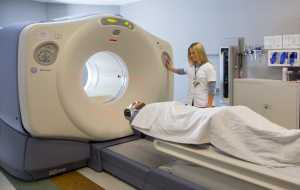 PET Scan Vanderbilt Health[/caption]
Amelia W. Maiga, MD MPH
Vanderbilt General Surgery Resident
VA Quality Scholar, TVHS
MedicalResearch.com: What is the background for this study? What are the main findings?
Response: Positron emission tomography (PET) combined with fludeoxyglucose F18 (FDG) is currently recommended for the noninvasive diagnosis of lung nodules suspicious for lung cancer. Our investigation adds to growing evidence that FDG-PET scans should be interpreted with caution in the diagnosis of lung cancer. Misdiagnosis of lung lesions driven by FDG-PET avidity can lead to unnecessary tests and surgeries for patients, along with potentially additional complications and mortality.
To estimate FDG-PET diagnostic accuracy, we conducted a multi-center retrospective cohort study. The seven cohorts originating from Tennessee, Arizona, Massachusetts and Virginia together comprised 1188 nodules, 81 percent of which were malignant. Smaller nodules were missed by FDG-PET imaging. Surprisingly, negative PET scans were also not reliable indicators of the absence of disease, especially in patients with smaller nodules or who are known to have a high probability of lung cancer prior to the FDG-PET test.
Our study supports a previous meta-analyses that found FDG-PET to be less reliable in regions of the country where fungal lung diseases are endemic. The most common fungal lung diseases in the United States are histoplasmosis, coccidioidomycosis and blastomycosis. All three fungi reside in soils. Histoplasmosis and blastomycosis are common across much of the Mississippi, Ohio and Missouri river valleys and coccidioidomycosis is prevalent in the southwestern U.S. These infections generate inflamed nodules in the lungs (granulomas), which can be mistaken for cancerous lesions by imaging.
PET Scan Vanderbilt Health[/caption]
Amelia W. Maiga, MD MPH
Vanderbilt General Surgery Resident
VA Quality Scholar, TVHS
MedicalResearch.com: What is the background for this study? What are the main findings?
Response: Positron emission tomography (PET) combined with fludeoxyglucose F18 (FDG) is currently recommended for the noninvasive diagnosis of lung nodules suspicious for lung cancer. Our investigation adds to growing evidence that FDG-PET scans should be interpreted with caution in the diagnosis of lung cancer. Misdiagnosis of lung lesions driven by FDG-PET avidity can lead to unnecessary tests and surgeries for patients, along with potentially additional complications and mortality.
To estimate FDG-PET diagnostic accuracy, we conducted a multi-center retrospective cohort study. The seven cohorts originating from Tennessee, Arizona, Massachusetts and Virginia together comprised 1188 nodules, 81 percent of which were malignant. Smaller nodules were missed by FDG-PET imaging. Surprisingly, negative PET scans were also not reliable indicators of the absence of disease, especially in patients with smaller nodules or who are known to have a high probability of lung cancer prior to the FDG-PET test.
Our study supports a previous meta-analyses that found FDG-PET to be less reliable in regions of the country where fungal lung diseases are endemic. The most common fungal lung diseases in the United States are histoplasmosis, coccidioidomycosis and blastomycosis. All three fungi reside in soils. Histoplasmosis and blastomycosis are common across much of the Mississippi, Ohio and Missouri river valleys and coccidioidomycosis is prevalent in the southwestern U.S. These infections generate inflamed nodules in the lungs (granulomas), which can be mistaken for cancerous lesions by imaging.
10 Nov Married Head/Neck Cancer Patients Less Likely To Smoke, More Likely To Live Longer
Posted at 18:06h
in Abuse and Neglect, Author Interviews, Cancer Research, ENT, JAMA, Smoking, Social Issues
MedicalResearch.com Interview with:
[caption id="attachment_38154" align="alignleft" width="150"] Nosayaba Osazuwa-Peters[/caption]
Nosayaba Osazuwa-Peters, BDS, MPH, CHES
Instructor, Department of Otolaryngology-Head and Neck Surgery
Saint Louis University School of Medicine
Member, Saint Louis University Cancer Center
St Louis, Missouri
MedicalResearch.com: What is the background for this study? What are the main findings?
Response: Several studies have shown that there is an adverse effect of smoking on head and neck cancer survival; however, there are studies that show no effect between smoking and head and neck cancer. We wanted to investigate this problem using a single institution’s cancer dataset. Additionally, we wanted to understand the role of marital status in the smoking behavior of head and neck cancer patients, and to understand if smoking played any role in head and neck cancer survival.
Our study confirmed that head and neck cancer patients who were smokers at the time of diagnosis had lower survival rates than nonsmokers. We also found that married head and neck cancer patients were less likely to be smokers and more likely to survive longer than those unmarried.
Nosayaba Osazuwa-Peters[/caption]
Nosayaba Osazuwa-Peters, BDS, MPH, CHES
Instructor, Department of Otolaryngology-Head and Neck Surgery
Saint Louis University School of Medicine
Member, Saint Louis University Cancer Center
St Louis, Missouri
MedicalResearch.com: What is the background for this study? What are the main findings?
Response: Several studies have shown that there is an adverse effect of smoking on head and neck cancer survival; however, there are studies that show no effect between smoking and head and neck cancer. We wanted to investigate this problem using a single institution’s cancer dataset. Additionally, we wanted to understand the role of marital status in the smoking behavior of head and neck cancer patients, and to understand if smoking played any role in head and neck cancer survival.
Our study confirmed that head and neck cancer patients who were smokers at the time of diagnosis had lower survival rates than nonsmokers. We also found that married head and neck cancer patients were less likely to be smokers and more likely to survive longer than those unmarried.
10 Nov Improved DNA Analysis Reduces False Positive Prenatal DNA Testing For Trisomy Conditions
MedicalResearch.com Interview with: [caption id="attachment_38080" align="alignleft" width="120"] Prof. Wald[/caption]
Professor Sir Nicholas Wald FRCP FRS
Professor of Preventive Medicine
Wolfson Institute of Preventive Medicine
Barts and The London School of Medicine and Dentistry
Queen Mary University of London
London
MedicalResearch.com: What is the background for this study?
Response: Prenatal screening for Down’s syndrome (trisomy 21), Edwards syndrome (trisomy 18) and Patau syndrome (trisomy 13) by maternal plasma DNA analysis has an improved screening performance compared with conventional screening but is too expensive to be performed routinely and has a technical failure rate.
The aim of the study was to take advantage of the improved screening performance of the DNA analysis in conjunction with the existing methods thereby providing a seamless testing interface between the “old” and the “new” methods that would detect a larger proportion of affected pregnancies with a much lower false-positive rate, at a much reduced cost compared with universal DNA testing and with no failed tests. The novel approach was to conduct a conventional screening test using a screening cut-off level that identifies about 10% of women with the highest risks of having an affected pregnancy (much higher than in conventional screening) and then to perform a DNA test using a portion of the original blood sample collected for the conventional test. Progressing to the DNA test was automatic for these high risk women without their having to be recalled for counseling and a fresh blood sample (ie as a reflex response hence the term “reflex DNA screening”).
Prof. Wald[/caption]
Professor Sir Nicholas Wald FRCP FRS
Professor of Preventive Medicine
Wolfson Institute of Preventive Medicine
Barts and The London School of Medicine and Dentistry
Queen Mary University of London
London
MedicalResearch.com: What is the background for this study?
Response: Prenatal screening for Down’s syndrome (trisomy 21), Edwards syndrome (trisomy 18) and Patau syndrome (trisomy 13) by maternal plasma DNA analysis has an improved screening performance compared with conventional screening but is too expensive to be performed routinely and has a technical failure rate.
The aim of the study was to take advantage of the improved screening performance of the DNA analysis in conjunction with the existing methods thereby providing a seamless testing interface between the “old” and the “new” methods that would detect a larger proportion of affected pregnancies with a much lower false-positive rate, at a much reduced cost compared with universal DNA testing and with no failed tests. The novel approach was to conduct a conventional screening test using a screening cut-off level that identifies about 10% of women with the highest risks of having an affected pregnancy (much higher than in conventional screening) and then to perform a DNA test using a portion of the original blood sample collected for the conventional test. Progressing to the DNA test was automatic for these high risk women without their having to be recalled for counseling and a fresh blood sample (ie as a reflex response hence the term “reflex DNA screening”).
09 Nov Urban Transgender Females Likely To Get HIV Testing
MedicalResearch.com Interview with: [caption id="attachment_38140" align="alignleft" width="116"] Dr. Juarez[/caption]
Adrian Juarez, PhD, RN
Assistant Professor
The State University of New York
School of Nursing
Department of Family, Community and Health Systems Sciences
Buffalo, New York 14214
MedicalResearch.com: What is the background for this study?
Response: HIV testing is considered the initial component of HIV eradication strategies such as “seek, test, treat, and retain.” This study examines the characteristics of an urban, transgender population in western New York when volunteering for an HIV test. The use of an intersectional lens was observed in order to determine the level of influence of sexual partnership types, previous HIV and STD testing, substance use, housing status referral source and racial/gender identification on HIV testing.
Dr. Juarez[/caption]
Adrian Juarez, PhD, RN
Assistant Professor
The State University of New York
School of Nursing
Department of Family, Community and Health Systems Sciences
Buffalo, New York 14214
MedicalResearch.com: What is the background for this study?
Response: HIV testing is considered the initial component of HIV eradication strategies such as “seek, test, treat, and retain.” This study examines the characteristics of an urban, transgender population in western New York when volunteering for an HIV test. The use of an intersectional lens was observed in order to determine the level of influence of sexual partnership types, previous HIV and STD testing, substance use, housing status referral source and racial/gender identification on HIV testing.
09 Nov Up To Certain Number of Hours, Maternal Employment Is Beneficial For Children’s Body Weight
MedicalResearch.com Interview with: [caption id="attachment_38135" align="alignleft" width="150"] Dr. Li[/caption]
Dr. Jianghong Li, Senior Research Fellow
WZB Berlin Social Science Center
Berlin, Germany
Telethon KIDS Institute, The University of Western Australia
West Perth, Western Australia
MedicalResearch.com: What is the background for this study?
Response: Over the last three to four decades, the prevalence of child overweight/obesity and maternal employment has both increased worldwide. This co-occurrence has drawn much attention to the connection between these two trends. Previous studies, predominantly based on US samples and cross-sectional data, has linked longer working hours to children’s higher body mass index (BMI), suggesting that any maternal employment was a risk for child health.
Dr. Li[/caption]
Dr. Jianghong Li, Senior Research Fellow
WZB Berlin Social Science Center
Berlin, Germany
Telethon KIDS Institute, The University of Western Australia
West Perth, Western Australia
MedicalResearch.com: What is the background for this study?
Response: Over the last three to four decades, the prevalence of child overweight/obesity and maternal employment has both increased worldwide. This co-occurrence has drawn much attention to the connection between these two trends. Previous studies, predominantly based on US samples and cross-sectional data, has linked longer working hours to children’s higher body mass index (BMI), suggesting that any maternal employment was a risk for child health.
09 Nov Toxin-Producing Bacteria Staph Aureus Induces Skin Inflammation
MedicalResearch.com Interview with: [caption id="attachment_38127" align="alignleft" width="80"] Dr. Miller[/caption]
Lloyd S. Miller, M.D., Ph.D.
Vice Chair for Research, Department of Dermatology
Associate Professor of Dermatology, Infectious Diseases, Orthopaedic Surgery & Materials Science and Engineering
Faculty Member, Cellular and Molecular Medicine (CMM) and Pathobiology Graduate Programs
Johns Hopkins Department of Dermatology
Baltimore, MD 21231
MedicalResearch.com: What is the background for this study? What are the main findings?
Response: Staphylococcus aureus is a common bacterial skin pathogen and its abundance is greatly increased on affected skin of eczema patients, especially during disease flares. However, how S. aureus induces skin inflammation and exacerbates the skin inflammation is incompletely understood.
In this study, we found that S. aureus exposure of mouse skin induced skin inflammation through an inflammatory mediator known as IL-36.
Dr. Miller[/caption]
Lloyd S. Miller, M.D., Ph.D.
Vice Chair for Research, Department of Dermatology
Associate Professor of Dermatology, Infectious Diseases, Orthopaedic Surgery & Materials Science and Engineering
Faculty Member, Cellular and Molecular Medicine (CMM) and Pathobiology Graduate Programs
Johns Hopkins Department of Dermatology
Baltimore, MD 21231
MedicalResearch.com: What is the background for this study? What are the main findings?
Response: Staphylococcus aureus is a common bacterial skin pathogen and its abundance is greatly increased on affected skin of eczema patients, especially during disease flares. However, how S. aureus induces skin inflammation and exacerbates the skin inflammation is incompletely understood.
In this study, we found that S. aureus exposure of mouse skin induced skin inflammation through an inflammatory mediator known as IL-36.
09 Nov Lifestyle Modifications Slow Progression To Diabetes As Effectively As Medications
MedicalResearch.com Interview with: Dr. Karla Galaviz PhD Hubert Department of Global Health Rollins School of Public Health Emory University Sonya Haw, MD| Assistant Professor Division of Endocrinology, Metabolism & Lipids Emory University, School of Medicine Grady Memorial Hospital Atlanta, GA MedicalResearch.com: What is the background for this study? What are the main findings?- Diabetes affects 1 in 11 adults worldwide and though there is evidence that lifestyle modification (eating healthier diets and exercising about 150 mins a week) and certain medications can prevent or delay diabetes onset, it is not clear which of these strategies offers long-term benefits.
- To answer this question, we compiled all available randomized controlled trials of lifestyle programs and medications to prevent diabetes and analyzed the data to see if the diabetes prevention effects persisted in the long-term. We specifically compared studies where the lifestyle or drug interventions were discontinued to see if the effect was long lasting or diminished when the intervention was stopped.
09 Nov Women With Severe Hot Flashes At Higher Risk of Obstructive Sleep Apnea
MedicalResearch.com Interview with: Stephanie S. Faubion, MD, FACP, NCMP, IF Director, Executive and International Medicine Director, Office of Women’s Health Associate Professor of Medicine Division of General Internal Medicine MedicalResearch.com: What is the background for this study? What are the main findings? Response: The Data Registry on Experiences of Aging, Menopause and Sexuality (DREAMS) was used for this study investigating the association between vasomotor symptoms (hot flashes and night sweats) and risk for obstructive sleep apnea, a common and underdiagnosed sleep disorder in women which is associated with increased cardiovascular risk. We found that Women who had severe or very severe hot flashes or night sweats were more likely to be at increased risk for obstructive sleep apnea. This association held even after adjusting for age, body mass index, smoking and hypertension, such that the odds of women having intermediate /high risk for obstructive sleep apnea were 1.87 times higher for those with severe/very severe hot flashes/night sweats compared to those with less severe symptoms. We decided to analyze the group of women with normal body mass index, and indeed, this finding was still significant in the lean group of women.09 Nov US Heat-Related Deaths Disproportionately Affect Non-Citizens
MedicalResearch.com Interview with: Ethel V. Taylor, DVM, MPH
Division of Environmental Hazards and Health Effects
National Center for Environmental Health,
Centers for Disease Control and Prevention
Atlanta, GA
MedicalResearch.com: What is the background for this study?
Response: CDC sought to identify and measure whether or not differences exist for deaths associated with extreme heat among non-citizens, who had been identified by previous studies as higher risk due to occupation.
CDC compared heat-related deaths among non-US and US citizens from 2005-2014. Heat-related deaths accounted for 2.4% of all deaths among non-U.S. citizens (n=999) compared to 0.02% of U.S. citizens (n=4196).
Ethel V. Taylor, DVM, MPH
Division of Environmental Hazards and Health Effects
National Center for Environmental Health,
Centers for Disease Control and Prevention
Atlanta, GA
MedicalResearch.com: What is the background for this study?
Response: CDC sought to identify and measure whether or not differences exist for deaths associated with extreme heat among non-citizens, who had been identified by previous studies as higher risk due to occupation.
CDC compared heat-related deaths among non-US and US citizens from 2005-2014. Heat-related deaths accounted for 2.4% of all deaths among non-U.S. citizens (n=999) compared to 0.02% of U.S. citizens (n=4196).
09 Nov Personality Changes Can Signal Incomplete Recovery After Traumatic Brain Injury
MedicalResearch.com Interview with: [caption id="attachment_38107" align="alignleft" width="200"] Prof J van der Naalt[/caption]
Prof.dr. J van der Naalt PhD
Department of Neurology University Medical Center Groningen
Groningen, The Netherlands
MedicalResearch.com: What is the background for this study? What are the main findings?
Response: Mild traumatic brain injury occurs frequently and is one of the leading cause of morbidity in adults worldwide. It is a major social-economic problem with one in three patients had persistent complaints several months after injury that interfere with resumption of daily activities and work.
One of the most important questions concerns the finding that some patients recover without complaints and others do not after sustaining a mild traumatic brain injury. In a follow-up study with more than 1000 participants we found that personality factors are a major factor in the recovery process. In particular coping, that is the way patients adapt to persistent complaints, is important next to emotional distress and impact of the injury.
In an add-on study with fMRI we found that in the early phase after injury, the interaction between specific brain networks was temporarily changed. However, when regarding persistent posttraumatic complaints , specific personality characteristics significantly determine long term outcome.
Prof J van der Naalt[/caption]
Prof.dr. J van der Naalt PhD
Department of Neurology University Medical Center Groningen
Groningen, The Netherlands
MedicalResearch.com: What is the background for this study? What are the main findings?
Response: Mild traumatic brain injury occurs frequently and is one of the leading cause of morbidity in adults worldwide. It is a major social-economic problem with one in three patients had persistent complaints several months after injury that interfere with resumption of daily activities and work.
One of the most important questions concerns the finding that some patients recover without complaints and others do not after sustaining a mild traumatic brain injury. In a follow-up study with more than 1000 participants we found that personality factors are a major factor in the recovery process. In particular coping, that is the way patients adapt to persistent complaints, is important next to emotional distress and impact of the injury.
In an add-on study with fMRI we found that in the early phase after injury, the interaction between specific brain networks was temporarily changed. However, when regarding persistent posttraumatic complaints , specific personality characteristics significantly determine long term outcome.
08 Nov Even Treated, HIV-Positive Children Have Ongoing White Matter Brain Damage
MedicalResearch.com Interview with: Marcin Jankiewicz
University of Cape Town
Cape Town, South Africa
MedicalResearch.com: What is the background for this study?
Response: The Children with HIV Early Antiretroviral (CHER) trial, conducted in Cape Town and Soweto, was designed when there was uncertainty whether to start antiretroviral therapy (ART) as soon as HIV was diagnosed (below 12 weeks of age) or to wait until there was evidence of immuno-compromise and disease progression. Also, there were concerns about maintaining adherence, long-term toxicity and also resistance in the setting of few antiretroviral options. Early outcomes showed a decreased risk in childhood mortality in the early treatment arms compared to deferred treatment, becoming standard of care globally.
The CHER cohort is one of the largest and best documented of children receiving ART within the first year of life. Also, age- and community-matched HIV exposed uninfected (HEU) and HIV unexposed (HU) uninfected infants were enrolled in parallel for a linked vaccine study.
We therefore had an amazing opportunity to link with a neurodevelopmental sub-study in participants from Cape Town and apply sophisticated neuroimaging modalities that could link with clinical, virological and immunological characteristics.
Marcin Jankiewicz
University of Cape Town
Cape Town, South Africa
MedicalResearch.com: What is the background for this study?
Response: The Children with HIV Early Antiretroviral (CHER) trial, conducted in Cape Town and Soweto, was designed when there was uncertainty whether to start antiretroviral therapy (ART) as soon as HIV was diagnosed (below 12 weeks of age) or to wait until there was evidence of immuno-compromise and disease progression. Also, there were concerns about maintaining adherence, long-term toxicity and also resistance in the setting of few antiretroviral options. Early outcomes showed a decreased risk in childhood mortality in the early treatment arms compared to deferred treatment, becoming standard of care globally.
The CHER cohort is one of the largest and best documented of children receiving ART within the first year of life. Also, age- and community-matched HIV exposed uninfected (HEU) and HIV unexposed (HU) uninfected infants were enrolled in parallel for a linked vaccine study.
We therefore had an amazing opportunity to link with a neurodevelopmental sub-study in participants from Cape Town and apply sophisticated neuroimaging modalities that could link with clinical, virological and immunological characteristics.
08 Nov Should Hormonal Therapy Be Extended Past Five Years After Estrogen+ Breast Cancer?
MedicalResearch.com Interview with: [caption id="attachment_37960" align="alignleft" width="112"] Dr Hongchao Pan[/caption]
Dr Hongchao Pan PhD
Medical Research Council Population Health Research Unit
Clinical Trial Service Unit & Epidemiological Studies Unit
Nuffield Department of Population Health
Oxford
MedicalResearch.com: What is the background for this study? What are the main findings?
Response: We’ve known for a long time that recurrences can occur late in women with oestrogen receptor positive breast cancers. Our study aimed to assess how big the risk was for women who had taken endocrine treatment (tamoxifen or an aromatase inhibitor) for 5 years, which greatly reduces the risk of recurrence (by about a half during treatment and one third for the 5 years after stopping). We also wanted to find out what factors influenced the risk of recurrence, and whether some women had such a low risk that they could safely stop hormonal treatment after 5 years or, conversely, whether other women had a particularly high risk so it would make sense for them to keep on taking hormonal treatment.
What we found by following the progress of over 60,000 women who had stopped hormonal treatment at 5 years is that the risk of the cancer spreading stays about the same for the next 15 years. This risk is much higher for women whose breast cancer had spread to the nodes when first diagnosed but even for those with the best outlook (no spread to the lymph nodes and small tumours), there was a 10% chance of cancer spread over 15 years.
Dr Hongchao Pan[/caption]
Dr Hongchao Pan PhD
Medical Research Council Population Health Research Unit
Clinical Trial Service Unit & Epidemiological Studies Unit
Nuffield Department of Population Health
Oxford
MedicalResearch.com: What is the background for this study? What are the main findings?
Response: We’ve known for a long time that recurrences can occur late in women with oestrogen receptor positive breast cancers. Our study aimed to assess how big the risk was for women who had taken endocrine treatment (tamoxifen or an aromatase inhibitor) for 5 years, which greatly reduces the risk of recurrence (by about a half during treatment and one third for the 5 years after stopping). We also wanted to find out what factors influenced the risk of recurrence, and whether some women had such a low risk that they could safely stop hormonal treatment after 5 years or, conversely, whether other women had a particularly high risk so it would make sense for them to keep on taking hormonal treatment.
What we found by following the progress of over 60,000 women who had stopped hormonal treatment at 5 years is that the risk of the cancer spreading stays about the same for the next 15 years. This risk is much higher for women whose breast cancer had spread to the nodes when first diagnosed but even for those with the best outlook (no spread to the lymph nodes and small tumours), there was a 10% chance of cancer spread over 15 years.
08 Nov Common Antidepressant Sertraline Does Not Improve Depression in Chronic Kidney Disease Patients
MedicalResearch.com Interview with: [caption id="attachment_38095" align="alignleft" width="89"] Dr. Hedayati[/caption]
Dr. Susan Hedayati MD
Yin Quan-Yuen Distinguished Professorship in Nephrology
University of Texas Southwestern
Dallas, Texas
MedicalResearch.com: What is the background for this study? What are the main findings?
Response: We previously showed that Major Depression is associated with a significantly higher risk of death, dialysis initiation, and hospitalization among patients with Chronic Kidney Disease (CKD). Now we show that a common antidepressant medication, a selective serotonin reuptake inhibitors (SSRI), sertraline, does not improve depression in this patient population, a chronically ill group that is not only at significantly increased risk for developing depression but also its serious complications.
Dr. Hedayati[/caption]
Dr. Susan Hedayati MD
Yin Quan-Yuen Distinguished Professorship in Nephrology
University of Texas Southwestern
Dallas, Texas
MedicalResearch.com: What is the background for this study? What are the main findings?
Response: We previously showed that Major Depression is associated with a significantly higher risk of death, dialysis initiation, and hospitalization among patients with Chronic Kidney Disease (CKD). Now we show that a common antidepressant medication, a selective serotonin reuptake inhibitors (SSRI), sertraline, does not improve depression in this patient population, a chronically ill group that is not only at significantly increased risk for developing depression but also its serious complications.
08 Nov Wearable Device Study Confirms Moderate-to-Vigorous Physical Activity Linked To Decreased Mortality
Posted at 18:44h
in AHA Journals, Author Interviews, Brigham & Women's - Harvard, Exercise - Fitness, Lifestyle & Health
MedicalResearch.com Interview with:
[caption id="attachment_38085" align="alignleft" width="142"] Dr. Lee[/caption]
I-Min Lee, MD, ScD
Professor of Medicine, Harvard Medical School
Professor of Epidemiology, Harvard T.H. Chan School of Public Health
Brigham and Women's Hospital
Boston, MA 02215
MedicalResearch.com: What is the background for this study? What are the main findings?
Response: The fact that physical activity lowers the risk of premature mortality is not a new fact – we have many studies showing this. However, previous studies have primarily relied on self-reported physical activity, and self-reports tend to be imprecise. Based on these self-report studies, we know that physical activity is associated with a 20-30% reduction in mortality rates. And, these self-report studies also have focused on moderate-to-vigorous intensity physical activity, since they are more reliably reported than lighter intensity activity. We have little information on whether light-intensity activities (e.g., light household chores, very slow walking such as when strolling and window shopping) are associated with lower mortality rates.
We now have “wearables” – devices that can more precisely measure physical activity at low (as well as higher) intensities, and sedentary behavior. The present study, conducted between 2011 and 2015, investigated a large cohort of older women (n=16,741; mean age, 72 years) who were asked to wear these devices for a week – thus, providing detailed physical activity and sedentary behavior measures. During an average follow-up of about two-and-a-half years, 207 women died. The study confirmed that physical activity is related to lower mortality rates.
What is new and important is how strong this association is when we have more precise measures of physical activity – the most active women had a 60-70% reduction in mortality rates, compared with the least active, during the study. For context, non-smokers have about a 50% risk reduction, compared to smokers, which is why patients (and doctors) should pay attention to being physically active.
Dr. Lee[/caption]
I-Min Lee, MD, ScD
Professor of Medicine, Harvard Medical School
Professor of Epidemiology, Harvard T.H. Chan School of Public Health
Brigham and Women's Hospital
Boston, MA 02215
MedicalResearch.com: What is the background for this study? What are the main findings?
Response: The fact that physical activity lowers the risk of premature mortality is not a new fact – we have many studies showing this. However, previous studies have primarily relied on self-reported physical activity, and self-reports tend to be imprecise. Based on these self-report studies, we know that physical activity is associated with a 20-30% reduction in mortality rates. And, these self-report studies also have focused on moderate-to-vigorous intensity physical activity, since they are more reliably reported than lighter intensity activity. We have little information on whether light-intensity activities (e.g., light household chores, very slow walking such as when strolling and window shopping) are associated with lower mortality rates.
We now have “wearables” – devices that can more precisely measure physical activity at low (as well as higher) intensities, and sedentary behavior. The present study, conducted between 2011 and 2015, investigated a large cohort of older women (n=16,741; mean age, 72 years) who were asked to wear these devices for a week – thus, providing detailed physical activity and sedentary behavior measures. During an average follow-up of about two-and-a-half years, 207 women died. The study confirmed that physical activity is related to lower mortality rates.
What is new and important is how strong this association is when we have more precise measures of physical activity – the most active women had a 60-70% reduction in mortality rates, compared with the least active, during the study. For context, non-smokers have about a 50% risk reduction, compared to smokers, which is why patients (and doctors) should pay attention to being physically active.
08 Nov Anti-TNF Agents In Inflammatory Bowel Disease Linked to Small Increased Risk of Lymphoma
MedicalResearch.com Interview with: Rosemary Dray-Spira, MD, PhD
Department of Epidemiology
French National Agency for Medicines and Health Products Safety (ANSM)
Saint-Denis, France
MedicalResearch.com: What is the background for this study? What are the main findings?
Response: Anti-tumor necrosis factor (anti-TNF) agents are increasingly used for the management of inflammatory bowel diseases (IBD), either alone or in combination with thiopurines. Their clinical benefits have been largely assessed, however they may expose to potentially serious adverse effects. While an increased risk of lymphoma has been established with thiopurines, up to now such a risk of lymphoma remained uncertain with anti-TNF agents.
In this study based upon a large, nationwide cohort of 189,289 patients with IBD, the use of anti-TNF agents alone was found associated with a 2 to 3 fold increase in the risk of lymphoma, similarly to thiopurines alone. In addition, the combination of these two treatments was associated with a 6 fold increase in the risk of lymphoma, ie a higher risk than with each treatment used alone. Although these differences are statistically significant, the risk of lymphoma among patients exposed to anti-TNF agents is less than 1 case per 1000 person-years.
Rosemary Dray-Spira, MD, PhD
Department of Epidemiology
French National Agency for Medicines and Health Products Safety (ANSM)
Saint-Denis, France
MedicalResearch.com: What is the background for this study? What are the main findings?
Response: Anti-tumor necrosis factor (anti-TNF) agents are increasingly used for the management of inflammatory bowel diseases (IBD), either alone or in combination with thiopurines. Their clinical benefits have been largely assessed, however they may expose to potentially serious adverse effects. While an increased risk of lymphoma has been established with thiopurines, up to now such a risk of lymphoma remained uncertain with anti-TNF agents.
In this study based upon a large, nationwide cohort of 189,289 patients with IBD, the use of anti-TNF agents alone was found associated with a 2 to 3 fold increase in the risk of lymphoma, similarly to thiopurines alone. In addition, the combination of these two treatments was associated with a 6 fold increase in the risk of lymphoma, ie a higher risk than with each treatment used alone. Although these differences are statistically significant, the risk of lymphoma among patients exposed to anti-TNF agents is less than 1 case per 1000 person-years.
08 Nov Labels of Majority of Online Cannabidiol Extracts Contain Inaccuracies
MedicalResearch.com Interview with: [caption id="attachment_18486" align="alignleft" width="300"] Marijuana plant (Cannabis sativa)[/caption]
Marcel Bonn-Miller, PhD
Adjunct assistant professor
Department of Psychiatry
Leader of the Substance Abuse and Anxiety Program
U.S. Veterans Affairs Department
MedicalResearch.com: What is the background for this study? What are the main findings?
Response: A 2015 study found that edible cannabis products (e.g., brownies, cookies, drinks) are often mislabeled. The FDA has also sent warning letters to a handful of companies selling cannabidiol extracts because of inaccurate labeling of content. This led us to conduct a systematic evaluation of the label accuracy of all cannabidiol extracts sold online. We tested 84 products from 31 different companies.
The primary take-home of this study is that nearly 70 percent of all cannabidiol extracts sold online had over 10% more or less cannabidiol than advertised; 26% of products were over-labeled (less cannabidiol than indicated) and 42% of products were under-labeled (more cannabidiol than indicated).
Marijuana plant (Cannabis sativa)[/caption]
Marcel Bonn-Miller, PhD
Adjunct assistant professor
Department of Psychiatry
Leader of the Substance Abuse and Anxiety Program
U.S. Veterans Affairs Department
MedicalResearch.com: What is the background for this study? What are the main findings?
Response: A 2015 study found that edible cannabis products (e.g., brownies, cookies, drinks) are often mislabeled. The FDA has also sent warning letters to a handful of companies selling cannabidiol extracts because of inaccurate labeling of content. This led us to conduct a systematic evaluation of the label accuracy of all cannabidiol extracts sold online. We tested 84 products from 31 different companies.
The primary take-home of this study is that nearly 70 percent of all cannabidiol extracts sold online had over 10% more or less cannabidiol than advertised; 26% of products were over-labeled (less cannabidiol than indicated) and 42% of products were under-labeled (more cannabidiol than indicated).
08 Nov Nearly Half of Adolescents Had At Least One Sunburn In Past Year
MedicalResearch.com Interview with: Dawn M. Holman, MPH
Behavioral Scientist
Division of Cancer Prevention and Control
Centers for Disease Control and Prevention
MedicalResearch.com: What is the background for this study?
Response: Scientific evidence clearly shows that even one sunburn during adolescence can increase a person’s chances of developing skin cancer as an adult. Surprisingly, little research has been done to understand the factors associated with sunburn during this phase of life. The CDC wanted to examine beliefs, behaviors, and demographic characteristics that might be associated with adolescent sunburns in hopes that the findings could inform future intervention efforts. We used data from the 2015 YouthStyles survey (adolescents aged 12 to 17 years) to explore this research question
Dawn M. Holman, MPH
Behavioral Scientist
Division of Cancer Prevention and Control
Centers for Disease Control and Prevention
MedicalResearch.com: What is the background for this study?
Response: Scientific evidence clearly shows that even one sunburn during adolescence can increase a person’s chances of developing skin cancer as an adult. Surprisingly, little research has been done to understand the factors associated with sunburn during this phase of life. The CDC wanted to examine beliefs, behaviors, and demographic characteristics that might be associated with adolescent sunburns in hopes that the findings could inform future intervention efforts. We used data from the 2015 YouthStyles survey (adolescents aged 12 to 17 years) to explore this research question
08 Nov Kidney Failure From Diabetes Decreasing Across US
MedicalResearch.com Interview with: Nilka Ríos Burrows, MPH, MT (ASCP) Lead, Chronic Kidney Disease Initiative CDC Division of Diabetes Translation. MedicalResearch.com: What is the background for this study? What are the main findings? Response: Kidney failure treated with dialysis or a kidney transplant is called end-stage renal disease (ESRD). ESRD is a costly and disabling condition often resulting in premature death. During 2000–2014, kidney failure from diabetes among U.S. adults with diabetes decreased by 33%, and it declined significantly in most states, the District of Columbia, and Puerto Rico. No state experienced an increase in kidney failure from diabetes. Continued awareness and interventions to reduce risk factors for kidney failure, improve diabetes care, and prevent type 2 diabetes might sustain these positive trends.07 Nov African Americans Do Worse After Joint Replacements, But Only In Disadvantaged Neighborhoods
MedicalResearch.com Interview with: [caption id="attachment_38064" align="alignleft" width="140"] Dr. Goodman[/caption]
Susan M. Goodman, MD
Director of the Integrative Rheumatology and Orthopedics Center of Excellence
Hospital for Special Surgery
MedicalResearch.com: What is the background for this study? What are the main findings?
Response: We have previously reported that African Americans who have poorer health outcomes, may be disproportionately impacted by community factors. For African Americans undergoing knee replacement, no difference in pain and function was seen compared to whites in communities with little poverty, while in poor communities, African Americans had poorer outcomes. We wondered if this was generally true or if this only applied to knee replacements.
We found similar results; African Americans in richer neighborhoods have comparable outcomes to whites, but as poverty increases- in this study measured as percent with Medicaid coverage- outcomes worsen in a step wise fashion.
Dr. Goodman[/caption]
Susan M. Goodman, MD
Director of the Integrative Rheumatology and Orthopedics Center of Excellence
Hospital for Special Surgery
MedicalResearch.com: What is the background for this study? What are the main findings?
Response: We have previously reported that African Americans who have poorer health outcomes, may be disproportionately impacted by community factors. For African Americans undergoing knee replacement, no difference in pain and function was seen compared to whites in communities with little poverty, while in poor communities, African Americans had poorer outcomes. We wondered if this was generally true or if this only applied to knee replacements.
We found similar results; African Americans in richer neighborhoods have comparable outcomes to whites, but as poverty increases- in this study measured as percent with Medicaid coverage- outcomes worsen in a step wise fashion.
07 Nov Novel PDE4 Inhibitor Improves Symptoms of Autism Disorder Fragile X Syndrome in Animal Model
MedicalResearch.com Interview with: [caption id="attachment_38060" align="alignleft" width="200"] Dr. Gurney[/caption]
Dr. Mark E. Gurney, PhD MBA
Chairman & CEO, Tetra Discovery Partners Inc.
MedicalResearch.com: What is the background for this study? What are the main findings?
Response: Fragile X is a genetic condition. Affected patients display a range of behavioral and other symptoms, including seizures, sleep disorders, anxiety, irritability, hyperactivity, autism, mild-to-severe cognitive impairment and intellectual disability.
BPN14770 is a novel therapeutic agent that selectively inhibits phosphodiesterase-4D (PDE4D). Inhibition of PDE4 has been validated as a treatment strategy by many research groups in the Fragile X field, but non-selective PDE4 inhibitors have been associated with significant GI side-effects that have limited those drugs’ use. As a selective inhibitor, such side-effects were not seen for BPN14770 in a Phase 1 clinical trial in healthy young and elderly adults.
In the current study, daily treatment of Fragile X knock-out (FXS) mice with BPN14770 showed a reduction in hyperarousal, improved social interactions and natural behaviors, and changes in nerve structure in the prefrontal cortex of the brain, the portion of that brain associated with cognition. Moreover, the drug’s benefit persisted for two weeks after all drug was cleared from the mice. At the same time, the behavior of normal mice treated with the drug remained unchanged. Examination of neurons from the prefrontal cortex of the treated FXS mice showed an improvement in dendritic spine morphology.
Dr. Gurney[/caption]
Dr. Mark E. Gurney, PhD MBA
Chairman & CEO, Tetra Discovery Partners Inc.
MedicalResearch.com: What is the background for this study? What are the main findings?
Response: Fragile X is a genetic condition. Affected patients display a range of behavioral and other symptoms, including seizures, sleep disorders, anxiety, irritability, hyperactivity, autism, mild-to-severe cognitive impairment and intellectual disability.
BPN14770 is a novel therapeutic agent that selectively inhibits phosphodiesterase-4D (PDE4D). Inhibition of PDE4 has been validated as a treatment strategy by many research groups in the Fragile X field, but non-selective PDE4 inhibitors have been associated with significant GI side-effects that have limited those drugs’ use. As a selective inhibitor, such side-effects were not seen for BPN14770 in a Phase 1 clinical trial in healthy young and elderly adults.
In the current study, daily treatment of Fragile X knock-out (FXS) mice with BPN14770 showed a reduction in hyperarousal, improved social interactions and natural behaviors, and changes in nerve structure in the prefrontal cortex of the brain, the portion of that brain associated with cognition. Moreover, the drug’s benefit persisted for two weeks after all drug was cleared from the mice. At the same time, the behavior of normal mice treated with the drug remained unchanged. Examination of neurons from the prefrontal cortex of the treated FXS mice showed an improvement in dendritic spine morphology.
07 Nov FDA Advisory Committee Recommended Approval of First Gene Therapy For Inherited Eye Disease
MedicalResearch.com Interview with: Dr. Stephen M. Rose, PhD
Chief Research Officer
Dr. Rose discusses the FDA advisory panel unanimously recommended approval of Spark Therapeutics' Gene Therapy Luxturna for the treatment of patients with vision loss due to confirmed biallelic RPE65-mediated inherited retinal dystrophies, a group of rare blinding conditions caused by one of more than 220 different genes.
MedicalResearch.com: Would you tell us a little about IRD? Whom does it affect and how? How common is this disorder?
Response: The retina at the back of the eye is responsible for collecting light and turning it into signals that are transmitted to the brain and interpreted as vision. Think of the retina as the film in a camera, or more recently the sensor at the back of a digital camera. Inherited rare retinal degenerations are when the retina at the back of the eye deteriorates and loses its ability to capture light, thereby leading to blindness.
iRDs can affect anyone, no matter race or ethnicity. These are inherited conditions that are passed down from parents to children, if a parent or both parents are either affected already or are carriers for a variant in any of the over 250 genes responsible for retinal degeneration.
There are over 15 different types of iRDs, with retinitis pigmentosa being the most common with a US affected population around 100,000. The rest of the iRDs make up another approximately 100,000 affected individuals in the US, so there are about 200,000 total affected individuals in the US. Worldwide these iRDs affect somewhere around one to two million individuals.
Dr. Stephen M. Rose, PhD
Chief Research Officer
Dr. Rose discusses the FDA advisory panel unanimously recommended approval of Spark Therapeutics' Gene Therapy Luxturna for the treatment of patients with vision loss due to confirmed biallelic RPE65-mediated inherited retinal dystrophies, a group of rare blinding conditions caused by one of more than 220 different genes.
MedicalResearch.com: Would you tell us a little about IRD? Whom does it affect and how? How common is this disorder?
Response: The retina at the back of the eye is responsible for collecting light and turning it into signals that are transmitted to the brain and interpreted as vision. Think of the retina as the film in a camera, or more recently the sensor at the back of a digital camera. Inherited rare retinal degenerations are when the retina at the back of the eye deteriorates and loses its ability to capture light, thereby leading to blindness.
iRDs can affect anyone, no matter race or ethnicity. These are inherited conditions that are passed down from parents to children, if a parent or both parents are either affected already or are carriers for a variant in any of the over 250 genes responsible for retinal degeneration.
There are over 15 different types of iRDs, with retinitis pigmentosa being the most common with a US affected population around 100,000. The rest of the iRDs make up another approximately 100,000 affected individuals in the US, so there are about 200,000 total affected individuals in the US. Worldwide these iRDs affect somewhere around one to two million individuals.
07 Nov Medical Tetrahydrocannabinol May Be Beneficial For Seizures and Chemotherapy Side Effects
Posted at 21:14h
in Author Interviews, Brigham & Women's - Harvard, Cannabis, Pediatrics, Pediatrics
MedicalResearch.com Interview with:
[caption id="attachment_38051" align="alignleft" width="180"] Dr. Wong[/caption]
Shane Shucheng Wong, MD
Massachusetts General Hospital
Boston, Massachusetts
MedicalResearch.com: What is the background for this study?
Response: Medical cannabis is now legal in 29 states and the District of Columbia, and in those areas with active programs, children and adolescents can legally access medical cannabis with certification from their doctor and consent from a parent. This means that doctors and families need to understand what we know and what we don’t yet know about medical cannabis in order to make the best decision for the health of the individual child. Two synthetic cannabinoids – compounds that act on specific receptors in the brain – have been approved for medical use in the U.S., both of which mimic a form of THC (tetrahydrocannabinol), the compound responsible for the “high” of recreational cannabis use. Dronabinol (Marinol) is approved to treat chemotherapy-induced nausea and vomiting in both children and adults, while the pediatric use of nabilone (Cesamet) carries a caution. A third cannabinoid, cannabidiol, is currently in phase 3 trials for treatment of seizures.
Dr. Wong[/caption]
Shane Shucheng Wong, MD
Massachusetts General Hospital
Boston, Massachusetts
MedicalResearch.com: What is the background for this study?
Response: Medical cannabis is now legal in 29 states and the District of Columbia, and in those areas with active programs, children and adolescents can legally access medical cannabis with certification from their doctor and consent from a parent. This means that doctors and families need to understand what we know and what we don’t yet know about medical cannabis in order to make the best decision for the health of the individual child. Two synthetic cannabinoids – compounds that act on specific receptors in the brain – have been approved for medical use in the U.S., both of which mimic a form of THC (tetrahydrocannabinol), the compound responsible for the “high” of recreational cannabis use. Dronabinol (Marinol) is approved to treat chemotherapy-induced nausea and vomiting in both children and adults, while the pediatric use of nabilone (Cesamet) carries a caution. A third cannabinoid, cannabidiol, is currently in phase 3 trials for treatment of seizures.
07 Nov Men and Women Have Different Perspectives on Infidelity
MedicalResearch.com Interview with: Mons Bendixen and Leif Edward Ottesen Kennair MedicalResearch.com: What is the background for this study? What are the main findings? Response: Using infidelity scenarios, we aimed to study coupled women and men’s willingness to forgive their partner’s infidelity and their beliefs about being forgiven when cheating on their partner. The...
07 Nov Exercise, Vision Testing and Osteoporosis Evaluation Are Keys To Fall Prevention
Posted at 18:56h
in Accidents & Violence, Author Interviews, Exercise - Fitness, Frailty, Geriatrics, JAMA, Osteoporosis
MedicalResearch.com Interview with:
[caption id="attachment_38044" align="alignleft" width="200"] Dr. Tricco[/caption]
Andrea C. Tricco PhD, MSc
Scientist and Lead of the Knowledge Synthesis Team
Associate Professor Dalla Lana School of Public Health, University of Toronto
Associate Editor Journal of Clinical Epidemiology, BMC Medical Research Methodology, Systematic Reviews
MedicalResearch.com: What is the background for this study?
Response: Falls are the leading cause of injury among older adults and account for $2 billion in direct health-care costs annually ($31 billion in costs to Medicare in the United States in 2012). We aimed to determine which types of fall-prevention programs may be effective for reducing falls in older people.
MedicalResearch.com: What are the main findings?
Response: Exercise, along with vision assessment and treatment, as well as an assessment and possible modification of a person’s living environment, reduced the risk of injurious falls by 23% compared to usual care.
Dr. Tricco[/caption]
Andrea C. Tricco PhD, MSc
Scientist and Lead of the Knowledge Synthesis Team
Associate Professor Dalla Lana School of Public Health, University of Toronto
Associate Editor Journal of Clinical Epidemiology, BMC Medical Research Methodology, Systematic Reviews
MedicalResearch.com: What is the background for this study?
Response: Falls are the leading cause of injury among older adults and account for $2 billion in direct health-care costs annually ($31 billion in costs to Medicare in the United States in 2012). We aimed to determine which types of fall-prevention programs may be effective for reducing falls in older people.
MedicalResearch.com: What are the main findings?
Response: Exercise, along with vision assessment and treatment, as well as an assessment and possible modification of a person’s living environment, reduced the risk of injurious falls by 23% compared to usual care.
07 Nov Risk of Gastric Cancer Increased With Long-Term Proton Pump Inhibitors
MedicalResearch.com Interview with: Dr. Wai Keung Leung Professor, Division of Gastroenterology & Hepatology Department of Medicine Assistant Dean, LKS Faculty of Medicine University of Hong Kong Hong Kong MedicalResearch.com: What is the background for this study? What are the main findings? Response: It remains controversial whether proton pump inhibitors will increase the risk of gastric cancer. Although previous studies have shown a possible increase in risk in patients taking long-term proton pump inhibitors (PPI), these studies are confounded by the presence of H. pylori infection. In this population-based study from Hong Kong, we have determined the risk of gastric cancer development in more than 63,000 H. pylori-infected subjects who had the bacterium eradicated by a course of clarithromycin-based triple therapy and continued to take PPI or H2-receptor antagonist (H2RA). After adjusting for various baseline differences among those PPI and non-PPI users, we found that the risk of gastric cancer was increased by 2.4-fold in those who used long-term PPI. The risk was in tandem with the frequency and duration of PPIs treatment. The risk increased from 5-fold to 8-fold for more than 1-year and 3-year use of PPI, respectively. Similar increase in risk was not observed among those who took H2RA, a weaker acid suppressive agent.07 Nov Chronic Valvular Heart Disease Linked To White Matter Brain Changes
MedicalResearch.com Interview with: Dr. Keun-Hwa Jung MD PhD Program in Neuroscience, Neuroscience Research Institute of SNUMRC College of Medicine Seoul National University First author: Dr. Woo-Jin Lee MD Department of Neurology Seoul National University Hospital Seoul, South Korea MedicalResearch.com: What is the background for this study? What are the main findings? Response: Cerebral white matter hyperintensity is a prevalent consequence of brain aging process and associated with various complications. One of the main mechanisms underlying the progression of white matter hyperintensity is chronic dysfunction of the glymphatic system which maintains metabolic homeostasis in brain. Glymphatic system is the route where the cerebrospinal fluid enters into the brain parenchyma and is cleared out with soluble wastes to the perivascular space of the cerebral small veins, peri-meningeal lymphatic vessels, deep cervical lymph nodes, and finally to the right atrium. Although the integrity of the glymphatic system is dependent on the adequate drainage of cerebral veins and lymphatics to the downstream chamber, the right atrium, the impact of hemodynamic changes in right-sided cardiac chambers on the development of white matter hyperintensity have not been elucidated.07 Nov Single Injection of Klotho Gene Protected Animals From Cognitive Decline
Posted at 11:53h
in Alzheimer's - Dementia, Author Interviews, Cognitive Issues, Genetic Research, Nature
MedicalResearch.com Interview with:
[caption id="attachment_38035" align="alignleft" width="200"] Dr. Chillon[/caption]
Dr Miguel Chillon PhD
Department of Biochemistry and Molecular Biology
Universitat Autonoma Barcelona
Spain
MedicalResearch.com: What is the background for this study? What are the main findings?
Response: Klotho is a protein with an anti-aging and neuroprotective role. Recent studies show it prevents the development of cognitive problems associated with aging and Alzheimer's disease. Klotho works mainly by inhibiting the insulin / IGF-1 signaling pathway and decreasing the damage caused by oxidative stress in the brain. One of the latest results revealed that the concentration of Klotho in cerebrospinal fluid is significantly lower in Alzheimer's patients than in human controls of the same age; and it is lower in the elderly with respect to young adults.
Our study used a gene therapy strategy to introduce the Klotho gene into the Central Nervous System of adult animals. With just a single injection of the Klotho gene, young adult animals were protected over time from the cognitive decline associated with aging in old animals. These exciting results pave the way to further advances in research and the development of a neuroprotective therapy based on Klotho.
Dr. Chillon[/caption]
Dr Miguel Chillon PhD
Department of Biochemistry and Molecular Biology
Universitat Autonoma Barcelona
Spain
MedicalResearch.com: What is the background for this study? What are the main findings?
Response: Klotho is a protein with an anti-aging and neuroprotective role. Recent studies show it prevents the development of cognitive problems associated with aging and Alzheimer's disease. Klotho works mainly by inhibiting the insulin / IGF-1 signaling pathway and decreasing the damage caused by oxidative stress in the brain. One of the latest results revealed that the concentration of Klotho in cerebrospinal fluid is significantly lower in Alzheimer's patients than in human controls of the same age; and it is lower in the elderly with respect to young adults.
Our study used a gene therapy strategy to introduce the Klotho gene into the Central Nervous System of adult animals. With just a single injection of the Klotho gene, young adult animals were protected over time from the cognitive decline associated with aging in old animals. These exciting results pave the way to further advances in research and the development of a neuroprotective therapy based on Klotho.
07 Nov Trained Volunteers Can Deliver Effective Brief Smoking Cessation Advice
MedicalResearch.com Interview with: Dr. Man Ping Wang, PhD
School of Nursing
University of Hong Kong
Hong Kong
MedicalResearch.com: What is the background for this study? What are the main findings?
Response: Smoking cessation (SC) services can effectively increase the chance of abstinence, but few smokers proactively seek help from these services worldwide. Smoking cessation guidelines recommend referring smokers to SC services, but such referrals were usually conducted in a passive way (e.g. providing contacts of these services and asking smokers to use them). Actively referring smokers may increase use of smoking cessation services and abstinence rates.
Previous studies were mostly conducted in clinical settings. We investigated the efficacy of using trained volunteers to actively refer smokers recruited in the community to smoking cessation services in this cluster randomized control trial. We found that smokers who received a brief cessation advice and active referral had significantly higher abstinence rate and smoking cessation service use rate at 6-month follow-up, compared with smokers who received a minimal advice and a self-help booklet.
Dr. Man Ping Wang, PhD
School of Nursing
University of Hong Kong
Hong Kong
MedicalResearch.com: What is the background for this study? What are the main findings?
Response: Smoking cessation (SC) services can effectively increase the chance of abstinence, but few smokers proactively seek help from these services worldwide. Smoking cessation guidelines recommend referring smokers to SC services, but such referrals were usually conducted in a passive way (e.g. providing contacts of these services and asking smokers to use them). Actively referring smokers may increase use of smoking cessation services and abstinence rates.
Previous studies were mostly conducted in clinical settings. We investigated the efficacy of using trained volunteers to actively refer smokers recruited in the community to smoking cessation services in this cluster randomized control trial. We found that smokers who received a brief cessation advice and active referral had significantly higher abstinence rate and smoking cessation service use rate at 6-month follow-up, compared with smokers who received a minimal advice and a self-help booklet.