MedicalResearch.com Interview with:
 Amanda Sierra, PhD
Research Professor and Group Leader
Ramón y Cajal Fellow
Achucarro Basque Center for Neuroscience
Laida Bidea
Bizkaia Science and Technology Park
Zamudio, Bizkaia, Spain
MedicalResearch.com: What is the background for this study? What are the main findings?
Dr. Sierra: Microglia phagocytosis of apoptotic cells is at the core of the brain regenerative response to recover the homeostasis of the brain parenchyma after damage because it prevents the spillover of toxic intracellular contents and is actively anti-inflammatory. However, while neuronal death is widespread in neurodegenerative diseases (Alzheimer´s, Parkinson´s, multiple sclerosis) and well as in ischemic and traumatic brain injuries, we have a complete lack of knowledge of the efficiency of microglial phagocytosis in the diseased brain.
In this paper we have discovered that microglia have a generalized response to apoptotic challenges: when confronted to a rise in the number of newborn cells, microglia display a combination of different strategies to boost their phagocytic output: increase the phagocytic capacity of each cell, recruit more cells to become phagocytic, or increase the total number of microglia (Abiega et al., PLoS Biol 2015). Thus, microglia have a very large potential for phagocytosis that could be summoned when needed.
To our surprise, however, in pathological conditions such as epilepsy (mouse and human), microglial phagocytosis was blocked. We have made use of the adult neurogenic cascade, where newborn cells undergo apoptosis naturally and are engulfed by “unchallenged microglia” (Sierra et al. Cell Stem Cell 2010), to establish the baseline of microglial phagocytosis efficiency. Whereas in physiological conditions microglia phagocytose over 90% of the apoptotic cells and remove them in under 1.5h, soon after the seizures it only engulfed 10% of the apoptotic cells and took up to 6h to digest them. This is the first quantification of microglial phagocytosis efficiency in the diseased mouse and human brain..
The block in phagocytosis was a rather complex phenomenon related to an impaired recognition (reduction of phagocytosis receptors) as well as impaired motility and targeting (reduced basal motility). We have also shown that the impairment is mediated at least partially by altered ATP microgradients: ATP is not only a neuro- and gliotransmitter widely released during seizures but is also a well-known “find-me” signal released by apoptotic cells. Thus, during seizures microglia became “blinded” by the neuronal hyperactivity and could not find the apoptotic cells.
In addition, we have shown that impairing phagocytosis releases the break on the inflammatory response. In fact, the impaired microglia were in a pro-inflammatory state and produced more cytokines such as tumor necrosis factor alfa (TNFa) or interleukin-1beta (IL-1b), which are well known neurotoxic and epileptogenic factors.

 Dr. Benjamin Perry[/caption]
Benjamin M. Perry, DO
Silver Falls Dermatology
Salem, OR 97302
MedicalResearch.com: What is the background for this study?
Dr. Perry: Our interest in this subject developed when a patient came into our clinic with concern of multiple new nevi developing on palmoplantar surfaces following initiation of treatment with Rituximab. We conducted a review of the existing literature and found that this wasn’t a known adverse effect. From that point, we wanted to know the pathogenesis, prognosis, and management for eruptive nevi that developed in the setting of medication use. A collective review had not been previously performed on this subject. In essence, we had questions that were unanswered and set out to find the answers.
Dr. Benjamin Perry[/caption]
Benjamin M. Perry, DO
Silver Falls Dermatology
Salem, OR 97302
MedicalResearch.com: What is the background for this study?
Dr. Perry: Our interest in this subject developed when a patient came into our clinic with concern of multiple new nevi developing on palmoplantar surfaces following initiation of treatment with Rituximab. We conducted a review of the existing literature and found that this wasn’t a known adverse effect. From that point, we wanted to know the pathogenesis, prognosis, and management for eruptive nevi that developed in the setting of medication use. A collective review had not been previously performed on this subject. In essence, we had questions that were unanswered and set out to find the answers.
 Dr. Kevin T. McVary[/caption]
Kevin T. McVary, MD, FACS
Chair, Division of Urology
The Pavilion at St. John’s Hospital
Springfield, IL
Chair and Professor of Urology
SIU School of Medicine
MedicalResearch.com: What is the background for this study? What are the main findings?
Dr. McVary: Benign Prostatic Hyperplasia (BPH) is a localized enlargement of the prostate gland in aging adult men. It affects approximately 75% of men over the age of 65. This excess growth of tissue compresses and obstructs the urethra, reducing the flow of urine from the bladder and sometimes blocking it entirely. As the symptoms increase, they can greatly impact a man’s quality of life. Both BPH and the existing treatments for it can negatively affect an individual’s sex life.
The Rezūm II IDE pivotal study was a prospective, multicenter, randomized (2:1) controlled trial that enrolled 197 patients across 15 clinical sites in the U.S. The main finding showed that radiofrequency generated convective water vapor thermal therapy provides rapid and sustainable improvement of lower urinary tract symptoms (LUTS) secondary to BPH and urinary flow over a 12-month period without negative effects on erectile and ejaculatory function. These results support the application of convective water vapor energy (WAVE) technology as safe and effective minimally invasive therapeutic alternative for symptomatic BPH. Additionally, no treatment or device related de novo erectile dysfunction occurred after thermal therapy, ejaculatory bother score improved 31% over baseline, and 27% of subjects achieved minimal clinically important differences (MCIDs) in erectile function scores at 1 year, including those with moderate to severe ED.
Dr. Kevin T. McVary[/caption]
Kevin T. McVary, MD, FACS
Chair, Division of Urology
The Pavilion at St. John’s Hospital
Springfield, IL
Chair and Professor of Urology
SIU School of Medicine
MedicalResearch.com: What is the background for this study? What are the main findings?
Dr. McVary: Benign Prostatic Hyperplasia (BPH) is a localized enlargement of the prostate gland in aging adult men. It affects approximately 75% of men over the age of 65. This excess growth of tissue compresses and obstructs the urethra, reducing the flow of urine from the bladder and sometimes blocking it entirely. As the symptoms increase, they can greatly impact a man’s quality of life. Both BPH and the existing treatments for it can negatively affect an individual’s sex life.
The Rezūm II IDE pivotal study was a prospective, multicenter, randomized (2:1) controlled trial that enrolled 197 patients across 15 clinical sites in the U.S. The main finding showed that radiofrequency generated convective water vapor thermal therapy provides rapid and sustainable improvement of lower urinary tract symptoms (LUTS) secondary to BPH and urinary flow over a 12-month period without negative effects on erectile and ejaculatory function. These results support the application of convective water vapor energy (WAVE) technology as safe and effective minimally invasive therapeutic alternative for symptomatic BPH. Additionally, no treatment or device related de novo erectile dysfunction occurred after thermal therapy, ejaculatory bother score improved 31% over baseline, and 27% of subjects achieved minimal clinically important differences (MCIDs) in erectile function scores at 1 year, including those with moderate to severe ED.
 Dr. Steven Kyle Grinspoon[/caption]
Steven Grinspoon, MD
Professor of Medicine, Harvard Medical School
MGH Endowed Chair in Neuroendocrinology and Metabolism
Director, MGH Program in Nutritional Metabolism
and Nutrition Obesity Research Center at Harvard
MGH
Boston, MA 02114
MedicalResearch.com: What is the background for this study? What are the main findings?
Dr. Grinspoon: Numerous epidemiologic studies have shown that people living with HIV face a 1.5 to 2-fold increased risk of heart attack, or myocardial infarction, as compared to individuals without the virus. Mechanisms underlying the increased risk of myocardial infarction in HIV are incompletely understood. It is possible that among people living with HIV, increased systemic immune activation fuels arterial inflammation. Arterial inflammation may, in turn, promote the development of high-risk morphology coronary atherosclerotic plaque, which is liable to rupture and result in myocardial infarction.
For people diagnosed with HIV, the overall health benefits of immediate antiretroviral therapy (ART) are clear. However, the effects of newly-initiated antiretroviral therapy on arterial inflammation have not previously been studied. In this study, we set out to assess among a cohort of treatment-naive HIV-infected subjects, the effects of newly-initiated ART with a contemporary regimen on both immune function and arterial inflammation. We found that among treatment-naive HIV-infected individuals without clinical cardiovascular disease, newly initiated combined antiretroviral therapy has discordant effects to restore immune function without reducing the degree of arterial inflammation.
Dr. Steven Kyle Grinspoon[/caption]
Steven Grinspoon, MD
Professor of Medicine, Harvard Medical School
MGH Endowed Chair in Neuroendocrinology and Metabolism
Director, MGH Program in Nutritional Metabolism
and Nutrition Obesity Research Center at Harvard
MGH
Boston, MA 02114
MedicalResearch.com: What is the background for this study? What are the main findings?
Dr. Grinspoon: Numerous epidemiologic studies have shown that people living with HIV face a 1.5 to 2-fold increased risk of heart attack, or myocardial infarction, as compared to individuals without the virus. Mechanisms underlying the increased risk of myocardial infarction in HIV are incompletely understood. It is possible that among people living with HIV, increased systemic immune activation fuels arterial inflammation. Arterial inflammation may, in turn, promote the development of high-risk morphology coronary atherosclerotic plaque, which is liable to rupture and result in myocardial infarction.
For people diagnosed with HIV, the overall health benefits of immediate antiretroviral therapy (ART) are clear. However, the effects of newly-initiated antiretroviral therapy on arterial inflammation have not previously been studied. In this study, we set out to assess among a cohort of treatment-naive HIV-infected subjects, the effects of newly-initiated ART with a contemporary regimen on both immune function and arterial inflammation. We found that among treatment-naive HIV-infected individuals without clinical cardiovascular disease, newly initiated combined antiretroviral therapy has discordant effects to restore immune function without reducing the degree of arterial inflammation.
 Dr. Kristy Arbogast[/caption]
Kristy Arbogast, PhD
Co-Scientific Director
Center for Injury Research and Prevention
The Children's Hospital of Philadelphia
Research Professor
Division of Emergency Medicine
Department of Pediatrics
University of Pennsylvania
Philadelphia, PA 19104
MedicalResearch.com: What is the background for this study? What are the main findings?
Dr. Arbogast: The research team looked retrospectively at four recent years of data on children diagnosed with concussion at Children's Hospital of Philadelphia (CHOP) to determine how children access the health system for a concussion. For those 8,000 kids with a CHOP primary care provider, 82% entered the health system via a primary care location, 12% entered through the ER and 5% through a specialist. One-third of concussion diagnoses were to children under age 12.
Many current counts of concussion injury among children are based on emergency room visits or organized high school and college athletics data. Thus, we are vastly underestimating child and youth concussions in the US.
Dr. Kristy Arbogast[/caption]
Kristy Arbogast, PhD
Co-Scientific Director
Center for Injury Research and Prevention
The Children's Hospital of Philadelphia
Research Professor
Division of Emergency Medicine
Department of Pediatrics
University of Pennsylvania
Philadelphia, PA 19104
MedicalResearch.com: What is the background for this study? What are the main findings?
Dr. Arbogast: The research team looked retrospectively at four recent years of data on children diagnosed with concussion at Children's Hospital of Philadelphia (CHOP) to determine how children access the health system for a concussion. For those 8,000 kids with a CHOP primary care provider, 82% entered the health system via a primary care location, 12% entered through the ER and 5% through a specialist. One-third of concussion diagnoses were to children under age 12.
Many current counts of concussion injury among children are based on emergency room visits or organized high school and college athletics data. Thus, we are vastly underestimating child and youth concussions in the US.
 Dr. Lena Palaniyappan[/caption]
Lena Palaniyappan
Medical Director
Prevention & Early Intervention Program for Psychoses (PEPP)
London, Ontario
MedicalResearch.com: What is the background for this study? What are the main findings?
Response: It is now well established that patients with schizophrenia show reduced thickness of brain's grey matter in Magnetic Resonance Imaging studies, indicating either a developmental or an acquired deficit in the amount of brain tissue. Such reductions are seen both in treated and untreated patients, suggesting that current treatments do not reverse the process of tissue loss, if at all this is occurring in patients. We wanted to study if subtle increase in brain tissue also accompanied this reduction. We observed that across the group of 98 medicated patients, reduced thickness was consistently accompanied by subtle, but nevertheless noticeable increases in thickness. Such increases were more pronounced in those with a longer duration of illness.
Dr. Lena Palaniyappan[/caption]
Lena Palaniyappan
Medical Director
Prevention & Early Intervention Program for Psychoses (PEPP)
London, Ontario
MedicalResearch.com: What is the background for this study? What are the main findings?
Response: It is now well established that patients with schizophrenia show reduced thickness of brain's grey matter in Magnetic Resonance Imaging studies, indicating either a developmental or an acquired deficit in the amount of brain tissue. Such reductions are seen both in treated and untreated patients, suggesting that current treatments do not reverse the process of tissue loss, if at all this is occurring in patients. We wanted to study if subtle increase in brain tissue also accompanied this reduction. We observed that across the group of 98 medicated patients, reduced thickness was consistently accompanied by subtle, but nevertheless noticeable increases in thickness. Such increases were more pronounced in those with a longer duration of illness.
 Dr. Clara van Karnebeek[/caption]
Dr. Clara van Karnebeek PhD
Certified Pediatrician and Biochemical Geneticist at the BC Children’s Hospital
Principal Investigator, University of British Columbia
MedicalResearch.com: What is the background for this study?
Dr. van Karnebeek: The goal of the study was to diagnose patients with genetic conditions and discover and describe new diseases with potential for treatment. The study included patients with neurodevelopmental conditions that doctors suspected were genetic or metabolic in origin but had not been diagnosed using conventional methods. Our team tested the children and their parents using a combination of metabolomic (large scale chemical) analysis and a type of genomic sequencing called whole exome sequencing. With this state-of-the-art technique, experts analyze and interpret the portion of DNA called genes that hold the codes for proteins.
Some people’s intellectual disability is due to rare genetic conditions that interfere with the processes the body uses to break down food. Because of these metabolic dysfunctions, there is an energy deficit and build-up of toxic substances in the brain and body leading to symptoms such as developmental and cognitive delays, epilepsy, and organ dysfunction. Some of these rare diseases respond to treatments targeting the metabolic dysfunction at the cellular level and range from simple interventions like dietary modifications, vitamin supplements and medications to more invasive procedures like bone marrow transplants. Because the right treatment can improve cognitive functioning or slow or stop irreversible brain damage, early intervention can improve lifelong outcomes for affected children and their families.
Dr. Clara van Karnebeek[/caption]
Dr. Clara van Karnebeek PhD
Certified Pediatrician and Biochemical Geneticist at the BC Children’s Hospital
Principal Investigator, University of British Columbia
MedicalResearch.com: What is the background for this study?
Dr. van Karnebeek: The goal of the study was to diagnose patients with genetic conditions and discover and describe new diseases with potential for treatment. The study included patients with neurodevelopmental conditions that doctors suspected were genetic or metabolic in origin but had not been diagnosed using conventional methods. Our team tested the children and their parents using a combination of metabolomic (large scale chemical) analysis and a type of genomic sequencing called whole exome sequencing. With this state-of-the-art technique, experts analyze and interpret the portion of DNA called genes that hold the codes for proteins.
Some people’s intellectual disability is due to rare genetic conditions that interfere with the processes the body uses to break down food. Because of these metabolic dysfunctions, there is an energy deficit and build-up of toxic substances in the brain and body leading to symptoms such as developmental and cognitive delays, epilepsy, and organ dysfunction. Some of these rare diseases respond to treatments targeting the metabolic dysfunction at the cellular level and range from simple interventions like dietary modifications, vitamin supplements and medications to more invasive procedures like bone marrow transplants. Because the right treatment can improve cognitive functioning or slow or stop irreversible brain damage, early intervention can improve lifelong outcomes for affected children and their families.
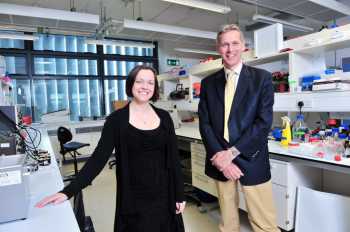 Jennifer Mahony, PhD and Prof Douwe Van Sinderen[/caption]
Jennifer Mahony, PhD and
Prof Douwe Van Sinderen
Dept of Microbiology
University College Cork
Cork, Ireland
MedicalResearch.com Editor's note: Dr Jennifer Mahony & Prof Douwe van Sinderen, of the APC (Alimentary Pharmbiotic Center) Microbiome Institute, University College Cork, Ireland, have received a Grand Challenges Explorations Grant from the Bill & Melinda Gates Foundation to study the microbiota (bacteria and viruses) of infants in developing countries. This study seeks to improve the gut health of infants which could potentially prevent/reduce the estimated 0.8 million infants who die annually in developing countries.
Dr. Mahony & Prof. van Sinderen answered several questions about the upcoming study for the MedicalResearch.com audience.
MedicalResearch.com: What is the background for this study? Would you briefly explain what is meant by a microbiome?
Response: The World Health Organisation promotes exclusive breast-feeding in infants until they are at least 6 months old. Early weaning in developing countries where sanitary conditions may be poor may lead to the introduction of microorganisms such as Shigella, which can cause intestinal infections and in extreme cases may be fatal. 0.8 million infant deaths in developing countries could be avoided annually according to UNICEF if exclusive breast-feeding is continued to the sixth month of life. Our intestinal tracts naturally contain many bacteria, called our microbiota, and the composition of this microbiota may have implications for our health and well-being. Just in the same way that drinking a probiotic drink every day is reported to promote a healthy gut microbiota, we will investigate how bacterial viruses (that specifically infect bacteria and not humans!) can change the gut bacterial population.
Jennifer Mahony, PhD and Prof Douwe Van Sinderen[/caption]
Jennifer Mahony, PhD and
Prof Douwe Van Sinderen
Dept of Microbiology
University College Cork
Cork, Ireland
MedicalResearch.com Editor's note: Dr Jennifer Mahony & Prof Douwe van Sinderen, of the APC (Alimentary Pharmbiotic Center) Microbiome Institute, University College Cork, Ireland, have received a Grand Challenges Explorations Grant from the Bill & Melinda Gates Foundation to study the microbiota (bacteria and viruses) of infants in developing countries. This study seeks to improve the gut health of infants which could potentially prevent/reduce the estimated 0.8 million infants who die annually in developing countries.
Dr. Mahony & Prof. van Sinderen answered several questions about the upcoming study for the MedicalResearch.com audience.
MedicalResearch.com: What is the background for this study? Would you briefly explain what is meant by a microbiome?
Response: The World Health Organisation promotes exclusive breast-feeding in infants until they are at least 6 months old. Early weaning in developing countries where sanitary conditions may be poor may lead to the introduction of microorganisms such as Shigella, which can cause intestinal infections and in extreme cases may be fatal. 0.8 million infant deaths in developing countries could be avoided annually according to UNICEF if exclusive breast-feeding is continued to the sixth month of life. Our intestinal tracts naturally contain many bacteria, called our microbiota, and the composition of this microbiota may have implications for our health and well-being. Just in the same way that drinking a probiotic drink every day is reported to promote a healthy gut microbiota, we will investigate how bacterial viruses (that specifically infect bacteria and not humans!) can change the gut bacterial population.
 Dr. Michael Johnson[/caption]
Michael A. Johnson Ph.D
Associate Professor
Department of Chemistry
University of Kansas
MedicalResearch.com: What is the background for this study? What are the main findings?
Dr. Johnson: We undertook these studies because chemotherapy induced cognitive dysfunction, also known as ‘chemobrain’, has become a major health issue in recent years. For example, up to a third of patients who have undergone chemotherapy treatment for breast cancer have reported symptoms of chemobrain. These symptoms may include loss of verbal and visual memory as well as decreased mental flexibility and difficulty focusing.
For this study, we wanted to understand how treatment with chemotherapeutic agents affects the ability of neurons to communicate. An impairment of neurotransmitter release would imply that communication is hindered. This inability to communicate normally could contribute to cognitive dysfunction.
We initially measured the release of dopamine in a region of the brain called the striatum. Our measurement of dopamine in this region was motivated by two key issues: its importance in cognitive function and our ability to measure it with high temporal resolution. From a cognitive standpoint, dopamine is important because the striatum helps translate signals, received from the cortex, into plans by forwarding wanted signals to other parts of the brain and suppressing unwanted signals. Fortunately, we can easily measure dopamine release using an electrochemical technique called fast-scan cyclic voltammetry. This method allows us to not only measure how much dopamine is released from a living brain slice, but also it affords us the capability to measure how quickly dopamine is taken back up. We also measured serotonin release using this method.
Our main finding was that the ability of neurons to release dopamine was impaired after carboplatin treatment. We also found that serotonin release was similarly impaired. These release impairments corresponded to a decrease in cognitive ability of the treated rats.
Dr. Michael Johnson[/caption]
Michael A. Johnson Ph.D
Associate Professor
Department of Chemistry
University of Kansas
MedicalResearch.com: What is the background for this study? What are the main findings?
Dr. Johnson: We undertook these studies because chemotherapy induced cognitive dysfunction, also known as ‘chemobrain’, has become a major health issue in recent years. For example, up to a third of patients who have undergone chemotherapy treatment for breast cancer have reported symptoms of chemobrain. These symptoms may include loss of verbal and visual memory as well as decreased mental flexibility and difficulty focusing.
For this study, we wanted to understand how treatment with chemotherapeutic agents affects the ability of neurons to communicate. An impairment of neurotransmitter release would imply that communication is hindered. This inability to communicate normally could contribute to cognitive dysfunction.
We initially measured the release of dopamine in a region of the brain called the striatum. Our measurement of dopamine in this region was motivated by two key issues: its importance in cognitive function and our ability to measure it with high temporal resolution. From a cognitive standpoint, dopamine is important because the striatum helps translate signals, received from the cortex, into plans by forwarding wanted signals to other parts of the brain and suppressing unwanted signals. Fortunately, we can easily measure dopamine release using an electrochemical technique called fast-scan cyclic voltammetry. This method allows us to not only measure how much dopamine is released from a living brain slice, but also it affords us the capability to measure how quickly dopamine is taken back up. We also measured serotonin release using this method.
Our main finding was that the ability of neurons to release dopamine was impaired after carboplatin treatment. We also found that serotonin release was similarly impaired. These release impairments corresponded to a decrease in cognitive ability of the treated rats.
 Maayan Yitshak Sade[/caption]
Maayan Yitshak Sade MPH
Chief Scientific Officer
Clinical Research Center,
Soroka University Medical Center, Israel and
[caption id="attachment_24725" align="alignleft" width="125"]
Maayan Yitshak Sade[/caption]
Maayan Yitshak Sade MPH
Chief Scientific Officer
Clinical Research Center,
Soroka University Medical Center, Israel and
[caption id="attachment_24725" align="alignleft" width="125"] Dr. Victor Novack[/caption]
Victor Novack, MD, PhD
Soroka University Medical Center and Ben-Gurion University in Beer Sheva, Israel
MedicalResearch.com: What is the background for this study?
Response: Numerous studies found association between exposure the air pollution and increased risk of cardiovascular and respiratory diseases. In recent years links were found between air pollution and diabetes as well. The scientific evidence supports a causal association between air pollution and oxidative stress, possibly involving impaired metabolism of glucose and lipids. In a recent study performed by our group, we observed a significantly increased risk for ischemic stroke among young adults, associated with air pollution exposure. Following these findings, and as a part of the possible theory linking the association air pollution exposure and cardiovascular diseases, we sought to investigate if this association might be mediated through the well-established cardiovascular risk factors such as abnormal lipid and glucose metabolism.
Dr. Victor Novack[/caption]
Victor Novack, MD, PhD
Soroka University Medical Center and Ben-Gurion University in Beer Sheva, Israel
MedicalResearch.com: What is the background for this study?
Response: Numerous studies found association between exposure the air pollution and increased risk of cardiovascular and respiratory diseases. In recent years links were found between air pollution and diabetes as well. The scientific evidence supports a causal association between air pollution and oxidative stress, possibly involving impaired metabolism of glucose and lipids. In a recent study performed by our group, we observed a significantly increased risk for ischemic stroke among young adults, associated with air pollution exposure. Following these findings, and as a part of the possible theory linking the association air pollution exposure and cardiovascular diseases, we sought to investigate if this association might be mediated through the well-established cardiovascular risk factors such as abnormal lipid and glucose metabolism.
 Dr. Robert Ursano[/caption]
Robert J. Ursano, M.D.
Professor and Chair
Department of Psychiatry/ Director
Center for the Study of Traumatic Stress
Uniformed Services University of the Health Sciences
MedicalResearch.com: What is the background for this study? What are the main findings?
Dr. Ursano: This study is part of STARRS-LS (Study to address risk and resilience in service members-longitudinal study). STARRS is a group of studies that address suicide risk in the US Army. Suicidal behavior includes suicide ideation, plans, attempts and completions. Understanding the transitions between these is an important goal.
One component of STARRS is the examination of data available on all soldiers who were in the Army 2004-2009. This study examines suicide attempts in soldiers serving 2004-2009 in order to understand the association with deployment and the timing of suicide attempts as well as their association with mental health problems. STARRS is directed to identifying the who, when and where of service member risk. Then interventions can better be developed for these soldiers.
Dr. Robert Ursano[/caption]
Robert J. Ursano, M.D.
Professor and Chair
Department of Psychiatry/ Director
Center for the Study of Traumatic Stress
Uniformed Services University of the Health Sciences
MedicalResearch.com: What is the background for this study? What are the main findings?
Dr. Ursano: This study is part of STARRS-LS (Study to address risk and resilience in service members-longitudinal study). STARRS is a group of studies that address suicide risk in the US Army. Suicidal behavior includes suicide ideation, plans, attempts and completions. Understanding the transitions between these is an important goal.
One component of STARRS is the examination of data available on all soldiers who were in the Army 2004-2009. This study examines suicide attempts in soldiers serving 2004-2009 in order to understand the association with deployment and the timing of suicide attempts as well as their association with mental health problems. STARRS is directed to identifying the who, when and where of service member risk. Then interventions can better be developed for these soldiers.
 Dr. Robert Levenson[/caption]
Robert W. Levenson, Ph.D.
Professor, Department of Psychology
Director, Institute of Personality
and Social Research (IPSR)
University of California
Berkeley, CA
MedicalResearch.com: What is the background for this study?
Dr. Levenson: This study comes from a 20-year longitudinal study of Bay Area married couples that we began in the late 1980s. The main purpose of the study was to understand the emotional qualities of successful marriages. Couples came to our laboratory every five years so that we could get a snapshot of the way they interacted with each. We also measured their psychological and physical health. This new paper connects the emotional behaviors we observed when couples discussed a problem in their marriage at the start of the study with the kinds of illnesses they developed over the ensuing decades.
Dr. Robert Levenson[/caption]
Robert W. Levenson, Ph.D.
Professor, Department of Psychology
Director, Institute of Personality
and Social Research (IPSR)
University of California
Berkeley, CA
MedicalResearch.com: What is the background for this study?
Dr. Levenson: This study comes from a 20-year longitudinal study of Bay Area married couples that we began in the late 1980s. The main purpose of the study was to understand the emotional qualities of successful marriages. Couples came to our laboratory every five years so that we could get a snapshot of the way they interacted with each. We also measured their psychological and physical health. This new paper connects the emotional behaviors we observed when couples discussed a problem in their marriage at the start of the study with the kinds of illnesses they developed over the ensuing decades.
 Dr. Robert Wong[/caption]
Robert Wong, M.D., M.S.
Attending Physician, Gastroenterology & Hepatology
Director, GI Education & Research
Highland Hospital I A member of Alameda Health System
Oakland, CA
MedicalResearch.com: What is the background for this study? What are the main findings?
Dr. Wong: Colorectal cancer is a leading cause of morbidity and mortality in the United States. Early diagnosis through implementation of effective screening and surveillance programs leads to earlier staged tumor at time of diagnosis, which increases the treatment opportunities and improves overall survival. However, disparities in access to effective screening and surveillance can impair timely diagnosis and lead to advanced disease, limited treatment options and poor outcomes. The current study evaluated race/ethnicity-specific disparities in colorectal cancer epidemiology at a large urban safety net hospital and observed African American patients had significantly more advanced cancer stage at the time of diagnosis. Our study observed that African Americans were over 5 times more likely to have advanced stage 3-4 colon cancer at time of diagnosis compared with non-Hispanic white patients with colon cancer. While these findings are likely multifactorial, it sheds important light on race/ethnicity-specific disparities in colorectal cancer epidemiology and helps target future education and research to improve outcomes.
Dr. Robert Wong[/caption]
Robert Wong, M.D., M.S.
Attending Physician, Gastroenterology & Hepatology
Director, GI Education & Research
Highland Hospital I A member of Alameda Health System
Oakland, CA
MedicalResearch.com: What is the background for this study? What are the main findings?
Dr. Wong: Colorectal cancer is a leading cause of morbidity and mortality in the United States. Early diagnosis through implementation of effective screening and surveillance programs leads to earlier staged tumor at time of diagnosis, which increases the treatment opportunities and improves overall survival. However, disparities in access to effective screening and surveillance can impair timely diagnosis and lead to advanced disease, limited treatment options and poor outcomes. The current study evaluated race/ethnicity-specific disparities in colorectal cancer epidemiology at a large urban safety net hospital and observed African American patients had significantly more advanced cancer stage at the time of diagnosis. Our study observed that African Americans were over 5 times more likely to have advanced stage 3-4 colon cancer at time of diagnosis compared with non-Hispanic white patients with colon cancer. While these findings are likely multifactorial, it sheds important light on race/ethnicity-specific disparities in colorectal cancer epidemiology and helps target future education and research to improve outcomes.
 Dr. Sibaji Sarkar[/caption]
Sibaji Sarkar Ph.D
Instructor of medicine
Boston University School of Medicine
Boston
MedicalResearch.com: What is the background for this study? What are the main findings?
Dr. Sarkar: Although breast and ovarian cancers have different clinical presentations, there are certain molecular events that are conserved between the two types of cancers. For example, mutation in a few genes, such as BRCA1, BRCA2, is an indicator of possible development of both breast and ovarian cancers. ARHI, a pro-apoptotic imprinted gene is epigenetically silenced in both breast and ovarian cancers. A similar pattern was observed in microRNA as well. There are also several genes which are differentially expressed in these two types of cancers but few of these striking resemblances led us to investigate whether they have a common origin. In this paper, we compared genetic and epigenetic events in both breast and ovarian cancers and we hypothesize that they may have similar origin (mechanism of formation of cancer progenitor cells), which should be regulated by epigenetic mechanism.
Dr. Sibaji Sarkar[/caption]
Sibaji Sarkar Ph.D
Instructor of medicine
Boston University School of Medicine
Boston
MedicalResearch.com: What is the background for this study? What are the main findings?
Dr. Sarkar: Although breast and ovarian cancers have different clinical presentations, there are certain molecular events that are conserved between the two types of cancers. For example, mutation in a few genes, such as BRCA1, BRCA2, is an indicator of possible development of both breast and ovarian cancers. ARHI, a pro-apoptotic imprinted gene is epigenetically silenced in both breast and ovarian cancers. A similar pattern was observed in microRNA as well. There are also several genes which are differentially expressed in these two types of cancers but few of these striking resemblances led us to investigate whether they have a common origin. In this paper, we compared genetic and epigenetic events in both breast and ovarian cancers and we hypothesize that they may have similar origin (mechanism of formation of cancer progenitor cells), which should be regulated by epigenetic mechanism.
 Dr. Ingrid Elisabeth-Christophersen[/caption]
Ingrid Elisabeth Christophersen MD PhD
Postdoctoral research fellow
Cardiovascular Research Center (CVRC)
Massachusetts General Hospital
MedicalResearch.com: What is the background for this study? What are the main findings?
Dr. Christophersen: Several recent studies have utilized the CHA2DS2-VASc risk score to predict risk of atrial fibrillation (AF). However, the CHA2DS2-VASc was developed for prediction of stroke risk in patients with AF and has not been validated for prediction of AF risk. We have evaluated how well the CHA2DS2-VASc performed at predicting risk of AF compared with the most validated clinical risk score for AF - the CHARGE-AF risk score - in the Framingham Heart Study. We showed that the CHARGE-AF risk score performed better at predicting risk of AF than the CHA2DS2-VASc.
Dr. Ingrid Elisabeth-Christophersen[/caption]
Ingrid Elisabeth Christophersen MD PhD
Postdoctoral research fellow
Cardiovascular Research Center (CVRC)
Massachusetts General Hospital
MedicalResearch.com: What is the background for this study? What are the main findings?
Dr. Christophersen: Several recent studies have utilized the CHA2DS2-VASc risk score to predict risk of atrial fibrillation (AF). However, the CHA2DS2-VASc was developed for prediction of stroke risk in patients with AF and has not been validated for prediction of AF risk. We have evaluated how well the CHA2DS2-VASc performed at predicting risk of AF compared with the most validated clinical risk score for AF - the CHARGE-AF risk score - in the Framingham Heart Study. We showed that the CHARGE-AF risk score performed better at predicting risk of AF than the CHA2DS2-VASc.
 Nana Keum[/caption]
NaNa Keum, ScD|
Harvard T. H. Chan
School of Public Health Department of Nutrition
Departments of Nutrition and Epidemiology,
Harvard T.H. Chan School of Public Health
Boston, MA 02115
MedicalResearch.com: What is the background for this study?
Response: While general health benefits of physical activity are well-known, evidence on its specific benefits on cancer endpoints is limited and physical activity guidelines for cancer prevention lack details in terms of the optimal dose, type and intensity of physical activity.
MedicalResearch.com: What are the main findings?
Response: We found that the optimal exercise regime to prevent overall digestive system cancers may be to accumulate 30 MET-hours/week of physical activity primarily through aerobic exercise and regardless of its intensity.
Nana Keum[/caption]
NaNa Keum, ScD|
Harvard T. H. Chan
School of Public Health Department of Nutrition
Departments of Nutrition and Epidemiology,
Harvard T.H. Chan School of Public Health
Boston, MA 02115
MedicalResearch.com: What is the background for this study?
Response: While general health benefits of physical activity are well-known, evidence on its specific benefits on cancer endpoints is limited and physical activity guidelines for cancer prevention lack details in terms of the optimal dose, type and intensity of physical activity.
MedicalResearch.com: What are the main findings?
Response: We found that the optimal exercise regime to prevent overall digestive system cancers may be to accumulate 30 MET-hours/week of physical activity primarily through aerobic exercise and regardless of its intensity.