MedicalResearch.com Interview with:
[caption id="attachment_24498" align="alignleft" width="171"]
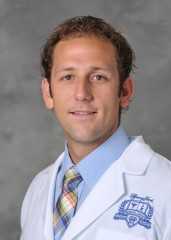
Dr. Robert Keller[/caption]
Robert Keller, M.D., Chief resident
Department of Orthopedic Surgery
Henry Ford Hospital Detroit
MedicalResearch.com: What is the background for this study? What are the main findings?
Dr. Keller: Injuries to the medial ulnar collateral ligament (the ligament torn in pitchers requiring tommy john surgery) are common in overhead-throwing athletes. Recent data supports that the number of MLB pitchers requiring tommy john surgery continues to increase, with estimates near 25% of all MLB pitchers undergoing tommy john surgery. Recent investigations have attempted to analyze factors that contribute to UCL injuries with the aim to decrease the rate of injury. Studies have suggested that possible risk factors include pitching mechanics, pitch type (curve ball, fastball, etc), g, pitching fatigue, chronic overuse, and pitch velocity, among other factors.
Specifically, increased pitch velocity has been implicated as a risk factor for UCL injury. However, no study has exclusively attempted to assess whether MLB pitchers who required Tommy John surgery pitch at a higher velocity than those that do not. Pitch type (fastball, curveball, slider, etc) is another significant factor that has been investigated as a contributor to UCL injuries. Various biomechanical studies have attempted to correlate pitch types with torque across the throwing elbow, with contrasting results: some suggest fastballs create more torque, whereas others found off-speed pitches produce increased stresses. Beyond not evaluating MLB pitchers, these previous studies also failed to evaluate the volume or amount of a specific pitch type thrown by these pitchers that may contribute to UCL injuries.

 Dr. Uras[/caption]
Dr. Iris Z Uras and Univ.-Prof. Dr. Veronika Sexl
[caption id="attachment_24559" align="alignleft" width="80"]
Dr. Uras[/caption]
Dr. Iris Z Uras and Univ.-Prof. Dr. Veronika Sexl
[caption id="attachment_24559" align="alignleft" width="80"] Dr. Sexl[/caption]
Institute of Pharmacology and Toxicology
University of Veterinary Medicine
Vienna
MedicalResearch.com: What is the background for this study? What are the main findings?
Response: Acute myeloid leukemia (AML) is the most common form of acute leukemia in adults. Patients suffering from AML have poor prognosis and high mortality rate despite considerable advances in chemotherapy and hematopoietic stem cell transplantations. Up to 30% of patients with AML harbor an activating mutation in the FLT3 receptor tyrosine kinase (FLT3-ITD). Such mutations are associated with a high predisposition to relapse after remission. In a simplified way we can say that these tumor cells depend on FLT3: Is FLT3 blocked, cells die. Hence, FLT3 inhibitors are being developed as targeted therapy for FLT3-mutant AML; however, clinical responses are short-lived and their use is complicated by rapid development of resistance. This emphasizes the need for additional therapeutic targets.
Our study represents a novel therapeutic window to specifically target and kill AML cells with FLT3-ITD mutations. We found that the tumor-promoting enzyme CDK6 but not its close relative CDK4 directly regulates and initiates the production/transcription of FLT3 and thus lead to disease. The FDA-approved kinase inhibitor Palbociclib not only blocks the activity of CDK6 but in turn impairs FLT3 expression: Mutant AML cells die immediately. The treatment does not affect cells without the mutation.
The power of CDK6 inhibition in AML cells goes beyond FLT3: Palbociclib also stops production of the PIM1 kinase and thus overcomes the potential activation of survival pathways counteracting the effects of FLT3 inhibition.
Dr. Sexl[/caption]
Institute of Pharmacology and Toxicology
University of Veterinary Medicine
Vienna
MedicalResearch.com: What is the background for this study? What are the main findings?
Response: Acute myeloid leukemia (AML) is the most common form of acute leukemia in adults. Patients suffering from AML have poor prognosis and high mortality rate despite considerable advances in chemotherapy and hematopoietic stem cell transplantations. Up to 30% of patients with AML harbor an activating mutation in the FLT3 receptor tyrosine kinase (FLT3-ITD). Such mutations are associated with a high predisposition to relapse after remission. In a simplified way we can say that these tumor cells depend on FLT3: Is FLT3 blocked, cells die. Hence, FLT3 inhibitors are being developed as targeted therapy for FLT3-mutant AML; however, clinical responses are short-lived and their use is complicated by rapid development of resistance. This emphasizes the need for additional therapeutic targets.
Our study represents a novel therapeutic window to specifically target and kill AML cells with FLT3-ITD mutations. We found that the tumor-promoting enzyme CDK6 but not its close relative CDK4 directly regulates and initiates the production/transcription of FLT3 and thus lead to disease. The FDA-approved kinase inhibitor Palbociclib not only blocks the activity of CDK6 but in turn impairs FLT3 expression: Mutant AML cells die immediately. The treatment does not affect cells without the mutation.
The power of CDK6 inhibition in AML cells goes beyond FLT3: Palbociclib also stops production of the PIM1 kinase and thus overcomes the potential activation of survival pathways counteracting the effects of FLT3 inhibition.
 Dr. Susanne Asu Wolf[/caption]
Susanne Asu Wolf PhD
Max-Delbrueck-Center for Molecular Medicine
Berlin, Germany
MedicalResearch.com: What inspired you to research this link between Ly6Chi monocytes, antibiotics and neurogenesis?
Dr. Wolf: As a neuroimmunologist I research the communication between the immune system and the brain. Amongst other research groups we found almost 10 years ago that T cells are needed to maintain brain homeostasis and plasticity, namely neurogenesis. Since only activated T cells enter the brain, we were looking for a mouse model, where immune cells are not activated. My former supervisor Polly Matzinger (NIH), a well-known immunologist, suggested to use germ free mice, born and raised in an isolator without any contact to a pathogen or any bacteria. I did a pilot experiment with the germ free mice, but wanted to get closer to possible applications in humans. Since humans are rarely born and raised in a sterile environment, I was looking for another model. By chance I met with the group of Bereswill and Heimesaat (Berlin, Charite) who provided me with a model, where due to prolonged treatment with an antibiotic cocktail, the microbiota are below detection level and the mice are also virtually germ free. They got me into contact with the second senior author of the paper Ildiko Dunay (University of Magdeburg). Her expertise is the function of Ly6Chi monocytes during infection with malaria or toxoplasmosis.
Now we were ready to investigate the gut-immune-brain axis with the focus on neurogenesis and cognition. Meanwhile the impact of the microbiome on behavior was reported by several research groups using “sterile” germ free mice and I was also curious if we could see similar differences in our antibiotic treated mice.
Dr. Susanne Asu Wolf[/caption]
Susanne Asu Wolf PhD
Max-Delbrueck-Center for Molecular Medicine
Berlin, Germany
MedicalResearch.com: What inspired you to research this link between Ly6Chi monocytes, antibiotics and neurogenesis?
Dr. Wolf: As a neuroimmunologist I research the communication between the immune system and the brain. Amongst other research groups we found almost 10 years ago that T cells are needed to maintain brain homeostasis and plasticity, namely neurogenesis. Since only activated T cells enter the brain, we were looking for a mouse model, where immune cells are not activated. My former supervisor Polly Matzinger (NIH), a well-known immunologist, suggested to use germ free mice, born and raised in an isolator without any contact to a pathogen or any bacteria. I did a pilot experiment with the germ free mice, but wanted to get closer to possible applications in humans. Since humans are rarely born and raised in a sterile environment, I was looking for another model. By chance I met with the group of Bereswill and Heimesaat (Berlin, Charite) who provided me with a model, where due to prolonged treatment with an antibiotic cocktail, the microbiota are below detection level and the mice are also virtually germ free. They got me into contact with the second senior author of the paper Ildiko Dunay (University of Magdeburg). Her expertise is the function of Ly6Chi monocytes during infection with malaria or toxoplasmosis.
Now we were ready to investigate the gut-immune-brain axis with the focus on neurogenesis and cognition. Meanwhile the impact of the microbiome on behavior was reported by several research groups using “sterile” germ free mice and I was also curious if we could see similar differences in our antibiotic treated mice.
 Dr. S. S. Hawkins[/caption]
Summer Sherburne Hawkins, PhD, MS
Assistant Professor
Boston College School of Social Work
Chestnut Hill, MA 02467
MedicalResearch.com: What is the background for this study? What are the main findings?
Response: Sleep is so important for all of us—especially for children and adolescents as their brains and bodies continue to develop. Inadequate sleep is associated with a number of health problems including obesity, cognitive functioning, and chronic illnesses. Increasing the amount and quality of sleep are public health priorities in the US. Currently, school-aged children are recommended to get at least 10 hours and adolescents to get 9-10 hours of sleep daily. However, less than one third of students report getting 8 or more hours of sleep during the school week and total sleep time decreases from infancy through adulthood.
The new Healthy People 2020 ‘Sleep Health’ target only monitors adolescent sleep and there are no national data for younger children. Thus, there is little known about the age that sleep issues may begin and whether the prevalence of sleep issues is changing over time. Furthermore, only a few studies have examined the social determinants of sleep in children and adolescents, particularly whether there are differences across racial/ethnic and educational groups.
An overarching gap in the literature remains—monitoring sleep and identifying disparities across the life course. Using a nationally-representative sample of US children and adolescents, we examined trends and social determinants of inadequate sleep in 6-17-year-olds.
Dr. S. S. Hawkins[/caption]
Summer Sherburne Hawkins, PhD, MS
Assistant Professor
Boston College School of Social Work
Chestnut Hill, MA 02467
MedicalResearch.com: What is the background for this study? What are the main findings?
Response: Sleep is so important for all of us—especially for children and adolescents as their brains and bodies continue to develop. Inadequate sleep is associated with a number of health problems including obesity, cognitive functioning, and chronic illnesses. Increasing the amount and quality of sleep are public health priorities in the US. Currently, school-aged children are recommended to get at least 10 hours and adolescents to get 9-10 hours of sleep daily. However, less than one third of students report getting 8 or more hours of sleep during the school week and total sleep time decreases from infancy through adulthood.
The new Healthy People 2020 ‘Sleep Health’ target only monitors adolescent sleep and there are no national data for younger children. Thus, there is little known about the age that sleep issues may begin and whether the prevalence of sleep issues is changing over time. Furthermore, only a few studies have examined the social determinants of sleep in children and adolescents, particularly whether there are differences across racial/ethnic and educational groups.
An overarching gap in the literature remains—monitoring sleep and identifying disparities across the life course. Using a nationally-representative sample of US children and adolescents, we examined trends and social determinants of inadequate sleep in 6-17-year-olds.
 Mille Feuille Paper Filter[/caption]
MedicalResearch.com: What is the background for this study? What are the main findings?
Dr. Mihranyan: We describe for the first time a paper filter that can remove even the worst-case viruses from water with high efficiency and at industrially relevant rates. The filter is produced from 100% naturally derived cellulose and is formed into paper sheets using very simple processing, which is essentially the same as that for making paper on a large scale. Filter paper is used ubiquitously in every day life from coffee filters to chemistry classrooms but these filters have normally too large pores to retain microbes, let alone viruses.
We show for the first time that we can remove viruses as small as 20 nm! How is it possible? We use cellulose nanofibers from green algae and we possess know-how to control the distribution of the pores inside the paper to be able to remove such small particles. One important aspect, which we discuss in detail in the article, is the special internal layered structure of the filter, which is remarkably similar to French pastry mille-feuille- hence, the name mille-feuille filter.
Mille Feuille Paper Filter[/caption]
MedicalResearch.com: What is the background for this study? What are the main findings?
Dr. Mihranyan: We describe for the first time a paper filter that can remove even the worst-case viruses from water with high efficiency and at industrially relevant rates. The filter is produced from 100% naturally derived cellulose and is formed into paper sheets using very simple processing, which is essentially the same as that for making paper on a large scale. Filter paper is used ubiquitously in every day life from coffee filters to chemistry classrooms but these filters have normally too large pores to retain microbes, let alone viruses.
We show for the first time that we can remove viruses as small as 20 nm! How is it possible? We use cellulose nanofibers from green algae and we possess know-how to control the distribution of the pores inside the paper to be able to remove such small particles. One important aspect, which we discuss in detail in the article, is the special internal layered structure of the filter, which is remarkably similar to French pastry mille-feuille- hence, the name mille-feuille filter.
 Yunsheng Ma, MD, PhD MPH
University of Massachusetts Medical School
Worcester
MedicalResearch.com: What is the background for this study? What are the main findings?
Dr. Ma: The cardiovascular benefit of lowering LDL cholesterol with statins exceeds all known risk, even in individuals with < 5% risk of CVD over 5 year. Nevertheless, statins are associated with increased incidence of new-onset diabetes, women were disproportionately at higher risk for diabetes while on statins. However, there are no studies comparing CVD and CVD mortality outcomes for women who develop diabetes while not taking statins, to compare their CVD and CVD mortality outcomes against those who develop diabetes while taking statins.
We hypothesized that new clinical diabetes related to statin use may be milder on CVD. However, our findings did not support this hypothesis, as we discovered that statin-related diabetes is no different from diabetes developed outside statin use in its significant impact on CVD and CVD mortality.
Yunsheng Ma, MD, PhD MPH
University of Massachusetts Medical School
Worcester
MedicalResearch.com: What is the background for this study? What are the main findings?
Dr. Ma: The cardiovascular benefit of lowering LDL cholesterol with statins exceeds all known risk, even in individuals with < 5% risk of CVD over 5 year. Nevertheless, statins are associated with increased incidence of new-onset diabetes, women were disproportionately at higher risk for diabetes while on statins. However, there are no studies comparing CVD and CVD mortality outcomes for women who develop diabetes while not taking statins, to compare their CVD and CVD mortality outcomes against those who develop diabetes while taking statins.
We hypothesized that new clinical diabetes related to statin use may be milder on CVD. However, our findings did not support this hypothesis, as we discovered that statin-related diabetes is no different from diabetes developed outside statin use in its significant impact on CVD and CVD mortality.
 Dr. Melissa Wilson[/caption]
Melissa A. Wilson, MD, PhD
Assistant professor of Medical Oncology
NYU Langone Perlmutter Cancer Center
MedicalResearch.com: What are the most common types of skin cancer?
Dr. Wilson: Basal cell carcinoma, squamous cell carcinoma and melanoma. With rare exception, all are related to sun exposure.
MedicalResearch.com: Are some types of skin cancer more serious than others?
Dr. Wilson: Melanoma is the most serious form of skin cancer, with the highest risk of developing into metastatic disease. Most basal cell and squamous cell carcinomas are superficial and not as invasive, so removal is the treatment. Rarely, these can cause invasive and metastatic disease, but this occurs infrequently. Melanoma is much more serious. Of course, the earlier melanoma is detected and the earlier stage that it is, is more predictive of a favorable outcome.
MedicalResearch.com: Who is most prone to skin cancer?
Dr. Wilson: Persons with excessive sun exposure, fair skin, light hair and blue eyes - although it can certainly occur in anyone.
Dr. Melissa Wilson[/caption]
Melissa A. Wilson, MD, PhD
Assistant professor of Medical Oncology
NYU Langone Perlmutter Cancer Center
MedicalResearch.com: What are the most common types of skin cancer?
Dr. Wilson: Basal cell carcinoma, squamous cell carcinoma and melanoma. With rare exception, all are related to sun exposure.
MedicalResearch.com: Are some types of skin cancer more serious than others?
Dr. Wilson: Melanoma is the most serious form of skin cancer, with the highest risk of developing into metastatic disease. Most basal cell and squamous cell carcinomas are superficial and not as invasive, so removal is the treatment. Rarely, these can cause invasive and metastatic disease, but this occurs infrequently. Melanoma is much more serious. Of course, the earlier melanoma is detected and the earlier stage that it is, is more predictive of a favorable outcome.
MedicalResearch.com: Who is most prone to skin cancer?
Dr. Wilson: Persons with excessive sun exposure, fair skin, light hair and blue eyes - although it can certainly occur in anyone.
 Dr. Mark Cohen[/caption]
Mark E. Cohen, PhD
Statistical Manager
Continuous Quality Improvement
Division of Research and Optimal Patient Care
American College of Surgeons
Chicago, IL
MedicalResearch.com: What is the background for this study?
Dr. Cohen: The ACS NSQIP Surgical Risk Calculator (built from 2.7 million patient records from nearly 600 hospitals) has been widely adopted as a decision aid and informed consent tool by surgeons and patients. Predictive accuracy can be assessed in terms of discrimination, calibration, and combined discrimination and calibration. In this study, we focused primarily on calibration. Calibration refers to the consistency of agreement between observed and predicted risk across the range of predicted risk. One would not want, for example, a model that dramatically overestimates risk for low-risk patients and underestimates risk for high-risk patients – this sort of systematic error, if of sufficient magnitude, would make a risk calculator unacceptable for clinical use. We also assessed the potential benefits of statistical recalibration using restricted cubic splines.
MedicalResearch.com: What are the main findings?
Dr. Cohen: Without recalibration, the Risk Calculator was shown to have excellent calibration, though there was, at times, a slight tendency for predicted risk to be overestimated for lowest- and highest-risk patients and underestimated for moderate-risk patients. After recalibration this distortion was eliminated.
Dr. Mark Cohen[/caption]
Mark E. Cohen, PhD
Statistical Manager
Continuous Quality Improvement
Division of Research and Optimal Patient Care
American College of Surgeons
Chicago, IL
MedicalResearch.com: What is the background for this study?
Dr. Cohen: The ACS NSQIP Surgical Risk Calculator (built from 2.7 million patient records from nearly 600 hospitals) has been widely adopted as a decision aid and informed consent tool by surgeons and patients. Predictive accuracy can be assessed in terms of discrimination, calibration, and combined discrimination and calibration. In this study, we focused primarily on calibration. Calibration refers to the consistency of agreement between observed and predicted risk across the range of predicted risk. One would not want, for example, a model that dramatically overestimates risk for low-risk patients and underestimates risk for high-risk patients – this sort of systematic error, if of sufficient magnitude, would make a risk calculator unacceptable for clinical use. We also assessed the potential benefits of statistical recalibration using restricted cubic splines.
MedicalResearch.com: What are the main findings?
Dr. Cohen: Without recalibration, the Risk Calculator was shown to have excellent calibration, though there was, at times, a slight tendency for predicted risk to be overestimated for lowest- and highest-risk patients and underestimated for moderate-risk patients. After recalibration this distortion was eliminated.
 Dr. Susan McCurry[/caption]
Dr. Susan McCurry
Principal Investigator
Clinical psychologist and research professor
School of Nursing
University of Washington
MedicalResearch.com: What is the background for this study?
Dr. McCurry: Every woman goes through menopause. Most women experience nighttime hot flashes/sweats and problems sleeping at some point during the menopause transition. Poor sleep leads to daytime fatigue, negative mood, and reduced daytime productivity. When sleep problems become chronic – as they often do – there are also a host of negative physical consequences including increased risk for weight gain, diabetes, and cardiovascular disease. Many women do not want to use sleeping medications or hormonal therapies to treat their sleep problems because of concerns about side effect risks. For these reasons, having effective non-pharmacological options to offer them is important.
Dr. Susan McCurry[/caption]
Dr. Susan McCurry
Principal Investigator
Clinical psychologist and research professor
School of Nursing
University of Washington
MedicalResearch.com: What is the background for this study?
Dr. McCurry: Every woman goes through menopause. Most women experience nighttime hot flashes/sweats and problems sleeping at some point during the menopause transition. Poor sleep leads to daytime fatigue, negative mood, and reduced daytime productivity. When sleep problems become chronic – as they often do – there are also a host of negative physical consequences including increased risk for weight gain, diabetes, and cardiovascular disease. Many women do not want to use sleeping medications or hormonal therapies to treat their sleep problems because of concerns about side effect risks. For these reasons, having effective non-pharmacological options to offer them is important.  Dr. Yvan Devaux[/caption]
Yvan Devaux, PhD
Associate Head of Laboratory
Cardiovascular Research Unit
Department of Population Health
Dr. Yvan Devaux[/caption]
Yvan Devaux, PhD
Associate Head of Laboratory
Cardiovascular Research Unit
Department of Population Health

 Dr. Kathryn Reid[/caption]
Kathryn Reid PhD
Research associate
Professor of Neurology
Northwestern University Feinberg School of Medicine.
MedicalResearch.com: What is the background for this study? What are the main findings?
Dr. Reid: There is increasing evidence that light and dark exposure patterns over time impact health outcomes such as body weight and food intake.
This study found that bright light exposure increased insulin resistance compared to dim light exposure in both the morning and the evening.
In the evening, bright light also caused higher peak glucose (blood sugar) levels.
Dr. Kathryn Reid[/caption]
Kathryn Reid PhD
Research associate
Professor of Neurology
Northwestern University Feinberg School of Medicine.
MedicalResearch.com: What is the background for this study? What are the main findings?
Dr. Reid: There is increasing evidence that light and dark exposure patterns over time impact health outcomes such as body weight and food intake.
This study found that bright light exposure increased insulin resistance compared to dim light exposure in both the morning and the evening.
In the evening, bright light also caused higher peak glucose (blood sugar) levels.
 Dr. Nathalie Moise[/caption]
Nathalie Moise, MD, MS
Assistant Professor
Center for Behavioral Cardiovascular Health
Department of Medicine
Columbia University Medical Center
New York, NY 10032
MedicalResearch.com: What is the background for this study?
Dr. Moise: Our research aimed to compare the number of lives saved and changes in medical costs expected if intensive blood pressure goals of less than 120 mmHg were implemented in high cardiovascular disease risk patients.
In 2014, the 8th Joint National Committee (JNC8) on Detection, Evaluation, and Treatment of High Blood Pressure issued new guidelines recommending that physicians aim for a systolic blood pressure (SBP) of 140 mmHg in adults with diabetes and/or chronic kidney disease and 150 mmHg in healthy adults over age 60. The new guidelines represented a major departure from previous JNC7 guidelines recommending SBPs of 130 mmHg and 140, mmHg for these groups, respectively. Under the 2014 guidelines, over 5 million fewer individuals annually would receive drug treatment to lower their blood pressure, compared with the prior 2003 guidelines.
Recently, the Systolic Blood Pressure Intervention Trial (SPRINT) found that having a more intensive systolic blood pressure (SBP) goal of 120 mmHg in patients at high risk for cardiovascular disease reduced both cardiovascular events and mortality by about one quarter, compared with the current goal of 140 mmHg.
These recent studies and guidelines have created uncertainty about the safest, most effective and high-value blood pressure goals for U.S. adults with hypertension, but no prior study has compared the cost-effectiveness of adding more intensive blood pressure goals in high cardiovascular disease risk groups to standard national primary prevention hypertension guidelines like JNC8 and JNC7.
Our team at Columbia University Medical Center conducted a computer simulation study to determine the value of adding the lower, life-saving systolic blood pressure goal identified in SPRINT to the JNC7 and JNC8 guidelines for high-risk patients between the ages of 35 and 74 years. (High risk was defined as existing cardiovascular disease, chronic kidney disease, or a 10-year cardiovascular disease risk greater than 15 percent in patients older than 50 years and with a pre-treatment SBP greater than 130 mmHg)
Dr. Nathalie Moise[/caption]
Nathalie Moise, MD, MS
Assistant Professor
Center for Behavioral Cardiovascular Health
Department of Medicine
Columbia University Medical Center
New York, NY 10032
MedicalResearch.com: What is the background for this study?
Dr. Moise: Our research aimed to compare the number of lives saved and changes in medical costs expected if intensive blood pressure goals of less than 120 mmHg were implemented in high cardiovascular disease risk patients.
In 2014, the 8th Joint National Committee (JNC8) on Detection, Evaluation, and Treatment of High Blood Pressure issued new guidelines recommending that physicians aim for a systolic blood pressure (SBP) of 140 mmHg in adults with diabetes and/or chronic kidney disease and 150 mmHg in healthy adults over age 60. The new guidelines represented a major departure from previous JNC7 guidelines recommending SBPs of 130 mmHg and 140, mmHg for these groups, respectively. Under the 2014 guidelines, over 5 million fewer individuals annually would receive drug treatment to lower their blood pressure, compared with the prior 2003 guidelines.
Recently, the Systolic Blood Pressure Intervention Trial (SPRINT) found that having a more intensive systolic blood pressure (SBP) goal of 120 mmHg in patients at high risk for cardiovascular disease reduced both cardiovascular events and mortality by about one quarter, compared with the current goal of 140 mmHg.
These recent studies and guidelines have created uncertainty about the safest, most effective and high-value blood pressure goals for U.S. adults with hypertension, but no prior study has compared the cost-effectiveness of adding more intensive blood pressure goals in high cardiovascular disease risk groups to standard national primary prevention hypertension guidelines like JNC8 and JNC7.
Our team at Columbia University Medical Center conducted a computer simulation study to determine the value of adding the lower, life-saving systolic blood pressure goal identified in SPRINT to the JNC7 and JNC8 guidelines for high-risk patients between the ages of 35 and 74 years. (High risk was defined as existing cardiovascular disease, chronic kidney disease, or a 10-year cardiovascular disease risk greater than 15 percent in patients older than 50 years and with a pre-treatment SBP greater than 130 mmHg)
 Martha Carlin
Founder of The BioCollective
MedicalResearch.com Editor’s Note: In recognition of the National Microbiome Initiative (NMI) announced by the White House Office of Science and Technology Policy, Martha Carlin, founder of the The BioCollective, discussed this research effort for the readers of MedicalResearch.com.
‘The BioCollective, is a direct-to-consumer microbiome marketplace where members receive a percentage of revenue from microbiome sample sales to scientists. By becoming a member of The BioCollective, individuals help advance microbiome research and learn about their own microbiome along the way.’
MedicalResearch.com: Would you tell us a little about yourself? How did you become interested in microbiomes?
Martha Carlin: My husband was diagnosed with Parkinson’s Disease (PD) in 2002. At the time, John was 44 years old, a marathon runner and life-long athlete. He had always been healthy. We were both perplexed by both his diagnosis and wanted to do everything we could to maintain his quality of life as well as hinder the progression of the disease.
Although I did not have a scientific background, I began studying the many fields of science so that I could piece together my observations of his health and his life history in my search for answers.
After reading Dr. Martin Blaser’s Missing Microbes in 2014, I later connected it to Dr. Filip Scheperjans’ research showing a correlation between the presence or absence of specific gut bacteria and symptoms in Parkinson’s Disease. This accelerated my research and led me to Dr. Jack Gilbert at the University of Chicago who later became one of my co-founders. I started working with Jack on sequencing samples and learning more about the field of microbiome research. From this work, we saw a need for samples to accelerate the research and founded The BioCollective with our third co-founder, Dr. Suzanne Vernon.
MedicalResearch.com: Can you briefly explain what a microbiome is? Does it just refer to the organisms in our intestines or are there other microbiomes? Are microbiomes unique to an individual or a community?
Martha Carlin: The microbiome is the sum total of microbial life in your body - the bacteria, archaea, fungi and viruses that call you home. There are 100 trillion microbial cells in your body, and they collectively can influence your health in profound ways. The possibilities in microbiome research are exciting. It has the potential to create technologies as revolutionary as probiotics to prevent obesity and allergies; “living” buildings that reduce the spread of viruses or allergens in schools and offices; personalized diets to treat depression; growth-promoting animal feed that eliminates the need for growth-promoting antibiotics; bacteria to reduce methane production in cows and flooded soils; plant-microbiome interactions that suppress disease and improve productivity, and bacterial cocktails that restore the health of damaged aquatic ecosystems ranging from streams to oceans.
Martha Carlin
Founder of The BioCollective
MedicalResearch.com Editor’s Note: In recognition of the National Microbiome Initiative (NMI) announced by the White House Office of Science and Technology Policy, Martha Carlin, founder of the The BioCollective, discussed this research effort for the readers of MedicalResearch.com.
‘The BioCollective, is a direct-to-consumer microbiome marketplace where members receive a percentage of revenue from microbiome sample sales to scientists. By becoming a member of The BioCollective, individuals help advance microbiome research and learn about their own microbiome along the way.’
MedicalResearch.com: Would you tell us a little about yourself? How did you become interested in microbiomes?
Martha Carlin: My husband was diagnosed with Parkinson’s Disease (PD) in 2002. At the time, John was 44 years old, a marathon runner and life-long athlete. He had always been healthy. We were both perplexed by both his diagnosis and wanted to do everything we could to maintain his quality of life as well as hinder the progression of the disease.
Although I did not have a scientific background, I began studying the many fields of science so that I could piece together my observations of his health and his life history in my search for answers.
After reading Dr. Martin Blaser’s Missing Microbes in 2014, I later connected it to Dr. Filip Scheperjans’ research showing a correlation between the presence or absence of specific gut bacteria and symptoms in Parkinson’s Disease. This accelerated my research and led me to Dr. Jack Gilbert at the University of Chicago who later became one of my co-founders. I started working with Jack on sequencing samples and learning more about the field of microbiome research. From this work, we saw a need for samples to accelerate the research and founded The BioCollective with our third co-founder, Dr. Suzanne Vernon.
MedicalResearch.com: Can you briefly explain what a microbiome is? Does it just refer to the organisms in our intestines or are there other microbiomes? Are microbiomes unique to an individual or a community?
Martha Carlin: The microbiome is the sum total of microbial life in your body - the bacteria, archaea, fungi and viruses that call you home. There are 100 trillion microbial cells in your body, and they collectively can influence your health in profound ways. The possibilities in microbiome research are exciting. It has the potential to create technologies as revolutionary as probiotics to prevent obesity and allergies; “living” buildings that reduce the spread of viruses or allergens in schools and offices; personalized diets to treat depression; growth-promoting animal feed that eliminates the need for growth-promoting antibiotics; bacteria to reduce methane production in cows and flooded soils; plant-microbiome interactions that suppress disease and improve productivity, and bacterial cocktails that restore the health of damaged aquatic ecosystems ranging from streams to oceans.
 Prof. Claire Roberts[/caption]
Professor Claire Roberts PhD
Robinson Research Institute
Adelaide University
MedicalResearch.com: What is the background for this study? What are the main findings?
Dr. Roberts: Our research aimed to identify novel risk factors for the four main complications of pregnancy;
Prof. Claire Roberts[/caption]
Professor Claire Roberts PhD
Robinson Research Institute
Adelaide University
MedicalResearch.com: What is the background for this study? What are the main findings?
Dr. Roberts: Our research aimed to identify novel risk factors for the four main complications of pregnancy;
 Dr. Gerda Pot[/caption]
Dr Gerda Pot
Lecturer in Nutritional Sciences
King’s College London | Faculty of Life Sciences & Medicine
Diabetes & Nutritional Sciences Division |
London UK
MedicalResearch.com: What is the background for this study?
Dr. Pot: Previous evidence suggested that the timing of food intake can have a significant impact on circadian rhythms (i.e. the body's internal clock) and therefore on metabolic processes within the body, potentially leading to an increased risk of being overweight or obese. However, the evidence from studies in children is very limited so we set out to establish whether this risk was also associated with the timing of children's evening meals.
MedicalResearch.com: What are the main findings?
Dr. Gerda Pot[/caption]
Dr Gerda Pot
Lecturer in Nutritional Sciences
King’s College London | Faculty of Life Sciences & Medicine
Diabetes & Nutritional Sciences Division |
London UK
MedicalResearch.com: What is the background for this study?
Dr. Pot: Previous evidence suggested that the timing of food intake can have a significant impact on circadian rhythms (i.e. the body's internal clock) and therefore on metabolic processes within the body, potentially leading to an increased risk of being overweight or obese. However, the evidence from studies in children is very limited so we set out to establish whether this risk was also associated with the timing of children's evening meals.
MedicalResearch.com: What are the main findings?
 Dr. Lori Hoepner[/caption]
Lori A. Hoepner, DrPH
Department of Environmental Health Sciences
Columbia University
New York, NY 10032
MedicalResearch.com: What is the background for this study?
Dr. Hoepner: The Columbia Center for Children’s Environmental Health was funded starting in 1998. Pregnant African American and Dominican mothers residing in Northern Manhattan and the South Bronx were enrolled from 1998 to 2006, and mothers and their children have been followed since this time. We collected urine samples from the pregnant mothers in their third trimester and from the children at ages 3 and 5. At ages 5 and 7 we measured the height and weight of the children, and at age 7 we also measured body fat and waist circumference.
MedicalResearch.com: What are the main findings?
Dr. Hoepner: We found a significant association between increased prenatal exposure to Bisphenol A (BPA) and increases in childhood body fat measures of waist circumference and percent body fat at age 7. Our research builds on earlier findings of an association between prenatal exposure to BPA and body fat in children up to age 4, and this is the first study to report an association at age 7.
Dr. Lori Hoepner[/caption]
Lori A. Hoepner, DrPH
Department of Environmental Health Sciences
Columbia University
New York, NY 10032
MedicalResearch.com: What is the background for this study?
Dr. Hoepner: The Columbia Center for Children’s Environmental Health was funded starting in 1998. Pregnant African American and Dominican mothers residing in Northern Manhattan and the South Bronx were enrolled from 1998 to 2006, and mothers and their children have been followed since this time. We collected urine samples from the pregnant mothers in their third trimester and from the children at ages 3 and 5. At ages 5 and 7 we measured the height and weight of the children, and at age 7 we also measured body fat and waist circumference.
MedicalResearch.com: What are the main findings?
Dr. Hoepner: We found a significant association between increased prenatal exposure to Bisphenol A (BPA) and increases in childhood body fat measures of waist circumference and percent body fat at age 7. Our research builds on earlier findings of an association between prenatal exposure to BPA and body fat in children up to age 4, and this is the first study to report an association at age 7.
 Dr. Sushanta Mitra[/caption]
Sushanta K. Mitra, PhD, PEng
Associate Vice-President Research
Kaneff Professor in Micro & Nanotechnology for Social Innovation
FCSME, FASME, FEIC, FRSC, FCAE, FAAAS Y
York University Toronto
MedicalResearch.com: What is the background for this study? What are the main findings?
Dr. Mitra: As a mechanical engineer I got interested in the water problem when I had discussions with Tata Consultancy Services (TCS), India and the tertiary public health centre doctors near Mumbai, where the doctors had to deal with large number of patients with water-borne diseases. This was hugely a challenge from resource point of view as the doctors would much preferred to have their attention focused on more pressing diseases. They approached me about developing tools for rapid detection of water-borne pathogen in drinking water. Hence, my journey started on water quality monitoring.
MedicalResearch.com: What is the background for this study? What are the main findings?
Dr. Mitra: Here, we have developed a low-cost compact E. coli and total coliform detection system, which uses commercially available plunger-tube assembly. We incorporate a hydrogel (porous matrix) inside the tube so that the plunger-tube assembly act as a concentrator and a detector at the same time. Specially formulated enzymatic substrates are caged inside the hydrogel so that an E. coli cell trapped within the hydrogel will be lysed and react with the enzymatic substrates to produce a red color.
Dr. Sushanta Mitra[/caption]
Sushanta K. Mitra, PhD, PEng
Associate Vice-President Research
Kaneff Professor in Micro & Nanotechnology for Social Innovation
FCSME, FASME, FEIC, FRSC, FCAE, FAAAS Y
York University Toronto
MedicalResearch.com: What is the background for this study? What are the main findings?
Dr. Mitra: As a mechanical engineer I got interested in the water problem when I had discussions with Tata Consultancy Services (TCS), India and the tertiary public health centre doctors near Mumbai, where the doctors had to deal with large number of patients with water-borne diseases. This was hugely a challenge from resource point of view as the doctors would much preferred to have their attention focused on more pressing diseases. They approached me about developing tools for rapid detection of water-borne pathogen in drinking water. Hence, my journey started on water quality monitoring.
MedicalResearch.com: What is the background for this study? What are the main findings?
Dr. Mitra: Here, we have developed a low-cost compact E. coli and total coliform detection system, which uses commercially available plunger-tube assembly. We incorporate a hydrogel (porous matrix) inside the tube so that the plunger-tube assembly act as a concentrator and a detector at the same time. Specially formulated enzymatic substrates are caged inside the hydrogel so that an E. coli cell trapped within the hydrogel will be lysed and react with the enzymatic substrates to produce a red color.
 Dr. Kapp[/caption]
Julie M. Kapp, MPH, PhD
Associate Professor
2014 Baldrige Executive Fellow
University of Missouri School of Medicine
Department of Health Management and Informatics
Columbia, MO 65212
MedicalResearch.com: What is the background for this study?
Dr. Kapp: For the past several decades the U.S. has had the highest obesity rate compared to high-income peer countries, and for many years people in the U.S. have had a shorter life expectancy. For female life expectancy at birth, the U.S. ranked second to last. At the same time, the U.S. has the third highest rate of mammography screening among peer countries, and the pink ribbon is one of the most widely recognized symbols in the U.S. While the death rate in females for coronary heart disease is significantly higher than that for breast cancer, at 1 in 7.2 deaths compared to 1 in 30, respectively, women have higher levels of worry for getting breast cancer.
Dr. Kapp[/caption]
Julie M. Kapp, MPH, PhD
Associate Professor
2014 Baldrige Executive Fellow
University of Missouri School of Medicine
Department of Health Management and Informatics
Columbia, MO 65212
MedicalResearch.com: What is the background for this study?
Dr. Kapp: For the past several decades the U.S. has had the highest obesity rate compared to high-income peer countries, and for many years people in the U.S. have had a shorter life expectancy. For female life expectancy at birth, the U.S. ranked second to last. At the same time, the U.S. has the third highest rate of mammography screening among peer countries, and the pink ribbon is one of the most widely recognized symbols in the U.S. While the death rate in females for coronary heart disease is significantly higher than that for breast cancer, at 1 in 7.2 deaths compared to 1 in 30, respectively, women have higher levels of worry for getting breast cancer.
 Dr. Christian Benedict[/caption]
Christian Benedict Ph.D
Dept. of Neuroscience
Uppsala University, Sweden
MedicalResearch.com: What is the background for this study? What are the main findings?
Dr. Benedict: A considerably large proportion of today’s workforce performs shift work. Both epidemiological and experimental studies have demonstrated that shift workers are at an increased risk for multiple diseases, such as cardiovascular diseases. However, knowledge regarding short- and long-term effects of shift work on parameters of brain health is still fragmentary.
Dr. Christian Benedict[/caption]
Christian Benedict Ph.D
Dept. of Neuroscience
Uppsala University, Sweden
MedicalResearch.com: What is the background for this study? What are the main findings?
Dr. Benedict: A considerably large proportion of today’s workforce performs shift work. Both epidemiological and experimental studies have demonstrated that shift workers are at an increased risk for multiple diseases, such as cardiovascular diseases. However, knowledge regarding short- and long-term effects of shift work on parameters of brain health is still fragmentary.
 Dr. James Kiley[/caption]
Dr. James P. Kiley Ph.D
National Institutes of Health Bethesda
Maryland
MedicalResearch.com: What is the background for this study? What are the main findings?
Dr. Kiley: While a higher proportion of children have asthma compared to adults, the disease is limited to childhood for many individuals who appear to be unaffected as adults. Regardless of whether asthma continues into adulthood or reoccurs during adulthood, the impact of childhood asthma on lung function later in life is unclear. This study demonstrated that in children with chronic persistent asthma at the age of 5-12 years who continued to be followed through their early twenties, 75% of them had some abnormality in the pattern of their lung growth. The study examined the trajectory of lung growth, and the decline from maximum growth, in a large cohort of persons who had persistent, mild-to-moderate asthma in childhood and determined the demographic and clinical factors associated with abnormal patterns of lung growth and decline.
Dr. James Kiley[/caption]
Dr. James P. Kiley Ph.D
National Institutes of Health Bethesda
Maryland
MedicalResearch.com: What is the background for this study? What are the main findings?
Dr. Kiley: While a higher proportion of children have asthma compared to adults, the disease is limited to childhood for many individuals who appear to be unaffected as adults. Regardless of whether asthma continues into adulthood or reoccurs during adulthood, the impact of childhood asthma on lung function later in life is unclear. This study demonstrated that in children with chronic persistent asthma at the age of 5-12 years who continued to be followed through their early twenties, 75% of them had some abnormality in the pattern of their lung growth. The study examined the trajectory of lung growth, and the decline from maximum growth, in a large cohort of persons who had persistent, mild-to-moderate asthma in childhood and determined the demographic and clinical factors associated with abnormal patterns of lung growth and decline.
 Dr. Lisa Chow[/caption]
Dr Lisa Chow MD MS
University of Minnesota, Minnesota, MI
MedicalResearch.com: What is the background for this study? What are the main findings?
Dr. Chow: A number of previous studies have shown people who maintain or increase their cardiac fitness (CRF) through adulthood have a lower risk of developing diabetes, abnormal metabolic measures, cardiovascular disease and cardiovascular mortality than those whose CRF declines. However, these previous studies are limited for several reasons, including use of a largely male population, measurement of fitness over a limited duration (5–7 years) or measurement of fitness at varying intervals prospectively. In this new research, the authors used data from the Coronary Artery Risk Development in Young Adults (CARDIA) study to objectively and rigorously analyse the link between cardiac fitness and development of either prediabetes or diabetes over a 20-year period.
The main finding is that higher cardiac fitness is associated with lower risk for developing prediabetes and diabetes, even when adjusting for prospective changes in body mass index.
Dr. Lisa Chow[/caption]
Dr Lisa Chow MD MS
University of Minnesota, Minnesota, MI
MedicalResearch.com: What is the background for this study? What are the main findings?
Dr. Chow: A number of previous studies have shown people who maintain or increase their cardiac fitness (CRF) through adulthood have a lower risk of developing diabetes, abnormal metabolic measures, cardiovascular disease and cardiovascular mortality than those whose CRF declines. However, these previous studies are limited for several reasons, including use of a largely male population, measurement of fitness over a limited duration (5–7 years) or measurement of fitness at varying intervals prospectively. In this new research, the authors used data from the Coronary Artery Risk Development in Young Adults (CARDIA) study to objectively and rigorously analyse the link between cardiac fitness and development of either prediabetes or diabetes over a 20-year period.
The main finding is that higher cardiac fitness is associated with lower risk for developing prediabetes and diabetes, even when adjusting for prospective changes in body mass index.
 Dr. Reshma Jagsi[/caption]
Reshma Jagsi, MD, DPhil
Department of Radiation Oncology, University of Michigan
Ann Arbor, MI 48109
MedicalResearch.com: What is the background for this study? What are the main findings?
Dr. Jagsi: There has recently been considerable media attention to certain egregious individual cases of sexual harassment, but it has been less clear whether these cases were isolated and uncommon incidents or whether they are indicative of situations more commonly experienced by academic medical faculty. An excellent survey study had previously documented that 52% of female faculty in 1995 had experienced harassment, but many of those women had attended medical school when women were only a small minority of the medical students (let alone faculty). More recent estimates of faculty experiences are necessary to guide ongoing policies to promote gender equity in an era when nearly half of all medical students are women.
We found that in a modern sample of academic medical faculty, 30% of women and 4% of men had experienced harassment in their careers.
Dr. Reshma Jagsi[/caption]
Reshma Jagsi, MD, DPhil
Department of Radiation Oncology, University of Michigan
Ann Arbor, MI 48109
MedicalResearch.com: What is the background for this study? What are the main findings?
Dr. Jagsi: There has recently been considerable media attention to certain egregious individual cases of sexual harassment, but it has been less clear whether these cases were isolated and uncommon incidents or whether they are indicative of situations more commonly experienced by academic medical faculty. An excellent survey study had previously documented that 52% of female faculty in 1995 had experienced harassment, but many of those women had attended medical school when women were only a small minority of the medical students (let alone faculty). More recent estimates of faculty experiences are necessary to guide ongoing policies to promote gender equity in an era when nearly half of all medical students are women.
We found that in a modern sample of academic medical faculty, 30% of women and 4% of men had experienced harassment in their careers.