MedicalResearch.com Interview with:
[caption id="attachment_23940" align="alignleft" width="200"]

Dr. Jacqueline French[/caption]
Jacqueline French, MD
Professor, Department of Neurology
Director Translational Research& Clinical Trials Epilepsy
NYU Langone Medical Center
MedicalResearch.com: What is the background for this study?
Dr. French: Tuberous sclerosis complex (TSC) is a disease associated with abnormal cell growth, caused by dysfunction of the TSC1 or TSC2 genes and dysruption of the MTOR pathway, which leads to cortical malformations, neuronal hyperexcitability, and seizures. Seizures in patients with TSC often start within the first year of life, and tend not to respond to traditional treatments. Everolimus is a marketed drug that has been used to treat other manifestations of TSC (including giant cell tumors of the brain, renal angiomyolipomas, and angiofibromas of the skin).
This study was a placebo-controlled add-on study of everolimus for the treatment of refractory seizures in children and adults with epilepsy.Following an 8-week baseline phase, patients aged 2-65 years (stratified by age) with TSC and refractory seizures on 1-3 antiepileptic drugs were randomized to EVE LT or HT C
min target ranges or placebo, and treated in an 18 week Core Phase (6-wk titration + 12-wk maintenance). Primary endpoints were change from baseline in average weekly frequency of TSC-seizures (seizures not previously shown to be generalized in onset by EEG), expressed as response rate (≥50% reduction [RR]), and percentage reduction.
MedicalResearch.com: What are the main findings?
Dr. French: Overall, 366 patients were randomized to EVE LT (n=117), HT (n=130), or placebo (n=119). The median percentage reduction in TSC-seizures was significantly greater with EVE LT (29.3%, P=0.003) and HT (39.6%, P<0.001) vs placebo (14.9%). RR was also significantly greater with EVE LT (28.2%, P=0.008) and HT (40%, P<0.001) vs placebo (15.1%). The most frequent ≥10% all grade adverse events (AEs) reported with EVE LT/HT vs placebo included stomatitis (28.2%/30.8% vs 3.4%), diarrhea (17.1%/21.5% vs 5%), mouth ulceration (23.9%/21.5% vs 4.2%), nasopharyngitis (13.7%/16.2% vs 16%), upper respiratory tract infection (12.8%/15.4% vs 12.6%), aphthous ulcer (4.3%/14.6% vs 1.7%), and pyrexia (19.7%/13.8% vs 5%). Discontinuations due to AEs (5.1%/3.1% vs 1.7%) were low.

 Dr. Josefin Segelman[/caption]
Josefin Segelman MD, PhD
Senior consultant colorectal surgeon
Department of Molecular Medicine and Surgery
Karolinska Institutet
Ersta Hospital
Stockholm Sweden
MedicalResearch.com: What is the background for this study?
Dr. Segelman: Hormonal factors influence the development of colorectal cancer. Observational studies and clinical trials have reported a protective effect of hormone replacement therapy and oral contraceptives. Oophorectomy alters endogenous levels of sex hormones, but the effect on colorectal cancer risk is unclear. Removal of the ovaries alters levels of sex hormones in both pre- and postmenopausal women. In premenopausal women, bilateral oophorectomy is followed by surgical menopause as the endogenous estrogen levels drop. Both before and after natural menopause, bilateral oophorectomy promptly decreases endogenous androgen levels by half as the ovaries and adrenals are equally important for androgen production.
MedicalResearch.com: What are the main findings?
Dr. Segelman: The present nationwide cohort study explored the association between removal of the ovaries for benign indications and subsequent risk of colorectal cancer. Among 195 973 women who underwent the procedure from 1965 – 2011, there was a 30% increased risk of colorectal cancer compared with the general population. After adjustment for various factors, women who underwent bilateral oophorectomy had a higher risk of rectal cancer than those who had unilateral oophorectomy (HR 2.28, 95% CI 1.33-3.91).
Dr. Josefin Segelman[/caption]
Josefin Segelman MD, PhD
Senior consultant colorectal surgeon
Department of Molecular Medicine and Surgery
Karolinska Institutet
Ersta Hospital
Stockholm Sweden
MedicalResearch.com: What is the background for this study?
Dr. Segelman: Hormonal factors influence the development of colorectal cancer. Observational studies and clinical trials have reported a protective effect of hormone replacement therapy and oral contraceptives. Oophorectomy alters endogenous levels of sex hormones, but the effect on colorectal cancer risk is unclear. Removal of the ovaries alters levels of sex hormones in both pre- and postmenopausal women. In premenopausal women, bilateral oophorectomy is followed by surgical menopause as the endogenous estrogen levels drop. Both before and after natural menopause, bilateral oophorectomy promptly decreases endogenous androgen levels by half as the ovaries and adrenals are equally important for androgen production.
MedicalResearch.com: What are the main findings?
Dr. Segelman: The present nationwide cohort study explored the association between removal of the ovaries for benign indications and subsequent risk of colorectal cancer. Among 195 973 women who underwent the procedure from 1965 – 2011, there was a 30% increased risk of colorectal cancer compared with the general population. After adjustment for various factors, women who underwent bilateral oophorectomy had a higher risk of rectal cancer than those who had unilateral oophorectomy (HR 2.28, 95% CI 1.33-3.91).
 Michael Daniel[/caption]
Michael Daniel
The Johns Hopkins University School of Medicine
M.D. Candidate 2016
Michael G. Daniel is a graduating medical student at the Johns Hopkins School of Medicine. He will be attending the Osler Internal Medicine Residency Training Program next year at the Johns Hopkins Hospital. His research focus is on Patient Safety, Quality, and Outcomes improvement.
Summary:
Medical error ranks as the third leading cause of death in the United States, but is not recognized in national vital statistics because of a flawed reporting process. Using recent studies on preventable medical error and extrapolating the results to the 2013 U.S. hospital admissions we calculated a mortality rate or 251,454 deaths per year.
MedicalResearch.com: What made you want to research this topic?
Response: I decided to study medicine because I wanted to improve patient health. However, I realized that improving patient health is not only about curing a disease but is sometimes about fixing the way we deliver healthcare.
MedicalResearch.com: Is this news surprising to you?
Response: Yes, because all previous estimates of medical error were much lower and when I started the research I couldn’t use the CDC statistics to get current data.
Michael Daniel[/caption]
Michael Daniel
The Johns Hopkins University School of Medicine
M.D. Candidate 2016
Michael G. Daniel is a graduating medical student at the Johns Hopkins School of Medicine. He will be attending the Osler Internal Medicine Residency Training Program next year at the Johns Hopkins Hospital. His research focus is on Patient Safety, Quality, and Outcomes improvement.
Summary:
Medical error ranks as the third leading cause of death in the United States, but is not recognized in national vital statistics because of a flawed reporting process. Using recent studies on preventable medical error and extrapolating the results to the 2013 U.S. hospital admissions we calculated a mortality rate or 251,454 deaths per year.
MedicalResearch.com: What made you want to research this topic?
Response: I decided to study medicine because I wanted to improve patient health. However, I realized that improving patient health is not only about curing a disease but is sometimes about fixing the way we deliver healthcare.
MedicalResearch.com: Is this news surprising to you?
Response: Yes, because all previous estimates of medical error were much lower and when I started the research I couldn’t use the CDC statistics to get current data.
 Dr. Jed Friedman[/caption]
Jacob (Jed) E. Friedman, Professor, Ph.D.
Department of Pediatrics, Biochemistry & Molecular Genetics
Director, NIH Center for Human Nutrition Research Metabolism Core Laboratory
University of Colorado Anschutz
MedicalResearch.com: What is the background for this study? What are the main findings?
Response: Scientists have long established that children who are breastfed are less likely to be obese as adults, though they have yet to identify precisely how breastfeeding protects children against obesity. One likely reason is that children who are breastfed have different bacteria in their intestines than those who are formula fed.
The study, published Monday in the American Journal of Clinical Nutrition examines the role of human milk hormones in the development of infants’ microbiome, a bacterial ecosystem in the digestive system that contributes to multiple facets of health.
“This is the first study of its kind to suggest that hormones in human milk may play an important role in shaping a healthy infant microbiome,” said Bridget Young, co-first author and assistant professor of pediatric nutrition at CU Anschutz. “We’ve known for a long time that breast milk contributes to infant intestinal maturation and healthy growth. This study suggests that hormones in milk may be partly responsible for this positive impact through interactions with the infant’s developing microbiome.”
Researchers found that levels of insulin and leptin in the breastmilk were positively associated with greater microbial diversity and families of bacteria in the infants’ stool. Insulin and leptin were associated with bacterial functions that help the intestine develop as a barrier against harmful toxins, which help prevent intestinal inflammation. By promoting a stronger intestinal barrier early in life, these hormones also may protect children from chronic low-grade inflammation, which can lead to a host of additional digestive problems and diseases.
In addition, researchers found significant differences in the intestinal microbiome of breastfed infants who are born to mothers with obesity compared to those born to mothers of normal weight. Infants born to mothers with obesity showed a significant reduction in gammaproteobacteria, a pioneer species that aids in normal intestinal development and microbiome maturation.
Gammaproteobacteria have been shown in mice and newborn infants to cause a healthy amount inflammation in their intestines, protecting them from inflammatory and autoimmune disorders later in life. The 2-week-old infants born to obese mothers in this study had a reduced number of gammaproteobacteria in the infant gut microbiome.
Dr. Jed Friedman[/caption]
Jacob (Jed) E. Friedman, Professor, Ph.D.
Department of Pediatrics, Biochemistry & Molecular Genetics
Director, NIH Center for Human Nutrition Research Metabolism Core Laboratory
University of Colorado Anschutz
MedicalResearch.com: What is the background for this study? What are the main findings?
Response: Scientists have long established that children who are breastfed are less likely to be obese as adults, though they have yet to identify precisely how breastfeeding protects children against obesity. One likely reason is that children who are breastfed have different bacteria in their intestines than those who are formula fed.
The study, published Monday in the American Journal of Clinical Nutrition examines the role of human milk hormones in the development of infants’ microbiome, a bacterial ecosystem in the digestive system that contributes to multiple facets of health.
“This is the first study of its kind to suggest that hormones in human milk may play an important role in shaping a healthy infant microbiome,” said Bridget Young, co-first author and assistant professor of pediatric nutrition at CU Anschutz. “We’ve known for a long time that breast milk contributes to infant intestinal maturation and healthy growth. This study suggests that hormones in milk may be partly responsible for this positive impact through interactions with the infant’s developing microbiome.”
Researchers found that levels of insulin and leptin in the breastmilk were positively associated with greater microbial diversity and families of bacteria in the infants’ stool. Insulin and leptin were associated with bacterial functions that help the intestine develop as a barrier against harmful toxins, which help prevent intestinal inflammation. By promoting a stronger intestinal barrier early in life, these hormones also may protect children from chronic low-grade inflammation, which can lead to a host of additional digestive problems and diseases.
In addition, researchers found significant differences in the intestinal microbiome of breastfed infants who are born to mothers with obesity compared to those born to mothers of normal weight. Infants born to mothers with obesity showed a significant reduction in gammaproteobacteria, a pioneer species that aids in normal intestinal development and microbiome maturation.
Gammaproteobacteria have been shown in mice and newborn infants to cause a healthy amount inflammation in their intestines, protecting them from inflammatory and autoimmune disorders later in life. The 2-week-old infants born to obese mothers in this study had a reduced number of gammaproteobacteria in the infant gut microbiome.
 Dr. William Eggleston[/caption]
William Eggleston, PharmD
Fellow in Clinical Toxicology/Emergency Medicine
Upstate Medical University
Upstate New York Poison Center
MedicalResearch.com: What is the background for this study? What are the main findings?
Dr. Eggleston: The case series describes two deaths associated with loperamide abuse with supportive post-mortem findings. It adds to the growing body of literature reporting cardiac toxicity after loperamide abuse and demonstrates the deadly consequences. It also highlights the growing trend of loperamide abuse amongst opioid addicted patients looking to get high or stave off withdrawal symptoms.
MedicalResearch.com: What should readers take away from your report?
Dr. Eggleston: Readers should recognize that loperamide is an OTC opioid medication that acts similarly to morphine or heroin in the body after high doses. The drug is easily abused due to its low cost, ease of accessibility, legal status, and lack of social stigma associated with its possession. Most importantly, loperamide is a cardiac toxin that causes conduction disturbances in high doses and can produce deadly dysrhythmias.
Dr. William Eggleston[/caption]
William Eggleston, PharmD
Fellow in Clinical Toxicology/Emergency Medicine
Upstate Medical University
Upstate New York Poison Center
MedicalResearch.com: What is the background for this study? What are the main findings?
Dr. Eggleston: The case series describes two deaths associated with loperamide abuse with supportive post-mortem findings. It adds to the growing body of literature reporting cardiac toxicity after loperamide abuse and demonstrates the deadly consequences. It also highlights the growing trend of loperamide abuse amongst opioid addicted patients looking to get high or stave off withdrawal symptoms.
MedicalResearch.com: What should readers take away from your report?
Dr. Eggleston: Readers should recognize that loperamide is an OTC opioid medication that acts similarly to morphine or heroin in the body after high doses. The drug is easily abused due to its low cost, ease of accessibility, legal status, and lack of social stigma associated with its possession. Most importantly, loperamide is a cardiac toxin that causes conduction disturbances in high doses and can produce deadly dysrhythmias.
 Dr. Uscher-Pines[/caption]
Lori Uscher-Pines, PhD
RAND Corporation
Arlington, Virginia
MedicalResearch.com: What is the background for this study? What are the main findings?
Response: Although many communities in the U.S. are underserved by dermatologists, access is particularly limited among Medicaid patients. Teledermatology may be one solution to improve access. Our goal with this study was to assess the effect of a novel teledermatology initiative on access to dermatologists among enrollees in a Medicaid Managed Care Plan in California’s Central Valley.
Among all patients who visited a dermatologist after the introduction of teledermatology from 2012-2014 (n=8614), 49% received care via teledermatology. Among patients newly enrolled in Medicaid following Medicaid expansion in 2014, 76% of those who visited a dermatologist received care via teledermatology. Patients of primary care practices that engaged in teledermatology had a 64% increase in the fraction of patients visiting a dermatologist (vs. 21% in other practices) (p<.01). Compared with in-person dermatology, teledermatology served more patients under age 17, male patients, nonwhite patients, and patients without comorbid conditions. Conditions managed across settings varied; teledermatology physicians were more likely to care for viral skin lesions and acne whereas in-person dermatologists were more likely to care for psoriasis and skin neoplasms.
Dr. Uscher-Pines[/caption]
Lori Uscher-Pines, PhD
RAND Corporation
Arlington, Virginia
MedicalResearch.com: What is the background for this study? What are the main findings?
Response: Although many communities in the U.S. are underserved by dermatologists, access is particularly limited among Medicaid patients. Teledermatology may be one solution to improve access. Our goal with this study was to assess the effect of a novel teledermatology initiative on access to dermatologists among enrollees in a Medicaid Managed Care Plan in California’s Central Valley.
Among all patients who visited a dermatologist after the introduction of teledermatology from 2012-2014 (n=8614), 49% received care via teledermatology. Among patients newly enrolled in Medicaid following Medicaid expansion in 2014, 76% of those who visited a dermatologist received care via teledermatology. Patients of primary care practices that engaged in teledermatology had a 64% increase in the fraction of patients visiting a dermatologist (vs. 21% in other practices) (p<.01). Compared with in-person dermatology, teledermatology served more patients under age 17, male patients, nonwhite patients, and patients without comorbid conditions. Conditions managed across settings varied; teledermatology physicians were more likely to care for viral skin lesions and acne whereas in-person dermatologists were more likely to care for psoriasis and skin neoplasms.
 Dr. Reina Haque[/caption]
Reina Haque, PhD MPH
Research scientist
Kaiser Permanente Southern California Department of Research & Evaluation
MedicalResearch.com: What is the background for this study? What are the main findings?
Dr. Haque: The study fills an important knowledge gap about the long-term association of aromatase inhibitors on cardiovascular disease risk in breast cancer survivors.
This was a retrospective cohort study that included a cohort of 13,273 postmenopausal breast cancer survivors who were diagnosed with breast cancer, either estrogen or progesterone receptor positive, from 1991 to 2010. The patients were followed through 2011, or a maximum of 21 years. The study participants were divided into four groups based on the drugs they received: 31.7 percent were treated only with tamoxifen; 28.6 percent only with aromatase inhibitors; 20.2 percent used both; and 19.4 percent did not use any of these drugs. These oral drugs are used to combat breast cancer recurrence, but may have long-term side effects on other organs.
The study determined that the risk of cardiac ischemia (which can lead to a heart attack) and stroke were not elevated in patients who only took aromatase inhibitors compared to those who only took tamoxifen. These results provide reassurance that aromatase inhibitors may not increase risk of the potentially fatal cardiovascular outcomes compared to tamoxifen.
Dr. Reina Haque[/caption]
Reina Haque, PhD MPH
Research scientist
Kaiser Permanente Southern California Department of Research & Evaluation
MedicalResearch.com: What is the background for this study? What are the main findings?
Dr. Haque: The study fills an important knowledge gap about the long-term association of aromatase inhibitors on cardiovascular disease risk in breast cancer survivors.
This was a retrospective cohort study that included a cohort of 13,273 postmenopausal breast cancer survivors who were diagnosed with breast cancer, either estrogen or progesterone receptor positive, from 1991 to 2010. The patients were followed through 2011, or a maximum of 21 years. The study participants were divided into four groups based on the drugs they received: 31.7 percent were treated only with tamoxifen; 28.6 percent only with aromatase inhibitors; 20.2 percent used both; and 19.4 percent did not use any of these drugs. These oral drugs are used to combat breast cancer recurrence, but may have long-term side effects on other organs.
The study determined that the risk of cardiac ischemia (which can lead to a heart attack) and stroke were not elevated in patients who only took aromatase inhibitors compared to those who only took tamoxifen. These results provide reassurance that aromatase inhibitors may not increase risk of the potentially fatal cardiovascular outcomes compared to tamoxifen.
 Dr. Redlich[/caption]
Dipl.-Psych. R. Redlich
Neuroimaging Group
Klinik und Poliklinik für Psychiatrie und Psychotherapie
Westfaelische Wilhelms-Universitaet Muenster
MedicalResearch.com: What is the background for this study?
Response: Electroconvulsive therapy (ECT) is one of the most effective treatments for severe depression. The ability to advise psychiatrists and patients accurately regarding the chances of successful ECT is of considerable value, particularly since ECT is a demanding procedure and, despite having relatively few side effects, has a profound impact on patients. Therefore, the present study sought to predict ECT response in a psychiatric sample by using a combination of structural Magnetic Resonance Imaging data and machine-learning techniques.
Dr. Redlich[/caption]
Dipl.-Psych. R. Redlich
Neuroimaging Group
Klinik und Poliklinik für Psychiatrie und Psychotherapie
Westfaelische Wilhelms-Universitaet Muenster
MedicalResearch.com: What is the background for this study?
Response: Electroconvulsive therapy (ECT) is one of the most effective treatments for severe depression. The ability to advise psychiatrists and patients accurately regarding the chances of successful ECT is of considerable value, particularly since ECT is a demanding procedure and, despite having relatively few side effects, has a profound impact on patients. Therefore, the present study sought to predict ECT response in a psychiatric sample by using a combination of structural Magnetic Resonance Imaging data and machine-learning techniques.
 Dr. Ben Freedman[/caption]
Dr. Ben Freedman OAM
Deputy Director Research Strategy, Heart Research Institute/Charles Perkins Centre
Professor of Cardiology, Sydney Medical School
Head Vascular Biology Anzac Research Institute
Honorary VMO, Concord Repatriation General Hospital
University of Sydney
MedicalResearch.com: What is the background for this study?
Dr. Freedman: Guidelines recommend that patients with atrial fibrillation (AF) at high enough risk for stroke should be treated with anticoagulant. Anticoagulant drugs are remarkably effective in reducing stroke risk by about two thirds, and death by between a quarter and a third. Unfortunately, strokes can still occur when patients are prescribed anticoagulant for Atrial Fibrillation, and it is often presumed this residual risk of stroke represents treatment failure, though there are few data about this important issue.
MedicalResearch.com: What are the main findings?
Dr. Freedman: We were able to compare the risk of stroke in a cohort of patients with AF commenced on anticoagulant, with a very large closely-matched cohort seen in general practice at the same time but without AF. This is a unique comparison. We found that the residual risk of stroke in such anticoagulant-treated patients was virtually identical to that in the matched control cohort. The implication is that the residual risk of stroke may not be treatment failure, but the risk of non-cardioembolic stroke in people of a similar age and stroke risk profile but without Atrial Fibrillation. The residual risk of death in those on anticoagulant was higher than the matched controls, and intermediate between the control rate and the mortality rate for untreated AF.
Dr. Ben Freedman[/caption]
Dr. Ben Freedman OAM
Deputy Director Research Strategy, Heart Research Institute/Charles Perkins Centre
Professor of Cardiology, Sydney Medical School
Head Vascular Biology Anzac Research Institute
Honorary VMO, Concord Repatriation General Hospital
University of Sydney
MedicalResearch.com: What is the background for this study?
Dr. Freedman: Guidelines recommend that patients with atrial fibrillation (AF) at high enough risk for stroke should be treated with anticoagulant. Anticoagulant drugs are remarkably effective in reducing stroke risk by about two thirds, and death by between a quarter and a third. Unfortunately, strokes can still occur when patients are prescribed anticoagulant for Atrial Fibrillation, and it is often presumed this residual risk of stroke represents treatment failure, though there are few data about this important issue.
MedicalResearch.com: What are the main findings?
Dr. Freedman: We were able to compare the risk of stroke in a cohort of patients with AF commenced on anticoagulant, with a very large closely-matched cohort seen in general practice at the same time but without AF. This is a unique comparison. We found that the residual risk of stroke in such anticoagulant-treated patients was virtually identical to that in the matched control cohort. The implication is that the residual risk of stroke may not be treatment failure, but the risk of non-cardioembolic stroke in people of a similar age and stroke risk profile but without Atrial Fibrillation. The residual risk of death in those on anticoagulant was higher than the matched controls, and intermediate between the control rate and the mortality rate for untreated AF.
 Dr. Alison Fecher[/caption]
Alison M. Fecher, MD
Assistant Professor of Surgery
Indiana University Health
MedicalResearch.com: What is the background for this study? What are the main findings?
Dr. Fecher: It has long been known that female faculty are underrepresented in departments of surgery at U.S. medical schools. Our study wanted to identify obstacles women face in entering certain surgical subspecialties and in career advancement. We found that women are poorly represented in some of the most competitive subspecialties, including cardiothoracic and transplant surgery. We also found that women tend to advance more slowly up the career ladder, with many of them spending more years at the assistant professor level than their male counterparts. One reason for this may be that they tend to publish less peer-reviewed articles than male faculty; however, our results show that the publications of female faculty often has a greater impact on the field, as measured by citations and recentness of articles.
Dr. Alison Fecher[/caption]
Alison M. Fecher, MD
Assistant Professor of Surgery
Indiana University Health
MedicalResearch.com: What is the background for this study? What are the main findings?
Dr. Fecher: It has long been known that female faculty are underrepresented in departments of surgery at U.S. medical schools. Our study wanted to identify obstacles women face in entering certain surgical subspecialties and in career advancement. We found that women are poorly represented in some of the most competitive subspecialties, including cardiothoracic and transplant surgery. We also found that women tend to advance more slowly up the career ladder, with many of them spending more years at the assistant professor level than their male counterparts. One reason for this may be that they tend to publish less peer-reviewed articles than male faculty; however, our results show that the publications of female faculty often has a greater impact on the field, as measured by citations and recentness of articles.
 Dr. Fleming Dutra[/caption]
MedicalResearch.com: What is the background for this study?
Dr. Fleming-Dutra: One of the most urgent public health threats of our time is the emergence of antibiotic-resistant bacteria. The use of antibiotics is the single most important factor leading to antibiotic resistance around the world. Simply using antibiotics creates resistance. To combat antibiotic resistance we have to use antibiotics appropriately — only when needed and, if needed, use them correctly. In 2015, the White House released the National Action Plan for Combating Antibiotic-Resistant Bacteria (CARB), which set a goal for reducing inappropriate outpatient antibiotic use by 50% by 2020. However, the amount of antibiotic use in the outpatient setting that is inappropriate was unknown.
MedicalResearch.com: What are the main findings?
Dr. Fleming-Dutra: In this study, we estimate that at least 30% of antibiotics prescribed in doctors’ offices, emergency departments and hospital-based clinics are unnecessary—meaning that no antibiotic was needed at all, which equates to 47 million unnecessary antibiotic prescriptions written annually in these outpatient settings. Most of those unnecessary antibiotic prescriptions were written for acute respiratory conditions, a key driver of antibiotic overuse. Thus, in order to reach the White House goal of reducing inappropriate outpatient antibiotic use by 50%, a 15% reduction in overall antibiotic use in outpatient settings is needed by 2020.
Dr. Fleming Dutra[/caption]
MedicalResearch.com: What is the background for this study?
Dr. Fleming-Dutra: One of the most urgent public health threats of our time is the emergence of antibiotic-resistant bacteria. The use of antibiotics is the single most important factor leading to antibiotic resistance around the world. Simply using antibiotics creates resistance. To combat antibiotic resistance we have to use antibiotics appropriately — only when needed and, if needed, use them correctly. In 2015, the White House released the National Action Plan for Combating Antibiotic-Resistant Bacteria (CARB), which set a goal for reducing inappropriate outpatient antibiotic use by 50% by 2020. However, the amount of antibiotic use in the outpatient setting that is inappropriate was unknown.
MedicalResearch.com: What are the main findings?
Dr. Fleming-Dutra: In this study, we estimate that at least 30% of antibiotics prescribed in doctors’ offices, emergency departments and hospital-based clinics are unnecessary—meaning that no antibiotic was needed at all, which equates to 47 million unnecessary antibiotic prescriptions written annually in these outpatient settings. Most of those unnecessary antibiotic prescriptions were written for acute respiratory conditions, a key driver of antibiotic overuse. Thus, in order to reach the White House goal of reducing inappropriate outpatient antibiotic use by 50%, a 15% reduction in overall antibiotic use in outpatient settings is needed by 2020.
 Dr Lluís Ribas[/caption]
Lluís Ribas de Pouplana, Ph.D
IRB Barcelona
Barcelona 08028
MedicalResearch.com: What is the background for this study? What are the main findings?
Response: Ever since the discovery of the genetic code it became obvious that the system had not grown to its full theoretical potential of making proteins with 63 different amino acids.
Francis Crick called the code 'a frozen accident',
but it was unclear what had actually froze it.
In this article we offer an explanation to that, and we validate it experimentally.
What we find is that the central pieces of the genetic code, the transfer RNAs,
are unable to incorporate enough specific elements for the system to be able to
use 63 of them without confusion. Since you need a new tRNA for each new
amino acid, once the tRNA identification limit is reached you also reach the
maximum number of usable amino acids. This limit happened to be reached
at 20, and that's where it has stayed for 3 billion years.
Dr Lluís Ribas[/caption]
Lluís Ribas de Pouplana, Ph.D
IRB Barcelona
Barcelona 08028
MedicalResearch.com: What is the background for this study? What are the main findings?
Response: Ever since the discovery of the genetic code it became obvious that the system had not grown to its full theoretical potential of making proteins with 63 different amino acids.
Francis Crick called the code 'a frozen accident',
but it was unclear what had actually froze it.
In this article we offer an explanation to that, and we validate it experimentally.
What we find is that the central pieces of the genetic code, the transfer RNAs,
are unable to incorporate enough specific elements for the system to be able to
use 63 of them without confusion. Since you need a new tRNA for each new
amino acid, once the tRNA identification limit is reached you also reach the
maximum number of usable amino acids. This limit happened to be reached
at 20, and that's where it has stayed for 3 billion years.
 Dr. Lihi Eder[/caption]
Lihi Eder, MD, PhD
Assistant Professor of Medicine
University of Toronto
Scientist, Women’s College Research Institute,Room 6326
Women’s College Hospital
Toronto, ON, Canada
MedicalResearch.com: What is the background for this study?
Dr. Eder: Psoriasis is a chronic immune-mediated skin disease affecting 2-3% of the general population. Psoriatic arthritis (PsA) affects 15-30% of patients with psoriasis. Until recently, only few studies assessed the risk of developing cardiovascular events in patients with PsA and while most studies found a higher cardiovascular risk in these patients, others reported cardiovascular rates that were similar to the general population.
Dr. Lihi Eder[/caption]
Lihi Eder, MD, PhD
Assistant Professor of Medicine
University of Toronto
Scientist, Women’s College Research Institute,Room 6326
Women’s College Hospital
Toronto, ON, Canada
MedicalResearch.com: What is the background for this study?
Dr. Eder: Psoriasis is a chronic immune-mediated skin disease affecting 2-3% of the general population. Psoriatic arthritis (PsA) affects 15-30% of patients with psoriasis. Until recently, only few studies assessed the risk of developing cardiovascular events in patients with PsA and while most studies found a higher cardiovascular risk in these patients, others reported cardiovascular rates that were similar to the general population.
 Dr. Errol Singh[/caption]
Errol Singh, M.D.
Urologist and CEO of PercuVision
MedicalResearch.com: What is the background for this study?
Dr. Singh: We set out to better understand the American public’s fears around Foley catheters and hopefully bring attention to the fact that hospitalizations due to infections from urinary catheters are on the rise. Interestingly enough, 20 percent of hospital patients undergo a urinary catheterization, which is the second most common procedure following intravenous therapy. The procedure, however, often leads to complications including infections mostly caused by trauma.
MedicalResearch.com: What are the main findings?
Dr. Singh: The main findings of the 2016 Urinary Catheter Fear Survey revealed that three out of five men (58 percent) are fearful of urinary catheterizations, while one out of every four men is very fearful of the procedure. Younger men also seem to be more fearful than their older counterparts. More than two-thirds (68 percent) of men ages 18-34 surveyed are fearful of urinary catheterizations, compared to 43 percent of males 65 and over.
Clearly, females are less fearful, with 46 percent of women saying they are not fearful of urinary catheterizations, compared to 37 percent of men. It’s also important to note that half of all women surveyed say they fear the procedure, and 25 percent reporting they are very fearful. You can find more of the 2016 Urinary Catheter Fear Survey results on our website at
Dr. Errol Singh[/caption]
Errol Singh, M.D.
Urologist and CEO of PercuVision
MedicalResearch.com: What is the background for this study?
Dr. Singh: We set out to better understand the American public’s fears around Foley catheters and hopefully bring attention to the fact that hospitalizations due to infections from urinary catheters are on the rise. Interestingly enough, 20 percent of hospital patients undergo a urinary catheterization, which is the second most common procedure following intravenous therapy. The procedure, however, often leads to complications including infections mostly caused by trauma.
MedicalResearch.com: What are the main findings?
Dr. Singh: The main findings of the 2016 Urinary Catheter Fear Survey revealed that three out of five men (58 percent) are fearful of urinary catheterizations, while one out of every four men is very fearful of the procedure. Younger men also seem to be more fearful than their older counterparts. More than two-thirds (68 percent) of men ages 18-34 surveyed are fearful of urinary catheterizations, compared to 43 percent of males 65 and over.
Clearly, females are less fearful, with 46 percent of women saying they are not fearful of urinary catheterizations, compared to 37 percent of men. It’s also important to note that half of all women surveyed say they fear the procedure, and 25 percent reporting they are very fearful. You can find more of the 2016 Urinary Catheter Fear Survey results on our website at Dr. Orit Markowitz[/caption]
Orit Markowitz, MD, FAAD
Director of Pigmented Lesions and Skin Cancer
Assistant Professor of Dermatology
Mount Sinai Medical Center, NY, NY
Director of Pigmented lesions clinic
Brooklyn VA, Brooklyn, NY
Adjunct Professor, Dermatology
SUNY Downstate Medical Center, Brooklyn, NY
Chief of Dermatology
Queens General Hospital, Jamaica, NY
MedicalResearch.com: How common is skin cancer? Is the incidence rising in US adults? Who is most at risk?
Dr. Markowitz: The annual incidence of skin cancer is more than breast, colon, lung, and prostate cancer combined. Of the 7 most common skin cancers in the US melanoma is the only one whose incidence is increasing. The highest risk group for skin cancer are fair skin, adults with a history of sun exposure.
Dr. Orit Markowitz[/caption]
Orit Markowitz, MD, FAAD
Director of Pigmented Lesions and Skin Cancer
Assistant Professor of Dermatology
Mount Sinai Medical Center, NY, NY
Director of Pigmented lesions clinic
Brooklyn VA, Brooklyn, NY
Adjunct Professor, Dermatology
SUNY Downstate Medical Center, Brooklyn, NY
Chief of Dermatology
Queens General Hospital, Jamaica, NY
MedicalResearch.com: How common is skin cancer? Is the incidence rising in US adults? Who is most at risk?
Dr. Markowitz: The annual incidence of skin cancer is more than breast, colon, lung, and prostate cancer combined. Of the 7 most common skin cancers in the US melanoma is the only one whose incidence is increasing. The highest risk group for skin cancer are fair skin, adults with a history of sun exposure.

 Dr. Jennifer Graves[/caption]
Jennifer Graves, MD, PhD, MAS
Adult and Pediatric Multiple Sclerosis Centers
UCSF
MedicalResearch.com: What is the background for this study? What are the main findings?
Dr. Graves: Cessation of medications with effects on immune trafficking may be more likely to cause rebound inflammatory activity in autoimmune diseases such as multiple sclerosis. We observed 5 strikingly severe relapses consistent with rebound events following cessation of fingolimod treatment and identified several similar cases in the literature. At our center the rebound events occurred with an approximate 10% frequency.
MedicalResearch.com: What should clinicians and patients take away from your report?
Dr. Graves: Fingolimod cessation may be complicated by rebound phenomena in some patients, similar to what has been observed with natalizumab. Both of these medications have effects on immune cell trafficking, likely explaining the association with rebound events. Careful consideration must be taken in stopping these medications.
Dr. Jennifer Graves[/caption]
Jennifer Graves, MD, PhD, MAS
Adult and Pediatric Multiple Sclerosis Centers
UCSF
MedicalResearch.com: What is the background for this study? What are the main findings?
Dr. Graves: Cessation of medications with effects on immune trafficking may be more likely to cause rebound inflammatory activity in autoimmune diseases such as multiple sclerosis. We observed 5 strikingly severe relapses consistent with rebound events following cessation of fingolimod treatment and identified several similar cases in the literature. At our center the rebound events occurred with an approximate 10% frequency.
MedicalResearch.com: What should clinicians and patients take away from your report?
Dr. Graves: Fingolimod cessation may be complicated by rebound phenomena in some patients, similar to what has been observed with natalizumab. Both of these medications have effects on immune cell trafficking, likely explaining the association with rebound events. Careful consideration must be taken in stopping these medications.
 Dr. Saira Saeed Mirza[/caption]
Saira Saeed Mirza, MD, PhD
Department of Epidemiology
Erasmus MC, Rotterdam
MedicalResearch.com: What is the background for this study? What are the main findings?
Dr. Mirza: Depressive symptoms appearing in late-life have been extensively studied for their relationship with dementia. They not only very frequently occur in demented patients, but also predict dementia. In this context, depressive symptoms have largely been assessed at a single time point only. However, depression is a disorder which remits and relapses, and symptoms do not remain same over the years. Given this pattern of disease progression, it is more important to study the course of depression over time in relation to long-term health outcomes such as dementia, rather than assessing it at a single time-point, which will neglect the course of depression. This is important as people follow different courses of depression, and different courses of depression might carry different risks of dementia.
When we studied the course of depressive symptoms over 11 years in community dwelling older adults in Rotterdam, and the subsequent risks of dementia, we observed that only those who had increasing or worsening depressive symptoms were at a higher risk of dementia. In this group of people, about one in five persons developed dementia. Interestingly, people suffering from high depressive symptoms at a single time point were not at a higher dementia risk than those without depressive symptoms.
Dr. Saira Saeed Mirza[/caption]
Saira Saeed Mirza, MD, PhD
Department of Epidemiology
Erasmus MC, Rotterdam
MedicalResearch.com: What is the background for this study? What are the main findings?
Dr. Mirza: Depressive symptoms appearing in late-life have been extensively studied for their relationship with dementia. They not only very frequently occur in demented patients, but also predict dementia. In this context, depressive symptoms have largely been assessed at a single time point only. However, depression is a disorder which remits and relapses, and symptoms do not remain same over the years. Given this pattern of disease progression, it is more important to study the course of depression over time in relation to long-term health outcomes such as dementia, rather than assessing it at a single time-point, which will neglect the course of depression. This is important as people follow different courses of depression, and different courses of depression might carry different risks of dementia.
When we studied the course of depressive symptoms over 11 years in community dwelling older adults in Rotterdam, and the subsequent risks of dementia, we observed that only those who had increasing or worsening depressive symptoms were at a higher risk of dementia. In this group of people, about one in five persons developed dementia. Interestingly, people suffering from high depressive symptoms at a single time point were not at a higher dementia risk than those without depressive symptoms.
 Dr. Hope Weiler[/caption]
Hope Weiler, RD (CDO), PhD
Associate Professor
Canada Research Chair tier I, Nutrition and Health Across the Lifespan,
Director, Mary Emily Clinical Nutrition Research Unit
School of Dietetics and Human Nutrition
McGill University Macdonald Campus
Ste Anne de Bellevue, QC
MedicalResearch.com: What is the background for this study? What are the main findings?
Dr. Weiler: Vitamin D is a fat soluble with important functions in growth during infancy and childhood, especially for the skeleton. It is for this reason that many policy recommendations for infants stipulate that newborn infants receive a supplemental form of vitamin D. In Canada, it is recommended by Health Canada (
Dr. Hope Weiler[/caption]
Hope Weiler, RD (CDO), PhD
Associate Professor
Canada Research Chair tier I, Nutrition and Health Across the Lifespan,
Director, Mary Emily Clinical Nutrition Research Unit
School of Dietetics and Human Nutrition
McGill University Macdonald Campus
Ste Anne de Bellevue, QC
MedicalResearch.com: What is the background for this study? What are the main findings?
Dr. Weiler: Vitamin D is a fat soluble with important functions in growth during infancy and childhood, especially for the skeleton. It is for this reason that many policy recommendations for infants stipulate that newborn infants receive a supplemental form of vitamin D. In Canada, it is recommended by Health Canada ( Dr. Zachary Keff[/caption]
Zachary Y. Kerr, PhD, MPH
Sports Injury Epidemiologist
Director, NCAA Injury Surveillance Program
Datalys Center for Sports Injury Research and Prevention
Indianapolis, IN 46202
MedicalResearch.com: What is the background for this study? What are the main findings?
Dr. Kerr: A 2013 Institutes of Medicine report called for more research on concussion in athletes aged 5-21 years. Although there is much research on the incidence of concussion across this age span, there is less related to outcomes such as symptoms and return to play time, let along comparisons by age.
In examining sport-related concussions that occurred in youth, high school, and college football, we found differences in the symptomatology and return to play time of concussed players. For example, the odds of return to play time being under 24 hours was higher in youth than in college. Also, over 40% of all concussions were returned to play in 2 weeks or more.
Dr. Zachary Keff[/caption]
Zachary Y. Kerr, PhD, MPH
Sports Injury Epidemiologist
Director, NCAA Injury Surveillance Program
Datalys Center for Sports Injury Research and Prevention
Indianapolis, IN 46202
MedicalResearch.com: What is the background for this study? What are the main findings?
Dr. Kerr: A 2013 Institutes of Medicine report called for more research on concussion in athletes aged 5-21 years. Although there is much research on the incidence of concussion across this age span, there is less related to outcomes such as symptoms and return to play time, let along comparisons by age.
In examining sport-related concussions that occurred in youth, high school, and college football, we found differences in the symptomatology and return to play time of concussed players. For example, the odds of return to play time being under 24 hours was higher in youth than in college. Also, over 40% of all concussions were returned to play in 2 weeks or more.
 Dr. Corby Martin[/caption]
Dr. Corby K. Martin PhD
Department/Laboratory:
Ingestive Behavior Laboratory
Director for Behavioral Sciences and Epidemiology
Pennington Biomedical Research Lab
Baton Rouge, LA
MedicalResearch.com: What is the background for this study? What are the main findings?
Dr. Martin: We know that calorie restriction extends the lifespan of many species and in humans calorie restriction or dieting might extend our healthspan, which is the length of time that we are free of disease. It is possible that more healthy weight or mildly overweight people might calorie restrict to improve their health, and one concern is the possible negative effects of calorie restriction on the quality of life of these individuals.
This study tested if 2 years of calorie restriction affected a number of quality of life measures compared to a group that did not calorie restrict and ate their usual diet and did not lose weight. People who enrolled in the study were normal weight to mildly overweight. The study found that calorie restriction improved mood, reduced tension and improved general health and sexual drive and relationship (a measure of sexual function) over two years. Further, the more weight that people lost, the greater their improvement in quality of life.
Dr. Corby Martin[/caption]
Dr. Corby K. Martin PhD
Department/Laboratory:
Ingestive Behavior Laboratory
Director for Behavioral Sciences and Epidemiology
Pennington Biomedical Research Lab
Baton Rouge, LA
MedicalResearch.com: What is the background for this study? What are the main findings?
Dr. Martin: We know that calorie restriction extends the lifespan of many species and in humans calorie restriction or dieting might extend our healthspan, which is the length of time that we are free of disease. It is possible that more healthy weight or mildly overweight people might calorie restrict to improve their health, and one concern is the possible negative effects of calorie restriction on the quality of life of these individuals.
This study tested if 2 years of calorie restriction affected a number of quality of life measures compared to a group that did not calorie restrict and ate their usual diet and did not lose weight. People who enrolled in the study were normal weight to mildly overweight. The study found that calorie restriction improved mood, reduced tension and improved general health and sexual drive and relationship (a measure of sexual function) over two years. Further, the more weight that people lost, the greater their improvement in quality of life.
 Dr. Asal Mohamadi Johnson[/caption]
Asal Mohamadi Johnson, PhD, MPH
Assistant Professor of Epidemiology, Integrative Health Science
Stetson University
DeLand, FL 32723
MedicalResearch.com: What is the background for this study?
Dr. Johnson: Public health research is primarily focused on neighborhood poverty and racial disparities by illustrating differences between white and black individuals or communities. For example, it has been established that African Americans have higher cancer mortality rates and are less likely to receive appropriate treatment that whites. What we wanted to know in this study was the impact of living in segregated areas apart from other area level characteristics such as poverty or education. Instead of solely looking at health disparities between whites and black patients, our study focused on differences in survival among black patients with early stage Non-Small Cell Lung Cancer (NSCLC) living in different levels of neighborhood segregation.
Dr. Asal Mohamadi Johnson[/caption]
Asal Mohamadi Johnson, PhD, MPH
Assistant Professor of Epidemiology, Integrative Health Science
Stetson University
DeLand, FL 32723
MedicalResearch.com: What is the background for this study?
Dr. Johnson: Public health research is primarily focused on neighborhood poverty and racial disparities by illustrating differences between white and black individuals or communities. For example, it has been established that African Americans have higher cancer mortality rates and are less likely to receive appropriate treatment that whites. What we wanted to know in this study was the impact of living in segregated areas apart from other area level characteristics such as poverty or education. Instead of solely looking at health disparities between whites and black patients, our study focused on differences in survival among black patients with early stage Non-Small Cell Lung Cancer (NSCLC) living in different levels of neighborhood segregation.
 Dr. Heli Malm[/caption]
Heli Malm, MD, PhD
Specialist in Obstetrics and Gynecology
Teratology Information Service
Helsinki University and Helsinki University Hospital
MedicalResearch.com: What is the background for this study? What are the main findings?
Dr. Malm: Animal studies have demonstrated that exposure to SSRIs during early brain development can result in depression-like behavior in adolescence. Today 6% of pregnant women in the US and 4% in Finland are on selective serotonin reuptake inhibitors (SSRIs) at some stage of pregnancy. SSRIs pass the placenta but no prior studies have followed children beyond childhood to monitor the development of depressive disorders, which typically emerge after puberty onset. Results on autism spectrum disorders (ASD) and attention-deficit/hyperactivity disorders (ADHD) have been conflicting.
The study material is based on national register data from Finland. We investigated offspring psychiatric diagnoses, including depression, anxiety, ASD, and ADHD, of nearly 16,000 mothers who had used SSRIs during pregnancy between 1996 and 2010. Children in this cohort ranged in age from 0 to 15 years old. Because maternal psychiatric illness can affect offspring neurodevelopment in the absence of SSRIs, primary comparisons were made between offspring of the SSRI group and offspring of mothers with a psychiatric disorder diagnosis but no antidepressant use.
Children exposed to SSRIs during gestation were diagnosed with depression at an increasing rate after age 12, reaching a cumulative incidence of 8.2% by age 15, compared to 1.9% in the group of children exposed to maternal psychiatric illness but no antidepressants. Rates of anxiety, autism spectrum disorder (ASD), and attention-deficit/hyperactivity disorder (ADHD) diagnoses did not differ significantly between the two groups.
Dr. Heli Malm[/caption]
Heli Malm, MD, PhD
Specialist in Obstetrics and Gynecology
Teratology Information Service
Helsinki University and Helsinki University Hospital
MedicalResearch.com: What is the background for this study? What are the main findings?
Dr. Malm: Animal studies have demonstrated that exposure to SSRIs during early brain development can result in depression-like behavior in adolescence. Today 6% of pregnant women in the US and 4% in Finland are on selective serotonin reuptake inhibitors (SSRIs) at some stage of pregnancy. SSRIs pass the placenta but no prior studies have followed children beyond childhood to monitor the development of depressive disorders, which typically emerge after puberty onset. Results on autism spectrum disorders (ASD) and attention-deficit/hyperactivity disorders (ADHD) have been conflicting.
The study material is based on national register data from Finland. We investigated offspring psychiatric diagnoses, including depression, anxiety, ASD, and ADHD, of nearly 16,000 mothers who had used SSRIs during pregnancy between 1996 and 2010. Children in this cohort ranged in age from 0 to 15 years old. Because maternal psychiatric illness can affect offspring neurodevelopment in the absence of SSRIs, primary comparisons were made between offspring of the SSRI group and offspring of mothers with a psychiatric disorder diagnosis but no antidepressant use.
Children exposed to SSRIs during gestation were diagnosed with depression at an increasing rate after age 12, reaching a cumulative incidence of 8.2% by age 15, compared to 1.9% in the group of children exposed to maternal psychiatric illness but no antidepressants. Rates of anxiety, autism spectrum disorder (ASD), and attention-deficit/hyperactivity disorder (ADHD) diagnoses did not differ significantly between the two groups.
 Dr. Thijs Eijsvogels[/caption]
Thijs M.H. Eijsvogels, PhD
Department of Physiology
Radboud University Medical Center
Nijmegen, The Netherlands
MedicalResearch.com: What is the background for this study?
Dr. Eijsvogels: Regular exercise training is known to reduce the risk for future morbidity and mortality in the general and athletic population. For this purpose, national guidelines recommend to exercise 150 min/week at a moderate intensity or 75 min/week at a high intensity. Recent studies explored the dose-response relationship between weekly exercise volume and cardiovascular health and reported a potential U-shaped association, suggesting that high exercise volumes may attenuate the beneficial health effects.
The aim of the present study was to determine the relationship between lifelong exercise dose and the prevalence of cardiovascular morbidity in a physically active population. Therefore, we collected data in 21,266 participants of the Nijmegen Exercise Study.
Dr. Thijs Eijsvogels[/caption]
Thijs M.H. Eijsvogels, PhD
Department of Physiology
Radboud University Medical Center
Nijmegen, The Netherlands
MedicalResearch.com: What is the background for this study?
Dr. Eijsvogels: Regular exercise training is known to reduce the risk for future morbidity and mortality in the general and athletic population. For this purpose, national guidelines recommend to exercise 150 min/week at a moderate intensity or 75 min/week at a high intensity. Recent studies explored the dose-response relationship between weekly exercise volume and cardiovascular health and reported a potential U-shaped association, suggesting that high exercise volumes may attenuate the beneficial health effects.
The aim of the present study was to determine the relationship between lifelong exercise dose and the prevalence of cardiovascular morbidity in a physically active population. Therefore, we collected data in 21,266 participants of the Nijmegen Exercise Study.
 Dr. Paul Nghiem[/caption]
Paul Nghiem, MD, PhD
Professor & Head, University of Washington Dermatology
George F. Odland Endowed Chair
Affiliate Investigator, Fred Hutchinson Cancer Research Center
Professor, Adjunct, of Pathology and Oral Health Sciences
Clinical Director, Skin Oncology, Seattle Cancer Care Alliance
UW Medical Center at Lake Union
Seattle WA 98109
MedicalResearch.com: What is the background for this study? What are the main findings?
Dr. Nghiem: Merkel cell carcinoma (MCC) is about 30 times less common than malignant melanoma, but about 3 times more likely to kill a patient than a melanoma. There is no FDA-approved therapy for this cancer & chemotherapy typically only provides about 90 days prior to the cancer progressing. Because of the strong links between MCC and the immune system, including the fact that most MCCs are caused by a virus, there was interest in trying to use immune checkpoint therapy to treat advanced Merkel cell carcinoma. The response to immune stimulation with anti-PD1 therapy was about as frequent as to chemotherapy (56% of patients responded) but importantly, among the responders, 86% remained in ongoing responses at a median of 7.6 months. While still early, this appears to be strikingly more durable than responses to chemotherapy.
Dr. Paul Nghiem[/caption]
Paul Nghiem, MD, PhD
Professor & Head, University of Washington Dermatology
George F. Odland Endowed Chair
Affiliate Investigator, Fred Hutchinson Cancer Research Center
Professor, Adjunct, of Pathology and Oral Health Sciences
Clinical Director, Skin Oncology, Seattle Cancer Care Alliance
UW Medical Center at Lake Union
Seattle WA 98109
MedicalResearch.com: What is the background for this study? What are the main findings?
Dr. Nghiem: Merkel cell carcinoma (MCC) is about 30 times less common than malignant melanoma, but about 3 times more likely to kill a patient than a melanoma. There is no FDA-approved therapy for this cancer & chemotherapy typically only provides about 90 days prior to the cancer progressing. Because of the strong links between MCC and the immune system, including the fact that most MCCs are caused by a virus, there was interest in trying to use immune checkpoint therapy to treat advanced Merkel cell carcinoma. The response to immune stimulation with anti-PD1 therapy was about as frequent as to chemotherapy (56% of patients responded) but importantly, among the responders, 86% remained in ongoing responses at a median of 7.6 months. While still early, this appears to be strikingly more durable than responses to chemotherapy.
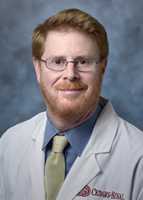 Dr. Stephen Freedland[/caption]
Stephen J. Freedland, MD
Associate Director, Faculty Development Samuel Oschin Comprehensive Cancer Institute
Co-Director, Cancer Genetics and Prevention Program
Director, Center for Integrated Research in Cancer and Lifestyle
Professor, Surgery
Warschaw Robertson Law Families Chair in Prostate Cancer
Cedars-Sinai, Los Angeles
MedicalResearch.com: What is the background for this study? What are the main findings?
Dr. Freedland: PSA is a marker of prostate pathology. While often used to screen for prostate cancer, it is not prostate specific and can be elevated due to inflammation or enlarged prostate or other reasons. Whether it predicts the development of urinary symptoms is not clear. Among men with minimal to no urinary symptoms, we found that the higher the PSA, the greater the risk of future development of urinary symptoms.
MedicalResearch.com: What should clinicians and patients take away from your report?
Dr. Freedland: The readers should know that if a man has an elevated PSA and a negative prostate biopsy, the higher the PSA, the greater the risk of future urinary symptoms. These are men who may need closer follow-up.
Dr. Stephen Freedland[/caption]
Stephen J. Freedland, MD
Associate Director, Faculty Development Samuel Oschin Comprehensive Cancer Institute
Co-Director, Cancer Genetics and Prevention Program
Director, Center for Integrated Research in Cancer and Lifestyle
Professor, Surgery
Warschaw Robertson Law Families Chair in Prostate Cancer
Cedars-Sinai, Los Angeles
MedicalResearch.com: What is the background for this study? What are the main findings?
Dr. Freedland: PSA is a marker of prostate pathology. While often used to screen for prostate cancer, it is not prostate specific and can be elevated due to inflammation or enlarged prostate or other reasons. Whether it predicts the development of urinary symptoms is not clear. Among men with minimal to no urinary symptoms, we found that the higher the PSA, the greater the risk of future development of urinary symptoms.
MedicalResearch.com: What should clinicians and patients take away from your report?
Dr. Freedland: The readers should know that if a man has an elevated PSA and a negative prostate biopsy, the higher the PSA, the greater the risk of future urinary symptoms. These are men who may need closer follow-up.