MedicalResearch.com Interview with:
[caption id="attachment_36326" align="alignleft" width="92"]

Dr. Huml[/caption]
Dr. Anne Huml MD
Center for Reducing Health Disparities
Case Western Reserve University
MetroHealth Medical Center
Cleveland, Ohio
MedicalResearch.com: What is the background for this study? What are the main findings?
Response: Overall, about 600,000 Americans have end stage renal disease and require chronic dialysis treatment or a kidney transplant to survive. Compared to chronic dialysis, kidney transplantation results in better survival and quality of life and lower health care costs. Approximately 100,000 patients are listed for a kidney transplant. However, only 17,000 transplants occur per year with two-thirds of these coming from deceased donor organs. Annually, over 8,000 patients either die waiting for a kidney transplant or are removed from the waiting list for being too ill. Waiting times vary based on geography, but it is not unusual for patients to wait upwards of 5 years for a kidney transplant. There are sizeable race, gender, and socioeconomic disparities in access to kidney transplantation
.
In this study, we evaluated the outcomes of deceased donor kidney offers and their association with donor and waitlisted patient characteristics. Differences in kidney offer outcomes to patients at the top of the waiting list may contribute to disparities in transplantation.
When a deceased donor organ becomes available, a match run list is created that ranks potential recipients in priority order based upon several characteristics, including waiting time and immunologic criteria. At the discretion of the transplant center, organ offers to patients on their waiting list can be accepted for transplant, or refused for a particular patient. The offers continue down the match run list in sequential order. For each potential recipient in whom the organ is not transplanted, a refusal code is generated and catalogued with the United Network of Organ Sharing, or UNOS. UNOS identifies 37 unique refusal codes and categorizes them into donor-related, transplant center bypassed for pre-specified criteria, recipient-related, histocompatibility-related, program-related, or other reasons for refusal.

 Prof. Chandola[/caption]
Professor Tarani Chandola
Cathie Marsh Institute and Social Statistics
www.cmist.manchester.ac.uk
University of Manchester
Co-director of the National Centre for Research Methods International Centre for Lifecourse Studies in Society & Health
MedicalResearch.com: What is the background for this study?
Response: The study examined the common perception that “any job is better than no job” to see whether this was true in terms of chronic stress levels. It followed up a group of unemployed adults representative of adults living in the UK, and compared their health and stress levels in terms of those who remained unemployed and those who became re-employed in poor and good quality work.
Prof. Chandola[/caption]
Professor Tarani Chandola
Cathie Marsh Institute and Social Statistics
www.cmist.manchester.ac.uk
University of Manchester
Co-director of the National Centre for Research Methods International Centre for Lifecourse Studies in Society & Health
MedicalResearch.com: What is the background for this study?
Response: The study examined the common perception that “any job is better than no job” to see whether this was true in terms of chronic stress levels. It followed up a group of unemployed adults representative of adults living in the UK, and compared their health and stress levels in terms of those who remained unemployed and those who became re-employed in poor and good quality work.

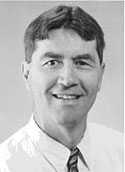 Dr. Staud[/caption]
Roland Staud, M.D.
Professor of Medicine
University of Florida
Gainesville, FL
MedicalResearch.com: What is the background for this study? What are the main findings?
Response: Fatigue after exertion or sleep loss is normal. However, fatigue at rest is not. Resting fatigue is reported by cancer, heart disease, RA, SLE patients and patients with chronic fatigue syndrome (CFS). CFS has been mostly associated with chronic infections but findings are inconsistent. We hypothesized that chronic fatigue is signaled by sensitized tissue receptors to the CNS where minute amounts of muscle metabolites can activate these receptors (metabo-receptors). Why the receptors are sensitized is unclear. To test our hypothesis we injected CFS patients with lidocaine or normal saline into muscles once. We saw a statistical improvement of overall fatigue (27%) with lidocaine compared to saline.
Conclusion: Chronic fatigue syndrome patients are using metabo-receptors for inappropriately signaling fatigue to the CNS.
Dr. Staud[/caption]
Roland Staud, M.D.
Professor of Medicine
University of Florida
Gainesville, FL
MedicalResearch.com: What is the background for this study? What are the main findings?
Response: Fatigue after exertion or sleep loss is normal. However, fatigue at rest is not. Resting fatigue is reported by cancer, heart disease, RA, SLE patients and patients with chronic fatigue syndrome (CFS). CFS has been mostly associated with chronic infections but findings are inconsistent. We hypothesized that chronic fatigue is signaled by sensitized tissue receptors to the CNS where minute amounts of muscle metabolites can activate these receptors (metabo-receptors). Why the receptors are sensitized is unclear. To test our hypothesis we injected CFS patients with lidocaine or normal saline into muscles once. We saw a statistical improvement of overall fatigue (27%) with lidocaine compared to saline.
Conclusion: Chronic fatigue syndrome patients are using metabo-receptors for inappropriately signaling fatigue to the CNS.

 Dr. Parast[/caption]
Layla Parast PhD
Statistician
RAND
MedicalResearch.com: What is the background for this study? What are the main findings?
Response: This study examined the association between pet ownership, specifically dog or cat ownership, and children’s physical and mental health. There has been a lot of previous work looking at this association and these previous results seemed to show that kids with pets have better health than those without pets. The hypothesis has been that pets can improve children’s health by increasing physical activating and improving young people’s empathy skills.
We used data from over 5,000 households in California which was obtained from the California Health Interview Survey and looked at physical and mental health outcomes among children in households with pets vs. without pets.
We found that children in households with pets do have better health than those without pets, but that after we account for factors such as family income and housing type, for example, there is no evidence of an association between pet ownership and health. That is, households that have pets are more likely to be higher income, to be in a house as opposed to an apartment, and to have healthier adults in the household, for example - and these factors are also associated with better child health.
Dr. Parast[/caption]
Layla Parast PhD
Statistician
RAND
MedicalResearch.com: What is the background for this study? What are the main findings?
Response: This study examined the association between pet ownership, specifically dog or cat ownership, and children’s physical and mental health. There has been a lot of previous work looking at this association and these previous results seemed to show that kids with pets have better health than those without pets. The hypothesis has been that pets can improve children’s health by increasing physical activating and improving young people’s empathy skills.
We used data from over 5,000 households in California which was obtained from the California Health Interview Survey and looked at physical and mental health outcomes among children in households with pets vs. without pets.
We found that children in households with pets do have better health than those without pets, but that after we account for factors such as family income and housing type, for example, there is no evidence of an association between pet ownership and health. That is, households that have pets are more likely to be higher income, to be in a house as opposed to an apartment, and to have healthier adults in the household, for example - and these factors are also associated with better child health.

 Rebecca Siegel[/caption]
Rebecca Siegel, MPH
Strategic Director, Surveillance Information Services
American Cancer Society, Inc.
250 Williams St.
Atlanta, GA 30303
MedicalResearch.com: What is the background for this study? What are the main findings?
Response: Colorectal cancer (CRC) incidence rates have been increasing in people under 55 since at least the mid-1990s, despite rapid declines in older age groups. We analyzed mortality data covering over 99% of the US population and found that death rates for CRC in adults under 55 have been increasing over the past decade of data (2004-2014) by 1% per year, in contrast to rapid declines in previous years. This indicates that the increase in incidence is not solely increased detection due to more colonoscopy use, but a true increase in disease occurrence that is of sufficient magnitude to outweigh improvements in survival because of better treatment for colorectal cancer.
The second major finding was that the rise in death rates was confined to whites, among whom death rates rose by 1.4% per year, for an overall increase of 14%. In
Rebecca Siegel[/caption]
Rebecca Siegel, MPH
Strategic Director, Surveillance Information Services
American Cancer Society, Inc.
250 Williams St.
Atlanta, GA 30303
MedicalResearch.com: What is the background for this study? What are the main findings?
Response: Colorectal cancer (CRC) incidence rates have been increasing in people under 55 since at least the mid-1990s, despite rapid declines in older age groups. We analyzed mortality data covering over 99% of the US population and found that death rates for CRC in adults under 55 have been increasing over the past decade of data (2004-2014) by 1% per year, in contrast to rapid declines in previous years. This indicates that the increase in incidence is not solely increased detection due to more colonoscopy use, but a true increase in disease occurrence that is of sufficient magnitude to outweigh improvements in survival because of better treatment for colorectal cancer.
The second major finding was that the rise in death rates was confined to whites, among whom death rates rose by 1.4% per year, for an overall increase of 14%. In 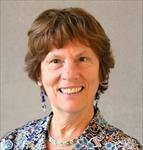 Dr. Ash[/caption]
Arlene S. Ash, PhD
Department of Quantitative Health Sciences
University of Massachusetts Medical School
Worcester
MedicalResearch.com: What is the background for this study? What are the main findings?
Response: State Medicaid programs (and other health care purchasers) often contract with several managed care organizations, each of which agrees to address all health care needs for some of their beneficiaries. Suppose a Medicaid program has $5000 to spend, on average, for each of its 1 million beneficiaries. How much should they pay health plan “A” for the particular 100,000 beneficiaries it enrolls? If some group, such as those who are homeless, is much more expensive to care for than the payment, plans that try to provide good care for many such people will go broke. We describe the model now used by MassHealth to ensure that plans get more money for enrolling patients with greater medical and social needs. In this medical-social model, about 10% of total dollars is allocated by factors other than the medical-morbidity risk score.
Dr. Ash[/caption]
Arlene S. Ash, PhD
Department of Quantitative Health Sciences
University of Massachusetts Medical School
Worcester
MedicalResearch.com: What is the background for this study? What are the main findings?
Response: State Medicaid programs (and other health care purchasers) often contract with several managed care organizations, each of which agrees to address all health care needs for some of their beneficiaries. Suppose a Medicaid program has $5000 to spend, on average, for each of its 1 million beneficiaries. How much should they pay health plan “A” for the particular 100,000 beneficiaries it enrolls? If some group, such as those who are homeless, is much more expensive to care for than the payment, plans that try to provide good care for many such people will go broke. We describe the model now used by MassHealth to ensure that plans get more money for enrolling patients with greater medical and social needs. In this medical-social model, about 10% of total dollars is allocated by factors other than the medical-morbidity risk score.
 Dr. Hernandez[/caption]
Inmaculada Hernandez, PharmD, PhD
Assistant Professor of Pharmacy and Therapeutics
University of Pittsburgh School of Pharmacy
Pittsburgh, PA 1526
MedicalResearch.com: What is the background for this study?
Response: A few months ago, the results of the FOURIER trial were published. This trial was the first one to evaluate the efficacy of PCSK9 inhibitors in the prevention of cardiovascular events, since the approval of these agents was based on trials that evaluated their efficacy in reducing levels of LDL-C. The results of the FOURIER trial did not meet the expectations generated by prior studies that had simulated how much the risk of cardiovascular events should decrease based on the observed reduction in LDL-C levels. A few hours after the publication of the results of the FOURIER trial, Amgen (evolocumab´s manufacturer) announced that it would be willing to engage in contracts where the cost of evolocumab would be refunded for those patients who suffer a heart attack or a stroke while using the drug.
Dr. Hernandez[/caption]
Inmaculada Hernandez, PharmD, PhD
Assistant Professor of Pharmacy and Therapeutics
University of Pittsburgh School of Pharmacy
Pittsburgh, PA 1526
MedicalResearch.com: What is the background for this study?
Response: A few months ago, the results of the FOURIER trial were published. This trial was the first one to evaluate the efficacy of PCSK9 inhibitors in the prevention of cardiovascular events, since the approval of these agents was based on trials that evaluated their efficacy in reducing levels of LDL-C. The results of the FOURIER trial did not meet the expectations generated by prior studies that had simulated how much the risk of cardiovascular events should decrease based on the observed reduction in LDL-C levels. A few hours after the publication of the results of the FOURIER trial, Amgen (evolocumab´s manufacturer) announced that it would be willing to engage in contracts where the cost of evolocumab would be refunded for those patients who suffer a heart attack or a stroke while using the drug.
 Nicole Mirnig [/caption]
Mag. Nicole Mirnig
Research Fellow
Center for Human-Computer Interaction
University of Salzburg
Salzburg, Austria
MedicalResearch.com: What is the background for this study? What are the main findings?
Response: From our previous research on social robots, we know that humans show observable reactions when a robot makes an error. These findings result from a video analysis we performed over a large data corpus from different human-robot interaction studies. With the study at hand, we wanted to replicate this effect in the lab in order to explore into more detail how humans react and what they think about a robot that makes a mistake.
Our main findings made us quite excited. First of all, we could show that humans respond to faulty robot behavior with social signals. Second, we found that the error-prone robot was perceived as significantly more likeable than the flawless robot.
One possible explanation for this finding would be the following. Research has shown that people form their opinions and expectations about robots to a substantial proportion on what they learn from the media. Those media entail movies in which robots are often portrayed as perfectly functioning entities (good or evil). Upon interacting with a social robot themselves, people adjust their opinions and expectations based on their interaction experience. We assume that interacting with a robot that makes mistakes, makes us feel closer and less inferior to technology.
Nicole Mirnig [/caption]
Mag. Nicole Mirnig
Research Fellow
Center for Human-Computer Interaction
University of Salzburg
Salzburg, Austria
MedicalResearch.com: What is the background for this study? What are the main findings?
Response: From our previous research on social robots, we know that humans show observable reactions when a robot makes an error. These findings result from a video analysis we performed over a large data corpus from different human-robot interaction studies. With the study at hand, we wanted to replicate this effect in the lab in order to explore into more detail how humans react and what they think about a robot that makes a mistake.
Our main findings made us quite excited. First of all, we could show that humans respond to faulty robot behavior with social signals. Second, we found that the error-prone robot was perceived as significantly more likeable than the flawless robot.
One possible explanation for this finding would be the following. Research has shown that people form their opinions and expectations about robots to a substantial proportion on what they learn from the media. Those media entail movies in which robots are often portrayed as perfectly functioning entities (good or evil). Upon interacting with a social robot themselves, people adjust their opinions and expectations based on their interaction experience. We assume that interacting with a robot that makes mistakes, makes us feel closer and less inferior to technology.


 Dr. Xiaoyang Wu[/caption]
Dr. Xiaoyang Wu PhD
Ben May Department for Cancer Research
The University of Chicago, Chicago, IL
MedicalResearch.com: What is the background for this study? What are the main findings?
Response: We have been working on skin somatic stem cells for many years. As one of the most studies adult stem cell systems, skin stem cells have several unique advantages as the novel vehicle for somatic gene therapy (summarized also in the paper). The system is well established. Human skin transplantation using CEA device developed from skin stem cells have been clinically used for decades for burn wound treatment, and been proven to be safe the effective.
In this study, we developed a skin 3D organoid culture model to induce stratification and maturation of mouse epidermal stem cells in vitro, which allows us to efficiently transfer engineered mouse skin to isogenic host animals. In the proof of concept study, we showed that we can achieve systematic release of GLP1 at therapeutic concentration by engineered skin grafts.
Dr. Xiaoyang Wu[/caption]
Dr. Xiaoyang Wu PhD
Ben May Department for Cancer Research
The University of Chicago, Chicago, IL
MedicalResearch.com: What is the background for this study? What are the main findings?
Response: We have been working on skin somatic stem cells for many years. As one of the most studies adult stem cell systems, skin stem cells have several unique advantages as the novel vehicle for somatic gene therapy (summarized also in the paper). The system is well established. Human skin transplantation using CEA device developed from skin stem cells have been clinically used for decades for burn wound treatment, and been proven to be safe the effective.
In this study, we developed a skin 3D organoid culture model to induce stratification and maturation of mouse epidermal stem cells in vitro, which allows us to efficiently transfer engineered mouse skin to isogenic host animals. In the proof of concept study, we showed that we can achieve systematic release of GLP1 at therapeutic concentration by engineered skin grafts.
 Dr. Jordan[/caption]
Stanley C. Jordan, M.D
Director, Division of Nephrology
Medical Director, Kidney Transplant Program
Medical Director, Human Leukocyte Antigen and Transplant Immunology Laboratory
Cedars-Sinai, Los Angeles, CA
MedicalResearch.com: What is the background for this study? What are the main findings?
Response: The background for this study is as follows: Patients who are highly HLA sensitized have antibodies to transplant targets create an immunologic barrier to transplant. Currently, there are no approved therapies for elimination of these antibodies. Desensitization is available but is not always successful and most desensitized patients are still transplanted with a positive crossmatch. Thus, many patients are not able to receive life-saving kidney transplants unless newer therapies to remove antibodies are found.
The findings of our study published in the New England Journal of Medicine revealed that the use of the enzyme from streptococcal pyogenes called IdeS® (IgG endopeptidase) is very effective in eliminating donor specific antibodies and allowing transplantation to occur. Antibodies were eliminated from one week up to two months after one treatment with Ides® allowing a safe environment for the transplant to occur. Rejections episodes did occur in some of the patients but were generally mild and easily treatable. Only one patient of 25 lost his allograft during the study. Thus, the study shows promising results for a new approach for elimination of pathogenic antibodies that did not exist before.
Dr. Jordan[/caption]
Stanley C. Jordan, M.D
Director, Division of Nephrology
Medical Director, Kidney Transplant Program
Medical Director, Human Leukocyte Antigen and Transplant Immunology Laboratory
Cedars-Sinai, Los Angeles, CA
MedicalResearch.com: What is the background for this study? What are the main findings?
Response: The background for this study is as follows: Patients who are highly HLA sensitized have antibodies to transplant targets create an immunologic barrier to transplant. Currently, there are no approved therapies for elimination of these antibodies. Desensitization is available but is not always successful and most desensitized patients are still transplanted with a positive crossmatch. Thus, many patients are not able to receive life-saving kidney transplants unless newer therapies to remove antibodies are found.
The findings of our study published in the New England Journal of Medicine revealed that the use of the enzyme from streptococcal pyogenes called IdeS® (IgG endopeptidase) is very effective in eliminating donor specific antibodies and allowing transplantation to occur. Antibodies were eliminated from one week up to two months after one treatment with Ides® allowing a safe environment for the transplant to occur. Rejections episodes did occur in some of the patients but were generally mild and easily treatable. Only one patient of 25 lost his allograft during the study. Thus, the study shows promising results for a new approach for elimination of pathogenic antibodies that did not exist before.

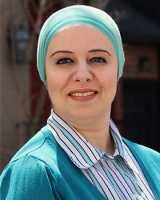
 Dr. Gayer[/caption]
Gregory Gayer, PhD
Associate Professor
Chair of Basic Science Department
TUCOM California
MedicalResearch.com: What is the background for this study? What are the main findings?
Response: The prevalence of obesity in the United States continues to be a growing and remains a major health concern. Closely associated with obesity is an extensive list of chronic diseases, including hypertension, dyslipidemia, and type 2 diabetes. Unfortunately, physician bias against obese people may create a self-defeating environment that can produce less effective communication in a manner that could reduce the patient’s willingness to participate in their own health. Our overall goal is to prepare future physicians to appropriately engage the obese patient in order to optimize health care delivery.
This study was initiated in response to the ever increasing demand on the medical profession to properly care for the
Dr. Gayer[/caption]
Gregory Gayer, PhD
Associate Professor
Chair of Basic Science Department
TUCOM California
MedicalResearch.com: What is the background for this study? What are the main findings?
Response: The prevalence of obesity in the United States continues to be a growing and remains a major health concern. Closely associated with obesity is an extensive list of chronic diseases, including hypertension, dyslipidemia, and type 2 diabetes. Unfortunately, physician bias against obese people may create a self-defeating environment that can produce less effective communication in a manner that could reduce the patient’s willingness to participate in their own health. Our overall goal is to prepare future physicians to appropriately engage the obese patient in order to optimize health care delivery.
This study was initiated in response to the ever increasing demand on the medical profession to properly care for the  Dr.Enderling[/caption]
Heiko Enderling, Ph.D.
Associate Member & Director for Education and Outreach
Dept. of Integrated Mathematical Oncology
Dept. of Radiation Oncology
H. Lee Moffitt Cancer Center & Research Institute
Tampa, FL 33612
MedicalResearch.com: What is the background for this study? What are the main findings?
Response: Although radiation therapy after breast-conserving surgery for early-stage breast cancer has significantly improved patient prognosis, many patients will face a second cancer diagnosis within 20 years of primary treatment. Experimental and clinical studies have shown that local radiation therapy can activate an immune response that can propagate systemically to attack distant untreated metastases. However, current radiotherapy practice has not specifically focused on enhancing immune responses.
We asked the question if pre-operative irradiation, when applied to the bulk of disease, could have potentially higher immune stimulatory effects. To study this, we analyzed historic outcomes of breast cancer patients treated with either adjuvant (radiation after surgery) or neoadjuvant (radiation before surgery) radiotherapies.
Our analysis showed that the risk of developing a second tumor after neoadjuvant compared with adjuvant RT was significantly lower, especially for estrogen receptor-positive women who underwent
Dr.Enderling[/caption]
Heiko Enderling, Ph.D.
Associate Member & Director for Education and Outreach
Dept. of Integrated Mathematical Oncology
Dept. of Radiation Oncology
H. Lee Moffitt Cancer Center & Research Institute
Tampa, FL 33612
MedicalResearch.com: What is the background for this study? What are the main findings?
Response: Although radiation therapy after breast-conserving surgery for early-stage breast cancer has significantly improved patient prognosis, many patients will face a second cancer diagnosis within 20 years of primary treatment. Experimental and clinical studies have shown that local radiation therapy can activate an immune response that can propagate systemically to attack distant untreated metastases. However, current radiotherapy practice has not specifically focused on enhancing immune responses.
We asked the question if pre-operative irradiation, when applied to the bulk of disease, could have potentially higher immune stimulatory effects. To study this, we analyzed historic outcomes of breast cancer patients treated with either adjuvant (radiation after surgery) or neoadjuvant (radiation before surgery) radiotherapies.
Our analysis showed that the risk of developing a second tumor after neoadjuvant compared with adjuvant RT was significantly lower, especially for estrogen receptor-positive women who underwent
 Dr. Kochunov[/caption]
Peter Kochunov PhD
Professor
Maryland Psychiatric Research Center
MedicalResearch.com: What is the background for this study? What are the main findings?
Response: Schizophrenia is a debilitating disorder that strikes young people at the point of entering adulthood. In the past, we and others demonstrated that patients with schizophrenia are characterized by deficits in the white matter of the brain. White matter is the part of the brain that serves the backbone of cerebral networks transmitting information and interconnecting brain regions.
In this report, we link the impaired white matter of the brain in schizophrenia patients with the disorder-related deficits in the processing speed. We also showed that mental processing speed is a fundamental cognitive construct that partially supports other functions like working memory in patients, where processing speed acting as the intermediate between white matter deficits and reduced working memory. This interesting relationship between processing speed, working memory, and white matter is most obvious in white matter regions most vulnerable to schizophrenia. That was the main finding of the study.
Dr. Kochunov[/caption]
Peter Kochunov PhD
Professor
Maryland Psychiatric Research Center
MedicalResearch.com: What is the background for this study? What are the main findings?
Response: Schizophrenia is a debilitating disorder that strikes young people at the point of entering adulthood. In the past, we and others demonstrated that patients with schizophrenia are characterized by deficits in the white matter of the brain. White matter is the part of the brain that serves the backbone of cerebral networks transmitting information and interconnecting brain regions.
In this report, we link the impaired white matter of the brain in schizophrenia patients with the disorder-related deficits in the processing speed. We also showed that mental processing speed is a fundamental cognitive construct that partially supports other functions like working memory in patients, where processing speed acting as the intermediate between white matter deficits and reduced working memory. This interesting relationship between processing speed, working memory, and white matter is most obvious in white matter regions most vulnerable to schizophrenia. That was the main finding of the study.
 Dr. Jacobs[/caption]
Dr. Lisa K. Jacobs MD
Johns Hopkins School of Medicine
Baltimore, Maryland
MedicalResearch.com: What is the background for this study? What are the main findings?
Response: Breast preservation is the preferred treatment for many women diagnosed with breast cancer. The most common question that a patient will ask after the surgery is, “Did you get it all?” In the ideal case, this is accomplished in a single outpatient surgery with very good cosmetic results. In our study, Beyond the Margins-Economic Costs and Complications Associated with Repeated Breast-Conserving Surgeries we evaluated the detrimental effects of an unsuccessful initial surgery due to positive surgical margins. Using private insurance claims data, we found that 16% of patients planning breast preservation required a second breast-conserving surgery and an additional 7% converted to mastectomy. Of those patients that required additional surgery there was a 56% ($16,072) increase in cost and a 48% increase in complications. Those complications include infection, hematoma, seroma, and fat necrosis. This study demonstrates that repeated surgery has not only cosmetic consequences, but also has financial implications and increased risk.
Dr. Jacobs[/caption]
Dr. Lisa K. Jacobs MD
Johns Hopkins School of Medicine
Baltimore, Maryland
MedicalResearch.com: What is the background for this study? What are the main findings?
Response: Breast preservation is the preferred treatment for many women diagnosed with breast cancer. The most common question that a patient will ask after the surgery is, “Did you get it all?” In the ideal case, this is accomplished in a single outpatient surgery with very good cosmetic results. In our study, Beyond the Margins-Economic Costs and Complications Associated with Repeated Breast-Conserving Surgeries we evaluated the detrimental effects of an unsuccessful initial surgery due to positive surgical margins. Using private insurance claims data, we found that 16% of patients planning breast preservation required a second breast-conserving surgery and an additional 7% converted to mastectomy. Of those patients that required additional surgery there was a 56% ($16,072) increase in cost and a 48% increase in complications. Those complications include infection, hematoma, seroma, and fat necrosis. This study demonstrates that repeated surgery has not only cosmetic consequences, but also has financial implications and increased risk.
 Dr. Wactawski-Wende[/caption]
Jean Wactawski-Wende, PhD
Dean, SUNY Distinguished Professor
Professor, Department of Epidemiology and Environmental Health
School of Public Health and Health Professions
University of Buffalo
MedicalResearch.com: What is the background for this study? What are the main findings?
Response: There has been a growing interest in the role of periodontal disease in system chronic diseases, including cancer. We explored the association of periodontal disease history and incident cancer in the women's health initiative study of postmenopausal women. We found that women reporting periodontal disease history were at increased risk of developing cancer overall. In addition they were found to have significant increased risk of specific cancers including cancers of the lung, breast, esophagus, gallbladder and melanoma. The risk persisted after control for many other factors. In addition, the risk was seen in women regardless of their smoking history. Both ever smokers and never smokers were found to have increased risk of cancer associated with periodontal disease history.
Dr. Wactawski-Wende[/caption]
Jean Wactawski-Wende, PhD
Dean, SUNY Distinguished Professor
Professor, Department of Epidemiology and Environmental Health
School of Public Health and Health Professions
University of Buffalo
MedicalResearch.com: What is the background for this study? What are the main findings?
Response: There has been a growing interest in the role of periodontal disease in system chronic diseases, including cancer. We explored the association of periodontal disease history and incident cancer in the women's health initiative study of postmenopausal women. We found that women reporting periodontal disease history were at increased risk of developing cancer overall. In addition they were found to have significant increased risk of specific cancers including cancers of the lung, breast, esophagus, gallbladder and melanoma. The risk persisted after control for many other factors. In addition, the risk was seen in women regardless of their smoking history. Both ever smokers and never smokers were found to have increased risk of cancer associated with periodontal disease history.