Author Interviews, Education, University of Michigan / 18.10.2019
Women Physician Scientists More Likely To Burnout
MedicalResearch.com Interview with:
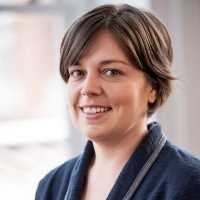
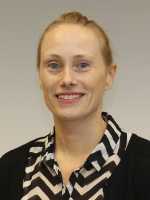
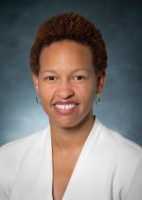
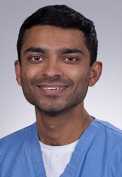
[caption id="attachment_51825" align="alignleft" width="133"]
Dr. Perumalswami[/caption]
Chithra R. Perumalswami, MD, MSc
Research Fellow
Center for Bioethics & Social Sciences in Medicine
University of Michigan
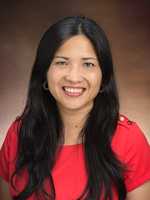
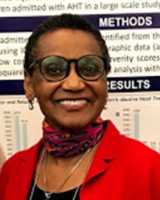
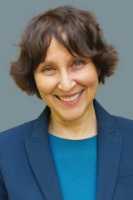
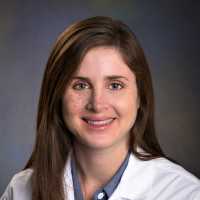
[caption id="attachment_51839" align="alignleft" width="133"]
Dr. Jagsi[/caption]
Reshma Jagsi, MD, DPhil
Professor, Deputy Chair, and Residency Program Director
Department of Radiation Oncology and Director
Center for Bioethics and Social Sciences in Medicine University of Michigan
MedicalResearch.com: What is the background for this study?
Response: Burnout is a syndrome characterized by a sense of decreased personal accomplishment, emotional exhaustion, and depersonalization. It can lead to increased depression, illness, suicide, and absences from work.
Physician burnout has reached epidemic proportions and physician-scientists are not immune from it. They are a critical part of the healthcare workforce who are responsible for translating innovative bench research to the bedside of patients, and in recent years have faced increasing pressures.
Dr. Perumalswami[/caption]
Chithra R. Perumalswami, MD, MSc
Research Fellow
Center for Bioethics & Social Sciences in Medicine
University of Michigan
[caption id="attachment_51839" align="alignleft" width="133"]
Dr. Jagsi[/caption]
Reshma Jagsi, MD, DPhil
Professor, Deputy Chair, and Residency Program Director
Department of Radiation Oncology and Director
Center for Bioethics and Social Sciences in Medicine University of Michigan
MedicalResearch.com: What is the background for this study?
Response: Burnout is a syndrome characterized by a sense of decreased personal accomplishment, emotional exhaustion, and depersonalization. It can lead to increased depression, illness, suicide, and absences from work.
Physician burnout has reached epidemic proportions and physician-scientists are not immune from it. They are a critical part of the healthcare workforce who are responsible for translating innovative bench research to the bedside of patients, and in recent years have faced increasing pressures.

Ruibin Lu
Assistant Professor of Criminal Justice
Stockton University
Absecon, New Jersey
MedicalResearch.com: What is the background for this study?
Response: We are witnessing a trend of legalizing marijuana in the United States and in the world. Many states have either legalized recreational marijuana or are considering it. At the same time, there are concerns about what will happen to our society if weed is legal. One of the concerns is about crime rates: are we going to experience more or fewer crimes after legalizing recreational marijuana? This is a legitimate question that we should consider when making cannabis-related public policies. Our research provides a preliminary answer to this question. It analyzes crime rates before and after the legalization using rigorous scientific methods and provides more information on how marijuana legalization may affect crime rates.

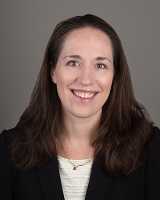
Dr. Hongying (Daisy) Dai[/caption]
Hongying (Daisy) Dai, PhD
Associate Professor
Department of Biostatistics | College of Public Health
University of Nebraska Medical Center
MedicalResearch.com: What is the background for this study?
Response: Although marijuana is still classified as a Schedule I drug at the Federal level, as of June 2019, 33 states and the District of Columbia have legalized one or more forms of marijuana; 11 states and the District of Columbia have approved both medical and recreational uses. Public opinion on marijuana has changed dramatically over the last two decades and support for legalization has doubled since 2010. However, very little is known about the prevalence and patterns of marijuana use among adults with medical conditions.
This study analyzed the 2016 and 2017 Behavioral Risk Factor Surveillance System data to report the prevalence and patterns of marijuana use among adults with self-reported medical conditions.