13 Mar Components of Mediterranean Diet Linked to Reduced Inflammatory Markers
Posted at 20:36h
in Author Interviews, Columbia, Heart Disease, Mediterranean Diet, Women's Heart Health
MedicalResearch.com Interview with:
[caption id="attachment_53518" align="alignleft" width="177"] Dr. Shah[/caption]
Dr. Riddhi Shah, PhD
AHA SFRN Postdoctoral Research Fellow
Division of Cardiology
Columbia University Medical Center
New York, New York
MedicalResearch.com: What is the background for this study?
Response: The Mediterranean Diet, characterized by higher intakes of plant foods including plant proteins, monounsaturated fat, fish, and lower consumption of animal products and saturated fat, has long been associated with reduced cardiovascular risk and greater longevity, but the molecular mechanisms underlying these associations have not been fully elucidated.
We evaluated associations of an Alternate Mediterranean Diet Score, reflective of adherence to this diet pattern and adapted for US populations, and its components with markers of endothelial inflammation directly measured in endothelial cells harvested from women, including oxidative stress, nuclear factor kappa B (NFκB), and endothelial nitric oxide synthase (eNOS) gene expression.
 Dr. Kooraki[/caption]
Soheil Kooraki MSR MS, MD
on behalf of Dr. Ali Gholamrezanezhad MD and co-authors
Department of Radiological Sciences,
David Geffen School of Medicine, University of California at Los Angeles
Los Angeles, California
MedicalResearch.com: What is the background for this study? What are the main findings?
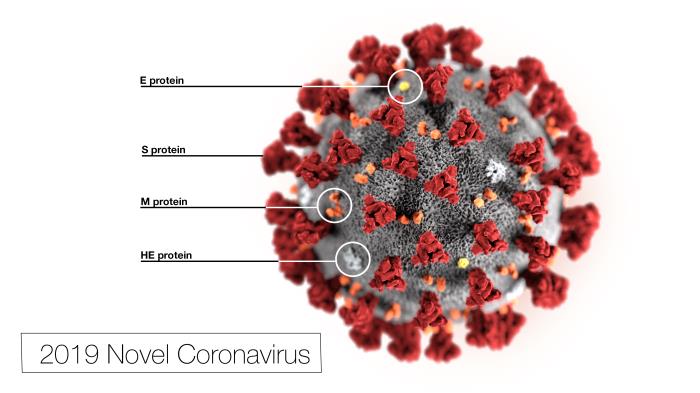
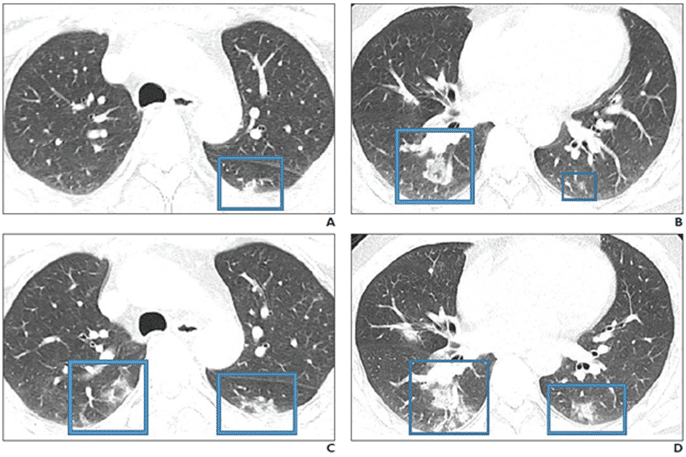
Response: COVID19 is a novel strain of the coronavirus family causing pneumonia. Two similar strains were discovered in 2003 and 2012 to cause the so-called SARS and MERS outbreaks, respectively. Radiologists need to be prepared for the escalating incidence of COVID-19. We reviewed the literature to extract the epidemiologic and imaging features of SARS and MERS in comparison with known imaging features of COVID-19 pneumonia to have a better understanding of the imaging features of the COVID19 pneumonia in acute and post-recovery stages.
Dr. Kooraki[/caption]
Soheil Kooraki MSR MS, MD
on behalf of Dr. Ali Gholamrezanezhad MD and co-authors
Department of Radiological Sciences,
David Geffen School of Medicine, University of California at Los Angeles
Los Angeles, California
MedicalResearch.com: What is the background for this study? What are the main findings?
Response: COVID19 is a novel strain of the coronavirus family causing pneumonia. Two similar strains were discovered in 2003 and 2012 to cause the so-called SARS and MERS outbreaks, respectively. Radiologists need to be prepared for the escalating incidence of COVID-19. We reviewed the literature to extract the epidemiologic and imaging features of SARS and MERS in comparison with known imaging features of COVID-19 pneumonia to have a better understanding of the imaging features of the COVID19 pneumonia in acute and post-recovery stages.