
 Dr. Deshmukh[/caption]
Ashish A. Deshmukh, PhD, MPH
Associate Professor, Management, Policy & Community Health
Associate Director, Center for Health Services Research
Co-director, Clinical Analytics and Decision Science Lab
UTHealth School of Public Health
Houston, TX 77030
MedicalResearch.com: What is the background for this study?
Response: Oropharyngeal cancer is the most common cancer caused by human papillomavirus (HPV) in the United States (US). We know from previous studies that oropharyngeal cancer to be one of the fastest rising cancers in the US. However, trends (i.e., extent of change) in incidence rates among men and women in all 50 US states and trends according to tumor diagnostic characteristics (i.e., stage, size) have not been comprehensively studied. In addition, no prior study evaluated contemporary trends in oropharyngeal cancer mortality (death) rates in the US. Our study provides a comprehensive picture of oropharyngeal cancer incidence and mortality (according to age, stage, tumor size, and state of residence) in all 50 states and DC.
Dr. Deshmukh[/caption]
Ashish A. Deshmukh, PhD, MPH
Associate Professor, Management, Policy & Community Health
Associate Director, Center for Health Services Research
Co-director, Clinical Analytics and Decision Science Lab
UTHealth School of Public Health
Houston, TX 77030
MedicalResearch.com: What is the background for this study?
Response: Oropharyngeal cancer is the most common cancer caused by human papillomavirus (HPV) in the United States (US). We know from previous studies that oropharyngeal cancer to be one of the fastest rising cancers in the US. However, trends (i.e., extent of change) in incidence rates among men and women in all 50 US states and trends according to tumor diagnostic characteristics (i.e., stage, size) have not been comprehensively studied. In addition, no prior study evaluated contemporary trends in oropharyngeal cancer mortality (death) rates in the US. Our study provides a comprehensive picture of oropharyngeal cancer incidence and mortality (according to age, stage, tumor size, and state of residence) in all 50 states and DC.

 Shuchi Anand, MD MS (she/her)
Assistant Professor in Medicine
Director, Center for Tubulointerstitial Kidney Disease
Stanford University School of Medicine
MedicalResearch.com: What is the background for this study? What are the main findings?
Response: A majority of people on dialysis who completed vaccination as of September 2021 have had a decline in antibody response to levels that would render them vulnerable to infection. Antibody response immediately after vaccination and circulating antibody response is strongly associated with risk for breakthrough after the initial vaccination series.
Shuchi Anand, MD MS (she/her)
Assistant Professor in Medicine
Director, Center for Tubulointerstitial Kidney Disease
Stanford University School of Medicine
MedicalResearch.com: What is the background for this study? What are the main findings?
Response: A majority of people on dialysis who completed vaccination as of September 2021 have had a decline in antibody response to levels that would render them vulnerable to infection. Antibody response immediately after vaccination and circulating antibody response is strongly associated with risk for breakthrough after the initial vaccination series.
 Dr. Pirofski[/caption]
Liise-anne Pirofski, M.D.
Mitrani Professor of Biomedical Research
Chief, Division of Infectious Diseases
Albert Einstein College of Medicine and
Montefiore Medical Center
Liise-anne Pirofski, MD on behalf of lead authors Mila Ortigoza MD, PhD, Assistant professor at NYU Langone Health and Hyunah Yoon MD, Assistant Professor, Albert Einstein Medical Center
and the CONTAIN COVID-19 trial authors and team
MedicalResearch.com: What is the background for this study?
Response: The study was designed to determine the efficacy of COVID-19 convalescent plasma (CCP) in hospitalized patients with COVID-19. It was designed and launched in New York City in April 2020 during the height of the first COVID-19 pandemic wave and later extended to sites in Miami, Houston, and other regions affected by subsequent waves of the pandemic. At that time, there were no validated therapeutic options for COVID-19, and there was clinical equipoise for CCP use in hospitalized patients. COVID-19 convalescent plasma was considered worthy of investigation because of the historical success of convalescent plasma in prior pandemics and epidemics dating to the beginning of the 20th century, and importantly, biological plausibility because convalescent plasma contains antibodies to agents from which people have recovered, and case series and observational studies showing signals of CCP efficacy in patients with COVID-19. The trial was designed to focus on patients with moderate to severe COVID-19 who required supplemental oxygen, but not mechanical intubation. At the time the trial was designed, hospitals in New York City were overwhelmed with severely and critically ill patients with COVID-19, an entirely new disease about which more and more was learned over the 11 months the trial was conducted.
Dr. Pirofski[/caption]
Liise-anne Pirofski, M.D.
Mitrani Professor of Biomedical Research
Chief, Division of Infectious Diseases
Albert Einstein College of Medicine and
Montefiore Medical Center
Liise-anne Pirofski, MD on behalf of lead authors Mila Ortigoza MD, PhD, Assistant professor at NYU Langone Health and Hyunah Yoon MD, Assistant Professor, Albert Einstein Medical Center
and the CONTAIN COVID-19 trial authors and team
MedicalResearch.com: What is the background for this study?
Response: The study was designed to determine the efficacy of COVID-19 convalescent plasma (CCP) in hospitalized patients with COVID-19. It was designed and launched in New York City in April 2020 during the height of the first COVID-19 pandemic wave and later extended to sites in Miami, Houston, and other regions affected by subsequent waves of the pandemic. At that time, there were no validated therapeutic options for COVID-19, and there was clinical equipoise for CCP use in hospitalized patients. COVID-19 convalescent plasma was considered worthy of investigation because of the historical success of convalescent plasma in prior pandemics and epidemics dating to the beginning of the 20th century, and importantly, biological plausibility because convalescent plasma contains antibodies to agents from which people have recovered, and case series and observational studies showing signals of CCP efficacy in patients with COVID-19. The trial was designed to focus on patients with moderate to severe COVID-19 who required supplemental oxygen, but not mechanical intubation. At the time the trial was designed, hospitals in New York City were overwhelmed with severely and critically ill patients with COVID-19, an entirely new disease about which more and more was learned over the 11 months the trial was conducted.
 Dr. Arbel[/caption]
Ronen Arbel, PhD
Outcomes Research, Community Medical Services Division
Clalit Health Service
Tel Aviv, Israel
Director, Maximizing Health Outcomes Research Lab
Sapir College, Sderot, Israel.
MedicalResearch.com: What is the background for this study?
Response: The emergence of the SARS-CoV-2 delta variant and reduced effectiveness over time of the BNT162b2 vaccine (Pfizer-BioNTech) led to a recent Coronavirus 2019 disease (Covid-19) resurgence in early vaccinated populations.
The Israeli Ministry of Health was the first in the world to approve a third (booster) dose of BNT162b2 to cope with this resurgence.
Dr. Arbel[/caption]
Ronen Arbel, PhD
Outcomes Research, Community Medical Services Division
Clalit Health Service
Tel Aviv, Israel
Director, Maximizing Health Outcomes Research Lab
Sapir College, Sderot, Israel.
MedicalResearch.com: What is the background for this study?
Response: The emergence of the SARS-CoV-2 delta variant and reduced effectiveness over time of the BNT162b2 vaccine (Pfizer-BioNTech) led to a recent Coronavirus 2019 disease (Covid-19) resurgence in early vaccinated populations.
The Israeli Ministry of Health was the first in the world to approve a third (booster) dose of BNT162b2 to cope with this resurgence.
 Dr. Daniell[/caption]
Dr. Henry Daniell Ph.D
W. D. Miller Professor & Director of Translational Research,
Vice Chair, Department of Basic and Translational Sciences,
Editor in Chief, Plant Biotechnology Journal, Oxford, UK
School of Dental Medicine,
University of Pennsylvania,
Philadelphia PA 19104-6030
MedicalResearch.com: What is the background for this study?
Response: ACE2 is a human protein present in human cells, blood and saliva. In COVID-19 patients this protein is inactivated. SARS-CoV-2 virus enters human cells using receptor of this protein. ACE2 chewing gum utilizes two different mechanisms. ACE2 enzyme directly binds to the spike protein on SARS-CoV-2 and traps virus in the chewing gum. In addition, ACE2 enzyme binds to its own receptor on oral epithelial cells, thereby blocks entry of any virus that is not trapped in the chewing gum
Dr. Daniell[/caption]
Dr. Henry Daniell Ph.D
W. D. Miller Professor & Director of Translational Research,
Vice Chair, Department of Basic and Translational Sciences,
Editor in Chief, Plant Biotechnology Journal, Oxford, UK
School of Dental Medicine,
University of Pennsylvania,
Philadelphia PA 19104-6030
MedicalResearch.com: What is the background for this study?
Response: ACE2 is a human protein present in human cells, blood and saliva. In COVID-19 patients this protein is inactivated. SARS-CoV-2 virus enters human cells using receptor of this protein. ACE2 chewing gum utilizes two different mechanisms. ACE2 enzyme directly binds to the spike protein on SARS-CoV-2 and traps virus in the chewing gum. In addition, ACE2 enzyme binds to its own receptor on oral epithelial cells, thereby blocks entry of any virus that is not trapped in the chewing gum
 Michael Craig[/caption]
Michael Craig MPP
Director, Antibiotic Resistance Coordination and Strategy
CDC
MedicalResearch.com: What is the mission of the Global Action in Healthcare Network (GAIHN)? How will it work to coordinate detection and response efforts across multiple countries and cultures?
Michael Craig[/caption]
Michael Craig MPP
Director, Antibiotic Resistance Coordination and Strategy
CDC
MedicalResearch.com: What is the mission of the Global Action in Healthcare Network (GAIHN)? How will it work to coordinate detection and response efforts across multiple countries and cultures?

 Dr. Dickerman[/caption]
Dr. Barbra Dickerman, PhD
CAUSALab investigator and instructor
Department of Epidemiology
Harvard T.H. Chan School of Public Health
MedicalResearch.com: What is the background for this study?
Response: Early randomized trials showed that the BNT162b2 (Pfizer-BioNTech) and mRNA-1273 (Moderna) vaccines were both remarkably effective at preventing symptomatic disease, when comparing each vaccine with no vaccine. However, head-to-head comparisons of these vaccines have been lacking, leaving open the question of which vaccine is more effective.
In this study, we analyzed the VA’s high-quality databases in a way that emulated the design of the hypothetical trial that would have answered this question. Specifically, we used the findings from the original trials to benchmark our methods and then extended them to provide novel evidence for the comparative effectiveness of these two vaccines in a real-world setting and across diverse subgroups and different time periods.
Dr. Dickerman[/caption]
Dr. Barbra Dickerman, PhD
CAUSALab investigator and instructor
Department of Epidemiology
Harvard T.H. Chan School of Public Health
MedicalResearch.com: What is the background for this study?
Response: Early randomized trials showed that the BNT162b2 (Pfizer-BioNTech) and mRNA-1273 (Moderna) vaccines were both remarkably effective at preventing symptomatic disease, when comparing each vaccine with no vaccine. However, head-to-head comparisons of these vaccines have been lacking, leaving open the question of which vaccine is more effective.
In this study, we analyzed the VA’s high-quality databases in a way that emulated the design of the hypothetical trial that would have answered this question. Specifically, we used the findings from the original trials to benchmark our methods and then extended them to provide novel evidence for the comparative effectiveness of these two vaccines in a real-world setting and across diverse subgroups and different time periods.

 Dr. Woodruff[/caption]
Carina M. Woodruff, MD
Department of Dermatolog
University of California, San Francisco
MedicalResearch.com: What is the background for this study? What are the main findings?
Response: Rigorous hand hygiene has been an important component of the CDC's COVID-19 guidelines. With millions of Americans now using hand sanitizers regularly, we are seeing many more cases of hand dermatitis. Our study evaluated the key product features and most common allergens in the top-reviewed, commercial hand sanitizers sold by major US retailers.
We found that the most common potential allergens were tocopherol, fragrance, propylene glycol and phenoxyethanol. Our study also showed that nearly 1 in 5 marketing claims on these products was misleading. For example, 70% of sanitizers with the marketing claim "hypoallergenic" included at least one common allergen in its formulation.
Dr. Woodruff[/caption]
Carina M. Woodruff, MD
Department of Dermatolog
University of California, San Francisco
MedicalResearch.com: What is the background for this study? What are the main findings?
Response: Rigorous hand hygiene has been an important component of the CDC's COVID-19 guidelines. With millions of Americans now using hand sanitizers regularly, we are seeing many more cases of hand dermatitis. Our study evaluated the key product features and most common allergens in the top-reviewed, commercial hand sanitizers sold by major US retailers.
We found that the most common potential allergens were tocopherol, fragrance, propylene glycol and phenoxyethanol. Our study also showed that nearly 1 in 5 marketing claims on these products was misleading. For example, 70% of sanitizers with the marketing claim "hypoallergenic" included at least one common allergen in its formulation.
 Dr. Wallace[/caption]
Art Wallace, M.D., Ph.D.
Professor Emeritus, Anesthesia
School of Medicine, UCSF
Chief of the Anesthesia Service
Veterans Affairs Medical Center in San Francisco
MedicalResearch.com: What is the background for this study?
Response: I have spent the last 30 years working on perioperative risk reduction, developing medications and approaches to risk reduction. Part of this work utilized epidemiologic analysis of medication patterns of use to test if they are associated with reductions in morbidity and mortality. This work analyzed data in the VA Corporate Data Warehouse (CDW) which provides access to the VA, best in the world electronic health care record system, VISTA. With the COVID-19 pandemic I realized that the analytic techniques we had utilized for perioperative cardiac risk reduction could be used to search for medications to reduce the risks for acute COVID-19 infection.
We identified four classes of medications that reduced the risk of death in acute COVID-19 infection. We then turned our attention to medications to reduce the incidence, severity, and duration of long-term sequelae of COVID-19 infection also known as Long COVID or COVID Long Hauler Syndrome. One of the questions that people were asking was what was the effect of vaccination on Long COVID? We began that work by looking at the effect of vaccination on COVID infections and found the dramatic decrease in efficacy of vaccines with the spread of the Delta Variant. We published this work to notify the public and public health community of the decreased efficacy of the vaccines in the face of the Delta variant and reiterate the need for secondary public health prevention measures such as masks, social distancing, vaccination, and boosters.
Dr. Wallace[/caption]
Art Wallace, M.D., Ph.D.
Professor Emeritus, Anesthesia
School of Medicine, UCSF
Chief of the Anesthesia Service
Veterans Affairs Medical Center in San Francisco
MedicalResearch.com: What is the background for this study?
Response: I have spent the last 30 years working on perioperative risk reduction, developing medications and approaches to risk reduction. Part of this work utilized epidemiologic analysis of medication patterns of use to test if they are associated with reductions in morbidity and mortality. This work analyzed data in the VA Corporate Data Warehouse (CDW) which provides access to the VA, best in the world electronic health care record system, VISTA. With the COVID-19 pandemic I realized that the analytic techniques we had utilized for perioperative cardiac risk reduction could be used to search for medications to reduce the risks for acute COVID-19 infection.
We identified four classes of medications that reduced the risk of death in acute COVID-19 infection. We then turned our attention to medications to reduce the incidence, severity, and duration of long-term sequelae of COVID-19 infection also known as Long COVID or COVID Long Hauler Syndrome. One of the questions that people were asking was what was the effect of vaccination on Long COVID? We began that work by looking at the effect of vaccination on COVID infections and found the dramatic decrease in efficacy of vaccines with the spread of the Delta Variant. We published this work to notify the public and public health community of the decreased efficacy of the vaccines in the face of the Delta variant and reiterate the need for secondary public health prevention measures such as masks, social distancing, vaccination, and boosters.
 Dr. Wells[/caption]
Courtney K. Wells, PhD, MSW, MPH, LGSW
Assistant Professor & Field Coordinator
Department of Social Work
University of Wisconsin-River Falls and member of CreakyJoints
MedicalResearch.com: What is the background for this study?
Response: This study was initiated because early in the pandemic there was little information available regarding quality of life and the day-to-day activities of patients with rheumatic conditions. We were particularly interested in patients’ psychosocial experiences and how they made decisions about their health. We found that participants’ understanding of their risk for COVID-19 played a key role in their decision making processes.
At the beginning of the pandemic, many participants viewed themselves as being high risk because of their condition and/or medications and took extreme precautions. These precautions isolated them from their family, friends, and healthcare, all of which negatively affected their physical and mental health. As the pandemic went on, participants described an exhausting balancing act between their risk for COVID-19, their rheumatic condition, and their mental health. Because we did interviews over 6 months, we saw participants shifting their priorities towards their mental health as more information became available and the vaccine emerged. We also learned that rheumatology patients from BIPOC ( Black, Indigenous, People of Color) and immigrant communities experienced unique stressors during the pandemic such as barriers to accessible and trusted healthcare providers and increased experiences of racism.
Dr. Wells[/caption]
Courtney K. Wells, PhD, MSW, MPH, LGSW
Assistant Professor & Field Coordinator
Department of Social Work
University of Wisconsin-River Falls and member of CreakyJoints
MedicalResearch.com: What is the background for this study?
Response: This study was initiated because early in the pandemic there was little information available regarding quality of life and the day-to-day activities of patients with rheumatic conditions. We were particularly interested in patients’ psychosocial experiences and how they made decisions about their health. We found that participants’ understanding of their risk for COVID-19 played a key role in their decision making processes.
At the beginning of the pandemic, many participants viewed themselves as being high risk because of their condition and/or medications and took extreme precautions. These precautions isolated them from their family, friends, and healthcare, all of which negatively affected their physical and mental health. As the pandemic went on, participants described an exhausting balancing act between their risk for COVID-19, their rheumatic condition, and their mental health. Because we did interviews over 6 months, we saw participants shifting their priorities towards their mental health as more information became available and the vaccine emerged. We also learned that rheumatology patients from BIPOC ( Black, Indigenous, People of Color) and immigrant communities experienced unique stressors during the pandemic such as barriers to accessible and trusted healthcare providers and increased experiences of racism.

 Dr. Elwy[/caption]
Rani Elwy, PhD
Bridge Quality Enhancement Research Initiative Program, Center for Healthcare Organization and Implementation Research,
VA Bedford Healthcare System
Bedford, Massachusetts
Department of Psychiatry and Human Behavior, Alpert Medical School
Brown University, Providence, Rhode Island
MedicalResearch.com: What is the background for this study?
Response: The VA operates a very robust, embedded quality improvement and implementation science program, of which our team is involved. As the VA was one of the first US healthcare systems to rollout COVID-19 vaccination programs, we were asked to evaluate these efforts in real-time, to provide input to VA healthcare leaders on what was going well and what could be improved. This survey reported in JAMA Network Open is one of the quality improvement efforts we engaged in.
Dr. Elwy[/caption]
Rani Elwy, PhD
Bridge Quality Enhancement Research Initiative Program, Center for Healthcare Organization and Implementation Research,
VA Bedford Healthcare System
Bedford, Massachusetts
Department of Psychiatry and Human Behavior, Alpert Medical School
Brown University, Providence, Rhode Island
MedicalResearch.com: What is the background for this study?
Response: The VA operates a very robust, embedded quality improvement and implementation science program, of which our team is involved. As the VA was one of the first US healthcare systems to rollout COVID-19 vaccination programs, we were asked to evaluate these efforts in real-time, to provide input to VA healthcare leaders on what was going well and what could be improved. This survey reported in JAMA Network Open is one of the quality improvement efforts we engaged in.
 Dr. Bozio[/caption]
Catherine H. Bozio, PhD MPH
Epidemiologist
Centers for Disease Control and Prevention
MedicalResearch.com: What is the background for this study?
Response: We wanted to understand what protection previous infection with
SARS-CoV-2 (the virus that causes COVID-19) and COVID-19 vaccination can provide.
Dr. Bozio[/caption]
Catherine H. Bozio, PhD MPH
Epidemiologist
Centers for Disease Control and Prevention
MedicalResearch.com: What is the background for this study?
Response: We wanted to understand what protection previous infection with
SARS-CoV-2 (the virus that causes COVID-19) and COVID-19 vaccination can provide.

 Dr. Hunter[/caption]
Jennifer Hunter, B.Med., M.Sc.P.H., Ph.D.
Adjunct Associate Professor
NICM Health Research Institute
Western Sydney University
Associate Professor Jennifer Hunter is an academic general practitioner with a clinical interest in integrative medicine, has received payment for providing expert advice about traditional, complementary and integrative medicine, including nutraceuticals, to industry, government bodies and non-government organisations, and spoken at workshops, seminars and conferences for which registration, travel and/or accommodation has been paid for by the organisers.
MedicalResearch.com: What is the background for this study?
Response: We decided to review the evidence for zinc in response to calls for rapid evidence reviews to inform self-care and clinical practice during the COVID-19 pandemic.
Laboratory studies have found that zinc can inhibit the replication of many respiratory viruses, including SARS-CoV-2 and other coronaviruses. Zinc plays a key role in immunity, inflammation, tissue injury, ACE-2 receptor activity, and also in tissue responses to a lack of oxygen. Low zinc status may be a risk factor for severe SARS-CoV-2 illness.
Additionally, there was some indirect evidence suggesting zinc might be effective for other respiratory tract infections such as the common cold and we wanted to verify this.
Dr. Hunter[/caption]
Jennifer Hunter, B.Med., M.Sc.P.H., Ph.D.
Adjunct Associate Professor
NICM Health Research Institute
Western Sydney University
Associate Professor Jennifer Hunter is an academic general practitioner with a clinical interest in integrative medicine, has received payment for providing expert advice about traditional, complementary and integrative medicine, including nutraceuticals, to industry, government bodies and non-government organisations, and spoken at workshops, seminars and conferences for which registration, travel and/or accommodation has been paid for by the organisers.
MedicalResearch.com: What is the background for this study?
Response: We decided to review the evidence for zinc in response to calls for rapid evidence reviews to inform self-care and clinical practice during the COVID-19 pandemic.
Laboratory studies have found that zinc can inhibit the replication of many respiratory viruses, including SARS-CoV-2 and other coronaviruses. Zinc plays a key role in immunity, inflammation, tissue injury, ACE-2 receptor activity, and also in tissue responses to a lack of oxygen. Low zinc status may be a risk factor for severe SARS-CoV-2 illness.
Additionally, there was some indirect evidence suggesting zinc might be effective for other respiratory tract infections such as the common cold and we wanted to verify this.
 Dr. Jones[/caption]
Brianna M. Jones, MD
Radiation Oncology Resident
Icahn School of Medicine at Mount Sinai
MedicalResearch.com: What is the background for this study?
Response: The COVID-19 pandemic has resulted in over 4 million deaths worldwide and, presently, there have been over 2 million cases diagnosed in New York. There have been numerous studies that demonstrate cancer patients are at increased risk of diagnosis and mortality to SARS-CoV-2 virus. Several studies have also noted socioeconomic status and race/ethnicity are associated with poorer outcomes.
Within NYC, Elmhurst Hospital Center (EHC) emerged as an early epicenter in spring of 2020. The surrounding catchment area of EHC consists of a population that is 54% Latino, 33% Asian, 6% White, 4% Black, 1% Native American, and 1% other according to U.S. Census Bureau, making it one of the most racially and ethnically diverse populations in the country. Its residents are predominantly working-class immigrants with limited resources that work jobs now considered essential (e.g., delivery workers, grocery shops, et cetera). EHC continued to offer a range of cancer services throughout the pandemic.
Given the high infection rate and diverse population at EHC, our study provides an opportunity to evaluate outcomes in one of the hardest hit communities to date. Therefore, our aim was to investigate patient characteristics, clinical outcomes, and predictors of COVID-19 diagnosis, severity, and mortality in patients with an active cancer diagnosis at EHC.
Dr. Jones[/caption]
Brianna M. Jones, MD
Radiation Oncology Resident
Icahn School of Medicine at Mount Sinai
MedicalResearch.com: What is the background for this study?
Response: The COVID-19 pandemic has resulted in over 4 million deaths worldwide and, presently, there have been over 2 million cases diagnosed in New York. There have been numerous studies that demonstrate cancer patients are at increased risk of diagnosis and mortality to SARS-CoV-2 virus. Several studies have also noted socioeconomic status and race/ethnicity are associated with poorer outcomes.
Within NYC, Elmhurst Hospital Center (EHC) emerged as an early epicenter in spring of 2020. The surrounding catchment area of EHC consists of a population that is 54% Latino, 33% Asian, 6% White, 4% Black, 1% Native American, and 1% other according to U.S. Census Bureau, making it one of the most racially and ethnically diverse populations in the country. Its residents are predominantly working-class immigrants with limited resources that work jobs now considered essential (e.g., delivery workers, grocery shops, et cetera). EHC continued to offer a range of cancer services throughout the pandemic.
Given the high infection rate and diverse population at EHC, our study provides an opportunity to evaluate outcomes in one of the hardest hit communities to date. Therefore, our aim was to investigate patient characteristics, clinical outcomes, and predictors of COVID-19 diagnosis, severity, and mortality in patients with an active cancer diagnosis at EHC.
 Prof. Montgomery[/caption]
Prof. Scott Montgomery
Professor of medical science (clinical epidemiology)
Örebro University, Sweden
Director of Clinical Epidemiology and Biostatistics
Örebro University Hospital, Sweden
MedicalResearch.com: What is the background for this study?
Response: Infections have been linked with increased risk of subsequent multiple sclerosis (MS), but it has been suggested this may be because the genetic or other family characteristics of people who go on to develop MS have a more severe response to infections: the infections would be more likely to be recorded in those who would subsequently develop MS, rather than being risk factors for the disease. To address this issue, we performed a large study of 2,492,980 people living in Sweden, and 5,867 of them had a diagnosis of MS after age 20 years.
We identified who had a hospital diagnosis of infectious mononucleosis (caused by Epstein-Barr virus, EBV infection, and also known as glandular fever or the kissing disease). The new study was different from other studies of infection and MS risk, as it compared siblings in the same families. Siblings share much of their genetic make-up and have similar family lives. If glandular fever is associated with later MS when siblings are compared, then it is unlikely that the association is caused by genetics or other family characteristics that make infections worse in people more likely to develop future MS.
Prof. Montgomery[/caption]
Prof. Scott Montgomery
Professor of medical science (clinical epidemiology)
Örebro University, Sweden
Director of Clinical Epidemiology and Biostatistics
Örebro University Hospital, Sweden
MedicalResearch.com: What is the background for this study?
Response: Infections have been linked with increased risk of subsequent multiple sclerosis (MS), but it has been suggested this may be because the genetic or other family characteristics of people who go on to develop MS have a more severe response to infections: the infections would be more likely to be recorded in those who would subsequently develop MS, rather than being risk factors for the disease. To address this issue, we performed a large study of 2,492,980 people living in Sweden, and 5,867 of them had a diagnosis of MS after age 20 years.
We identified who had a hospital diagnosis of infectious mononucleosis (caused by Epstein-Barr virus, EBV infection, and also known as glandular fever or the kissing disease). The new study was different from other studies of infection and MS risk, as it compared siblings in the same families. Siblings share much of their genetic make-up and have similar family lives. If glandular fever is associated with later MS when siblings are compared, then it is unlikely that the association is caused by genetics or other family characteristics that make infections worse in people more likely to develop future MS.
 Dr. Helcer Becker[/caption]
Jacqueline H. Becker, Ph.D.
Clinical Neuropsychologist
Associate Scientist
Division of General Internal Medicine
Icahn School of Medicine at Mount Sinai
MedicalResearch.com: What is the background for this study? What are the main findings?
Response: This study leverages data being collected through the ongoing Mount Sinai Health System Post-COVID-19 Registry, which is led by Dr. Juan Wisnivesky, Professor of Medicine and Chief of the Division of General Internal Medicine at the Icahn School of Medicine at Mount Sinai and senior author of the study. Our study concluded that there may be long-term cognitive repercussions from COVID-19 that impact individuals in various age groups and across the spectrum of disease severity, although the frequency of cognitive impairment was highest among patients who were previously hospitalized for COVID-19.
Dr. Helcer Becker[/caption]
Jacqueline H. Becker, Ph.D.
Clinical Neuropsychologist
Associate Scientist
Division of General Internal Medicine
Icahn School of Medicine at Mount Sinai
MedicalResearch.com: What is the background for this study? What are the main findings?
Response: This study leverages data being collected through the ongoing Mount Sinai Health System Post-COVID-19 Registry, which is led by Dr. Juan Wisnivesky, Professor of Medicine and Chief of the Division of General Internal Medicine at the Icahn School of Medicine at Mount Sinai and senior author of the study. Our study concluded that there may be long-term cognitive repercussions from COVID-19 that impact individuals in various age groups and across the spectrum of disease severity, although the frequency of cognitive impairment was highest among patients who were previously hospitalized for COVID-19.
 Dr. Dan P. Ly[/caption]
Division of General Internal Medicine and Health Services Research
David Geffen School of Medicine at UCLA
Los Angeles, CA
MedicalResearch.com: What is the background for this study?
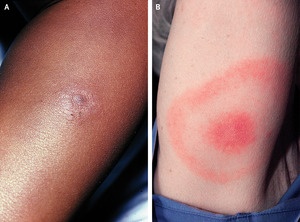
Response: Lyme disease presents first on the skin with the classic “bull’s-eye” rash. But such rashes in Black patients aren’t well-represented in medical textbooks. This may lead to physicians not recognizing such rashes in Black patients.
As a result, Black patients are more likely to present with later complications of Lyme disease when first diagnosed such as neurologic complications.
Dr. Dan P. Ly[/caption]
Division of General Internal Medicine and Health Services Research
David Geffen School of Medicine at UCLA
Los Angeles, CA
MedicalResearch.com: What is the background for this study?
Response: Lyme disease presents first on the skin with the classic “bull’s-eye” rash. But such rashes in Black patients aren’t well-represented in medical textbooks. This may lead to physicians not recognizing such rashes in Black patients.
As a result, Black patients are more likely to present with later complications of Lyme disease when first diagnosed such as neurologic complications.
 Lara van der Schoot[/caption]
Lara van der Schoot
MD, PhD candidate
Department of Dermatology
Radboud University Medical Center
Nijmegen, The Netherlands
MedicalResearch.com: What is the background for this study?
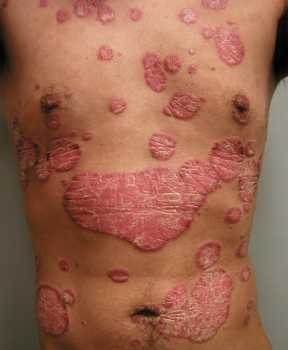
Response: Psoriasis is a chronic, immune mediated skin disease for which effective targeted biological agents have become available the past years. Inherent to their immunomodulatory mechanism of action, biologics might increase infections risk. We know from clinical trial data that respiratory tract infections are among the most common adverse events during biologic treatment, but real-world data is sparse. Regarding the risk of serious infections among biologic users, mostly defined as infections requiring hospitalization, previous studies provided different results and there is limited comparative data for the newer biologics available.
The COVID-19 pandemic turned attention to the risk of infections among biologic users, especially for respiratory tract infections, as they might relate to susceptibility for viral respiratory tract infections such as COVID-19.
In our study, the primary aim was to determine the risk of respiratory tract infections among real-world psoriasis patients treated with biologics, including the newer IL-17 and IL-23 inhibitors. The secondary aim was to assess risk of serious infections in this cohort. Additionally, rates of SARS-CoV-2 infections were assessed.
Lara van der Schoot[/caption]
Lara van der Schoot
MD, PhD candidate
Department of Dermatology
Radboud University Medical Center
Nijmegen, The Netherlands
MedicalResearch.com: What is the background for this study?
Response: Psoriasis is a chronic, immune mediated skin disease for which effective targeted biological agents have become available the past years. Inherent to their immunomodulatory mechanism of action, biologics might increase infections risk. We know from clinical trial data that respiratory tract infections are among the most common adverse events during biologic treatment, but real-world data is sparse. Regarding the risk of serious infections among biologic users, mostly defined as infections requiring hospitalization, previous studies provided different results and there is limited comparative data for the newer biologics available.
The COVID-19 pandemic turned attention to the risk of infections among biologic users, especially for respiratory tract infections, as they might relate to susceptibility for viral respiratory tract infections such as COVID-19.
In our study, the primary aim was to determine the risk of respiratory tract infections among real-world psoriasis patients treated with biologics, including the newer IL-17 and IL-23 inhibitors. The secondary aim was to assess risk of serious infections in this cohort. Additionally, rates of SARS-CoV-2 infections were assessed.
 Dr. Pellegrino[/caption]
Rachael Pellegrino, MD
Vanderbilt University Medical Center
MedicalResearch.com: What is the background for this study?
Response: We know that HIV care and outcomes have dramatically improved over the last 20 years, but disparities still exist at each step of the HIV care continuum, which can ultimately lead to differences in mortality rates. In addition to assessing trends and disparities in mortality, we wanted to look at differences in premature mortality, which has not been widely studied in the HIV population in the US. This concept serves to emphasize and quantify the time lost by death at an early age as an important measurement of the impact of diseases and can expose disparities that are not apparent in the mortality rates alone.
Dr. Pellegrino[/caption]
Rachael Pellegrino, MD
Vanderbilt University Medical Center
MedicalResearch.com: What is the background for this study?
Response: We know that HIV care and outcomes have dramatically improved over the last 20 years, but disparities still exist at each step of the HIV care continuum, which can ultimately lead to differences in mortality rates. In addition to assessing trends and disparities in mortality, we wanted to look at differences in premature mortality, which has not been widely studied in the HIV population in the US. This concept serves to emphasize and quantify the time lost by death at an early age as an important measurement of the impact of diseases and can expose disparities that are not apparent in the mortality rates alone.
 Dr. Rhee[/caption]
Chanu Rhee, MD, MPH
Harvard Medical School and Harvard Pilgrim Health Institute
Boston, MA
MedicalResearch.com: What is the background for this study?
Response: Sepsis is a leading cause of death, disability, and healthcare costs. This has triggered regulators and hospitals to invest heavily in improving sepsis recognition and care. Most notably, the Centers for Medicare & Medicaid Services (CMS) implemented the Severe Sepsis/Septic Shock Early Management Bundle (SEP-1) by the in October 2015. SEP-1 requires hospitals to report compliance with a 3 and 6 hour sepsis care bundle, which includes initial and repeat lactate measurements, blood culture orders, broad-spectrum antibiotic, specific quantities of fluid boluses for hypotension, vasopressors for persistent hypotension, and documentation of a repeat volume and perfusion assessment for patients with septic shock.
While SEP-1 has helped raise awareness of sepsis and catalyzed sepsis quality improvement initiatives around the country, concerns have been raised about its potential unintended consequences -- particularly around increasing unnecessary broad spectrum antibiotic use -- and the strength of evidence supporting the measure. In this study, we used detailed clinical data from a diverse cohort of hospitals to assess whether SEP-1 implementation was associated with changes in key processes of care and mortality in patients with suspected sepsis.
Dr. Rhee[/caption]
Chanu Rhee, MD, MPH
Harvard Medical School and Harvard Pilgrim Health Institute
Boston, MA
MedicalResearch.com: What is the background for this study?
Response: Sepsis is a leading cause of death, disability, and healthcare costs. This has triggered regulators and hospitals to invest heavily in improving sepsis recognition and care. Most notably, the Centers for Medicare & Medicaid Services (CMS) implemented the Severe Sepsis/Septic Shock Early Management Bundle (SEP-1) by the in October 2015. SEP-1 requires hospitals to report compliance with a 3 and 6 hour sepsis care bundle, which includes initial and repeat lactate measurements, blood culture orders, broad-spectrum antibiotic, specific quantities of fluid boluses for hypotension, vasopressors for persistent hypotension, and documentation of a repeat volume and perfusion assessment for patients with septic shock.
While SEP-1 has helped raise awareness of sepsis and catalyzed sepsis quality improvement initiatives around the country, concerns have been raised about its potential unintended consequences -- particularly around increasing unnecessary broad spectrum antibiotic use -- and the strength of evidence supporting the measure. In this study, we used detailed clinical data from a diverse cohort of hospitals to assess whether SEP-1 implementation was associated with changes in key processes of care and mortality in patients with suspected sepsis.

 Dr. Frost[/caption]
Holly Frost, MD
Assistant Professor Pediatrics
University of Colorado Anschutz School of Medicine
[caption id="attachment_58185" align="alignleft" width="150"] Dr. Sebastian[/caption]
Thersia Sebastian, MD
Pediatrics, Denver Health
MedicalResearch.com: What is the background for this study?
Response: Among children with acute otitis media (AOM) S.pneumoniae, H.influenzae, and M.catarrhalis are the predominant bacterial otopathogens. Historically, the gold standard for diagnosing otopathogens has been through middle ear fluid (MEF) culture.
The challenge with MEF culture is that it is time-consuming and requires expert training often only done by specialists, thereby limiting its diagnostic utility to guide routine clinical care. Recent studies have shown that there is a high correlation between nasopharyngeal (NP) and MEF organisms during AOM. It is easier to collect NP swabs and less training is required. Thus, NP samples could serve as a surrogate for detection of otopathogens, potentially making identification of otopathogens practical and feasible in a typical practice environment compared to a MEF collection.
Identification of otopathogens could be critical in treatment management of AOM, especially in the era of antimicrobial stewardship efforts to overall reduce unnecessary antibiotic use. Our goal was to compare the sensitivity and specificity of NP PCR to NP culture for common bacteria that cause ear infections.
Dr. Frost[/caption]
Holly Frost, MD
Assistant Professor Pediatrics
University of Colorado Anschutz School of Medicine
[caption id="attachment_58185" align="alignleft" width="150"] Dr. Sebastian[/caption]
Thersia Sebastian, MD
Pediatrics, Denver Health
MedicalResearch.com: What is the background for this study?
Response: Among children with acute otitis media (AOM) S.pneumoniae, H.influenzae, and M.catarrhalis are the predominant bacterial otopathogens. Historically, the gold standard for diagnosing otopathogens has been through middle ear fluid (MEF) culture.
The challenge with MEF culture is that it is time-consuming and requires expert training often only done by specialists, thereby limiting its diagnostic utility to guide routine clinical care. Recent studies have shown that there is a high correlation between nasopharyngeal (NP) and MEF organisms during AOM. It is easier to collect NP swabs and less training is required. Thus, NP samples could serve as a surrogate for detection of otopathogens, potentially making identification of otopathogens practical and feasible in a typical practice environment compared to a MEF collection.
Identification of otopathogens could be critical in treatment management of AOM, especially in the era of antimicrobial stewardship efforts to overall reduce unnecessary antibiotic use. Our goal was to compare the sensitivity and specificity of NP PCR to NP culture for common bacteria that cause ear infections.
 Dr. Hause[/caption]
Anne Hause PhD
Epidemiologist
Centers for Disease Control and Prevention
MedicalResearch.com: What is the background for this study?
Response: On August 12, 2021, the Food and Drug Administration (FDA) amended Emergency Use Authorizations (EUA) for the Pfizer-BioNTech and Moderna COVID-19 vaccines to authorize administration of an additional dose following completion of a primary vaccination series to eligible persons with moderate to severe immunocompromise.
Dr. Hause[/caption]
Anne Hause PhD
Epidemiologist
Centers for Disease Control and Prevention
MedicalResearch.com: What is the background for this study?
Response: On August 12, 2021, the Food and Drug Administration (FDA) amended Emergency Use Authorizations (EUA) for the Pfizer-BioNTech and Moderna COVID-19 vaccines to authorize administration of an additional dose following completion of a primary vaccination series to eligible persons with moderate to severe immunocompromise.
 Dr. Baktari[/caption]
Jonathan Baktari, MD
CEO of e7health.com
Dr. Baktari, CEO discusses Pfizer’s recent announcement that their vaccine trial for children ages 5-11 has been safe and effective, marking a major milestone in the fight against COVID-19.
MedicalResearch.com: What risks should parents weigh?
Response: Pfizer has already said that based on their studies the lower dose two shot COVID vaccine for children is safe, meaning that their data shows minimal side effects. If that data is correct, then we should expect the same minor symptoms we see with teenagers to the COVID vaccine
Dr. Baktari[/caption]
Jonathan Baktari, MD
CEO of e7health.com
Dr. Baktari, CEO discusses Pfizer’s recent announcement that their vaccine trial for children ages 5-11 has been safe and effective, marking a major milestone in the fight against COVID-19.
MedicalResearch.com: What risks should parents weigh?
Response: Pfizer has already said that based on their studies the lower dose two shot COVID vaccine for children is safe, meaning that their data shows minimal side effects. If that data is correct, then we should expect the same minor symptoms we see with teenagers to the COVID vaccine
 Dr. Morris[/caption]
Shaun K. Morris MD, MPH, FRCPC, FAAP, DTM&H
Divisions of General Pediatrics
Clinician-Scientist, Division of Infectious Diseases
Division of Infectious Diseases at the Hospital for Sick Children (SickKids)
for the Canadian Paediatric Surveillance Program COVID-19 Study Team
MedicalResearch.com: What is the background for this study?
Response: The SARS-CoV-2 virus can cause the disease we now call COVID-19. In early 2020, when the SARS-CoV-2 virus first spread outside of China, it quickly became apparent that cases may be seen in Canada. It was not known at the time how infection with the virus would affect children and youth. Because more severe disease from other respiratory viruses often disproportionally affect the very young, we expected that a similar pattern may be seen with SARS-CoV-2. We also did not know if children and youth with certain underlying medical conditions may be at higher risk for more severe disease.
Ultimately, this study was designed to get a better understanding of how often children and youth in Canada are hospitalized with SARS-CoV-2 infection, how often severe disease happens, and which children or youth may be at higher risk for severe disease.
Dr. Morris[/caption]
Shaun K. Morris MD, MPH, FRCPC, FAAP, DTM&H
Divisions of General Pediatrics
Clinician-Scientist, Division of Infectious Diseases
Division of Infectious Diseases at the Hospital for Sick Children (SickKids)
for the Canadian Paediatric Surveillance Program COVID-19 Study Team
MedicalResearch.com: What is the background for this study?
Response: The SARS-CoV-2 virus can cause the disease we now call COVID-19. In early 2020, when the SARS-CoV-2 virus first spread outside of China, it quickly became apparent that cases may be seen in Canada. It was not known at the time how infection with the virus would affect children and youth. Because more severe disease from other respiratory viruses often disproportionally affect the very young, we expected that a similar pattern may be seen with SARS-CoV-2. We also did not know if children and youth with certain underlying medical conditions may be at higher risk for more severe disease.
Ultimately, this study was designed to get a better understanding of how often children and youth in Canada are hospitalized with SARS-CoV-2 infection, how often severe disease happens, and which children or youth may be at higher risk for severe disease.
 Dr. Kubik[/caption]
Martha Kubik, Ph.D., R.N.
Professor, School of Nursing
College of Health and Human Services
George Mason University
Member, U.S. Preventive Services Task Force
MedicalResearch.com: What is the background for this study? Are these infections increasing in incidence in the US?
Response: Chlamydia and gonorrhea are two of the most common sexually transmitted infections in the U.S. More people are being diagnosed with both of these STIs than ever, with nearly 2 million cases of chlamydia and more than 600,000 cases of gonorrhea reported in 2019, according to the CDC. Because most do not have symptoms, screening is vitally important to help ensure that these infections are discovered and treated, and serious health complications prevented.
Dr. Kubik[/caption]
Martha Kubik, Ph.D., R.N.
Professor, School of Nursing
College of Health and Human Services
George Mason University
Member, U.S. Preventive Services Task Force
MedicalResearch.com: What is the background for this study? Are these infections increasing in incidence in the US?
Response: Chlamydia and gonorrhea are two of the most common sexually transmitted infections in the U.S. More people are being diagnosed with both of these STIs than ever, with nearly 2 million cases of chlamydia and more than 600,000 cases of gonorrhea reported in 2019, according to the CDC. Because most do not have symptoms, screening is vitally important to help ensure that these infections are discovered and treated, and serious health complications prevented.
 Dr. Sonawane[/caption]
Kalyani Sonawane, PhD
Assistant Professor of Management, Policy and Community Health
UTHealth School of Public Health in Houston
MedicalResearch.com: What is the background for this study?
Response: Safety concern regarding the HPV vaccine is one of the most significant barriers to vaccination. Our objective was to determine how many US adolescents did not initiate the HPV vaccine during 2015-2018 because their parents had concerns regarding the vaccine’s safety.
We also analyzed vaccine adverse event reporting data, in parallel, to understand if the public sentiment of HPV vaccine safety is in alignment with evidence from the vaccine safety surveillance system.
Dr. Sonawane[/caption]
Kalyani Sonawane, PhD
Assistant Professor of Management, Policy and Community Health
UTHealth School of Public Health in Houston
MedicalResearch.com: What is the background for this study?
Response: Safety concern regarding the HPV vaccine is one of the most significant barriers to vaccination. Our objective was to determine how many US adolescents did not initiate the HPV vaccine during 2015-2018 because their parents had concerns regarding the vaccine’s safety.
We also analyzed vaccine adverse event reporting data, in parallel, to understand if the public sentiment of HPV vaccine safety is in alignment with evidence from the vaccine safety surveillance system.