MedicalResearch.com Interview with:
[caption id="attachment_57030" align="alignleft" width="200"]

Dr. Dashti[/caption]
Hesam Dashti, PhD
Brigham and Women's Hospital, Harvard Medical School
Senior Computational Scientist
The Broad Institute of MIT and Harvard
MedicalResearch.com: What is the background for this study? What parameters does the SARS2 score take into consideration?
Response: While complex models have been developed for predicting the severity of COVID-19 from the medical history, laboratory, and imaging results of patients, simplified models with similar accuracy would be more practical for individualizing the decision making, especially when detailed medical history of patients is not readily available. In this study, we developed the SARS2 risk equations for estimating risk of hospitalization of patients with COVID-19 and also the risk of mortality among hospitalized patients. The “
SARS2” risk equations are named for their input variables:
Sex,
Age,
Race,
Socioeconomic and
Smoking status.
To develop and validate the models, we used the electronic records from 12,347 patients who tested positive for COVID-19 at the Mass General Brigham medical centers in Massachusetts between 02/26/2020 and 07/14/2020 to construct derivation and validation cohorts for estimating 1) risk of hospitalization within 30 days of COVID-19 positive PCR test, and 2) for the hospitalized patients, risk of mortality within approximately 3 months.

 Prof. Papageorghiou[/caption]
Aris Papageorghiou MBChB, MRCOG
Professor of Fetal Medicine and the Clinical Research Director
Oxford Maternal and Perinatal Health Institute
University of Oxford
MedicalResearch.com: What is the background for this study?
Response: Our study was really guided by a key question: does Covid-19 in pregnancy increase the risk of adverse maternal and neonatal outcomes as compared with pregnant women who do not have the infection?
The question is highly relevant because of the known deleterious effects of other coronavirus infections in pregnancy, e.g. SARS (severe acute respiratory syndrome) and MERS-CoV (Middle East respiratory syndrome coronavirus).
In order to answer this question we undertook this multinational cohort study.
Prof. Papageorghiou[/caption]
Aris Papageorghiou MBChB, MRCOG
Professor of Fetal Medicine and the Clinical Research Director
Oxford Maternal and Perinatal Health Institute
University of Oxford
MedicalResearch.com: What is the background for this study?
Response: Our study was really guided by a key question: does Covid-19 in pregnancy increase the risk of adverse maternal and neonatal outcomes as compared with pregnant women who do not have the infection?
The question is highly relevant because of the known deleterious effects of other coronavirus infections in pregnancy, e.g. SARS (severe acute respiratory syndrome) and MERS-CoV (Middle East respiratory syndrome coronavirus).
In order to answer this question we undertook this multinational cohort study.

 Dr. Hosie[/caption]
Margaret J. Hosie BVM&S, MRCVS, BSc. PhD.
Professor of Comparative Virology
MRC-University of Glasgow Centre for Virus Research
United Kingdom
MedicalResearch.com: What is the background for this study?
Response: SARS-CoV-2 is a new coronavirus of animal origin that recently jumped to humans and has spread rapidly across the world. It is likely that SARS-CoV-2 will establish as an endemic virus of humans, which has the potential to be transmitted to animals that live in close proximity to humans. There have been sporadic reports of infections in pet cats in households with COVID-19 patients, which demonstrates that cats are susceptible to SARS-CoV-2 infection and could act as virus reservoirs.
Dr. Hosie[/caption]
Margaret J. Hosie BVM&S, MRCVS, BSc. PhD.
Professor of Comparative Virology
MRC-University of Glasgow Centre for Virus Research
United Kingdom
MedicalResearch.com: What is the background for this study?
Response: SARS-CoV-2 is a new coronavirus of animal origin that recently jumped to humans and has spread rapidly across the world. It is likely that SARS-CoV-2 will establish as an endemic virus of humans, which has the potential to be transmitted to animals that live in close proximity to humans. There have been sporadic reports of infections in pet cats in households with COVID-19 patients, which demonstrates that cats are susceptible to SARS-CoV-2 infection and could act as virus reservoirs.
 Dr. Blankson[/caption]
Joel N. Blankson, MD, PhD
Department of Infectious Diseases
Associate Professor
Cellular and Molecular Medicine Program
Johns Hopkins
MedicalResearch.com: What is the background for this study? Which vaccines did you evaluate?
Response: Prior studies from several groups including our own have found T cell cross-recognition of peptides from SARS-CoV-2 and the common cold coronaviruses.
We asked whether as a result of this cross-reactivity, immunization with the SARS-CoV-2 vaccine would also enhance T cell responses to the common cold coronaviruses.
Prior studies also suggested that antibodies elicited from the mRNA vaccines had a reduced ability to neutralize the emerging variants of concern.
Most of the study participants had received the Pfizer vaccine, but a few had received the Moderna vaccine.
Dr. Blankson[/caption]
Joel N. Blankson, MD, PhD
Department of Infectious Diseases
Associate Professor
Cellular and Molecular Medicine Program
Johns Hopkins
MedicalResearch.com: What is the background for this study? Which vaccines did you evaluate?
Response: Prior studies from several groups including our own have found T cell cross-recognition of peptides from SARS-CoV-2 and the common cold coronaviruses.
We asked whether as a result of this cross-reactivity, immunization with the SARS-CoV-2 vaccine would also enhance T cell responses to the common cold coronaviruses.
Prior studies also suggested that antibodies elicited from the mRNA vaccines had a reduced ability to neutralize the emerging variants of concern.
Most of the study participants had received the Pfizer vaccine, but a few had received the Moderna vaccine. 
 Dr. Lashaki[/caption]
Masoud Jahandar Lashaki, Ph.D.
Assistant Professor
Department of Civil, Environmental and Geomatics Engineering
Florida Atlantic University
MedicalResearch.com: What is the background for this study?
Response: Toilet flushing can generate large quantities of microbe-containing aerosols depending on the design and water pressure or flushing energy of the toilet. Based on previous reports, a variety of different pathogens which are found in stagnant water or in waste products (e.g., urine, feces, and vomit) can get dispersed widely via such aerosolization, including the legionella bacterium responsible for causing Legionnaire’s disease, the Ebola virus, the norovirus which causes severe gastroenteritis (food poisoning), and the Middle East Respiratory Syndrome coronavirus (MERS-CoV).
Based on previous reports, such airborne dispersion is suspected to have played a key role in the outbreak of viral gastroenteritis aboard a cruise ship, where infection was twice as prevalent among passengers who used shared toilets compared to those who had private bathrooms. Similarly, transmission of norovirus via aerosolized droplets was linked to the occurrence of vomiting or diarrhea within an aircraft restroom, as passengers and crew who got infected subsequently were more likely to have visited restrooms than those that were not infected. The participants in the study reported that all of the restroom surfaces appeared to be clean, which indicates that infection is likely to have occurred via bioaerosols suspended within the restroom.
Although many of these studies blamed flush-generated aerosols for disease outbreak, a limited number of them quantified the presence of such aerosols. Consequently, we decided to conduct this study to demonstrate the spike in aerosol concentrations following flushing.
Dr. Lashaki[/caption]
Masoud Jahandar Lashaki, Ph.D.
Assistant Professor
Department of Civil, Environmental and Geomatics Engineering
Florida Atlantic University
MedicalResearch.com: What is the background for this study?
Response: Toilet flushing can generate large quantities of microbe-containing aerosols depending on the design and water pressure or flushing energy of the toilet. Based on previous reports, a variety of different pathogens which are found in stagnant water or in waste products (e.g., urine, feces, and vomit) can get dispersed widely via such aerosolization, including the legionella bacterium responsible for causing Legionnaire’s disease, the Ebola virus, the norovirus which causes severe gastroenteritis (food poisoning), and the Middle East Respiratory Syndrome coronavirus (MERS-CoV).
Based on previous reports, such airborne dispersion is suspected to have played a key role in the outbreak of viral gastroenteritis aboard a cruise ship, where infection was twice as prevalent among passengers who used shared toilets compared to those who had private bathrooms. Similarly, transmission of norovirus via aerosolized droplets was linked to the occurrence of vomiting or diarrhea within an aircraft restroom, as passengers and crew who got infected subsequently were more likely to have visited restrooms than those that were not infected. The participants in the study reported that all of the restroom surfaces appeared to be clean, which indicates that infection is likely to have occurred via bioaerosols suspended within the restroom.
Although many of these studies blamed flush-generated aerosols for disease outbreak, a limited number of them quantified the presence of such aerosols. Consequently, we decided to conduct this study to demonstrate the spike in aerosol concentrations following flushing. 
 Dr. Bullard[/caption]
Jared Bullard MD FRCPC
Associate Professor, Departments of Pediatrics & Child Health and Medical Microbiology & Infectious Diseases
Max Rady College of Medicine
Rady Faculty of Health Sciences
Cadham Provincial Laboratory
Children’s Hospital Research Institute of Manitoba
MedicalResearch.com: What is the background for this study?
Response: Children are well known to transmit epidemic/endemic respiratory viruses like influenza. Initial public health policy was based on that children were likely to transmit SARS-CoV-2 effectively within a community and subsequently in-person school and extracurricular activities were suspended.
Initial research did not show a clear association with children driving transmission. The purpose of our study was to take respiratory samples from both children and adults with COVID-19 (all had SARS-CoV-2 detected by RT-PCR) and compare those samples by their ability to grow in cell culture and amount of virus in samples.
We took 175 samples from children (97 younger than 10 years of age and 78 between 11-17 years) and compared them to 130 adult samples from the same communities in Manitoba experiencing outbreaks of COVID-19.
Dr. Bullard[/caption]
Jared Bullard MD FRCPC
Associate Professor, Departments of Pediatrics & Child Health and Medical Microbiology & Infectious Diseases
Max Rady College of Medicine
Rady Faculty of Health Sciences
Cadham Provincial Laboratory
Children’s Hospital Research Institute of Manitoba
MedicalResearch.com: What is the background for this study?
Response: Children are well known to transmit epidemic/endemic respiratory viruses like influenza. Initial public health policy was based on that children were likely to transmit SARS-CoV-2 effectively within a community and subsequently in-person school and extracurricular activities were suspended.
Initial research did not show a clear association with children driving transmission. The purpose of our study was to take respiratory samples from both children and adults with COVID-19 (all had SARS-CoV-2 detected by RT-PCR) and compare those samples by their ability to grow in cell culture and amount of virus in samples.
We took 175 samples from children (97 younger than 10 years of age and 78 between 11-17 years) and compared them to 130 adult samples from the same communities in Manitoba experiencing outbreaks of COVID-19. 

 Dr. Sickbert-Bennett[/caption]
Emily Sickbert-Bennett PhD, MS, CIC, FSHEA
Director, Infection Prevention, UNC Hospitals
Administrative Director, Carolina Antimicrobial Stewardship Program, UNC Hospitals
Associate Professor of Medicine-Infectious Diseases, UNC School of Medicine
Associate Professor of Epidemiology, UNC Gillings School of Global Public Health
MedicalResearch.com: What is the background for this study?
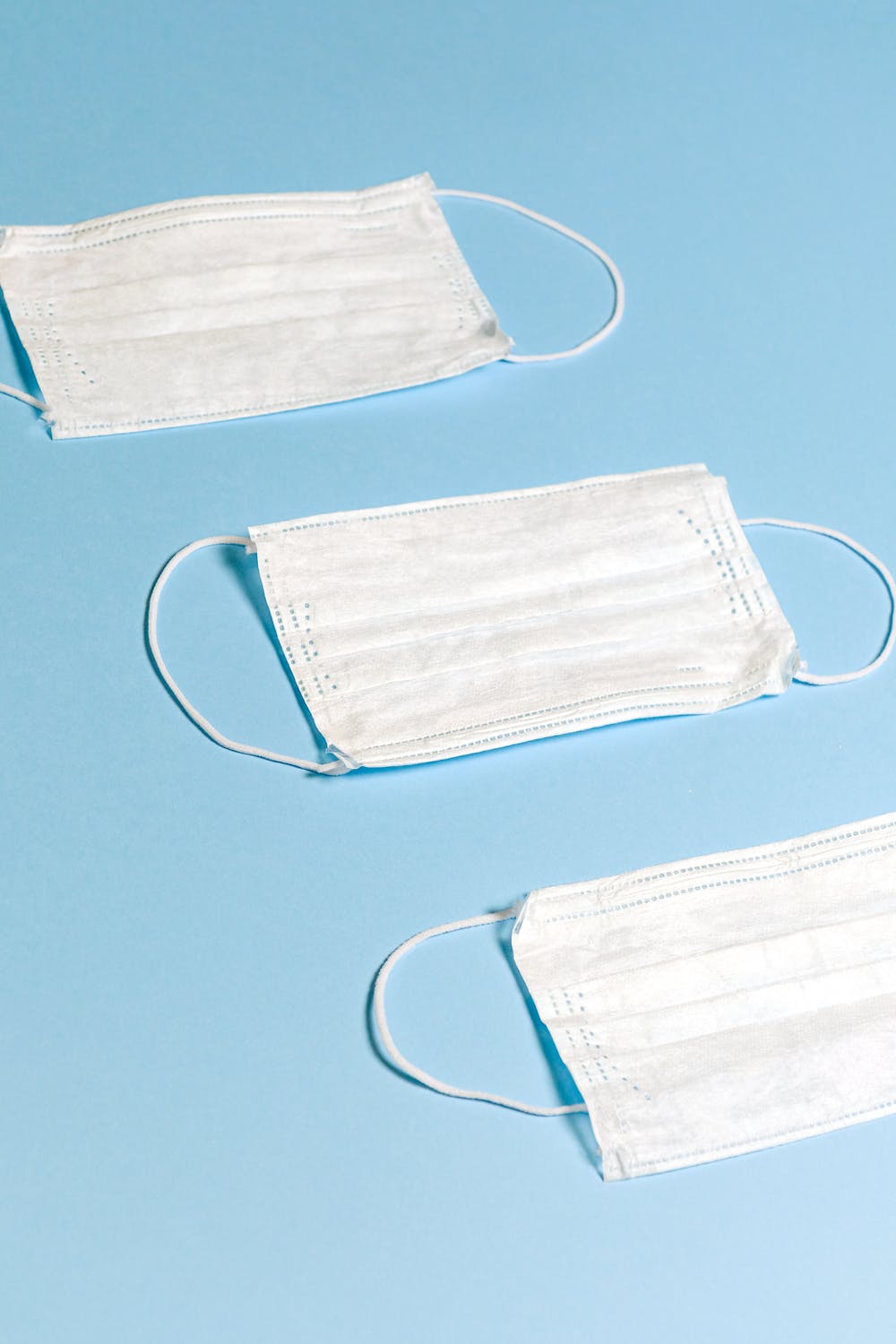
Response: Recently public health officials have recommended doubling masks, although the
Dr. Sickbert-Bennett[/caption]
Emily Sickbert-Bennett PhD, MS, CIC, FSHEA
Director, Infection Prevention, UNC Hospitals
Administrative Director, Carolina Antimicrobial Stewardship Program, UNC Hospitals
Associate Professor of Medicine-Infectious Diseases, UNC School of Medicine
Associate Professor of Epidemiology, UNC Gillings School of Global Public Health
MedicalResearch.com: What is the background for this study?
Response: Recently public health officials have recommended doubling masks, although the 


 Dr. Sinha[/caption]
Pranay Sinha, MD
Section of Infectious Diseases
Boston University School of Medicine
MedicalResearch.com: What is the background for this study?
Response: We hypothesized that mitigation measures such as physical distancing and mask wearing instituted in Boston would reduce transmission of common respiratory viruses such as influenza, Rhinovirus, and Parainfluenzavirus. We compared the rate of detection of such viruses at Boston Medical Center on comprehensive respiratory panels in the ambulatory, emergency room, and hospital settings in 2020 to rates in the previous five years.
Dr. Sinha[/caption]
Pranay Sinha, MD
Section of Infectious Diseases
Boston University School of Medicine
MedicalResearch.com: What is the background for this study?
Response: We hypothesized that mitigation measures such as physical distancing and mask wearing instituted in Boston would reduce transmission of common respiratory viruses such as influenza, Rhinovirus, and Parainfluenzavirus. We compared the rate of detection of such viruses at Boston Medical Center on comprehensive respiratory panels in the ambulatory, emergency room, and hospital settings in 2020 to rates in the previous five years.
 Dr. Meyer, J.D.[/caption]
Michelle N. Meyer, PhD, JD
Assistant Professor & Associate Director, Research Ethics, Center for Translational Bioethics & Health Care Policy
Faculty Co-Director, Behavioral Insights Team, Steele Institute for Health Innovation
Assistant Professor of Bioethics
Geisinger Commonwealth School of Medicine
Geisinger, PA
MedicalResearch.com: What is the background for this study?
Response: Earlier research had found people are less likely to say they'll receive a COVID-19 vaccine offered to them under an Emergency Use Authorization (EUA) than one offered to them following full FDA approval. Earlier surveys had also found that only around 30% of health care workers intended to receive a COVID-19 vaccine. Because the public often looks to local health care workers for health advice, and in most prioritization schemes they were slated to be offered vaccines first, this was quite concerning for the prospect of achieving population immunity. Commenters had warned that if the FDA chose to make COVID-19 vaccines available under EUAs, that substantial efforts would need to be made to ensure trust. On Dec. 4, 2020, an announcement about anticipated vaccine availability was emailed to all 23,784 Geisinger employees, who were asked to indicate their intention to receive a vaccine when one was available to them and the reasons for any hesitation they might have.
Dr. Meyer, J.D.[/caption]
Michelle N. Meyer, PhD, JD
Assistant Professor & Associate Director, Research Ethics, Center for Translational Bioethics & Health Care Policy
Faculty Co-Director, Behavioral Insights Team, Steele Institute for Health Innovation
Assistant Professor of Bioethics
Geisinger Commonwealth School of Medicine
Geisinger, PA
MedicalResearch.com: What is the background for this study?
Response: Earlier research had found people are less likely to say they'll receive a COVID-19 vaccine offered to them under an Emergency Use Authorization (EUA) than one offered to them following full FDA approval. Earlier surveys had also found that only around 30% of health care workers intended to receive a COVID-19 vaccine. Because the public often looks to local health care workers for health advice, and in most prioritization schemes they were slated to be offered vaccines first, this was quite concerning for the prospect of achieving population immunity. Commenters had warned that if the FDA chose to make COVID-19 vaccines available under EUAs, that substantial efforts would need to be made to ensure trust. On Dec. 4, 2020, an announcement about anticipated vaccine availability was emailed to all 23,784 Geisinger employees, who were asked to indicate their intention to receive a vaccine when one was available to them and the reasons for any hesitation they might have.
 Dr. Rettew[/caption]
David C. Rettew, MD
Child & Adolescent Psychiatrist
Associate Professor of Psychiatry and Pediatrics
University of Vermont Larner College of Medicine
MedicalResearch.com: What is the background for this study?
Response: Our group, the Wellness Environment Scientific Team at the University of Vermont, hadn’t planned to look at COVID at the outset of this study and instead were going to look at mental health and engagement in wellness activities in college students across a semester. The pandemic disrupted that plan when students were abruptly sent home but fortunately, they continued to do their daily app-based ratings of their mood, stress levels, and engagement in healthy activities. We then realized we had some interesting pre-COVID to COVID data that was worth exploring.
Dr. Rettew[/caption]
David C. Rettew, MD
Child & Adolescent Psychiatrist
Associate Professor of Psychiatry and Pediatrics
University of Vermont Larner College of Medicine
MedicalResearch.com: What is the background for this study?
Response: Our group, the Wellness Environment Scientific Team at the University of Vermont, hadn’t planned to look at COVID at the outset of this study and instead were going to look at mental health and engagement in wellness activities in college students across a semester. The pandemic disrupted that plan when students were abruptly sent home but fortunately, they continued to do their daily app-based ratings of their mood, stress levels, and engagement in healthy activities. We then realized we had some interesting pre-COVID to COVID data that was worth exploring. 
 Prof.Auger[/caption]
Nathalie Auger
Professeure agrégée de clinique
École de santé publique - Département de médecine sociale et preventive
University of Montreal
MedicalResearch.com: What is the background for this study?
Response: COVID-19, caused by severe acute respiratory syndrome coronavirus-2 (SARS-CoV-2), has been a major public health concern. The number of infected pregnant women continues to increase. Pregnant women and infants are particularly susceptible to COVID-19 because the physiologic changes of pregnancy involve cardiovascular, respiratory, and immune changes that may alter the response to SARS-CoV-2 infection. Fetuses may be exposed to SARS-CoV-2 during critical periods of development. The nature of the association between COVID-19 and pregnancy outcomes remains unclear and meta-analyses of pregnant women with COVID-19 are lacking.
Prof.Auger[/caption]
Nathalie Auger
Professeure agrégée de clinique
École de santé publique - Département de médecine sociale et preventive
University of Montreal
MedicalResearch.com: What is the background for this study?
Response: COVID-19, caused by severe acute respiratory syndrome coronavirus-2 (SARS-CoV-2), has been a major public health concern. The number of infected pregnant women continues to increase. Pregnant women and infants are particularly susceptible to COVID-19 because the physiologic changes of pregnancy involve cardiovascular, respiratory, and immune changes that may alter the response to SARS-CoV-2 infection. Fetuses may be exposed to SARS-CoV-2 during critical periods of development. The nature of the association between COVID-19 and pregnancy outcomes remains unclear and meta-analyses of pregnant women with COVID-19 are lacking.
 Matt Spick[/caption]
Matt Spick, Post-Graduate Researcher
University of Surrey
Faculty of Engineering and Physical Sciences
Guildford, UK
MedicalResearch.com: What is the background for this study? Are you measuring lipids or the virus?
Response: In this study, we aimed to detect what the virus does to us, rather than the virus itself. The gold standard for detecting COVID-19 is the RT-PCR test, but by their nature, PCR tests only provide diagnostic information, and at times during the pandemic the availability of PCR tests has been a bottleneck for the identification of the disease. Our goal was to investigate a novel method for the diagnosis of COVID-19, at the same time as learning more about what the disease does to us through lipidomics.
Matt Spick[/caption]
Matt Spick, Post-Graduate Researcher
University of Surrey
Faculty of Engineering and Physical Sciences
Guildford, UK
MedicalResearch.com: What is the background for this study? Are you measuring lipids or the virus?
Response: In this study, we aimed to detect what the virus does to us, rather than the virus itself. The gold standard for detecting COVID-19 is the RT-PCR test, but by their nature, PCR tests only provide diagnostic information, and at times during the pandemic the availability of PCR tests has been a bottleneck for the identification of the disease. Our goal was to investigate a novel method for the diagnosis of COVID-19, at the same time as learning more about what the disease does to us through lipidomics.
 Benjamin E. Gewurz MD, PhD
Broad Institute of MIT and Harvard, Cambridge,
Division of Infectious Disease, Department of Medicine, Brigham and Women’s Hospital,
Department of Microbiology, Harvard Medical School
Boston, MA
MedicalResearch.com: What is the background for this study?
Response: When the Covid-19 virus infects cells, it takes over and redirects our cells resources towards the projection of virus building blocks and new viruses. Building blocks include large amounts of RNAs that encode for the viral proteins, much as the mRNA vaccines direct our bodies to make the spike protein. We wondered how the virus changes cell metabolism in order to support the synthesis of vast amounts of viral RNAs within hours of infection.
Benjamin E. Gewurz MD, PhD
Broad Institute of MIT and Harvard, Cambridge,
Division of Infectious Disease, Department of Medicine, Brigham and Women’s Hospital,
Department of Microbiology, Harvard Medical School
Boston, MA
MedicalResearch.com: What is the background for this study?
Response: When the Covid-19 virus infects cells, it takes over and redirects our cells resources towards the projection of virus building blocks and new viruses. Building blocks include large amounts of RNAs that encode for the viral proteins, much as the mRNA vaccines direct our bodies to make the spike protein. We wondered how the virus changes cell metabolism in order to support the synthesis of vast amounts of viral RNAs within hours of infection.
 Dr. Saha[/caption]
Abhishek Saha, PhD
Assistant Professor
Department of Mechanical and Aerospace Engineering
University of California San Diego
MedicalResearch.com: What is the background for this study?
Response: At a very early stage of COVID 19 pandemic, the scientific community identified that respiratory droplet is the primary mode of transmission of the SARS-CoV2 virus. Naturally, the health agencies have encouraged facemasks to restrict these droplets from spreading during respiratory events, like coughing, sneezing, talking, etc. While WHO recommended using either N95 masks or other types of three-layer masks, due to a sharp increase in demand and scarcity in supplies, a variety of either home-made or locally purchased masks became popular. Naturally, one wonders if these single- and double-layer masks provide enough protection. To provide some insight into this critical question, our team, which also includes Professor Swetaprovo Chaudhuri from the University of Toronto, and Professor Saptarshi Basu of the Indian Institute of Science, experimentally analyzed what happens to the respiratory droplets when they impact single- and multi-layer masks.
Dr. Saha[/caption]
Abhishek Saha, PhD
Assistant Professor
Department of Mechanical and Aerospace Engineering
University of California San Diego
MedicalResearch.com: What is the background for this study?
Response: At a very early stage of COVID 19 pandemic, the scientific community identified that respiratory droplet is the primary mode of transmission of the SARS-CoV2 virus. Naturally, the health agencies have encouraged facemasks to restrict these droplets from spreading during respiratory events, like coughing, sneezing, talking, etc. While WHO recommended using either N95 masks or other types of three-layer masks, due to a sharp increase in demand and scarcity in supplies, a variety of either home-made or locally purchased masks became popular. Naturally, one wonders if these single- and double-layer masks provide enough protection. To provide some insight into this critical question, our team, which also includes Professor Swetaprovo Chaudhuri from the University of Toronto, and Professor Saptarshi Basu of the Indian Institute of Science, experimentally analyzed what happens to the respiratory droplets when they impact single- and multi-layer masks.  Dr. Jacob[/caption]
Jesse T. Jacob, MD
School of Medicine
Director, Antibiotic Stewardship Program
Emory University, Atlanta, Georgia
MedicalResearch.com: What is the background for this study?
Response: Since coronavirus disease 2019 (COVID-19) was recognized in the United States in January 2020, the risk of infection with severe acute respiratory syndrome coronavirus 2 (SARS-CoV-2) attributed to exposures in the health care workplace has been studied with conflicting results, and the role of job functions (such as nurse) or specific workplace activities, including care for individuals with known and unknown SARS-CoV-2 positivity, increase the risk of SARS-CoV-2 infection.
We assessed more than 24,000 healthcare providers between April and August 2020 across four large academic medical systems (Emory, Johns Hopkins, Rush University Medical Center, and University of Maryland) which collaborate in the CDC’s Prevention Epicenter Program and conduct innovative infection prevention research. Each site conducted voluntary COVID-19 antibody testing on its health care workers, as well as offered a questionnaire/survey on the employees’ occupational activities and possible exposures to individuals with COVID-19 infection both inside and outside the workplace. We also looked at three-digit residential zip-code prefixes to determine COVID-19 prevalence in communities.
Dr. Jacob[/caption]
Jesse T. Jacob, MD
School of Medicine
Director, Antibiotic Stewardship Program
Emory University, Atlanta, Georgia
MedicalResearch.com: What is the background for this study?
Response: Since coronavirus disease 2019 (COVID-19) was recognized in the United States in January 2020, the risk of infection with severe acute respiratory syndrome coronavirus 2 (SARS-CoV-2) attributed to exposures in the health care workplace has been studied with conflicting results, and the role of job functions (such as nurse) or specific workplace activities, including care for individuals with known and unknown SARS-CoV-2 positivity, increase the risk of SARS-CoV-2 infection.
We assessed more than 24,000 healthcare providers between April and August 2020 across four large academic medical systems (Emory, Johns Hopkins, Rush University Medical Center, and University of Maryland) which collaborate in the CDC’s Prevention Epicenter Program and conduct innovative infection prevention research. Each site conducted voluntary COVID-19 antibody testing on its health care workers, as well as offered a questionnaire/survey on the employees’ occupational activities and possible exposures to individuals with COVID-19 infection both inside and outside the workplace. We also looked at three-digit residential zip-code prefixes to determine COVID-19 prevalence in communities. 

 Dr. Lee[/caption]
Brian P. Lee, MD, MAS
Assistant Professor Clinical Medicine
University of Southern Californi
Keck School of Medicine
Los Angeles, California
MedicalResearch.com: What is the background for this study?
Response: The COVID-19 pandemic has been associated with mental health stressors, including anxiety, loneliness, and social instability. We hypothesized the pandemic may have led to increased alcohol and tobacco use as a coping mechanism for these stressors. National retrospective questionnaires had suggested higher reports of substance use, but these are limited by selection and recall biases, in addition to subjective report – we sought to address this knowledge gap by using a nationally-representative longitudinal cohort (Nielsen National Consumer Panel) tracking real-time purchases of households across the US.
Dr. Lee[/caption]
Brian P. Lee, MD, MAS
Assistant Professor Clinical Medicine
University of Southern Californi
Keck School of Medicine
Los Angeles, California
MedicalResearch.com: What is the background for this study?
Response: The COVID-19 pandemic has been associated with mental health stressors, including anxiety, loneliness, and social instability. We hypothesized the pandemic may have led to increased alcohol and tobacco use as a coping mechanism for these stressors. National retrospective questionnaires had suggested higher reports of substance use, but these are limited by selection and recall biases, in addition to subjective report – we sought to address this knowledge gap by using a nationally-representative longitudinal cohort (Nielsen National Consumer Panel) tracking real-time purchases of households across the US. 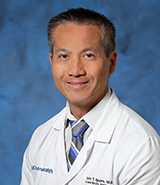
 Dr. Traverso[/caption]
Carlo Giovanni Traverso, MB, BChir, PhD
Associate Physician, Brigham and Women's Hospital
Assistant Professor,
[caption id="attachment_56823" align="alignleft" width="150"]
Dr. Traverso[/caption]
Carlo Giovanni Traverso, MB, BChir, PhD
Associate Physician, Brigham and Women's Hospital
Assistant Professor,
[caption id="attachment_56823" align="alignleft" width="150"] Dr. Chai[/caption]
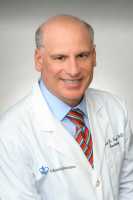
Peter R. Chai, MD, MMS
Emergency Medicine Physician and Medical Toxicologist
Harvard Medical School
Brigham and Women's Hospital
Department of Medicine
Dr. Chai[/caption]
Peter R. Chai, MD, MMS
Emergency Medicine Physician and Medical Toxicologist
Harvard Medical School
Brigham and Women's Hospital
Department of Medicine
 MedicalResearch.com: What is the background for this study? What are some of the functions that Dr. Spot can facilitate?
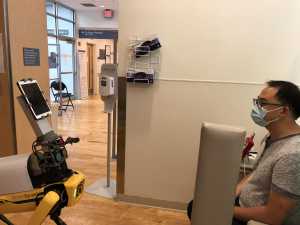
Response: During the COVID-19 pandemic, we wanted to consider innovative methods to provide additional social distance for physicians evaluating low acuity individuals who may have COVID-19 disease in the emergency department. While other health systems had instituted processes like evaluating patients from outside of emergency department rooms or calling patients to obtain a history, we considered the use of a mobile robotic system in collaboration with Boston Dynamics to provide telemedicine triage on an agile platform that could be navigated around a busy emergency department. Dr. Spot was built with a camera system to help an operator navigate it through an emergency department into a patient room where an on-board tablet would permit face-to-face triage and assessment of individuals.
MedicalResearch.com: What is the background for this study? What are some of the functions that Dr. Spot can facilitate?
Response: During the COVID-19 pandemic, we wanted to consider innovative methods to provide additional social distance for physicians evaluating low acuity individuals who may have COVID-19 disease in the emergency department. While other health systems had instituted processes like evaluating patients from outside of emergency department rooms or calling patients to obtain a history, we considered the use of a mobile robotic system in collaboration with Boston Dynamics to provide telemedicine triage on an agile platform that could be navigated around a busy emergency department. Dr. Spot was built with a camera system to help an operator navigate it through an emergency department into a patient room where an on-board tablet would permit face-to-face triage and assessment of individuals.
 Laura M. Bogart, PhD
Senior Behavioral Scientist
RAND Corporation
Santa Monica, CA 90407-2138
MedicalResearch.com: What is the background for this study?
Response: Recent media polls continue to show that Black Americans are less likely to intend to get the COVID-19 vaccine than White Americans, and initial state data show a similar racial/ethnic disparity in vaccination rates. Initial uptake of the vaccine has been significantly affected by inequities in vaccine access and supply. In addition to these challenges, other factors contribute to hesitancy around vaccination, including self-perceived risk of infection, trust in the vaccine itself, trust in healthcare systems, healthcare providers, and policymakers who support the vaccine, and trust in the pharmaceutical industry and clinical research. In this study, we conducted a survey of a nationally representative sample of 207 Black Americans in late 2020, after initial COVID-19 vaccine effectiveness and safety data were released to the public. We also did in-depth interviews with a subsample of those surveyed who said that they would not get vaccinated. In addition, we engaged with a stakeholder advisory committee comprised of individuals who represent different subgroups and organizations in Black communities in the U.S., in order to discuss the results and make recommendations for policies to increase COVID-19 vaccination among Black Americans.
Laura M. Bogart, PhD
Senior Behavioral Scientist
RAND Corporation
Santa Monica, CA 90407-2138
MedicalResearch.com: What is the background for this study?
Response: Recent media polls continue to show that Black Americans are less likely to intend to get the COVID-19 vaccine than White Americans, and initial state data show a similar racial/ethnic disparity in vaccination rates. Initial uptake of the vaccine has been significantly affected by inequities in vaccine access and supply. In addition to these challenges, other factors contribute to hesitancy around vaccination, including self-perceived risk of infection, trust in the vaccine itself, trust in healthcare systems, healthcare providers, and policymakers who support the vaccine, and trust in the pharmaceutical industry and clinical research. In this study, we conducted a survey of a nationally representative sample of 207 Black Americans in late 2020, after initial COVID-19 vaccine effectiveness and safety data were released to the public. We also did in-depth interviews with a subsample of those surveyed who said that they would not get vaccinated. In addition, we engaged with a stakeholder advisory committee comprised of individuals who represent different subgroups and organizations in Black communities in the U.S., in order to discuss the results and make recommendations for policies to increase COVID-19 vaccination among Black Americans.