[caption id="attachment_19778" align="alignleft" width="200"]
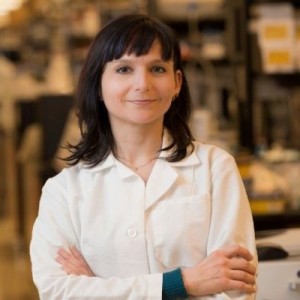
Dr. Elsa Suberbielle[/caption]
MedicalResearch.com Interview with:
Elsa Suberbielle, DVM, PhD
Research Scientist
Gladstone Institute of Neurological Diseases
San Francisco, CA 94158
Medical Research: What is the background for this study?
Dr. Suberbielle: BRCA1 is a key protein involved in DNA repair, and mutations that impair its function increase the risk for breast and ovarian cancer. Research into DNA repair mechanisms in dividing cells recently was recently rewarded by the Nobel Prize in Chemistry. In such cells, BRCA1 helps repair a type of DNA damage known as
double-strand breaks that can occur when cells are injured. In neurons, though, such breaks can occur even under normal circumstances, for example, after increased brain activity, as shown by the team of Gladstone scientists in an
earlier study. The researchers speculated that in brain cells, cycles of DNA damage and repair facilitate learning and memory, whereas an imbalance between damage and repair disrupts these functions.
Medical Research: What are the main findings?
Dr. Suberbielle In a new study published in
Nature Communications, Researchers from the Gladstone Institutes demonstrates that Alzheimer’s disease is associated with a depletion of BRCA1 in neurons and that BRCA1 depletion can cause cognitive deficits.
The researchers experimentally reduced BRCA1 levels in the neurons of mice. Reduction of the DNA repair factor led to an accumulation of DNA damage and to neuronal shrinkage. It also caused learning and memory deficits. Because Alzheimer’s disease is associated with similar neuronal and cognitive problems, the scientists wondered whether they might be mediated by depletion of BRCA1. They therefore analyzed neuronal BRCA1 levels in post-mortem brains of Alzheimer’s patients.
Compared with non-demented controls, neuronal BRCA1 levels in the patients were reduced by 65-75%. To determine the causes of this depletion, the investigators treated neurons grown in cell culture with amyloid-beta proteins, which accumulate in Alzheimer brains. These proteins depleted BRCA1 in the cultured neurons, suggesting that they may be an important cause of the faulty DNA repair seen in Alzheimer brains. Further supporting this conclusion, the researchers demonstrated that accumulation of amyloid-beta in the brains of mice also reduced neuronal
BRCA1 levels. They are now testing whether increasing BRCA1 levels in these mouse models can prevent or reverse neurodegeneration and memory problems.

 Dr. Haque[/caption]
MedicalResearch.com Interview with:
Reina Haque, PhD, MPH
Research scientist
Department of Research & Evaluation
Kaiser Permanente Southern California
Pasadena Calif
Medical Research: What is the background for this study? What are the main findings?
Dr. Haque: Tamoxifen is a commonly prescribed generic drug taken by women with breast cancer to reduce their chances of developing a recurrence. Tamoxifen is recommended for five years, but has notable side effects, including hot flashes, night sweats and depression. Since hormone replacement therapy is not recommended to alleviate these symptoms in breast-cancer survivors, antidepressants have been increasingly prescribed for relief. Almost half of the 2.4 million breast-cancer survivors in the U.S. take antidepressants.
However, previous studies have suggested that antidepressants reduce tamoxifen's effectiveness in lowering subsequent breast-cancer risk. This study was conducted to determine whether taking tamoxifen and antidepressants (in particular, paroxetine) concomitantly is associated with an increased risk of recurrence or contralateral breast cancer.
Dr. Haque[/caption]
MedicalResearch.com Interview with:
Reina Haque, PhD, MPH
Research scientist
Department of Research & Evaluation
Kaiser Permanente Southern California
Pasadena Calif
Medical Research: What is the background for this study? What are the main findings?
Dr. Haque: Tamoxifen is a commonly prescribed generic drug taken by women with breast cancer to reduce their chances of developing a recurrence. Tamoxifen is recommended for five years, but has notable side effects, including hot flashes, night sweats and depression. Since hormone replacement therapy is not recommended to alleviate these symptoms in breast-cancer survivors, antidepressants have been increasingly prescribed for relief. Almost half of the 2.4 million breast-cancer survivors in the U.S. take antidepressants.
However, previous studies have suggested that antidepressants reduce tamoxifen's effectiveness in lowering subsequent breast-cancer risk. This study was conducted to determine whether taking tamoxifen and antidepressants (in particular, paroxetine) concomitantly is associated with an increased risk of recurrence or contralateral breast cancer.
 Prof. Paludan[/caption]
MedicalResearch.com Interview with:
Professor Søren Riis Paludan DMSc, PhD
Department of Biomedicine
Aarhus University
Denmark
Medical Research: What is the background for this study? What are the main findings?
Prof. Paluden: We were interested in understanding the first immune reactions that occur when an organism meets an infectious agent (virus or bacteria).
The main finding is that we have identified an immune reaction that is activated as the microbe disturbed the mucus layer at mucosal surfaces. This is an immune reaction occuring earlier than what has been thought previously, and may represent a mechanism that enables the organism to fight most microbes that we meet without mounting strong immune responses. This is important, since strong immune reactions - in addition to contributing to elimination of microbes - also have negative effects such as fever, etc.
Prof. Paludan[/caption]
MedicalResearch.com Interview with:
Professor Søren Riis Paludan DMSc, PhD
Department of Biomedicine
Aarhus University
Denmark
Medical Research: What is the background for this study? What are the main findings?
Prof. Paluden: We were interested in understanding the first immune reactions that occur when an organism meets an infectious agent (virus or bacteria).
The main finding is that we have identified an immune reaction that is activated as the microbe disturbed the mucus layer at mucosal surfaces. This is an immune reaction occuring earlier than what has been thought previously, and may represent a mechanism that enables the organism to fight most microbes that we meet without mounting strong immune responses. This is important, since strong immune reactions - in addition to contributing to elimination of microbes - also have negative effects such as fever, etc.
 Dr. Wang[/caption]
MedicalResearch.com Interview with:
Shiyi Wang, MD, PhD
Assistant Professor of Epidemiology (Chronic Diseases)
Yale School of Public Health
Medical Research: What is the background for this study?
Dr. Wang: As magnetic resonance imaging (MRI) of the breast has become part of medical care, there is increasing concern that this highly sensitive test might identify health problems that otherwise would not have had an impact on the patient – so called “overdiagnosis”. However, even if MRI use leads to overdiagnosis, the main “theoretical” benefit of early detection by MRI is to prevent future advanced diseases, the prognosis of which is deleterious. A systematic literature review found that, compared to mammography and/or ultrasound, MRI had a 4.1% incremental contralateral breast cancer (breast cancer in the opposite breast) detection rate. At this point, the impact of MRI on long-term contralateral breast cancer outcomes remains unclear.
Medical Research: What are the main findings?
Dr. Wang: Analyzing the Surveillance, Epidemiology, and End Results-Medicare dataset, we compared two groups of women who had breast cancer (one group receiving an MRI, and the other not) in terms of stage-specific contralateral breast cancer occurrences. We found that after five years, the MRI group had a higher detection rate of cancer in the opposite breast than the non-MRI group (7.2 % vs. 4.0%). Specifically, MRI use approximately doubles the detection rate of early stage contralateral breast cancer, but does not decrease the incidence of advanced stage contralateral breast cancer occurrences after a 5-year follow-up. Our results indicate that nearly half of additional breast cancers detected by the preoperative MRI were overdiagnosed, which means that many of these occult cancers not detected by MRI would not have become clinically evident over the subsequent 5 years. There was no evidence that MRI use was benefiting women because the rate of advanced cancer was similar in the MRI and the non-MRI groups.
Dr. Wang[/caption]
MedicalResearch.com Interview with:
Shiyi Wang, MD, PhD
Assistant Professor of Epidemiology (Chronic Diseases)
Yale School of Public Health
Medical Research: What is the background for this study?
Dr. Wang: As magnetic resonance imaging (MRI) of the breast has become part of medical care, there is increasing concern that this highly sensitive test might identify health problems that otherwise would not have had an impact on the patient – so called “overdiagnosis”. However, even if MRI use leads to overdiagnosis, the main “theoretical” benefit of early detection by MRI is to prevent future advanced diseases, the prognosis of which is deleterious. A systematic literature review found that, compared to mammography and/or ultrasound, MRI had a 4.1% incremental contralateral breast cancer (breast cancer in the opposite breast) detection rate. At this point, the impact of MRI on long-term contralateral breast cancer outcomes remains unclear.
Medical Research: What are the main findings?
Dr. Wang: Analyzing the Surveillance, Epidemiology, and End Results-Medicare dataset, we compared two groups of women who had breast cancer (one group receiving an MRI, and the other not) in terms of stage-specific contralateral breast cancer occurrences. We found that after five years, the MRI group had a higher detection rate of cancer in the opposite breast than the non-MRI group (7.2 % vs. 4.0%). Specifically, MRI use approximately doubles the detection rate of early stage contralateral breast cancer, but does not decrease the incidence of advanced stage contralateral breast cancer occurrences after a 5-year follow-up. Our results indicate that nearly half of additional breast cancers detected by the preoperative MRI were overdiagnosed, which means that many of these occult cancers not detected by MRI would not have become clinically evident over the subsequent 5 years. There was no evidence that MRI use was benefiting women because the rate of advanced cancer was similar in the MRI and the non-MRI groups.
 Prof. Molina[/caption]
MedicalResearch.com Interview with:
Dr Jean-Michel Molina
Department of Infectious Diseases
Saint-Louis Hospital and University of Paris Diderot
Paris France
MedicalResearch: What is the background for this study? What are the main findings?
Dr. Molina: Men who have sex with men (MSM) are disproportionately affected by HIV worldwide and represent the today in Europe the largest group in which new HIV infections are diagnosed with no decrease over the last 8 years.
The first study assessing preexposure prophylaxis (PrEP) efficacy among MSM was published in 2010 (the Iprex study) which reported for the first time a 44% reduced incidence of HIV in those randomized to receive daily tenofovir/emtricitabine TDF/FTC (one pill per day) as compared to placebo. Adherence to a daily pill regimen was found to be challenging however since only half of the participants (according to drug detection in blood) were taking their daily regimen. Post-hoc analyses suggested that among those with drugs detectable in plasma, PrEP efficacy could be as high as 92%. However, long term adherence to a daily regimen represents the Achille’s heel of daily PrEP, as shown later in other large PrEP trials among women in Africa (VOICE and Fem-PrEP).
Based on data from animal models we wished to assess whether PrEP with TDF/FTC taken on demand, at the time of sexual activity, could improve adherence, thereby efficacy and also improve safety and cost.
In this randomized double blind placebo controlled trial, on demand PrEP with TDF/FTC reduced the incidence of HIV by 86% in the intent to treat analysis as compared to placebo, and the only 2 participants who became infected in the TDF/FTC arm after more than a year of follow-up, had discontinued the use of PrEP months before infection.
The ANRS Ipergay study reports therefore a very high efficacy of PrEP, similar to that also reported in another PrEP study carried out in the UK among MSM with daily TDF/FTC (PROUD), which results were disclosed at the same time. Both studies have increased awareness about the real potential of PrEP and have had a strong impact on WHO and European guidelines.
Prof. Molina[/caption]
MedicalResearch.com Interview with:
Dr Jean-Michel Molina
Department of Infectious Diseases
Saint-Louis Hospital and University of Paris Diderot
Paris France
MedicalResearch: What is the background for this study? What are the main findings?
Dr. Molina: Men who have sex with men (MSM) are disproportionately affected by HIV worldwide and represent the today in Europe the largest group in which new HIV infections are diagnosed with no decrease over the last 8 years.
The first study assessing preexposure prophylaxis (PrEP) efficacy among MSM was published in 2010 (the Iprex study) which reported for the first time a 44% reduced incidence of HIV in those randomized to receive daily tenofovir/emtricitabine TDF/FTC (one pill per day) as compared to placebo. Adherence to a daily pill regimen was found to be challenging however since only half of the participants (according to drug detection in blood) were taking their daily regimen. Post-hoc analyses suggested that among those with drugs detectable in plasma, PrEP efficacy could be as high as 92%. However, long term adherence to a daily regimen represents the Achille’s heel of daily PrEP, as shown later in other large PrEP trials among women in Africa (VOICE and Fem-PrEP).
Based on data from animal models we wished to assess whether PrEP with TDF/FTC taken on demand, at the time of sexual activity, could improve adherence, thereby efficacy and also improve safety and cost.
In this randomized double blind placebo controlled trial, on demand PrEP with TDF/FTC reduced the incidence of HIV by 86% in the intent to treat analysis as compared to placebo, and the only 2 participants who became infected in the TDF/FTC arm after more than a year of follow-up, had discontinued the use of PrEP months before infection.
The ANRS Ipergay study reports therefore a very high efficacy of PrEP, similar to that also reported in another PrEP study carried out in the UK among MSM with daily TDF/FTC (PROUD), which results were disclosed at the same time. Both studies have increased awareness about the real potential of PrEP and have had a strong impact on WHO and European guidelines.
 Dr. Movsas[/caption]
MedicalResearch.com Interview with:
Benjamin Movsas, MD
Chairman of Radiation Oncology
Henry Ford Hospital
Detroit, Michigan
Medical Research: What is the background for this study? What are the main findings?
Dr. Movsas: The background is that a recent randomized lung cancer trial (RTOG 0617) showed a lower (rather than a higher) survival among the patients who received a higher dose of radiation (RT). This unexpected finding was puzzling as there were few differences in toxicity between the radiation dose arms noted by health care providers.
The main finding of the quality of life (QOL) analysis was that there was indeed a large difference in QOL as reported by the patients themselves (with lower QOL on the high RT dose arm at 3 months). Moreover, while this study was not randomized for RT technique, about half of the patients received intensity modulated RT (IMRT), a more sophisticated approach than the alternative (3D conformal RT), which can better protect normal tissues. Despite the fact that patients with larger tumors received
Dr. Movsas[/caption]
MedicalResearch.com Interview with:
Benjamin Movsas, MD
Chairman of Radiation Oncology
Henry Ford Hospital
Detroit, Michigan
Medical Research: What is the background for this study? What are the main findings?
Dr. Movsas: The background is that a recent randomized lung cancer trial (RTOG 0617) showed a lower (rather than a higher) survival among the patients who received a higher dose of radiation (RT). This unexpected finding was puzzling as there were few differences in toxicity between the radiation dose arms noted by health care providers.
The main finding of the quality of life (QOL) analysis was that there was indeed a large difference in QOL as reported by the patients themselves (with lower QOL on the high RT dose arm at 3 months). Moreover, while this study was not randomized for RT technique, about half of the patients received intensity modulated RT (IMRT), a more sophisticated approach than the alternative (3D conformal RT), which can better protect normal tissues. Despite the fact that patients with larger tumors received  Dr. Peterson[/caption]
MedicalResearch.com Interview with:
Mark D. Peterson, Ph.D., M.S.
University of Michigan, Medicine
Department of Physical Medicine and Rehabilitation
Ann Arbor, MI
Medical Research: What is the background for this study? What are the main findings?
Dr. Peterson: Cerebral palsy (CP) is a neurodevelopmental condition caused by a disturbance to the developing fetal or infant brain. While the incidence of CP has remained stable in recent years, the mortality rate of children with Cerebral palsy has declined, suggesting that adults with Cerebral palsy represent a growing population whose healthcare needs are poorly understood. More than half of children with Cerebral palsy are independently mobile at 8 years of age; however, a large proportion lose mobility in adulthood. These declines are attributed to pain, fatigue, and muscle weakness, and result in chronic inactivity and accelerated aging. Despite this, there have been virtually no specific surveillance efforts or even epidemiologic studies to examine the prevalence of lifestyle-related chronic diseases in adults with Cerebral palsy. Therefore, the purpose of this study was to examine estimates of chronic conditions in a large, U.S. population-representative sample of adults with CP (n=1,015 fromthe Medical Expenditure Panel Survey (MEPS) (2002-2010). We demonstrated that adults with cerebral palsy had significantly greater estimates of chronic diseases, including diabetes, asthma, hypertension and other heart conditions, stroke, emphysema, joint pain, and arthritis as compared with adults without Cerebral palsy.
Dr. Peterson[/caption]
MedicalResearch.com Interview with:
Mark D. Peterson, Ph.D., M.S.
University of Michigan, Medicine
Department of Physical Medicine and Rehabilitation
Ann Arbor, MI
Medical Research: What is the background for this study? What are the main findings?
Dr. Peterson: Cerebral palsy (CP) is a neurodevelopmental condition caused by a disturbance to the developing fetal or infant brain. While the incidence of CP has remained stable in recent years, the mortality rate of children with Cerebral palsy has declined, suggesting that adults with Cerebral palsy represent a growing population whose healthcare needs are poorly understood. More than half of children with Cerebral palsy are independently mobile at 8 years of age; however, a large proportion lose mobility in adulthood. These declines are attributed to pain, fatigue, and muscle weakness, and result in chronic inactivity and accelerated aging. Despite this, there have been virtually no specific surveillance efforts or even epidemiologic studies to examine the prevalence of lifestyle-related chronic diseases in adults with Cerebral palsy. Therefore, the purpose of this study was to examine estimates of chronic conditions in a large, U.S. population-representative sample of adults with CP (n=1,015 fromthe Medical Expenditure Panel Survey (MEPS) (2002-2010). We demonstrated that adults with cerebral palsy had significantly greater estimates of chronic diseases, including diabetes, asthma, hypertension and other heart conditions, stroke, emphysema, joint pain, and arthritis as compared with adults without Cerebral palsy.
 Dr. Mairead Black[/caption]
MedicalResearch.com Interview with:
Dr Mairead Black MBChB, MRCOG, MSc
Research Fellow, Wellcome Trust
Clinical Lecturer, Obstetrics and Gynaecology
School of Medicine and Dentistry, Division of Applied Health Sciences
University of Aberdeen
Aberdeen Maternity Hospital, Cornhill Road
Aberdeen AB25 2ZD
Medical Research: What is the background for this study?
Dr. Black: The current thinking is, if a baby is exposed to labour, then it is also exposed to ‘good bacteria’ that mothers pass on during the birth, and they are also exposed to a degree of natural stress at the time of birth that might make them more resistant to developing future illnesses.
The World Health Organisation formerly recommended that no more than 15 percent of deliveries should be C-sections. However rates in some countries have soared – China and Brazil have rates in excess of 50%, whilst in the UK the figure is 26% with almost half of these being planned in advance.
The main purpose of this study was to explore whether health outcomes in children up to very early adulthood differ according to how they are delivered and whether avoiding labour entirely, i.e. via a planned C-section, could put children at a disadvantage compared to those delivered vaginally or by emergency C-section, where most will have been exposed to labour. The study analysed data from over 300,000 births between 1993 and 2007 across Scotland, using routinely collected data from seven linked databases.
Dr. Mairead Black[/caption]
MedicalResearch.com Interview with:
Dr Mairead Black MBChB, MRCOG, MSc
Research Fellow, Wellcome Trust
Clinical Lecturer, Obstetrics and Gynaecology
School of Medicine and Dentistry, Division of Applied Health Sciences
University of Aberdeen
Aberdeen Maternity Hospital, Cornhill Road
Aberdeen AB25 2ZD
Medical Research: What is the background for this study?
Dr. Black: The current thinking is, if a baby is exposed to labour, then it is also exposed to ‘good bacteria’ that mothers pass on during the birth, and they are also exposed to a degree of natural stress at the time of birth that might make them more resistant to developing future illnesses.
The World Health Organisation formerly recommended that no more than 15 percent of deliveries should be C-sections. However rates in some countries have soared – China and Brazil have rates in excess of 50%, whilst in the UK the figure is 26% with almost half of these being planned in advance.
The main purpose of this study was to explore whether health outcomes in children up to very early adulthood differ according to how they are delivered and whether avoiding labour entirely, i.e. via a planned C-section, could put children at a disadvantage compared to those delivered vaginally or by emergency C-section, where most will have been exposed to labour. The study analysed data from over 300,000 births between 1993 and 2007 across Scotland, using routinely collected data from seven linked databases.
 Dr. Nahmias[/caption]
MedicalResearch.com Interview with:
Prof. Yaakov Nahmias PhD
Director of the Alexander Grass Center for Bioengineering
Hebrew University of Jerusalem
Medical Research: What is the background for this study?
Prof. Nahmias: The liver has a limitless capacity of the human liver to regenerate from even a massive loss of mass.
However, the intrinsic capacity of liver cells to proliferate is lost when cells are removed from the body.
Medical Research: What are the main findings?
Prof. Nahmias: We found that a weak expression of Human Papilloma Virus (HPV) proteins released hepatocytes from cell-cycle arrest and permitted the cells to multiply in response to Oncostatin M (OSM) an immune cytokine recently found to be involved in liver regeneration.
While previous efforts caused hepatocytes to multiply without control, converting hepatocytes into tumor cells with little metabolic ability, we selected colonies that only multiply in response to OSM.
Activation with OSM triggered cell growth with a doubling time of 40 hours. Removal of OSM caused growth to stop, allowing the cells to regain a high level of metabolic activity within 4 days.
We produced hepatocytes from ethnically diverse individuals. Importantly, the growing hepatocytes showed a similar toxicology response to normal human hepatocytes across 23 different drugs.
Dr. Nahmias[/caption]
MedicalResearch.com Interview with:
Prof. Yaakov Nahmias PhD
Director of the Alexander Grass Center for Bioengineering
Hebrew University of Jerusalem
Medical Research: What is the background for this study?
Prof. Nahmias: The liver has a limitless capacity of the human liver to regenerate from even a massive loss of mass.
However, the intrinsic capacity of liver cells to proliferate is lost when cells are removed from the body.
Medical Research: What are the main findings?
Prof. Nahmias: We found that a weak expression of Human Papilloma Virus (HPV) proteins released hepatocytes from cell-cycle arrest and permitted the cells to multiply in response to Oncostatin M (OSM) an immune cytokine recently found to be involved in liver regeneration.
While previous efforts caused hepatocytes to multiply without control, converting hepatocytes into tumor cells with little metabolic ability, we selected colonies that only multiply in response to OSM.
Activation with OSM triggered cell growth with a doubling time of 40 hours. Removal of OSM caused growth to stop, allowing the cells to regain a high level of metabolic activity within 4 days.
We produced hepatocytes from ethnically diverse individuals. Importantly, the growing hepatocytes showed a similar toxicology response to normal human hepatocytes across 23 different drugs.
 Prof. Nicolas James[/caption]
MedicalResearch.com Interview with:
Prof Nicholas James
STAMPEDE Trial Chief Investigator
Director of the Cancer Research Centre
Warwick Medical School
University of Warwick Coventry and
Professor of Clinical Oncology
Cancer Centre, Queen Elizabeth Hospital
Birmingham
Medical Research: What is the background for this study? What are the main findings?
Dr. James: The STAMPEDE trial is a multi-arm, multi-stage trials platform testing a range of different therapies in addition to standard of care (SOC) for men commencing long term androgen deprivation therapy (ADT) for newly diagnosed locally advanced or metastatic prostate cancer. These data from the control arm form part of a pair of publications detailing outcomes in the control arm of STAMPEDE and help to make sense of the forthcoming paper on the randomised comparisons currently in press at the Lancet.
Prof. Nicolas James[/caption]
MedicalResearch.com Interview with:
Prof Nicholas James
STAMPEDE Trial Chief Investigator
Director of the Cancer Research Centre
Warwick Medical School
University of Warwick Coventry and
Professor of Clinical Oncology
Cancer Centre, Queen Elizabeth Hospital
Birmingham
Medical Research: What is the background for this study? What are the main findings?
Dr. James: The STAMPEDE trial is a multi-arm, multi-stage trials platform testing a range of different therapies in addition to standard of care (SOC) for men commencing long term androgen deprivation therapy (ADT) for newly diagnosed locally advanced or metastatic prostate cancer. These data from the control arm form part of a pair of publications detailing outcomes in the control arm of STAMPEDE and help to make sense of the forthcoming paper on the randomised comparisons currently in press at the Lancet.
 Dr. Soroush Zaghi[/caption]
MedicalResearch.com Interview with:
Soroush Zaghi, MD
Department of Head and Neck Surgery
David Geffen School of Medicine at UCLA
University of California, Los Angeles
MedicalResearch: What is the central message for clinicians and surgeons from your results?
Dr. Zaghi: Multiple studies from different practitioners and institutions agree that Maxillomandibular Advancement (MMA) is a highly effective surgical option for patients with obstructive sleep apnea who cannot tolerate positive pressure therapy and have not found success with other surgical procedures.
Dr. Soroush Zaghi[/caption]
MedicalResearch.com Interview with:
Soroush Zaghi, MD
Department of Head and Neck Surgery
David Geffen School of Medicine at UCLA
University of California, Los Angeles
MedicalResearch: What is the central message for clinicians and surgeons from your results?
Dr. Zaghi: Multiple studies from different practitioners and institutions agree that Maxillomandibular Advancement (MMA) is a highly effective surgical option for patients with obstructive sleep apnea who cannot tolerate positive pressure therapy and have not found success with other surgical procedures.
 Prof. Gordon Smith[/caption]
MedicalResearch.com Interview with:
Gordon C S Smith, MD PhD DSc FMedSci
Professor & Head of Department,
Obstetrics and Gynaecology,
Cambridge University
Cambridge UK
Medical Research: What were the key findings of the study?
Dr. Smith: We demonstrated that using ultrasound to scan all women in the last 3 months of pregnancy increased the detection of small babies. Our routine approach to antenatal care identified 1 in 5 small babies. Our research approach on the same patients, where all women were scanned in the last third of pregnancy, resulted in 3 in 5 small babies being detected.
We also found that, when we identified small babies, there was a scan measurement which helped us to distinguish which of those small babies were at increased risk of complications.
Medical Research: What's the problem with small babies?
Dr. Smith: We have known for many years that small babies are at increased risk of subsequent complications, both in the short term and long term. For example, they are more likely than normal sized babies to have difficulties during labour due to shortage of oxygen.
We assume that this is because their growth has been restricted. This leads to them being less well prepared to face the stress of labour. We think that the poor growth usually occurs because of a problem in the way the placenta functions. The placenta, also known as the afterbirth, is the organ which allows the transfer of nutrients and oxygen to the baby. If the placenta isn’t functioning properly it is likely to impair the growth of the baby in the womb.
If we suspect during a pregnancy that the baby is small, it influences a number of aspects of the care of the mother. For example, we might deliver the baby earlier, we might recommend delivery in a high risk unit. It might also influence decisions about whether a mother has a caesarean delivery, or how the baby is monitored during labour.
Prof. Gordon Smith[/caption]
MedicalResearch.com Interview with:
Gordon C S Smith, MD PhD DSc FMedSci
Professor & Head of Department,
Obstetrics and Gynaecology,
Cambridge University
Cambridge UK
Medical Research: What were the key findings of the study?
Dr. Smith: We demonstrated that using ultrasound to scan all women in the last 3 months of pregnancy increased the detection of small babies. Our routine approach to antenatal care identified 1 in 5 small babies. Our research approach on the same patients, where all women were scanned in the last third of pregnancy, resulted in 3 in 5 small babies being detected.
We also found that, when we identified small babies, there was a scan measurement which helped us to distinguish which of those small babies were at increased risk of complications.
Medical Research: What's the problem with small babies?
Dr. Smith: We have known for many years that small babies are at increased risk of subsequent complications, both in the short term and long term. For example, they are more likely than normal sized babies to have difficulties during labour due to shortage of oxygen.
We assume that this is because their growth has been restricted. This leads to them being less well prepared to face the stress of labour. We think that the poor growth usually occurs because of a problem in the way the placenta functions. The placenta, also known as the afterbirth, is the organ which allows the transfer of nutrients and oxygen to the baby. If the placenta isn’t functioning properly it is likely to impair the growth of the baby in the womb.
If we suspect during a pregnancy that the baby is small, it influences a number of aspects of the care of the mother. For example, we might deliver the baby earlier, we might recommend delivery in a high risk unit. It might also influence decisions about whether a mother has a caesarean delivery, or how the baby is monitored during labour.
 Dr. Yao[/caption]
MedicalResearch.com Interview with:
Katharine Yao, MD
Director, Breast Surgical Program
NorthShore University HealthSystem
Illinois
Medical Research: What is the background for this study? What are the main findings?
Dr. Yao: A survey of breast surgeons was conducted to determine their knowledge level with contralateral breast cancer and how contralateral prophylactic mastectomy (CPM) affects survival. Of five knowledge questions, only 60% scored with high knowledge (4 or 5 questions correct) scores. Surgeons mostly scored low on contralateral cancer risks. Most surgeons correctly stated that
Dr. Yao[/caption]
MedicalResearch.com Interview with:
Katharine Yao, MD
Director, Breast Surgical Program
NorthShore University HealthSystem
Illinois
Medical Research: What is the background for this study? What are the main findings?
Dr. Yao: A survey of breast surgeons was conducted to determine their knowledge level with contralateral breast cancer and how contralateral prophylactic mastectomy (CPM) affects survival. Of five knowledge questions, only 60% scored with high knowledge (4 or 5 questions correct) scores. Surgeons mostly scored low on contralateral cancer risks. Most surgeons correctly stated that  Prof. Coomarasamy[/caption]
MedicalResearch.com Interview with:
Arri Coomarasamy, MBChB, MD, FRCOG
Professor of Gynaecology and Reproductive Medicine
University of Birmingham
Medical Research: What is the background for this study? What are the main findings?
Professor Coomarasamy: Progesterone is a natural hormone that is essential to maintain a healthy pregnancy, and more than 60 years ago clinicians and researchers began to ask if progesterone supplementation in the first trimester of pregnancy could help to reduce the risk of miscarriage for women with a history of recurrent miscarriage. The evidence achieved in some small controlled clinical trials conducted before the PROMISE (progesterone in recurrent miscarriage) trial suggested a benefit from progesterone therapy, but without sufficient certainty to usefully guide clinical practice.
Five years after it began, the PROMISE trial has provided a definitive result. It is clear, it is important, and it is not the result that many anticipated. Our study of more than 800 women with a history of unexplained recurrent miscarriage has shown that those who received progesterone treatment in early pregnancy were no less likely to miscarry than those who received a placebo (or dummy treatment). This was true whatever their age, ethnicity, and medical history.
Prof. Coomarasamy[/caption]
MedicalResearch.com Interview with:
Arri Coomarasamy, MBChB, MD, FRCOG
Professor of Gynaecology and Reproductive Medicine
University of Birmingham
Medical Research: What is the background for this study? What are the main findings?
Professor Coomarasamy: Progesterone is a natural hormone that is essential to maintain a healthy pregnancy, and more than 60 years ago clinicians and researchers began to ask if progesterone supplementation in the first trimester of pregnancy could help to reduce the risk of miscarriage for women with a history of recurrent miscarriage. The evidence achieved in some small controlled clinical trials conducted before the PROMISE (progesterone in recurrent miscarriage) trial suggested a benefit from progesterone therapy, but without sufficient certainty to usefully guide clinical practice.
Five years after it began, the PROMISE trial has provided a definitive result. It is clear, it is important, and it is not the result that many anticipated. Our study of more than 800 women with a history of unexplained recurrent miscarriage has shown that those who received progesterone treatment in early pregnancy were no less likely to miscarry than those who received a placebo (or dummy treatment). This was true whatever their age, ethnicity, and medical history.
 Dr. Storebø[/caption]
MedicalResearch.com Interview with:
Dr. Ole Jakob Storebø
Region Zealand, Child and Adolescent Psychiatric Department, Roskilde
Region Zealand Psychiatry
Psychiatric Research Unit, Slagelse
University of Southern Denmark
Department of Psychology
Faculty of Health Science,
Odense Denmark
Medical Research: What is the background for this study? What are the main findings?
Dr. Storebø: Despite widespread use of methylphenidate for the treatment of children and adolescents with attention deficit hyperactivity disorder (ADHD), a comprehensive systematic review of its benefits and harms has not yet been conducted. Over the past 15 years, several reviews investigating the efficacy of methylphenidate for ADHD (with or without meta-analyses) have been published. Each of these reviews, however, has several shortcomings and these are described in detail in the review. The most important concerns are that none of these reviews are based on a pre-published protocol, and most assessed neither the risk of bias (systematic errors) of included trials nor adverse events. Moreover, none of these reviews considered the risk of random errors. Therefore, their interpretation of findings is unlikely to have taken into account the poor reporting of adverse events, the impact of combining data from small trial samples, or the impact of risk of bias on their analyses; information about adverse events is also missing from several RCTs. Because of this it is our opinion that these previous reviews might have overestimated the true treatment effect.
We found that Methylphenidate may improve ADHD symptoms, general behaviour and quality of life in children and adolescents aged 18 years and younger with ADHD. We rated the evidence to be of very low quality and, as a result, we cannot be certain about the magnitude of the effects from the meta-analyses. The evidence is limited by serious risk of bias in the included trials, under-reporting of relevant outcome data, and a high level of statistical variation between the results. We found no evidence for serious adverse events, but a lot of non-serious adverse events. Most of these are well known but the number of adverse events might even be higher than the number we found due to underreporting of adverse events. We know very little about the long term effects or harms as most of the trials in our review did not measure outcomes beyond 6 months. The risk of rare, serious adverse events seem low over the short duration of follow-up of the trials that reported on harms, but in general there was inadequate reporting of adverse events in many trials.
Dr. Storebø[/caption]
MedicalResearch.com Interview with:
Dr. Ole Jakob Storebø
Region Zealand, Child and Adolescent Psychiatric Department, Roskilde
Region Zealand Psychiatry
Psychiatric Research Unit, Slagelse
University of Southern Denmark
Department of Psychology
Faculty of Health Science,
Odense Denmark
Medical Research: What is the background for this study? What are the main findings?
Dr. Storebø: Despite widespread use of methylphenidate for the treatment of children and adolescents with attention deficit hyperactivity disorder (ADHD), a comprehensive systematic review of its benefits and harms has not yet been conducted. Over the past 15 years, several reviews investigating the efficacy of methylphenidate for ADHD (with or without meta-analyses) have been published. Each of these reviews, however, has several shortcomings and these are described in detail in the review. The most important concerns are that none of these reviews are based on a pre-published protocol, and most assessed neither the risk of bias (systematic errors) of included trials nor adverse events. Moreover, none of these reviews considered the risk of random errors. Therefore, their interpretation of findings is unlikely to have taken into account the poor reporting of adverse events, the impact of combining data from small trial samples, or the impact of risk of bias on their analyses; information about adverse events is also missing from several RCTs. Because of this it is our opinion that these previous reviews might have overestimated the true treatment effect.
We found that Methylphenidate may improve ADHD symptoms, general behaviour and quality of life in children and adolescents aged 18 years and younger with ADHD. We rated the evidence to be of very low quality and, as a result, we cannot be certain about the magnitude of the effects from the meta-analyses. The evidence is limited by serious risk of bias in the included trials, under-reporting of relevant outcome data, and a high level of statistical variation between the results. We found no evidence for serious adverse events, but a lot of non-serious adverse events. Most of these are well known but the number of adverse events might even be higher than the number we found due to underreporting of adverse events. We know very little about the long term effects or harms as most of the trials in our review did not measure outcomes beyond 6 months. The risk of rare, serious adverse events seem low over the short duration of follow-up of the trials that reported on harms, but in general there was inadequate reporting of adverse events in many trials.
 Dr. Ambarish Pandey[/caption]
Ambarish
MedicalResearch.com Interview with:
Ambarish Pandey M.D.
Division of Cardiology
University of Texas Southwestern Medical Center
Dallas, TX
Medical Research: What is the background for this study? What are the main findings?
Dr. Pandey: Pulmonary artery (PA) catheters have been used for invasive bedside hemodynamic monitoring for past four decades. The ESCAPE trial, published in October 2005, demonstrated that use of Pulmonary Artery catheter was not associated with a significant improvement in clinical outcomes of patients with heart failure. Accordingly, the current ACC/AHA guidelines discourage the routine use of PA catheter for routine management of acute heart failure in absence of cardiogenic shock or respiratory failure (Class III). Despite the significant evolution of available evidence base and guideline recommendations regarding use of Pulmonary Artery catheters, national patterns of PA catheter utilization in hospitalized heart failure patients remain unknown.
In this study, we observed that use of PA catheter among patients with heart failure decline significantly in the Pre-ESCAPE era (2001 – 2006) followed by a consistent increase in its use in the Post-ESCAPE era (2007-2012). We also observed that the increase in use of Pulmonary Artery catheters is most significant among heart failure patients without underlying cardiogenic shock or respiratory failure.
Dr. Ambarish Pandey[/caption]
Ambarish
MedicalResearch.com Interview with:
Ambarish Pandey M.D.
Division of Cardiology
University of Texas Southwestern Medical Center
Dallas, TX
Medical Research: What is the background for this study? What are the main findings?
Dr. Pandey: Pulmonary artery (PA) catheters have been used for invasive bedside hemodynamic monitoring for past four decades. The ESCAPE trial, published in October 2005, demonstrated that use of Pulmonary Artery catheter was not associated with a significant improvement in clinical outcomes of patients with heart failure. Accordingly, the current ACC/AHA guidelines discourage the routine use of PA catheter for routine management of acute heart failure in absence of cardiogenic shock or respiratory failure (Class III). Despite the significant evolution of available evidence base and guideline recommendations regarding use of Pulmonary Artery catheters, national patterns of PA catheter utilization in hospitalized heart failure patients remain unknown.
In this study, we observed that use of PA catheter among patients with heart failure decline significantly in the Pre-ESCAPE era (2001 – 2006) followed by a consistent increase in its use in the Post-ESCAPE era (2007-2012). We also observed that the increase in use of Pulmonary Artery catheters is most significant among heart failure patients without underlying cardiogenic shock or respiratory failure.
 Dr. David Katz[/caption]
MedicalResearch.com Interview with:
David L. Katz, MD, MPH, FACPM, FACP, FACLM
Director, Yale University Prevention Research Center
Griffin Hospital
President, American College of Lifestyle Medicine
Founder, True Health Initiative
Medical Research: What is the background for this study? What are the main findings?
Dr. Katz: the evidence that nuts in general, and walnuts in particular, have health promoting properties is vast and conclusive. In our own prior research, we have shown that daily ingestion of walnuts ameliorates overall cardiac risk in type 2 diabetics (
Dr. David Katz[/caption]
MedicalResearch.com Interview with:
David L. Katz, MD, MPH, FACPM, FACP, FACLM
Director, Yale University Prevention Research Center
Griffin Hospital
President, American College of Lifestyle Medicine
Founder, True Health Initiative
Medical Research: What is the background for this study? What are the main findings?
Dr. Katz: the evidence that nuts in general, and walnuts in particular, have health promoting properties is vast and conclusive. In our own prior research, we have shown that daily ingestion of walnuts ameliorates overall cardiac risk in type 2 diabetics ( Dr. Tianhua He[/caption]
MedicalResearch.com Interview with:
Dr. Tianhua He MD
Beijing China, 100005
Medical Research: What is the background for this study? What are the main findings?
Response: The prevalence of Hepatitis C (HCV) infection is high (17%) in US prisons. And about 30% of all HCV-infected persons in US spend part of the year in correctional facilities.
However, most state prisons offer no routine screening for Hepatitis C. Undiagnosed and untreated inmates, after releasing, will contribute to the spread of the disease in society. HCV infection is now the leading cause of liver cancer, and the most common indication for liver transplant. With the recently launched highlyy effective antiviral drugs, previous studies have shown that treating infected prisoners was cost-effective. However, no studies yet have evaluated the effect of interventions including screening and treatment among prisoners on prevention of
Dr. Tianhua He[/caption]
MedicalResearch.com Interview with:
Dr. Tianhua He MD
Beijing China, 100005
Medical Research: What is the background for this study? What are the main findings?
Response: The prevalence of Hepatitis C (HCV) infection is high (17%) in US prisons. And about 30% of all HCV-infected persons in US spend part of the year in correctional facilities.
However, most state prisons offer no routine screening for Hepatitis C. Undiagnosed and untreated inmates, after releasing, will contribute to the spread of the disease in society. HCV infection is now the leading cause of liver cancer, and the most common indication for liver transplant. With the recently launched highlyy effective antiviral drugs, previous studies have shown that treating infected prisoners was cost-effective. However, no studies yet have evaluated the effect of interventions including screening and treatment among prisoners on prevention of  Dr. Chunsheng Wang[/caption]
MedicalResearch.com Interview with:
Chunsheng Wang, MD
Department of Cardiovascular Surgery, Shanghai Cardiovascular Institution
and Zhongshan Hospital
Fudan University, Shanghai, China
Medical Research: What is the background for this study? What are the main findings?
Dr. Wang: Transcatheter aortic valve replacement (TAVR) has been widely used in high-risk patients for surgical aortic valve replacement. However, the majority of the TAVR devices were designed for aortic valve stenosis with significant valve calcification. For most of these devices, predominant aortic regurgitation remained to be a technological challenge because of questionable anchoring, which can result in a high incidence of valve migration and paravalvular leak. Consequently, the guidelines from the United States and the Europe suggest that candidates with predominant aortic regurgitation (>grade 3+) or noncalcified valve should not undergo
Dr. Chunsheng Wang[/caption]
MedicalResearch.com Interview with:
Chunsheng Wang, MD
Department of Cardiovascular Surgery, Shanghai Cardiovascular Institution
and Zhongshan Hospital
Fudan University, Shanghai, China
Medical Research: What is the background for this study? What are the main findings?
Dr. Wang: Transcatheter aortic valve replacement (TAVR) has been widely used in high-risk patients for surgical aortic valve replacement. However, the majority of the TAVR devices were designed for aortic valve stenosis with significant valve calcification. For most of these devices, predominant aortic regurgitation remained to be a technological challenge because of questionable anchoring, which can result in a high incidence of valve migration and paravalvular leak. Consequently, the guidelines from the United States and the Europe suggest that candidates with predominant aortic regurgitation (>grade 3+) or noncalcified valve should not undergo  Dr. Newton[/caption]
MedicalResearch.com Interview with:
Paul K Newton PhD
Professor of Aerospace & Mechanical Engineering, Mathematics, and Norris Comprehensive Cancer Center
USC Viterbi
University of Southern California
University Park Campus
Los Angeles, CA 90089-4012
Medical Research: What is the background for this study? What are the main findings?
Dr. Newton: We obtained a longitudinal data set of 446 breast cancer patients from Memorial Sloan Kettering Cancer Center, tracked from 1975 to 2009.
All of the patients had primary breast cancer at the time they entered, with no metastatic tumors. All subsequently developed metastatic breast cancer.
From this time-resolved data set, we first developed what we called tree-ring diagrams showing the full spatiotemporal patterns of progression. We then used this information
to develop a Markov chain dynamical model of metastatic breast cancer. This is a model based on the concept that where the disease currently is located strongly influences where it will spread next.
The systemic nature of metastatic breast cancer is clearly shown in these kinds of network based models.
The main findings are that survival depends very strongly on where the first metastatic tumor develops. For example, if the first metastatic tumor appears in the bone, as happens in roughly 35% of the patients, survival is much better than if it appears in the brain (less than 5% of the patients). Furthermore, for those patients with a first met to the bone, survival is far better for those who develop their next met in the lung area, as compared with those that develop it in the liver.
Metastatic sites are categorized as `spreader’ sites, or `sponge’ sites. Bone and chest wall are generally the primary spreader sites of metastatic breast cancer, dynamically involved in spreading the disease throughout the metastatic process. On the other hand, liver seems to be a key sponge site, where circulating tumor cells most likely accumulate. If one were to focus on an active therapeutic program targeting metastatic sites, most likely the spreader sites would give the most bang-for-buck in terms of survival.
Dr. Newton[/caption]
MedicalResearch.com Interview with:
Paul K Newton PhD
Professor of Aerospace & Mechanical Engineering, Mathematics, and Norris Comprehensive Cancer Center
USC Viterbi
University of Southern California
University Park Campus
Los Angeles, CA 90089-4012
Medical Research: What is the background for this study? What are the main findings?
Dr. Newton: We obtained a longitudinal data set of 446 breast cancer patients from Memorial Sloan Kettering Cancer Center, tracked from 1975 to 2009.
All of the patients had primary breast cancer at the time they entered, with no metastatic tumors. All subsequently developed metastatic breast cancer.
From this time-resolved data set, we first developed what we called tree-ring diagrams showing the full spatiotemporal patterns of progression. We then used this information
to develop a Markov chain dynamical model of metastatic breast cancer. This is a model based on the concept that where the disease currently is located strongly influences where it will spread next.
The systemic nature of metastatic breast cancer is clearly shown in these kinds of network based models.
The main findings are that survival depends very strongly on where the first metastatic tumor develops. For example, if the first metastatic tumor appears in the bone, as happens in roughly 35% of the patients, survival is much better than if it appears in the brain (less than 5% of the patients). Furthermore, for those patients with a first met to the bone, survival is far better for those who develop their next met in the lung area, as compared with those that develop it in the liver.
Metastatic sites are categorized as `spreader’ sites, or `sponge’ sites. Bone and chest wall are generally the primary spreader sites of metastatic breast cancer, dynamically involved in spreading the disease throughout the metastatic process. On the other hand, liver seems to be a key sponge site, where circulating tumor cells most likely accumulate. If one were to focus on an active therapeutic program targeting metastatic sites, most likely the spreader sites would give the most bang-for-buck in terms of survival.
 Prof. Chiang[/caption]
MedicalResearch.com Interview with:
Prof. Bor-Luen Chiang
Vice Superintendent, National Taiwan University Hospital
Professor of Graduate Institute of Clinical Medicine and Pediatrics
National Taiwan University
Attending Physician, Department of Medical research
National Taiwan University Hospital and
Yung-Sen Chang, MD MPH
Attending physician, Department of Pediatrics,
Taipei City Hospital Renai Br.
Adjunct Attending Physician, Department of Pediatrics
National Taiwan University Children’s Hospital
Adjunct Instructor, School of Medicine, National Yang-Ming University
Medical Research: What is the background for this study?
Prof. Chang: Sleep disturbance is a common disorder in the children with atopic dermatitis (AD) (reported in 47 to 60%), but no effective way of managing this problem had been established. In our preceding study, we found that lower nocturnal melatonin level was significantly associated with sleep disturbance in the patients with AD. Melatonin is a hormone secreted by the pineal gland which plays an important role in sleep regulation. In addition to sleep-inducing effects, melatonin also has anti-inflammatory and immunomodulatory properties which might be helpful for the management o fatopic dermatitis. Furthermore, melatonin has an excellent safety profile with minimal adverse effects, making it a good choice for children. Therefore, we aimed to evaluate whether melatonin is effective for improving the sleep problems and the dermatitis severity in children with
Prof. Chiang[/caption]
MedicalResearch.com Interview with:
Prof. Bor-Luen Chiang
Vice Superintendent, National Taiwan University Hospital
Professor of Graduate Institute of Clinical Medicine and Pediatrics
National Taiwan University
Attending Physician, Department of Medical research
National Taiwan University Hospital and
Yung-Sen Chang, MD MPH
Attending physician, Department of Pediatrics,
Taipei City Hospital Renai Br.
Adjunct Attending Physician, Department of Pediatrics
National Taiwan University Children’s Hospital
Adjunct Instructor, School of Medicine, National Yang-Ming University
Medical Research: What is the background for this study?
Prof. Chang: Sleep disturbance is a common disorder in the children with atopic dermatitis (AD) (reported in 47 to 60%), but no effective way of managing this problem had been established. In our preceding study, we found that lower nocturnal melatonin level was significantly associated with sleep disturbance in the patients with AD. Melatonin is a hormone secreted by the pineal gland which plays an important role in sleep regulation. In addition to sleep-inducing effects, melatonin also has anti-inflammatory and immunomodulatory properties which might be helpful for the management o fatopic dermatitis. Furthermore, melatonin has an excellent safety profile with minimal adverse effects, making it a good choice for children. Therefore, we aimed to evaluate whether melatonin is effective for improving the sleep problems and the dermatitis severity in children with  Dr. Kenworthy[/caption]
MedicalResearch.com Interview with:
Lauren Kenworthy, PhD
Associate professor of Neurology, Pediatrics, and Psychiatry
George Washington University School of Medicine
Director of the Center for Autism Spectrum Disorders
Children’s National Health System
Medical Research: What is the background for this study? What are the main findings?
Dr. Kenworthy: Connectivity among brain regions may account for variability in autism outcomes not explained by age or behavioral measures, according to a study. We have previously shown that behavioral assessments of intelligence, baseline adaptive behavior and executive functions in people with autism can explain some of the variation in outcomes and function, but we have not been able to explain all of the variance in outcome (e.g. Pugliese et al 2015a, 2015b).
In this study, we found that 44% of the study group experienced significant change in scores on adaptive behavior between the initial scan and follow-up. Connectivity between three resting-state networks, including the salience network, the default-mode network, and the frontoparietal task control network, was linked not only to future autistic behaviors but also to changes in autistic and adaptive behaviors over the post-scan period. Further, connectivity involving the salience network and associated brain regions was associated with improvement in adaptive behaviors, with 100% sensitivity and around 71% precision.
Dr. Kenworthy[/caption]
MedicalResearch.com Interview with:
Lauren Kenworthy, PhD
Associate professor of Neurology, Pediatrics, and Psychiatry
George Washington University School of Medicine
Director of the Center for Autism Spectrum Disorders
Children’s National Health System
Medical Research: What is the background for this study? What are the main findings?
Dr. Kenworthy: Connectivity among brain regions may account for variability in autism outcomes not explained by age or behavioral measures, according to a study. We have previously shown that behavioral assessments of intelligence, baseline adaptive behavior and executive functions in people with autism can explain some of the variation in outcomes and function, but we have not been able to explain all of the variance in outcome (e.g. Pugliese et al 2015a, 2015b).
In this study, we found that 44% of the study group experienced significant change in scores on adaptive behavior between the initial scan and follow-up. Connectivity between three resting-state networks, including the salience network, the default-mode network, and the frontoparietal task control network, was linked not only to future autistic behaviors but also to changes in autistic and adaptive behaviors over the post-scan period. Further, connectivity involving the salience network and associated brain regions was associated with improvement in adaptive behaviors, with 100% sensitivity and around 71% precision.
 Dr. Raymond Lam[/caption]
MedicalResearch.com Interview with:
Raymond W. Lam, MD, FRCPC
Professor and Associate Head for Research
Department of Psychiatry, University of British Columbia
Director, Mood Disorders Centre, Djavad Mowafaghian Centre for Brain Health
Executive Chair, Canadian Network for Mood and Anxiety Treatments (CANMAT)
Vancouver, BC, Canada
Medical Research: What is the background for this study?
Dr. Lam: Our multicentre team studied the effects of bright light therapy for nonseasonal depression. Light therapy is a non-pharmacological approach that has been studied as a treatment for seasonal affective disorder (SAD, or "winter depression"), but only a small number of studies has explored the use of light therapy in treating nonseasonal depression.
Clinical depression, known formally as Major Depressive Disorder (MDD) is the most common psychiatric disorder and one of the most common medical conditions worldwide. At any given time, at least 1 person in 20 (5% of the general population) is experiencing MDD, which will become the second-leading cause of disability worldwide by 2020, according to the World Health Organization.
Dr. Raymond Lam[/caption]
MedicalResearch.com Interview with:
Raymond W. Lam, MD, FRCPC
Professor and Associate Head for Research
Department of Psychiatry, University of British Columbia
Director, Mood Disorders Centre, Djavad Mowafaghian Centre for Brain Health
Executive Chair, Canadian Network for Mood and Anxiety Treatments (CANMAT)
Vancouver, BC, Canada
Medical Research: What is the background for this study?
Dr. Lam: Our multicentre team studied the effects of bright light therapy for nonseasonal depression. Light therapy is a non-pharmacological approach that has been studied as a treatment for seasonal affective disorder (SAD, or "winter depression"), but only a small number of studies has explored the use of light therapy in treating nonseasonal depression.
Clinical depression, known formally as Major Depressive Disorder (MDD) is the most common psychiatric disorder and one of the most common medical conditions worldwide. At any given time, at least 1 person in 20 (5% of the general population) is experiencing MDD, which will become the second-leading cause of disability worldwide by 2020, according to the World Health Organization.