MedicalResearch.com Interview with:
Simone Ullrich, PhD
Senior Lecturer in Forensic Mental Health
Violence Prevention Research Unit
Queen Mary University of London
Medical Research: What is the background for this study? What are the main findings?
Dr. Ullrich: There are currently thought to be more than three hundred risk assessment instruments used by professionals such as psychiatrists, psychologists, and probation officers to assess the risks of violence and sexual offending among psychiatric patients, prisoners, and the general population. In some mental health services the hospital does not get paid unless staff have carried out a risk assessment on their patients. Producing risk assessment instruments has become an ‘industry’ and new instruments are being produced annually, on every form of violence and criminal activity. The Queen Mary research group believe that none of these instruments have any advantage over those produced before. Furthermore, their best predictions for future violence get 30% wrong.
Professor Coid and colleagues believe that no further progress can be made because researchers have been too obsessed with predicting the future of whether a patient will be violent rather than looking for the causes of why they become violent. All previous studies have used special statistical techniques which are designed to measure predictive accuracy. The Queen Mary research group say there is nothing wrong with being accurate or measuring accuracy, but there is no point in trying to develop new instruments which can never improve on getting it right more than 70% of the time. It may be helpful to know that your patient has a high or low risk of being violent if you release them from hospital, but this is not going to tell you what you should do to stop them being violent. Furthermore, if the risk assessment says that their risk is high then it is likely that you will not release them. The problem is that professionals will always play safe and, although there is a good chance (around 30%) that they are totally wrong, the patient will not be released. This is probably one of the most important reasons why patients are staying longer and longer in secure mental health services. These instruments achieve little more than making healthcare professionals risk averse.
The National Institute for Health Research (NIHR) funded a study where 409 male and female patients who were discharged from medium secure services in England and Wales were followed up after release into the community. They received assessments with two ‘state of the art’ assessment instruments, the HCR-20 which aims to guide clinicians in their assessment of violence, and the SAPROF, another instrument aimed to guide clinicians on which factors protect patients from becoming violent. Both instruments were developed on the basis of predictive statistics. Measures were taken with these instruments prior to release into the community, then after 6 and 12 months following discharge.
Information on violence was gathered via individual case notes and a search of the police national computer. By 6 months following discharge, 54 (14%) had committed a violent act, between 6 and 12 months 43 (13%) had been violent.
The authors used two methods to investigate the associations between these risk/ protective factors and violence. They first tested the standard approach of risk assessment for the factors that occurred in the past 6 months which were then used to statistically predict
violence in the following 6 months (predictive model). They then used a second approach which looked at the co-occurrence of the risk/ protective factors and violence within the same 6 month time window (causal model).
Using the traditional approach and looking at accuracy, the predictive model produced statistical coefficients of low size, suggesting that the risk and protective factors were poor in identifying who would be violent and who would not. Because many associations between the factors and violence were weak, few appeared useful in identifying those which should be targeted to manage future violence. Surprisingly, symptoms of major mental disorder did not show an association with violence, even though most of the patients in the study suffered from major mental disorder. It might have been expected that some patients would relapse, with more symptoms, leading to violence.
When the researchers used a causal approach aiming to confirm which risk and protective factors resulted in violence, the findings were very different. Symptoms of major mental disorder, the patients’ living condition, and whether they were taking medication were highly important factors. Secondly, the effects of risk and protective factors on
violence were much bigger using the causal approach. For example, the effects of violent thoughts and ruminations, being in an unstable life situation, were about 3 times stronger using the causal model. The effects of being under stress and unable to cope were more than 4 times stronger than using the traditional predictive approach. They concluded that the causal approach was much better in identifying the key factors that need to be considered in the assessment and management of violence.

 Dr. Jerome Leis[/caption]
MedicalResearch.com Interview with:
Jerome A. Leis, MD MSc FRCPC
Staff physician, General Internal Medicine and Infectious Diseases
Physician Lead, Antimicrobial Stewardship Team
Staff member, Centre for Quality Improvement and Patient Safety
Sunnybrook Health Sciences Centre
Assistant Professor, Department of Medicine, University of Toronto
Medical Research: What is the background for this study? What are the main findings?
Dr. Leis: Overuse of urinary catheters leads to significant morbidity among hospitalized patients. In most hospitals, discontinuation of urinary catheters relies on individual providers remembering to re-assess whether patients have an ongoing reason for a urinary catheter. We engaged all of the attending physicians to agree on the appropriate reasons for leaving a urinary catheter in place and developed a medical directive for nurses to remove all urinary catheters lacking these indications. This nurse-led intervention resulted in a significant reduction in urinary catheter use and catheter-associated urinary tract infections, compared with wards that continued to rely on usual practice.
Dr. Jerome Leis[/caption]
MedicalResearch.com Interview with:
Jerome A. Leis, MD MSc FRCPC
Staff physician, General Internal Medicine and Infectious Diseases
Physician Lead, Antimicrobial Stewardship Team
Staff member, Centre for Quality Improvement and Patient Safety
Sunnybrook Health Sciences Centre
Assistant Professor, Department of Medicine, University of Toronto
Medical Research: What is the background for this study? What are the main findings?
Dr. Leis: Overuse of urinary catheters leads to significant morbidity among hospitalized patients. In most hospitals, discontinuation of urinary catheters relies on individual providers remembering to re-assess whether patients have an ongoing reason for a urinary catheter. We engaged all of the attending physicians to agree on the appropriate reasons for leaving a urinary catheter in place and developed a medical directive for nurses to remove all urinary catheters lacking these indications. This nurse-led intervention resulted in a significant reduction in urinary catheter use and catheter-associated urinary tract infections, compared with wards that continued to rely on usual practice.
 Dr. Jason Gold[/caption]
MedicalResearch.com Interview with:
Jason S. Gold MD FACS
Chief of Surgical Oncology, VA Boston Healthcare System
Assistant Professor of Surgery, Harvard Medical School
Brigham and Women’s Hospital
Medical Research: What is the background for this study?
Dr. Gold: Pancreas cancer is a lethal disease. While advances in the best available care for pancreas cancer are desperately needed, improvements can be made in addressing disparities in care. This study aimed to evaluate associations of social and demographic variables with the utilization of surgical resection as well as with survival after surgical resection for early-stage pancreas cancer.
Medical Research: What are the main findings?
Dr. Gold: The main findings are the following:
1: We found that less than half of patients with early-stage pancreas cancer undergo resection in the United States. Interestingly, the rate of resection has not changed with time during the eight-year study period.
2. We also found significant disparities associated with the utilization of surgical resection for early-stage pancreas cancer in the United States. African American patients, Hispanic patients, single patients, and uninsured patients were significantly less likely to have their tumors removed. There were regional variations in the utilization of surgical resection as well. Patients in the Southeast were significantly less likely to have a pancreas resection for cancer compared to patients in the Northeast.
3. Among the patients who underwent surgical resection for early-stage pancreas cancer, we did not see significant independent associations with survival for most of the social and demographic variables analyzed. Surprisingly, however, patients from the Southeast had worse long-term survival after pancreas cancer resection compared to those in other regions of the United States even after adjusting for other variables.
Dr. Jason Gold[/caption]
MedicalResearch.com Interview with:
Jason S. Gold MD FACS
Chief of Surgical Oncology, VA Boston Healthcare System
Assistant Professor of Surgery, Harvard Medical School
Brigham and Women’s Hospital
Medical Research: What is the background for this study?
Dr. Gold: Pancreas cancer is a lethal disease. While advances in the best available care for pancreas cancer are desperately needed, improvements can be made in addressing disparities in care. This study aimed to evaluate associations of social and demographic variables with the utilization of surgical resection as well as with survival after surgical resection for early-stage pancreas cancer.
Medical Research: What are the main findings?
Dr. Gold: The main findings are the following:
1: We found that less than half of patients with early-stage pancreas cancer undergo resection in the United States. Interestingly, the rate of resection has not changed with time during the eight-year study period.
2. We also found significant disparities associated with the utilization of surgical resection for early-stage pancreas cancer in the United States. African American patients, Hispanic patients, single patients, and uninsured patients were significantly less likely to have their tumors removed. There were regional variations in the utilization of surgical resection as well. Patients in the Southeast were significantly less likely to have a pancreas resection for cancer compared to patients in the Northeast.
3. Among the patients who underwent surgical resection for early-stage pancreas cancer, we did not see significant independent associations with survival for most of the social and demographic variables analyzed. Surprisingly, however, patients from the Southeast had worse long-term survival after pancreas cancer resection compared to those in other regions of the United States even after adjusting for other variables.
 MedicalResearch.com Interview with:
Claudia van Borkulo, MSc
University of Groningen, University Medical Center Groningen
Department of Psychiatry,
Research School of Behavioural and Cognitive Neurosciences,
Interdisciplinary Center for Psychopathology and Emotion Regulation,
Groningen, the Netherlands
Medical Research: What is the background for this study? What are the main findings?
Response: We consider psychiatric disorders as complex dynamical systems in which symptoms can interact with each other. This novel network approach to psychopathology – that is new to psychiatry – implies that a more densely connected network of symptoms of a disorder might be indicative of worse prognosis. Having one symptom can easily lead to developing more symptoms in a densely connected network, in which more symptoms reinforce each other. Reversely, a symptom in a less densely connected network will rarely turn on other symptoms. A densely connected network can theoretically be related to an increased vulnerability; because of the high level of mutual reinforcement, a small external stressor can induce a quicker transition from a healthy state to a depressed state for people with a more densely connected network.
In our study, we investigated the association between baseline network structure of
MedicalResearch.com Interview with:
Claudia van Borkulo, MSc
University of Groningen, University Medical Center Groningen
Department of Psychiatry,
Research School of Behavioural and Cognitive Neurosciences,
Interdisciplinary Center for Psychopathology and Emotion Regulation,
Groningen, the Netherlands
Medical Research: What is the background for this study? What are the main findings?
Response: We consider psychiatric disorders as complex dynamical systems in which symptoms can interact with each other. This novel network approach to psychopathology – that is new to psychiatry – implies that a more densely connected network of symptoms of a disorder might be indicative of worse prognosis. Having one symptom can easily lead to developing more symptoms in a densely connected network, in which more symptoms reinforce each other. Reversely, a symptom in a less densely connected network will rarely turn on other symptoms. A densely connected network can theoretically be related to an increased vulnerability; because of the high level of mutual reinforcement, a small external stressor can induce a quicker transition from a healthy state to a depressed state for people with a more densely connected network.
In our study, we investigated the association between baseline network structure of  Dr. Curry[/caption]
MedicalResearch.com Interview with:
Dr. Michael P. Curry, MD
Medical Director for Liver Transplantation
Harvard Medical Faculty Physicians
Beth Israel Deaconess Medical Center
Medical Research: What is the background for this study? What are the main findings
Dr. Curry: As the population that is infected with the hepatitis C virus (HCV) ages, the number of patients with decompensated cirrhosis is expected to increase. For many years, the only treatment option for these patients was liver transplantation. Recently, however, clinical trials of newly approved direct-acting antiviral agents (DAAs) have shown that it is possible to treat HCV infection safely and effectively in patients with decompensated cirrhosis. We conducted this Phase 3, open-label trial to assess the efficacy and safety of a fixed dose combination of sofosbuvir/velpatasvir with or without ribavirin for 12 weeks or sofosbuvir/velpatasvir for 24 weeks in patients infected with hepatitis C virus genotypes 1 through 6 and with decompensated cirrhosis. We found that treatment with sofosbuvir/velpatasvir resulted in high rates of sustained virologic response (SVR) and early improvements in hepatic function in this patient population. SVR rates were 83 percent in patients who received sofosbuvir/velpatasvir for 12 weeks, 94 percent among those who received sofosbuvir/velpatasvir plus ribavirin, and 86 percent among those who received sofosbuvir/velpatasvir for 24 weeks.
Dr. Curry[/caption]
MedicalResearch.com Interview with:
Dr. Michael P. Curry, MD
Medical Director for Liver Transplantation
Harvard Medical Faculty Physicians
Beth Israel Deaconess Medical Center
Medical Research: What is the background for this study? What are the main findings
Dr. Curry: As the population that is infected with the hepatitis C virus (HCV) ages, the number of patients with decompensated cirrhosis is expected to increase. For many years, the only treatment option for these patients was liver transplantation. Recently, however, clinical trials of newly approved direct-acting antiviral agents (DAAs) have shown that it is possible to treat HCV infection safely and effectively in patients with decompensated cirrhosis. We conducted this Phase 3, open-label trial to assess the efficacy and safety of a fixed dose combination of sofosbuvir/velpatasvir with or without ribavirin for 12 weeks or sofosbuvir/velpatasvir for 24 weeks in patients infected with hepatitis C virus genotypes 1 through 6 and with decompensated cirrhosis. We found that treatment with sofosbuvir/velpatasvir resulted in high rates of sustained virologic response (SVR) and early improvements in hepatic function in this patient population. SVR rates were 83 percent in patients who received sofosbuvir/velpatasvir for 12 weeks, 94 percent among those who received sofosbuvir/velpatasvir plus ribavirin, and 86 percent among those who received sofosbuvir/velpatasvir for 24 weeks.
 Dr. Cooper[/caption]
MedicalResearch.com Interview with:
Lauren Cooper, MD
Fellow in Cardiovascular Diseases
Duke University Medical Center
Duke Clinical Research Institute
Medical Research: What is the background for this study?
Dr. Cooper: The HF-ACTION study, published in 2009, showed that exercise training is associated with reduced risk of death or hospitalization, and is a safe and effective therapy for patients with heart failure and reduced ejection fraction. Subsequently, Medicare began to cover cardiac rehabilitation for patients with heart failure. However, many patients referred to an exercise training program are not fully adherent to the program. Our study looked at psychosocial reasons that may impact participation in an exercise program.
Medical Research: What are the main findings?
Dr. Cooper: We found that patients with higher levels of social support and fewer barriers to exercise exercised more than patients with lower levels of social support and more barriers to exercise. And patients who exercised less had a higher risk of cardiovascular death or heart failure hospitalization compared to patients who exercised more.
Dr. Cooper[/caption]
MedicalResearch.com Interview with:
Lauren Cooper, MD
Fellow in Cardiovascular Diseases
Duke University Medical Center
Duke Clinical Research Institute
Medical Research: What is the background for this study?
Dr. Cooper: The HF-ACTION study, published in 2009, showed that exercise training is associated with reduced risk of death or hospitalization, and is a safe and effective therapy for patients with heart failure and reduced ejection fraction. Subsequently, Medicare began to cover cardiac rehabilitation for patients with heart failure. However, many patients referred to an exercise training program are not fully adherent to the program. Our study looked at psychosocial reasons that may impact participation in an exercise program.
Medical Research: What are the main findings?
Dr. Cooper: We found that patients with higher levels of social support and fewer barriers to exercise exercised more than patients with lower levels of social support and more barriers to exercise. And patients who exercised less had a higher risk of cardiovascular death or heart failure hospitalization compared to patients who exercised more.
 Dr. Bacharier[/caption]
MedicalResearch.com Interview with:
Leonard B. Bacharier, MD
Professor of pediatrics
Clinical Director, Division of Allergy, Immunology and Pulmonary Medicine
St Louis School of Medicine
Washington University
St Louis, Missouri
Medical Research: What is the background for this study? What are the main findings?
Dr. Bacharier: Oral corticosteroids such as prednisone have become the standard of care for children whose colds tend to progress and lead to severe wheezing and difficulty breathing.
“But there are some studies that suggest these treatments don’t consistently work for young children. That’s why we want to find ways to prevent upper respiratory infections from progressing to lower respiratory tract illnesses. Once the episode gets going, standard interventions are less effective than would be desired”, reported Dr. Bacharier.
Dr. Bacharier[/caption]
MedicalResearch.com Interview with:
Leonard B. Bacharier, MD
Professor of pediatrics
Clinical Director, Division of Allergy, Immunology and Pulmonary Medicine
St Louis School of Medicine
Washington University
St Louis, Missouri
Medical Research: What is the background for this study? What are the main findings?
Dr. Bacharier: Oral corticosteroids such as prednisone have become the standard of care for children whose colds tend to progress and lead to severe wheezing and difficulty breathing.
“But there are some studies that suggest these treatments don’t consistently work for young children. That’s why we want to find ways to prevent upper respiratory infections from progressing to lower respiratory tract illnesses. Once the episode gets going, standard interventions are less effective than would be desired”, reported Dr. Bacharier.
 Dr. Biglan[/caption]
MedicalResearch.com Interview with:
Kevin M. Biglan, M.D., M.P.H
Professor of Neurology and the Associate Chair for Clinical Research
Department of Neurology and the Center for Human Experimental Therapeutics
University of Rochester School of Medicine and Dentistry
Rochester, New York
Medical Research: What is the background for this study? What are the main findings?
Dr. Biglan: A therapeutic goal of research in Huntington Disease (HD) is the identification of treatments that delay the progression of disease and onset of illness in individuals at risk for developing manifest HD. Designing such efficacy trials is challenging. A major hurdle is the lack of practical primary outcome measures to assess the effect of an intervention on delaying disease onset. Use of the dichotomous endpoint of clinical diagnosis as the primary outcome requires large sample sizes and long duration of follow up in order to show a significant therapeutic effect on delaying disease onset. Continuous measures that can reliably distinguish cytosine-adenine-guanine (CAG) expanded individuals in the pre-manifest period may allow for the identification of potential disease modifying therapies using relatively smaller cohorts followed for shorter periods of time.
The Prospective Huntington At-Risk Observational Study (PHAROS) represents the largest observational study to clinically evaluate pre-manifest Huntington Disease wherein both research participants and investigators were unaware of
Dr. Biglan[/caption]
MedicalResearch.com Interview with:
Kevin M. Biglan, M.D., M.P.H
Professor of Neurology and the Associate Chair for Clinical Research
Department of Neurology and the Center for Human Experimental Therapeutics
University of Rochester School of Medicine and Dentistry
Rochester, New York
Medical Research: What is the background for this study? What are the main findings?
Dr. Biglan: A therapeutic goal of research in Huntington Disease (HD) is the identification of treatments that delay the progression of disease and onset of illness in individuals at risk for developing manifest HD. Designing such efficacy trials is challenging. A major hurdle is the lack of practical primary outcome measures to assess the effect of an intervention on delaying disease onset. Use of the dichotomous endpoint of clinical diagnosis as the primary outcome requires large sample sizes and long duration of follow up in order to show a significant therapeutic effect on delaying disease onset. Continuous measures that can reliably distinguish cytosine-adenine-guanine (CAG) expanded individuals in the pre-manifest period may allow for the identification of potential disease modifying therapies using relatively smaller cohorts followed for shorter periods of time.
The Prospective Huntington At-Risk Observational Study (PHAROS) represents the largest observational study to clinically evaluate pre-manifest Huntington Disease wherein both research participants and investigators were unaware of  Dr. Givens
 Dr. Marzolini[/caption]
MedicalResearch.com Interview with:
Susan Marzolini, R.Kin, PhD
Scientific Associate, TRI-REPS Supervisor
Toronto Rehab/UHN Cardiovascular Prevention and Rehabilitation Program
Medical Research: What is the background for this study? What are the main findings?
Dr. Marzolini: Coronary artery bypass graft (CABG) surgery is a leading revascularization procedure for treating coronary artery disease. Despite effective revascularization, cardiovascular risk factor control through intensive lifestyle and pharmacological treatment is essential to prevent graft deterioration and progression of atherosclerosis following surgery. Outpatient cardiac rehabilitation (CR) programs offer structured exercise, education, interdisciplinary support, counselling, and risk reduction to promote secondary prevention. These programs have been shown to improve fitness, psychosocial well-being, and significantly reduce morbidity and mortality after CABG surgery.
However, while Canadian and international guidelines endorse “early” referral to CR post-cardiac event, actual practice is variable and delays are common
Dr. Marzolini[/caption]
MedicalResearch.com Interview with:
Susan Marzolini, R.Kin, PhD
Scientific Associate, TRI-REPS Supervisor
Toronto Rehab/UHN Cardiovascular Prevention and Rehabilitation Program
Medical Research: What is the background for this study? What are the main findings?
Dr. Marzolini: Coronary artery bypass graft (CABG) surgery is a leading revascularization procedure for treating coronary artery disease. Despite effective revascularization, cardiovascular risk factor control through intensive lifestyle and pharmacological treatment is essential to prevent graft deterioration and progression of atherosclerosis following surgery. Outpatient cardiac rehabilitation (CR) programs offer structured exercise, education, interdisciplinary support, counselling, and risk reduction to promote secondary prevention. These programs have been shown to improve fitness, psychosocial well-being, and significantly reduce morbidity and mortality after CABG surgery.
However, while Canadian and international guidelines endorse “early” referral to CR post-cardiac event, actual practice is variable and delays are common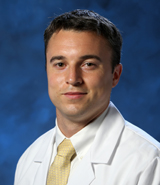 Dr. Klempner[/caption]
MedicalResearch.com Interview with:
Samuel Klempner, M.D. Assistant Professor
Division of Hematology/Oncology
UC Irvine Health
Orange, CA 92868
Medical Research: What is the background for this study? What are the main findings?
Dr. Klempner: The background for our series is the concept that little is known about the genetic landscape of rare tumors such as acinic cell tumors, and that understanding genetic changes in tumors can identify treatment options. This paradigm can, and should, be extended beyond rare tumor types and many researchers are currently studying various tumor types. Another important background idea is that tumor genomic alterations may be more important than that anatomic site of origin. For example, I would argue that a breast cancer that harbors an
Dr. Klempner[/caption]
MedicalResearch.com Interview with:
Samuel Klempner, M.D. Assistant Professor
Division of Hematology/Oncology
UC Irvine Health
Orange, CA 92868
Medical Research: What is the background for this study? What are the main findings?
Dr. Klempner: The background for our series is the concept that little is known about the genetic landscape of rare tumors such as acinic cell tumors, and that understanding genetic changes in tumors can identify treatment options. This paradigm can, and should, be extended beyond rare tumor types and many researchers are currently studying various tumor types. Another important background idea is that tumor genomic alterations may be more important than that anatomic site of origin. For example, I would argue that a breast cancer that harbors an  MedicalResearch.com Interview with:
Shahrzad Mavandadi, PhD
Research Health Science Specialist and Investigator
Veterans Integrated Services Network 4 Mental Illness Research,
Education, and Clinical Center
Corporal Michael J. Crescenz Veterans Affairs Medical Center
Philadelphia, Pennsylvania
Medical Research: What is the background for this study?
Dr. Mavandadi: Mental health (MH) conditions are underidentified and undertreated in later life. This is particularly true among subgroups of older adults who are more vulnerable to developing mental health issues, have poor access to specialty care, and are less responsive to treatment and therapy. Thus, we sought to evaluate longitudinal MH outcomes among low-income, community-dwelling older adults enrolled in an evidence-based, collaborative mental health care management service (i.e., the SUpporting Seniors Receiving Treatment And INtervention (SUSTAIN) program). The SUSTAIN program integrates mental health with primary care (which is where the majority of behavioral health conditions in later life are managed) and provides standardized, measurement-based, software-aided MH assessment and connection to community resources to older adults by telephone.
While there is a strong evidence base for the efficacy of collaborative care models for me conditions, little is known about the amount or level of patient and provider support that is needed to achieve optimal behavioral health outcomes. Thus, we specifically examined outcomes among older adults randomized to one of two program arms of varying intensity: MH symptom monitoring alone or
MedicalResearch.com Interview with:
Shahrzad Mavandadi, PhD
Research Health Science Specialist and Investigator
Veterans Integrated Services Network 4 Mental Illness Research,
Education, and Clinical Center
Corporal Michael J. Crescenz Veterans Affairs Medical Center
Philadelphia, Pennsylvania
Medical Research: What is the background for this study?
Dr. Mavandadi: Mental health (MH) conditions are underidentified and undertreated in later life. This is particularly true among subgroups of older adults who are more vulnerable to developing mental health issues, have poor access to specialty care, and are less responsive to treatment and therapy. Thus, we sought to evaluate longitudinal MH outcomes among low-income, community-dwelling older adults enrolled in an evidence-based, collaborative mental health care management service (i.e., the SUpporting Seniors Receiving Treatment And INtervention (SUSTAIN) program). The SUSTAIN program integrates mental health with primary care (which is where the majority of behavioral health conditions in later life are managed) and provides standardized, measurement-based, software-aided MH assessment and connection to community resources to older adults by telephone.
While there is a strong evidence base for the efficacy of collaborative care models for me conditions, little is known about the amount or level of patient and provider support that is needed to achieve optimal behavioral health outcomes. Thus, we specifically examined outcomes among older adults randomized to one of two program arms of varying intensity: MH symptom monitoring alone or  Dr. Gulden[/caption]
MedicalResearch.com Interview with:
Dr. Mai-Britt Guldin PhD
Department of Public Health
Aarhus University
Medical Research: What is the background for this study?
Dr. Guldin: The background for this study is that death of a parent in childhood is experienced by 3-4% of children in Western societies, and we know such a loss is one of the most stressful and potentially harmful events in childhood. Therefore, we aimed to investigate how parental death may influence the long-term risk of suicide and how this risk differes by cause of parental death, age at loss, sex of child, socioeconomic factors and parental history of psychiatric illness.The sample size in this study is unparalleled by other studies on risk of suicide.
Medical Research: What are the main findings?
Dr. Guldin: The main findings were that in a population of 7.302,033 (in three Scandinavian countries), we identified 189,094 persons who lost a parent before the age of 18. Of these bereaved persons, 265 died from suicide. Compared to a control group of persons matched by age and sex, but who did not lose a parent before the age of 18, suicide was twice as common in the bereaved cohort (IRR = 2.02; 95% CI, 1.67-2.44). The risk remained high for at least 25 years of follow-up. The risk was particularly high for children who lost a parent due to suicide, but was also high for children who lost a parent due to other causes. The risk tended to be particularly high for boys who lost a mother and children losing a parent before the age of six.
Dr. Gulden[/caption]
MedicalResearch.com Interview with:
Dr. Mai-Britt Guldin PhD
Department of Public Health
Aarhus University
Medical Research: What is the background for this study?
Dr. Guldin: The background for this study is that death of a parent in childhood is experienced by 3-4% of children in Western societies, and we know such a loss is one of the most stressful and potentially harmful events in childhood. Therefore, we aimed to investigate how parental death may influence the long-term risk of suicide and how this risk differes by cause of parental death, age at loss, sex of child, socioeconomic factors and parental history of psychiatric illness.The sample size in this study is unparalleled by other studies on risk of suicide.
Medical Research: What are the main findings?
Dr. Guldin: The main findings were that in a population of 7.302,033 (in three Scandinavian countries), we identified 189,094 persons who lost a parent before the age of 18. Of these bereaved persons, 265 died from suicide. Compared to a control group of persons matched by age and sex, but who did not lose a parent before the age of 18, suicide was twice as common in the bereaved cohort (IRR = 2.02; 95% CI, 1.67-2.44). The risk remained high for at least 25 years of follow-up. The risk was particularly high for children who lost a parent due to suicide, but was also high for children who lost a parent due to other causes. The risk tended to be particularly high for boys who lost a mother and children losing a parent before the age of six.
 Dr. Wopereis[/caption]
MedicalResearch.com Interview with:
Suzan Wopereis, Ph.D.
TNO, Microbiology and Systems Biology Group
Zeist, The Netherlands
Medical Research: What is the background for this study? What are the main findings?
Dr. Wopereis: For the first time we could demonstrate the very subtle start of negative health effects caused by a high calorie snack diet in healthy men. We already knew about the negative consequences of such diets from so called epidemiologic studies. In such studies, scientists compare large populations (thousands of people) to better understand disease development. For example, by comparing obese populations to a lean population, scientists could define various steps in the disease development related to obesity, like high cholesterol, onset of inflammation, high blood pressure, high glucose, etc. Yet, the early deviations from health were difficult to study because human metabolism (the way we digest and metabolize our meals from a biochemical viewpoint) is very flexible and able to efficiently deal with all kinds of daily stressors, such as a meal or intensive exercise. So, at TNO we decided to exploit this flexibility by giving our healthy volunteers a ‘challenge test’, in the form of a high-fat milkshake. Next, we studied how multiple aspects of their metabolism react to such a challenge test. We showed that a snack diet for 4 weeks reduced many aspects of flexibility of our healthy men, thus indicating very early changes in health. Both the high-fat challenge test and the integral study of many different outcomes form a novel approach of what “healthy” really means.
In the study we used two groups of male volunteers. One group of 10 healthy male volunteers and one group of 9 male volunteers with Metabolic Syndrome, who had a combination of 2 or more risk factors that raises your risk for heart disease and other health problems (unhealthy cholesterol levels, high blood pressure, high blood sugar, high blood lipids, and abdominal fat). In other words, subjects with Metabolic Syndrome have a suboptimal health condition. Both groups received a high-fat milk-shake, and before and up to 8 hours after consumption of this metabolic challenge-test, blood samples were taken. In these blood samples, 61 different biomarkers were measured, such as cholesterol and blood sugar. These 61 biomarkers were used for a thorough health assessment of these 2 groups in response to the challenge test. We noted that biochemical processes related to sugar metabolism, fat metabolism and inflammation function abnormal in subjects with Metabolic Syndrome. The next step was to provide the 10 healthy male volunteers with a snack diet for 4 weeks. On top of their normal diet they had to consume an additional 1300 kcal per day, in the form of sweets and savory products such as candy bars, tarts, peanuts, and crisps. After these 4 weeks the response of the same 61 biomarkers to the challenge test was evaluated. Here, we observed that signaling molecules such as hormones regulating the control of sugar and fat metabolism and inflammation were changed, resembling the very subtle start of negative health effects. Without the use of the challenge test, we would not have been able to observe that even this short period of overfeeding induces changes in the metabolism of healthy people that resemble what happens in people with metabolic syndrome.
Dr. Wopereis[/caption]
MedicalResearch.com Interview with:
Suzan Wopereis, Ph.D.
TNO, Microbiology and Systems Biology Group
Zeist, The Netherlands
Medical Research: What is the background for this study? What are the main findings?
Dr. Wopereis: For the first time we could demonstrate the very subtle start of negative health effects caused by a high calorie snack diet in healthy men. We already knew about the negative consequences of such diets from so called epidemiologic studies. In such studies, scientists compare large populations (thousands of people) to better understand disease development. For example, by comparing obese populations to a lean population, scientists could define various steps in the disease development related to obesity, like high cholesterol, onset of inflammation, high blood pressure, high glucose, etc. Yet, the early deviations from health were difficult to study because human metabolism (the way we digest and metabolize our meals from a biochemical viewpoint) is very flexible and able to efficiently deal with all kinds of daily stressors, such as a meal or intensive exercise. So, at TNO we decided to exploit this flexibility by giving our healthy volunteers a ‘challenge test’, in the form of a high-fat milkshake. Next, we studied how multiple aspects of their metabolism react to such a challenge test. We showed that a snack diet for 4 weeks reduced many aspects of flexibility of our healthy men, thus indicating very early changes in health. Both the high-fat challenge test and the integral study of many different outcomes form a novel approach of what “healthy” really means.
In the study we used two groups of male volunteers. One group of 10 healthy male volunteers and one group of 9 male volunteers with Metabolic Syndrome, who had a combination of 2 or more risk factors that raises your risk for heart disease and other health problems (unhealthy cholesterol levels, high blood pressure, high blood sugar, high blood lipids, and abdominal fat). In other words, subjects with Metabolic Syndrome have a suboptimal health condition. Both groups received a high-fat milk-shake, and before and up to 8 hours after consumption of this metabolic challenge-test, blood samples were taken. In these blood samples, 61 different biomarkers were measured, such as cholesterol and blood sugar. These 61 biomarkers were used for a thorough health assessment of these 2 groups in response to the challenge test. We noted that biochemical processes related to sugar metabolism, fat metabolism and inflammation function abnormal in subjects with Metabolic Syndrome. The next step was to provide the 10 healthy male volunteers with a snack diet for 4 weeks. On top of their normal diet they had to consume an additional 1300 kcal per day, in the form of sweets and savory products such as candy bars, tarts, peanuts, and crisps. After these 4 weeks the response of the same 61 biomarkers to the challenge test was evaluated. Here, we observed that signaling molecules such as hormones regulating the control of sugar and fat metabolism and inflammation were changed, resembling the very subtle start of negative health effects. Without the use of the challenge test, we would not have been able to observe that even this short period of overfeeding induces changes in the metabolism of healthy people that resemble what happens in people with metabolic syndrome.
 Dr. Bastian[/caption]
MedicalResearch.com Interview with:
Boris C. Bastian, MD, PhD
Professor of Dermatology and Pathology
Gerson and Barbara Bass Bakar Distinguished Professor in Cancer Research
University of California, San Francisco
Medical Research: What is the background for this study? What are the main findings?
Dr. Bastian: The cost of DNA sequencing has dropped substantially since the initial sequencing of the human genome in 2001. As a result, the most common cancer subtypes have now been sequenced, revealing the pathogenic mutations that drive them. A typical cancer is driven by 5-10 mutations, but we still do not understand the order in which these mutations occur for most cancers.
Determining the order in which mutations occur is challenging for cancers that are detected at a late stage. Melanomas, however, lend themselves to this type of analysis because they are pigmented and found on the surface of the skin, allowing them to be identified early. Sometimes, melanomas are even found adjacent to their remnant precursor neoplasms, such as benign nevi (also known as common moles). We performed detailed genetic analyses of 37 cases of melanomas that were adjacent to their intact precursor neoplasms. We microdissected and sequenced the surrounding uninvolved normal tissue, the precursor neoplasm, and the descendent neoplasm. By comparing the genetic abnormalities in each of the microdissected areas, we were able to decipher the order of genetic alterations for each case.
Our work reveals the stereotypic pattern of mutations as they occur in melanoma. Mutations in the MAPK pathway, usually affecting BRAF or NRAS, occur earliest, followed by TERT promoter mutations, then CDKN2Aalterations, and finally TP53 and PTEN alterations. Benign nevi typically harbor a single pathogenic alteration, whereas fully evolved melanomas harbor three or more pathogenic alterations. We also identified an intermediate stage of neoplasia with some but not all of the pathogenic mutations required for fully evolved melanoma. There has been a longstanding debate whether morphologically intermediate lesions, such as dysplastic nevi, truly constitute biological intermediates or whether they simply represent a gray zone of histopathological assessment. Our data indicates that these neoplasms are genuine biological entities. Finally, we observe evidence of UV-radiation-induced DNA damage at all stages of pathogenesis, implicating UV radiation in both the initiation and progression of melanoma.
Dr. Bastian[/caption]
MedicalResearch.com Interview with:
Boris C. Bastian, MD, PhD
Professor of Dermatology and Pathology
Gerson and Barbara Bass Bakar Distinguished Professor in Cancer Research
University of California, San Francisco
Medical Research: What is the background for this study? What are the main findings?
Dr. Bastian: The cost of DNA sequencing has dropped substantially since the initial sequencing of the human genome in 2001. As a result, the most common cancer subtypes have now been sequenced, revealing the pathogenic mutations that drive them. A typical cancer is driven by 5-10 mutations, but we still do not understand the order in which these mutations occur for most cancers.
Determining the order in which mutations occur is challenging for cancers that are detected at a late stage. Melanomas, however, lend themselves to this type of analysis because they are pigmented and found on the surface of the skin, allowing them to be identified early. Sometimes, melanomas are even found adjacent to their remnant precursor neoplasms, such as benign nevi (also known as common moles). We performed detailed genetic analyses of 37 cases of melanomas that were adjacent to their intact precursor neoplasms. We microdissected and sequenced the surrounding uninvolved normal tissue, the precursor neoplasm, and the descendent neoplasm. By comparing the genetic abnormalities in each of the microdissected areas, we were able to decipher the order of genetic alterations for each case.
Our work reveals the stereotypic pattern of mutations as they occur in melanoma. Mutations in the MAPK pathway, usually affecting BRAF or NRAS, occur earliest, followed by TERT promoter mutations, then CDKN2Aalterations, and finally TP53 and PTEN alterations. Benign nevi typically harbor a single pathogenic alteration, whereas fully evolved melanomas harbor three or more pathogenic alterations. We also identified an intermediate stage of neoplasia with some but not all of the pathogenic mutations required for fully evolved melanoma. There has been a longstanding debate whether morphologically intermediate lesions, such as dysplastic nevi, truly constitute biological intermediates or whether they simply represent a gray zone of histopathological assessment. Our data indicates that these neoplasms are genuine biological entities. Finally, we observe evidence of UV-radiation-induced DNA damage at all stages of pathogenesis, implicating UV radiation in both the initiation and progression of melanoma.
 Dr. Lubitz[/caption]
MedicalResearch.com Interview with:
Carrie C. Lubitz, MD, MPH
Assistant Professor of Surgery, Harvard Medical School
Senior Scientist, Institute for Technology Assessment
Attending Surgeon, Mass General/North Shore Center for Outpatient Care
Danvers, Massachusetts
Medical Research: What is the background for this study? What are the main findings?
Dr. Lubitz: Given reported estimates of resistant hypertension and the proportion of resistant hypertensive patients with primary hyperaldosteronism (PA) - the most common form of secondary hypertension caused by a nodule or hyperplasia of the adrenal glands – we estimate over a million Americans have undiagnosed PA. Furthermore, it has been shown that patients with PA with the same blood pressure as comparable patients with primary hypertension have worse outcomes.
In our study, we found that identifying and appropriately treating patients with PA can improve long-term outcomes in patients in a large number of patients who have resistant hypertension.
Dr. Lubitz[/caption]
MedicalResearch.com Interview with:
Carrie C. Lubitz, MD, MPH
Assistant Professor of Surgery, Harvard Medical School
Senior Scientist, Institute for Technology Assessment
Attending Surgeon, Mass General/North Shore Center for Outpatient Care
Danvers, Massachusetts
Medical Research: What is the background for this study? What are the main findings?
Dr. Lubitz: Given reported estimates of resistant hypertension and the proportion of resistant hypertensive patients with primary hyperaldosteronism (PA) - the most common form of secondary hypertension caused by a nodule or hyperplasia of the adrenal glands – we estimate over a million Americans have undiagnosed PA. Furthermore, it has been shown that patients with PA with the same blood pressure as comparable patients with primary hypertension have worse outcomes.
In our study, we found that identifying and appropriately treating patients with PA can improve long-term outcomes in patients in a large number of patients who have resistant hypertension.
 Dr. Vonberg[/caption]
MedicalResearch.com Interview with:
Frederick W. Vonberg, MA, MBBS
Research Fellow in Neurocritical Care
Boston Children's Hospital and Harvard Medical School
Medical Research: What is the background for this study? What are the main findings?
Response: An association between schizophrenia and epilepsy has long been suspected, ever since people noticed similarities in some aspects of the presentation of the two conditions, and in their epidemiology. For example, people with epilepsy are thought to be more at risk of developing schizophrenia. Furthermore, a psychosis resembling schizophrenia can characterize some forms of
Dr. Vonberg[/caption]
MedicalResearch.com Interview with:
Frederick W. Vonberg, MA, MBBS
Research Fellow in Neurocritical Care
Boston Children's Hospital and Harvard Medical School
Medical Research: What is the background for this study? What are the main findings?
Response: An association between schizophrenia and epilepsy has long been suspected, ever since people noticed similarities in some aspects of the presentation of the two conditions, and in their epidemiology. For example, people with epilepsy are thought to be more at risk of developing schizophrenia. Furthermore, a psychosis resembling schizophrenia can characterize some forms of  Dr. Lei Xu[/caption]
MedicalResearch.com Interview with:
Lei Xu, MD, PhD
Steele Laboratory of Tumor Biology
Radiation Oncology Department
Massachusetts General Hospital
Medical Research: What is the background for this study?
Dr. Lei Xu: Neurofibromatosis 2 is characterized by benign tumors that develop throughout the nervous system. The most common site of these tumors is the eighth cranial nerve, which carries hearing and balance information from the ears to the brain. Although these vestibular schwannomas grow slowly, they usually lead to a significant or total hearing loss by young adulthood or middle age. The tumors can also press on the brain stem, leading to headaches, difficulty swallowing and other serious neurologic symptoms. While the tumors can be surgically removed or destroyed with radiation treatment, both approaches can also damage hearing.
Several previous investigations had suggested that – unlike other benign tumors – vestibular schwannomas induce the formation of new blood vessels, as malignant tumors do. A 2009 New England Journal of Medicine study led by Scott Plotkin, MD, PhD, at Massachusetts General Hospital reported that treatment with the antiangiogenesis drug bevacizumab caused shrinkage of NF2-schwannomas in most of the treated patients and improved hearing in more than half. But the limitations of that approach – the fact that not all patients responded, that the hearing improvement was often transient and that some patients could not tolerate long-term bevacizumab treatment – indicated the need to better understand the mechanisms of anti-angiogenesis on the function of tumor-bearing nerves.
Dr. Lei Xu[/caption]
MedicalResearch.com Interview with:
Lei Xu, MD, PhD
Steele Laboratory of Tumor Biology
Radiation Oncology Department
Massachusetts General Hospital
Medical Research: What is the background for this study?
Dr. Lei Xu: Neurofibromatosis 2 is characterized by benign tumors that develop throughout the nervous system. The most common site of these tumors is the eighth cranial nerve, which carries hearing and balance information from the ears to the brain. Although these vestibular schwannomas grow slowly, they usually lead to a significant or total hearing loss by young adulthood or middle age. The tumors can also press on the brain stem, leading to headaches, difficulty swallowing and other serious neurologic symptoms. While the tumors can be surgically removed or destroyed with radiation treatment, both approaches can also damage hearing.
Several previous investigations had suggested that – unlike other benign tumors – vestibular schwannomas induce the formation of new blood vessels, as malignant tumors do. A 2009 New England Journal of Medicine study led by Scott Plotkin, MD, PhD, at Massachusetts General Hospital reported that treatment with the antiangiogenesis drug bevacizumab caused shrinkage of NF2-schwannomas in most of the treated patients and improved hearing in more than half. But the limitations of that approach – the fact that not all patients responded, that the hearing improvement was often transient and that some patients could not tolerate long-term bevacizumab treatment – indicated the need to better understand the mechanisms of anti-angiogenesis on the function of tumor-bearing nerves.
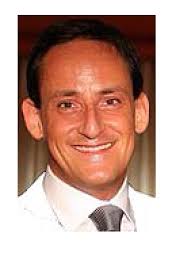 MedicalResearch.com Interview with:
Dr. Giuseppe Andò
University of Messina, Messina, Italy
Medical Research: What is the background for this study?
Dr. Andò: Patients’ preference for radial access for coronary angiography and percutaneous intervention is paralleled by an almost complete abolition of access-site bleeding. Given the deleterious impact of any clinically relevant bleeding event on short- and long-term outcomes, the use of radial access should translate into a reduction in net adverse events, especially in patients with high risk of bleeding such as those with an acute coronary syndrome. Nonetheless, studies conducted over the past decade by pioneers of
MedicalResearch.com Interview with:
Dr. Giuseppe Andò
University of Messina, Messina, Italy
Medical Research: What is the background for this study?
Dr. Andò: Patients’ preference for radial access for coronary angiography and percutaneous intervention is paralleled by an almost complete abolition of access-site bleeding. Given the deleterious impact of any clinically relevant bleeding event on short- and long-term outcomes, the use of radial access should translate into a reduction in net adverse events, especially in patients with high risk of bleeding such as those with an acute coronary syndrome. Nonetheless, studies conducted over the past decade by pioneers of  MedicalResearch.com Interview with:
Dr. Wanpen Vongpatanasin MD
Program Director, Hypertension Fellowship Program
Professor of Internal Medicine
Director of the University of Texas Southwestern Hypertension Program
Medical Research: What is the background for this study? What are the main findings?
Dr. Vongpatanasin: Home blood pressure measurement may reveal very different number when compared to clinic blood pressure in hypertensive patients. This difference can manifest as white coat hypertension (White Coat Hypertension; elevated office blood pressure with normal ambulatory or home blood pressure), or masked hypertension (MH; elevated ambulatory or home BP with normal office blood pressure). Although numerous epidemiological studies from Europe and Asia have shown increased cardiovascular risks associated with White Coat Hypertension and masked hypertension, previous studies have not addressed cardiovascular outcomes associated with White Coat Hypertension and masked hypertension in the general population in the United States.
We found that participants in the Dallas Heart Study, a multiethnic populational-based study in the Dallas County, both White Coat Hypertension and MH are associated with increased aortic stiffness and markers of kidney damage when compared to the group with normal blood pressure both at home and in the clinic. Furthermore, both white coat hypertension and masked hypertension are associated with increased risk of cardiovascular events, including coronary heart disease, stroke, atrial fibrillation, heart failure, and cardiovascular death over a median follow-up period of 9 years.
MedicalResearch.com Interview with:
Dr. Wanpen Vongpatanasin MD
Program Director, Hypertension Fellowship Program
Professor of Internal Medicine
Director of the University of Texas Southwestern Hypertension Program
Medical Research: What is the background for this study? What are the main findings?
Dr. Vongpatanasin: Home blood pressure measurement may reveal very different number when compared to clinic blood pressure in hypertensive patients. This difference can manifest as white coat hypertension (White Coat Hypertension; elevated office blood pressure with normal ambulatory or home blood pressure), or masked hypertension (MH; elevated ambulatory or home BP with normal office blood pressure). Although numerous epidemiological studies from Europe and Asia have shown increased cardiovascular risks associated with White Coat Hypertension and masked hypertension, previous studies have not addressed cardiovascular outcomes associated with White Coat Hypertension and masked hypertension in the general population in the United States.
We found that participants in the Dallas Heart Study, a multiethnic populational-based study in the Dallas County, both White Coat Hypertension and MH are associated with increased aortic stiffness and markers of kidney damage when compared to the group with normal blood pressure both at home and in the clinic. Furthermore, both white coat hypertension and masked hypertension are associated with increased risk of cardiovascular events, including coronary heart disease, stroke, atrial fibrillation, heart failure, and cardiovascular death over a median follow-up period of 9 years.
