MedicalResearch.com Interview with:
Dr. Michael van Leeuwen PhD
Department of Epidemiology
Netherlands Cancer Institute
Amsterdam, the Netherlands
Medical Research: What is the background for this study? What are the main findings?
Response: Over the last decades cure rates for Hodgkin’s lymphoma patients have increased dramatically. Cure and long-term survival may, however, come at a price, in the form of an increased risk of second cancers and other late effects. Since the late 1980’s treatment of Hodgkin’s lymphoma has been changed towards smaller radiation target volumes and more effective, generally less toxic chemotherapy.
In a study which included 3905 Hodgkin’s lymphoma patients treated between 1965 and 2000 in the Netherlands, the impact of these treatment changes on second malignancy risk was evaluated. Hodgkin’s lymphoma patients were between the ages of 15 and 50 years and had survived at least 5 years after treatment.
During follow-up, 1055 second cancers were diagnosed in 908 survivors, corresponding to a risk of 4.6 times as high as the occurrence of cancer in the general population. Up to at least 40 years after treatment for Hodgkin’s lymphoma, survivors remained at increased risk for second cancers.
The cumulative incidence of a second cancer was 33.2% at 30 years, compared with 9.6% in the general population, and 48.5% at 40 years, compared with 19.0% in the general population.
Breast cancer was the most common second cancer reported followed by lung and gastrointestinal cancers. Thirty-year cumulative incidence was 16.6% for breast cancer, 7.1% for lower respiratory tract cancers, 7.0% for gastrointestinal cancers, and 3.7% for non-Hodgkin’s lymphomas.
The risk of solid cancer after treatment for
Hodgkin’s lymphoma was not lower among more recently treated patients (patients treated between 1989 and 2000) than among those who were treated in earlier time periods, despite changes in treatment. Nonetheless, patients treated with smaller radiation fields (e.g., a supradiaphragmatic field radiotherapy not including the axilla) were at a 63% lower relative risk of breast cancer as a second malignancy than if they received complete mantle-field radiotherapy. The lack of change in the cumulative incidence of solid cancers could be due to an incomplete adoption of the more modern radiotherapy concepts but may also be explained on the basis of a change in the chemotherapy regimens used in the 1990s. Because in the 1970’s many women exposed to high doses of alkylating agents were experiencing premature menopause, doses of alkylating agents were lowered over time to preserve fertility. However, early menopause introduced with the alkylating regimens was likely responsible for decreasing the breast cancer incidence. With the lower doses of the alkylating agents, this protection was taken away
.
The cumulative incidence of non-Hodgkin’s lymphoma and of leukemia (and the myelodysplastic syndrome) was, however, much lower among patients who were treated in the period from 1989 through 2000 than among those who were treated in the period from 1965 through 1976. For leukemia, the decrease in cumulative incidence is likely due to the much lower doses of alkylating agents used in Hodgkin’s lymphoma treatment in the 1990’s compared to earlier decades.
It is important to realize that current common practice in radiation oncology, including involved-node or involved-site radiotherapy, three-dimensional conformal radiation treatment planning, and radiation doses of less than 36 Gy, was not applied in our study population. It is hoped that these changes may reduce the risk of solid cancer among patients treated after 2000.

 Dr. LaRochelle[/caption]
MedicalResearch.com Interview with:
Marc R. Larochelle, MD, MPH
Assistant Professor of Medicine
Boston Medical Center
Boston, MA
Medical Research: What is the background for this study? What are the main findings?
Dr. Larochelle: More than 16 thousand people in the United States die from prescription opioid overdose each year. However, morbidity extends well beyond fatal overdose - nearly half a million emergency department visits each year are related to prescription opioid-related harms. Emergency department visits for misuse of opioids represent an opportunity to identify and intervene on opioid use disorders, particularly for patients who receive prescriptions for opioids to treat pain. We examined a cohort of nearly 3000 commercially insured individuals prescribed opioids for chronic pain who were treated for a nonfatal opioid overdose in an emergency department or inpatient setting. We were interested in examining rates of continued prescribing after the overdose and the association of that prescribing with risk of repeated overdose. We found that 91% of individuals received another prescription for opioids after the overdose. Those continuing to receive
Dr. LaRochelle[/caption]
MedicalResearch.com Interview with:
Marc R. Larochelle, MD, MPH
Assistant Professor of Medicine
Boston Medical Center
Boston, MA
Medical Research: What is the background for this study? What are the main findings?
Dr. Larochelle: More than 16 thousand people in the United States die from prescription opioid overdose each year. However, morbidity extends well beyond fatal overdose - nearly half a million emergency department visits each year are related to prescription opioid-related harms. Emergency department visits for misuse of opioids represent an opportunity to identify and intervene on opioid use disorders, particularly for patients who receive prescriptions for opioids to treat pain. We examined a cohort of nearly 3000 commercially insured individuals prescribed opioids for chronic pain who were treated for a nonfatal opioid overdose in an emergency department or inpatient setting. We were interested in examining rates of continued prescribing after the overdose and the association of that prescribing with risk of repeated overdose. We found that 91% of individuals received another prescription for opioids after the overdose. Those continuing to receive  Dr. Odejide[/caption]
MedicalResearch.com Interview with:
Oreofe O. Odejide, MD
Instructor in Medicine, Harvard Medical School
Dana-Farber Cancer Institute
Medical Research: What is the background for this study? What are the main findings?
Dr. Odejide: The care that patients with hematologic cancers receive near the end of life is distinct from patients with solid tumors. For instance, previous research has shown that patients with blood cancers are more likely to receive intensive care at the end of life such as chemotherapy within 14 days of death, intensive care unit admission within 30 days of death, and they are less likely to enroll in hospice. My colleagues and I hypothesized that timing of discussions regarding end-of-life preferences with patients may contribute to these findings, and we wanted to examine hematologic oncologists’ perspectives regarding end-of-life discussions with this patient population.
We conducted a survey of a national sample of hematologic oncologists obtained from the publicly available clinical directory of the American Society of Hematology. We received responses from 349 hematologic oncologists, giving us a response rate of 57.3%. In our survey, we asked hematologic oncologists about the typical timing of EOL discussions in general, and also about the timing of the first discussion regarding resuscitation status, hospice care, and preferred site of death for patients. Three main findings emerged:
Dr. Odejide[/caption]
MedicalResearch.com Interview with:
Oreofe O. Odejide, MD
Instructor in Medicine, Harvard Medical School
Dana-Farber Cancer Institute
Medical Research: What is the background for this study? What are the main findings?
Dr. Odejide: The care that patients with hematologic cancers receive near the end of life is distinct from patients with solid tumors. For instance, previous research has shown that patients with blood cancers are more likely to receive intensive care at the end of life such as chemotherapy within 14 days of death, intensive care unit admission within 30 days of death, and they are less likely to enroll in hospice. My colleagues and I hypothesized that timing of discussions regarding end-of-life preferences with patients may contribute to these findings, and we wanted to examine hematologic oncologists’ perspectives regarding end-of-life discussions with this patient population.
We conducted a survey of a national sample of hematologic oncologists obtained from the publicly available clinical directory of the American Society of Hematology. We received responses from 349 hematologic oncologists, giving us a response rate of 57.3%. In our survey, we asked hematologic oncologists about the typical timing of EOL discussions in general, and also about the timing of the first discussion regarding resuscitation status, hospice care, and preferred site of death for patients. Three main findings emerged:
 Dr. Carr[/caption]
MedicalResearch.com Interview with:
Tara F Carr, MD
Assistant Professor, Medicine and Otolaryngology
Allergy and Immunology Fellowship Training Program Director
Director, Adult Allergy
Division of Pulmonary, Allergy, Critical Care and Sleep Medicine
University of Arizona
Tucson, AZ 85724
Medical Research: What is the background for this study? What are the main findings?
Dr. Carr: Some patients with chronic rhinosinusitis continue to suffer from symptoms despite aggressive medical and surgical treatments. For these individuals, therapy is generally chosen based on bacterial culture results, and often includes the use of topical antibacterial rinses with a medication called mupirocin. We found that if patients are still having problems after this treatment, the bacteria identified from repeated
Dr. Carr[/caption]
MedicalResearch.com Interview with:
Tara F Carr, MD
Assistant Professor, Medicine and Otolaryngology
Allergy and Immunology Fellowship Training Program Director
Director, Adult Allergy
Division of Pulmonary, Allergy, Critical Care and Sleep Medicine
University of Arizona
Tucson, AZ 85724
Medical Research: What is the background for this study? What are the main findings?
Dr. Carr: Some patients with chronic rhinosinusitis continue to suffer from symptoms despite aggressive medical and surgical treatments. For these individuals, therapy is generally chosen based on bacterial culture results, and often includes the use of topical antibacterial rinses with a medication called mupirocin. We found that if patients are still having problems after this treatment, the bacteria identified from repeated  Prof. Kazem Rahimi[/caption]
MedicalResearch.com Interview with:
Kazem Rahimi | FRCP DM MSc FESC
Associate Professor of Cardiovascular Medicine, University of Oxford
Deputy Director, The George Institute for Global Health
James Martin Fellow in Healthcare Innovation, Oxford Martin School
Honorary Consultant Cardiologist, Oxford University Hospitals NHS Trust
Medical Research: What is the background for this study? What are the main findings?
Prof. Rahimi: Although the benefits of blood pressure lowering treatment for prevention of cardiovascular disease are well established, the extent to which these effects differ by baseline blood pressure, presence of co-morbidities (such as stroke or diabetes), or drug class is less clear.
Medical Research: What should clinicians and patients take away from your report?
Prof. Rahimi: Our study has several implications for clinical practice. Our findings suggest that blood pressure lowering to levels below those recommended in current guidelines (ie, systolic
blood pressure of less than 140 mm Hg) will reduce the risk of cardiovascular disease. By showing no evidence for a threshold below which blood pressure lowering ceases to work, the findings call for blood pressure lowering based on an individual’s potential net benefit from treatment rather than treatment of the risk factor to a specific target. Furthermore, the differences we identified between classes of drugs support more targeted drug use for individuals at high risk of specific outcomes (eg, calcium channel blocker therapy for individuals at high risk of stroke or and diuretics are more eff ective for prevention of heart failure).
Overall, our findings clearly show that treating
Prof. Kazem Rahimi[/caption]
MedicalResearch.com Interview with:
Kazem Rahimi | FRCP DM MSc FESC
Associate Professor of Cardiovascular Medicine, University of Oxford
Deputy Director, The George Institute for Global Health
James Martin Fellow in Healthcare Innovation, Oxford Martin School
Honorary Consultant Cardiologist, Oxford University Hospitals NHS Trust
Medical Research: What is the background for this study? What are the main findings?
Prof. Rahimi: Although the benefits of blood pressure lowering treatment for prevention of cardiovascular disease are well established, the extent to which these effects differ by baseline blood pressure, presence of co-morbidities (such as stroke or diabetes), or drug class is less clear.
Medical Research: What should clinicians and patients take away from your report?
Prof. Rahimi: Our study has several implications for clinical practice. Our findings suggest that blood pressure lowering to levels below those recommended in current guidelines (ie, systolic
blood pressure of less than 140 mm Hg) will reduce the risk of cardiovascular disease. By showing no evidence for a threshold below which blood pressure lowering ceases to work, the findings call for blood pressure lowering based on an individual’s potential net benefit from treatment rather than treatment of the risk factor to a specific target. Furthermore, the differences we identified between classes of drugs support more targeted drug use for individuals at high risk of specific outcomes (eg, calcium channel blocker therapy for individuals at high risk of stroke or and diuretics are more eff ective for prevention of heart failure).
Overall, our findings clearly show that treating  Dr. Schuetz[/caption]
MedicalResearch.com Interview with:
Philipp Schuetz, MD, MPH
University Department of Medicine
Clinic for Endocrinology/Metabolism/Clinical Nutrition,
Kantonsspital Aarau, Aarau, Switzerland
Medical Faculty of the University of Basel
Basel, Switzerland
Medical Research: What is the background for this study? What are the main findings?
Dr. Schuetz: Malnutrition is common in hospitalised patients and associated with detrimental metabolic consequences. The current clinical approach is to provide at risk patients nutritional support as a strategy to tackle malnutrition and its associated adverse outcomes. Yet, whether this strategy is effective and improves clinical outcomes in the medical inpatient population is unclear. In addition, recent trials from critical care have shown adverse outcomes when nutritional therapy was used too aggressively.
Herein, our metaanalysis is the first to systematically investigate effects of nutritional support in medical inpatients. Our analysis shows that nutritional support is highly effective in increasing energy and protein intake and helps to stabilize weight loss. Also, risk for unplanned readmission after discharge from the hospital was reduced and length of stay was shorter in the patient population with established malnutrition.
Yet, for other important clinical outcomes such as mortality and functional outcomes effects of nutritional support remained uncertain. Also, the quality of evidence was found to be moderate to low.
Dr. Schuetz[/caption]
MedicalResearch.com Interview with:
Philipp Schuetz, MD, MPH
University Department of Medicine
Clinic for Endocrinology/Metabolism/Clinical Nutrition,
Kantonsspital Aarau, Aarau, Switzerland
Medical Faculty of the University of Basel
Basel, Switzerland
Medical Research: What is the background for this study? What are the main findings?
Dr. Schuetz: Malnutrition is common in hospitalised patients and associated with detrimental metabolic consequences. The current clinical approach is to provide at risk patients nutritional support as a strategy to tackle malnutrition and its associated adverse outcomes. Yet, whether this strategy is effective and improves clinical outcomes in the medical inpatient population is unclear. In addition, recent trials from critical care have shown adverse outcomes when nutritional therapy was used too aggressively.
Herein, our metaanalysis is the first to systematically investigate effects of nutritional support in medical inpatients. Our analysis shows that nutritional support is highly effective in increasing energy and protein intake and helps to stabilize weight loss. Also, risk for unplanned readmission after discharge from the hospital was reduced and length of stay was shorter in the patient population with established malnutrition.
Yet, for other important clinical outcomes such as mortality and functional outcomes effects of nutritional support remained uncertain. Also, the quality of evidence was found to be moderate to low.
 Dr. Schmidt[/caption]
MedicalResearch.com Interview with:
Dr. Marjanka Schmidt PhD
Group Leader, Molecular Pathology
Netherlands Cancer Institute
Medical Research: What is the background for this study? What are the main findings?
Dr. Schmidt: BRCA1/2 mutation carriers who developed a primary breast cancer are thought to be at high risk to develop a contralateral breast cancer (breast cancer in the opposite breast). Our study is one of the first to provide unbiased risk estimates for young breast cancer patients with a pathogenic BRCA1/2 mutation. We also showed that age of onset of the first breast cancer is a predictor for the development of contralateral breast cancer in BRCA1/2 mutation carriers, but not in non-carriers.
Dr. Schmidt[/caption]
MedicalResearch.com Interview with:
Dr. Marjanka Schmidt PhD
Group Leader, Molecular Pathology
Netherlands Cancer Institute
Medical Research: What is the background for this study? What are the main findings?
Dr. Schmidt: BRCA1/2 mutation carriers who developed a primary breast cancer are thought to be at high risk to develop a contralateral breast cancer (breast cancer in the opposite breast). Our study is one of the first to provide unbiased risk estimates for young breast cancer patients with a pathogenic BRCA1/2 mutation. We also showed that age of onset of the first breast cancer is a predictor for the development of contralateral breast cancer in BRCA1/2 mutation carriers, but not in non-carriers.
 Dr. Rowan[/caption]
MedicalResearch.com Interview with:
Dr. Janet Rowan
Obstetric Physician
National Women's Health,
Auckland
Medical Research: What is the background for this study?
Dr. Rowan: Clinicians are interested in screening during early pregnancy to identify women with previously unrecognised diabetes, as these women have increased risks of adverse pregnancy outcomes. HbA1c is a simple and reproducible measure of glucose elevations, but its usefulness as an early pregnancy screening test is not clear. The aim of this study was to examine whether pregnant women with an HbA1c of 41-49mmol/mol (5.9-6.6%) are a high risk subgroup and whether treating these women from early pregnancy improves outcomes compared with identifying them during routine screening for gestational diabetes (GDM) from 24 weeks’ gestation.
This observational study compared women referred to the diabetes clinic <24 weeks’ who had an early pregnancy
Dr. Rowan[/caption]
MedicalResearch.com Interview with:
Dr. Janet Rowan
Obstetric Physician
National Women's Health,
Auckland
Medical Research: What is the background for this study?
Dr. Rowan: Clinicians are interested in screening during early pregnancy to identify women with previously unrecognised diabetes, as these women have increased risks of adverse pregnancy outcomes. HbA1c is a simple and reproducible measure of glucose elevations, but its usefulness as an early pregnancy screening test is not clear. The aim of this study was to examine whether pregnant women with an HbA1c of 41-49mmol/mol (5.9-6.6%) are a high risk subgroup and whether treating these women from early pregnancy improves outcomes compared with identifying them during routine screening for gestational diabetes (GDM) from 24 weeks’ gestation.
This observational study compared women referred to the diabetes clinic <24 weeks’ who had an early pregnancy  Dr. Christina Weng[/caption]
MedicalResearch.com Interview with:
Christina Y. Weng, MD, MBA
Assistant Professor-Vitreoretinal Diseases & Surgery
Baylor College of Medicine-Cullen Eye Institute
Medical Research: What is the background for this study? What are the main findings?
Dr. Weng: Telemedicine has been around for a long time, but only recently have technological advances solidified its utility as a reliable, effective, and cost-efficient method of healthcare provision. The application of telemedicine in the field of ophthalmology has been propelled by the development of high-quality non-mydriatic cameras, HIPAA-compliant servers for the storage and transfer of patient data, and the growing demand for ophthalmological care despite the relatively stagnant supply of eye care specialists. The global epidemic of diabetes mellitus has contributed significantly to this growing demand, as the majority of patients with diabetes will develop diabetic retinopathy in their lifetime.
Today, there are over 29 million Americans with diabetes, and diabetic retinopathy is the leading cause of blindness in working age adults in the United States. The American Academy of Ophthalmology’s and American Diabetes Association’s formal screening guidelines recommend that all diabetic patients receive an annual dilated funduscopic examination. Unfortunately, the compliance rate with this recommendation is quite dismal at an estimated 50-65%. It is even lower amongst minority populations which comprise the demographic majority of those served by the Harris Health System in Harris County, Texas, the third most populous county in the United States.
In 2013, the Harris Health System initiated a teleretinal screening program housed by eight of the district’s primary care clinics. In this system, patients with diabetes are identified by their primary care provider (PCP) during their appointments, immediately directed to receive funduscopic photographs by trained on-site personnel operating non-mydriatic cameras, and provided a follow-up recommendation (e.g., referral for in-clinic examination versus repeat imaging in 1 year) depending on the interpretation of their images. The images included in our study were interpreted via two different ways—once by the IRISTM (Intelligent Retinal Imaging Systems) proprietary auto-reader and then again by a trained ophthalmic specialist from the IRISTM reading center. The primary aim of this study was to evaluate the utility of the auto-reader by comparing its results to those of the reading center.
Data for 15,015 screened diabetic patients (30,030 eyes) were included. The sensitivity of the auto-reader in detecting severe non-proliferative diabetic retinopathy or worse, deemed sight threatening diabetic eye disease (STDED), compared to the reading center interpretation of the same images was 66.4% (95% confidence interval [CI] 62.8% - 69.9%) with a false negative rate of 2%. In a population where 15.8% of diabetics have STDED, the negative predictive value of the auto-reader was 97.8% (CI 96.8% - 98.6%).
Dr. Christina Weng[/caption]
MedicalResearch.com Interview with:
Christina Y. Weng, MD, MBA
Assistant Professor-Vitreoretinal Diseases & Surgery
Baylor College of Medicine-Cullen Eye Institute
Medical Research: What is the background for this study? What are the main findings?
Dr. Weng: Telemedicine has been around for a long time, but only recently have technological advances solidified its utility as a reliable, effective, and cost-efficient method of healthcare provision. The application of telemedicine in the field of ophthalmology has been propelled by the development of high-quality non-mydriatic cameras, HIPAA-compliant servers for the storage and transfer of patient data, and the growing demand for ophthalmological care despite the relatively stagnant supply of eye care specialists. The global epidemic of diabetes mellitus has contributed significantly to this growing demand, as the majority of patients with diabetes will develop diabetic retinopathy in their lifetime.
Today, there are over 29 million Americans with diabetes, and diabetic retinopathy is the leading cause of blindness in working age adults in the United States. The American Academy of Ophthalmology’s and American Diabetes Association’s formal screening guidelines recommend that all diabetic patients receive an annual dilated funduscopic examination. Unfortunately, the compliance rate with this recommendation is quite dismal at an estimated 50-65%. It is even lower amongst minority populations which comprise the demographic majority of those served by the Harris Health System in Harris County, Texas, the third most populous county in the United States.
In 2013, the Harris Health System initiated a teleretinal screening program housed by eight of the district’s primary care clinics. In this system, patients with diabetes are identified by their primary care provider (PCP) during their appointments, immediately directed to receive funduscopic photographs by trained on-site personnel operating non-mydriatic cameras, and provided a follow-up recommendation (e.g., referral for in-clinic examination versus repeat imaging in 1 year) depending on the interpretation of their images. The images included in our study were interpreted via two different ways—once by the IRISTM (Intelligent Retinal Imaging Systems) proprietary auto-reader and then again by a trained ophthalmic specialist from the IRISTM reading center. The primary aim of this study was to evaluate the utility of the auto-reader by comparing its results to those of the reading center.
Data for 15,015 screened diabetic patients (30,030 eyes) were included. The sensitivity of the auto-reader in detecting severe non-proliferative diabetic retinopathy or worse, deemed sight threatening diabetic eye disease (STDED), compared to the reading center interpretation of the same images was 66.4% (95% confidence interval [CI] 62.8% - 69.9%) with a false negative rate of 2%. In a population where 15.8% of diabetics have STDED, the negative predictive value of the auto-reader was 97.8% (CI 96.8% - 98.6%).
 Dr. Veenstra[/caption]
MedicalResearch.com Interview with:
Christine Veenstra MD
Clinical Lecturer, Internal Medicine
Medical Oncology
University of Michigan
Ann Arbor, MI 48109-5343
MedicalResearch: What is the background for this study? What are the main findings?
Dr. Veenstra: Patients with cancer face many costs and incur financial burden as they go through diagnosis and treatment. For working patients, cancer diagnosis and treatment may come with the additional burden of time away from work, lost income, and even long-term job loss. Although 40% of US workers do not have access to paid sick leave, we hypothesized that availability of paid sick leave could reduce the need to take unpaid time away from work during cancer treatment and might therefore be associated with job retention and reduced personal financial burden.
In a survey of over 1300 patients with Stage III colorectal cancer, we found that only 55% of those who were employed at the time of their cancer diagnosis retained their jobs. Working patients with paid sick leave were nearly twice as likely to retain their jobs compared with working patients who did not have paid sick leave. This held true even when controlling for income, education and health insurance. Furthermore, working patients without paid sick reported significantly higher personal financial burden than those who had paid sick leave available.
Dr. Veenstra[/caption]
MedicalResearch.com Interview with:
Christine Veenstra MD
Clinical Lecturer, Internal Medicine
Medical Oncology
University of Michigan
Ann Arbor, MI 48109-5343
MedicalResearch: What is the background for this study? What are the main findings?
Dr. Veenstra: Patients with cancer face many costs and incur financial burden as they go through diagnosis and treatment. For working patients, cancer diagnosis and treatment may come with the additional burden of time away from work, lost income, and even long-term job loss. Although 40% of US workers do not have access to paid sick leave, we hypothesized that availability of paid sick leave could reduce the need to take unpaid time away from work during cancer treatment and might therefore be associated with job retention and reduced personal financial burden.
In a survey of over 1300 patients with Stage III colorectal cancer, we found that only 55% of those who were employed at the time of their cancer diagnosis retained their jobs. Working patients with paid sick leave were nearly twice as likely to retain their jobs compared with working patients who did not have paid sick leave. This held true even when controlling for income, education and health insurance. Furthermore, working patients without paid sick reported significantly higher personal financial burden than those who had paid sick leave available.
 Dr. Najib Rahman[/caption]
MedicalResearch.com Interview with:
Dr Najib Rahman D Phil MSc MRCP
Consultant and Senior Lecturer
Lead for Pleural Diseases
Oxford Centre for Respiratory Medicine
Clinical Director, Oxford Respiratory Trials Unit
Tutor in Clinical Medicine
University College, Oxford
Medical Research: What is the background for this study?
Dr. Rahman : Up to TIME1, the evidence base behind optimal pleurodesis for malignant pleural effusion in terms of tube size and analgesia was poor. Optimal pleurodesis in this context is one which is successful (i.e. the patient needs no further pleural interventions for that malignant effusion), but occurs with the minimum discomfort. This is particularly important as the treatment intent in malignant effusion pleurodesis is palliative.
This is the first adequately powered randomized trial to address two important issues in pleurodesis for malignant pleural effusion - that of whether NSAIDs reduce pleurodesis efficacy, and if smaller chest tubes (12F) are "as good as" larger chest tubes (24F) for pleurodesis success and in terms of pain.
Medical Research: What are the main findings?
Dr. Rahman : The main and somewhat surprising findings are that:
Dr. Najib Rahman[/caption]
MedicalResearch.com Interview with:
Dr Najib Rahman D Phil MSc MRCP
Consultant and Senior Lecturer
Lead for Pleural Diseases
Oxford Centre for Respiratory Medicine
Clinical Director, Oxford Respiratory Trials Unit
Tutor in Clinical Medicine
University College, Oxford
Medical Research: What is the background for this study?
Dr. Rahman : Up to TIME1, the evidence base behind optimal pleurodesis for malignant pleural effusion in terms of tube size and analgesia was poor. Optimal pleurodesis in this context is one which is successful (i.e. the patient needs no further pleural interventions for that malignant effusion), but occurs with the minimum discomfort. This is particularly important as the treatment intent in malignant effusion pleurodesis is palliative.
This is the first adequately powered randomized trial to address two important issues in pleurodesis for malignant pleural effusion - that of whether NSAIDs reduce pleurodesis efficacy, and if smaller chest tubes (12F) are "as good as" larger chest tubes (24F) for pleurodesis success and in terms of pain.
Medical Research: What are the main findings?
Dr. Rahman : The main and somewhat surprising findings are that:
 Dr. Subbotina[/caption]
MedicalResearch.com Interview with:
Ekaterina Subbotina, Ph.D.
Postdoctoral Research Scholar
University of Iowa Carver College of Medicine
Iowa City, IA 52242
Medical Research: What is the background for this study?
Dr. Subbotina: Exercises represent the most natural and effective way to maintain physical and metabolic well-being. Lack of physical activity can contribute to many preventable diseases such as cardiovascular disease, stroke, cancer, diabetes and obesity.
It is known that moderate exercise is beneficial for health but the mechanism of this effect is only partially understood. It becomes more and more evident that skeletal muscles function as an organ that produces and secretes biologically active molecules called myokines. Studies of the biological role and mechanism of action of myokines are important for understanding of muscle function under sedentary and exercise conditions.
Dr. Subbotina[/caption]
MedicalResearch.com Interview with:
Ekaterina Subbotina, Ph.D.
Postdoctoral Research Scholar
University of Iowa Carver College of Medicine
Iowa City, IA 52242
Medical Research: What is the background for this study?
Dr. Subbotina: Exercises represent the most natural and effective way to maintain physical and metabolic well-being. Lack of physical activity can contribute to many preventable diseases such as cardiovascular disease, stroke, cancer, diabetes and obesity.
It is known that moderate exercise is beneficial for health but the mechanism of this effect is only partially understood. It becomes more and more evident that skeletal muscles function as an organ that produces and secretes biologically active molecules called myokines. Studies of the biological role and mechanism of action of myokines are important for understanding of muscle function under sedentary and exercise conditions.
 Dr. Amin Hanjani[/caption]
MedicalResearch.com Interview with:
Sepideh Amin-Hanjani, MD FAANS FACS FAHA
Professor & Program Director
Co-Director, Neurovascular Surgery
Department of Neurosurgery
University of Illinois at Chicago
Past Chair, AANS/CNS Cerebrovascular Section
Medical Research: What is the background for this study? What are the main findings?
Dr. Amin-Hanjani: Posterior circulation strokes account for up to 30% of all ischemic strokes, and atherosclerotic occlusive disease of the vertebrobasilar (VB) is responsible for approximately one third of these cases. Symptomatic atherosclerotic VB occlusive disease is associated with a high risk of recurrent stroke despite medical therapy, in the range of 10-15% within 2 years. There have been advances in treatment options, particularly endovascular angioplasty and stenting, aimed at reverting the blockage; however these procedures themselves carry risks, and are likely to benefit only selected patients who are at highest risk without intervention. Our study, VERiTAS, aimed to determine if measurement of blood flow in the posterior circulation vessels could identify the high risk patients. Flow measurements were performed using the technique of quantitative magnetic resonance angiography (QMRA) relying on standard MR sequences and the commercial software NOVA. These flow measurements were used to designate patients presenting with symptomatic vertebrobasilar disease as flow compromised or not, and patients were then followed for a median of 23 months in a blinded fashion to determine the risk of subsequent strokes. We found that among 72 such patients, only one quarter (18 patients) demonstrated flow compromise on QMRA, but that this group had a significantly higher risk of subsequent stroke at one year, 22% vs only 4% in the other group. The hazard ratio for subsequent stroke was markedly elevated at 11.5 even after adjusting for age and other stroke risk factors.
Dr. Amin Hanjani[/caption]
MedicalResearch.com Interview with:
Sepideh Amin-Hanjani, MD FAANS FACS FAHA
Professor & Program Director
Co-Director, Neurovascular Surgery
Department of Neurosurgery
University of Illinois at Chicago
Past Chair, AANS/CNS Cerebrovascular Section
Medical Research: What is the background for this study? What are the main findings?
Dr. Amin-Hanjani: Posterior circulation strokes account for up to 30% of all ischemic strokes, and atherosclerotic occlusive disease of the vertebrobasilar (VB) is responsible for approximately one third of these cases. Symptomatic atherosclerotic VB occlusive disease is associated with a high risk of recurrent stroke despite medical therapy, in the range of 10-15% within 2 years. There have been advances in treatment options, particularly endovascular angioplasty and stenting, aimed at reverting the blockage; however these procedures themselves carry risks, and are likely to benefit only selected patients who are at highest risk without intervention. Our study, VERiTAS, aimed to determine if measurement of blood flow in the posterior circulation vessels could identify the high risk patients. Flow measurements were performed using the technique of quantitative magnetic resonance angiography (QMRA) relying on standard MR sequences and the commercial software NOVA. These flow measurements were used to designate patients presenting with symptomatic vertebrobasilar disease as flow compromised or not, and patients were then followed for a median of 23 months in a blinded fashion to determine the risk of subsequent strokes. We found that among 72 such patients, only one quarter (18 patients) demonstrated flow compromise on QMRA, but that this group had a significantly higher risk of subsequent stroke at one year, 22% vs only 4% in the other group. The hazard ratio for subsequent stroke was markedly elevated at 11.5 even after adjusting for age and other stroke risk factors.
 Dr. Sandra Wilks[/caption]
MedicalResearch.com Interview with:
Dr Sandra A. Wilks PhD
Senior Research Fellow
IfLS Knowledge Mobilisation Fellow in Healthcare Technologies
Faculty of Natural and Environmental Science & Faculty of Health Sciences
Centre for Biological Sciences,
University of Southampton,
Southampton, UK
Medical Research: What is the background for this study? What are the main findings?
Dr. Wilks: The use of indwelling Foley urinary catheters for extended periods of time results in high risks of urinary tract infections (UTI) and catheter blockages. Blockages are often caused by the presence of Proteus mirabilis, a urease-producing bacterium which results in an increase of the urine pH and the development of crystalline biofilms. Biofilms develop when bacteria attach to a surface, forming a community structure, held together by extracellular polymeric substances (EPS). Once in a biofilm, bacteria exhibit high resistance to the action of antibiotics and are protected by other stress factors. The crystalline biofilms resulting from the presence of Proteus are highly complex environments and cause complete blockage of the catheter within days. Such blockages cause pain and trauma for patients, and result in high demands on healthcare resources.
In this study, we have used an advanced microscopy technique (episcopic differential interference contrast, EDIC microscopy developed by Best Scientific) to track the development of these crystalline encrustations on two commonly used catheter materials; silicone and hydrogel latex. We have identified four distinct stages to crystalline biofilm formation;
Dr. Sandra Wilks[/caption]
MedicalResearch.com Interview with:
Dr Sandra A. Wilks PhD
Senior Research Fellow
IfLS Knowledge Mobilisation Fellow in Healthcare Technologies
Faculty of Natural and Environmental Science & Faculty of Health Sciences
Centre for Biological Sciences,
University of Southampton,
Southampton, UK
Medical Research: What is the background for this study? What are the main findings?
Dr. Wilks: The use of indwelling Foley urinary catheters for extended periods of time results in high risks of urinary tract infections (UTI) and catheter blockages. Blockages are often caused by the presence of Proteus mirabilis, a urease-producing bacterium which results in an increase of the urine pH and the development of crystalline biofilms. Biofilms develop when bacteria attach to a surface, forming a community structure, held together by extracellular polymeric substances (EPS). Once in a biofilm, bacteria exhibit high resistance to the action of antibiotics and are protected by other stress factors. The crystalline biofilms resulting from the presence of Proteus are highly complex environments and cause complete blockage of the catheter within days. Such blockages cause pain and trauma for patients, and result in high demands on healthcare resources.
In this study, we have used an advanced microscopy technique (episcopic differential interference contrast, EDIC microscopy developed by Best Scientific) to track the development of these crystalline encrustations on two commonly used catheter materials; silicone and hydrogel latex. We have identified four distinct stages to crystalline biofilm formation;
 Dr. Jochen Reinöhl[/caption]
MedicalResearch.com Interview with:
Dr. Jochen Reinöhl
Consultant and Head of the ISAH team (intervention for structural and congenital cardiovascular diseases)
Department of Cardiology and Angiology I (Medical Director: Prof. Dr. Christoph Bode)
University Heart Center Freiburg ∙ Bad Krozingen
Medical Research: What is the background for this study? What are the main findings?
Dr. Reinöhl: Aortic valve stenosis is a medical condition with very high short-term mortality. Previously its only treatment – therefore the gold standard – consisted of surgical valve replacement. Since 2007 transcatheter aortic-valve replacement (TAVR) can be considered alternative. Its impact on clinical practice, however, is largely unknown.
TAVR numbers rose from 144 in 2007 to 9,147 in 2013, whereas surgical aortic-valve replacement procedures only marginally decreased from 8,622 to 7,048. For both groups in-hospital mortality, as well as, the incidence of stroke, bleeding and pacemaker implantation (but not acute kidney injury) decreased.
Dr. Jochen Reinöhl[/caption]
MedicalResearch.com Interview with:
Dr. Jochen Reinöhl
Consultant and Head of the ISAH team (intervention for structural and congenital cardiovascular diseases)
Department of Cardiology and Angiology I (Medical Director: Prof. Dr. Christoph Bode)
University Heart Center Freiburg ∙ Bad Krozingen
Medical Research: What is the background for this study? What are the main findings?
Dr. Reinöhl: Aortic valve stenosis is a medical condition with very high short-term mortality. Previously its only treatment – therefore the gold standard – consisted of surgical valve replacement. Since 2007 transcatheter aortic-valve replacement (TAVR) can be considered alternative. Its impact on clinical practice, however, is largely unknown.
TAVR numbers rose from 144 in 2007 to 9,147 in 2013, whereas surgical aortic-valve replacement procedures only marginally decreased from 8,622 to 7,048. For both groups in-hospital mortality, as well as, the incidence of stroke, bleeding and pacemaker implantation (but not acute kidney injury) decreased.
 Dr. Li Ding[/caption]
MedicalResearch.com Interview with:
Dr. Li Ding PhD
Director, Medical Genomics group
McDonnell Genome Institute
Department of Medicine
Washington University in St. Louis
St. Louis, Missouri
Medical Research: What is the background for this study? What are the main findings?
Dr. Li Ding: Next-generation sequencing technologies have provided unprecedented opportunities for building a comprehensive catalog of point mutations, simple insertion and deletion mutations (indels) and structural variants in human cancers. Although significant progress has been made for documenting these common events through studies from individual research labs and large consortiums, there has been little progress in the discovery of complex indels after the transition from Sanger sequencing to NGS technologies. It is well known in the scientific community that indel detection using short next generation sequencing reads is a challenging problem. Our study, for the first time, directly addresses complex indel detection that has been barely touched in the cancer field. More importantly, our analysis discovered 285 complex indels in cancer genes such as PIK3R1, GATA3, and TP53, revealing an unexpected high prevalence of these events in human cancers.
Dr. Li Ding[/caption]
MedicalResearch.com Interview with:
Dr. Li Ding PhD
Director, Medical Genomics group
McDonnell Genome Institute
Department of Medicine
Washington University in St. Louis
St. Louis, Missouri
Medical Research: What is the background for this study? What are the main findings?
Dr. Li Ding: Next-generation sequencing technologies have provided unprecedented opportunities for building a comprehensive catalog of point mutations, simple insertion and deletion mutations (indels) and structural variants in human cancers. Although significant progress has been made for documenting these common events through studies from individual research labs and large consortiums, there has been little progress in the discovery of complex indels after the transition from Sanger sequencing to NGS technologies. It is well known in the scientific community that indel detection using short next generation sequencing reads is a challenging problem. Our study, for the first time, directly addresses complex indel detection that has been barely touched in the cancer field. More importantly, our analysis discovered 285 complex indels in cancer genes such as PIK3R1, GATA3, and TP53, revealing an unexpected high prevalence of these events in human cancers.
 Dr. Stammen[/caption]
MedicalResearch.com Interview with:
Lorette A. Stammen, MD
Department of Educational Development and Research
Faculty of Health, Medicine, and Life Sciences
Maastricht University, Maastricht
The Netherlands
Medical Research: What is the background for this study? What are the main findings?
Dr. Stammen: Research indicated that we can improve the quality of care and reduce the health care costs by eliminating health care waste. Health care waste are health care services that are not beneficial to patients. There are many ways to reduce health care waste, like through insurance and government policies modification, but we were especially interested in how the medical expertise of physicians could improve high-value, cost-conscious care. We conducted a systematic review with the aim of understanding how training programs cause learning among physicians, residents and medical students. We analyzed 79 articles using realist review method and found three important factors that facilitate the learning of physicians (in training).
Dr. Stammen[/caption]
MedicalResearch.com Interview with:
Lorette A. Stammen, MD
Department of Educational Development and Research
Faculty of Health, Medicine, and Life Sciences
Maastricht University, Maastricht
The Netherlands
Medical Research: What is the background for this study? What are the main findings?
Dr. Stammen: Research indicated that we can improve the quality of care and reduce the health care costs by eliminating health care waste. Health care waste are health care services that are not beneficial to patients. There are many ways to reduce health care waste, like through insurance and government policies modification, but we were especially interested in how the medical expertise of physicians could improve high-value, cost-conscious care. We conducted a systematic review with the aim of understanding how training programs cause learning among physicians, residents and medical students. We analyzed 79 articles using realist review method and found three important factors that facilitate the learning of physicians (in training).
 Dr. Minneci[/caption]
MedicalResearch.com Interview with:
Dr. Peter C. Minneci, M.D., MHSc
Center for Innovation in Pediatric Practice
Assistant Professor, Pediatric Surgery
The Ohio State's Wexner Medical Center
Medical Research: What is the background for this study? What are the main findings?
Dr. Minneci: Non-operative management of uncomplicated appendicitis has been shown to safe and effective studied in several international adult trials. To be a reasonable treatment alternative to urgent appendectomy, non-operative management of appendicitis in children must have a clinically acceptable success rate with minimal harm in patients that fail and subsequently undergo appendectomy. We performed a prospective single-institution patient choice trial allowing the families of children with acute uncomplicated appendicitis to choose between urgent appendectomy or non-operative management with antibiotics alone. We enrolled 102 patients, with 65 choosing surgery and 37 choosing non-operative management with antibiotics alone. Non-operative management had an in-hospital success rate of 94%, a 30-day success rate of 89%, and a 1-year success rate of 76%. Compared to the surgery group, patients managed non-operatively reported higher quality of life scores at 30 days and had significantly fewer disability days and lower costs, with no differences in the rates of complicated appendicitis or treatment-related complications at 1 year of follow-up. With this being said, there are some cases that I have read about where doctors have failed to diagnose patients for Appendicitis even after they have complained about having a number of the symptoms associated with it. Following this, some patients have even contacted companies like
Dr. Minneci[/caption]
MedicalResearch.com Interview with:
Dr. Peter C. Minneci, M.D., MHSc
Center for Innovation in Pediatric Practice
Assistant Professor, Pediatric Surgery
The Ohio State's Wexner Medical Center
Medical Research: What is the background for this study? What are the main findings?
Dr. Minneci: Non-operative management of uncomplicated appendicitis has been shown to safe and effective studied in several international adult trials. To be a reasonable treatment alternative to urgent appendectomy, non-operative management of appendicitis in children must have a clinically acceptable success rate with minimal harm in patients that fail and subsequently undergo appendectomy. We performed a prospective single-institution patient choice trial allowing the families of children with acute uncomplicated appendicitis to choose between urgent appendectomy or non-operative management with antibiotics alone. We enrolled 102 patients, with 65 choosing surgery and 37 choosing non-operative management with antibiotics alone. Non-operative management had an in-hospital success rate of 94%, a 30-day success rate of 89%, and a 1-year success rate of 76%. Compared to the surgery group, patients managed non-operatively reported higher quality of life scores at 30 days and had significantly fewer disability days and lower costs, with no differences in the rates of complicated appendicitis or treatment-related complications at 1 year of follow-up. With this being said, there are some cases that I have read about where doctors have failed to diagnose patients for Appendicitis even after they have complained about having a number of the symptoms associated with it. Following this, some patients have even contacted companies like  Dr. Rashmi Patel[/caption]
MedicalResearch.com Interview with:
Dr. Rashmi Patel
MA (Cantab) MA BM BCh PGDip (Oxon) MRCPsych
Psychiatry
King's College Londo
Dr. Rashmi Patel[/caption]
MedicalResearch.com Interview with:
Dr. Rashmi Patel
MA (Cantab) MA BM BCh PGDip (Oxon) MRCPsych
Psychiatry
King's College Londo Dr. Chris Hawkey[/caption]
MedicalResearch.com Interview with:
Dr. Chris J. Hawkey, DM, FRCP, FMedSci.
University of Nottingham and Nottingham University Hospital
England
Medical Research: What is the background for this study?
Dr. Hawkey: ASTIC (The Autologous Stem Cell Transplantation International Crohn's Disease) systematically investigated the effect of immunoablation and autologous haemopoietic stem cell transplantation (HSCT) on objective signs of disease, symptoms and need for treatment and is the only controlled trial to have done so. The body’s immune system normally protects us from infections but in Crohn’s disease it turns on itself. The treatment involves wiping out the body’s immune system (immunoablation) and replacing it with the patient’s own (autologous haemopoietic stem cell transplantation) innocent stem cells, a sort of immunological spring clean. Patients were randomly assigned to undergo transplantation (n=23) or just continue on best conventional treatment (n=22).
ASTIC was stimulated by reports which suggested that long-term regression of disease amounting to potential cure could be achieved. But the treatment is hazardous with major potentially lethal risks, so recruitment to the trial was cautious and only the most resistant cases were studied. And we used the most stringent criteria ever developed for the trial’s primary endpoint.
Medical Research: What are the main findings?
Dr. Hawkey: In fact the criteria we used for success were so stringent (no symptoms, no signs of disease on total bowel examination and no need for treatment) that few patients achieved them. Nevertheless, there were improvements in the individual measures underlying this composite endpoint. Objective signs of disease disappeared so that the gut looked normal from mouth to anus in about a quarter of actively treated patients vs no controls. Eight vs two patients were adjudicated free of active disease on endoscopy and radiology at final assessment (p=0.054). Patients were able to come off drug treatments: by the end of a year 61% of HSCT patients off immunosuppressive drugs for >3 months vs 23% of controls (p=0.012). Ten vs two patients had lost symptoms of active disease, eight vs two for of them for > 3 months (p=0.052).
But treatment was challenging: there were 76 serious adverse events in HSCT patients (particularly infections) vs 38 in controls. One HSCT patient died.
Dr. Chris Hawkey[/caption]
MedicalResearch.com Interview with:
Dr. Chris J. Hawkey, DM, FRCP, FMedSci.
University of Nottingham and Nottingham University Hospital
England
Medical Research: What is the background for this study?
Dr. Hawkey: ASTIC (The Autologous Stem Cell Transplantation International Crohn's Disease) systematically investigated the effect of immunoablation and autologous haemopoietic stem cell transplantation (HSCT) on objective signs of disease, symptoms and need for treatment and is the only controlled trial to have done so. The body’s immune system normally protects us from infections but in Crohn’s disease it turns on itself. The treatment involves wiping out the body’s immune system (immunoablation) and replacing it with the patient’s own (autologous haemopoietic stem cell transplantation) innocent stem cells, a sort of immunological spring clean. Patients were randomly assigned to undergo transplantation (n=23) or just continue on best conventional treatment (n=22).
ASTIC was stimulated by reports which suggested that long-term regression of disease amounting to potential cure could be achieved. But the treatment is hazardous with major potentially lethal risks, so recruitment to the trial was cautious and only the most resistant cases were studied. And we used the most stringent criteria ever developed for the trial’s primary endpoint.
Medical Research: What are the main findings?
Dr. Hawkey: In fact the criteria we used for success were so stringent (no symptoms, no signs of disease on total bowel examination and no need for treatment) that few patients achieved them. Nevertheless, there were improvements in the individual measures underlying this composite endpoint. Objective signs of disease disappeared so that the gut looked normal from mouth to anus in about a quarter of actively treated patients vs no controls. Eight vs two patients were adjudicated free of active disease on endoscopy and radiology at final assessment (p=0.054). Patients were able to come off drug treatments: by the end of a year 61% of HSCT patients off immunosuppressive drugs for >3 months vs 23% of controls (p=0.012). Ten vs two patients had lost symptoms of active disease, eight vs two for of them for > 3 months (p=0.052).
But treatment was challenging: there were 76 serious adverse events in HSCT patients (particularly infections) vs 38 in controls. One HSCT patient died.
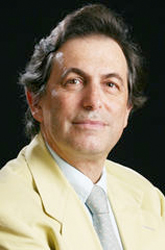 Dr. Roger Stupp[/caption]
MedicalResearch.com Interview with:
Roger Stupp, MD
Professor & Chairman
Department of Oncology & Cancer Center
University of Zurich & University Hospital Zurich (USZ)
Zürich / Switzerland
Medical Research: What is the background for this study?
Dr. Stupp: Tumor Treating Fields are an entirely novel modality in cancer treatment. Over 10 years ago researchers demonstrated that alternating electrical fields will block cell growth, interfere with organelle assembly, in particular perturb the spindle apparatus and cell division, all leading to mitotic arrest and ultimately apoptosis. This was shown in vitro, but importantly also in vivo animal models including not only mice and rats, but also hamsters and rabbits with deep seated solid tumours. So the question was whether we can demonstrate such an effect also in the clinic.
Glioblastoma are locally invasive and aggressive tumours in the brain. They usually do not metastasise however they grow diffusely within the CNS and despite the best possible surgery, radiation and chemotherapy virtually always recur. We thus applied alternating electrical fields therapy, so called Tumor Treating Fields to the scalp of patients with newly diagnosed glioblastoma. After the end of standard chemoradiotherapy (TMZ/RT), patients were randomized to receive either standard maintenance TMZ-chemotherapy alone or in combination with TTFields. Almost 700 patients were randomized, here we report on a preplanned interim analysis looking at the first 315 patients included once they were followed for at least 18 months. The data on the first 315 patients are mature and allowed the IDMC to conclude that the trial should be stopped and the results made available.
Medical Research: What are the main findings?
Dr. Stupp: The study demonstrated a consistent prolongation of both progression-free and also of overall survival for patients who have been treated with TTFields in addition to standard therapy. The median progression-free survival and overall survival were prolonged by 3 months, translating to an absolute increase in overall survival at 2 years of 14%, from 29% to 43%. Or a hazard ratio of 0.74 for overall survival and of 0.62 for progression-free survival.
Dr. Roger Stupp[/caption]
MedicalResearch.com Interview with:
Roger Stupp, MD
Professor & Chairman
Department of Oncology & Cancer Center
University of Zurich & University Hospital Zurich (USZ)
Zürich / Switzerland
Medical Research: What is the background for this study?
Dr. Stupp: Tumor Treating Fields are an entirely novel modality in cancer treatment. Over 10 years ago researchers demonstrated that alternating electrical fields will block cell growth, interfere with organelle assembly, in particular perturb the spindle apparatus and cell division, all leading to mitotic arrest and ultimately apoptosis. This was shown in vitro, but importantly also in vivo animal models including not only mice and rats, but also hamsters and rabbits with deep seated solid tumours. So the question was whether we can demonstrate such an effect also in the clinic.
Glioblastoma are locally invasive and aggressive tumours in the brain. They usually do not metastasise however they grow diffusely within the CNS and despite the best possible surgery, radiation and chemotherapy virtually always recur. We thus applied alternating electrical fields therapy, so called Tumor Treating Fields to the scalp of patients with newly diagnosed glioblastoma. After the end of standard chemoradiotherapy (TMZ/RT), patients were randomized to receive either standard maintenance TMZ-chemotherapy alone or in combination with TTFields. Almost 700 patients were randomized, here we report on a preplanned interim analysis looking at the first 315 patients included once they were followed for at least 18 months. The data on the first 315 patients are mature and allowed the IDMC to conclude that the trial should be stopped and the results made available.
Medical Research: What are the main findings?
Dr. Stupp: The study demonstrated a consistent prolongation of both progression-free and also of overall survival for patients who have been treated with TTFields in addition to standard therapy. The median progression-free survival and overall survival were prolonged by 3 months, translating to an absolute increase in overall survival at 2 years of 14%, from 29% to 43%. Or a hazard ratio of 0.74 for overall survival and of 0.62 for progression-free survival.
 Dr. Camron Bryant[/caption]
MedicalResearch.com Interview with:
Camron D. Bryant, Ph.D.
Assistant Professor
Laboratory of Addiction Genetics
Department of Pharmacology and Experimental Therapeutics & Psychiatry
Boston University School of Medicine
Boston, MA 02118
Medical Research: What is the background for this study? What are the main findings?
Dr. Bryant: The addictions, including addiction to psychostimulants such as methamphetamine and cocaine, are heritable neuropsychiatric disorders. However, the genetic factors underlying these disorders are almost completely unknown. We used an unbiased, discovery-based genetic approach to fine map a novel candidate genetic factor influencing the acute stimulant response to methamphetamine in mice. We then directly validated the causal genetic factor using a gene editing approach. The gene - Hnrnph1 (heterogeneous nuclear ribonucleoprotein H1) - codes for an RNA binding protein that is involved in alternative splicing of hundreds of genes in the brain. Based on a genome-wide transcriptome analysis of differentially expressed genes within the striatum - a crucial brain region involved in the stimulant properties of amphetamines - we predict that Hnrnph1 is essential for proper neural development of the dopamine circuitry in the brain. These findings could have implications for understanding not only the addictions but also other neuropsychiatric disordersthat involve perturbations in the dopaminergic circuitry. (e.g., ADHD and schizophrenia) as well as neurodegenerative disorders such as Parkinson's disease.
Dr. Camron Bryant[/caption]
MedicalResearch.com Interview with:
Camron D. Bryant, Ph.D.
Assistant Professor
Laboratory of Addiction Genetics
Department of Pharmacology and Experimental Therapeutics & Psychiatry
Boston University School of Medicine
Boston, MA 02118
Medical Research: What is the background for this study? What are the main findings?
Dr. Bryant: The addictions, including addiction to psychostimulants such as methamphetamine and cocaine, are heritable neuropsychiatric disorders. However, the genetic factors underlying these disorders are almost completely unknown. We used an unbiased, discovery-based genetic approach to fine map a novel candidate genetic factor influencing the acute stimulant response to methamphetamine in mice. We then directly validated the causal genetic factor using a gene editing approach. The gene - Hnrnph1 (heterogeneous nuclear ribonucleoprotein H1) - codes for an RNA binding protein that is involved in alternative splicing of hundreds of genes in the brain. Based on a genome-wide transcriptome analysis of differentially expressed genes within the striatum - a crucial brain region involved in the stimulant properties of amphetamines - we predict that Hnrnph1 is essential for proper neural development of the dopamine circuitry in the brain. These findings could have implications for understanding not only the addictions but also other neuropsychiatric disordersthat involve perturbations in the dopaminergic circuitry. (e.g., ADHD and schizophrenia) as well as neurodegenerative disorders such as Parkinson's disease.
 Dr. Meri Tulic[/caption]
MedicalResearch.com Interview with:
Meri K Tulic PhD
Université de Nice Sophia-Antipolis
Immune Tolerance
Nice, France
The International Inflammation 'in-FLAME' Network
Worldwide Universities Network
Medical Research: What is the background for this study? What are the main findings?
Dr. Tulic: We know that damaged epithelial gut barrier is a hallmark of gut inflammatory diseases including inflammatory bowel disease (IBD) and irritable bowel syndrome (IBS). It has been long known that respiratory allergens such as house-dust mites (HDM) are the main causes of epithelial destruction in the lungs and initiation of allergic airway disease such as asthma. We set out to test whether house-dust mites may also be present in the human gut and may contribute to intestinal barrier dysfunction. In this paper, we have shown that house-dust mites is found in the gastrointestinal system of ~50% of all healthy subjects tested and it has detrimental effect on gut barrier function. The mechanisms include its direct destruction of tight-junction proteins which normally hold adjoining epithelial cells together, resulting in increased gut permeability. This process is driven by cysteine-proteases contained within the mite. In healthy individuals this effect is likely to be regulated by increased production of regulatory IL-10 (an anti-inflammatory mediator); our preliminary data indicate that a defect in regulatory responses may exist in IBS patients.
Dr. Meri Tulic[/caption]
MedicalResearch.com Interview with:
Meri K Tulic PhD
Université de Nice Sophia-Antipolis
Immune Tolerance
Nice, France
The International Inflammation 'in-FLAME' Network
Worldwide Universities Network
Medical Research: What is the background for this study? What are the main findings?
Dr. Tulic: We know that damaged epithelial gut barrier is a hallmark of gut inflammatory diseases including inflammatory bowel disease (IBD) and irritable bowel syndrome (IBS). It has been long known that respiratory allergens such as house-dust mites (HDM) are the main causes of epithelial destruction in the lungs and initiation of allergic airway disease such as asthma. We set out to test whether house-dust mites may also be present in the human gut and may contribute to intestinal barrier dysfunction. In this paper, we have shown that house-dust mites is found in the gastrointestinal system of ~50% of all healthy subjects tested and it has detrimental effect on gut barrier function. The mechanisms include its direct destruction of tight-junction proteins which normally hold adjoining epithelial cells together, resulting in increased gut permeability. This process is driven by cysteine-proteases contained within the mite. In healthy individuals this effect is likely to be regulated by increased production of regulatory IL-10 (an anti-inflammatory mediator); our preliminary data indicate that a defect in regulatory responses may exist in IBS patients.
 Dr. Erik Alexander[/caption]
MedicalResearch.com Interview with:
Dr. Erik K. Alexander, MD FACP
Chief, Thyroid Section, Division of Endocrinology
Brigham & Women's Hospital
Associate Professor of Medicine, Harvard Medical School
Medical Research: What is the background for this study? What are the main findings?
Dr. Alexander: Thyroid nodular disease has become an increasingly common medical illness, with prevalence reported to range between 26-67% in the adult. Though advancing age is known to influence the formation of thyroid nodules, their precise relationship remains unclear. Furthermore, it is uncertain whether age influences the risk that any thyroid nodule may prove cancerous. Thus we conducted a study to determine the impact of patient age on nodule formation, the number of
Dr. Erik Alexander[/caption]
MedicalResearch.com Interview with:
Dr. Erik K. Alexander, MD FACP
Chief, Thyroid Section, Division of Endocrinology
Brigham & Women's Hospital
Associate Professor of Medicine, Harvard Medical School
Medical Research: What is the background for this study? What are the main findings?
Dr. Alexander: Thyroid nodular disease has become an increasingly common medical illness, with prevalence reported to range between 26-67% in the adult. Though advancing age is known to influence the formation of thyroid nodules, their precise relationship remains unclear. Furthermore, it is uncertain whether age influences the risk that any thyroid nodule may prove cancerous. Thus we conducted a study to determine the impact of patient age on nodule formation, the number of  Dr. Zaccardi[/caption]
MedicalResearch.com Interview with:
Francesco Zaccardi, MD
Diabetes Research Centre
Leicester General Hospital,
Leicester, United Kingdom
Medical Research: What is the background for this study?
Dr. Zaccardi: Nowadays there are different classes of drugs for the treatment of hyperglycaemia in patients with type 2 diabetes and, within the same class, multiple drugs are available.Glucagon-like peptide-1 receptors (GLP-1RAs) are a relatively new class of treatments that improve glucose control and reduce body weight, without an increased risk for hypoglycaemia. To date, however, no direct comparisons between once-weekly GLP-1RAs have been reported. In this view, the aim was to assess the comparative efficacy and safety profile of GLP-1RAs using a network meta-analysis, a methodology that allows the estimation of the comparative effectiveness of multiple treatments in the absence of direct evidence.
Medical Research: What are the main findings?
Dr. Zaccardi: There are several differences in the efficacy and safety profiles of once-weekly glucagon-like peptide-1 receptor agonists (GLP-1RAs). Some of these drugs evidenced a better glucose control or body weight reduction, while other had an increased risk of side effects, such as nausea. Compared to other once-weekly GLP-1RAs, dulaglutide 1.5mg, once weekly exenatide, and taspoglutide 20mg showed a greater reduction of HbA1c, fasting plasma glucose, and body weight. Marginal or no differences were found for blood pressure and blood lipid levels. While taspoglutide 20mg had the highest risk of nausea, the risk of hypoglycaemia among once-weekly GLP-1RAs was comparable.
Dr. Zaccardi[/caption]
MedicalResearch.com Interview with:
Francesco Zaccardi, MD
Diabetes Research Centre
Leicester General Hospital,
Leicester, United Kingdom
Medical Research: What is the background for this study?
Dr. Zaccardi: Nowadays there are different classes of drugs for the treatment of hyperglycaemia in patients with type 2 diabetes and, within the same class, multiple drugs are available.Glucagon-like peptide-1 receptors (GLP-1RAs) are a relatively new class of treatments that improve glucose control and reduce body weight, without an increased risk for hypoglycaemia. To date, however, no direct comparisons between once-weekly GLP-1RAs have been reported. In this view, the aim was to assess the comparative efficacy and safety profile of GLP-1RAs using a network meta-analysis, a methodology that allows the estimation of the comparative effectiveness of multiple treatments in the absence of direct evidence.
Medical Research: What are the main findings?
Dr. Zaccardi: There are several differences in the efficacy and safety profiles of once-weekly glucagon-like peptide-1 receptor agonists (GLP-1RAs). Some of these drugs evidenced a better glucose control or body weight reduction, while other had an increased risk of side effects, such as nausea. Compared to other once-weekly GLP-1RAs, dulaglutide 1.5mg, once weekly exenatide, and taspoglutide 20mg showed a greater reduction of HbA1c, fasting plasma glucose, and body weight. Marginal or no differences were found for blood pressure and blood lipid levels. While taspoglutide 20mg had the highest risk of nausea, the risk of hypoglycaemia among once-weekly GLP-1RAs was comparable.