[caption id="attachment_19838" align="alignleft" width="200"]

Dr. Melody Ding[/caption]
MedicalResearch.com Interview with:
Ding Ding (Melody), Ph.D., MPH
NHMRC Early Career Senior Research Fellow
Sydney University Postdoctoral Research Fellow
Prevention Research Collaboration
Sydney School of Public Health
The University of Sydney
Medical Research: What is the background for this study? What are the main findings?
Response: The study followed a large sample (around 200,000) of Australian adults aged 45 or older. Participants reported their lifestyle behaviours (smoking, excessive alcohol use, physical inactivity, unhealthy diet, prolonged sitting, short/long sleep duration) at baseline (2006-2009) and were followed up for around 6 years (up to June 2014). Based on linked administrative data (death records), we found a clear relationship between the total number of lifestyle risk behaviours and the risk of mortality---the more risk behaviours, the higher risk for mortality. This pattern of associations was consistent in men and women, participants in different age groups, of different socioeconomic status, and with and without major chronic disease.
Certain behavioural risk factors have synergistic associations with mortality and appear more harmful together than individually. For example, if people only sit for long hours (defined as >7 hours a day), without having other co-occurring risk behaviours, the risk for mortality was only elevated by 15%, and if people are only physically inactive without having other co-occurring risk behaviours, the risk for mortality was elevated by 60%. However when the two risk factors were combined, say if one is not physically active AND
sit for long hours, the combined risk has become much larger (increased by 140%, compared with those with zero risk behaviours). Similarly, the combination of smoking and excessive alcohol use appeared a lot more “deadly” than the two risk factors alone.

 Dr. Franco Radaelli[/caption]
MedicalResearch.com Interview with:
Dr Franco Radaelli
Division of Digestive Endoscopy and Gastroenterology
Valduce Hospital
Como, Italy
Medical Research: What is the background for this study?
Dr. Radaelli: Split regimens of bowel preparation are strongly recommended by European and American Guidelines as they have been associated with a higher level of colon cleansing. However, there is still uncertainty on whether the higher level of cleansing associated with a split regimen also results in a higher proportion of subjects with at least one adenoma (adenoma detection rate, ADR), that represents by far a more relevant quality indicator than the level of cleansing itself.
On this background, we designed a randomized investigator-blinded controlled trial to evaluate whether a “split regimen” of low-volume 2-L PEG-ascorbate solution was superior to the traditional “full dose, the day before regimen” in terms of ADR. Differently from other studies on bowel preparation, we considered adenoma detection rate instead of the level of colon cleansing, the primary study end-point, and we designed the sample size accordingly. A precise estimation of the sample size was facilitated by including an homogeneous population of asymptomatic subjects undergoing first colonoscopy after positive-FIT within CRC organized screening program. Besides, ADR represents a very solid end-point due to the very low inter-pathology variability in the differential diagnosis between neoplastic and non-neoplastic lesions, while the assessment of the level of cleansing is hampered by unavoidable degree of subjectivity and higher degree of inter-operator variability.
Dr. Franco Radaelli[/caption]
MedicalResearch.com Interview with:
Dr Franco Radaelli
Division of Digestive Endoscopy and Gastroenterology
Valduce Hospital
Como, Italy
Medical Research: What is the background for this study?
Dr. Radaelli: Split regimens of bowel preparation are strongly recommended by European and American Guidelines as they have been associated with a higher level of colon cleansing. However, there is still uncertainty on whether the higher level of cleansing associated with a split regimen also results in a higher proportion of subjects with at least one adenoma (adenoma detection rate, ADR), that represents by far a more relevant quality indicator than the level of cleansing itself.
On this background, we designed a randomized investigator-blinded controlled trial to evaluate whether a “split regimen” of low-volume 2-L PEG-ascorbate solution was superior to the traditional “full dose, the day before regimen” in terms of ADR. Differently from other studies on bowel preparation, we considered adenoma detection rate instead of the level of colon cleansing, the primary study end-point, and we designed the sample size accordingly. A precise estimation of the sample size was facilitated by including an homogeneous population of asymptomatic subjects undergoing first colonoscopy after positive-FIT within CRC organized screening program. Besides, ADR represents a very solid end-point due to the very low inter-pathology variability in the differential diagnosis between neoplastic and non-neoplastic lesions, while the assessment of the level of cleansing is hampered by unavoidable degree of subjectivity and higher degree of inter-operator variability.
 Dr. De Brito[/caption]
MedicalResearch.com Interview with:
Stephane De Brito, PhD
Birmingham Fellow
School of Psychology
Robert Aitken Building, Room 337a
University of Birmingham UK
Medical Research: What is the background for this study? What are the main findings?
Dr. De Brito: In the last decade, an increasing number of neuroimaging studies have used structural magnetic resonance imaging (sMRI) to examine the brains of youths who show behavioural problems that include antisocial and aggressive behaviour. Those studies have mostly relied on a method called voxel-based morphometry (or VBM), which is a whole-brain and automated technique that allows researchers to objectively assess the local composition of brain tissue, such as grey matter volume. The main problem is that the findings from those sMRI studies have been quite disparate and few have been replicated, partly due to differences in sample sizes and characteristics across studies. Therefore, we set out to carry out a meta-analysis of the available data to provide a clearer account of the literature on this topic. A particular strength of our meta-analysis is that we used the original brain imaging maps (also referred to as statistical parametric maps) from 11 of the 13 studies, which makes our analysis more accurate and reliable. The final sample comprised of 394 youths with behavioural problems and 350 typically developing youths, making it the largest study on this topic to date.
Our results showed that, compared to typically developing youths, those with behavioural problems show reduced grey matter volume in the amygdala, the insula, and the prefrontal cortex. These brain areas have been shown to be important for decision-making, empathic responses, processing facial expressions and emotion regulation; key cognitive and affective processes that are shown to be deficient in youths with behavioural problems.
Dr. De Brito[/caption]
MedicalResearch.com Interview with:
Stephane De Brito, PhD
Birmingham Fellow
School of Psychology
Robert Aitken Building, Room 337a
University of Birmingham UK
Medical Research: What is the background for this study? What are the main findings?
Dr. De Brito: In the last decade, an increasing number of neuroimaging studies have used structural magnetic resonance imaging (sMRI) to examine the brains of youths who show behavioural problems that include antisocial and aggressive behaviour. Those studies have mostly relied on a method called voxel-based morphometry (or VBM), which is a whole-brain and automated technique that allows researchers to objectively assess the local composition of brain tissue, such as grey matter volume. The main problem is that the findings from those sMRI studies have been quite disparate and few have been replicated, partly due to differences in sample sizes and characteristics across studies. Therefore, we set out to carry out a meta-analysis of the available data to provide a clearer account of the literature on this topic. A particular strength of our meta-analysis is that we used the original brain imaging maps (also referred to as statistical parametric maps) from 11 of the 13 studies, which makes our analysis more accurate and reliable. The final sample comprised of 394 youths with behavioural problems and 350 typically developing youths, making it the largest study on this topic to date.
Our results showed that, compared to typically developing youths, those with behavioural problems show reduced grey matter volume in the amygdala, the insula, and the prefrontal cortex. These brain areas have been shown to be important for decision-making, empathic responses, processing facial expressions and emotion regulation; key cognitive and affective processes that are shown to be deficient in youths with behavioural problems.
 Dr. Röllig[/caption]
MedicalResearch.com Interview with:
Dr. Christoph Röllig
Medizinische Klinik und Poliklinik I
Universitätsklinikum der Technischen Universitä
Dresden, Germany
Medical Research: What is the background for this study? What are the main findings?
Dr. Röllig: When this trial began in 2009, standard treatment for Acute Myelogenous Leukemia (AML) consisted of a combination of cytarabine plus anthracyclin/anthracendion and the need for improvement was obvious in the light of only around 50% long-term survivors even amongst younger patients. Although a promising approach, the use of kinase inhibitors in AML had not been shown to be beneficial and was not widely used. Sorafenib had been shown to be tolerable as single agent and in combination with commonly used chemotherapeutic agents. The results of the trial show that the addition of sorafenib to standard chemotherapy for newly diagnosed AML patients up to the age of 60 years is associated with significant prolongation of event-free survival and relapse-free survival compared to placebo plus standard chemotherapy. That means that patient who took sorafenib had less AML relapses.
To our knowledge, this is the first randomized-controlled showing that integrating a kinase inhibitor into standard intensive chemotherapy of younger patients with AML is associated with significant improvement of relapse-free survival, with no increase in treatment-related mortality. After a decade of evaluating the potential of kinase inhibitors in
Dr. Röllig[/caption]
MedicalResearch.com Interview with:
Dr. Christoph Röllig
Medizinische Klinik und Poliklinik I
Universitätsklinikum der Technischen Universitä
Dresden, Germany
Medical Research: What is the background for this study? What are the main findings?
Dr. Röllig: When this trial began in 2009, standard treatment for Acute Myelogenous Leukemia (AML) consisted of a combination of cytarabine plus anthracyclin/anthracendion and the need for improvement was obvious in the light of only around 50% long-term survivors even amongst younger patients. Although a promising approach, the use of kinase inhibitors in AML had not been shown to be beneficial and was not widely used. Sorafenib had been shown to be tolerable as single agent and in combination with commonly used chemotherapeutic agents. The results of the trial show that the addition of sorafenib to standard chemotherapy for newly diagnosed AML patients up to the age of 60 years is associated with significant prolongation of event-free survival and relapse-free survival compared to placebo plus standard chemotherapy. That means that patient who took sorafenib had less AML relapses.
To our knowledge, this is the first randomized-controlled showing that integrating a kinase inhibitor into standard intensive chemotherapy of younger patients with AML is associated with significant improvement of relapse-free survival, with no increase in treatment-related mortality. After a decade of evaluating the potential of kinase inhibitors in  Dr. Frans Boch Waldorff[/caption]
 Dr. Chia-Yu Chu[/caption]
MedicalResearch.com Interview with:
Chia-Yu Chu, MD, PhD
Associate Professor, Department of Dermatology
National Taiwan University Hospital
Medical Research: What is the background for this study? What are the main findings?
Dr. Chia-Yu Chu: It has been well known that EGFR TKIs could cause skin toxicities (acneiform eruptions, pruritus, xerosis and paronychia). However, incidences of these skin toxicities have varied according to the different clinical trials, some of which even simply use “skin rash” instead of specific cutaneous findings in the reports.
Afatinib, in contrast to first generation EGFR TKIs like gefitinib and erlotinib, is a second generation EGFR TKI with irreversible inhibition to not only EGFR, but also HER2 and ErbB4. Whether afatinib cause more skin toxicities remained unknown.
Many of our patients received 2 or even 3 different EGFR TKIs with adequate drug exposure and washout period. Therefore, we had an opportunity to compare skin toxicities in “same patients” receiving different EGFR TKIs, and we found that around 30% of patients receiving afatinib developed paronychia whereas only 10% in gefetinib or erlotinib. This was the only significant difference between the 3 drugs. We also found afatinib treated patients needed significantly more dermatologic visits within 180 days of treatments and the reason was due to higher incidence of afatinib-related paronychia. Interestingly, regardless of causative agents, once skin toxicities developed they could be managed effectively in the same manners.
Dr. Chia-Yu Chu[/caption]
MedicalResearch.com Interview with:
Chia-Yu Chu, MD, PhD
Associate Professor, Department of Dermatology
National Taiwan University Hospital
Medical Research: What is the background for this study? What are the main findings?
Dr. Chia-Yu Chu: It has been well known that EGFR TKIs could cause skin toxicities (acneiform eruptions, pruritus, xerosis and paronychia). However, incidences of these skin toxicities have varied according to the different clinical trials, some of which even simply use “skin rash” instead of specific cutaneous findings in the reports.
Afatinib, in contrast to first generation EGFR TKIs like gefitinib and erlotinib, is a second generation EGFR TKI with irreversible inhibition to not only EGFR, but also HER2 and ErbB4. Whether afatinib cause more skin toxicities remained unknown.
Many of our patients received 2 or even 3 different EGFR TKIs with adequate drug exposure and washout period. Therefore, we had an opportunity to compare skin toxicities in “same patients” receiving different EGFR TKIs, and we found that around 30% of patients receiving afatinib developed paronychia whereas only 10% in gefetinib or erlotinib. This was the only significant difference between the 3 drugs. We also found afatinib treated patients needed significantly more dermatologic visits within 180 days of treatments and the reason was due to higher incidence of afatinib-related paronychia. Interestingly, regardless of causative agents, once skin toxicities developed they could be managed effectively in the same manners.
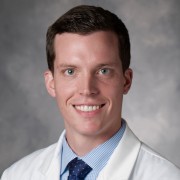 Dr. Kevin Nead[/caption]
MedicalResearch.com Interview with:
Kevin T. Nead, MD, MPhil
Dept. of Radiation Oncology
Perelman School of Medicine
University of Pennsylvania
MedicalResearch: What is the background for this study? What are the main findings?
Dr. Nead: There are a growing number of studies suggesting that the use of Androgen Deprivation Therapy (ADT) may be associated with cognitive changes and some of these changes overlap with characteristic features of Alzheimer’s disease. In addition, low testosterone levels have been associated with Alzheimer’s disease risk and ADT lowers testosterone levels. Despite these findings, we could not identify any studies examining the association between ADT and Alzheimer’s disease risk. We therefore felt this study could make an important contribution in guiding future research to fully understand the relative risks and benefits of ADT.
We examined electronic medical record data from Stanford University and Mt. Sinai hospitals to identify a cohort of 16,888 patients with prostate cancer. We found that men with prostate cancer who received Androgen Deprivation Therapy were more likely to develop Alzheimer’s disease than men who did not receive
Dr. Kevin Nead[/caption]
MedicalResearch.com Interview with:
Kevin T. Nead, MD, MPhil
Dept. of Radiation Oncology
Perelman School of Medicine
University of Pennsylvania
MedicalResearch: What is the background for this study? What are the main findings?
Dr. Nead: There are a growing number of studies suggesting that the use of Androgen Deprivation Therapy (ADT) may be associated with cognitive changes and some of these changes overlap with characteristic features of Alzheimer’s disease. In addition, low testosterone levels have been associated with Alzheimer’s disease risk and ADT lowers testosterone levels. Despite these findings, we could not identify any studies examining the association between ADT and Alzheimer’s disease risk. We therefore felt this study could make an important contribution in guiding future research to fully understand the relative risks and benefits of ADT.
We examined electronic medical record data from Stanford University and Mt. Sinai hospitals to identify a cohort of 16,888 patients with prostate cancer. We found that men with prostate cancer who received Androgen Deprivation Therapy were more likely to develop Alzheimer’s disease than men who did not receive  Dr. Bette Liu[/caption]
MedicalResearch.com Interview with:
Dr Bette Liu MD PhD
University of New South Wales
Sydney, NSW
Medical Research: What is the background for this study? What are the main findings?
Dr. Liu: There is a generally held belief that being happier makes you live longer. We wanted to look at this question. We examined over 700,000 women enrolled in the UK Million Women Study. We found that being in poor health was associated with being unhappy but after accounting for an individuals poor health, unhappiness in itself was not associated with an increased risk of death. This finding was true for overall deaths, for deaths from heart disease and from cancer and it was true for stress as well as for unhappiness.
Dr. Bette Liu[/caption]
MedicalResearch.com Interview with:
Dr Bette Liu MD PhD
University of New South Wales
Sydney, NSW
Medical Research: What is the background for this study? What are the main findings?
Dr. Liu: There is a generally held belief that being happier makes you live longer. We wanted to look at this question. We examined over 700,000 women enrolled in the UK Million Women Study. We found that being in poor health was associated with being unhappy but after accounting for an individuals poor health, unhappiness in itself was not associated with an increased risk of death. This finding was true for overall deaths, for deaths from heart disease and from cancer and it was true for stress as well as for unhappiness.
 Dr. McHugh[/caption]
MedicalResearch.com Interview with:
Leo McHugh, Ph.D.
Director, Bioinformatics
Immunexpress
Seattle, Washington
Medical Research: What is the background for this study? What are the main findings?
Dr. McHugh: Sepsis is the leading cause of child mortality in the world, and in developing countries kills more adults than breast cancer, prostate cancer and HIV combined. Approximately 30% of people admitted to ICU have sepsis, and up to 50% of these patients die. It’s a major cost burden also, costing the US health system $17 billion per year. The best way to reduce costs and improve patient outcomes is to detect sepsis early and with confidence, so that appropriate treatments can be applied. Each hour delay in the detection of sepsis has been reported to correspond to an 8% increase in mortality. So the need for a rapid and accurate diagnostic is recognized. Traditional methods rely on detection of the specific pathogen causing the infection, and these methods often take more than 24 hours, and find a pathogen in only 30% of clinically confirmed cases because they’re trying to detect a minuscule amount of pathogen or pathogenic product in the blood. Our approach was to use the host’s own immune system, which is highly tuned to respond to the presence of pathogens. Around 30% of all genes are dysregulated in sepsis, so there is a huge signal base to draw from. The trick with using multi marker host response is to pick out the specific combination of gene expression patterns that cover the broad range of patients that present with sepsis and who may present either early or late in the episode, thus with different gene activation patterns.
This paper describes a simple combination of such genes that can be used to detect sepsis and performs over the full range of patients irrespective of stage of infection or severity of infection. In it’s current format, the test is manual and takes 4-6 hours, and is a great advance on the current tools, however the methods we’ve used are specifically designed to meet requirements to port this assay onto a fully automated Point of Care platform that could deliver a result in under 90 minutes.
Dr. McHugh[/caption]
MedicalResearch.com Interview with:
Leo McHugh, Ph.D.
Director, Bioinformatics
Immunexpress
Seattle, Washington
Medical Research: What is the background for this study? What are the main findings?
Dr. McHugh: Sepsis is the leading cause of child mortality in the world, and in developing countries kills more adults than breast cancer, prostate cancer and HIV combined. Approximately 30% of people admitted to ICU have sepsis, and up to 50% of these patients die. It’s a major cost burden also, costing the US health system $17 billion per year. The best way to reduce costs and improve patient outcomes is to detect sepsis early and with confidence, so that appropriate treatments can be applied. Each hour delay in the detection of sepsis has been reported to correspond to an 8% increase in mortality. So the need for a rapid and accurate diagnostic is recognized. Traditional methods rely on detection of the specific pathogen causing the infection, and these methods often take more than 24 hours, and find a pathogen in only 30% of clinically confirmed cases because they’re trying to detect a minuscule amount of pathogen or pathogenic product in the blood. Our approach was to use the host’s own immune system, which is highly tuned to respond to the presence of pathogens. Around 30% of all genes are dysregulated in sepsis, so there is a huge signal base to draw from. The trick with using multi marker host response is to pick out the specific combination of gene expression patterns that cover the broad range of patients that present with sepsis and who may present either early or late in the episode, thus with different gene activation patterns.
This paper describes a simple combination of such genes that can be used to detect sepsis and performs over the full range of patients irrespective of stage of infection or severity of infection. In it’s current format, the test is manual and takes 4-6 hours, and is a great advance on the current tools, however the methods we’ve used are specifically designed to meet requirements to port this assay onto a fully automated Point of Care platform that could deliver a result in under 90 minutes.
 Dr. Susana Puig[/caption]
MedicalResearch.com Interview with:
Susana Puig MD PhD
Chief Dermatology Service
Research Director
"Melanoma: Imaging, genetics and immunology" at IDIBAPS
Consultant & Assistant Professor
Melanoma Unit, Dermatology Department
Hospital Clinic, University of Barcelona
Barcelona Spain
Medical Research: What is the background for this study? What are the main findings?
Dr. Puig: CDKN2A is the main high-penetrance melanoma susceptibility gene. A rare functional variant in MITF, p.E318K (rs149617956), has been identified as a moderate risk allele in melanoma susceptibility and also predisposes to renal cell carcinoma.
In this study MITF p.E318K was associated with an increased melanoma risk (OR=3.3, p<0.01), especially in patients with multiple primary melanoma (OR=4.5, p<0.01) and high nevi count (>200 nevi) (OR=8.4, p<0.01). Interestingly, two fast growing melanomas were detected among two MITF p.E318K carriers during dermatologic digital follow-up. Furthermore, we have detected a similar prevalence of MITF p.E318K in CDKN2A wild-type and mutated individuals.
Dr. Susana Puig[/caption]
MedicalResearch.com Interview with:
Susana Puig MD PhD
Chief Dermatology Service
Research Director
"Melanoma: Imaging, genetics and immunology" at IDIBAPS
Consultant & Assistant Professor
Melanoma Unit, Dermatology Department
Hospital Clinic, University of Barcelona
Barcelona Spain
Medical Research: What is the background for this study? What are the main findings?
Dr. Puig: CDKN2A is the main high-penetrance melanoma susceptibility gene. A rare functional variant in MITF, p.E318K (rs149617956), has been identified as a moderate risk allele in melanoma susceptibility and also predisposes to renal cell carcinoma.
In this study MITF p.E318K was associated with an increased melanoma risk (OR=3.3, p<0.01), especially in patients with multiple primary melanoma (OR=4.5, p<0.01) and high nevi count (>200 nevi) (OR=8.4, p<0.01). Interestingly, two fast growing melanomas were detected among two MITF p.E318K carriers during dermatologic digital follow-up. Furthermore, we have detected a similar prevalence of MITF p.E318K in CDKN2A wild-type and mutated individuals.
 Prof. Jagger[/caption]
MedicalResearch.com Interview with:
Prof. Carol Jagger
AXA Professor of Epidemiology of Ageing and
Deputy Director of the Newcastle University Institute for Ageing (NUIA)
Institute of Health & Society
Campus for Ageing and Vitality
Newcastle upon Tyne
Medical Research: What is the background for this study?
Prof. Jagger: Although we know that life expectancy at older ages is increasing, there is still uncertainty about whether the extra years are healthy ones. Our results are based on data from the Cognitive Function and Ageing Studies (CFASI and II), two cohorts of people aged 65 years and over in three centres in England (Cambridgeshire, Newcastle and Nottingham) who were interviewed in 1991 and 2011. The participants, over 7000 people in each study, were recruited from general practices in the area and included those living in care homes to ensure our results reflect the total older population.
Medical Research: What are the main findings?
Prof. Jagger: We used three health measures to calculate the health expectancies at age 65: cognitive impairment, self-perceived health and
Prof. Jagger[/caption]
MedicalResearch.com Interview with:
Prof. Carol Jagger
AXA Professor of Epidemiology of Ageing and
Deputy Director of the Newcastle University Institute for Ageing (NUIA)
Institute of Health & Society
Campus for Ageing and Vitality
Newcastle upon Tyne
Medical Research: What is the background for this study?
Prof. Jagger: Although we know that life expectancy at older ages is increasing, there is still uncertainty about whether the extra years are healthy ones. Our results are based on data from the Cognitive Function and Ageing Studies (CFASI and II), two cohorts of people aged 65 years and over in three centres in England (Cambridgeshire, Newcastle and Nottingham) who were interviewed in 1991 and 2011. The participants, over 7000 people in each study, were recruited from general practices in the area and included those living in care homes to ensure our results reflect the total older population.
Medical Research: What are the main findings?
Prof. Jagger: We used three health measures to calculate the health expectancies at age 65: cognitive impairment, self-perceived health and  Dr. McCoy[/caption]
MedicalResearch.com Interview with:
Rozalina G. McCoy, M.D.
Senior Associate Consultant
Division of Primary Care Internal Medicine
Assistant Professor of Medicine
Mayo Clinic
Medical Research: What is the background for this study? What are the main findings?
Dr. McCoy: Blood glucose monitoring is an integral component of managing diabetes. Glycosylated hemoglobin (HbA1c) is a measure of average glycemia over approximately 3 months, and is used in routine clinical practice to monitor and adjust treatment with glucose-lowering medications. However, monitoring and treatment protocols are not well defined by professional societies and regulatory bodies; while lower thresholds of testing frequencies are often discussed, the upper boundaries are rarely mentioned. Most agree that for adult patients who are not using insulin, have stable glycemic control within the recommended targets, and have no history of severe hypoglycemia or hyperglycemia, checking once or twice a year should suffice. Yet in practice, there is a much higher prevalence of excess testing. We believe that such over-testing results in redundancy and waste, adding unnecessary costs and burdens for patients and the health care system.
We therefore conducted a large retrospective study among 31,545 adults across the U.S. with stable and controlled type 2 diabetes who had HbA1c less than 7% without use of insulin and without documented severe hypoglycemia or hyperglycemia. We found that 55% of patients had their HbA1c checked 3-4 times per year, and 6% had it checked 5 times a year or more. Such excessive testing had additional harms as well – we found that excessive testing was associated with greater risk of treatment intensification despite the fact that all patients in the study already met glycemic targets by having HbA1c under 7%. Indeed, treatment was intensified by addition of more glucose lowering drugs or insulin in 8.4% of patients (comprising 13%, 9%, and 7% of those tested 5 or more times per year; 3-4 times per year; and 1-2 times per year, respectively).
Dr. McCoy[/caption]
MedicalResearch.com Interview with:
Rozalina G. McCoy, M.D.
Senior Associate Consultant
Division of Primary Care Internal Medicine
Assistant Professor of Medicine
Mayo Clinic
Medical Research: What is the background for this study? What are the main findings?
Dr. McCoy: Blood glucose monitoring is an integral component of managing diabetes. Glycosylated hemoglobin (HbA1c) is a measure of average glycemia over approximately 3 months, and is used in routine clinical practice to monitor and adjust treatment with glucose-lowering medications. However, monitoring and treatment protocols are not well defined by professional societies and regulatory bodies; while lower thresholds of testing frequencies are often discussed, the upper boundaries are rarely mentioned. Most agree that for adult patients who are not using insulin, have stable glycemic control within the recommended targets, and have no history of severe hypoglycemia or hyperglycemia, checking once or twice a year should suffice. Yet in practice, there is a much higher prevalence of excess testing. We believe that such over-testing results in redundancy and waste, adding unnecessary costs and burdens for patients and the health care system.
We therefore conducted a large retrospective study among 31,545 adults across the U.S. with stable and controlled type 2 diabetes who had HbA1c less than 7% without use of insulin and without documented severe hypoglycemia or hyperglycemia. We found that 55% of patients had their HbA1c checked 3-4 times per year, and 6% had it checked 5 times a year or more. Such excessive testing had additional harms as well – we found that excessive testing was associated with greater risk of treatment intensification despite the fact that all patients in the study already met glycemic targets by having HbA1c under 7%. Indeed, treatment was intensified by addition of more glucose lowering drugs or insulin in 8.4% of patients (comprising 13%, 9%, and 7% of those tested 5 or more times per year; 3-4 times per year; and 1-2 times per year, respectively).
 Dr. Cleynen[/caption]
MedicalResearch.com Interview with:
Isabelle Cleynen PhD
University of Leuven
Medical Research: What is the background for this study? What are the main findings?
Dr. Cleynen : Ulcerative colitis and Crohn’s disease, together inflammatory bowel disease (IBD), are characterized by chronic inflammation of the gastrointestinal tract. Treatment for IBD usually involves drug therapy including anti-inflammatory drugs and immune system repressors, amongst which biologics as the anti-TNF antibodies used for patients with moderate to severe IBD. Although these TNF-blocking drugs are effective in many patients with immune-mediated disorders like psoriasis, rheumatoid arthritis and spondylarthropathies, and IBD, several case reports and series showed that some patients developed troubling skin problems (including psoriasis and eczema), causing them to stop the anti-TNF treatment. It is however not clear how often these skin problems develop in IBD patients treated with anti-TNF, and what could be the predisposing factors.
In a retrospective cohort of 917
Dr. Cleynen[/caption]
MedicalResearch.com Interview with:
Isabelle Cleynen PhD
University of Leuven
Medical Research: What is the background for this study? What are the main findings?
Dr. Cleynen : Ulcerative colitis and Crohn’s disease, together inflammatory bowel disease (IBD), are characterized by chronic inflammation of the gastrointestinal tract. Treatment for IBD usually involves drug therapy including anti-inflammatory drugs and immune system repressors, amongst which biologics as the anti-TNF antibodies used for patients with moderate to severe IBD. Although these TNF-blocking drugs are effective in many patients with immune-mediated disorders like psoriasis, rheumatoid arthritis and spondylarthropathies, and IBD, several case reports and series showed that some patients developed troubling skin problems (including psoriasis and eczema), causing them to stop the anti-TNF treatment. It is however not clear how often these skin problems develop in IBD patients treated with anti-TNF, and what could be the predisposing factors.
In a retrospective cohort of 917  Dr. Douglas A. Mata Harvard Medical School[/caption]
Douglas A. Mata, M.D., M.P.H.
Anatomic and Clinical Pathology
Resident Physician, Brigham & Women’s Hospital
Clinical Fellow, Harvard Medical School
Boston, MA 02115
Marco A. Ramos, M.Phil., M.S.Ed.
History of Science and Medicine
M.D./Ph.D. Candidate, Yale School of Medicine
New Haven, CT 06511
Medical Research: What is the background for your study?
Dr. Mata: Training to be a doctor is clearly stressful, but the prevalence of depression among trainees is not well known. They may get especially depressed during their grueling years of residency, when young physicians are learning their craft by working long hours and taking care of critically ill patients. Coming up with a reliable estimate of the prevalence of depression among graduate medical trainees would help us identify causes of resident depression and begin to treat or prevent it. We thus aimed to find answers to two questions:
Dr. Douglas A. Mata Harvard Medical School[/caption]
Douglas A. Mata, M.D., M.P.H.
Anatomic and Clinical Pathology
Resident Physician, Brigham & Women’s Hospital
Clinical Fellow, Harvard Medical School
Boston, MA 02115
Marco A. Ramos, M.Phil., M.S.Ed.
History of Science and Medicine
M.D./Ph.D. Candidate, Yale School of Medicine
New Haven, CT 06511
Medical Research: What is the background for your study?
Dr. Mata: Training to be a doctor is clearly stressful, but the prevalence of depression among trainees is not well known. They may get especially depressed during their grueling years of residency, when young physicians are learning their craft by working long hours and taking care of critically ill patients. Coming up with a reliable estimate of the prevalence of depression among graduate medical trainees would help us identify causes of resident depression and begin to treat or prevent it. We thus aimed to find answers to two questions:
 Dr. Sondheimer[/caption]
MedicalResearch.com Interview with:
Henry Sondheimer, MD
Senior director of student affairs
American Association of Medical Colleges
Medical Research: What is the background for this study? What are the main findings?
Dr. Sondheimer: The background for this study in JAMA's Med Ed issue of December 8th is that a group of the medical schools' deans asked us (AAMC staff) in 2014 whether there was a differential in placement of African-American, Hispanic, and Native American graduates into Graduate Medical Education at the time of their graduation from medical school. In fact, as shown in this short paper, there is a difference with more current graduates from the under-represented in medicine graduates not beginning their GME immediately post-graduation. However, over time this difference diminishes substantially but does not disappear completely.
Dr. Sondheimer[/caption]
MedicalResearch.com Interview with:
Henry Sondheimer, MD
Senior director of student affairs
American Association of Medical Colleges
Medical Research: What is the background for this study? What are the main findings?
Dr. Sondheimer: The background for this study in JAMA's Med Ed issue of December 8th is that a group of the medical schools' deans asked us (AAMC staff) in 2014 whether there was a differential in placement of African-American, Hispanic, and Native American graduates into Graduate Medical Education at the time of their graduation from medical school. In fact, as shown in this short paper, there is a difference with more current graduates from the under-represented in medicine graduates not beginning their GME immediately post-graduation. However, over time this difference diminishes substantially but does not disappear completely.
 Halle Amick[/caption]
MedicalResearch.com Interview with:
Halle Amick, research associate
Sheps Center for Health Services Research
University of North Carolina at Chapel Hill
Chapel Hill, NC
Medical Research: What is the background for this study? What are the main findings?
Response: Major depressive disorder (MDD) affects more than 32 million Americans and millions more worldwide. Many patients first seek care from a primary care provider, and the most common treatment initiated in that setting is medication. Although there is an evidence base that shows certain psychotherapies to be effective treatments, primary care providers may not be familiar enough with psychotherapy to present it as a treatment option. We conducted a full review of clinical trials that compared antidepressant medication—specifically second-generation antidepressants (SGAs)—with cognitive behavioral therapy (CBT).
We found that symptom improvement and rate of remission were similar between SGAs and CBT, whether they were used alone or in combination with each other. We also found no difference in the rates of withdrawal from the clinical trials either overall or due to adverse events.
Halle Amick[/caption]
MedicalResearch.com Interview with:
Halle Amick, research associate
Sheps Center for Health Services Research
University of North Carolina at Chapel Hill
Chapel Hill, NC
Medical Research: What is the background for this study? What are the main findings?
Response: Major depressive disorder (MDD) affects more than 32 million Americans and millions more worldwide. Many patients first seek care from a primary care provider, and the most common treatment initiated in that setting is medication. Although there is an evidence base that shows certain psychotherapies to be effective treatments, primary care providers may not be familiar enough with psychotherapy to present it as a treatment option. We conducted a full review of clinical trials that compared antidepressant medication—specifically second-generation antidepressants (SGAs)—with cognitive behavioral therapy (CBT).
We found that symptom improvement and rate of remission were similar between SGAs and CBT, whether they were used alone or in combination with each other. We also found no difference in the rates of withdrawal from the clinical trials either overall or due to adverse events.
 Dr. David Ouyang[/caption]
MedicalResearch.com Interview with:
David Ouyang MD
Department of Internal Medicine
Stanford University School of Medicine
Stanford, California
Medical Research: What is the background for this study? What are the main findings?
Dr. Ouyang: In American teaching hospitals, trainee resident physicians are an integral part of the medical team in performing procedures, writing notes, and coordinating care. As more care is being facilitated by electronic medical record (EMR) systems, we are just now finally able to understand how much residents work and how residents spend their time. In our study, we examined the types and timing of electronic actions performed on the EMR system by residents and found that residents spend about a third (36%) of their day in front of the computer and frequently perform many simultaneous tasks across the charts of multiple patients. Additionally, residents often do work long hours, with a median of 69.2 hours per week when on the inpatient medicine service.
Dr. David Ouyang[/caption]
MedicalResearch.com Interview with:
David Ouyang MD
Department of Internal Medicine
Stanford University School of Medicine
Stanford, California
Medical Research: What is the background for this study? What are the main findings?
Dr. Ouyang: In American teaching hospitals, trainee resident physicians are an integral part of the medical team in performing procedures, writing notes, and coordinating care. As more care is being facilitated by electronic medical record (EMR) systems, we are just now finally able to understand how much residents work and how residents spend their time. In our study, we examined the types and timing of electronic actions performed on the EMR system by residents and found that residents spend about a third (36%) of their day in front of the computer and frequently perform many simultaneous tasks across the charts of multiple patients. Additionally, residents often do work long hours, with a median of 69.2 hours per week when on the inpatient medicine service.
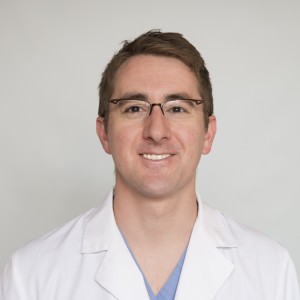 Dr. Daniel Friedman[/caption]
MedicalResearch.com Interview with:
Daniel Friedman, MD
Cardiology Fellow
Duke University Hospital
Durham, North Carolina
MedicalResearch: What is the background for this study? What are the main findings?
Dr. Friedman: Cardiac resynchronization therapy (CRT) has been demonstrated to reduce heart failure hospitalizations, heart failure symptoms, and mortality in randomized clinical trials. However, these well-known trials either formally excluded or did not report enrollment of patients with more advanced chronic kidney disease (CKD), which we defined as a glomerular filtration rate of <45ml/minute. Since advanced CKD has been associated with an increased risk of adverse outcomes among patients with a variety of pacemakers and defibrillators, many have questioned whether the risks of CRT may outweigh the benefits in this population. Furthermore, many have hypothesized that the competing causes of morbidity and mortality among advanced CKD patients who meet criteria for CRT may mitigate clinical response and net benefit.
Our study assessed the comparative effectiveness of CRT with defibrillator (CRT-D) versus defibrillator alone in CRT eligible patients with a glomerular filtration rate of <60ml/minute (Stage III-V CKD, including those on dialysis). We demonstrated that CRT-D use was associated with a significant reduction in heart failure hospitalization or death in the overall population and across the spectrum of CKD. The lower rates of heart failure hospitalization or death was apparent in all subgroups we tested except for those without a left bundle branch block. Importantly, we also demonstrated that complication rates did not increase with increasing severity of CKD.
Dr. Daniel Friedman[/caption]
MedicalResearch.com Interview with:
Daniel Friedman, MD
Cardiology Fellow
Duke University Hospital
Durham, North Carolina
MedicalResearch: What is the background for this study? What are the main findings?
Dr. Friedman: Cardiac resynchronization therapy (CRT) has been demonstrated to reduce heart failure hospitalizations, heart failure symptoms, and mortality in randomized clinical trials. However, these well-known trials either formally excluded or did not report enrollment of patients with more advanced chronic kidney disease (CKD), which we defined as a glomerular filtration rate of <45ml/minute. Since advanced CKD has been associated with an increased risk of adverse outcomes among patients with a variety of pacemakers and defibrillators, many have questioned whether the risks of CRT may outweigh the benefits in this population. Furthermore, many have hypothesized that the competing causes of morbidity and mortality among advanced CKD patients who meet criteria for CRT may mitigate clinical response and net benefit.
Our study assessed the comparative effectiveness of CRT with defibrillator (CRT-D) versus defibrillator alone in CRT eligible patients with a glomerular filtration rate of <60ml/minute (Stage III-V CKD, including those on dialysis). We demonstrated that CRT-D use was associated with a significant reduction in heart failure hospitalization or death in the overall population and across the spectrum of CKD. The lower rates of heart failure hospitalization or death was apparent in all subgroups we tested except for those without a left bundle branch block. Importantly, we also demonstrated that complication rates did not increase with increasing severity of CKD.
 Dr. Ken Uchino[/caption]
MedicalResearch.com Interview with:
Ken Uchino, MD FAHA FANA
Director, Vascular Neurology Fellowship
Research Director, Cerebrovascular Center, Cleveland Clinic
Associate Professor of Medicine (Neurology)
Cleveland Clinic
Lerner College of Medicine of CWRU
Cleveland, OH 44195
Medical Research: What is the background for this study? What are the main findings?
Dr. Uchino: Treatment for acute ischemic stroke is time dependent. Multiple studies have reported strategies to improve time to treatment after arrival in the hospital. Mimicking pre-hospital thrombolysis of acute myocardial infarction pioneered 30 years ago, two groups in Germany have implemented pre-hospital ischemic stroke thrombolysis using mobile stroke unit (“stroke ambulance”) that includes CT scan and laboratory capabilities. These units have been demonstrated to provide stroke treatment earlier than bringing patients to the emergency departments.
Our report extends the concept mobile stroke unit further by using telemedicine for remote physician presence. The other mobile stroke units were designed to have at least one physician on board. This allows potential multiple or geographically distant units to be supported by stroke specialists.
The study demonstrates that after patient arrival in the ambulance, the time to evaluation (CT scanning and blood testing) and to thrombolytic treatment is as quick or better as patient arrival in emergency department door. We are reporting the overall time efficiency after emergency medical service notification (911 call) in a separate paper.
Dr. Ken Uchino[/caption]
MedicalResearch.com Interview with:
Ken Uchino, MD FAHA FANA
Director, Vascular Neurology Fellowship
Research Director, Cerebrovascular Center, Cleveland Clinic
Associate Professor of Medicine (Neurology)
Cleveland Clinic
Lerner College of Medicine of CWRU
Cleveland, OH 44195
Medical Research: What is the background for this study? What are the main findings?
Dr. Uchino: Treatment for acute ischemic stroke is time dependent. Multiple studies have reported strategies to improve time to treatment after arrival in the hospital. Mimicking pre-hospital thrombolysis of acute myocardial infarction pioneered 30 years ago, two groups in Germany have implemented pre-hospital ischemic stroke thrombolysis using mobile stroke unit (“stroke ambulance”) that includes CT scan and laboratory capabilities. These units have been demonstrated to provide stroke treatment earlier than bringing patients to the emergency departments.
Our report extends the concept mobile stroke unit further by using telemedicine for remote physician presence. The other mobile stroke units were designed to have at least one physician on board. This allows potential multiple or geographically distant units to be supported by stroke specialists.
The study demonstrates that after patient arrival in the ambulance, the time to evaluation (CT scanning and blood testing) and to thrombolytic treatment is as quick or better as patient arrival in emergency department door. We are reporting the overall time efficiency after emergency medical service notification (911 call) in a separate paper.
 Dr. Walter Dzik[/caption]
MedicalResearch.com Interview with:
Dr. Walter H. Dzik MD
Associate Pathologist, Massachusetts General Hospital
Associate Professor of Pathology
Harvard Medical School
Medical Research: What is the background for this study? What are the main findings?
Dr. Dzik: Millions of Red Blood Cell transfusions are given each year. To maintain adequate blood inventories worldwide, Red Blood Cell units are stored under refrigerated conditions. Previous animal and laboratory research has highlighted the fact that red cells undergo biochemical, morphologic, and biophysical changes during prolonged refrigerated blood storage. Researchers and clnicians have questioned whether the changes that occur during storage would impair the ability of transfused Red Cells to delivery oxygen to tissues.
Our study was a randomized controlled trial conducted in patients with extreme anemia and insufficient global tissue oxygenation. We randomly assigned children with severe anemia and lactic acidosis to receive Red Blood Cells stored 1-10 days versus Red Blood Cells stored 25-35 days. We measured the recovery from lactic acidosis in response to transfusion in the two groups. We also measured cerebral tissue oxygenation using a non-invasive tissue oximeter. We found that the proportion of patients who achieved reversal of lactic acidosis was the same in the two RBC storage-duration groups. The rate of decline of lactic acidosis was also equal. There was also no difference in cerebral oxygenation, resolution of acidosis, correction of vital signs, clinical recovery, survival and 30-day followup.
Dr. Walter Dzik[/caption]
MedicalResearch.com Interview with:
Dr. Walter H. Dzik MD
Associate Pathologist, Massachusetts General Hospital
Associate Professor of Pathology
Harvard Medical School
Medical Research: What is the background for this study? What are the main findings?
Dr. Dzik: Millions of Red Blood Cell transfusions are given each year. To maintain adequate blood inventories worldwide, Red Blood Cell units are stored under refrigerated conditions. Previous animal and laboratory research has highlighted the fact that red cells undergo biochemical, morphologic, and biophysical changes during prolonged refrigerated blood storage. Researchers and clnicians have questioned whether the changes that occur during storage would impair the ability of transfused Red Cells to delivery oxygen to tissues.
Our study was a randomized controlled trial conducted in patients with extreme anemia and insufficient global tissue oxygenation. We randomly assigned children with severe anemia and lactic acidosis to receive Red Blood Cells stored 1-10 days versus Red Blood Cells stored 25-35 days. We measured the recovery from lactic acidosis in response to transfusion in the two groups. We also measured cerebral tissue oxygenation using a non-invasive tissue oximeter. We found that the proportion of patients who achieved reversal of lactic acidosis was the same in the two RBC storage-duration groups. The rate of decline of lactic acidosis was also equal. There was also no difference in cerebral oxygenation, resolution of acidosis, correction of vital signs, clinical recovery, survival and 30-day followup.
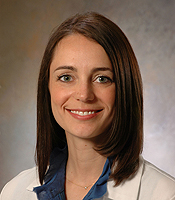 Dr. Jane Churpek[/caption]
MedicalResearch.com Interview with:
Dr. Jane E. Churpek, MD
Assistant Professor of Medicine
Co-Director, Comprehensive Cancer Risk and Prevention Program
The University of Chicago Medicine
Chicago, IL 6063
Medical Research: What is the background for this study? What are the main findings?
Dr. Churpek: We designed this study to try to understand whether damaging, inherited changes in genes known to cause an increased risk of breast cancer are common in those who develop leukemia after getting chemotherapy and/or radiation for treatment of breast cancer.
Leukemias that occur in this setting are called “therapy-related.” This means that chemotherapy or radiation, or both, may have been involved in causing the leukemia. This is an uncommon but serious complication of cancer treatment, and the factors that put women at risk for this complication are not well understood.
We looked at the clinical histories of 88 such women. We found that most of them have relatives who also had cancer, suggesting they may be cancer-prone to begin with. Because we did not have a group of women who had similar breast cancer treatment and who did not get a therapy-related leukemia, we cannot definitively prove that more women with therapy-related leukemia than expected had these mutations. However, this study gives us reason to further study the role of these genes in therapy-related leukemia.
Dr. Jane Churpek[/caption]
MedicalResearch.com Interview with:
Dr. Jane E. Churpek, MD
Assistant Professor of Medicine
Co-Director, Comprehensive Cancer Risk and Prevention Program
The University of Chicago Medicine
Chicago, IL 6063
Medical Research: What is the background for this study? What are the main findings?
Dr. Churpek: We designed this study to try to understand whether damaging, inherited changes in genes known to cause an increased risk of breast cancer are common in those who develop leukemia after getting chemotherapy and/or radiation for treatment of breast cancer.
Leukemias that occur in this setting are called “therapy-related.” This means that chemotherapy or radiation, or both, may have been involved in causing the leukemia. This is an uncommon but serious complication of cancer treatment, and the factors that put women at risk for this complication are not well understood.
We looked at the clinical histories of 88 such women. We found that most of them have relatives who also had cancer, suggesting they may be cancer-prone to begin with. Because we did not have a group of women who had similar breast cancer treatment and who did not get a therapy-related leukemia, we cannot definitively prove that more women with therapy-related leukemia than expected had these mutations. However, this study gives us reason to further study the role of these genes in therapy-related leukemia.
 Prof. Voskuhl[/caption]
MedicalResearch.com Interview with:
Professor Rhonda Voskuhl, M.D.
Jack H. Skirball Chair in MS Research
Director of the UCLA MS Program
David Geffen School of Medicine
University of California, Los Angeles
Medical Research: What is the background for this study? What are the main findings?
Dr. Voskuhl: It had been known for decades that relapses were reduced during pregnancy in women with Multiple Sclerosis (MS), psoriasis and rheumatoid arthritis. We viewed this as a major clue to help find new disease modifying treatments. Focusing on MS, we investigated treatment with estriol, an estrogen that is made by the fetus/placenta during pregnancy. Preclinical studies and a pilot clinical trial at UCLA showed good results leading to the current Phase 2 clinical trial at 16 sites across the U.S. It showed that treatment with estriol pills compared to placebo pills, each in combination with standard of care (glatirmar acetate) injections, reduced relapses by one third to one half over and above standard of care treatment.
Prof. Voskuhl[/caption]
MedicalResearch.com Interview with:
Professor Rhonda Voskuhl, M.D.
Jack H. Skirball Chair in MS Research
Director of the UCLA MS Program
David Geffen School of Medicine
University of California, Los Angeles
Medical Research: What is the background for this study? What are the main findings?
Dr. Voskuhl: It had been known for decades that relapses were reduced during pregnancy in women with Multiple Sclerosis (MS), psoriasis and rheumatoid arthritis. We viewed this as a major clue to help find new disease modifying treatments. Focusing on MS, we investigated treatment with estriol, an estrogen that is made by the fetus/placenta during pregnancy. Preclinical studies and a pilot clinical trial at UCLA showed good results leading to the current Phase 2 clinical trial at 16 sites across the U.S. It showed that treatment with estriol pills compared to placebo pills, each in combination with standard of care (glatirmar acetate) injections, reduced relapses by one third to one half over and above standard of care treatment.
 Dr. Nakharni[/caption]
MedicalResearch.com Interview with:
Girish N. Nadkarni, MD, MPH
Division of Nephrology, Department of Medicine
Icahn School of Medicine at Mount Sinai
New York, New York
MedicalResearch.com: What is the background for this study? What are the main findings?
Dr. Nadkarni: Cardiovascular disease is one of the major causes of morbidity and mortality in patients with kidney disease. Moreover, there is a lack of good quality evidence in kidney disease patients. In addition, previous studies have shown that cardiovascular trials exclude patients with kidney disease. We wanted to analyze all of the clinical trials on acute myocardial infarctions and heart failure in the last decade and see if they continued excluding patients with kidney disease. We discovered that in 371 trials including close to six hundred thousand patients, the majority (57%) excluded patients with kidney disease. A large proportion of the trials excluded patients for non-specific reasons, rather than a prespecified threshold of kidney function and did not report kidney function at baseline. Finally, in trials that did include kidney patients and reported outcomes by
Dr. Nakharni[/caption]
MedicalResearch.com Interview with:
Girish N. Nadkarni, MD, MPH
Division of Nephrology, Department of Medicine
Icahn School of Medicine at Mount Sinai
New York, New York
MedicalResearch.com: What is the background for this study? What are the main findings?
Dr. Nadkarni: Cardiovascular disease is one of the major causes of morbidity and mortality in patients with kidney disease. Moreover, there is a lack of good quality evidence in kidney disease patients. In addition, previous studies have shown that cardiovascular trials exclude patients with kidney disease. We wanted to analyze all of the clinical trials on acute myocardial infarctions and heart failure in the last decade and see if they continued excluding patients with kidney disease. We discovered that in 371 trials including close to six hundred thousand patients, the majority (57%) excluded patients with kidney disease. A large proportion of the trials excluded patients for non-specific reasons, rather than a prespecified threshold of kidney function and did not report kidney function at baseline. Finally, in trials that did include kidney patients and reported outcomes by  Dr. Kaltman[/caption]
MedicalResearch.com Interview with:
Jonathan Kaltman, MD
Chief, Heart Development and Structural Diseases Branch
Division of Cardiovascular Sciences
National Heart, Lung, and Blood Institute
Medical Research: What are the main findings?
Dr. Kaltman: Congenital heart disease (CHD) is the most common birth defect but the cause for most defects is unknown. Surgery and clinical care of patients with congenital heart disease has improved survival but now we are learning that many patients have neurodevelopmental abnormalities, including learning disability and attention/behavioral issues.
Medical Research: What are the main findings?
Dr. Kaltman[/caption]
MedicalResearch.com Interview with:
Jonathan Kaltman, MD
Chief, Heart Development and Structural Diseases Branch
Division of Cardiovascular Sciences
National Heart, Lung, and Blood Institute
Medical Research: What are the main findings?
Dr. Kaltman: Congenital heart disease (CHD) is the most common birth defect but the cause for most defects is unknown. Surgery and clinical care of patients with congenital heart disease has improved survival but now we are learning that many patients have neurodevelopmental abnormalities, including learning disability and attention/behavioral issues.
Medical Research: What are the main findings?
 Prof. Stephen W. Duffy[/caption]
MedicalResearch.com Interview with:
Prof Stephen Duffy BSc MSc CStat
Professor Of Cancer Screening
Wolfson Institute Of Preventive Medicine
Queen Mary University of London
Medical Research: What is the background for this study? What are the main findings?
Prof. Duffy: There is debate on the value of diagnosing and treating ductal carcinoma in situ (DCIS) of the breast, depending mainly on different theories about the risk of progression to invasive breast cancer if DCIS were untreated. No-one asserts that no DCIS is progressive and no-one asserts that all DCIS is progressive. There is, however, a range of opinions on the proportion of progressive disease.
We found that those mammography screening units in the UK with higher detection rates of DCIS had lower subsequent rates of invasive cancers in the three years after screening.
Prof. Stephen W. Duffy[/caption]
MedicalResearch.com Interview with:
Prof Stephen Duffy BSc MSc CStat
Professor Of Cancer Screening
Wolfson Institute Of Preventive Medicine
Queen Mary University of London
Medical Research: What is the background for this study? What are the main findings?
Prof. Duffy: There is debate on the value of diagnosing and treating ductal carcinoma in situ (DCIS) of the breast, depending mainly on different theories about the risk of progression to invasive breast cancer if DCIS were untreated. No-one asserts that no DCIS is progressive and no-one asserts that all DCIS is progressive. There is, however, a range of opinions on the proportion of progressive disease.
We found that those mammography screening units in the UK with higher detection rates of DCIS had lower subsequent rates of invasive cancers in the three years after screening.
 Dr. Meyerhans[/caption]
MedicalResearch.com Interview with:
Andreas Meyerhans, PhD
ICREA Research Professor at the University Pompeu Fabra
Infection Biology Group
Department of Experimental and Health Sciences
Universitat Pompeu Fabra
Barcelona Spain
Medical Research: What is the background for this study? What are the main findings?
Dr. Meyerhans: In brief, chronic HIV infections lead to a dampening of HIV-specific killer cells. This phenomenon is named exhaustion and is mediated by inhibitory proteins, such as PD-1, on the cell surface. A consequence of exhaustion is a reduction of the immune control over virus expansion.
We have studied the effect of blocking the negative signaling from the inhibitory proteins by means of PD-1/PD-L1 pathway inhibition on effector and regulatory T cells (Treg). We found that one can augment antiviral immune control only when the virus load was well controlled in the HIV-infected individuals i.e. by antiviral drugs. In that case, PD-1/PD-L1 pathway blockage led to an expansion of anti-HIV killer cells over Treg cells. This latter are suppressive white blood cells also subject to the same inhibitory pathway regulation. In contrast, when blood cells from viremic HIV-infected individuals were analyzed, Treg cells expanded efficiently and thus reduced the effector to regulatory T cell ratio that controls HIV. Taken together, our data point to Treg cells as an important component in the outcome of PD-1/PD-L1 pathway inhibitor therapies and suggest a net gain in anti-HIV immune responses only when the HIV loads are well controlled during the administration of these novel compounds.
Dr. Meyerhans[/caption]
MedicalResearch.com Interview with:
Andreas Meyerhans, PhD
ICREA Research Professor at the University Pompeu Fabra
Infection Biology Group
Department of Experimental and Health Sciences
Universitat Pompeu Fabra
Barcelona Spain
Medical Research: What is the background for this study? What are the main findings?
Dr. Meyerhans: In brief, chronic HIV infections lead to a dampening of HIV-specific killer cells. This phenomenon is named exhaustion and is mediated by inhibitory proteins, such as PD-1, on the cell surface. A consequence of exhaustion is a reduction of the immune control over virus expansion.
We have studied the effect of blocking the negative signaling from the inhibitory proteins by means of PD-1/PD-L1 pathway inhibition on effector and regulatory T cells (Treg). We found that one can augment antiviral immune control only when the virus load was well controlled in the HIV-infected individuals i.e. by antiviral drugs. In that case, PD-1/PD-L1 pathway blockage led to an expansion of anti-HIV killer cells over Treg cells. This latter are suppressive white blood cells also subject to the same inhibitory pathway regulation. In contrast, when blood cells from viremic HIV-infected individuals were analyzed, Treg cells expanded efficiently and thus reduced the effector to regulatory T cell ratio that controls HIV. Taken together, our data point to Treg cells as an important component in the outcome of PD-1/PD-L1 pathway inhibitor therapies and suggest a net gain in anti-HIV immune responses only when the HIV loads are well controlled during the administration of these novel compounds.
 Dr. Azim[/caption]
MedicalResearch.com Interview with:
Hatem A. Azim MD PhD
Breast Cancer Translational Research Laboratory
Institut Jules Bordet
Université Libre de Bruxelles
Brussels, Belgium
Medical Research: What is the background for this study? What are the main findings?
Dr. Azim: As at breast cancer diagnosis is known to impact prognosis, with young patients having worse outcome. On the other hand, elderly patients are less studies in general and little is known on their tumor characteristics.
In this study, we aimed to define the pattern of genomic aberrations in different age groups. This can result in identifying if key potentially targetable genomic alterations are more specific to particular age groups and thus could open the door to design particular studies targeting these aberrations in these age groups. We found that age is associated with unique biological features at the DNA level, independent of tumor stage, histology and breast cancer molecular subtype.
Of particular mention, the higher prevalence of GATA3 mutation in younger patient, a known driver mutation associated with endocrine resistance. In addition, age at diagnosis appears to impact the tumor transcriptome confirming previous observations, but also highlighting novel findings, of particular relevance the higher expression of stem cell related genes in young patients.
Dr. Azim[/caption]
MedicalResearch.com Interview with:
Hatem A. Azim MD PhD
Breast Cancer Translational Research Laboratory
Institut Jules Bordet
Université Libre de Bruxelles
Brussels, Belgium
Medical Research: What is the background for this study? What are the main findings?
Dr. Azim: As at breast cancer diagnosis is known to impact prognosis, with young patients having worse outcome. On the other hand, elderly patients are less studies in general and little is known on their tumor characteristics.
In this study, we aimed to define the pattern of genomic aberrations in different age groups. This can result in identifying if key potentially targetable genomic alterations are more specific to particular age groups and thus could open the door to design particular studies targeting these aberrations in these age groups. We found that age is associated with unique biological features at the DNA level, independent of tumor stage, histology and breast cancer molecular subtype.
Of particular mention, the higher prevalence of GATA3 mutation in younger patient, a known driver mutation associated with endocrine resistance. In addition, age at diagnosis appears to impact the tumor transcriptome confirming previous observations, but also highlighting novel findings, of particular relevance the higher expression of stem cell related genes in young patients.
 Prof. Cnattingius[/caption]
MedicalResearch.com Interview with:
Professor Sven Cnattingius
Professor in reproductive epidemiology
Clinical Epidemiology Unit, Department of Medicine
Karolinska University Hospital
Karolinska Institutet, Stockholm, Sweden
Medical Research: What is the background for this study?
Prof. Cnattingius: Maternal overweight and obesity are associated with increased risks of stillbirth and infant mortality.
Weight gain between pregnancies increases risks of other obesity-related complications, including preeclampsia, gestational diabetes, and preterm birth. Weight gain appear to increase these risks especially in women who start off with normal weight.
As these complications increases risks of stillbirth and infant mortality, we wanted to study the associations between weight change between successive pregnancies and risks of stillbirth and infant mortality (deaths during the first year of life).
Medical Research: What are the main findings?
Prof. Cnattingius: The main findings include:
Prof. Cnattingius[/caption]
MedicalResearch.com Interview with:
Professor Sven Cnattingius
Professor in reproductive epidemiology
Clinical Epidemiology Unit, Department of Medicine
Karolinska University Hospital
Karolinska Institutet, Stockholm, Sweden
Medical Research: What is the background for this study?
Prof. Cnattingius: Maternal overweight and obesity are associated with increased risks of stillbirth and infant mortality.
Weight gain between pregnancies increases risks of other obesity-related complications, including preeclampsia, gestational diabetes, and preterm birth. Weight gain appear to increase these risks especially in women who start off with normal weight.
As these complications increases risks of stillbirth and infant mortality, we wanted to study the associations between weight change between successive pregnancies and risks of stillbirth and infant mortality (deaths during the first year of life).
Medical Research: What are the main findings?
Prof. Cnattingius: The main findings include: