
20 May Do Hospitals Designated as Centers of Excellence Have Better Outcomes?
Posted at 17:32h
in Author Interviews, Hospital Readmissions, JAMA, Neurology, Outcomes & Safety, University of Pennsylvania
MedicalResearch.com Interview with:
[caption id="attachment_49220" align="alignleft" width="180"] Dr. Khatana[/caption]
Sameed Khatana, MD
Fellow, Cardiovascular Medicine, Perleman School of Medicine
Associate Fellow, Leonard Davis Institute of Health Economics
University of Pennsylvania
MedicalResearch.com: What is the background for this study?
Response: There has been a growing use of quality metrics and indices in the US healthcare system. Much attention has been paid to quality measurement programs used by public payors, however, the use of such programs by commercial payors is much less studied. "Centers of excellence" are one type of quality designation program that is growing in use by commercial payors where certain hospitals are determined to be "high quality" for a certain disease state or procedure based on meeting certain criteria. For some people, this is even impacting the choice of providers and hospitals they can use by payors.
We evaluated centers of excellence programs from three large commercial payors, Aetna, Cigna and Blue Cross Blue Shield, targeted at cardiovascular diseases and interventions and examined publicly reported outcomes for all hospitals performing percutaneous coronary interventions (cardiac stenting) in New York State.









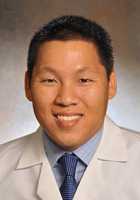

















 Dr. Shaker[/caption]
Marcus S. Shaker, MD
Associate Professor of Pediatrics
Associate Professor of Community and Family Medicine
Dartmouth-Hitchcock Medical Center
MedicalResearch.com: What is the background for this study?
Response: There are two peanut allergy treatments that are being evaluated for potential FDA approval—an orally administered treatment and an epicutaneous (skin based) treatment. Both have tremendous potential benefit. The focus of our study was to explore the range of health and economic benefits in terms of establishing pathways for how each therapy could be cost effective.
We want to be clear that our purpose was not to suggest one therapy is or is not cost effective at present. That would be a ridiculous statement to make regarding two treatments that not only lack FDA approval, but do not have established pricing. Rather, we used preliminary inputs that are presently available to create as robust a model as we could to better determine the individual paths that would make them more or less cost-effective.
Dr. Shaker[/caption]
Marcus S. Shaker, MD
Associate Professor of Pediatrics
Associate Professor of Community and Family Medicine
Dartmouth-Hitchcock Medical Center
MedicalResearch.com: What is the background for this study?
Response: There are two peanut allergy treatments that are being evaluated for potential FDA approval—an orally administered treatment and an epicutaneous (skin based) treatment. Both have tremendous potential benefit. The focus of our study was to explore the range of health and economic benefits in terms of establishing pathways for how each therapy could be cost effective.
We want to be clear that our purpose was not to suggest one therapy is or is not cost effective at present. That would be a ridiculous statement to make regarding two treatments that not only lack FDA approval, but do not have established pricing. Rather, we used preliminary inputs that are presently available to create as robust a model as we could to better determine the individual paths that would make them more or less cost-effective.








 Jasleen Grewal, BSc.
Genome Sciences Centre
British Columbia Cancer Research Centre
Vancouver, British Columbia, Canada
MedicalResearch.com: What is the background for this study?
Response: Cancer diagnosis requires manual analysis of tissue appearance, histology, and protein expression. However, there are certain types of cancers, known as cancers of unknown primary, that are difficult to diagnose based purely on their appearance and a small set of proteins. In our precision medicine oncogenomics program, we needed an accurate approach to confirm diagnosis of biopsied samples and determine candidate tumour types for where the primary site of the cancer was uncertain. We developed a machine learning approach, trained on the gene expression data of over 10,688 individual tumours and healthy tissues, that has been able to achieve this task with high accuracy.
Genome sequencing offers a high-resolution view of the biological landscape of cancers. RNA-Seq in particular quantifies how much each gene is expressed in a given sample. In this study, we used the entire transcriptome, spanning 17,688 genes in the human genome, to train a machine learning method for cancer diagnosis. The resultant method, SCOPE, takes in the entire transcriptome and outputs an interpretable confidence score from across a set of 40 different cancer types and 26 healthy tissues.
Jasleen Grewal, BSc.
Genome Sciences Centre
British Columbia Cancer Research Centre
Vancouver, British Columbia, Canada
MedicalResearch.com: What is the background for this study?
Response: Cancer diagnosis requires manual analysis of tissue appearance, histology, and protein expression. However, there are certain types of cancers, known as cancers of unknown primary, that are difficult to diagnose based purely on their appearance and a small set of proteins. In our precision medicine oncogenomics program, we needed an accurate approach to confirm diagnosis of biopsied samples and determine candidate tumour types for where the primary site of the cancer was uncertain. We developed a machine learning approach, trained on the gene expression data of over 10,688 individual tumours and healthy tissues, that has been able to achieve this task with high accuracy.
Genome sequencing offers a high-resolution view of the biological landscape of cancers. RNA-Seq in particular quantifies how much each gene is expressed in a given sample. In this study, we used the entire transcriptome, spanning 17,688 genes in the human genome, to train a machine learning method for cancer diagnosis. The resultant method, SCOPE, takes in the entire transcriptome and outputs an interpretable confidence score from across a set of 40 different cancer types and 26 healthy tissues.