MedicalResearch.com Interview with:
[caption id="attachment_27170" align="alignleft" width="179"]

Dr. Krista Huybrechts[/caption]
Krista F. Huybrechts, MS PhD
Associate Professor of Medicine
Brigham and Women’s Hospital
Harvard Medical School
Boston, MA 02120
MedicalResearch.com: What is the background for this study? What are the main findings?
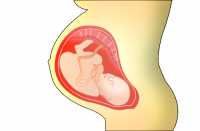
Response: Pregnant women often experience nausea and vomiting, particularly during the first trimester. Early treatment is recommended to relieve symptoms and prevent progression to hyperemesis gravidarum. Although not formally approved for this indication, ondansetron is the most frequently prescribed treatment for nausea and vomiting in pregnancy in the US: 22% of pregnant women reportedly used ondansetron in the US in 2014. Despite this common use, the available evidence on the fetal safety of ondansetron is limited and conflicting, and the possibility of a doubling in risk of cleft palate and cardiac malformations has been raised.
We therefore evaluated the association between ondansetron exposure during the first trimester of pregnancy, the period of organogenesis, and the risk of congenital malformations in a cohort of 1,816,414,publicly insured pregnancies using the nationwide Medicaid Analytic eXtract data for 2000-2013. A total of 88,467 women (4.9%) were exposed to ondansetron during the first trimester. After adjusting for a broad range of potential confounding variables, we found no association with cardiac malformations (RR = 0.99; 95% CI, 0.93 – 1.06) and congenital malformations overall (RR = 1.01; 95% CI, 0.98 – 1.05). For oral clefts, we found a 24% increase in risk (RR=1.24; 95% CI, 1.03 – 1.48), which corresponds to an absolute risk of 2.7 per 10,000 births (95% CI, 0.2 – 5.2 per 10,000 births). These findings were consistent across sensitivity analyses, conducted to address potential misclassification and confounding bias.
















 Prof. Ye[/caption]
Dr. Weimin Ye, MD MSC, PhD
Department of Medical Epidemiology and Biostatistics
Karolinska Institue
MedicalResearch.com: What is the background for this study? What are the main findings?
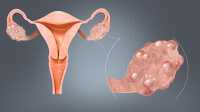
Response: Polycystic ovary syndrome (PCOS) is the most common endocrine disorder affecting 5-10% of women of reproductive age. Characterized by hyperandrogenism and metabolic abnormalities, PCOS is known to be related to various long-term health consequences, including diabetes, cardiovascular disease and endometrial cancer. Besides, inconsistent results have been reported for the associations between PCOS and the risk of ovarian and breast cancer. Studies addressing the risks of other cancers are scarce. Thus, we conducted a large, population-based cohort study with a long follow-up and rather sufficient confounding adjustment to explore the full picture of associations between PCOS and the risks of various cancer types.
We found that PCOS is a risk factor for certain types of cancer, including cancers of the endometrium, ovary, endocrine gland, pancreas, kidney and skeletal & hematopoietic system.
Prof. Ye[/caption]
Dr. Weimin Ye, MD MSC, PhD
Department of Medical Epidemiology and Biostatistics
Karolinska Institue
MedicalResearch.com: What is the background for this study? What are the main findings?
Response: Polycystic ovary syndrome (PCOS) is the most common endocrine disorder affecting 5-10% of women of reproductive age. Characterized by hyperandrogenism and metabolic abnormalities, PCOS is known to be related to various long-term health consequences, including diabetes, cardiovascular disease and endometrial cancer. Besides, inconsistent results have been reported for the associations between PCOS and the risk of ovarian and breast cancer. Studies addressing the risks of other cancers are scarce. Thus, we conducted a large, population-based cohort study with a long follow-up and rather sufficient confounding adjustment to explore the full picture of associations between PCOS and the risks of various cancer types.
We found that PCOS is a risk factor for certain types of cancer, including cancers of the endometrium, ovary, endocrine gland, pancreas, kidney and skeletal & hematopoietic system.