Annals Internal Medicine, Author Interviews, Diabetes, Kaiser Permanente, Surgical Research, Weight Research / 18.08.2018

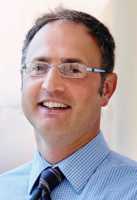
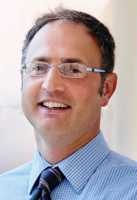
MedicalResearch.com Interview with: [caption id="attachment_43970" align="alignleft" width="139"]David Arterburn, MD, MPH Kaiser Permanente Washington Health Research Institute Seattle, WA  Dr. Arterburn[/caption] David Arterburn, MD, MPH Kaiser Permanente Washington Health Research Institute Seattle, WA MedicalResearch.com: What is the background for this study? What are the main findings? Response: More than 9 percent of adult Americans—about 30 million people—are estimated to have type 2 diabetes, according to the American Diabetes Association. The disease tends to worsen over time, with blood sugar levels rising along with the risks of developing large blood vessel (macrovascular) complications like heart attack and stroke, as well as small blood vessel (microvascular) complications affecting the nerves of the feet and hands (neuropathy), kidneys (nephropathy), and eyes (retinopathy). Among more than 4000 patients who underwent bariatric surgery, the 5-year incidence of microvascular disease — including neuropathy, nephropathy, and retinopathy — was nearly 60% lower than that of 11,000 matched nonsurgical control patients receiving usual diabetes care. 

Author Interviews, HIV, NEJM, Yale / 17.08.2018

MedicalResearch.com Interview with: [caption id="attachment_43945" align="alignleft" width="149"]Brinda Emu, MD Assistant Professor of Medicine (Infectious Diseases) Yale School of Medicine Dr. Emu[/caption] Brinda Emu, MD Assistant Professor of Medicine (Infectious Diseases) Yale School of Medicine MedicalResearch.com: What is the background for this study? Response: This was a Phase 3 study of a new antiretroviral agent, ibalizumab, for the treatment of HIV-1 infection.  Ibalizumab is a monoclonal antibody that targets the CD4 receptor on host cells.  CD4 is the receptor that HIV uses to infect CD4+ T cells.  By binding to the CD4 receptor, ibalizumab prevents viral entry.  This study recruited patients that harbor multi-drug resistant HIV and were failing their current regimen of antiretroviral agents, and thus had limited options for treatment of their HIV-1 infection using approved medications.
Author Interviews, JAMA, Surgical Research / 17.08.2018

MedicalResearch.com Interview with: Murad Alam, MD Vice-Chair and Professor of Dermatology Chief of Cutaneous and Aesthetic Surgery Northwestern University Feinberg School of MedicineMurad Alam, MD Vice-Chair and Professor of Dermatology Chief of Cutaneous and Aesthetic Surgery Northwestern University Feinberg School of Medicine MedicalResearch.com: What is the background for this study? Response: For the purposes of our study, non-invasive procedures included laser and light treatments (for brown spots, blood vessels, wrinkle reduction, scar treatment, hair removal ie laser hair removal or Hair Removal Service - sponsored), chemical peels, and non-surgical skin tightening and fat reduction (with radiofrequency energy, cold treatment, or ultrasound). These noninvasive treatments do not even break the skin, and are applied on top of the skin Then we have minimally invasive procedures, which include those that just barely break the skin, but are like getting a shot, and don’t require cutting and sewing the skin as in traditional surgery. These minimally invasive procedures include filler and neuromodulator injections to fill out the sagging aging face while reducing lines and wrinkles, as well as liposuction through tiny openings to suck out excess fat. All of these procedures and many more are available but if you do want to have a cosmetic procedure then make sure you seek out a reputable cosmetic surgeon such as Lisa Rush. In the old days, cosmetic treatments meant getting traditional plastic surgery, like a face lift or tummy tuck. These required general anesthesia, cutting and sewing the skin, significant risk of scarring, and days to weeks of recovery time. More recently, dermatologists have pioneered noninvasive and minimally invasive procedures, such as those I just described, which provide many of the same benefits as traditional plastic surgery without the risk, scars, and downtime, for example, somewhere like Rhinoplasty NYC talk about Rhinoplasties with noninvasive methods. Now these minimally invasive and noninvasive treatments have become more popular than traditional cosmetic surgery.

Author Interviews, ENT, JAMA, NIH / 17.08.2018

MedicalResearch.com Interview with: “Bad smell” by Brian Fitzgerald is licensed under CC BY 2.0Kathleen Bainbridge, PhD Epidemiology and Biostatistics Program NIDCD MedicalResearch.com: What is the background for this study? What are the main findings? Response: The causes of phantom odor perception are not understood. This study looked for the prevalence and risk factors for this disorder. We found that that 1 in 15 Americans (or 6.5 percent) over the age of 40 experiences phantom odors. This study, is the first in the U.S. to use nationally representative data to examine the prevalence of and risk factors for phantom odor perception. The study included about 7,400 adults who participated in the National Health and Nutrition Examination Survey, a continuous survey conducted by the National Center for Health Statistics which is part of the Centers for Disease Control and Prevention. The study could inform future research aiming to unlock the mysteries of phantom odors. We identified risk factors that may be related to the perception of phantom odors. People are more likely to experience this condition if they are female, and are relatively young—we found a higher prevalence in 40-60 year-olds compared to 60+ year-olds. Other risk factors include head injury, dry mouth, poor overall health, and low socio-economic status. People with lower socio-economic status may have health conditions that contribute to phantom odors, either directly or because of medications needed to treat their health conditions.
Author Interviews, Blood Pressure - Hypertension, JAMA, Pharmacology / 17.08.2018

MedicalResearch.com Interview with: [caption id="attachment_43869" align="alignleft" width="150"]Dr Ruth Webster PhD, BMedSc(hons), MBBS(hons), MIPH(hons) Head, Research Programs, Office of the Chief Scientist Senior Lecturer, Faculty of Medicine UNSW Sydney Dr. Webster[/caption] Dr Ruth Webster PhD, BMedSc(hons), MBBS(hons), MIPH(hons) Head, Research Programs, Office of the Chief Scientist Senior Lecturer, Faculty of Medicine UNSW Sydney The George Institute for Global Health Australia MedicalResearch.com: What is the background for this study? What are the main findings?  Response: We know from previous research that 80% of the blood pressure lowering efficacy of any medication occurs in the first half of the dose whilst most side effects occur at higher doses. We also know that most people will require at least 2 blood pressure lowering medications to reach their target blood pressure and that combining multiple pills into one combination medication helps patients take their medication more reliably. There was therefore good evidence to believe that using three half strength doses in one pill would be better than usual care in helping patients to achieve their blood pressure targets. We showed that, compared with patients receiving usual care, a significantly higher proportion of patients receiving the Triple Pill achieved their target blood pressure of 140/90 or less (with lower targets of 130/80 for patients with diabetes or chronic kidney disease). It's estimated more than a billion people globally suffer from high blood pressure with the vast majority having poorly controlled blood pressure. Our results could help millions of people globally reduce their blood pressure and reduce their risk of heart attack or stroke.
Author Interviews, Cancer Research, CT Scanning, JAMA, Lung Cancer / 16.08.2018

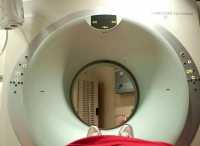
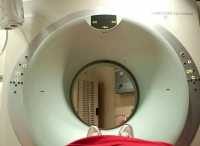
MedicalResearch.com Interview with: “CT Scan” by frankieleon is licensed under CC BY 2.0Dr. Bruno Heleno MD PhD Assistant Professor | Professor Auxiliar NOVA Medical School | Faculdade de Ciências Médicas Universidade Nova da Lisboa  MedicalResearch.com: What is the background for this study? What are the main findings? Response: The Danish Lung Cancer Screening Trial (DLCST) is a randomized controlled trial which enrolled 4104 participants (aged 50-70 years; current or former smokers; ≥20 pack years; former smokers must have quit <10 years before enrollment) to either 5 rounds of screening for lung cancer with low-dose CT-scans or to no screening. After 10 years of follow-up, there was a 2.10 percentage points lung cancer absolute risk increase with low-dose CT-screening. Overdiagnosis, i.e. the detection of cancer that would not progress to symptoms or death, was estimated at 67.2% of the screen-detected cancers.
Author Interviews, Critical Care - Intensive Care - ICUs, JAMA, Pulmonary Disease / 15.08.2018

MedicalResearch.com Interview with: [caption id="attachment_43866" align="alignleft" width="125"]Hayley B. Gershengorn, MD Division of Pulmonary, Allergy, Critical Care, and Sleep Medicine, Department of Medicine, Leonard M. Miller School of Medicine, University of Miami, Miami, Florida Division of Critical Care Medicine, Department of Medicine, Albert Einstein College of Medicine, Bronx, New York Dr. Gershengorn[/caption] Hayley B. Gershengorn, MD Division of Pulmonary, Allergy, Critical Care, and Sleep Medicine, Department of Medicine, Leonard M. Miller School of Medicine, University of Miami, Miami, Florida Division of Critical Care Medicine, Department of Medicine, Albert Einstein College of Medicine, Bronx, New York MedicalResearch.com: What is the background for this study? What are the main findings?  Response: Beginning in December, 2011, professional guidelines have recommended against the practice of daily chest radiography (CXRs) for mechanically ventilated patients.  However, we hypothesized that this practice was still commonplace in the US and varied from hospital to hospital. To address this question, we performed a retrospective cohort study of >500,000 mechanically ventilated adults across 416 US hospitals. We found that 63% of these patients received daily CXRs and that, while use has been decreasing, this decrease is small (a 3% relative reduction in the odds of daily CXR receipt per discharge quarter starting in 2012). Moreover, the hospital at which a patient received care greatly impacted the likelihood of daily CXR receipt.
Author Interviews, Breast Cancer, JAMA, Radiation Therapy / 14.08.2018

MedicalResearch.com Interview with: [caption id="attachment_43814" align="alignleft" width="200"]Steven Narod, MD, FRCPC, FRSC Senior Scientist, Women’s College Research Institute Director, Familial Breast Cancer Research Unit, Women's College Research Institute Professor, Dalla Lana School of Public Health, University of Toronto Professor, Department of Medicine Tier 1 Canada Research Chair in Breast Cancer University of Toronto Dr. Narod[/caption] Steven Narod, MD, FRCPC, FRSC Senior Scientist, Women’s College Research Institute Director, Familial Breast Cancer Research Unit, Women's College Research Institute Professor, Dalla Lana School of Public Health, University of Toronto Professor, Department of Medicine Tier 1 Canada Research Chair in Breast Cancer University of Toronto MedicalResearch.com: What is the background for this study? What are the main findings?  Response: In the past we have shown that about 3 percent of women with ductal carcinoma in situ (DCIS) will die of breast cancer within 20  years of diagnosis.   In the current study, we took a very close look at how the different treatments impact on the risk of dying of breast cancer. Women with DCIS are at risk for  both a new cancer within the breast and dying of breast cancer from cells that spread beyond the breast (lung, liver, brain and bone).   About 20% of DCIS patients will get a new breast cancer within the breast at 20 years.
  • We show here that it is not necessary to develop a new cancer within the breast to die of breast cancer,  in some cases the DCIS spreads directly in the absence of local recurrence.
  • We show that radiotherapy can prevent 25% of the deaths from breast cancer after DCIS. And this has nothing to do with local recurrence.
  • We show that mastectomy reduces the chance of a getting a new cancer (local recurrence) but  doesn’t reduce the chance of dying of breast cancer.
So, if the goal is to prevent new cancers in the breast -   then mastectomy is the best treatment If the goal is to prevent the woman from dying of breast cancer - then radiotherapy is the best treatment. 
Author Interviews, Global Health, JAMA, Pediatrics / 13.08.2018

MedicalResearch.com Interview with: [caption id="attachment_43820" align="alignleft" width="133"]Chunling Lu, PhD Director, Program in Global Health Economics and Social Change Assistant Professor in Global Health and Social Medicine Division of Global Health Equity, Brigham and Women's Hospital Department of Global Health and Social Medicine, Harvard Medical School Harvard Center for Population and Development Studies Institute for Quantitative Social Science, Harvard University Boston, MA 02115 Dr. Chunling Lu[/caption] Chunling Lu, PhD Director, Program in Global Health Economics and Social Change Assistant Professor in Global Health and Social Medicine Division of Global Health Equity, Brigham and Women's Hospital Department of Global Health and Social Medicine, Harvard Medical School Harvard Center for Population and Development Studies Institute for Quantitative Social Science, Harvard University Boston, MA 02115 MedicalResearch.com: What is the background for this study? What are the main findings? Response: Today, we have the largest generation of youth (10-24 years) in human history (1·8 billion) and about 90% of them live in low- and middle-income countries.  Healthy growth and learning during the adolescent years underpins future population health and productivity. The importance of adolescent health has now been recognized with the inclusion of adolescents in the 2015 Every Woman, Every Child agenda through the Global Strategy for Women’s Children’s and Adolescents’ Health. A capacity to finance health care has underpinned progress in most areas of health. In poorer countries much of that financing comes from global donors. As little is known about donors’ contribution to adolescent health, our study fills in that knowledge gap by assessing how much development assistance has been disbursed to projects for adolescent health in 132 developing countries between 2003 and 2015. We found that donors’ contribution to the projects targeting adolescent health cumulatively accounted for only 1.6% of development assistance for health. Among the top 10 leading causes of disability adjusted life years (DALYs) in adolescents, sexual, reproductive health and HIV/AIDS received the largest donors’ contribution (approximately 68% during the study period), followed by interpersonal violence, tuberculosis, and diarrheal diseases. Other major causes of disease burden, including anemia, road injuries, and depressive disorders, have been largely overlooked by donors. 
Author Interviews, Diabetes, Heart Disease, Lancet / 12.08.2018

MedicalResearch.com Interview with: [caption id="attachment_43831" align="alignleft" width="200"]Dr Araz Rawshani, PhD Department of Molecular and Clinical Medicine Institute of Medicine University of Gothenburg Gothenburg, Sweden Dr. Rawshani[/caption] Dr Araz Rawshani, PhD Department of Molecular and Clinical Medicine Institute of Medicine University of Gothenburg Gothenburg, Sweden MedicalResearch.com: What is the background for this study?  Response: Patients with type 2 diabetes have 2 to 4 times greater risk for death and cardiovascular events compared to the general population. There are several randomized trails that encourage a range of interventions that target traditional and modifiable risk factors, such as elevated levels for glycated hemoglobin, blood pressure and low-density lipoprotein cholesterol to reduce the risk for complications of type 2 diabetes. However, there are few randomized trails that have investigated the effects of multifactorial risk factor intervention in reducing the risk for death and cardiovascular events, as compared to patients that are treated with usual care. We set out to investigate the extent to which the excess risk associated with type 2 diabetes may be mitigated or potentially eliminated by means of evidence-based treatment and multifactorial risk factor modification. In addition, we estimated the relative importance between various risk factors and the incremental risk of death and cardiovascular events associated with diabetes. Furthermore, we investigated the association between glycated hemoglobin, systolic blood pressure and low-density lipoprotein cholesterol (LDL-C) within evidence based target ranges and the abovementioned outcomes.
Author Interviews, Heart Disease, JAMA / 10.08.2018

MedicalResearch.com Interview with: [caption id="attachment_43824" align="alignleft" width="143"]Seth Landefeld, M.D.  Dr. Landefeld is chairman of the department of medicine and the Spencer chair in medical science leadership at the University of Alabama at Birmingham (UAB) School of Medicine. Dr. Landefeld also serves on the board of directors of the American Board of Internal Medicine, the UAB Health System, and the University of Alabama Health Services Foundation Dr. Landefeld[/caption] Seth Landefeld, M.D.  Dr. Landefeld is chairman of the department of medicine and the Spencer chair in medical science leadership at the University of Alabama at Birmingham (UAB) School of Medicine. Dr. Landefeld also serves on the board of directors of the American Board of Internal Medicine, the UAB Health System, and the University of Alabama Health Services Foundation. MedicalResearch.com: What is the background for this study? Would you briefly explain what is meant by atrial fibrillation and whom it primarily affects? Response: Atrial fibrillation—or AF—is an irregular heartbeat. AF affects nearly 3 million Americans and is a leading cause of stroke. Older age and obesity increase the risk of AF, and the condition also occurs more in men than in women. With an aging society and the growing prevalence of obesity in the U.S., this was an important topic for the U.S. Preventive Services Task Force to review. The Task Force looked at the latest research to see if screening for atrial fibrillation using electrocardiography—or ECG, which is a test that records the activity of someone’s heart—to supplement traditional care is an effective way to diagnose AF and prevent stroke. We found that more research is needed to determine if screening with ECG can help to identify AF and prevent stroke in adults who are 65 and older and do not have signs or symptoms of the disease. 
Author Interviews, Biomarkers, Cancer Research, Gastrointestinal Disease, JAMA / 10.08.2018

MedicalResearch.com Interview with: [caption id="attachment_43809" align="alignleft" width="134"]Wei Zhang, Ph.D. Hanes and Willis Family Professor in Cancer Director Cancer Genomics and Precision Oncology Wake Forest Baptist Comprehensive Cancer Center Winston-Salem, NC  27157-1082 Prof. Zhang[/caption] Wei Zhang, Ph.D. Hanes and Willis Family Professor in Cancer Director Cancer Genomics and Precision Oncology Wake Forest Baptist Comprehensive Cancer Center Winston-Salem, NC  27157-1082 MedicalResearch.com: What is the background for this study? What are the main findings? Response: Gastric cancer is a leading cause of cancer-related death worldwide. Infection by the Helicobacter pylori is the major cause of gastric cancer, which accounts for more than 60% of cases. Despite progress in helicobacter pylori eradication and early cancer diagnosis, the five-year survival rate of gastric cancer remains less than 30%. Gastric cancer is one of the most common cancer types in Asia but the incidence for gastric cancer has seen a steadily increase in the United States in recent years. Immunotherapy treatment has shown remarkable benefit for some cancer patients whereas others experience toxicities. It is important to identify markers that help oncologists decide which patient would benefit from this promising new treatment strategy. It has been suggested that gastric cancer that is positive for Epstein-Barr Virus is likely more responsive to immunotherapy but only about 10% of gastric cancer patients belong to this category. More potential markers are urgently needed for clinical practice. There is accumulating evidence that high tumor mutation load, which means there are high numbers of gene mutations in the tumor, can provide a signal to activate immune response systems thus rendering tumors more sensitive to immunotherapy.
Author Interviews, Diabetes, JAMA, PTSD, Weight Research / 09.08.2018

MedicalResearch.com Interview with: [caption id="attachment_43753" align="alignleft" width="174"]Jeff Scherrer, Ph.D. Associate professor; Research director Department of Family and Community Medicine Saint Louis University Center for Health Outcomes Research Dr. Scherrer[/caption] Jeff Scherrer, Ph.D. Associate professor; Research director Department of Family and Community Medicine Saint Louis University Center for Health Outcomes Research  MedicalResearch.com: What is the background for this study? What are the main findings? Response: The rationale for this study comes from evidence that patients with PTSD are more likely to be obese than persons without PTSD and have more difficulty losing weight. Given the obesity epidemic and substantial role of obesity in risk of type 2 diabetes, we sought to determine if obesity accounted for the existing evidence that PTSD is a risk factor for incident type 2 diabetes.  Other studies have adjusted for obesity or BMI in models that control for obesity/BMI and other confounders simultaneously which prohibits measuring the independent role of obesity on the ass
Author Interviews, Dental Research, JAMA, Opiods / 09.08.2018

MedicalResearch.com Interview with: [caption id="attachment_43721" align="alignleft" width="144"]Calista Harbaugh, MD House Officer, General Surgery Clinician Scholar, National Clinician Scholars Program Research Fellow, Michigan Opioid Prescribing Engagement Network University of Michigan Dr. Harbaugh[/caption] Calista Harbaugh, MD House Officer, General Surgery Clinician Scholar, National Clinician Scholars Program Research Fellow, Michigan Opioid Prescribing Engagement Network University of Michigan MedicalResearch.com: What is the background for this study? What are the main findings? Response: Wisdom tooth extractions is one of the most common procedures among teens and young adults, with more than 3.5 million young people having wisdom teeth pulled every year. This procedure is commonly paired with a prescription for opioid pain medication. As the opioid epidemic sweeps the nation, we must pay attention to the long term effects of opioid prescribing for even routine procedures. This is particularly important for wisdom tooth extraction where there is evidence that opioid pain medications may be no more effective than anti-inflammatories alone. Using commercial insurance claims, we evaluated the association between receiving an opioid prescription with wisdom tooth extraction and developing new persistent opioid use in the year after the procedure. We found nearly a 3-fold increase in odds of persistent opioid use, attributable to whether or not an opioid was prescribed. This translates to nearly 50,000 young people developing new persistent opioid use each year from routine opioid prescribing for wisdom tooth extraction.
Author Interviews, Education, JAMA, Pediatrics, Weight Research / 09.08.2018

MedicalResearch.com Interview with: [caption id="attachment_43714" align="alignleft" width="150"]Ian M. Paul, M.D., M.Sc. Professor of Pediatrics and Public Health Sciences Chief, Division of Academic General Pediatrics Vice Chair of Faculty Affairs, Department of Pediatrics Penn State College of Medicine Hershey, PA 17033-0850 Prof. Paul[/caption] Ian M. Paul, M.D., M.Sc. Professor of Pediatrics and Public Health Sciences Chief, Division of Academic General Pediatrics Vice Chair of Faculty Affairs, Department of Pediatrics Penn State College of Medicine Hershey, PA 17033-0850 MedicalResearch.com: What is the background for this study? What are the main findings? Response: 20-25% of 2-5 year old children are overweight or obese in the US, and these children have increased risk of remaining overweight across the lifecourse. To date, research efforts aimed at preventing early life overweight have had very limited success. In our randomized clinical trial that included 279 mother-child dyads, a responsive parenting intervention that began shortly after birth significantly reduced body mass index z-score compared with controls at age 3 years.
Author Interviews, JAMA, NEJM, OBGYNE, University Texas / 09.08.2018

MedicalResearch.com Interview with: [caption id="attachment_43800" align="alignleft" width="150"]George R. Saade, MD Professor Jennie Sealy Smith Distinguished Chair Professor, Obstetrics & Gynecology, and Cell Biology Chief of Obstetrics and Maternal Fetal Medicine Director, Perinatal Research Division Department of Obstetrics and Gynecology Division of Maternal Fetal Medicine UTMB at Galveston Dr. Saade[/caption] George R. Saade, MD Professor Jennie Sealy Smith Distinguished Chair Professor, Obstetrics & Gynecology, and Cell Biology Chief of Obstetrics and Maternal Fetal Medicine Director, Perinatal Research Division Department of Obstetrics and Gynecology Division of Maternal Fetal Medicine UTMB at Galveston MedicalResearch.com: What is the background for this study? Response: Several analyses show that the lowest risk to the baby is if delivered at 39 weeks. As pregnancy goes beyond 39 weeks, the risk to the baby increases. On the other hand, the general belief was that induction of labor at 39 increases the risk of cesarean and may not be good for the baby. The guideline were that induction without medical indication, or what we call elective induction of labor, should not be done. However, the studies on which this belief was based were not appropriately designed or analyzed. These studies compared women who were induced at 39 weeks to those who had spontaneous labor at 39 weeks. This comparison is not appropriate. While induction is a choice, having spontaneous labor at 39 weeks is not by choice.  So the correct comparison should be between women who were induced at 39 weeks to those who were not induced and continued their pregnancy beyond 39 weeks. In other words, they continued until they had spontaneous labor or developed an indication to be delivered (expectantly managed). That is how the study was done. First time pregnant women were randomized between these 2 options. The reason the study was done in first time mothers is that they have the highest risk of cesarean compared with women who had delivered vaginally before.
Author Interviews, Biomarkers, Heart Disease, JACC / 09.08.2018

MedicalResearch.com Interview with: [caption id="attachment_43632" align="alignleft" width="200"]John D Horowitz, MBBS, PhD. Director of Cardiology/Clinical Pharmacology Queen Elizabeth Hospital University of Adelaide Australia Dr. Horowitz[/caption] John D Horowitz, MBBS, PhD. Director of Cardiology/Clinical Pharmacology Queen Elizabeth Hospital University of Adelaide Australia  MedicalResearch.com: What is the background for this study? What are the main findings? Response:  Atrial fibrillation (AF) describes intermittent or permanent episodes of irregular pulse, due to rapid electrical activity within the atria (filling chambers) of the heart. During AF, the atria quiver, rather than contract, and the response of the ventricles is often rapid, resulting in palpitations and an increased risk of development of heart failure. AF may occur at any age, but is most common in ageing patients (typically over 75 years). The primary importance of AF is that it markedly increases the risk of thrombus formation in the atrium, with the resultant problem that these thrombi may dislodge (embolise), and commonly block arteries in the brain, causing strokes. Hence patients with AF are usually treated with anticoagulants. Although AF often occurs in patients with prior damage to their hearts and atrial distension, there has been evidence for about the past 8 years that AF also is caused, at least in part, by inflammatory changes: two components have been identified as possible causes for this inflammation: lack of nitric oxide (NO) effect[ NO is  an anti-inflammatory chemical formed by all tissues in the body],  and excess activity of the pro-inflammatory enzyme myeloperoxidase (MPO).  High concentrations of ADMA, which inhibits NO formation, may result from effects of MPO on tissues. SDMA, which is closely related to ADMA, also exerts pro-inflammatory effects and tends to suppress NO formation. The currently reported study began with the design of the ARISTOTLE trial, an investigation of the (then) novel anticoagulant apixaban as an alternative to warfarin therapy, as a means of preventing strokes in patients with AF. It was elected to perform a substudy to investigate the potential role of ADMA and SDMA as modulators of risk in patients with atrial fibrillation. This substudy, performed in just over 5000 patients from the ARISTOTLE trial, essentially asked two questions: (1) There are several indices of stroke risk in patients with atrial fibrillation, such as the CHADS2 score. These all rely on patient characteristics (eg age, presence of diabetes) rather than chemical changes. We postulated that there would be a direct relationship between clinically based risk scores and ADMA/SDMA concentrations. (2) More ambitiously, we postulated that ADMA and SDMA concentrations would represent INDEPENDENT risk markers for major adverse effects in atrial fibrillation patients on anticoagulant treatment, namely stroke, major bleeding and risk of mortality.  ADMA/SDMA concentrations were determined in Adelaide, Australia, while statistical analyses were performed in Uppsala, Sweden.
Author Interviews, Columbia, JAMA, Mental Health Research / 09.08.2018

MedicalResearch.com Interview with: [caption id="attachment_43792" align="alignleft" width="165"]Priya Wickramaratne PhD Associate Professor of Clinical Biostatistics (in Psychiatry) Department of Psychiatry, College of Physicians and Surgeons Columbia University New York State Psychiatric Institute New York Dr. Wickramaratne[/caption] Priya Wickramaratne PhD Associate Professor of Clinical Biostatistics (in Psychiatry) Department of Psychiatry, College of Physicians and Surgeons Columbia University New York State Psychiatric Institute New York MedicalResearch.com: What is the background for this study? Response: Approximately 12% of adolescents in the United States report having thoughts about attempting suicide. Moreover, suicide is a primary cause of death among females 15 to 19 years of age. Religious and spiritual beliefs have received little attention in previous research examining risk and protective factors of child and adolescent suicide. This study used data from a three-generation study of 214 children and adolescents from 112 nuclear families whose parents were at high or low risk for major depressive disorder to study the association of children and parent’s religious beliefs with risk of suicidal behavior in the children.
Author Interviews, Brigham & Women's - Harvard, Education, Gender Differences, JAMA, Surgical Research / 09.08.2018

MedicalResearch.com Interview with: [caption id="attachment_43788" align="alignleft" width="200"]Erika L. Rangel, MD,MS Instructor, Harvard Medical School Trauma, Burn and Surgical Critical Care Department of Surgery, Center for Surgery and Public Health  Brigham and Women’s Hospital  Harvard T. H. Chan School of Public Health Boston, Massachusetts Dr. Rangel[/caption] Erika L. Rangel, MD,MS Instructor, Harvard Medical School Trauma, Burn and Surgical Critical Care Department of Surgery, Center for Surgery and Public Health Brigham and Women’s Hospital Harvard T. H. Chan School of Public Health Boston, Massachusetts MedicalResearch.com: What is the background for this study? What are the main findings?  Response: Although women make up half of medical student graduates in 2018, they only comprise a third of applicants to general surgery. Studies suggest that lifestyle concerns and perceptions of conflict between career and family obligations dissuade students from the field. After entering surgical residencies, women residents have higher rates of attrition (25% vs 15%) and cite uncontrollable lifestyle as a predominant factor in leaving the field. Surgeons face reproductive challenges including stigma against pregnancy during training, higher rates of infertility, need for assisted reproduction, and increased rates of pregnancy complications. However, until recently, studies capturing the viewpoints of women who begin families during training have been limited. Single-institution experiences have described mixed experiences surrounding maternity leave duration, call responsibilities, attitudes of coworkers and faculty, and the presence of postpartum support. Earlier this year, our group presented findings of the first national study of perspectives of surgical residents who had undergone pregnancy during training. A 2017 survey was distributed to women surgical residents and surgeons through the Association of Program Directors in Surgery, the Association of Women Surgeons and through social media via twitter and Facebook. Responses were solicited from those who had at least one pregnancy during their surgical training. 39% of respondents had seriously considered leaving surgical residency, and 30% reported they would discourage a female medical student from a surgical career, specifically because of the difficulties of balancing pregnancy and motherhood with training (JAMA Surg 2018; July 1; 153(7):644-652). These findings suggested the challenges surrounding pregnancy and childrearing during training may have a significant impact on the decision to pursue or maintain a career in surgery. The current study provides an in-depth analysis of cultural and structural factors within residency programs that influence professional dissatisfaction. We found that women who faced stigma related to their pregnancies, who had no formal maternity leave at their programs, and who altered subspecialty training plans due to perceived challenges balancing motherhood with the originally chosen subspecialty were most likely to be unhappy with their career or residency.


Author Interviews, Mental Health Research, Nature, University of Pennsylvania / 08.08.2018

MedicalResearch.com Interview with: MedicalResearch.com Interview with: Dr. Theodore Satterthwaite MD Assistant professor in the department of Psychiatry, and Cedric Xia, a MD-PhD candidate Perelman School of Medicine at the University of Pennsylvania MedicalResearch.com: What is the background for this study? What are the main findings? Response: Unlike other branches of modern medicine, psychiatry still solely replies on patient reports and physician observations for clinical decision-making. Without biologically-based tests, the diagnostic categories for mental health do not carve nature at its joint. This is evident in the high levels of co-morbidity across disorders and heterogeneity within disorders. Through this research, we studied a large sample of adolescents who completed MRI-based functional imaging, and used recently-developed machine learning techniques to uncover specific abnormalities that are highly predictive of a wide variety of psychiatric symptoms. Essentially, we tried to find brain patterns that were predictive of different types of psychiatric symptoms. We discovered four such brain-guided dimensions of psychopathology: mood, psychosis, fear, and disruptive behavior. While each of these dimensions exhibits a unique pattern of brain connectivity, a common feature of brain anomaly is shared across the dimensions. Notably, in all linked dimensions, the default mode network and fronto-parietal network, two brain regions that usually become increasingly distinct as the brain matures, were abnormally connected. This loss of normal brain network segregation supports the hypothesis that many psychiatric illnesses may be disorders of brain development. MedicalResearch.com: What should readers take away from your report? Response: This study shows that we can start to use the brain to guide our understanding of psychiatric disorders in a way that’s fundamentally different than grouping symptoms into clinical diagnostic categories. By moving away from clinical labels developed decades ago, we can begin to let the biology speak for itself. Our ultimate hope is that understanding the biology of mental illnesses will allow us to develop better treatments for our patients. MedicalResearch.com: What recommendations do you have for future research as a result of this work? Response: This study demonstrates the importance of incorporating vast amounts of biological data to study mental illness across clinical diagnostic boundaries. Moving forward, we hope to integrate genomic data in order to describe pathways from genes to brain to symptoms, which could ultimately be the basis for novel treatments for mental illness. MedicalResearch.com: Is there anything else you would like to add? Response: Future breakthroughs in brain science to understand mental illness requires large amount of data. While the current study takes advantage of one of the largest samples of youth, the size (n=999) remains dwarfed by the complexity of the brain. The neuroscience community is actively working towards collecting higher quality data in even larger samples, so we can validate and build upon the findings. Citation: Cedric Huchuan Xia, Zongming Ma, Rastko Ciric, Shi Gu, Richard F. Betzel, Antonia N. Kaczkurkin, Monica E. Calkins, Philip A. Cook, Angel García de la Garza, Simon N. Vandekar, Zaixu Cui, Tyler M. Moore, David R. Roalf, Kosha Ruparel, Daniel H. Wolf, Christos Davatzikos, Ruben C. Gur, Raquel E. Gur, Russell T. Shinohara, Danielle S. Bassett, Theodore D. Satterthwaite. Linked dimensions of psychopathology and connectivity in functional brain networks. Nature Communications, 2018; 9 (1) DOI: 10.1038/s41467-018-05317-y [wysija_form id="3"] [last-modified] The information on MedicalResearch.com is provided for educational purposes only, and is in no way intended to diagnose, cure, or treat any medical or other condition. Always seek the advice of your physician or other qualified health and ask your doctor any questions you may have regarding a medical condition. In addition to all other limitations and disclaimers in this agreement, service provider and its third party providers disclaim any liability or loss in connection with the content provided on this website.Dr. Theodore Satterthwaite MD Assistant professor in the department of Psychiatry, and Cedric Xia, a MD-PhD candidate Perelman School of Medicine at the University of Pennsylvania MedicalResearch.com: What is the background for this study? What are the main findings?  Response: Unlike other branches of modern medicine, psychiatry still solely replies on patient reports and physician observations for clinical decision-making. Without biologically-based tests, the diagnostic categories for mental health do not carve nature at its joint. This is evident in the high levels of co-morbidity across disorders and heterogeneity within disorders. Through this research, we studied a large sample of adolescents who completed MRI-based functional imaging, and used recently-developed machine learning techniques to uncover specific abnormalities that are highly predictive of a wide variety of psychiatric symptoms. Essentially, we tried to find brain patterns that were predictive of different types of psychiatric symptoms. We discovered four such brain-guided dimensions of psychopathology: mood, psychosis, fear, and disruptive behavior. While each of these dimensions exhibits a unique pattern of brain connectivity, a common feature of brain anomaly is shared across the dimensions. Notably, in all linked dimensions, the default mode network and fronto-parietal network, two brain regions that usually become increasingly distinct as the brain matures, were abnormally connected. This loss of normal brain network segregation supports the hypothesis that many psychiatric illnesses may be disorders of brain development.
Author Interviews, JAMA, Pediatrics, Weight Research / 08.08.2018

MedicalResearch.com Interview with: [caption id="attachment_43767" align="alignleft" width="101"]Shari Barkin, MD, MSHS William K. Warren Foundation Endowed Chair Professor of Pediatrics Division Chief of Academic General Pediatrics Director of Pediatric Obesity Research Vanderbilt University Medical Center Dr. Barkin[/caption] Shari Barkin, MD, MSHS William K. Warren Foundation Endowed Chair Professor of Pediatrics Division Chief of Academic General Pediatrics Director of Pediatric Obesity Research Vanderbilt University Medical Center MedicalResearch.com: What is the background for this study? Response: Obesity often begins in childhood and disproportionately affects some populations, including underserved children. Given the challenges associated with achieving effective obesity treatment, the focus needs to be on prevention and needs to start early. Barkin et al conducted the longest behavioral intervention obesity prevention trial with 610 underserved parent-preschool child pairs, testing a three-year pragmatic approach that focused on families based in the communities in which they lived, and partnering with both Metro Parks and Recreation and the Nashville Public Library Foundation. Eligible children were high normal weight or overweight but not obese and lived in neighborhoods with access to neighborhood built environments that included parks and recreation and library branches. 
Author Interviews, Critical Care - Intensive Care - ICUs, Exercise - Fitness, JAMA / 08.08.2018

MedicalResearch.com Interview with: “cycling” by Urs Steiner is licensed under CC BY 2.0Guillaume Fossat, Physiotherapist and Thierry Boulain, M.D. Médecine Intensive Réanimation Centre Hospitalier Régional Orléans, France MedicalResearch.com: What is the background for this study? Response: Critically ill patients may suffer terrific muscle wasting during their intensive care unit stay. In most patients, particularly those with sepsis or other high inflammatory states, this is due to proteolytic pathways runaway that may persist as long as the cause of inflammation has not been eliminated. What is more, forced rest, as the one imposed to severely ill patients who need sedation to tolerate artificial respiratory support also induces muscle deconditioning and mass loss. In short, the more you are severely and acutely ill, the more you breakdown your muscle proteins and use the catabolic byproducts to fuel the rest of your organism. As a result of this sort of autophagy, intensive care unit survivors may have lost tens of muscle mass kilograms at discharge, to the point that they have lost all or parts of their functional autonomy. The personal and social burden is considerable as muscle weakness may persist several years after hospital discharge. In the 2000’s, physiotherapy and early rehabilitation during intensive care have emerged as a way to counteract the autophagic muscle wasting and help patients to speed up their return to functional autonomy. Therefore, a standardized early rehabilitation that consists in early muscle exercises, systematic lowering or interruption of sedative drugs dosages to allow prompt patient’s awaking, early transfer to chair and early first walk try, has become the standard of care. However, to what extent, when and how muscles should be exercised during the intensive care unit stay in order to optimize the positive effects of rehabilitation remains a nearly blank clinical research area. In-bed leg cycling and electrical muscle stimulation, each for their part, have shown encouraging results. In our study, we sought to know if the very early combination of both could improve global muscle strength in survivors at intensive care unit discharge.
Accidents & Violence, Author Interviews, Environmental Risks, JAMA / 06.08.2018

MedicalResearch.com Interview with: [caption id="attachment_43664" align="alignleft" width="200"]Dr. Alexis R. Santos-Lozada Dr. Santos-Lozada[/caption] Dr. Alexis R. Santos-Lozada Director, Graduate Program in Applied Demography Assistant Teaching Professor, Department of Sociology and Criminology Research Affiliate, Population Research Institute College of Liberal Arts Penn State University MedicalResearch.com: What is the background for this study? What are the main findings?  Response: Dr. Howard and I have been working on the topic of deaths attributable to Hurricane Maria since November, and provided rapid-response estimates by the end of November about the humanitarian crisis experienced by Puerto Ricans following the Hurricane. Our main findings are that there are approximately 1,139 deaths in excess of historical patterns between September, October and November in Puerto Rico.
Author Interviews, Cancer Research, Gastrointestinal Disease, HIV, JAMA / 05.08.2018

MedicalResearch.com Interview with: [caption id="attachment_43740" align="alignleft" width="200"]Barrett's Esophagus -wikipedia Barrett's Esophagus -wikipedia[/caption] Shan Rajendra MBBCh, MSc , MD, FRCP, FRACP Professor of Medicine University of New South Wales Director of Medicine & Clinical Executive Director Bankstown-Lidcombe Hospital Director Gastro-Intestinal Viral Oncology Group Ingham Institute for Applied Medical Research Sydney  MedicalResearch.com: What is the background for this study?   Response: High-risk human papillomavirus(HPV)  infection has been strongly associated with a subset of Barrett’s dysplasia and oesophageal adenocarcinoma. The research question was; Does HPV status of Barrett’s high-grade dysplasia and esophageal adenocarcinoma influence survival as in viral positive head and neck cancers? We therefore sought to determine the prognostic significance of esophageal tumor HPV status and associated viral transcriptional markers (E6/E7 mRNA and p16INK4A) and TP53.
Accidents & Violence, Author Interviews, JAMA / 03.08.2018

MedicalResearch.com Interview with: [caption id="attachment_43621" align="alignleft" width="195"]Dr. Angela Sauaia, MD, PhD Professor of Public Health and Surgery University of Colorado Denver Statistical Editor, Journal of Trauma and Acute Care Surgery Statistical Consultant, Department of Surgery Denver Health Medical Cente Dr. Sauaia[/caption] Dr. Angela Sauaia, MD, PhD Professor of Public Health and Surgery University of Colorado Denver Statistical Editor, Journal of Trauma and Acute Care Surgery Statistical Consultant, Department of Surgery Denver Health Medical Center  MedicalResearch.com: What is the background for this study? What are the main findings?  Response: As injury researchers we monitor national trends in injury. The CDC WISQARS (Web-based Injury Statistics Query and Reporting System) is one of the few available open sources of injury data we can use. During the 1980’s and 1990’s, we saw much improvement in deaths due to most injury mechanisms, such as car accidents fatalities. Our study shows, however, that recent trends seem to be eroding these promising survival gains. Both violent and unintentional injuries alike seem to be increasing, especially since 2014. We are unclear about the causes of this recent increase in trauma-related deaths, but it is an alarming trend.


Author Interviews, Brigham & Women's - Harvard, Heart Disease, JAMA, Lipids / 03.08.2018

MedicalResearch.com Interview with: [caption id="attachment_43627" align="alignleft" width="200"]Marc S. Sabatine, MD, MPH  Chairman | TIMI Study Group  Lewis Dexter, MD, Distinguished Chair in Cardiovascular Medicine Brigham and Women's Hospital  Professor of Medicine | Harvard Medical School Dr. Marc Sabatine[/caption] Marc S. Sabatine, MD, MPH Chairman | TIMI Study Group Lewis Dexter, MD, Distinguished Chair in Cardiovascular Medicine Brigham and Women's Hospital Professor of Medicine | Harvard Medical School MedicalResearch.com: What is the background for this study? What are the main findings?  Response: Low-density lipoprotein cholesterol (LDL-C) is a well-established risk factor for cardiovascular disease. The initial statin trials studied patients with high levels of LDL-C, and showed a benefit by lowering LDL-C. We and others did studies in patients with so-called “average” levels of LDL-C (120-130 mg/dL), and also showed clinical benefit with lowering.
Author Interviews, Heart Disease, JACC / 02.08.2018

MedicalResearch.com Interview with: [caption id="attachment_43684" align="alignleft" width="156"] Dr. Greene[/caption] Stephen J. Greene, MD Fellow, Division of Cardiology Duke University Medical Center Durham, NC, USA [caption id="attachment_43683" align="alignleft" width="200"]Stephen J. Greene, MD Fellow, Division of Cardiology Duke University Medical Center Durham, NC, USA Dr. Fonarow[/caption] Gregg C. Fonarow, MD, FACC, FAHA, FHFSA Eliot Corday Professor of Cardiovascular Medicine and Science UCLA   MedicalResearch.com: What is the background for this study? Response: Heart failure is a very common medical condition impacting roughly 6 million men and women in the United States, and associated with impaired quality of life, frequent hospitalizations, and high rates of death. There are over 300,000 deaths each year in the US among patients with heart failure. Half of heart failure patients have heart failure because of a weak heart muscle where the heart cannot eject a normal amount of blood with each heartbeat, a term called “reduced ejection fraction.” Fortunately, there are multiple medications proven in large clinical trials to make people with heart failure with reduced ejection fraction live longer and feel better. We also have target doses for these medications, which are the doses used in the trials where the medication proved its benefit. These medications and the target doses are strongly recommended in professional guidelines to improve patient outcomes. To make sure patients have the best outcomes possible, it is important that we work to get patients on these proven medications if at all possible. Unfortunately, prior research has suggested that many patients eligible for these medications in regular outpatient practice do not receive them. Most of this research is several years old, and there have been a lot of efforts to improve the quality of heart failure care in the meantime. In our study, we wanted to see if there have been improvements in the use and dosing of proven heart failure medications in modern-day practice. We also wanted to determine which patient factors were associated with not receiving a medication, or receiving the medication at a below target dose.