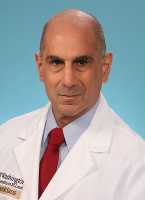
Author Interviews, Biomarkers, Infections, NEJM, University of Pittsburgh / 19.07.2018

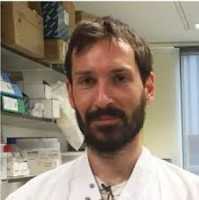
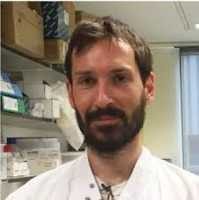
MedicalResearch.com Interview with: [caption id="attachment_43206" align="alignleft" width="200"]David T. Huang, MD, MPH Associate Professor, Critical Care Medicine, Emergency Medicine, Clinical and Translational Science Director, MACRO (Multidisciplinary Acute Care Research Organization) Director, CRISMA Administrative Core (Clinical Research, Investigation, and Systems Modeling of Acute illness) University of Pittsburgh Dr. David Huang[/caption] David T. Huang, MD, MPH Associate Professor, Critical Care Medicine, Emergency Medicine, Clinical and Translational Science Director, MACRO (Multidisciplinary Acute Care Research Organization) Director, CRISMA Administrative Core (Clinical Research, Investigation, and Systems Modeling of Acute illness) University of Pittsburgh MedicalResearch.com: What is the background for this study? Response: The overuse of antibiotics has become a serious threat to global public health, causing antibiotic resistance and increasing health care costs. Physicians have long known that antibiotics are usually unnecessary for acute bronchitis and for some other cases of lower respiratory tract infections, and that antibiotics treat only bacterial infections, not viral. But in daily practice, many physicians often prescribe them. Previous research had reported that using a biomarker blood test and following an antibiotic guideline tied to the test results could reduce antibiotic use in lower respiratory tract infections. In February 2017, the U.S. Food and Drug Administration approved the biomarker test that measures procalcitonin – a peptide that typically increases in bacterial infections, but not viral. We conducted the Procalcitonin Antibiotic Consensus Trial (ProACT) trial to evaluate whether a procalcitonin antibiotic prescribing guideline, implemented for the treatment of suspected lower respiratory tract infection with reproducible strategies, would result in less exposure to antibiotics than usual care, without a significantly higher rate of adverse events. The ProACT trial involved 14 predominately urban academic hospitals. We enrolled 1,656 adult patients who presented to the hospital emergency department and were initially diagnosed with a lower respiratory tract infection. All the patients were tested for their procalcitonin levels, but the results were shared only with the physicians of the patients randomly assigned to procalcitonin-guided antibiotic prescription.
Author Interviews, Heart Disease, JAMA, PAD, Stroke / 19.07.2018

MedicalResearch.com Interview with: [caption id="attachment_42708" align="alignleft" width="143"]Dr. Michael Barry MD Director of the Informed Medical Decisions Program Health Decision Sciences Center at Massachusetts General Hospital Physician at Massachusetts General Hospit Professor of Medicine,Harvard Medical School Dr. Barry[/caption] Dr. Michael Barry MD Director of the Informed Medical Decisions Program Health Decision Sciences Center at Massachusetts General Hospital Physician at Massachusetts General Hospit Professor of Medicine,Harvard Medical School  MedicalResearch.com: What is the background for this study? What are the main findings? Response: Peripheral artery disease—which is known as PAD—is a disease that reduces blood flow to a person’s limbs, especially the legs. PAD can cause leg and foot pain when resting or walking, wounds to not heal properly, and loss of limbs. Additionally, people with PAD are more likely to experience a cardiovascular disease event, such as heart attack and stroke. The U.S. Preventive Services Task Force looked at the latest research to see if screening people without signs or symptoms of PAD using the ankle brachial index (ABI) can prevent heart attack, stroke, or other adverse health effects. We found that more research is needed to determine if screening with ABI can help to identify PAD and/or prevent heart attack or stroke in people without signs or symptoms. Additionally, in a separate recommendation statement, we looked into the effectiveness of what we call nontraditional risk factors for assessing a person’s risk of cardiovascular disease. Clinicians typically check someone’s risk for cardiovascular disease using traditional risk factors, such as age, race, and smoking status. The Task Force looked at the current evidence to see if three additional, nontraditional risk factors can help prevent heart disease or stroke. The nontraditional factors considered were ABI measurements, an elevated amount of high-sensitivity C-reactive protein (hsCRP) in the blood, and an elevated amount of calcium in the coronary arteries (CAC score). In this recommendation, we also found that there is insufficient evidence to recommend for or against using nontraditional risk factors in addition to those normally used to assess cardiovascular disease risk in people without signs or symptoms. 
Author Interviews, Dermatology, Environmental Risks, JAMA, Melanoma / 19.07.2018

MedicalResearch.com Interview with: “Sunscreen” by Tom Newby is licensed under CC BY 2.0Dr Caroline Watts  PhD Post-doctoral Researcher The University of Sydney. MedicalResearch.com: What is the background for this study? What are the main findings?  Response: The study analysed data collected from nearly 1700 young Australians who participated in the Australian Melanoma Family Study, a population-based case-control-family study that focused on people who had a melanoma under 40 years of age and compared them with people the same age who did not have a melanoma. We examined sunscreen use during childhood and adulthood and its association with melanoma risk and found that compared to people who did not use sunscreen, regular sunscreen use during childhood reduced melanoma risk by 30-40 per cent. 
Author Interviews, BMJ, Boehringer Ingelheim, McGill, Pharmacology / 19.07.2018

MedicalResearch.com Interview with: [caption id="attachment_43242" align="alignleft" width="133"]Samy Suissa, PhD Director, Centre for Clinical Epidemiology, Lady Davis Institute Professor, Departments of Epidemiology and Biostatistics and of Medicine McGill University Dr. Suissa[/caption] Samy Suissa, PhD Director, Centre for Clinical Epidemiology, Lady Davis Institute Professor, Departments of Epidemiology and Biostatistics and of Medicine McGill University  MedicalResearch.com: What is the background for this study? What are the main findings? Response: Sulfonylureas are widely used oral antidiabetic drugs that are recommended as second-line treatments after first-line metformin to treat patients with type 2 diabetes. While their safety has been studied extensively, studies in patients with poorly controlled diabetes in need of pharmacotherapy escalation have been sparse and limited. Our study evaluated whether adding or switching to sulfonylureas after initiating metformin treatment is associated with increased cardiovascular or hypoglycaemic risks, compared with remaining on metformin monotherapy. Using a large cohort of over 77,000 patients initiating treatment with metformin monotherapy, we found that adding or switching to sulfonylureas is associated with modest increases of 26% in the risk of myocardial infarction and 28% in the risk of death, as well as an over 7-fold major increase in the risk of severe hypoglycaemia leading to hospitalisation. In particular, we found that switching from metformin to sulfonylureas was associated with higher risks of myocardial infarction and death, compared with adding sulfonylureas to metformin. 
Author Interviews, Dermatology, Environmental Risks, Exercise - Fitness, JAMA / 18.07.2018

MedicalResearch.com Interview with: Sherry Pagoto, PhD Director, UConn Center for mHealth and Social Media President, Society of Behavioral Medicine UConn Institute for Collaboration in Health, Interventions, and Policy Professor, Department of Allied Health Sciences University of Connecticut Storrs, CT 06268 MedicalResearch.com: What is the background for this study? What are the main findings? Response: Recent research has shown that while physical activity is associated with reduced risk for many cancers, it is associated with an increased risk for melanoma. We are not sure why this is the case, however, we have noticed that popular gym chains (e.g., Planet Fitness) often offer tanning beds, which are carcinogenic. We surveyed over 600 people who had used a tanning bed at least once in their life to see how many had used tanning beds in gyms. About one-quarter had used tanning beds in gyms and those folks actually tanned significantly more than people who had not tanned in gyms.  Gym tanners were also more likely to show signs of “tanning addiction.”  We also found an association between tanning and physical activity, such that the people who were the most physically active were the heaviest tanners. 
Annals Internal Medicine, Author Interviews, Hepatitis - Liver Disease, Kidney Disease, Transplantation / 18.07.2018

MedicalResearch.com Interview with: [caption id="attachment_43183" align="alignleft" width="140"]Mark H. Eckman, MD Posey Professor of Clinical Medicine Director, Division of General Internal Medicine Director, Center for Clinical Effectiveness University of Cincinnati Medical Center Cincinnati, OH Dr. Eckman[/caption] Mark H. Eckman, MD Posey Professor of Clinical Medicine Director, Division of General Internal Medicine Director, Center for Clinical Effectiveness University of Cincinnati Medical Center Cincinnati, OH  MedicalResearch.com: What is the background for this study? Response: People who are infected with hepatitis C virus and have kidney failure need a kidney transplant. Recent studies have found that it is possible to transplant kidneys from donors who are infected with hepatitis C virus into patients who need a transplant and are already infected with the virus. In addition, drugs are available to cure most patients of hepatitis C virus, including those who have kidney failure. Infected patients who need a kidney transplant have 2 options. One option is to receive an infected kidney and then use drugs after the transplant to cure themselves and the transplanted kidney of the virus. Another option is to use the drugs first to get rid of the virus and then to receive a kidney from a donor who does not have hepatitis C virus infection. For the more than 500,000 patients receiving dialysis for end-stage renal disease (ESRD), less than 4% receive kidney transplants. Because of the limited organ availability, hemodialysis is the final treatment for most patients with ESRD. Of the 10% or so of U.S. patients receiving dialysis who are infected with the hepatitis C virus (HCV), some are willing to accept HCV-infected kidneys, in part, because the wait times for such kidneys are shorter than those for HCV-uninfected kidneys. Because the yearly mortality rate for patients receiving hemodialysis is so high, between 4% and 16%, reducing the time to kidney transplant can have a dramatic effect on both survival and quality of life. Because it may not be possible to do this type of research with actual people, we created a model that allowed us to estimate possible outcomes without using actual people. The model was a computer program that combined the best available information to approximate what might happen to participants in a real-world clinical trial.
Author Interviews, Heart Disease, Hospital Readmissions, JACC, Outcomes & Safety / 17.07.2018

MedicalResearch.com Interview with: [caption id="attachment_43117" align="alignleft" width="146"]Professor Mamas Mamas (BM BCh, MA, DPhil, MRCP) Professor of Cardiology at Keele University and an Honorary Professor of Cardiology at the University of Manchester Prof. Mamas[/caption] Professor Mamas Mamas (BM BCh, MA, DPhil, MRCP) Professor of Cardiology at Keele University and an Honorary Professor of Cardiology at the University of Manchester MedicalResearch.com: What is the background for this study? Response: Discharge against medical advice occurs in 1 to 2% of all medical admissions but little / no data around how frequently this occurs in the context of PCI or the outcomes associated with such a course of action. We undertook this study to understand both how commonly discharge against medical advice occurs, the types of patients it occurs in and outcomes in terms of both readmission rates and causes of readmisison.  
Author Interviews, Clots - Coagulation, JAMA / 17.07.2018

MedicalResearch.com Interview with: [caption id="attachment_43084" align="alignleft" width="145"]David L. Brown, MD, FACC Professor of Medicine Cardiovascular Division Washington University School of Medicine St. Louis, MO 63110 Dr. Brown[/caption] David L. Brown, MD, FACC Professor of Medicine Cardiovascular Division Washington University School of Medicine St. Louis, MO 63110 MedicalResearch.com: What is the background for this study? What are the main findings? Response: There is very little high quality data for use of IVC filters in general and no high quality data for using them in the population of patients who have had a DVT or PE and have a contraindication to anticoagulation. However, this is the patient population for which filters are most commonly placed. Using administrative, observational data, we found that IVC filter placement in this all-comer population was associated with an increased risk of 30-day mortality after adjusting for baseline differences and immortal time bias.
Allergies, Author Interviews, PLoS / 16.07.2018

MedicalResearch.com Interview with: “TOMATOES” by RubyGoes is licensed under CC BY 2.0Prof. Dr. rer. nat. Wilfried Schwab Technical University of Munich Center of Life and Food Science Weihenstephan Biotechnology of Natural Products Freising, Germany MedicalResearch.com: What is the background for this study? Response: The prevalence of food allergy is an increasing health problem. Although tomatoes are one of the most consumed vegetables worldwide and have health beneficial effects lowering the risk of cancer and cardiovascular diseases, patients suffering from birch pollen allergy can develop cross-reactivity after consumption of fresh tomatoes. The aim of this study was to develop an analytical method for the quantification of the birch-pollen homologous allergen Sola l 4 in various tomatoes cultivars. Furthermore, the effect of conventional or organic cultivation as well as processing techniques on Sola l 4 content was investigated.
Author Interviews, Depression, JAMA, OBGYNE / 15.07.2018

MedicalResearch.com Interview with: [caption id="attachment_43130" align="alignleft" width="175"]Rebecca Pearson, PhD Lecturer in Psychiatric Epidemiology Centre for Academic Mental Health School of Social & Community Medicine University of Bristol Dr. Pearson[/caption] Rebecca Pearson, PhD Lecturer in Psychiatric Epidemiology Centre for Academic Mental Health School of Social & Community Medicine University of Bristol MedicalResearch.com: What is the background for this study? What are the main findings?  Response: We know depression and anxiety are common in young women and during pregnancy when there are also implications for the developing child. It is therefore important to investigate whether symptoms are rising given the pressures of modern life. We found that compared to their mothers generation in the 1990s young pregnancy women today are more likely to be depressed. This was driven largely by symptoms of anxiety and feeling overwhelmed rather than feeling down. 
Author Interviews, Circadian Rhythm, Microbiome, Occupational Health, PNAS / 15.07.2018

MedicalResearch.com Interview with: [caption id="attachment_43172" align="alignleft" width="125"]Dr. Hans Van Dongen, PhD Director of the Sleep and Performance Research Center. ELSON S. FLOYD COLLEGE OF MEDICIN Washington State University Spokane, WA Dr. VAN DONGEN[/caption] Dr. Hans Van Dongen, PhD Director of the Sleep and Performance Research Center. ELSON S. FLOYD COLLEGE OF MEDICIN Washington State University Spokane, WA MedicalResearch.com: What is the background for this study? Response: Night shift workers are at increased risk of metabolic disorders, including obesity and type 2 diabetes, as well as cardiovascular disease, chronic kidney disease, and cancer. Although it is believed that the biological clock – the master circadian clock in the brain – plays an important role in these adverse chronic health consequences of night shift work, the underlying mechanisms are not well understood.
Author Interviews, Infections, PLoS / 13.07.2018

MedicalResearch.com Interview with: Nine-banded armadillo image credit: Dr. Richard Truman, USPHS, Public Domain (2014)John S. Spencer, Ph.D. Colorado State University Fort Collins, Colorado MedicalResearch.com: What is the background for this study? Where can armadillos be found? What are the main findings?  Response: The ancient disease leprosy, a disease causing skin lesions, nerve damage, disfigurement and disability, is caused by the bacterium Mycobacterium leprae, and is mainly spread by aerosol infection (coughing and sneezing) from human to human. It is rare in the United States (less than 200 cases on average per year), while it is endemic in Brazil, where over 25,000 new cases were diagnosed last year. In addition, zoonotic transmission of leprosy by nine-banded armadillos (Dasypus novemcintus, pictured at left) has been shown to occur in the southern United States, mainly in Texas, Louisiana and Florida. Nine-banded armadillos originated from South America, and expanded their range from Mexico into Texas in the 1800’s, eventually spreading north and east throughout the gulf states. People in Brazil, particularly in rural areas, hunt and kill armadillos as a dietary source of protein. In the small town of Belterra in western Pará state in the Brazilian Amazon region, a survey of 146 residents showed that around 65% of people had some contact with armadillos, through hunting, preparing the meat for cooking, or by eating them. A group of individuals who ate armadillos most frequently (more than once per month and up to twice a week) had a significantly higher antibody titer towards the M. leprae-specific antigen PGL-I and an almost two-fold higher risk of being diagnosed with disease, a significant risk.  
Author Interviews, Environmental Risks, PLoS, UCSF / 12.07.2018

MedicalResearch.com Interview with: [caption id="attachment_43120" align="alignleft" width="196"]Lara Cushing PhD Assistant Professor of Health Education, College of Health and Social Sciences San Francisco State University 1600 Holloway Avenue San Francisco, CA 94132 Dr. Cushing[/caption] Lara Cushing PhD Assistant Professor of Health Education, College of Health and Social Sciences San Francisco State University San Francisco, CA 94132 MedicalResearch.com: What is the background for this study? Response: More and more countries are adopting cap-and-trade programs as a way to reduce emissions of greenhouse gases to address climate change. These efforts can lead to short-term health benefits because when you reduce greenhouse gas emissions, you usually also reduce emissions other harmful air pollutants that can cause cardiovascular disease, asthma and cancer. However, environmental equity concerns were raised early on about whether cap-and-trade would result in localized differences in emissions reductions that would also result in uneven reductions in harmful co-pollutants, such as particulate matter and air toxics. This is because companies can trade pollution permits under a cap-and-trade system and choose to buy more permits rather than reduce their emissions locally. Prior studies show that low income communities and communities of color are much more likely to live near polluting industries.
Asthma, Author Interviews, Heart Disease, JAMA / 11.07.2018

MedicalResearch.com Interview with: [caption id="attachment_43088" align="alignleft" width="128"]Aivaras Cepelis, MSci Department of Public Health and Nursing, Faculty of Medicine and Health Science, NTNU, Norwegian University of Science and Technology Trondheim, Norway Aivaras Cepelis[/caption] Aivaras Cepelis, MSci Department of Public Health and Nursing, Faculty of Medicine and Health Science NTNU, Norwegian University of Science and Technology Trondheim, Norway MedicalResearch.com: What is the background for this study? Response: Atrial fibrillation is the most common sustained, irregular and often rapid heart rate with a lifetime risk of 26%. The number of adults with atrial fibrillation is projected to double by 2050. Atrial fibrillation is also linked to adverse cardiovascular outcomes such as doubled risk of stroke and cardiovascular mortality. Therefore, we believe that research into the novel risk factors of the disease is highly warranted. One of the potential condition that could play a role in the growing prevalence of atrial fibrillation is asthma. Asthma is a chronic inflammatory airway disease, affecting as many as 30 million children and adults in Europe. High levels of systemic inflammation biomarkers have been reported in both uncontrolled asthmatics and patients with atrial fibrillation. Furthermore, beta-agonists, the most common prescribed asthma control medication, has been shown to influence heart rate and increase the risk of irregular heartbeat. However, research looking at asthma and atrial fibrillation link are lacking and no previous studies have assessed the dose-response relationship between levels of asthma control and atrial fibrillation. We utilized over 54 000 adults from a large well-defined Norwegian population cohort The Nord-Trøndelag Health Study (HUNT) to explore this association.
Author Interviews, Critical Care - Intensive Care - ICUs, JAMA, Pediatrics, Social Issues / 11.07.2018

MedicalResearch.com Interview with: [caption id="attachment_43004" align="alignleft" width="145"]Dr. Tessie W. October. MD, MPH Critical Care Specialist Children’s National Health System Dr. October[/caption] Dr. Tessie W. October. MD, MPH Critical Care Specialist Children’s National Health System  MedicalResearch.com: What is the background for this study? What are the main findings?  Response: This is a qualitative study that examines the impact of empathetic statements made by doctors on the ensuing conversation with families of critically ill children. We know families are more satisfied when doctors show empathy, but until this study, we did not know how these empathetic statements are received by families. In this study we found that doctors frequently respond to a family’s emotions by responding with empathy, but how the doctor presented that empathetic statement mattered. When doctors made an empathetic statement, then paused to allow time for a family’s response, the family was 18 times more likely to share additional information about their fears, hopes or values. Conversely, when doctors buried the empathetic statement within medical talk or if a second doctor interrupted, the empathetic statement frequently went unheard by the family.
Annals Internal Medicine, Author Interviews, Emory, Endocrinology, Heart Disease, Sexual Health, Thromboembolism / 10.07.2018

MedicalResearch.com Interview with: [caption id="attachment_43071" align="alignleft" width="150"]Michael Goodman, MD, MPH Professor of Epidemiology Director, MD/MPH program Emory University School of Public Health Atlanta, GA  30322 Dr. Goodman[/caption] Michael Goodman, MD, MPH Professor of Epidemiology Director, MD/MPH program Emory University School of Public Health Atlanta, GA  30322 MedicalResearch.com: What is the background for this study? What are the main findings?  Response: There is a concern that hormone therapy may be associated with higher risk of certain cardiovascular problems such as heart attacks, stroke and formation of blood clots (“venous thromboembolism”). To study this concern we examined data on 4,960 transgender and gender non-conforming people enrolled in Kaiser Permanente health systems in Georgia, Northern California, and Southern California. They were matched to 48,686 cisgender men and 48,775 cisgender women.  Below are the main findings
  • Rates of venous thromboembolism in all transwomen were approximately twice as high as the rates among cisgender men or cisgender women. The data for stroke and myocardial infarction demonstrated little difference between transwomen and cisgender men, but 80% to 90% higher rates among transwomen compared to cisgender women.
  • When the analyses focused specifically on transwomen who started therapy with female hormone estrogen at Kaiser Permanente, the incidence of both venous thromboembolism and stroke was more clearly elevated relative to either reference group.  There was evidence that incidence of both of these conditions among transwomen was particularly increased two to six years after estrogen initiation. By contrast, the association between estrogen therapy and myocardial infarction was less evident due to relatively few observed events.
  • Transmen did not appear to have significantly higher rates of venous thromboembolism, ischemic stroke, or myocardial infarction than their non-transgender counterparts, but this group was rather young and included a relatively small proportion of participants who initiated their hormone therapy during the study.
Author Interviews, Cancer Research, Lancet / 10.07.2018

MedicalResearch.com Interview with: [caption id="attachment_43029" align="alignleft" width="190"]Paul Lyon DPhil, MRCS Academic Clinical Fellow in Radiology Oxford University Hospitals NHS Foundation Trust Oxford, UK Dr. Lyon[/caption] Paul Lyon DPhil, MRCS Academic Clinical Fellow in Radiology Oxford University Hospitals NHS Foundation Trust Oxford, UK MedicalResearch.com: What is the background for this study? What are the main findings? Response: Delivering therapeutic doses of systemic chemotherapy to solid tumours, whilst ensuring side effects remain tolerable, has a presented a long-standing and unsolved challenge in oncology. With the advent of smart nanomedicines for clinical use, such as Lyso-Thermosensitive Liposomal Doxorubicin (LTLD, ThermoDox®, Celsion, USA), which has been formulated to release its doxorubicin content at 2.5°C above body temperature, there is now opportunity for targeted tumour therapy in combination with therapeutic devices. Much like a magnifying glass can focus energy from the sun to burn a hole in paper, ultrasound can be focused deep within the body to induce therapeutic effects in tumours, including ablation, hyperthermia and other bioeffects. Since its inception in the 1940s, focused (or therapeutic) ultrasound has evolved and is now FDA-approved for a variety of indications including ablation of several tumour types, virtue of being safe, non-invasive and non-ionising. Building on decades of preclinical research efforts worldwide, the TARDOX study is the first clinical trial to attempt triggered drug delivery to a target tumour non-invasively using an external focused ultrasound device. This phase 1 study which ran between March 2015-March 2017 in Oxford, UK, treated 10 patients with inoperable primary or secondary liver tumours which were either stable or refractory to previous chemotherapies. In each patient, a single intervention under general anaesthetic was performed during which a selected liver tumour was targeted and gently heated with focused ultrasound following an intravenous infusion of LTLD. Biopsies were used to determine the quantity of intratumoral doxorubicin before and after the ultrasound exposure. 
Author Interviews, JAMA, Opiods / 09.07.2018

MedicalResearch.com Interview with: [caption id="attachment_42968" align="alignleft" width="133"]Tyler Winkelman MD, MSc   Clinician-Investigator Division of General Internal Medicine, Hennepin Healthcare Center for Patient and Provider Experience, Hennepin Healthcare Research Institute Assistant Professor Departments of Medicine & Pediatrics University of Minnesota Dr. Winkelman[/caption] Tyler Winkelman MD, MSc  Clinician-Investigator Division of General Internal Medicine, Hennepin Healthcare Center for Patient and Provider Experience, Hennepin Healthcare Research Institute Assistant Professor Departments of Medicine & Pediatrics University of Minnesota MedicalResearch.com: What is the background for this study? Response: Opioid overdose deaths continue to escalate, and there have been reports that jails and prisons are bearing the brunt of the opioid epidemic. However, it wasn’t known, nationally, how many people who use opioids were involved in the criminal justice system. We also didn’t have recent estimates of common physical and mental health conditions among people with different levels of opioid use. We used two years of national survey data to understand these associations, which are critical in developing a public health response to the opioid epidemic.
Author Interviews, Colon Cancer, JNCI, NIH, Vitamin D / 09.07.2018

MedicalResearch.com Interview with: [caption id="attachment_42971" align="alignleft" width="160"]Stephanie J. Weinstein, M.S., Ph.D.  Metabolic Epidemiology Branch, Division of Cancer Epidemiology and Genetics, National Cancer Institute, NIH  Dr. Weinstein[/caption] Stephanie J. Weinstein, M.S., Ph.D.  Metabolic Epidemiology Branch, Division of Cancer Epidemiology and Genetics National Cancer Institute, NIH   MedicalResearch.com: What is the background for this study?   Response: Vitamin D, known for its role in maintaining bone health, is hypothesized to lower colorectal cancer risk via several pathways related to cell growth and regulation. Previous prospective studies have reported inconsistent results for whether higher concentrations of circulating 25-hydroxyvitamin D, the accepted measure of vitamin D status, are linked to lower risk of colorectal cancer. The few randomized clinical trials of vitamin D supplementation and colorectal cancer completed thus far have not shown an effect; but study size, relatively short supplementation duration, and only moderate compliance may have contributed to their null findings. To address inconsistencies in prior studies on vitamin D, and to investigate associations in population subgroups, we harmonized and analyzed participant-level data from over 5,700 colorectal cancer cases who had blood collected before colorectal cancer diagnosis, and 7,100 matched cancer-free controls. Study participants were drawn from 17 prospective cohorts from the United States, Europe, and Asia and were followed for an average of 5.5 years (range: 1 – 25 years). We used a single, widely accepted assay and laboratory for new vitamin D measurements and calibrated existing vitamin D measurements. In the past, substantial differences between assays made it difficult to integrate vitamin D data from different studies. Our novel calibration approach enabled us to explore risk systematically over the broad range of vitamin D levels seen internationally. 
Author Interviews, Beth Israel Deaconess, HIV, Lancet, Vaccine Studies / 08.07.2018

MedicalResearch.com Interview with: [caption id="attachment_42987" align="alignleft" width="200"]Dan Barouch, M.D., Ph.D. Professor of Medicine Harvard Medical School Ragon Institute of MGH, MIT, and Harvard Director, Center for Virology and Vaccine Research Beth Israel Deaconess Medical Center Boston, MA 02215 Dr. Barouch[/caption] Dan Barouch, M.D., Ph.D. Professor of Medicine Harvard Medical School Ragon Institute of MGH, MIT, and Harvard Director, Center for Virology and Vaccine Research Beth Israel Deaconess Medical Center Boston, MA 02215 MedicalResearch.com: What is the background for this study? What are the main findings? Response: This study demonstrates that the mosaic Ad26/Env HIV vaccine candidate induced robust and comparable immune responses in humans and monkeys. Moreover, the vaccine provided 67% protection against viral challenge in monkeys.   
Author Interviews, BMJ, Clots - Coagulation, Heart Disease / 07.07.2018

MedicalResearch.com Interview with: [caption id="attachment_42974" align="alignleft" width="120"]Yana Vinogradova, PhD, Research Fellow Division of Primary Care, School of Medicine University of Nottingham Nottingham Dr. Vinogradova[/caption] Yana Vinogradova, PhD, Research Fellow Division of Primary Care, School of Medicine University of Nottingham Nottingham MedicalResearch.com: What is the background for this study? What are the main findings? Response: Anticoagulants are prescribed for treatment and prevention of thrombosis and stroke but may lead to major bleeding.  Unlike the older drug warfarin, newer direct oral anticoagulants do not require regular blood tests but their safety was shown only in selected patients and in trial conditions. The study found that Direct Oral AntiCoagulants (DOACs) are safer than warfarin in terms of bleeding risks with apixaban being the safest. 
Author Interviews, Brigham & Women's - Harvard, Electronic Records, JAMA / 07.07.2018

MedicalResearch.com Interview with: [caption id="attachment_42960" align="alignleft" width="124"]Li Zhou, MD, PhD, FACMI Associate Professor of Medicine Division of General Internal Medicine and Primary Care Brigham and Women’s Hospital, Harvard Medical School Somerville, MA 02145 Dr. Li Zhou[/caption] Li Zhou, MD, PhD, FACMI Associate Professor of Medicine Division of General Internal Medicine and Primary Care Brigham and Women’s Hospital, Harvard Medical School Somerville, MA 02145 MedicalResearch.com: What is the background for this study? What are the main findings? Response: Documentation is one of the most time-consuming and costly aspects of electronic health record (EHR) use. Speech recognition (SR) technology, the automatic translation of voice to text, has been increasingly adopted to help clinicians complete their documentation in an efficient and cost-effective manner. One way in which SR can assist this process is commonly known as “back-end” SR, in which the clinician dictates into the telephone, the recorded audio is automatically transcribed to text by an speech recognition engine, and the text is edited by a professional medical transcriptionist and sent back to the EHR for the clinician to review and sign. In this study, we analyzed errors at different processing stages of clinical documents collected from 2 health care institutions using the same back-end SR vendor. We defined a comprehensive schema to systematically classify and analyze these errors, focusing particularly on clinically significant errors (errors that could plausibly affect a patient’s future care). We found an average of 7 errors per 100 words in raw  speech recognition transcriptions, and about 6% of those errors were clinically significant. 96.3% of the raw speech recognition transcriptions evaluated contained at least one error, and 63.6% had at least one clinically significant error. However, the rate of errors fell significantly after review by a medical transcriptionist, and it fell further still after the clinician reviewed the edited transcript.
Author Interviews, Breast Cancer, Cancer Research, Cost of Health Care, JAMA / 06.07.2018

MedicalResearch.com Interview with:

[caption id="attachment_42920" align="alignleft" width="150"]Dr Nora Pashayan PhD Clinical Reader in Applied Health Research University College London Dept of Applied Health Research London  Dr. Pashayan[/caption]

Dr Nora Pashayan PhD

Clinical Reader in Applied Health Research

University College London

Dept of Applied Health Research

London 

MedicalResearch.com:  What is the background for this study?

Response: Not all women have the same risk of developing breast cancer and not all women have the same potential to benefit from screening.


If the screening programme takes into account the individual variation in risk, then evidence from different studies indicate that this could improve the efficiency of the screening programme. However, questions remain on what is the best risk-stratified screening strategy, does risk-stratified screening add value for money, and what are benefit and harm trade-offs.

Author Interviews, Cost of Health Care, End of Life Care, Medicare, Science / 06.07.2018

MedicalResearch.com Interview with: [caption id="attachment_42957" align="alignleft" width="200"]Amy Finkelstein PhD John & Jennie S. MacDonald Professor of Economics MIT Department of Economics National Bureau of Economic Research Cambridge MA 02139  Dr. Finkelstein[/caption] Amy Finkelstein PhD John & Jennie S. MacDonald Professor of Economics MIT Department of Economics National Bureau of Economic Research Cambridge MA 02139  MedicalResearch.com: What is the background for this study? What are the main findings? Response: Although only 5% of Medicare beneficiaries die in a given year, they account for almost 25% of Medciare spending. This fact about high end of life spending has been constantly used to refer to inefficiency of the US healthcare system. A natural observation is that the fact is retrospective, and it motivated us to explore a prospective analog, which would take as an input the probability of someone dying in a given year rather than her realized outcome. We therefore used machine learning techniques to predict death, and somewhat to our surprise we found that at least using standardized and detailed claims-level data, predicting death is difficult, and there are only a tiny fraction of Medicare beneficiaries for whom we can predict death (within a year) with near certainty. Those who end up dying are obviously sicker, and our study finds that up to half of the higher spending on those who die could be attributed to the fact that those who die are sicker and sick individuals are associated with higher spending.  
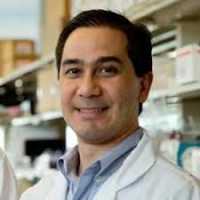
Author Interviews, JAMA, Mental Health Research, Nutrition, OBGYNE / 05.07.2018

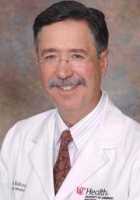
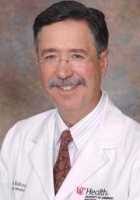
MedicalResearch.com Interview with: [caption id="attachment_42888" align="alignleft" width="135"]Joshua L. Roffman, MD Department of Psychiatry Mass General Hospital Dr. Roffman[/caption] Joshua L. Roffman, MD Department of Psychiatry Mass General Hospital MedicalResearch.com: What is the background for this study? What are the main findings? Response: Autism, schizophrenia, and other serious mental illness affecting young people are chronic, debilitating, and incurable at present.  Recent public health studies have associated prenatal exposure to folic acid, a B-vitamin, with reduced subsequent risk of these illnesses.  However, until this point, biological evidence supporting a causal relationship between prenatal folic acid exposure and reduced psychiatric risk has remained elusive. We leveraged the rollout of government-mandated folic acid fortification of grain products in the U.S. from 1996-98 as a "natural experiment" to determine whether increased prenatal folic acid exposure influenced subsequent brain development.  This intervention, implemented to reduce risk of spina bifida and other disabling neural tube defects in infants, rapidly doubled blood folate levels among women of childbearing age in surveillance studies. Across two large, independent cohorts of youths age 8 to 18 who received MRI scans, we observed increased cortical thickness, and a delay in age-related cortical thinning, in brain regions associated with schizophrenia risk among individuals who were born during or after the fortification rollout, compared to those born just before it.  Further, delayed cortical thinning also predicted reduced risk of psychosis spectrum symptoms, a finding that suggests biological plausibility in light of previous work demonstrating early and accelerated cortical thinning among school-aged individuals with autism or psychosis.
Accidents & Violence, Author Interviews, JAMA, Pediatrics, University of Pittsburgh / 05.07.2018

MedicalResearch.com Interview with: [caption id="attachment_42860" align="alignleft" width="159"]Alison J. Culyba, MD, PhD, MPH Instructor in the Craig-Dalsimer Division of Adolescent Medicine Children's Hospital of Philadelphia Dr. Culyba[/caption] Alison JCulyba, MD, PhD, MPH Assistant Professor of Pediatrics UPMC Children’s Hospital of Pittsburgh University of Pittsburgh School of Medicine MedicalResearch.com: What is the background for this study? What are the main findings? Response: Homicide is the third leading cause of death among adolescents, and disproportionately affects minority youth in under-resourced urban communities. Most research on youth violence focuses on risk factors, such as weapon carrying and substance abuse. We know much less about factors that protect youth from violence. Future orientation, defined as hopes and plans for the future, is linked to many important positive outcomes for youth, including doing well in school and avoiding illicit substances. However, there has been very little research to examine whether future orientation may also protect youth from violence. To study links between future orientation and violence perpetration, we surveyed over 850 male youth in lower resource neighborhoods in Pittsburgh as part of a community-based sexual violence prevention study. We found that youth with positive future orientation were significantly less likely to report threatening someone with a weapon or injuring someone with a weapon in the past nine months.


Author Interviews, Infections, NEJM / 05.07.2018

MedicalResearch.com Interview with: [caption id="attachment_42938" align="alignleft" width="300"]This 1967 photograph, which was captured in Accra, Ghana, depicts the face of a smallpox patient CDC/ John Noble, Jr., M.D. This 1967 photograph, which was captured in Accra, Ghana, depicts the face of a smallpox patient.[/caption] Dr. Dennis E. Hruby PhD Chief Science Officer of SIGA Technologies Corvallis, OR MedicalResearch.com: What is the background for this study?  Response: Naturally occurring smallpox was declared eradicated in 1980 following coordinated decades-long global vaccination campaigns. However, there is a significant concern that smallpox, which is both highly contagious and highly lethal, could be used as a potential bioweapon. DNA synthesis technology and the possibility of unaccounted for smallpox stocks pose significant risks. While there are two publicly acknowledged stocks of smallpox virus held by the United States and Russia, some believe that additional stores of the virus could be in the hands of governments or organizations that might use them to cause harm. The DNA sequence of the smallpox genome is in the public domain and could potentially be synthesized in a laboratory from scratch or created by genetically modifying a similar virus. Currently, there are no therapies approved for the treatment of smallpox infection. A smallpox bioterror attack could be especially damaging because the majority of today’s population is not immune to the virus, as routine vaccination ended in the 1970s. It is estimated that without vaccination or treatment, each person infected with smallpox would infect 5 - 7 others. Rapid spread from person-to-person can occur through speaking, breathing or touching. Smallpox also can be transmitted by direct contact with infected fluids and contaminated objects. Furthermore, vaccination must occur within 3-5 days of exposure to smallpox, when patients are still asymptomatic, to be effective. These limitations underscore the need for an effective smallpox antiviral therapy, in addition to any available vaccine.
Author Interviews, Cancer Research, JAMA, OBGYNE / 04.07.2018

MedicalResearch.com Interview with: [caption id="attachment_42932" align="alignleft" width="133"]Gina Ogilvie | MD MSc FCFP DrPH Professor | Faculty of Medicine | University of British Columbia Canada Research Chair | Global control of HPV related disease and cancer Senior Public Health Scientist | BC Centre for Disease Control Senior Research Advisor | BC Women's Hospital and Health Centre BC Women's Hospital and Health Centre Vancouver, BC Dr. Gina Ogilvie[/caption] Dr. Gina Ogilvie | MD MSc FCFP DrPH Professor | Faculty of Medicine | University of British Columbia Canada Research Chair | Global control of HPV related disease and cancer Senior Public Health Scientist | BC Centre for Disease Control Senior Research Advisor | BC Women's Hospital and Health Centre BC Women's Hospital and Health Centre Vancouver, BC MedicalResearch.com: What is the background for this study? What are the main findings? Response: HPV is known to be the cause of 99% of cervcial cancers. In this study, we compared the routine screening test for cervical cancer, Pap test, to HPV testing. We found that by using HPV testing, women were significantly more likely to have cervical pre-cancers detected earlier. In addition, women with negative HPV tests were significantly less likely to have pre-cancers 48 months later.
Author Interviews, BMJ, Diabetes, Occupational Health / 03.07.2018

MedicalResearch.com Interview with: [caption id="attachment_42837" align="alignleft" width="200"]Mahée Gilbert-Ouimet, PhD Postdoctoral fellow/Chercheure postdoctorale Institute for Work & Health Hôpital du St-Sacrement,  Québec  Dr. Gilbert-Ouimet[/caption] Mahée Gilbert-Ouimet, PhD Postdoctoral fellow/Chercheure postdoctorale Institute for Work & Health Hôpital du St-Sacrement,  Québec  MedicalResearch.com: What is the background for this study?  Response: Diabetes is one of the primary causes of death worldwide, in addition to being a major risk factor for several other chronic diseases including cardiovascular diseases. Considering the rapid and substantial increase of diabetes prevalence, identifying modifiable risk factors is of major importance. In this regard, long work hours have recently been linked with diabetes, but more high-quality prospective studies are needed. Our study evaluated the relationship between long work hours and the incidence of diabetes among 7065 workers over a 12-year period in Ontario, Canada.