Author Interviews, JACC, JAMA, Weight Research / 05.03.2018

MedicalResearch.com Interview with: “physical-activity-120112-M-2021D-019” by MilitaryHealth is licensed under CC BY 2.0Trine Moholdt, PhD Research Fellow Department of Circulation and Medical Imaging | Exercise, Cardiometabolic Health and Reproduction Norwegian University of Science and Technology MedicalResearch.com: What is the background for this study?   Response: Although obese individuals have an increased risk of cardiovascular disease, evidence from many observational studies shows that in those who already have cardiovascular disease, being overweight or obese is associated with lower risk of mortality compared to their normal weight counterparts. This phenomenon is often called the “obesity paradox”. Recently we observed that in individuals who have a high physical activity level, there is no such obesity paradox and body mass index did not associate with survival time in those who with high physical activity (Moholdt et al, American Journal of Medicine, 2017). 
Allergies, Author Interviews, Dermatology, JAMA, Stanford, Technology / 03.03.2018

MedicalResearch.com Interview with: [caption id="attachment_40358" align="alignleft" width="200"]Kavita Sarin, M.D., Ph.D. Dr. Sarin[/caption] Kavita Sarin, M.D., Ph.D. Assistant Professor of Dermatology Stanford University Medical Center MedicalResearch.com: What is the background for this study? What are the main findings?  Response: Drug reactions occur in the majority of patients undergoing cancer therapies. Half of serious drug reactions are detected after market approval which can result in painful complications and interruption in therapy. Post-market drug surveillance platforms such as FDA monitoring rely on medical publications and physician reporting and take time to identify trends. We sought to determine if we could identify trends in patient discussions in internet health forums to more rapidly identify chemotherapeutic drug reactions. We chose skin reactions as a proof-of-principle because patients can more easily describe what they see on their skin. Julia Ransohoff, a medical student, and Azadeh Nikfarham, an informatics postdoctoral fellow trained a computer to recognize when a patient undergoing anti-cancer treatment with PD-1 antagonists or EGFR-inhibitors described a drug reaction in their internet forum posts.
Author Interviews, JAMA, Occupational Health, PTSD / 02.03.2018

MedicalResearch.com Interview with: [caption id="attachment_40322" align="alignleft" width="133"]Dr. Lori Davis, MD Research and Development Service, Tuscaloosa Veterans Affairs (VA) Medical Center, Department of Psychiatry, School of Medicine, University of Alabama, Tuscaloosa Tuscaloosa, Alabama Dr. Davis[/caption] Dr. Lori Davis, MD Research and Development Service, Tuscaloosa Veterans Affairs (VA) Medical Center, Department of Psychiatry, School of Medicine, University of Alabama, Tuscaloosa Tuscaloosa, Alabama MedicalResearch.com: What is the background for this study? What are the main findings? Response: Symptoms of posttraumatic stress disorder (PTSD) interfere with a person’s ability to function at work, making it harder to stay employed and establish oneself in a career.  Veterans with PTSD are uniquely challenged given their motivation to serve others, be leaders and not be generally receptive to reaching out for help. Conventional wisdom about PTSD and employment has traditionally been to first commit to treatment, learn coping skills, manage one’s symptoms and then reintegrate into mainstream employment. However, this view is being transformed by our research that suggests a more assertive recovery-oriented approach to the treatment of PTSD that involves returning to meaningful competitive employment as soon as possible. This study compared Evidence-based Supported Employment (also known as Individual Placement and Support or IPS) integrated within PTSD treatment teams to the treatment as usual Transitional Work model offered within the VA. This multisite trial demonstrated significantly greater effectiveness of the IPS-supported employment over stepwise, transitional work vocational rehabilitation for Veterans living with chronic PTSD.
Author Interviews, ENT, JAMA, Surgical Research / 02.03.2018

MedicalResearch.com Interview with: [caption id="attachment_40303" align="alignleft" width="142"]Boris Paskhover, MD Rutgers New Jersey Medical School Adjunct Instructor,Department of Otolaryngology-Head and Neck Surgery NYU Langone Medical Center Dr. Paskhover[/caption] Boris Paskhover, MD Rutgers New Jersey Medical School Adjunct Instructor,Department of Otolaryngology-Head and Neck Surgery NYU Langone Medical Center MedicalResearch.com: What is the background for this study? Response: Patient's and the general public routinely mention that their nose appears large, especially when they look at photos taken with their phone. I realized that patients in general are taking selfies more often nowadays. In my training, we routinely would tell patient’s not to use selfies as a marker of how they look, and we instead would take a 5ft distance photograph since we knew that is more realistic. I looked through the medical literature, and it appeared to me that no one had thoroughly discussed why selfies are a bad when evaluating the nose. I contacted a colleague at Stanford who has a PhD with interest in computer graphics and we developed a model for the face/nose.
Author Interviews, Critical Care - Intensive Care - ICUs, NEJM, Vanderbilt / 01.03.2018

MedicalResearch.com Interview with: [caption id="attachment_40231" align="alignleft" width="150"]Todd W. Rice, MD, MSc Associate Professor of Medicine Director, Vanderbilt University Hospital Medical Intensive Care Unit Division of Allergy, Pulmonary, and Critical Care Medicine Nashville, TN   Dr. Rice[/caption] Todd W. Rice, MD, MSc Associate Professor of Medicine Director, Vanderbilt University Hospital Medical Intensive Care Unit Division of Allergy, Pulmonary, and Critical Care Medicine Nashville, TN   MedicalResearch.com: What is the background for this study? Response: Our study (called the SMART study) evaluates the effects of different types of intravenous fluids used in practice in critically ill patients.  It is very similar to the companion study (called the SALT-ED study and published in the same issue) which compares the effects of different types of intravenous fluids on non-critically ill patients admitted to the hospital.  Saline is the most commonly used intravenous fluid in critically ill patients.  It contains higher levels of sodium and chloride than are present in the human blood.  Balanced fluids contain levels of sodium and chloride closer to those seen in human blood. Large observational studies and studies in animals have suggested that the higher sodium and chloride content in saline may cause or worsen damage to the kidney or cause death.  Only a few large studies have been done in humans and the results are a bit inconclusive.
Author Interviews, Critical Care - Intensive Care - ICUs, Kidney Disease, NEJM, Vanderbilt / 01.03.2018

MedicalResearch.com Interview with: [caption id="attachment_40216" align="alignleft" width="142"]Wesley H. Self, MD, MPH Associate Professor Department of Emergency Medicine Vanderbilt University Medical Center Nashville, TN  Dr. Self[/caption] Wesley H. Self, MD, MPH Associate Professor Department of Emergency Medicine Vanderbilt University Medical Center Nashville, TN   MedicalResearch.com: What is the background for this study? What are the main findings?  Response: Doctors have been giving IV fluids to patients for more than 100 years. The most common IV fluid during this time has been saline; it has high levels of sodium and chloride in it (similar to table salt).  Balanced fluids are an alternative type of IV fluid that has lower levels of sodium and chloride that are more similar to human blood. Our studies were designed to see if treating patients with these balanced fluids resulted in better outcomes than saline.  We found that patients treated with balanced fluids had lower rates of death and kidney damage than patients treated with saline.
Author Interviews, Cost of Health Care, JAMA, Surgical Research / 28.02.2018

MedicalResearch.com Interview with: [caption id="attachment_40286" align="alignleft" width="201"]Dr. Chris Childers, M.D.  Division of General Surgery David Geffen School of Medicine at UCLA Los Angeles, CA 90095 Dr. Childers[/caption] Dr. Chris Childers, M.D. Division of General Surgery David Geffen School of Medicine at UCLA Los Angeles, CA 90095 MedicalResearch.com: What is the background for this study? What are the main findings? Response: Over 20 million Americans undergo a surgical procedure each year with a price tag over $1 trillion.  The operating room (OR) is a particularly resource dense environment, yet little is known about the actual costs of running an OR.  Most previous efforts focusing on OR costs have come from single-site studies with little detail about the drivers of OR costs. Using financial statements from all California hospitals we estimated that the average cost to the hospital for one minute of OR time was between $36 and $37. Perhaps more notable was the composition of these costs.  Almost two-thirds ($20-21) was attributable to “direct costs” - those generated by the OR itself - including $14 for the wages and benefits of staff, $2.50-3.50 for surgical supplies, and $3 for “other” costs such as equipment repair and depreciation. Interestingly, the remainder ($14-16) was dedicated to “indirect costs” such as the costs associated with hospital security and parking.  While these indirect costs are necessary for a hospital to run, they are not under the purview of the operating room. Finally, we also learned that OR costs have increased quickly over the past 10 years – faster than other sectors of healthcare as well as the rest of the economy.
Author Interviews, Depression, Heart Disease, JAMA / 27.02.2018

MedicalResearch.com Interview with: [caption id="attachment_40300" align="alignleft" width="142"]David Bekelman, MD, MPH  Associate Professor of Medicine and Nursing Eastern Colorado Health Care System, Department of Veterans Affairs, Denver, CO University of Colorado School of Medicine at the Anschutz Medical Campus, Aurora, CO Dr. Bekelman[/caption] David Bekelman, MD, MPH  Associate Professor of Medicine and Nursing Eastern Colorado Health Care System, Department of Veterans Affairs, Denver, CO University of Colorado School of Medicine at the Anschutz Medical Campus, Aurora, CO MedicalResearch.com: What is the background for this study? What are the main findings? Response: Many of the 5.8 million Americans with heart failure live with bothersome symptoms, reduced function and poor quality of life.  Improving their care is important because many people with heart failure live with these challenges for years.

This study evaluated the effect of a team intervention, Collaborative Care to Alleviate Symptoms and Adjust to Illness, also called CASA, on several aspects of quality of life in 314 patients with heart failure.  The patients, who received care at diverse health systems in Colorado, were randomized to receive usual care or usual care supplemented with the CASA intervention, which included a nurse and a social worker who collaborated with a primary care provider, cardiologist, and palliative care physician to address the patients’ needs.

The study found that the CASA intervention did not influence the primary outcome of heart failure health status, yet did improve patients’ depression and fatigue.  CASA did not influence number of patient hospitalizations or mortality.

Author Interviews, Circulation Issues, Clots - Coagulation, JAMA / 27.02.2018

MedicalResearch.com Interview with: [caption id="attachment_40213" align="alignleft" width="149"]Shyueluen Chang Shyueluen Chang[/caption] Shyueluen Chang MD Phlebologist with Dermatologist background Vein Clinic, Department of Dermatology, Chang Gung Memorial Hospital Taoyuan, Taiwan MedicalResearch.com: What is the background for this study?   Response: Varicose veins are common, with about 23 percent of U.S. adults having the condition, but they are rarely thought to be associated with serious health risks. In contrast, venous thrombosis (DVT), pulmonary embolism (PE), and peripheral artery disease (PAD) are also vascular diseases that are associated with serious systemic effects. Not much is known about varicose veins and the risk of other vascular diseases. Elucidating potential associations between varicose veins and health-threatening diseases is important. Partner's note: Understanding the broader impact of vascular diseases can provide valuable insights into the risks associated with varicose veins.
Author Interviews, End of Life Care, Heart Disease, JAMA, Technology / 27.02.2018

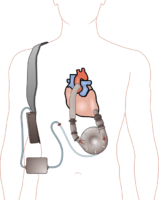
MedicalResearch.com Interview with: [caption id="attachment_40246" align="alignleft" width="159"]A left ventricular assist device (LVAD) pumping blood from the left ventricle to the aorta, connected to an externally worn control unit and battery pack. Wikipedia image A left ventricular assist device (LVAD) pumping blood from the left ventricle to the aorta, connected to an externally worn control unit and battery pack.
Wikipedia image[/caption] Larry A. Allen, MD, MHS Associate Professor, Medicine Associate Head for Clinical Affairs, Cardiology Medical Director, Advanced Heart Failure Aurora, CO 80045 MedicalResearch.com: What is the background for this study? What are the main findings? Response: Deciding whether or not to get a left ventricular assist device (LVAD) is one of the most challenging medical decisions created by modern medicine. LVADs improve overall survival but also come with serious risks and lifestyle changes. Particularly for older patients with multiple medical problems, this is a complex choice. Our research group at the University of Colorado spent years systematically developing unbiased pamphlet and video decision aids for patients and caregivers. We also developed a clinician-directed decision support training for LVAD program staff. The DECIDE-LVAD trial studied the implementation and effectiveness of this decision support intervention with patients and their caregivers in 6 hospitals in the U.S. When compared to previously used education materials, the decision aids appeared to improve patients’ decision quality and lowered the total number of patients getting LVADs.
Author Interviews, Cost of Health Care, Critical Care - Intensive Care - ICUs, JAMA, Kidney Disease / 26.02.2018

MedicalResearch.com Interview with: [caption id="attachment_40274" align="alignleft" width="143"]Rodrigo F. Alban, MD FACS Associate Director Performance Improvement Associate Residency Program Director NSQIP Surgeon Champion Department of Surgery Cedars-Sinai Medical Center Dr. Alban[/caption] Rodrigo F. Alban, MD FACS Associate Director Performance Improvement Associate Residency Program Director NSQIP Surgeon Champion Department of Surgery Cedars-Sinai Medical Center  MedicalResearch.com: What is the background for this study? What are the main findings? Response: Continuous Renal Replacement Therapy (CRRT) is a modality of hemodialysis commonly used to manage renal failure in critically ill patients who have significant hemodynamic compromise.  However, it is also resource-intensive and costly and its usage is highly variable and lacks standardization. Our institution organized a multidisciplinary task force to target high value care in critically ill patients requiring CRRT by standardizing its process flow, promoting cross-disciplinary discussions with patients and family members, and increasing visibility/awareness of CRRT use.  After our interventions, the mean duration of CRRT decreased by 11.3% from 7.43 to 6.59 days per patient.  We also saw a 9.8% decrease in the mean direct cost of CRRT from $11642 to $10506 per patient.  Finally, we also saw a decrease in the proportion of patients expiring on CRRT, and an increase in the proportion of patients transitioning to comfort care.
AHA Journals, Author Interviews, Heart Disease, Mediterranean Diet, Nutrition, Vegetarians, Weight Research / 26.02.2018

MedicalResearch.com Interview with: “Vegetarian dan dan noodles” by Andrea Nguyen is licensed under CC BY 2.0Francesco Sofi, MD PhD Department of Experimental and Clinical Medicine University of Florence, Florence, Italy; Clinical Nutrition Unit, Careggi University Hospital Don Carlo Gnocchi Foundation Italy, Onlus IRCCS Florence, Italy  MedicalResearch.com: What is the background for this study? What are the main findings? Response: Mediterranean and Vegetarian diets are two of the most beneficial dietary patterns for prevention of chronic degenerative diseases. No studies have been conducted in the same group of subjects, by comparing these two dietary profiles. Main results are that both diets have been found to be beneficial for cardiovascular prevention, in the same group of subjects at low risk of cardiovascular disease. In particular, vegetarian diet determined a reduction of total and LDL-cholesterol, whereas Mediterranean diet resulted in lower levels of triglycerides and some inflammatory parameters
Author Interviews, Emergency Care, Heart Disease, JAMA / 26.02.2018

MedicalResearch.com Interview with: Daniel A. Waxman, MD, PhD Department of Emergency Medicine David Geffen School of Medicine University of California, Los Angeles RAND Corporation Santa Monica, CaliforniaDaniel A. Waxman, MD, PhD Department of Emergency Medicine David Geffen School of Medicine University of California, Los Angeles RAND Corporation Santa Monica, California  MedicalResearch.com: What is the background for this study? What are the main findings? Response: When people talk about medical error, they are usually referring to treatment error—giving the wrong medication, operating on the wrong side of the body, etc.  But many believe that diagnostic error—the failure to diagnose a condition when a patient seeks care—is at least as widespread and consequential a problem.  However, diagnostic errors are intrinsically difficult to measure, since one can rarely prove that a condition was present at the time it was not diagnosed. In this study, we introduce a novel method for measuring how often patients who come to the emergency room with symptoms of an imminent cardiovascular emergency such as acute myocardial infarction (heart attack) are discharged home without a diagnosis. We find that among Medicare patients whose ER visits were attributable to symptoms of an imminent infarction, only about 2.3% were discharged home, and that the figure was under 5% for each of the other four conditions we studied.    However, we also found that these relatively low rates did not improve between 2007 and 2014.
Author Interviews, Cognitive Issues, JAMA, Pediatrics / 26.02.2018

MedicalResearch.com Interview with: [caption id="attachment_40257" align="alignleft" width="149"]Sabrina Twilhaar, MS, PhD candidate Child Study Group, sectie Klinische Neuropsychologie Vrije Universiteit Amsterdam Sabrina Twilhaar[/caption] Sabrina Twilhaar, MS, PhD candidate Child Study Group, sectie Klinische Neuropsychologie Vrije Universiteit Amsterdam MedicalResearch.com: What is the background for this study? What are the main findings?  Response: It is well-known that preterm birth has negative consequences for cognitive development. During the early 1990s important progress in neonatal health care resulted in a considerable increase in the survival of preterm infants. Earlier meta-analyses showed large differences in intelligence between very preterm and full-term born children. However, these meta-analyses included mostly studies on children born before 1990. Because of the advances in neonatal health care since that time, it was important to update our knowledge on the outcomes of more recently born preterm infants. We combined the results of 71 studies, together including 7752 very preterm and 5155 full-term born children, and found a difference in intelligence between very preterm and full-term children that was still large. Interestingly, despite advancing neonatal health care, we also found no indication of improvement in the cognitive outcomes of very preterm born children during the period from 1990 to 2008. In addition, we searched for factors that increase the risk for poor cognitive outcomes in these children and we found that children with a chronic lung disease that is amongst others caused by mechanical ventilation of the immature lungs are even more at risk for poor cognitive outcomes.
Author Interviews, HIV, NYU/NYMC, PLoS, Zika / 23.02.2018

MedicalResearch.com Interview with: [caption id="attachment_40227" align="alignleft" width="300"]Researchers at NYU College of Dentistry are developing a test for Zika virus that uses saliva to identify diagnostic markers of the virus in a fraction of the time of current tests. NYU/Sapna Parikh Researchers at NYU College of Dentistry are developing a test for Zika virus that uses saliva to identify diagnostic markers of the virus in a fraction of the time of current tests.
NYU/Sapna Parikh[/caption] Maite Sabalza Ph.D Post Doctoral Associate Department of Basic Science and Craniofacial Biology College of Dentistry, New York University New York, NY 10010 MedicalResearch.com: What is the background for this study? What are the main findings?  Response: With previous NIH funding we were able to develop an automated “dual assay” (able to detect both host antibodies and viral RNA) for HIV. In relatively short time, we were able to migrate those findings into the new assay for ZIKA Virus.
Author Interviews, Brigham & Women's - Harvard, JAMA, Ovarian Cancer / 22.02.2018

MedicalResearch.com Interview with: [caption id="attachment_40206" align="alignleft" width="143"]Michael J. Barry, M.D., Task Force member Director of the Informed Medical Decisions Program Health Decision Sciences Center Massachusetts General Hospital. Professor of Medicine Harvard Medical School and  Physician at Massachusetts General Hospital Dr. Barry[/caption] Michael J. Barry, M.D., Task Force member Director of the Informed Medical Decisions Program Health Decision Sciences Center Massachusetts General Hospital. Professor of Medicine Harvard Medical School and Physician at Massachusetts General Hospital MedicalResearch.com: What is the background for this study? What are the main findings? Response: Ovarian cancer is the fifth leading cause of cancer death among women in the United States. It is hard to detect, and many women diagnosed with ovarian cancer do not show signs or symptoms early on. As a result, ovarian cancer is often diagnosed at a late stage, when it is hard to treat successfully. The U.S. Preventive Services Task Force looked at the latest evidence to see if screening women who do not have signs or symptoms of ovarian cancer can prevent them from dying of the disease. Unfortunately, we found that screening for ovarian cancer does not decrease the number of women who die, but it does lead to some women having unnecessary surgery to remove their ovaries. As a result, we are recommending against ovarian cancer screening in women who are not at high risk.
Author Interviews, Hematology, NEJM, Orthopedics, Thromboembolism / 22.02.2018

MedicalResearch.com Interview with: [caption id="attachment_40142" align="alignleft" width="200"]Dr. David R. Anderson, MD, FRCPC, FACP Faculty of Medicine Dean, Professor Dean, Faculty of Medicine Division of Hematology, Department of Medicine  & Nova Scotia Health Authority Dr. Anderson[/caption] Dr. David R. Anderson, MD, FRCPC, FACP Faculty of Medicine Dean, Professor Dean, Faculty of Medicine Division of Hematology, Department of Medicine & Nova Scotia Health Authority MedicalResearch.com: What is the background for this study? What are the main findings? Response: Blood clots in the lungs (pulmonary embolism) and veins of the legs (deep vein thrombosis) are well recognized complications following total hip and knee arthroplasty surgeries.  Prior to the routine use of antithrombotic prophylaxis, pulmonary embolism was the most common cause of death following these procedures.  Oral anticoagulants such as rivaroxaban are commonly prescribed for the indication of preventing blood clots following total hip or knee arthroplasty.  For maximal benefit these agents are continued following surgery for up to five weeks following total hip arthroplasty and for two weeks following total knee arthroplasty. There is evidence that aspirin has some benefit for the prevention of deep vein thrombosis and pulmonary embolism following total hip or knee arthroplasty.  However there is less evidence for its benefit than for oral anticoagulants.  We reasoned that aspirin would potentially be an attractive alternative for extended out of hospital prophylaxis following total hip or knee arthroplasty for patients who received a short course (5 days )of rivaroxaban following surgery.  Aspirin would be attractive for this indication because of its low cost, ease of use, and low rates of side effects. Our study demonstrated that in a randomized controlled trial involving a large group (over 3400) of patients undergoing total hip or knee arthroplasty that extended therapy with aspirin was comparable to rivaroxaban for the prevention of deep vein thrombosis and pulmonary embolism following surgery.  Low rates of complications (< 1%) were observed with both treatment arms.  We also found that rates of clinically important bleeding complications (the most common side effect with antithrombotic drugs) were uncommon and similar with the two agents.
Author Interviews, Critical Care - Intensive Care - ICUs, JAMA, Mental Health Research / 22.02.2018

MedicalResearch.com Interview with: “hospital.” by Bethany Satterfield is licensed under CC BY 2.0Mark van den Boogaard, PhD, RN, CCRN Assistant Professor Department of Intensive Care Medicine Radboud University Medical Center Nijmegen Netherlands  MedicalResearch.com: What is the background for this study? What are the main findings? Response:  Delirium is affecting many of our intensive care unit (ICU) patients which is impacting their recovery on the short-term as well as on the long-term. Therefore we were very interested to investigate if the use prophylactic haloperidol would be beneficial for the ICU patients. Especially because there were indications that it would be effective in ICU delirium prevention and also because this drug is being used in daily practice to prevent ICU delirium although there is no clear evidence. The overall finding of our large-scale well designed study is that we didn’t find any beneficial effect of prophylactic haloperidol in ICU patients. Moreover, this finding is very consistent over all groups of patients. 
Author Interviews, Cost of Health Care, Duke, Electronic Records, JAMA / 21.02.2018

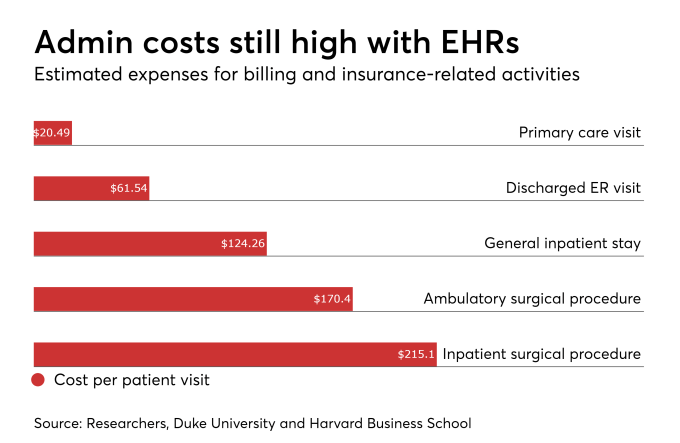
[caption id="attachment_40182" align="alignleft" width="200"]Barak Richman JD, PhD Bartlett Professor of Law and Business Administration Duke University Prof. Barak Richman[/caption] MedicalResearch.com Interview with: Barak Richman JD, PhD Bartlett Professor of Law and Business Administration Duke University  MedicalResearch.com: What is the background for this study? What are the main findings?  Response: The US not only has the highest health care costs in the world, we have the highest administrative costs in the world. If we can reduce non-value added costs like the ones we document, we can make substantial changes in the affordability of health care without having to resort to more draconian policy solutions. Our paper finds that administrative costs remain high, even after the adoption of electronic health records.  Billing costs, for example, constituted 25.2% of professional revenue for ED departments and 14.5% of revenue for primary care visits.  The other numbers are captured below. [caption id="attachment_40183" align="alignleft" width="680"]Administrative Costs Still High With EHRs Administrative Costs Still High With EHRs[/caption]
Annals Internal Medicine, Author Interviews, Pain Research, Rheumatology / 21.02.2018

MedicalResearch.com Interview with: Dr Sarah Kingsbury PhD Osteoarthritis Strategic Lead Deputy Section Head, Musculoskeletal Medicine and Imaging Leeds Institute of Rheumatic and Musculoskeletal Medicine University of Leeds MedicalResearch.com: What is the background for this study? What are the main findings? Response: Osteoarthritis of the hand is a painful and disabling condition, estimated to effect up to 31 per cent of people aged over 70. It can stop people from carrying out everyday activities and can limit their quality of life. The first-line pharmacological treatments for hand osteoarthritis, including paracetamol and non-steroidal anti-inflammatory drugs, are often not effective and are associated with side effects. Doctors have used hydroxychloroquine, an established treatment for rheumatoid arthritis, as an off-label alternative, supported by increasing evidence that inflammation is a factor in osteoarthritis. Until now, there has not been a large-scale study into whether using hydroxychloroquine works. HERO was a 12 month randomised, double-blind, placebo controlled, pragmatic trial, designed with a view to replicate anecdotal reports of hydroxychloroquine use in clinical practice, and  powered to detect a moderate effect equivalent to that for NSAIDs in this population. The study involved 248 patients at 13 NHS hospitals in England: all had the condition for at least 5 years, had changes to the joints in their hands consistent with osteoarthritis and reported moderate to severe pain on at least half of the days in the previous three months to the study commencing. Participants were randomised 1:1 to either hydroxychloroquine or placebo and followed up at 3 monthly intervals for 12 months. The study found that patients initially reported a small reduction in the severity of pain before the improvement plateaued. However, a similar amount of change was seen in both the group receiving hydroxychloroquine medication and the group taking the placebo.
Alcohol, Author Interviews, Cognitive Issues, Lancet / 21.02.2018

MedicalResearch.com Interview with: “undefined” by Iñaki Queralt is licensed under CC BY 2.0Michaël Schwarzinger, MD, PhD Translational Health Economics Network (THEN) Paris MedicalResearch.com: What is the background for this study? What are the main findings? Response: The association of heavy drinking with dementia has been known for decades. For instance, there is about no Wernicke–Korsakoff syndrome without heavy drinking and the syndrome was described in 1890. But this type of dementia is very rare. Also, heavy drinking is knowingly associated with multiple risk factors for dementia onset such as hypertension or diabetes. But heavy drinkers generally refuse to participate to cohort studies and declaration of alcohol use among participants is generally biased downward... So the study rationale is very strong, but supporting empirical evidence is quite scarce. This nationwide study included all 31+ million adults discharged from hospitals over 6 years, i.e., 50% of the French population before 65 years old and 80% above that age. Of 1.1+ million adults diagnosed with dementia, one in twenty had an early-onset (before 65 years old). Heavy drinking was recorded in most (56%) early-onset dementia cases: two-third in men; one-third in women. In addition, the association of heavy drinking with dementia goes far beyond 65 years old, both directly (>3 times higher risk for dementia onset after controlling for more than 30 known risk factors for dementia) and indirectly as heavy drinking was associated with all other independent risk factors for dementia onset. Accordingly, heavy drinking had the largest effect on dementia risk of all independent modifiable risk factors such as hypertension or diabetes. The effects were found whatever dementia case definition or population studies.
Author Interviews, Diabetes, Heart Disease, JACC, Surgical Research / 21.02.2018

MedicalResearch.com Interview with: [caption id="attachment_40110" align="alignleft" width="136"]Dr. Jayan Nagendran MD, PhD, FRCSC Director of Research, Division of Cardiac Surgery Associate Professor, Department of Surgery Division of Cardiac Surgery University of Alberta Dr. Nagendran[/caption] Dr. Jayan Nagendran MD, PhD, FRCSC Director of Research, Division of Cardiac Surgery Associate Professor, Department of Surgery Division of Cardiac Surgery University of Alberta MedicalResearch.com: What is the background for this study? Response: The primary modalities of treatment of symptomatic coronary artery disease (coronary heart disease) are either percutaneous coronary intervention (coronary stunting) or coronary artery bypass grafting surgery. There are well designed clinical trials that guide clinical practice for the treatment of patients with diabetes requiring coronary revascularization and there are trials that examine the best modality of coronary revascularization in patients with left ventricular dysfunction. However, there is a lack of evidence for patients with both diabetes and left ventricular dysfunction. As such, we performed a propensity matched study of patients with diabetes and left ventricular dysfunction undergoing either percutaneous coronary intervention compared to coronary artery bypass grafting surgery. We used our provincial database that captures >100,000 patients undergoing coronary angiography to attain our two cohorts for comparison.
Accidents & Violence, Author Interviews, JAMA, Pediatrics / 20.02.2018

MedicalResearch.com Interview with: Guoqing Hu, PhD Department of Epidemiology and Health Statistics Xiangya School of Public Health Central South University Changsha, Hunan, China    On behalf of the authors MedicalResearch.com: What is the background for this study? What are the main findings? Response: We've known for some time that suffocation is a leading cause of death for American infants - in fact, it is the cause of over 3/4 of the injury deaths to babies under 12 months of age. We've also known that there are strategies, such as "safe sleeping", that can greatly reduce the risk of a baby suffocating to death. The surprise in our study is that the suffocation rate for infants under 12 months of age appears to be increasing in the United States over the past 15 years. More babies are dying from suffocation today than in the 1990s, and that is a significant public health concern. Think about the implications of each one of those deaths to the infant's parents and loved ones. There are few things more devastating than losing a baby to an unintentional, or "accidental" death. There are ways we can prevent unintentional suffocations, and we need to work together to inform parents and ensure babies are kept safe to reduce those deaths, especially as rates in the US appear to be increasing.
Author Interviews, BMC, Pediatrics, Tobacco / 17.02.2018

MedicalResearch.com Interview with: Summer Sherburne Hawkins, PhD, MS Associate Professor School of Social Work Boston College Summer Sherburne Hawkins, PhD, MS Associate Professor School of Social Work Boston College MedicalResearch.com: What is the background for this study? Response: Increasing cigarette taxes has been a major policy driver to decrease smoking, including adolescent smoking, while taxes on other tobacco products have received less attention. Taxes on cigarettes, smokeless tobacco, and cigars are all fiscal policies, but they are not all equal. While state taxes on cigarettes have increased substantially over the past decade, there has been little change in policies governing alternative tobacco products. Realsitcally, everyone wants to pay as little tax as they can, which is why Tax software deals are so great for helping people pay the right amount. The aim of our study was to evaluate the impact of chewing tobacco and cigar taxes, cigarette taxes, and the enactment of smoke-free legislation on adolescent male and female use of smokeless tobacco and cigars.
Author Interviews, Blood Pressure - Hypertension, Heart Disease, JAMA / 16.02.2018

“Doctors” by Tele Jane is licensed under CC BY 2.0MedicalResearch.com Interview with: Dr. Apostolos Tsimploulis, Chief Medical Resident Dr. Phillip H. Lam, Chief Cardiology Fellow The Washington, DC Veterans Affairs Medical Center, Georgetown University, and MedStar Washington Hospital Center, Washington, DC  MedicalResearch.com: What is the background for this study? What are the main findings? Response: Hypertension is a major risk factor for the development of new heart failure (HF). Findings from multiple randomized controlled trials in hypertension have consistently demonstrated that controlling systolic blood pressure (SBP) to normal levels such as to SBP <120 mm Hg reduces the risk of developing new HF. However, interestingly, once patients develop heart failure, those with a normal SBP value such as SBP <120 mm Hg tend to have poor outcomes. This paradoxical association – also called reverse epidemiology – although poorly understood – has been described with other HF risk factors such as smoking and obesity. Regarding poor outcomes associated with lower SBP in HF patients with reduced ejection fraction (HFrEF – pronounced Hef-ref), it has been suggested that it may be a marker of weak heart muscle that is unable to pump enough blood. However, less is known about this association in patients with HF and preserved ejection fraction (HFpEF – pronounced Hef-pef) –– the heart muscle is not weak in the traditional sense. This is an important question for a number of reasons: nearly half of all heart failure patients have HFpEF which accounts for about 2.5 to 3 million Americans. These patients have a high mortality similar to those with HFrEF – but unlike in HFrEF few drugs have been shown to improve their outcomes. Thus, there is a great deal of interest in improving their outcomes. One of those approaches is to control . systolic blood pressure and the 2017 ACC/AHA/HFSA Focused Update of the HF guidelines recommend that SBP “should be controlled in patients with HFpEF in accordance with published clinical practice guidelines to prevent morbidity.” Thus, our study was designed to answer that simple question: do patients with HFpEF and SBP <120 mmHg, which is considered to be normal SBP, have better outcomes than those with SBP ≥120 mmHg. Using a sophisticated approach called propensity score matching we assembled two groups of patients with HFpEF – one group with SBP <120 mmHg and the other groups had SBP ≥120 mmHg – and patients in both groups were similar in terms of 58 key baseline characteristics. In this population of balanced patients with HFpEF, those with a normal systolic blood pressure had a higher risk of mortality – starting 30 days post-discharge up to about 6 years. Finding from our restricted cubic spline plots suggest that compared with SBP <120 mm Hg, SBP values ≥120 mm Hg (up to 200 mm Hg) was not associated with a higher risk of death.
Author Interviews, PLoS, Sexual Health, Zika / 16.02.2018

MedicalResearch.com Interview with: [caption id="attachment_39973" align="alignleft" width="300"]Image of a baby with microcephaly (left) compared to a normal baby (right). This is one of the potential effects of Zika virus. Signs of microcephaly may develop a few months after birth. Wikipedia image Image of a baby with microcephaly (left) compared to a normal baby (right). This is one of the potential effects of Zika virus. Signs of microcephaly may develop a few months after birth.
Wikipedia image[/caption] Yogy Simanjuntak PhD Postdoctoral Research Fellow Institute of Biomedical Sciences Academia Sinica, Taiwan  MedicalResearch.com: What is the background for this study? What are the main findings? Response: Despite the low case fatality, Zika virus infection has been associated with microcephaly in infants and Guillain-Barré syndrome. Primarily transmitted by Aedes species mosquitoes, Zika also can be sexually transmitted in humans. By August 2016, the sexual transmission of Zika had been documented in 11 countries worldwide and most of the cases were from male to female. Infectious Zika in semen has been reported. Moreover, unlike in serum or urine samples, Zika RNA can still be detected in semen up to 188 days after the onset of symptoms. In the absence of approved antiviral drugs or vaccines for Zika infection, preventing the disease transmission is critical. We observed Zika progressively damaged testes by gaining access to testicular cells including sperm. Notably, Zika caused signs of increased testicular oxidative stress and inflammation, characterized by high levels of reactive oxygen species and pro-inflammatory cytokines. Our data indicate that these factors may contribute to testicular damage as well as successful sexual transmission of Zika; thus, we speculate antioxidants might display beneficial effects to alleviate these disease outcomes. We found that antioxidant ebselen both alleviated testicular damage and prevented sexual transmission of Zika via sperm from infected male mice to uninfected female mice.
Author Interviews, Dengue, Genetic Research, PLoS / 16.02.2018

MedicalResearch.com Interview with: [caption id="attachment_38608" align="alignleft" width="200"]CDC/ Frederick Murphy This transmission electron microscopic (TEM) image depicts a number of round, Dengue virus particles that were revealed in this tissue specimen. CDC image[/caption] Luisa Pereira PhD Institute for Research and Innovation in Health University of Porto  MedicalResearch.com: What is the background for this study? What are the main findings? Response: By using admixture mapping along the genome in Thai cohorts, we were able to identify new candidate genes conferring protection/susceptibility to dengue fever. A very interesting result was that the set of genes differed with the dengue phenotype: genes coding proteins that may link to the virus, conditioning its entrance in the host cells and mobility therein were associated with the less severe phenotype; genes related with blood vessels permeability were associated with the dengue shock syndrome. 
Author Interviews, Brigham & Women's - Harvard, Endocrinology, Environmental Risks, PLoS, Weight Research / 15.02.2018

MedicalResearch.com Interview with: [caption id="attachment_40057" align="alignleft" width="125"]Gang Liu, PhD Postdoctoral Research Fellow Department of Nutrition Harvard T.H. Chan School of Public Health Dr. Gang Liu[/caption] Gang Liu, PhD Postdoctoral Research Fellow Department of Nutrition Harvard T.H. Chan School of Public Health  MedicalResearch.com: What is the background for this study? What are the main findings? Response: Although many approaches can be used to achieve a short-term weight loss, maintenance of weight loss has become a key challenge for sustaining long-term benefits of weight loss. Accumulating evidence has suggested that certain environmental compounds may play an important role in weight gain and obesity development. The potential endocrine-disrupting effects of perfluoroalkyl substances (PFASs), which are extensively used in many industrial and consumer products including food packaging, paper and textile coatings, and non-stick cookware, have been demonstrated in animal studies, but whether PFASs may interfere with body weight regulation in humans is largely unknown. In a 2-year POUNDS Lost randomized clinical trial that examined energy-restricted diets on weight changes, baseline plasma concentrations of major PFASs were measured among 621 overweight and obese participants aged 30-70 years. Body weight was measured at baseline, 6, 12, 18, and 24 months. Resting metabolic rate (RMR) and other metabolic parameters, including glucose, lipids, thyroid hormones, and leptin, were measured at baseline, 6, and 24 months. We found that higher baseline levels of PFASs were significantly associated with a greater weight regain, primarily in women. On average, women in the highest tertile of PFASs regained 1.7-2.2 kg more body weight than women in the lowest tertile. In addition, higher baseline plasma PFAS concentrations, especially perfluorooctanesulfonic acid (PFOS) and perfluorononanoic acid (PFNA), were significantly associated with greater decline in RMR during the first 6 months and less increase in RMR during weight regain period. 
Author Interviews, NYU/NYMC, PLoS / 15.02.2018

MedicalResearch.com Interview with: [caption id="attachment_40071" align="alignleft" width="200"]Glenn N. Saxe, MD Professor of Child & Adolescent Psychiatry  Hassenfeld Children’s Hospital at NYU Langone Department of Child and Adolescent Psychiatry Child Study Center, One Park Avenue New York, NY 10016 Dr. Saxe[/caption] Glenn N. Saxe, MD Professor of Child & Adolescent Psychiatry Hassenfeld Children’s Hospital at NYU Langone Department of Child and Adolescent Psychiatry Child Study Center, One Park Avenue New York, NY 10016  MedicalResearch.com: What is the background for this study? Would you briefly explain what is meant by brain entropy and how it relates to intelligence? Response: Think of human intelligence as the capacity for a human being to understand their complex and ever-changing world. The world of a person is really complex and constantly in flux so the human brain must be ready to understand whatever may come – when there is no way beforehand to predict what might come. How does the brain understand its world? It creates specific models of the information it receives through specific patterns of neuronal connection. These are called brain states. The way the brain understands its world is largely through using such models, or brain states, to accurately predict what comes next. So you can see that for an intelligent brain to properly understand and predict events in the world, it will need to have access to a very, very large number of brain states. And this is how entropy is defined. Entropy is a very old and very powerful concept in the history of science. Not only is it fundamental for thermodynamics – what we learned in high school physics – but it is also fundamental for the nature of information and it’s processing. Entropy is defined as the number of states – or distinct configurations – any system has access to at any point in time. High entropy means access to a very large number of states. Low entropy means access to a very small number of states. A solid is a phenomenon with very low entropy. A gas is a phenomenon with very high entropy. Life, and the brain, are somewhere in between. Although it is impossible to precisely measure the number of states a brain has access to at any one moment, there is a highly related concept that can be measured. A system with access to a very high number of possible states (like a gas) has components with behavior that is highly unpredictable. A system with access to very few possible states (like a solid) has components whose behavior is highly predictable. We measured brain entropy through the predictability of the brains components at the smallest scale we had access to: what are called voxels in an fMRI scan. These are 3mm cubes of neurons in a functional MRI scan, and there are many thousands of these voxels in our measurement and each of these voxels contains information on the activity of hundreds of thousands of neurons. We measured the predictability of each of these voxels and then found clusters of voxels where their predictability - or entropy - was related to intelligence.