Author Interviews, Dengue, Lancet, Vaccine Studies / 29.11.2017

MedicalResearch.com Interview with: Vianney Tricou DPhil Takeda Vaccines Pte Ltd Singapore MedicalResearch.com: What is the background for this study? What are the main findings? Response: Dengue fever is a painful, debilitating mosquito-borne disease caused by any one of the four closely related dengue virus serotypes. Forty percent of the world’s population lives under the threat of dengue, with approximately 390 million infections and 20,000 deaths occurring globally each year. Dengue virus can infect people of all ages and is a leading cause of serious illness among children in some countries in Latin America and Asia. Takeda is developing a dengue vaccine candidate to safely protect children and adults living in, or traveling to, endemic areas against all four dengue virus serotypes, regardless of previous dengue virus exposure.  Takeda’s tetravalent dengue vaccine candidate (TAK-003) is based on a live, attenuated dengue serotype 2 virus, which provides the genetic ‘backbone’ for all four vaccine viruses. Takeda’s ongoing Phase 2 DEN-204 study was designed to assess the safety and immunogenicity of different dose schedules of TAK-003 in approximately 1,800 healthy children and adolescents ages two through 17 years living in dengue-endemic countries in Latin America and Asia. Participants of the DEN-204 trial received either one primary dose of TAK-003, two primary doses of TAK-003 administered three months apart, one primary dose of TAK-003 followed by a booster dose one year later, or a placebo. Eighteen-month interim data showed that that TAK-003 is associated with a reduction in the incidence of dengue in the study participants. Data also showed that TAK-003 induced sustained antibody responses against all four serotypes of dengue virus, regardless of previous dengue exposure and dosing schedule.
Aging, Author Interviews, Heart Disease, Lancet, Social Issues / 26.11.2017

MedicalResearch.com Interview with: [caption id="attachment_38529" align="alignleft" width="70"]Prof Kazem Rahimi FRCP The George Institute for Global Health Oxford Martin School University of Oxford, Oxford Prof. Rahimi[/caption] Prof Kazem Rahimi FRCP The George Institute for Global Health Oxford Martin School University of Oxford, Oxford MedicalResearch.com: What is the background for this study? Response: We decided to investigate this topic because disease incidence data is very important for public health bodies; for example, for the allocation of healthcare resources or for the design and assessment of disease prevention measures. When we reviewed the literature, we found that estimates of heart failure incidence, temporal trends, and association by patient features were scarce. Studies often referred to restricted populations (such as relatively small cohorts that may or may not be representative of the general population), or limited data sources (for example, only including patients hospitalized for their heart failure and not considering those diagnosed by clinicians outside of hospitals). Few studies reported comparable, age-standardized rates, with the result that the rates reported varied considerably across the literature.
Author Interviews, JAMA, Surgical Research / 26.11.2017

MedicalResearch.com Interview with: [caption id="attachment_38521" align="alignleft" width="300"]cataract-eye-wikipedia Cataract in Human Eye  author Rakesh Ahuja, MD Cataract in Human Eye[/caption] Brian C. Stagg, MD Department of Ophthalmology and Visual Sciences University of Michigan Medical School National Clinician Scholars Program University of Michigan Institute for Healthcare Policy and Innovation Joshua D. Stein, MD, MS Associate Professor University of Michigan Department of Ophthalmology and Visual Sciences Director, Center for Eye Policy and Innovation Ann Arbor  MedicalResearch.com: What is the background for this study? What are the main findings? Response: Cataract surgery is one of the most common surgeries in the US. It is typically performed at either hospital outpatient departments (HOPDs) or ambulatory surgery centers (ASCs). ASCs are cheaper and more efficient, but some people believe that HOPDs may be safer for people with co-morbid medical conditions. We conducted this study to evaluate how the use of ambulatory surgery centers for cataract and other ocular surgeries has changed since 2001. We also wanted to see what factors influenced whether or not a patient had cataract surgery at an ASC (versus a HOPD), and to compare ASC use for cataract surgery with ASC use for other common eye surgeries (glaucoma, cornea, retina, strabismus).
Author Interviews, Brigham & Women's - Harvard, Pediatrics, Psychological Science, Science / 26.11.2017

MedicalResearch.com Interview with: [caption id="attachment_38517" align="alignleft" width="200"]Shari Liu Dept Psychology Harvard University Cambridge, MA 02138  Shari Liu -image by Kris Brewer.[/caption] Shari Liu Dept Psychology Harvard University Cambridge, MA 02138  MedicalResearch.com: What is the background for this study? What are the main findings? Response: Every day, we look out into the social world and see more than pixels changing across our retinas, or bodies moving in space. We see people brimming with desires, governed by their beliefs about the world and concerned about the costs of their actions and the potential rewards those actions may bring. Reasoning about these mental variables, while observing only people’s overt behaviors, is at the heart of commonsense psychology.
Author Interviews, BMJ, Nutrition / 26.11.2017

MedicalResearch.com Interview with: “Coffee” by Treacle Tart is licensed under CC BY 2.0Robin Poole Specialty registrar in public health Academic Unit of Primary Care and Population Sciences Faculty of Medicine University of Southampton MedicalResearch.com: What is the background for this study? Response: Worldwide, over two billion cups of coffee are consumed every day. Since such a lot of coffee is consumed it is important to understand whether this is beneficial or harmful to our health. Evidence to date has been mixed and this tends to vary between different outcomes. Coffee is a complex mixture of many bioactive compounds including caffeine, chlorogenic acids, and diterpenes. Laboratory experiments have previously highlighted the potential for coffee to have anti-oxidant, anti-inflammatory, anti-fibrotic and anti-cancer effects. Our research group is interested in liver conditions and we were aware of studies suggesting beneficial associations between drinking coffee and liver disease. We went on to conduct two meta-analyses and concluded that coffee drinking was beneficially associated with both liver cirrhosis and liver cancer.
Author Interviews, Biomarkers, JAMA, Stroke / 23.11.2017

MedicalResearch.com Interview with: [caption id="attachment_38470" align="alignleft" width="149"]Pankaj Arora MD, FAHA Assistant Professor, Cardiology Division University of Alabama at Birmingham Section Editor, Circulation: Cardiovascular Genetics American Heart Association Dr. Arora[/caption] Pankaj Arora MD, FAHA Assistant Professor, Cardiology Division University of Alabama at Birmingham Section Editor, Circulation: Cardiovascular Genetics American Heart Association  MedicalResearch.com: What is the background for this study? What are the main findings? Response: Natriuretic peptides are hormones produced by the heart in response to increased wall stress in the atria and ventricles. It is well known that blacks have increased prevalence of cardiovascular disease which contributes to racial disparities in outcomes. In the current work, we tested the hypothesis that black race is a natriuretic peptide deficiency state using a stratified random cohort of 4,415 participants selected from the REGARDS study (a national population-based cohort study evaluating racial and geographic disparities in stroke in US adults aged ≥45 years of age or older). Next, we looked for published results on the percentage difference in N-terminal proB-type NP (NTproBNP) levels by race in participants free of cardiovascular disease from other population cohorts. Lastly, we explored whether association of natriuretic peptides with all-cause mortality and CV mortality in apparently healthy individuals from REGARDS differs by race. We found that in multivariable adjustment, NTproBNP levels were up to 27% lower in black individuals as compared with white individuals in the REGARDS study. We pooled our results and found that in meta-analysis of the 3 cohorts, NTproBNP levels were 35% lower in black individuals than white individuals (more than 13,000 individuals in total). Lastly, we found that the higher NTproBNP levels were associated with higher incidence of all-cause mortality, and cardiovascular mortality in healthy blacks and white individuals, and this association did not differ by race.
Author Interviews, Cost of Health Care, Dermatology, JAMA, Medicare / 22.11.2017

MedicalResearch.com Interview with: [caption id="attachment_38433" align="alignleft" width="150"]Adewole Adamson, MD, MPP Department of Dermatology UNC – Chapel Hill North Carolina Dr. Adamson[/caption] Adewole Adamson, MD, MPP Department of Dermatology UNC – Chapel Hill North Carolina  MedicalResearch.com: What is the background for this study? What are the main findings? Response: Nurses practitioners and physician assistants, collectively known as non-physician clinicians (NPCs), provide many dermatology services, some which are billed for independently. Little is known about the types of these services provided. Even less is known about where these independently billed services are provided. Given that there is a purported shortage of dermatologists in the United States (US),  NPCs have been suggested as way to fill in the gap. In this study, we found that NPCs independently billed for many different types of dermatology associated procedures, including surgical treatment of skin cancer, flaps, grafts, and billing for pathology. Most of these NPCs worked with dermatologists. Much like dermatologists, NPCs were unevenly distributed across the US, concentrating mostly in non-rural areas.
Accidents & Violence, Author Interviews, CDC, Emergency Care, JAMA, Mental Health Research / 21.11.2017

MedicalResearch.com Interview with: [caption id="attachment_38405" align="alignleft" width="190"]Dr. Melissa C. Mercado PhD, MSc, MA Behavioral scientist Division of Violence Prevention National Center for Injury Prevention and Control CDC Dr. Mercado[/caption]

Dr. Melissa C. Mercado PhD, MSc, MA Behavioral scientist Division of Violence Prevention National Center for Injury Prevention and Control CDC

MedicalResearch.com: What is the background for this study? What are the main findings? Response: Suicide ranks as the 10th leading cause of death for all age groups combined and has been among the top 12 leading causes of death since 1975 in the U.S. In 2015, across all age groups, suicide was responsible for 44,193 deaths in the U.S., which is approximately one suicide every 12 minutes. Suicide was the second leading cause of death among U.S. youth aged 10-24 years in 2015. Self-inflicted injury is one of the strongest risk factors for suicide. This study examined trends in non-fatal self-inflicted injuries treated in hospital emergency departments (EDs) among youth aged 10 to 24 years in the United States from 2001-2015.  The overall weighted age-adjusted rate for this group increased by 5.7% annually during the 2008 to 2015 period.  Age-adjusted trends for males overall and across age groups remained stable throughout 2001-2015.  However, rates among females increased significantly, by 8.4% annually. The largest increase among females was observed among those aged 10-14 years, with an increase of 18.8% annually from 2009 to 2015.
Author Interviews, Diabetes, Heart Disease, JAMA, Personalized Medicine / 21.11.2017

MedicalResearch.com Interview with: Dr. MalikDr. Shaista Malik MD PhD MPH Director of Samueli Center For Integrative Medicine Assistant Professor, School of Medicine University of California, Irvine MedicalResearch.com: What is the background for this study? What are the main findings? Response: Having diabetes has been considered to be a risk equivalent to already had a myocardial infarction for predicting future cardiovascular events.  We were interested in testing whether further risk stratification in those with diabetes and metabolic syndrome, using coronary artery calcium (CAC), would result in improved prediction of cardiovascular events. We found that CAC score was associated with incident coronary heart disease and cardiovascular disease more than a decade after the scoring was performed.  We also found that even after we controlled for the duration of diabetes (of 10 years or more), insulin use, or hemoglobin A1c level, coronary artery calcium remained a predictor of cardiovascular events.
Author Interviews, Biomarkers, Brain Injury, JAMA / 21.11.2017

MedicalResearch.com Interview with: [caption id="attachment_38373" align="alignleft" width="153"]Dr. Steven D. Hicks,  M.D., Ph.D Penn State Health Dr. Hicks[/caption] Dr. Steven D. Hicks,  M.D., Ph.D Penn State Health MedicalResearch.com: What is the background for this study? What are the main findings? Response: Previous research has shown that small epigenetic molecules called microRNAs are altered in the blood after a traumatic brain injury. Our own pilot research showed that microRNAs were also changed in the saliva after brain injury and that some of these changes mirrored changes in cerebrospinal fluid. In this study we investigated whether salivary microRNA patterns after a concussion could be used to predict the duration and character of symptoms one month after injury. We found that levels of five microRNAs predicted presence of symptoms one month later with greater accuracy (~85%) than standard surveys of symptom burden (~65%). Interestingly, one of the predictive salivary microRNAs (miR-320c) targets pathways involved in synaptic plasticity and was significantly correlated with attention difficulties one month after concussive injury.  
Author Interviews, Heart Disease, JACC, Kidney Disease, Mayo Clinic / 21.11.2017

[caption id="attachment_38440" align="alignleft" width="400"]Atrial Fibrillation - Wikipedia image Normal rhythm tracing (top) Atrial fibrillation (bottom) Wikipedia[/caption] Interview with: Dr Xiaoxi Yao PhD Assistant Professor Researcher Mayo Clinic What is the background for this study? What are the main findings? Response: Lifelong oral anticoagulation, either with warfarin or a non-vitamin K antagonist oral anticoagulant (NOAC), is indicated for stroke prevention in most patients with atrial fibrillation (AF). Emerging evidence suggests that NOACs may be associated with better renal outcomes than warfarin. The study found renal function decline is common among patients with atrial fibrillation treated with oral anticoagulants. NOACs, particularly dabigatran and rivaroxaban, may be associated with lower risks of adverse renal outcomes than warfarin.
Author Interviews, JAMA, Mental Health Research, Pediatrics / 21.11.2017

MedicalResearch.com Interview with: [caption id="attachment_38436" align="alignleft" width="158"]Julie M. Zito, PhD Professor of Pharmacy and Psychiatry University of Maryland, Baltimore Pharmaceutical Health Services Department Baltimore, MD 21201 Dr. Zito[/caption] Julie M. Zito, PhD Professor of Pharmacy and Psychiatry University of Maryland, Baltimore Pharmaceutical Health Services Department Baltimore, MD 21201  MedicalResearch.com: What is the background for this study? What are the main findings? Response: The growth of antipsychotic use in children, mainly for the treatment of behavior, has been of increasing concern in recent years. Clinical safety issues (Burcu et al. 2017) and government reports on overuse in the treatment of poor and foster care children (GAO, 2017; 2012) motivated our assessment of peer review programs. These programs are a relatively new approach to Medicaid oversight intended to monitor and assure clinical appropriateness of second generation antipsychotics in children. Critically important is the fact that most antipsychotic use is for child behavioral problems which are off-label conditions, i.e. without sufficient evidence of effectiveness or safety.
Author Interviews, Brigham & Women's - Harvard, Heart Disease, JACC, Nutrition / 20.11.2017

MedicalResearch.com Interview with: “Nuts” by fdecomite is licensed under CC BY 2.0Marta Guasch-Ferre, PhD Research Fellow Department of Nutrition. Harvard TH Chan School of Public Health 655 Huntington Ave, Building 2 Boston, Ma, 02115  MedicalResearch.com: What is the background for this study? What are the main findings? Response: Although previous evidence has shown that frequent nut consumption is associated with reduced cardiovascular risk factors including dyslipidaemia, type 2 diabetes and metabolic syndrome; as well as with lower risk of coronary heart disease (CHD); most of the previous prospective studies have focused on total nut consumption in relation to the risk of CVD. However, the associations between peanut butter and specific types of nuts, such as peanuts and walnuts, with major cardiovascular events, and specifically the relation with stroke were unclear. Of note, because the nutritional composition of peanuts and walnuts differs from other nuts, it was of particular interest to evaluate the health effects of specific types of nuts. Therefore, our main aim was to look at several types of nuts including total nut consumption, peanuts, walnuts, and tree nuts. Briefly, in three large prospective cohorts with up to 32 years of follow-up, people who regularly eat nuts, including peanuts, walnuts and tree nuts, have a lower risk of developing cardiovascular disease or coronary heart disease compared to people who never or almost never eat nuts. We found a consistent inverse association between total nut consumption and total cardiovascular disease (14% lower risk for those consuming nuts five or more times per week) and coronary heart disease (20% lower risk). Also, after looking at individual nut consumption, eating walnuts one or more times per week was associated with a 19 percent lower risk of cardiovascular disease and 21 percent lower risk of coronary heart disease. Participants who ate peanuts or tree nuts two or more times per week had a 15 percent and 23 percent, respectively, lower risk of coronary heart disease compared to those who never consumed nuts.
Author Interviews, End of Life Care, JAMA, UCSF / 20.11.2017

MedicalResearch.com Interview with: [caption id="attachment_38401" align="alignleft" width="103"]Kara Bischoff, MD Assistant Clinical Professor, Hospital Medicine & Palliative Care Director of Quality Improvement for the Palliative Care Service UCSF Department of Medicine Dr. Bischoff[/caption] Kara Bischoff, MD Assistant Clinical Professor, Hospital Medicine & Palliative Care Director of Quality Improvement for the Palliative Care Service UCSF Department of Medicine MedicalResearch.com: What is the background for this study? What are the main findings? Response: Care planning, which we define as including both advance care planning and goals of care discussions, are a common need in seriously ill patients and a key function of palliative care teams. However, few studies have looked at how often and how care planning is being done by inpatient palliative care teams throughout the United States, and similarly few studies have examined the precise impact of these care planning activities. Therefore, using data from a large quality improvement registry in palliative care called the Palliative Care Quality Network, we examined: 1) the characteristics of hospitalized patients who are referred to inpatient palliative care consult services, 2) the activities that occurred during those inpatient palliative care consults, and 3) the outcomes that resulted. In looking at data from 73,145 patients who referred for an inpatient palliative care consult, we found that care planning was the most common reason for inpatient palliative care consultation, requested for 71.9% of patients who were referred to palliative care. Further, care planning needs were found in more than half (58%) of palliative care patients even when the consult was requested for reasons other than care planning. Patients referred to palliative care for care planning were somewhat older than patients referred for other reasons, they were less likely to have cancer, and were more often full code at the time of referral. Through care planning conversations, palliative care clinicians frequently identified surrogates and clarified patients’ preferences for life-sustaining treatments (including code status). For instance, 31% more patients chose a code status of DNR/DNI after a conversation with the palliative care team. However, we also found that legal forms such as advance directives and Physician Orders for Life-Sustaining Treatments (POLST) forms were completed for just 3.2% and 12.3% of the patients see by palliative care teams, respectively. This highlights an important quality gap in need of improvement.

Author Interviews, Education, JAMA, Karolinski Institute, Mental Health Research / 16.11.2017

MedicalResearch.com Interview with: [caption id="attachment_38277" align="alignleft" width="100"]Ana Pérez-Vigil MD Department of Clinical Neuroscience Child and Adolescent Psychiatry Research Center Karolinska Institutet Dr. Perez-Vigil[/caption] Ana Pérez-Vigil MD Department of Clinical Neuroscience Child and Adolescent Psychiatry Research Center Karolinska Institutet MedicalResearch.com: What is the background for this study? Response: Everyone who regularly works with persons who have obsessive-compulsive disorder (OCD) has seen that their patients often struggle with school work. It is not uncommon for these individuals to have poor school attendance and severe patients can be out of the education system altogether. This applies to persons of all ages, from school children to young adults who may be at university. On the other hand there is a group of patients who, against all odds, working 10 times as hard as everybody else, manage to stay in education and eventually get a degree. So we have long suspected that OCD has a detrimental impact on the person’s education, with all the consequences that this entails (worse chances to enter the labour market and have a high paid job). But we did not really know to what extent OCD impacts education. So we wanted to know what is the actual impact of OCD on educational attainment using objectively collected information from the unique Swedish national registers. Previous work had been primarily based on small clinical samples from specialist clinics, using either self or parent report and cross-sectional designs. Previous work also tended not to control for important confounders such as psychiatric comorbidity or familial factors (genetic and environmental factors that could explain both OCD and the outcomes of interest).
Author Interviews, JAMA, Opiods, Surgical Research / 16.11.2017

MedicalResearch.com Interview with: “Surgery” by mrpbps is licensed under CC BY 2.0Sagar Patel MD Facial Plastic Surgeon Board Certified Otolaryngology, Head and Neck Surgeon Facial Plastic Surgery Associates, Houston, Texas MedicalResearch.com: What is the background for this study? What are the main findings? Response: While the majority of diverted opioids that are abused originate from pills prescribed for chronic conditions, with 214,000 rhinoplasties performed in the US in 2015, assessing opioid usage after rhinoplasty is an important view into prescription practices for acute pain after surgical procedures. Opioid use, pain control, and adverse effects were examined and opioid use was compared across patient demographic and surgical procedure characteristics, including rhinoplasty and septoplasty, open vs closed techniques, revision vs primary operations, reduction of turbinates, and use of osteotomies. Opioid use was self-reported as the number of prescribed tablets containing a combination of hydrocodone bitartrate (5 mg) and acetaminophen (325 mg) that were consumed. We them mathematically analyzed.
Author Interviews, Cost of Health Care, Emergency Care, Heart Disease, JAMA / 16.11.2017

MedicalResearch.com Interview with: [caption id="attachment_38324" align="alignleft" width="133"]David L. Brown, MD, FACC Professor of Medicine Cardiovascular Division Washington University School of Medicine St. Louis, MO 63110 Dr. Brown[/caption] David L. Brown, MD, FACC Professor of Medicine Cardiovascular Division Washington University School of Medicine St. Louis, MO 63110 MedicalResearch.com: What is the background for this study? What are the main findings? Response: Approximately 10 million patients present to emergency rooms in the US annually for evaluation of acute chest pain. The goal of that evaluation is to rule out the diagnosis of an acute heart attack. Imaging with coronary CT angiography and stress testing are not part of the diagnostic algorithm for acute heart attack.  Nevertheless many chest pain patients undergo some form of noninvasive cardiac testing in the ER. We found that CCTA or stress testing adding nothing to the care of chest pain patients beyond what is achieved by a history, physical examination, ECG and troponin test.
Author Interviews, Cognitive Issues, Compliance, HIV, JAMA / 16.11.2017

MedicalResearch.com Interview with: [caption id="attachment_38366" align="alignleft" width="200"]Ryan Sanford Ryan Sanford[/caption] Ryan Sanford, MEng Department of Neurology and Neurosurgery Montreal Neurological Institute McGill University, Montréal, Québec, Canada   MedicalResearch.com: What is the background for this study? What are the main findings? Response: With the introduction of combination antiretroviral therapy (cART) the outlook for HIV+ individuals has dramatically shifted from a fatal disease to a chronic manageable condition. However, HIV-associated neurocognitive disorders are still prevalent. The etiology of this dysfunction remains unknown. Previous work has reported progressive brain atrophy in HIV+ individuals with advanced disease and poor viral suppression, but it is unclear whether stable treatment and effective viral suppression can mitigate the progression of brain atrophy. To examine this issue, we followed well-treated HIV+ individuals with good viral suppression and well-matched controls, and assessed whether ongoing brain atrophy occurs over time. The main finding in this study was the HIV+ participants had reduced brain volumes and poorer cognitive performance compared to the control group, but the changes in brain volumes and cognitive performance were similar between the groups.
Author Interviews, Genetic Research, Heart Disease, JAMA, Lipids / 15.11.2017

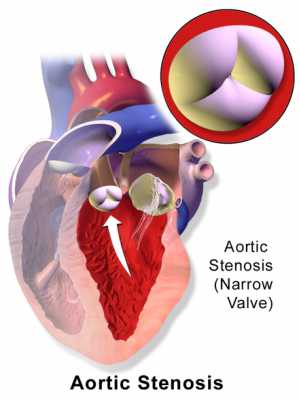
MedicalResearch.com Interview with: [caption id="attachment_38312" align="alignleft" width="299"]Aortic Stenosis Blaus Image Wikipedia Aortic Stenosis Blaus Image Wikipedia[/caption] Hao Yu Chen, MSc Department of Medicine McGill University Montreal, Quebec, Canada Senior author: George Thanassoulis, MD, MSc MedicalResearch.com: What is the background for this study? Response: Aortic stenosis, a narrowing of the main valve of the heart, is the most common type of valve disease in the US. Present in more than 2.5 million individuals in North America, aortic stenosis can lead to heart failure and death. However, there is little known about the causes of aortic stenosis and how it should be treated. Previously, we have demonstrated that variants of the gene LPA are associated with the development of aortic stenosis. A better understanding of how this region contributes to aortic stenosis could identify higher-risk individuals and inform the development of new medical therapies for aortic stenosis. 
Author Interviews, BMJ, Imperial College, Surgical Research / 15.11.2017

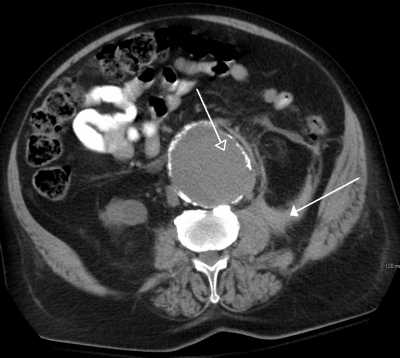
MedicalResearch.com Interview with: [caption id="attachment_38303" align="alignleft" width="400"]ruptured Abdominal Aortic Aneurysm as seen on CT- Wikipedia James Heilman, MD A ruptured abdominal aortic aneurysm  as seen on CT[/caption]     Professor JT Powell PhD, MD, FRCPath Faculty of Medicine, Department of Surgery & CancerImperial College London       MedicalResearch.com: What is the background for this study? Response: The mortality from ruptured abdominal aortic aneurysm (AAA) remains very high causing about 6000 deaths each year in the UK.  The only hope for survival is an emergency operation to repair the burst aorta.  Even so the mortality may be as high as 45% within a month of repair using open surgery. It has been suggested that minimally invasive repair using keyhole or endovascular techniques would lower the mortality to about 25% within a month of repair.  However not all shapes of aorta are suitable for endovascular repair (also called EVAR).
Author Interviews, Blood Pressure - Hypertension, Heart Disease, JAMA / 15.11.2017

MedicalResearch.com Interview with: [caption id="attachment_38151" align="alignleft" width="166"]Blood pressure monitor reading 120/80 copyright American Heart Association Blood pressure monitor reading 120/80
copyright American Heart Association[/caption] Dr. Mattias Brunström Department of Public Health and Clinical Medicine Umeå University,Sweden MedicalResearch.com: What is the background for this study? What are the main findings? Response: Current guidelines recommend a systolic blood pressure treatment target below 140 mm Hg for most people. Since the publication of SPRINT however, many have suggested guidelines should be changed, recommending further blood pressure lowering. We performed a systematic review and meta-analysis of randomized clinical trials comparing different blood pressure targets or antihypertensive treatment verus placebo. We separated primary preventive trials from secondary preventive trials, and stratified primary preventive trials by mean baseline systolic blood pressure. The analyses included 74 trials, with in total > 300 000 participants. Interestingly, we found that treatment effect was dependent on baseline systolic blood pressure in people without previous CVD. While primary preventive treatment reduced the risk of death and cardiovascular disease if systolic blood pressure was 140 mm Hg or higher, treatment effect was neutral if systolic blood pressure was below 140 mm Hg.
Author Interviews, Biomarkers, Heart Disease, JAMA / 14.11.2017

MedicalResearch.com Interview with: [caption id="attachment_38279" align="alignleft" width="112"]Dr Andrew R. Chapman BHF Clinical Research Fellow University of Edinburgh Chancellors Building Edinburgh  Dr. Chapman[/caption] Dr Andrew R. Chapman BHF Clinical Research Fellow University of Edinburgh Chancellors Building Edinburgh  MedicalResearch.com: What is the background for this study? What are the main findings? Response: High-sensitivity cardiac troponin tests allow accurate measurement of cardiac troponin in the bloodstream. Currently, guidelines recommend we evaluate patients with suspected myocardial infarction using these tests, by looking for levels which are above the upper reference limit (99th centile). These troponin measurements are taken on arrival, and often repeated after admission to hospital up to six hours later. When levels are below this limit, the diagnosis of myocardial infarction is ruled out. However, using such a high limit in patients on arrival to hospital may not be safe, as lower risk stratification thresholds has been shown to reduce missed events,  and in these patients admission to hospital for repeat testing may not be necessary. However, there is no consensus as to the optimal threshold for use in practice. In a worldwide study of 23,000 patients from 9 countries, we have shown when high-sensitivity cardiac troponin I concentrations are below a risk stratification threshold of 5 ng/L at presentation, patients are at extremely low risk of myocardial infarction or cardiac death at 30 days, with fewer than 1 in 200 patients missed. Importantly, this threshold identifies almost 50% of all patients as low risk after a single blood test. As admission or observation of these patients is estimated to cost as much as $11 billion per year in the United States, this strategy has major potential to improve the efficiency of our practice.
Author Interviews, Brigham & Women's - Harvard, Heart Disease, JACC / 14.11.2017

MedicalResearch.com Interview with: [caption id="attachment_37118" align="alignleft" width="150"]Avinainder Singh, M.B.B.S. Research Fellow Cardiovascular Medicine Brigham & Women's Hospital Harvard Medical School Boston, MA Dr. Singh[/caption] Avinainder Singh, M.B.B.S. Research Fellow Cardiovascular Medicine Brigham & Women's Hospital Harvard Medical School Boston, MA  MedicalResearch.com: What is the background for this study? What are the main findings? Response: Overall, the incidence of myocardial infarction (MI) in the US has declined. However, it has remained stable in adults <50 years of age. We evaluated the statin eligibility of a cohort of adults who had an MI at a young age using current guidelines - the 2013 ACC/AHA guidelines for cholesterol treatment and the 2016 USPSTF guidelines on use of statins for primary prevention. In, our study we found that only 49% of these young adults would have been eligible for statin therapy prior to their MI according the 2013 ACC/AHA guidelines, and only 29% would have been eligible according to the USPSTF guidelines, despite a high prevalence of cardiovascular risk factors. These numbers were even more striking for women where only 18% were eligible for statin therapy according to the USPSTF guidelines.
Asthma, Author Interviews, JAMA, Orthopedics, Pediatrics / 14.11.2017

MedicalResearch.com Interview with: “Asthma” by Michael Havens is licensed under CC BY 2.0Teresa To, PhD Biostatistics, Design and Analysis Scientific Director The Hospital for Sick Children Dalla Lana School of Public Health, University of Toronto Institute for Clinical Evaluative Sciences Toronto, Ontario, Canada MedicalResearch.com: What is the background for this study? What are the main findings? Response: We studied asthma prescription drug use in Ontario children aged 2 to 18 years with physician diagnosed asthma between 2003 and 2014. We found that:
  1. Currently in Ontario, nearly 50% of children with asthma did not fill a prescription for an inhaled corticosteroid during the study period, despite these medications being considered the gold-standard for asthma management.
  2. Our findings did not show clinically important association between inhaled corticosteroids and fracture among children with asthma.
  3. However, systemic corticosteroids (oral or injection) are associated with higher fracture risk in children with asthma (17% higher risk).
Author Interviews, Cost of Health Care, Education, JAMA / 14.11.2017

MedicalResearch.com Interview with: [caption id="attachment_38265" align="alignleft" width="186"]Victoria Valencia, MPH Assistant Director for Healthcare Value Dell Medical SchoolThe University of Texas at Austin Victoria Valencia[/caption] Victoria Valencia, MPH Assistant Director for Healthcare Value Dell Medical SchoolThe University of Texas at Austin MedicalResearch.com: What is the background for this study? What are the main findings? Response: We were surprised to find that despite the common anecdote that resident physicians in teaching environments order more lab tests, there was a lack of empirical data to support the claim that more lab tests are ordered for patients at teaching hospitals than at non-teaching hospitals. Our study of 43,329 patients with pneumonia or cellulitis across 96 hospitals  in the state of Texas found that major teaching hospitals order significantly more lab tests than non-teaching hospitals.  We found this to be true no matter how we looked at the data, including when restricting to the least sick patients in our dataset. We also found that major teaching hospitals that ordered more labs for pneumonia tended to also more labs for cellulitis, indicating there is some effect from the environment of the teaching hospital that affects lab ordering overall.
Author Interviews, Geriatrics, Heart Disease, JACC, UCLA / 14.11.2017

MedicalResearch.com Interview with: [caption id="attachment_38248" align="alignleft" width="151"]Kevin S. Shah, M.D. Cardiology Fellow, University of California, Los Angeles Ronald Reagan UCLA Medical Center Dr. Shah[/caption] Kevin S. Shah, M.D. Cardiology Fellow, University of California, Los Angeles Ronald Reagan UCLA Medical Center MedicalResearch.com: What is the background for this study? What are the main findings? Response: Heart failure (HF) is a chronic condition and progressive disease which is associated with a high-risk of hospitalization and death. One of the principle ways in which heart function is estimated is the use of ultrasound to calculate the ejection fraction of the heart, an estimate of the heart’s pump function. The ejection fraction can help predict how long patients will live and affects decision-making with regards to what medications may help their condition. A total of 39,982 patients from 254 hospitals who were admitted for Heart failure between 2005 and 2009 were included. They were followed over time to see if they were admitted to the hospital again or if they died during this period. We compared three subgroups within this large group of patients based on their estimated ejection fraction. Across subgroups, the 5-year risk of hospitalization and death was high when compared with the U.S. population. Furthermore, the survival for patients with a diagnosis of heart failure who have been hospitalized once for this condition have a similarly poor 5-year risk of death and re-hospitalization, regardless of their estimated ejection fraction.
Author Interviews, Cost of Health Care, HIV, Lancet / 13.11.2017

MedicalResearch.com Interview with: [caption id="attachment_38292" align="alignleft" width="97"]Dr Valentina Cambiano PhD Institute for Global Health University College London London UK Dr. Cambiano[/caption] Dr Valentina Cambiano PhD Institute for Global Health University College London London UK MedicalResearch.com: What is the background for this study? Response: Pre-Exposure Prophylaxis (PrEP) which involves the use of drugs, which are used to treat HIV, in people without HIV to prevent them from getting is a critical new advance in HIV prevention. It has been shown to reduce the risk of HIV infection by 86% and the benefits heavily out-weigh any concerns. However, introducing this intervention has a cost. When we started working on this study the National Health Services was discussing whether to introduce PrEP and if so for which populations. Unfortunately, at the moment NHS England is not providing Pre-exposure prophylaxis. However, a large study, the PrEP impact trial, funded by the NHS, has just started and this will provide PrEP to 10,000 people.