Author Interviews, Lancet, Melanoma, Weight Research / 14.02.2018

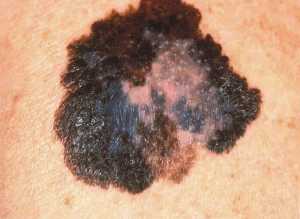
MedicalResearch.com Interview with: [caption id="attachment_40044" align="alignleft" width="300"]This image depicts the gross appearance of a cutaneous pigmented lesion, which had been diagnosed as superficial spreading malignant melanoma (SSMM). Note the roughened edges of this mole, and its heterogeneous, mottled, multicolored appearance, which are all characteristics that should evoke suspicions about its classification. This image depicts the gross appearance of a cutaneous pigmented lesion, which had been diagnosed as superficial spreading malignant melanoma (SSMM). Note the roughened edges of this mole, and its heterogeneous, mottled, multicolored appearance, which are all characteristics that should evoke suspicions about its classification.
CDC Image[/caption] Jennifer McQuade, M.D., lead author Melanoma Medical Oncology The University of Texas MD Anderson Cancer Center MedicalResearch.com: What is the background for this study? What are the main findings? Response: Melanoma is the most deadly of the common skin cancers, and for many years we lacked effective therapies for patients with disease that had spread (metastatic). Over the past 7 years, there has been FDA approval of 2 new classes of drugs that have dramatically improved the survival of patients with metastatic melanoma. Checkpoint inhibitor immunotherapies “take the brakes” off patients’ immune system to allow the immune system to eliminate the cancer. Targeted therapies turn off key molecules expressed by some tumors (BRAF mutant) that they rely on for sustained growth and division. While these types of therapies can result in dramatic long-term disease control in some patients, others may not have any shrinkage of their tumors. Some differences may lie in the tumors themselves, but there is also increasing evidence that “host” factors such as the microbiome and lifestyle choices might influence outcomes in cancer patients. Obesity has been associated with an increased risk of many cancers, and is in fact poised to overtake smoking as the leading preventable cause of cancer. One of the ways that obesity may increase tumor growth is by increasing levels of insulin and other growth factors which then activate a pathway called the PI3K pathway that leads to continued tumor growth. As that PI3K pathway has also been shown to cause resistance to targeted and immune therapies in melanoma, we hypothesized that obesity would be associated with worse outcomes in patients with metastatic melanoma treated with these therapies.
Author Interviews, Education, JAMA, Occupational Health, UCSF / 13.02.2018

MedicalResearch.com Interview with: [caption id="attachment_39927" align="alignleft" width="142"]Christina Mangurian, MD, MAS Associate Professor of Psychiatry Vice Chair for Diversity, Department of Psychiatry, UCSF Weill Institute for Neurosciences Director, UCSF Public Psychiatry Fellowship at ZSFG Core Faculty, UCSF Center for Vulnerable Populations Dr. Mangurian[/caption] Christina Mangurian, MD, MAS Associate Professor of Psychiatry Vice Chair for Diversity, Department of Psychiatry UCSF Weill Institute for Neurosciences Director, UCSF Public Psychiatry Fellowship at ZSFG Core Faculty, UCSF Center for Vulnerable Populations MedicalResearch.com: What is the background for this study? What are the main findings? Response: We examined paid family and childbearing leave policies at top-10 medical schools across the US. Despite recommendation from national medical societies for 12 weeks paid childbearing leave because of the benefits to both infant and mother, the average leave at these top schools of medicine was only around 8 weeks. In addition, most policies are very difficult to understand, and are at the discretion of departmental leadership – both of which put women at a disadvantage at getting leave they deserve. Additionally, family leave was only available to the parent that identifies as the "primary caregiver" at five universities, disallowing cooperative parenting.
Author Interviews, Heart Disease, JACC, Stroke / 13.02.2018

MedicalResearch.com Interview with: [caption id="attachment_40003" align="alignleft" width="200"]Normal rhythm tracing (top) Atrial fibrillation (bottom) Wikipedia image Normal rhythm tracing (top) Atrial fibrillation (bottom)
Wikipedia image[/caption] João Pedro Ferreira, MD, PhD & Faiez Zannad, MD, PhD National Institute of Health and Medical Research (INSERM)Center for Clinical Multidisciplinary Research 1433INSERM U1116University of LorraineRegional University Hospital of NancyFrench Clinical Research Infrastructure Network (F-CRIN) Investigation Network Initiative–Cardiovascular and Renal Clinical Trialists, Nancy, France Department of Physiology and Cardiothoracic SurgeryCardiovascular Research and Development UnitFaculty of MedicineUniversity of Porto, Porto, Portugal MedicalResearch.com: What is the background for this study? What are the main findings? Response: It is uncertain whether patients with a myocardial infarction with systolic dysfunction but without atrial fibrillation have increased risk for stroke. In this study including >22,000 patients and 600 stroke events we found a subgroup of patients at high risk for stroke despite not having atrial fibrillation. These patients are older, have worse renal function, frank signs of pulmonary congestion, hypertension and previous stroke history. We created a simple and “ready to use” score that allows the identification of these patients in routine clinical practice. 
Author Interviews, BMJ, Education, Nutrition, Pediatrics, Weight Research / 13.02.2018

MedicalResearch.com Interview with: “Lt. Governor Brown Visits Hamilton Elem_Mid School to Highlight Summer Meals Program” by Maryland GovPics is licensed under CC BY 2.0Peymané Adab, MD University of Birmingham in England MedicalResearch.com: What is the background for this study? What are the main findings? Response: Childhood obesity is an increasing problem worldwide. In the UK, the proportion of children who are very overweight doubles during the primary school years. Furthermore during this period inequalities emerge. At school entry there is little difference in the likelihood of being overweight between groups. However on leaving international primary schools, children from minority ethnic groups and those from more deprived, compared to more affluent backgrounds are more likely to be overweight. Excess weight in children is linked with multiple health, emotional and social problems.  As children spend a lot of time at school, it seems intuitive that they are an ideal setting for prevention interventions. Although a number of studies have investigated the evidence for school obesity prevention programmes, the results have been mixed and methodological weaknesses have prevented recommendations being made. As a result we undertook a major high quality trial to evaluate an intervention that had been developed in consultation with parents, teachers and the relevant community. The 12 month programme  had four components. Teachers at participating schools were trained to provide opportunities for regular bursts of physical activity for children, building up to an additional 30 minutes each school day. There was also a workshop each term, where parents came in to cook a healthy meal (breakfast, lunch of dinner) with their children. In conjunction with a local football club, Aston Villa, children participated in a six-week healthy eating and physical activity programme. Finally, parents were provided with information about local family physical activity opportunities. We involved around 1500 year 1 children (aged 5-6 years) from 54 state run primary schools in the West Midlands. At the start of the study, we measured their height and weight and other measures of body fat, asked the children to complete a questionnaire about their wellbeing, to note everything they ate for 24 hours, and to wear an activity monitor that recorded how active they were. After this, the schools were randomised to either receive the programme or not. We then repeated the measures 15 and 30 months later.
Accidents & Violence, Author Interviews, Cannabis, JAMA / 12.02.2018

MedicalResearch.com Interview with: Dr. John A Staples, MD, FRCPC, MPH Scientist, Centre for Health Evaluation and Outcome Sciences Clinical Assistant Professor University of British ColumbiaDr. John A Staples MD, FRCPC, MPH Scientist, Centre for Health Evaluation and Outcome Sciences Clinical Assistant Professor University of British Columbia MedicalResearch.com: What is the background for this study? What are the main findings? Response: Around 64 million Americans live in states that have legalized recreational marijuana. Many policymakers are trying to figure out what that means for traffic safety. On April 20th, some Americans participate in an annual "4/20" counterculture holiday that celebrates and promotes the use of cannabis. Some 4/20 events such as those in Denver and San Francisco involve thousands of participants. Much like celebrations at midnight on New Year's eve, public 4/20 events sometimes mark 4:20 p.m. by a countdown followed by synchronized mass consumption of cannabis. We thought this was a perfect natural experiment to evaluate the influence that cannabis intoxication has on the risk of motor vehicle crash. To examine this question, we analyzed 25 years of data on all fatal traffic crashes in the United States. We compared the number of drivers in crashes between 4:20 p.m. and midnight on April 20th to the number of drivers in crashes during the same time interval on control days one week earlier and one week later. We found that the risk of crash involvement was 12% higher on April 20th than on control days. In the subgroups of drivers younger than 21 years of age, the risk of crash involvement was 38% higher on April 20th than on control days. Assuming fewer than 12% of Americans celebrate 4/20, our results suggest that substance use at April 20th celebrations more than doubles the risk of fatal crash.
Aging, Author Interviews, BMJ, Cost of Health Care, Global Health / 11.02.2018

MedicalResearch.com Interview with: [caption id="attachment_39962" align="alignleft" width="147"]Dr Grace Sum Chi-En National University of Singapore Dr Grace Sum    Chi-En[/caption] Dr Grace Sum Chi-En National University of Singapore MedicalResearch.com: What is the background for this study? Response: Chronic diseases are conditions that are not infectious and are usually long-term, such as diabetes, hypertension, cancer, chronic lung disease, asthma, arthritis, stroke, obesity, and depression. They are also known as non-communicable diseases (NCDs). Multimorbidity, is a term we use in our field, to mean the presence of two or more NCDs. Multimorbidity is a costly and complex challenge for health systems globally. With the ageing population, more people in the world will suffer from multiple chronic diseases. Patients with multimorbidity tend to need many medicines, and this incurs high levels of out-of-pocket expenditures, simply known as cost not covered by insurance. Even the United Nations and World Health organisation are recognising NCDs as being an important issue. Governments will meet in New York for the United Nations 3rd high-level meeting on chronic diseases in 2018. Global leaders need to work towards reducing the burden of having multiple chronic conditions and providing financial protection to those suffering multimorbidity. Our research aimed to conduct a high-quality systematic review on multimorbidity and out-of-pocket expenditure on medicines. 
Accidents & Violence, Author Interviews, Emergency Care, JAMA, Social Issues / 10.02.2018

MedicalResearch.com Interview with: [caption id="attachment_39864" align="alignleft" width="200"]Dr. Molly Jarman PhD Postdoctoral Research Fellow at Brigham and Womens Hospital  Dr. Jarman[/caption] Dr. Molly Jarman PhD Postdoctoral Research Fellow at Brigham and Womens Hospital  MedicalResearch.com: What is the background for this study? Response: Injuries are a leading cause of death and disability in the US, and there are well documented disparities in injury incidence and outcomes. Certain populations (i.e. rural, low income, people of color) experience more injury than others, and are more likely to die following and injury. Past studies focused on individual health and socioeconomic characteristics as the primary driving force behind these disparities, along with variation in the time required to transport an injured patient to the hospital. We wondered if geographic features of an injury incident location contributed to variation in injury mortality that was not explained by differences in individual patient characteristics. In other words, we know that who you are contributes to injury mortality, and we wanted to know if it also matters where you are when an injury occurs.
Author Interviews, Breast Cancer, JAMA, Surgical Research / 08.02.2018

MedicalResearch.com Interview with: Dr. Clara Nan-hi Lee, MD Comprehensive Cancer Center The Ohio State UniversityDr. Clara Nan-hi Lee, MD Comprehensive Cancer Center The Ohio State University  MedicalResearch.com: What is the background for this study? What are the main findings? Response: The decision about breast reconstruction is very challenging because it’s unfamiliar, involves complex risk information, affects very personal concerns, and happens at a stressful time. One of the challenges is to predict how one will feel after the surgery. We know from psychology research that people often mis-predict their future emotions. So we were interested to see how well women predict their future well being after surgery. The main findings are that patients having mastectomy without reconstruction believed they would be less satisfied than they turned out to be. And patients having mastectomy with reconstruction believed they would be more satisfied than they turned out to be.
AHA Journals, Author Interviews, Stroke / 07.02.2018

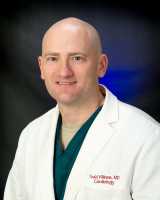
MedicalResearch.com Interview with: [caption id="attachment_39895" align="alignleft" width="160"]Todd C. Villines, M.D. FSCCT Professor of Medicine Uniformed Services University School of Medicine Director of Cardiovascular Research and Cardiac CT Cardiology Fellowship Program Director Walter Reed National Military Medical Center Bethesda, Maryland Assistant Professor of Medicine Georgetown School of Medicine Dr. Villines[/caption] Todd C. Villines, M.D. FSCCT Professor of Medicine Uniformed Services University School of Medicine Director of Cardiovascular Research and Cardiac CT Cardiology Fellowship Program Director Walter Reed National Military Medical Center Bethesda, Maryland Assistant Professor of Medicine Georgetown School of Medicine MedicalResearch.com: What is the background for this study? What are the main findings? Response: This study was a retrospective, observational real-world analysis assessing the safety and effectiveness of novel oral anticoagulants (NOACs) among patients with non-valvular atrial fibrillation (NVAF) treated through the U.S. Department of Defense Military Health System. The study examined major bleeding and stroke rates in NVAF patients who had initiated treatment with dabigatran compared to those treated with rivaroxaban or apixaban. The study examined two cohorts: one that resulted in 12,763 propensity score matched dabigatran (150 mg bid) and rivaroxaban (20 mg daily) patients, and another that resulted in 4,802 propensity score matched dabigatran (150 mg bid) and apixaban (5 mg bid) patients. Dabigatran patients demonstrated lower rates of major bleeding compared to rivaroxaban patients (2.08 percent vs 2.53) percent and similar rates of stroke (0.60 percent vs 0.78 percent). In the exploratory analysis, dabigatran and apixaban patients showed similar rates of major bleeding (1.60 percent vs 1.21 percent) and stroke (0.44 percent vs 0.35 percent).
Aging, Author Interviews, Nature / 07.02.2018

MedicalResearch.com Interview with: [caption id="attachment_39885" align="alignleft" width="125"]Douglas P. Kiel, MD, MPH Professor of Medicine Harvard Medical School Director Musculoskeletal Research Center Institute for Aging Research, Hebrew SeniorLife Associate Member Broad Institute of Harvard and MIT Dr. Kiel[/caption] Douglas P. Kiel, MD, MPH Professor of Medicine Harvard Medical School Director Musculoskeletal Research Center Institute for Aging Research, Hebrew SeniorLife Associate Member Broad Institute of Harvard and MIT  MedicalResearch.com: What is the background for this study? What are the main findings? Response: Why we age? and how we age?, are perennial questions that are of interest to all. The research described in this publication brings together two major and different concepts of aging - epigenetic aging, which is manifested by modifications on DNA and telomere-related aging, which is manifested by shortening of chromosome ends (telomeres).  In our search for genes that could potentially affect epigenetic aging, we detected  a variant of the TERT gene (whose encoded protein, telomerase maintains telomere length) to be associated with accelerated epigenetic aging. TERT is a subunit of the enzyme telomerase which is a widely known enzyme for the following reasons: 1)    Telomerase has been touted as an anti-aging enzyme. It has been called a modern fountain of youth. However, some scientists have pointed out that it is unlikely to become a source of anti-aging therapies (see the review article by de Magalhães JP1, Toussaint in Rejuvenation Research (2004) .https://www.ncbi.nlm.nih.gov/pubmed/15312299)   Our new results gained by the epigenetic clock also indicate that telomerase will not halt organismal aging. 2)    The book "The Telomere Effect" by Nobel prize winner Elizabeth Blackburn and Elissa Epel was on the New York Times best seller list and received substantial news coverage:https://www.cbsnews.com/news/telomere-effect-book-living-younger-healthier-longer/ Our data provides a much needed  understanding of the molecular drivers of the epigenetic clock and reveal a unexpected and paradoxical connection between two seemingly distinct aging clocks: the telomere clock and the epigenetic clock. Our main finding was that variants in the human telomerase reverse transcriptase gene (TERT) were associated with increased “intrinsic epigenetic aging.” 

Author Interviews, Cancer Research, Chemotherapy, Journal Clinical Oncology / 06.02.2018

MedicalResearch.com Interview with: [caption id="attachment_39858" align="alignleft" width="200"]David S. Siegel, MD, PhD Chief, Myeloma Division John Theurer Cancer Center Hackensack University Medical Center Hackensack, NJ 07601 Dr. Siegel[/caption] David S. Siegel, MD, PhD Chief, Myeloma Division John Theurer Cancer Center Hackensack University Medical Center Hackensack, NJ 07601 MedicalResearch.com: What is the background for this study? What are the main findings?
  •  We reported results from the prospectively planned final analysis of overall survival (OS) from the Phase 3 ASPIRE trial, an international, randomized study evaluating KYPROLIS (carfilzomib) in combination with lenalidomide and dexamethasone (KRd) versus lenalidomide and dexamethasone alone (Rd) in patients with relapsed or refractory multiple myeloma following treatment with one to three prior regimens. Overall survival was a secondary endpoint in the trial.
  • Data published last week in the Journal of Clinical Oncology demonstrated that the addition of KYPROLIS to Rd reduced the risk of death by 21 percent versus Rd alone and extended OS by 7.9 months (median OS 48.3 months for KRd versus 40.4 months for Rd, HR = 0.79, 95 percent CI, 0.67 – 0.95; one-sided p=0.0045).
  • Notably, an OS improvement of 11.4 months was observed for patients at first relapse (47.3 versus 35.9 months [HR = 0.81, 95 percent CI, 0.62 – 1.06]), supporting early use of KRd.
  • The safety data from ASPIRE was consistent with the known safety profile of KYPROLIS. The most common adverse events (greater than or equal to 20 percent) in the KYPROLIS arm were diarrhea, anemia, neutropenia, fatigue, upper respiratory tract infection, pyrexia, cough, hypokalemia, thrombocytopenia, muscle spasms, pneumonia, nasopharyngitis, nausea, constipation, insomnia and bronchitis.
Author Interviews, Environmental Risks, Heart Disease, JACC / 06.02.2018

MedicalResearch.com Interview with: “Siren” by Michael Pereckas is licensed under CC BY 2.0Professor Dr. med. Thomas Muenzel Universitätsmedizin Mainz Zentrum für Kardiologie, Kardiologie I MedicalResearch.com: What is the background for this study? What are the main findings? Response: The background for this review is that people more and more acknowledge that noise is not just annoying the people as reported for many years, evidence is growing that chronic noise can cause cardiovascular disease including metabolic disease such as diabetes type II and mental disease such as depression and anxiety disorders and noise impairs as well the cognitive development of children. More recent studies also provided some insight into the mechanisms underlying noise-induced vascular damage. Noise interrupts communication or sleep and thus is causing annoyance. If this occurs chronically the people develop stress characterized by increased stress hormone levels. If this persists for a long time people develop cardiovascular risk factors on tis own such as diabetes, hypercholesterolemia, one measures an increase of the blood to coagulate and the blood pressure will increase. To this end people will develop cardiovascular disease including coronary artery disease, arterial hypertension, stroke, heart failure an arrhythmia such as atrial fibrillation. So, there is no doubt that noise makes us sick !
Annals Internal Medicine, Author Interviews, Esophageal, Nutrition / 05.02.2018

MedicalResearch.com Interview with: “Hot tea #steam” by Thomas Ricker is licensed under CC BY 2.0Jun / 吕筠 Professor, Department of Epidemiology & Biostatistics School of Public Health, Peking University Health Science Center Beijing 100191  MedicalResearch.com: What is the background for this study? What are the main findings? Response: Esophageal cancer (EC) remains a global concern because of its increasing incidence and persistently poor survival. It poses a bigger threat to less developed regions and men. Tea is one of the most common beverages worldwide and usually consumed at elevated temperature. Existing evidence remains inconclusive as to the association between tea consumption and EC risk. Tea consumers, especially in Chinese men, are more likely to smoke and drink alcohol. Tobacco smoking and alcohol consumption, as well as the chemical compounds and adverse thermal effect of high-temperature tea, considerably complicate the association between tea consumption and esophageal cancer risk.
Author Interviews, Nature, Technology / 02.02.2018

MedicalResearch.com Interview with: [caption id="attachment_39809" align="alignleft" width="200"]Dr. Sarav Rajan, PhD Scientist Antibody Discovery and Protein Engineering MedImmune Dr. Rajan[/caption] Dr. Sarav Rajan, PhD Scientist Antibody Discovery and Protein Engineering MedImmune MedicalResearch.com: What is the background for this study? What are the main findings? Response: During an infection, B cells (a type of white blood cell) create antibodies against antigens present on a pathogen. These cells can be extremely rare, and finding them among the millions of other cells is extremely challenging. Existing methods to examine B cells require a trade-off: either capture the full sequence repertoire by next-generation sequencing but functionally screen just a subset, or culture a subset of B cells and fully screen them. Instead, our method captures the complete repertoire within a typical blood draw and screens all its members to identify the rare antigen-positive antibodies. Using a new microfluidic approach, we recovered the antibody genes from one million B cells encapsulated in picoliter-scale droplets, breaking through a widely-published view that amplifying from single cells in such small volumes is inefficient. The resulting library seamlessly integrates into our high-throughput screening infrastructure to enable rapid isolation of desired antibodies. Using this method, we were able to isolate a panel of rare cross-reactive antibodies targeting influenza.
Author Interviews, JAMA, Schizophrenia, Yale / 01.02.2018

MedicalResearch.com Interview with: Josephine Mollon PhD Department of Psychosis Studies, Institute of Psychiatry, Psychology, and Neuroscience King’s College London, London, England Currently with the Department of Psychiatry Yale University School of Medicine New Haven, Connecticut MedicalResearch.com: What is the background for this study? Response: Psychotic disorders, such as schizophrenia, are severe mental disorders that cause a range of abnormalities in perception and thinking. Individuals with psychotic disorders also experience severe impairments in IQ and there is evidence that these impairments begin many years before hallucinations and delusions first appear. Understanding how and when individuals with psychotic disorder experience a drop in IQ scores will help us better predict and treat poor cognition in these individuals, and perhaps even the disorder itself.
Addiction, Author Interviews, JAMA, Opiods / 01.02.2018

MedicalResearch.com Interview with: “Drugs” by Ben Harvey is licensed under CC BY 2.0William G. Honer, MD, FRCPC, FCAHS Jack Bell Chair in Schizophrenia Professor and Head, Department of Psychiatry University of British Columbia Vancouver, BC MedicalResearch.com: What is the background for this study? Response: The Province of British Columbia, Canada, has experienced a tremendous increase in the number of opioid related overdoses and deaths. In 2012, there were 269 drug overdose deaths, five years later in 2017 the overdose deaths are predicted to have increased 500%. Toxicology studies of deaths, and examination of seized drugs indicate fentanyl is the major cause. These indirect measures suggest widespread exposure to fentanyl in opioid users, however direct studies of the extent of exposure of opioid users to fentanyl in the community are lacking. We carried out a community-based, longitudinal study using fentanyl testing in urine samples from volunteer participants. (It is called the “Hotel Study” since many of the participants live, or have lived in single room occupancy hotels) 
Author Interviews, Dermatology, JAMA, Sexual Health, Transplantation / 01.02.2018

MedicalResearch.com Interview with:

[caption id="attachment_39776" align="alignleft" width="159"]Dr. Christina Lee Chung, MD Associate Professor Department of Dermatology Drexel University Dr. Chung[/caption]

Dr. Christina Lee Chung, MD Associate Professor Department of Dermatology Drexel University

MedicalResearch.com:  What is the background for this study?  What are the main findings?

Response: In early 2016, five years after the inception of our specialty medical-surgical transplant dermatology center, we realized our nonwhite transplant patients were developing skin cancer at higher rates and found interesting trends. These data were published in a previous manuscript. One of the more striking findings was that these patients were developing a high proportion of skin cancer in non-sun-exposed areas such as the genital region. There are no standard guidelines regarding genital skin evaluation and it is unclear how often it is performed in any capacity amongst dermatologists, including practitioners in our center, quite frankly. Our group was concerned that we could be missing skin cancers in this “hidden” area in our high-risk organ transplant population so we launched a quality improvement initiative that incorporated thorough genital skin evaluation as a standard part of post-transplant skin cancer screening.   

Fifteen months after we started this modified screening process, we decided to evaluate the results. To account for any variation in examination, we looked at the findings of a single practitioner. We found that genital lesions are common in the transplant population and include high rates of genital warts and skin cancer. However, patient awareness of the presence of genital lesions was alarmingly low. Nonwhite transplant patients, Black transplant recipients in particular, were disproportionately affected by both genital warts and genital skin cancer in our cohort. Similar to cervical cancer, high-risk HPV types were closely associated with genital squamous cell carcinoma development in our transplant population.

Author Interviews, BMJ, Heart Disease, Pain Research, Stroke / 01.02.2018

MedicalResearch.com Interview with: “Headache.” by Avenue G is licensed under CC BY 2.0Kasper Adelborg, MD, PhD Postdoctoral Fellow Department of Clinical Epidemiology Aarhus University Hospital  MedicalResearch.com: What is the background for this study? What are the main findings?  Response: Around one billion people worldwide are affected by migraine. Migraine has considerable impact on quality of life and imposes a substantial burden on society. Migraine is primarily a headache disorder, but previous studies have suggested a link between migraine and stroke and myocardial infarction, particularly among women, while the link between migraine and other heart problems are less well known. In this large register-based Danish study published in the BMJ, we confirmed that migraine is associated with increased risks of stroke and myocardial infarction, but we also found that migraine was associated with increased risks of other cardiovascular diseases (specifically, venous thromboembolism and atrial fibrillation). Migraine was not associated with increased risks of heart failure or peripheral artery disease. In contrast to most previous studies, our study had a very large sample size and an age- and sex- matched comparison cohort from the general population, which allowed us to put migraine in a population context and to perform several subgroup analyses. Here, we found several interesting findings.
  • In general, the associations were strongest in the first year after diagnosis but persisted in the long term (up to 19 years after diagnosis).
  • Most associations applied to both migraine patients with aura (warning signs before a migraine, such as seeing flashing lights) and in those without aura, and in both women and in men. 
Author Interviews, BMJ, Cancer Research, MD Anderson / 01.02.2018

MedicalResearch.com Interview with: [caption id="attachment_23591" align="alignleft" width="114"]Dr. Xifeng Wu, MD PhD Department Chair, Department of Epidemiology, Division of OVP, Cancer Prevention and Population Sciences Director, Center for Translational and Public Health Genomics Professor, Department of Epidemiology Division of Cancer Prevention and Population Sciences The University of Texas MD Anderson Cancer Center, Houston, Texas Dr. Xifeng Wu[/caption] Xifeng Wu MD PhD Prevention and Population Sciences MD Anderson Center MedicalResearch.com: What is the background for this study? Response: Previous studies have shown that certain chronic diseases may predispose to cancer. These studies generally assessed chronic diseases or disease markers individually. As chronic diseases are typically clustered, it is necessary to study them simultaneously to elucidate their independent and joint impact on cancer risk. Therefore, we investigated the independent and joint effect of several common chronic diseases or disease markers on cancer and life span in a large prospective cohort. Also, we compared the contribution of chronic diseases or disease markers to cancer risk with that of lifestyle factors. We further assessed whether physical activity could attenuate the cancer risk associated with chronic diseases or disease markers. We hope the results of this study can contribute to evidence-based recommendations for future cancer prevention strategies.
Author Interviews, JAMA, Surgical Research / 31.01.2018

MedicalResearch.com Interview with: [caption id="attachment_39729" align="alignleft" width="140"]Dr-Henry M Kuerer.jpg Dr. Kuerer[/caption] Henry M. Kuerer, MD, PhD, FACS Executive Director, Breast Programs MD Anderson Cancer Network Endowed Distinguished Professor in Cancer Research Division of Surgery  MedicalResearch.com: Why did you undertake this study? Response: Many of our patients feel very overwhelmed with their new cancer diagnosis and have concern over the future need for biopsies. Many think that complete removal of the breast is a good way to prevent future cancer-related biopsies.  We did not have any good comprehensive data on the incidence of needing biopsies during follow-up for breast cancer. As a surgeon this information is something that I can use daily when discussing breast cancer treatment options regarding future expectations following breast cancer treatment.
Author Interviews, JAMA, Outcomes & Safety / 31.01.2018

MedicalResearch.com Interview with: Lene Vestergaard Ravn-Nielsen, MSc(Pharm) Hospital Pharmacy of Funen Clinical Pharmacy Department Odense University Hospital Odense, DenmarkLene Vestergaard Ravn-NielsenMSc(Pharm) Hospital Pharmacy of Funen Clinical Pharmacy Department Odense University Hospital Odense, Denmark MedicalResearch.com: What is the background for this study? Response: Hospital readmissions are common among patients receiving multiple medication, with considerable costs to the patients and society. MedicalResearch.com: What are the main findings?  Response: A multifaceted clinical pharmacist intervention can reduce ED visits and hospital readmissions. 
Author Interviews, Emergency Care, JAMA, Pulmonary Disease / 31.01.2018

MedicalResearch.com Interview with: Giorgio Costantino MD Dipartimento di Medicina Interna Fondazione Istituto di Ricovero e Cura a Carattere Scientifico Ca’ Granda Ospedale Maggiore Policlinico Università degli Studi di Milano Milan, Italy MedicalResearch.com: What is the background for this study? Response: Syncope is a common symptom that occurs in one in four people during their lifetime. Pulmonary embolism (PE) has long been recognized as an important and serious cause of syncope. PE has always been estimated a rare cause of syncope, present in less than 1.5% of patients. A recent study (PESIT), aiming at evaluating PE prevalence using a standardized algorithm in hospitalized patients after a first syncope episode, found a prevalence of PE as high as 17% in hospitalized patients. This means that patients with a first episode of syncope should be investigated with a standard diagnostic algorithm to exclude PE. However, many patients might go through useless and potentially harmful tests, such as computed tomography pulmonary angiogram.
Author Interviews, Environmental Risks, JAMA, MRI, Toxin Research / 31.01.2018

MedicalResearch.com Interview with: “Danger Carbon Monoxide” by SmartSign is licensed under CC BY 2.0Won Young Kim, MD PhD Department of Emergency Medicine Asan Medical Center University of Ulsan College of Medicine Seoul, Korea MedicalResearch.com: What is the background for this study? Response: Neurological symptoms of carbon monoxide (CO) poisoning can manifest not only immediately but also as late as 2 to 6 weeks after successful initial resuscitation as delayed neurological sequelae (DNS). To date, no reliable methods of assessing the probability of DNS after acute CO poisoning have been developed, which make it difficult to research the pathophysiology of DNS and targeting prevention.
Author Interviews, Infections, JAMA, Surgical Research / 30.01.2018

MedicalResearch.com Interview with: [caption id="attachment_37370" align="alignleft" width="132"]Marc D. Basson, MD, PhD, MBA Professor of Surgery, Pathology, and Biomedical Science Senior Associate Dean for Medicine and Research University of North Dakota School of Medicine & Health Sciences Grand Forks, ND 58202 Dr. Basson[/caption] Marc D. Basson, MD, PhD, MBA Professor of Surgery, Pathology, and Biomedical Science Senior Associate Dean for Medicine and Research University of North Dakota School of Medicine & Health Sciences Grand Forks, ND 58202    MedicalResearch.com: What is the background for this study? What are the main findings? Response: There are now several studies that describe the use of antibiotics without surgery to manage acute uncomplicated appendicitis. This entails a prolonged treatment course and has a substantial rate of failure and recurrence, but in patients in whom it succeeds surgery can be avoided. Many surgeons resist offering this choice because they perceive it as substandard compared to surgery, which is rapid, and when it goes well (as it usually does) has no failure or recurrence rate. Instead of debating the statistics, we decided to ask people what they would prefer if they had appendicitis and why. We found that about nine tenths of people would choose surgery, but about one tenth would choose antibiotics, with some subtle distinctions depending on the characteristics of the people we asked.  (For instance, surgeons, doctors in general, and people who knew someone who had previously had appendicitis were all a bit more likely to opt for surgery.)  Furthermore, we found that the key issue for most people was not the prolonged treatment course but the rates of failure and recurrence with antibiotics.
Author Interviews, Geriatrics, Hearing Loss, JAMA / 30.01.2018

MedicalResearch.com Interview with: “Handicapped Hearing Impaired” by Mark Morgan is licensed under CC BY 2.0Madeline Sterling M.D., M.P.H. Fellow, Department of Medicine Weill Cornell Medical College - New York Presbyterian Hospital MedicalResearch.com: What is the background for this study? What are the main findings? Response: Heart Failure currently affects 5.8 million people in the United States and is becoming increasingly common as the population ages. Because it has no cure and tends to get progressively worse, physicians recommend that patients control their symptoms by taking multiple medications, maintain a diet low in salt, monitor their weight and blood pressure, and watch for changes in their symptoms. At the most basic level, in order to understand and follow these instructions, heart failure patients must be able to hear them.  Hearing loss, however, had not been studied in heart failure.  There are a lot of chronic diseases in which hearing loss is more common than in the general population, including coronary heart disease, hypertension, and diabetes. And many adults with heart failure also have these conditions. So, we thought it would be important to understand if hearing loss was prevalent among adults with heart failure, especially since so much of heart failure management revolves around effective communication between patients and their healthcare providers.
Author Interviews, Education, JAMA, Pediatrics / 30.01.2018

MedicalResearch.com Interview with: “preschool joy” by kristin :: prairie daze is licensed under CC BY 2.0Arthur J. Reynolds, PhD Institute of Child Development University of Minnesota, Minneapolis  MedicalResearch.com: What is the background for this study?   Response: Educational attainment is the leading social determinant of health. Higher attainment measured by years of education or postsecondary attainment is linked to lower cardiovascular disease risk; lower rates of smoking, diabetes, and hypertension; and higher economic well-being. Evidence on the long-term effects of early childhood programs on educational attainment is mixed. Some studies show impacts on high school graduation but not college attainment, the reverse pattern, or no measurement into adulthood. No studies of large-scale public programs have assessed impacts beyond young adulthood. Whether duration of participation over ages 3 to 9 is linked to mid 30s attainment also has not been investigated.
Alzheimer's - Dementia, Author Interviews, Circadian Rhythm, JAMA / 30.01.2018

MedicalResearch.com Interview with: “mirror clock” by tourist_on_earth is licensed under CC BY 2.0Yo-El Ju, MD Assistant Professor of Neurology Sleep Medicine Section Washington University School of Medicine MedicalResearch.com: What is the background for this study? What are the main findings? Response: The background for this study is that prior studies have shown that people with Alzheimer's Disease have poor circadian clock function, for example sleeping during the day and being awake or agitated at night. Autopsy studies have shown that people with Alzheimer's Disease have degeneration in the "clock" part of their brains. In this study, we wanted to examine whether there were any circadian problems much earlier in Alzheimer's Disease, when people do not have any memory or thinking problems at all. We measured circadian function in 189 people with an actigraph, which is an activity monitor worn like a watch, for 1-2 weeks. Brain scans and studies of cerebrospinal fluid were used to determine who had preclinical Alzheimer's Disease, meaning they have the brain changes of Alzheimer's but do not have symptoms yet. 
Abbvie, Author Interviews, Hepatitis - Liver Disease, NEJM, Pharmaceutical Companies / 29.01.2018

MedicalResearch.com Interview with: [caption id="attachment_39686" align="alignleft" width="247"]In the United States, hepatitis A, hepatitis B and hepatitis C are the most common types, but also included are hepatitis D and E. CDC/ E.H. Cook, Jr. In the United States, hepatitis A, hepatitis B and hepatitis C are the most common types, but also included are hepatitis D and E.
CDC/ E.H. Cook, Jr.[/caption] Stefan Zeuzem, M.D. Professor of Medicine Chief Internal Medicine Goethe University Hospital Frankfurt, Germany MedicalResearch.com: What is the background for this study? What are the main findings?  Response: Chronic hepatitis C virus (HCV) infection is a major global public health problem with more than 71 million people infected worldwide, and can result in significant morbidity and mortality, including liver cirrhosis, hepatocellular carcinoma, and death.1 This publication describes the efficacy and safety results from two Phase 3 clinical trials, ENDURANCE-1 and ENDURANCE-3, in patients with chronic HCV genotypes (GT) 1 or 3 infection who were treated with an all-oral, once-daily combination regimen of direct-acting antiviral agents (DAA) glecaprevir (GLE) at 300 mg and pibrentasvir (PIB) at 120 mg. The findings from ENDURANCE-1 trial show that the GLE/PIB combination regimen (G/P) given for 8 weeks to HCV GT1 chronically infected non-cirrhotic treatment-naïve or treatment-experienced (with sofosbuvir and/or interferon with ribavirin) patients was safe and well-tolerated, achieved high efficacy with a sustained virologic response at post-treatment week 12 (SVR12) rate >99% and was non-inferior to 12-week treatment with G/P. The trial also included subjects who were co-infected with human immunodeficiency virus (HIV), and all of these subjects achieved SVR12 while maintaining HIV suppression throughout the study. ENDURANCE-3 trial results show that the G/P regimen given for 8 weeks to HCV GT3 chronically infected non-cirrhotic treatment-naïve patients was safe and well-tolerated, achieved high efficacy in this historically difficult to cure GT with an SVR12 rate >94%, and was non-inferior to 12-week treatment with G/P, which in turn was non-inferior to the treatment with 12-week DAA regimen of sofosbivir and daclatasvir. 
Author Interviews, Biomarkers, BMJ, Genetic Research, Prostate Cancer, UCSD / 29.01.2018

MedicalResearch.com Interview with: “DNA” by Caroline Davis2010 is licensed under CC BY 2.0Tyler Seibert, MD, PhD Radiation Oncology Center for Multimodal Imaging & Genetics UC San Diego MedicalResearch.com: What is the background for this study? Response: Prostate cancer is an extremely common condition in men. Many die from it each year, and many others live with debilitating pain caused by prostate cancer. Screening for prostate cancer with prostate-specific antigen (PSA) testing can be effective, but there are concerns with the test.
  • First, screening everyone gives a large proportion of false-positive results, and those men end up undergoing unnecessary procedures such as prostate biopsy. S
  • econd, a significant portion of men who develop prostate cancer will develop a slow-growing form of the disease that is likely not life-threatening and may not require treatment. These concerns have led to a drop in prostate cancer screening. But avoiding screening leaves a large number of men vulnerable to diagnosis of an aggressive prostate cancer at a later stage, when it is more difficult—or impossible—to be cured. Doctors are left to guess which of their patients are at risk of aggressive disease and at which age they need to start screening those patients.
Our study sought to develop a tool to provide men and their doctors with objective, personalized information about each man’s risk of prostate cancer. Based on the man’s genetics, we wanted to predict the risk of aggressive prostate cancer and at what age in his life that risk becomes elevated.