Author Interviews, CMAJ, OBGYNE / 29.01.2018

MedicalResearch.com Interview with: “Don't forget the teens” by Jon Seidman is licensed under CC BY 2.0Ning Liu PhD Student Senior Research Analyst at ICES Institute of Health Policy, Management and Evaluation Institute for Clinical Evaluative Sciences University of Toronto MedicalResearch.com: What is the background for this study? What are the main findings? Response: Previous studies suggested intergenerational tendencies between a mother and her daughter in fertility patterns, such as when they give birth to a child for the first time, or the total number of children they have during their lifetime. We explored whether there is also an intergenerational tendency for induced abortion practices between a mother and her teen daughter. To do so, we used anonymized records of 431,623 daughters and their mothers, and found that a teenage daughter was twice as likely to have an induced abortion if her mother had had an induced abortion. 
Author Interviews, JAMA, Prostate Cancer, Radiation Therapy / 27.01.2018

MedicalResearch.com Interview with: [caption id="attachment_39585" align="alignleft" width="135"]Jason Alexander Efstathiou, D., PH.D Director, Genitourinary Division, Department of Radiation Oncology Clinical Co-Director, The Claire and John Bertucci Center for Genitourinary Cancers Multidisciplinary Clinic Massachusetts General Hospital Dr. Efstathiou[/caption] Jason Alexander EfstathiouD.PH.D Director, Genitourinary Division Department of Radiation Oncology Clinical Co-Director, The Claire and John Bertucci Center for Genitourinary Cancers Multidisciplinary Clinic Massachusetts General Hospital MedicalResearch.com: What is the background for this study? What are the main findings?  Response: When surgery has probably failed to cure a patient, the best prospective data supports the use of postoperative radiation therapy. The debate now centers on the optimal timing of such post-prostatectomy radiation therapy; is it adjuvant (ART) for all (with adverse pathologic features) or early salvage (ESRT) for some (who experience biochemical failure)?
Author Interviews, Flu - Influenza, Nature, Vaccine Studies / 26.01.2018

MedicalResearch.com Interview with: “Syringe and Vaccine” by NIAID is licensed under CC BY 2.0Dr. Lei Deng PhD Postdoctoral researcher Institute for Biomedical Sciences at Georgia State University MedicalResearch.com: What is the background for this study? What are the main findings? Response: Influenza A viruses evade human herd immunity by genetic hypervariation. Annual influenza epidemics are estimated to cause about 3 to 5 million cases of severe illness, and about 290,000 to 650,000 deaths. Vaccination is still the most effective way to prevent diseases, but current influenza vaccines provide limited protections against mismatched circulating virus strains. This drives scientists to develop universal influenza vaccines that can induce broad immune responses against all influenza A virus infections. We used biochemistry and nanotechnology to generate a double-layered protein nanoparticle universal influenza vaccine. The layered nanoparticle contains genetically modified influenza virus components without irrelevant carry/structural proteins and chemicals and confers strong and long-lasting immunity in laboratory mice against H1N1, H3N2, H5N1 and H7N9 infections. We also explain the protection mechanism of antibody dependent cell-mediated cytotoxicity (ADCC) and antibody dependent cell-mediated phagocytosis (ADCP) play the main role in the immune protection. 
Author Interviews, BMJ, Pulmonary Disease, Surgical Research / 25.01.2018

MedicalResearch.com Interview with: Ianthe Boden Titled Cardiorespiratory APAM, PhD Candidate, MSc, BAppSc Manager Abdominal Surgery Research Group Clinical Lead – Cardiorespiratory Physiotherapy, Physiotherapy Department Allied Health Services Tasmanian Health Services – North | Launceston General Hospital Launceston TA  MedicalResearch.com: What is the background for this study? Response: Major upper abdominal surgery involves opening up the abdomen - mainly to remove cancer or damaged bowel, liver, stomach, pancreas, or kidney.  It is, by far, the most common major surgical procedure performed in developed countries with millions of procedures performed per annum. Unfortunately a respiratory complication following these operations occurs relatively frequently with between 1 in 10 to almost a half of all patients getting some type of respiratory complication after surgery. Respiratory complications included problems such as pneumonia, lung collapse, respiratory failure, and an acute asthma attack. These complications, especially pneumonia and respiratory failure, are strongly associated with significant morbidity, mortality, increased antibiotic usage and longer hospital stay. These breathing problems occur quite quickly after surgery, becoming evident usually within the first two to three days after surgery. In an effort to ameliorate these complications in developed countries it is common for physiotherapists/respiratory therapists to see a patient for the first time on the day after surgery and start patients doing breathing exercises. However as respiratory dysfunction starts occurring immediately following surgery it is debated that these breathing exercises are being provided too late. Initiating prophylactic treatment more than 24 hours after the end of surgery may not be as effective as starting prophylaxis immediately. Unfortunately, immediately after surgery patients are either very sleepy, in pain, feeling sick, or delirious. It may not be possible to effectively teach patients at this point on the importance of breathing exercises and get good performance. One method to overcome this would be to meet patients before the operation to educate them about their risk of a postoperative chest infection and to motivate and train them to perform breathing exercises to do immediately on waking from surgery. Previous trials have indicated that this may help prevent postoperative respiratory complications, although evidence is inconclusive and weak. We set out to robustly and conclusively see if respiratory complications could be prevented after major upper abdominal surgery if patients were taught breathing exercises to do as soon as they woke up after the operation. We ran this trial in two countries (Australia and New Zealand) and three different types of hospitals.  All patients were met by a physiotherapist at our hospitals’ scheduled pre-admission clinic appointment and either provided with an information booklet (control) or provided with an additional 30 minute education and training session with the physiotherapist. At this preoperative session the patient was educated about respiratory complications, their risk, and how to prevent them with breathing exercises. These exercises were then taught and practiced for just three repetitions. Patients were instructed to do these breathing exercises for 20 repetitions as soon as they woke from surgery and then 20 times every hour after surgery until they were up and out of bed frequently. Following surgery each patient had a standardised rehabilitation program and no respiratory therapy of any type was provided to the patients after surgery. For the first two weeks after surgery patients were assessed daily for a respiratory complication by research assistants unaware of what treatment the patient had received before surgery.

Author Interviews, Cognitive Issues, Genetic Research, JAMA, Medical Imaging, Mental Health Research / 25.01.2018

MedicalResearch.com Interview with: “The Fourth Sex: Adolescent Extremes” by Victor Soto is licensed under CC BY 2.0Dag Alnaes, PhD Norwegian Centre for Mental Disorders Research KG Jebsen Centre for Psychosis Research Division of Mental Health and Addiction, Oslo University Hospital Oslo, Norway  MedicalResearch.com: What is the background for this study? What are the main findings? Response: The transition from childhood to adulthood is characterized by swift and dramatic changes, both in our environment and in our brains. This period of life also coincides with the onset of many mental disorders. To gain a better understanding of why, the clinical neurosciences must attempt to disentangle the complex and dynamic interactions between genes and the environment and how they shape our brains. The ultimate goal is to be able to predict which individuals are at risk before clinical symptoms appear. Advanced brain imaging has been proposed to represent one promising approach for such early detection, but there is currently no robust imaging marker that allows us to identify individuals at risk with any clinically relevant degree of certainty. Our study shows that self-reported early signs of mental illness are associated with specific patterns of brain fiber pathways in young people, even if they may not fulfill criteria for a formal diagnosis or are currently in need of treatment. 
Author Interviews, Genetic Research, JAMA, Neurology, Parkinson's / 25.01.2018

MedicalResearch.com Interview with: [caption id="attachment_39579" align="alignleft" width="200"]Rachel Saunders-Pullman, MD, MPH Associate Professor of Neurology Icahn School of Medicine at Mount Sinai Chief, Movement Disorders, Mount Sinai Beth Israel Co-Director Clinical/Translational Research and Research Mentoring Movement Disorders, Department of Neurology, Mount Sinai Beth Israel New York, NY 10003 Dr. Saunders-Pullman[/caption] Rachel Saunders-Pullman, MD, MPH Associate Professor of Neurology Icahn School of Medicine at Mount Sinai Chief, Movement Disorders, Mount Sinai Beth Israel Co-Director Clinical/Translational Research and Research Mentoring Movement Disorders, Department of Neurology, Mount Sinai Beth Israel New York, NY 10003 MedicalResearch.com: What is the background for this study? What are the main findings?  Response: There is a diversity in causes of Parkinson’s Disease (PD), and this may lead to heterogeneity in drug response. While LRRK2 PD due to G2019S mutations may fully mimic idiopathic PD (IPD), cross-sectional study suggests that the course may be slightly milder than IPD. Further, the pathology is heterogeneous with a minority not demonstrating Lewy bodies, and this may also correspond to less severe non-motor features. To better understand the course of PD associated with the G2019S LRRK2 mutation (the most common LRRK2 mutation), we evaluated motor and cognitive progression in individuals enrolled in the LRRK2 Ashkenazi Jewish Consortium. Subjects were recruited from a Center in Tel Aviv, Israel, Sourasky Medical Center, and from two centers in New York, Columbia University and Mount Sinai Beth Israel. 144 participants were LRRK2 mutation carriers and 401 were not. We utilized all study visits, and constructed linear mixed-effects models to estimate the association between harboring the LRRK2 mutation and rate of change of both motor features- as assessed by the Unified Parkinson’s Disease Rating Scale (UPDRS), and cognition, as measured by the Montreal Cognitive Assessment Scale (MoCA). Models adjusted for sex, site, age, disease duration and (for the motor models) cognitive score. We found a small but significant difference in rate of progression, with LRRK2 PD progressing at 0.69 points/year, and IPD at 1.06 points/year. While the cognitive decline was also less in the LRRK2 PD (-0.10 vs. -0.19 in the IPD, this difference was not statistically different (p=0.08).
Author Interviews, BMJ, OBGYNE, Probiotics / 24.01.2018

MedicalResearch.com Interview with: “My nightly probiotics to help me :) barely holding back PostOp issues! Very GRATEFUL for them!” by Ashley Steel is licensed under CC BY 2.0Mahsa Nordqvist MD Department of Obstetrics and Gynecology Sahlgrenska University Hospital Gothenburg, Sweden  MedicalResearch.com: What is the background for this study? Response: We have shown in earlier observational studies that there is an association between probiotic intake and lower risk of preterm delivery and preeclampsia. Since pregnancy is a time of rapid change and different exposures can have different effect depending on the time of exposure, we wanted to find out if there is any special time point of consumption that might be of greater importance when it comes to these associations.
Author Interviews, Endocrinology, JCEM, OBGYNE, Testosterone, UCSD / 24.01.2018

MedicalResearch.com Interview with: [caption id="attachment_39566" align="alignleft" width="133"]Varykina Thackray, Ph.D. Associate Professor of Reproductive Medicine University of California, San Diego Dr. Thackray[/caption] Varykina Thackray, Ph.D. Associate Professor of Reproductive Medicine University of California, San Diego MedicalResearch.com: What is the background for this study? What are the main findings? Response: Previous studies have shown that changes in the composition of intestinal microbes (gut microbiome) are associated with metabolic diseases. Since many women with polycystic ovary syndrome (PCOS) have metabolic dysregulation that increases the risk of developing type 2 diabetes and cardiovascular disease, we wondered whether PCOS was associated with changes in the gut microbiome and if these changes were linked to any clinical features of PCOS. We collaborated with Beata Banaszewska and her colleagues at the Poznan University of Medical Sciences in Poznan, Poland to obtain clinical data and fecal samples from 163 premenopausal women recruited for the study. In collaboration with Scott Kelley at San Diego State University, we used 16S ribosomal RNA gene sequencing and bioinformatics analyses to show that the diversity of the gut microbiome was reduced in Polish women with PCOS compared to healthy women and women with polycystic ovaries but no other symptoms of PCOS. The study confirmed findings reported in two other recent studies with smaller cohorts of Caucasian and Han Chinese women. Since many factors could affect the gut microbiome in women with PCOS, regression analysis was used to identify clinical hallmarks that correlated with changes in the gut microbiome. In contrast to body mass index or insulin resistance, hyperandrogenism was associated with changes in the gut microbiome in this cohort of women, suggesting that elevated testosterone may be an important factor in shaping the gut microbiome in women.
Author Interviews, JAMA, MD Anderson, Outcomes & Safety, Surgical Research / 24.01.2018

MedicalResearch.com Interview with: [caption id="attachment_39550" align="alignleft" width="199"]Andrew Phillip Loehrer MD MPH Fellow in Surgical Oncology Department The University of Texas MD Anderson Cancer Center Dr. Loehrer[/caption] Andrew Phillip Loehrer MD MPH Fellow in Surgical Oncology Department The University of Texas MD Anderson Cancer Center MedicalResearch.com: What is the background for this study? What are the main findings?  Response: A growing number of studies have examined the effects of the Affordable Care Act’s Medicaid expansion.  But none to date have looked at effects on surgical conditions, which are both expensive and potentially life-threatening.  We examined data for nearly 300,000 patients who presented to hospitals with common and serious surgical conditions such as appendicitis and aortic aneurysms. We found that expansion of Medicaid coverage was linked to increased insurance coverage for these patients, but even more importantly, Medicaid expansion led patients to come to the hospital earlier before complications set in, and they also received better surgical care once they got there.
Annals Internal Medicine, Author Interviews, Cannabis, Heart Disease / 24.01.2018

[caption id="attachment_18486" align="alignleft" width="300"]Dr. Italia V. Rolle, PhD and Dr. Tim McAfee, MD Office on Smoking and Health National Center for Chronic Disease Prevention and Health Promotion CDC Marijuana plant (Cannabis sativa)[/caption] MedicalResearch.com Interview with: Divya Ravi, MD, MPH The Wright Center for Graduate Medical Education Scranton, PA MedicalResearch.com: What is the background for this study? What are the main findings? Response: There is evidence to suggest that Marijuana can bring about changes at the tissue level and has the ability to potentiate vascular disease, in ways similar to tobacco.  With change in legalization and increase usage trends, we conducted this review to examine the known effects of marijuana on cardiovascular outcomes and risk factors, given that cardiovascular disease remains the greatest cause of morbidity and mortality worldwide. Our review found insufficient evidence to draw meaningful conclusions that marijuana use is associated with cardiovascular risk factors and outcomes. The few studies that suggested a possible benefit from marijuana use, were cross-sectional, and were contradicted by more robust longitudinal studies that reported potential harmful effects.
Author Interviews, Emory, Genetic Research, JAMA, Ophthalmology / 24.01.2018

MedicalResearch.com Interview with: [caption id="attachment_39538" align="alignleft" width="147"]Eldon E. Geisert, PhD Professor of Ophthalmology Emory School of Medicine Dr. Geisert[/caption] Eldon E. Geisert, PhD Professor of Ophthalmology Emory School of Medicine MedicalResearch.com: What is the background for this study? What are the main findings? Response: In the late 1990s a group of doctors began a study of glaucoma patients to determine if there were phenotypes that are predictive for developing glaucoma. In this Ocular Hypertension Treatment Study (OHTS) one of the highly correlated ocular traits was central corneal thickness (CCT). The early clinical studies found that people with thinner corneas were at a higher risk of developing glaucoma. In two large studies, examining thousands of people a number of genes were identified that were risk factors for glaucoma or that controlled CCT in humans. In both cases the identified genes accounted for less than 10% of the genetic risk for glaucoma and less than for 10% of the genetic control for CCT. There was little data linking the genetic control of CCT to the glaucoma risk. Our group has taken an indirect approach to the question, using well-defined mouse genetic system to identify genes modulating CCT and then interrogating human glaucoma data to determine if these genes are associated with glaucoma risk.  
Author Interviews, JAMA / 24.01.2018

MedicalResearch.com Interview with: Stelios Serghiou PhD student Epidemiology and Clinical Research and John P.A. Ioannidis, MD, DSc Meta-Research Innovation Center Stanford (METRICS), Stanford University Stanford, California MedicalResearch.com: What is the background for this study? Response: Preprints refer to versions of a manuscript prior to the one published in a peer-reviewed journal. Even though preprints have been very popular in disciplines such as physics and computer science for many years now, their use in biomedicine had been very limited. However, this seems to be changing since the establishment of bioRxiv in 2013. As such, we became interested in exploring what happens to preprints uploaded on bioRxiv and what is the impact of bioRxiv to the peer-reviewed literature in terms of attention received.
Author Interviews, JAMA, PTSD / 23.01.2018

MedicalResearch.com Interview with: “Man’s best friend helps NC Guardsman with PTSD [Image 1 of 8]” by DVIDSHUB is licensed under CC BY 2.0, PhD Professor of Psychiatry Director, Center for the Treatment and Study of Anxiety University of Pennsylvania Philadelphia, Pa 19104 MedicalResearch.com: What is the background for this study? What are the main findings? Response: As much as 10 to 20 percent of military members deployed to Iraq and Afghanistan following the September 11th attacks suffer from PTSD, which is often chronic and incapacitating. A constant increase in the number of individuals suffering from PTSD as a result of massive natural disasters, terror attacks, and the wars in Iraq and Afghanistan, has prompted an urgent need for effective and efficient evidence-based treatments for PTSD. Prolong exposure (PE) is a form of cognitive-behavioral therapy that involves exposure to trauma memories and daily life trauma reminders. Previous studies have proven PE is quite effective for treating civilians and veterans with PTSD. In this five-year study, the researchers sought to determine whether PE could have similar success with active-duty military personnel. The researchers examined the benefit of various methods for delivering PE including Massed-PE, (10 therapy sessions administered over two weeks) and Spaced-PE (10 sessions administered over 8 weeks), as well as Present Centered Therapy (PCT), a non-trauma-focused therapy that involves identifying and discussing daily stressors in 10 sessions over eight weeks, and Minimal Contact Control (MCC), which included supportive phone calls from therapists once weekly for four weeks. Patients who received Massed-PE therapy, delivered over two weeks, saw a greater reduction in PTSD symptoms than those who received MCC. Importantly, Massed-PE therapy was found to be equally effective to Spaced-PE in reducing PTSD symptom severity. The researchers also found that PCT might be an effective treatment option for PTSD in active military personnel although it was less effective than PE in veteran and civilian PTSD sufferers. 
Author Interviews, Breast Cancer, JAMA, Lymphoma / 23.01.2018

MedicalResearch.com Interview with: Dr. Mintsje de Boer, MD Resident plastic surgery Department of Plastic, Reconstructive and Hand-Surgery Maastricht University Medical Centre+, Maastricht the Netherland On behalf of the Netherlands BIA-ALCL Consortium: Daphne de Jong (Hematopathologist, VU university medical Center, Amsterdam, the Netherlands), Hinne Rakhorst (Plastic Surgeon, MST/ZGT, Enschede, the Netherlands) René van der Hulst (Plastic surgeon, MUMC+ Maastricht, the Netherlands) Flora van Leeuwen (Epidemiologist, Netherlands Cancer Institute, Amsterdam, the Netherlands), Jan Paul de Boer (Hemato-oncologist, Netherlands Cancer Institute, Amsterdam, the Netherlands) Lucy Overbeek (Database expert PALGA, Houten, the Netherlands),  MedicalResearch.com: What is the background for this study? Response: Breast implants are one of the most commonly used medical devices worldwide. Associations with breast cancer, connective tissue diseases and auto-immune diseases have never been unequivocally supported. For lymphoma risk, this is different and several reports have suggested an association between breast implants and risk of anaplastic large cell lymphoma in the breast (breast-ALCL). Over the past few years, the number of women with breast implants reported with breast-ALCL has strongly increased. This has resulted in significant attention amongst medical professionals and women alike with publications in medical journals and lay press. In part due to the rarity of the disease and due to the lack of breast implant prevalence data in the population, the absolute risks of breast-ALCL are largely unknown, precluding evidence-based counseling about implants. In the Netherlands, we are in the unique position to be able to retrieve all diagnosed breastALCL since 1990 as well as appropriate population-based control groups from the Nationwide Network and Registry of Histo- and Cytopathology in the Netherlands (PALGA). This has allowed a formal epidemiological risk assessment study based on sufficient numbers. Moreover, using combined and complementary sources of information, we have been able to determine age- and calendar year-specific implant prevalence rates to determine reliable absolute risks. This study could be successfully performed thanks to a multidisciplinary taskforce consisting of plastic surgeons, hematopathologists, epidemiologists, hemato-oncologists and radiologists from the several large institutions in the Netherlands 
Author Interviews, Cost of Health Care, JAMA, Ophthalmology, Surgical Research, UCSF / 23.01.2018

MedicalResearch.com Interview with: Catherine L. Chen, MD, MPH Assistant Professor UCSF Department of Anesthesia & Perioperative Care MedicalResearch.com: What is the background for this study? What are the main findings? Response: Routine preoperative medical testing (such as common laboratory tests looking at a patient's blood cell counts and kidney function, or cardiac tests like an EKG) are not recommended in patients undergoing cataract surgery, but these tests still occur quite frequently among Medicare cataract surgery patients because these patients tend to be older and sicker than the general population. In the past, researchers have used a 30-day window counting backwards from the date of surgery to determine whether a given test should be categorized as a routine preoperative test. However, we know that testing often takes place outside this window and therefore, the frequency and cost of routine preoperative medical testing has generally been underreported. In our study, we used a new method to figure out how to determine the start of the routine preoperative testing period. In cataract patients, ocular biometry is a diagnostic test that is performed in anticipation of cataract surgery, and this test is only performed in cataract patients who will be having cataract surgery in the near future. For each patient, we calculated the elapsed time between the ocular biometry and cataract surgery dates to get a better idea of when to start looking for unnecessary routine preoperative testing. Our goal was to identify all the routine preoperative medical testing that occurs once the decision has been made to operate and better estimate the cost to Medicare of this unnecessary testing. In a previous study that we published in the New England Journal of Medicine, we reported a significant spike in the rate of routine preoperative medical testing that occurs in the 30 days before surgery compared to the baseline rate of testing. In our current study, we discovered that there is a second spike in testing that occurs in the 30 days after ocular biometry. In fact, even if you exclude the testing that takes place during the 30 days before surgery, there is still a 41% increase in testing rates during the interval between ocular biometry and cataract surgery over the baseline rate of testing. In addition, we found that the cost of routine preoperative testing was 47% higher when looking at the entire biometry to surgery timeframe compared to testing that occurs just in the 30 days before surgery. We estimate that the cost to Medicare of all of this unnecessary testing approaches $45.4 million annually.
Author Interviews, JAMA, Johns Hopkins, Kidney Disease, Transplantation / 23.01.2018

MedicalResearch.com Interview with: [caption id="attachment_39487" align="alignleft" width="140"]Tanjala S. Purnell, PhD MPH Assistant Professor of Surgery, Epidemiology, and Health Behavior and Society Core Faculty, Epidemiology Research Group in Organ Transplantation Johns Hopkins University Associate Director for Education and Training, Johns Hopkins Center for Health Equity Member, OPTN/UNOS Minority Affairs Committee Dr. Purnell[/caption] Tanjala S. Purnell, PhD MPH Assistant Professor of Surgery, Epidemiology, and Health Behavior and Society Core Faculty, Epidemiology Research Group in Organ Transplantation Johns Hopkins University Associate Director for Education and Training, Johns Hopkins Center for Health Equity Member, OPTN/UNOS Minority Affairs Committee  MedicalResearch.com: What is the background for this study?
  • Our study was motivated by the fact that we know live donor kidney transplants are associated with longer life expectancy and higher quality of life than deceased donor kidney transplants or long-term dialysis treatment. We also know that Black and Hispanic adults are more likely than White adults to have end-stage kidney disease but are less likely than White patients to receive live donor kidney transplants.
  • Over the last 2 decades, there have been several transplant education programs implemented within transplant centers and dialysis centers, and legislative policies enacted to improve overall access to live donor kidney transplants for patients. We wanted to see whether these programs and policies resulted in narrowed racial and ethnic disparities in access to live donor kidney transplants in the United States. 
Author Interviews, Autism, Nature / 20.01.2018

[caption id="attachment_39400" align="alignleft" width="133"]Indiana University graduate student Di Wu poses for a portrait in Swain Hall on Friday, Dec. 22, 2017. Di Wu credit: James Brosher[/caption] MedicalResearch.com Interview with: Di Wu, Msc PhD candidate at Indiana University Graduate Research Assistant Department of Physics Indiana University Bloomington Linked-in: www.linkedin.com/in/di-wu-3a197373  MedicalResearch.com: What is the background for this study? What are the main findings? Response: Current clinical diagnosis and evaluations of Autism Spectrum Disorder (ASD). has remained subjective in nature. There is a need to have objective assessments for the disorder. We discovered in this study an important motion feature that was unknown before. This feature provides a clear screening of ASD. It gave a remarkable quantitative connection between the way children with ASD move and their psychiatric scores, like the IQ score and the Vineland Adaptive Behavior Scale. This connection we captured suggests that the motor feature may be an essential core feature characterizing ASD deficits, as well as neurodevelopment in general.
Author Interviews, Dermatology, JAMA, Microbiome / 19.01.2018

MedicalResearch.com Interview with: [caption id="attachment_39369" align="alignleft" width="300"]“Eczema” by NIAID is licensed under CC BY 2.0 Eczema - Atopic Dermatitis[/caption] Maja-Lisa Clausen MD, Ph.D.-fellow Department of Dermatology Copenhagen University Hospital Bispebjerg  MedicalResearch.com: What is the background for this study? Response: ​The human microbiome seems to play an important role in health and disease, by influencing host cells and contributing to host immunity. A balanced interplay between host cells and resident bacteria is important, and dysbiosis is linked to several diseases, including skin diseases like atopic dermatitis. Patients with atopic dermatitis suffer from ​frequent skin infections, and their skin microbiome is dominated by S. aureus. Frequent skin infections lead to frequent use of antibiotics, and with worldwide increase in resistant bacteria, a better understanding of the interplay between host and bacteria is paramount in order to develop new treatment strategies.
Anesthesiology, Author Interviews, JAMA, Stroke / 18.01.2018

MedicalResearch.com Interview with: [caption id="attachment_39304" align="alignleft" width="128"]Dr. Claus Z. Simonsen, MD, PhD Department of Neurology Aarhus University Hospital Dr. Simonsen[/caption] Dr. Claus Z. Simonsen, MD, PhD Department of Neurology Aarhus University Hospital MedicalResearch.com: What is the background for this study? What are the main findings? Response: Retrospective studies find worse outcome when performing (Endovascular Therapy) EVT under General Anesthesia (GA). The main finding is that infarct growth in the Conscious Sedation (CS) and GA are not different. And that patients who had EVT under GA had a better outcome after 90 days. This is probably explained by better reperfusion rates under GA which was another part of the study that was surprising. Our neurointerventionalist are comfortable performing EVT under CS, but our study indicates that maybe it is easier to achieve reperfusion it the patient is anesthesized.
Author Interviews, Diabetes, Diabetologia, Technology / 18.01.2018

MedicalResearch.com Interview with: [caption id="attachment_39360" align="alignleft" width="200"]Silvia Conde, PhD CEDOC, NOVA Medical School Faculdade de Ciências Médicas Universidade Nova de Lisboa Lisboa Dr. Conde[/caption] Silvia Conde, PhD CEDOC, NOVA Medical School Faculdade de Ciências Médicas Universidade Nova de Lisboa Lisboa MedicalResearch.com: What is the background for this study? What are the main findings? Response: In 2013, Silvia Vilares Conde and her research group described that the carotid body, a paired organ that is located in the bifurcation of the common carotid artery and that is classically defined as an oxygen sensor, regulates peripheral insulin sensitivity and that its dysfunction is involved in the development of metabolic diseases. This first study (Ribeiro et al. 2013, Diabetes, 62:2905-16) and others afterwards performed by her group in diabetic rats (Sacramento et al. 2017, Diabetologia 60(1):158-168) showed that the bilateral resection of the carotid sinus nerve, and therefore the abolishment of the connection between the carotid body and the brain, restore insulin sensitivity and glucose tolerance. Although efficient this surgical irreversible approach has disadvantages, since the carotid body possesses other physiological functions as the response to the lack of oxygen (hypoxia) or the adaptation to exercise. Silvia Conde’s team also described that the carotid body is over-activated in animal models of type 2 diabetes, suggesting that decreasing the activity of the organ could be a good therapeutic strategy. In this new work (Sacramento et al. 2018, doi: 10.1007/s00125-017-4533-7), her group in collaboration with Galvani Bioelectronics (former Glaxo Smith Kline Bioelectronics) demonstrated that is possible to electrically modulate the carotid sinus nerve to maintain glucose homeostasis in diabetic animals without significant adverse effects. 
Author Interviews, HIV, NIH, PLoS / 18.01.2018

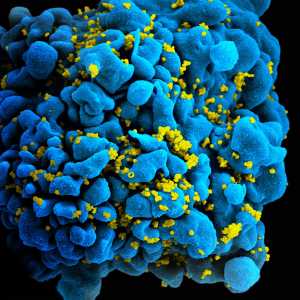
MedicalResearch.com Interview with: [caption id="attachment_39372" align="alignleft" width="300"]“HIV-infected T cell” by NIAID is licensed under CC BY 2.0 HIV-infected T-cell
NIAID image[/caption] Tae-Wook Chun, Ph.D. National Institutes of Health Bethesda, MD 20892  MedicalResearch.com: What is the background for this study? What are the main findings? Response: While antiretroviral therapy (ART) has improved the clinical outcome for people living with HIV, persistence of viral reservoirs in the peripheral blood and lymphoid tissues remains a hurdle to complete eradication of virus and cure of the infection. We know the vast majority of people living with HIV will experience plasma viral rebound within weeks of cessation of therapy. Considering that current research on the treatment of people living with HIV has been heavily focused on developing strategies aimed at achieving sustained virologic remission in the absence of ART, it is of great interest to investigate whether treatment interruption results in expansion of the viral reservoir and/or damage to the immune system. Using data from a recently concluded trial that employed short-term analytical treatment interruption (ATI), we found that, as expected, HIV DNA increased in the CD4+ T cells of individuals living with HIV during the treatment interruption phase. However, the size of the HIV reservoirs as well as immune parameters returned to baseline 6–12 months after the participants resumed ART. 
Author Interviews, JAMA, Pediatrics / 17.01.2018

MedicalResearch.com Interview with: [caption id="attachment_39342" align="alignleft" width="140"]James L. Wynn, MD Department of Pediatrics, Department of Pathology, Immunology, and Laboratory Medicine University of Florida, Gainesville Dr. James Wynn[/caption] James L. Wynn, MD Department of Pediatrics, Department of Pathology, Immunology, and Laboratory Medicine University of Florida, Gainesville MedicalResearch.com: What is the background for this study? Response: Reports from the National Institutes of Health show a reduction in physician-scientists. Objective data on R01 funded pediatric physician-scientists, including the number of R01 awards, individuals awarded an R01, as well as their institutions, subspecialty, academic rank, leadership status, and sex are unknown.
Author Interviews, JAMA, Mental Health Research / 17.01.2018

MedicalResearch.com Interview with: [caption id="attachment_39337" align="alignleft" width="136"]Michael S. Okun, M.D. Adelaide Lackner Professor and Chair of Neurology Fixel Center for Neurological Diseases Gainesville FL 32607 Dr. Okun[/caption] Michael S. Okun, M.D. Adelaide Lackner Professor and Chair of Neurology Fixel Center for Neurological Diseases Gainesville FL 32607 MedicalResearch.com: What is the background for this study? What are the main findings? Response: Deep brain stimulation is a promising therapy for carefully selected Tourette syndrome patients who fail medication and behavioral therapy. This study draws data from 31 institutions and 10 countries and shows a significant improvement of motor and vocal tics across multiple brain targets.  Because even expert DBS centers only perform 1-2 surgeries a year this type of database and registry will be critical to move the field forward. 
Author Interviews, Biomarkers, Melanoma, Nature / 17.01.2018

MedicalResearch.com Interview with: [caption id="attachment_39325" align="alignleft" width="200"]Daniel S. Peeper, PhD Professor of Functional Oncogenomics (VUmc) Member of Oncode Institute Head, Division of Molecular Oncology & Immunology Chair, Scientific Faculty Council Chair, Translational Research Board The Netherlands Cancer Institute Amsterdam The Netherlands Dr. Peeper[/caption] Daniel S. Peeper, PhD Professor of Functional Oncogenomics (VUmc) Member of Oncode Institute Head, Division of Molecular Oncology & Immunology Chair, Scientific Faculty Council Chair, Translational Research Board The Netherlands Cancer Institute Amsterdam The Netherlands MedicalResearch.com: What is the background for this study? What are the main findings? Response: BRAF mutant melanomas are now commonly treated with either immunotherapy or with the combination of BRAFi + MEKi. Recent clinical trials showed that combination checkpoint blockade gives 58% 3 year survival for advanced melanoma. For BRAF+MEKi these numbers are somewhat less impressive. Our study relates to the latter setting. Clearly, most patients treated with this combination do not experience a durable clinical benefit. We showed previously that resistance to these inhibitors is commonly associated with a striking increase in the number of AXL+ cells; this is the rationale for the current study. 
Author Interviews, JAMA, Surgical Research, Weight Research / 17.01.2018

MedicalResearch.com Interview with: Oma Reges, PhD Clalit Research Institute, Clalit Health Services, Tel Aviv, Israel Department of Health Systems Management, Ariel University, Ariel, Israel MedicalResearch.com: What is the background for this study? What are the main findings? Response: Israel, based on the most recently published data (2015), performs more per-capita bariatric surgery than the U.S.A (about 9,000 to 9,500 procedures annually, which is 1.8 times higher rate per capita than the U.S.A, where there are about 200,000 procedures a year). It is important to evaluate the impact of these procedures on health status, as there is a lack of data of the effectiveness of these procedures over time. We were able to document lower mortality rates, of up to 50%, in the obese patient undergoing surgery as opposed to matched obese patients who continue with usual care. 
Author Interviews, Diabetes, JAMA, OBGYNE, Surgical Research / 16.01.2018

MedicalResearch.com Interview with: [caption id="attachment_39301" align="alignleft" width="143"]Charles Billington MD Chief, Section of Endocrinology and Metabolism Minneapolis VA Health Care System Professor of Medicine, University of Minnesota  Dr. Billington[/caption] Charles Billington MD Chief, Section of Endocrinology and Metabolism Minneapolis VA Health Care System Professor of Medicine, University of Minnesota  MedicalResearch.com: What is the background for this study? What are the main findings?  Response: We wanted to know if adding gastric bypass to intense lifestyle and medical therapy would improve overall diabetes treatment as represented by the triple endpoint of blood sugar, blood pressure and cholesterol control. We found that adding gastric bypass did provide significant benefit at five years after surgery, but that the size of the benefit declined substantially from the first to the fifth year. We also found that gastric bypass did provide significantly better blood sugar control throughout the five years, but the rate of diabetes remission at five years was low. There were many more adverse events in the gastric bypass group. 
Author Interviews, Biomarkers, Heart Disease, JACC / 16.01.2018

MedicalResearch.com Interview with: [caption id="attachment_39310" align="alignleft" width="300"]The PlaqueTec Liquid Biopsy System™ (LBS) The PlaqueTec Liquid Biopsy System™ (LBS)[/caption] Nick West MA MD FRCP FESC FACC Chief Medical Officer PlaqueTec Ltd MedicalResearch.com: What is the background for the Liquid Biopsy System and this study? Response: Despite huge advances in the diagnosis and treatment of coronary artery disease, this form of cardiovascular disease remains as the world’s number one cause of death. Although interventions such as coronary angioplasty and cholesterol lowering with statins have improved morbidity, patients still experience high rates of recurrent cardiovascular events. Various technologies have been applied to predict future patient events with limited success, such as ‘virtual histology’ intravascular ultrasound (VH-IVUS) in the PROSPECT study (Stone GW et al. N Engl J Med 2011; 364: 226-235). Many experts acknowledge that imaging alone may be insufficient to gauge risk, and that the utility of a more biological endpoint may be more appropriate. This supposition is supported by recent data that added endothelial shear stress estimation to the PROSPECT data and significantly improved subsequent event prediction (Stone PH et al. JACC Cardiovascular Imaging 2017; Sep 18 epub ahead of print). Coronary artery disease has long been recognised to be underpinned by an inflammatory pathogenesis, and it is bioactive molecules (growth factors, cytokines etc) within the vasculature that affect plaque growth, transformation and vulnerability to rupture, resulting in myocardial infarction. Measuring these biomolecules in situ is challenging owing to an inability to reliably sample from the ‘boundary layer’ – a slower-moving circumferential stratum of blood adjacent to the endothelial surface that does not mix with the general bulk flow. The PlaqueTec Liquid Biopsy System™ (LBS) was designed specifically to sample from the boundary layer at four sites simultaneously within the coronary artery, where biomolecules released from plaques are likely to be most concentrated. With the LBS, we can also detect small gradients of released molecules by simultaneously collecting blood both upstream and downstream of individual plaques. The LBS has demonstrated safety and feasibility in preclinical and preliminary clinical studies, and was awarded a CE mark in Europe as a dedicated coronary blood sampling device in 2014.
Author Interviews, JAMA, Surgical Research, Weight Research / 15.01.2018

MedicalResearch.com Interview with: [caption id="attachment_39315" align="alignleft" width="150"]Jøran Hjelmesæth MD, PhD Professor, Head Morbid Obesity Centre and Section of Endocrinology Department of Medicine Vestfold Hospital Trust Tønsberg, Norway Department of Endocrinology, Morbid Obesity and Preventive Medicine Institute of Clinical Medicine University of Oslo, Norway Prof. Hjelmesæth[/caption] Jøran Hjelmesæth MD, PhD Professor, Head Morbid Obesity Centre and Section of Endocrinology Department of Medicine Vestfold Hospital Trust Tønsberg, Norway Department of Endocrinology, Morbid Obesity and Preventive Medicine Institute of Clinical Medicine University of Oslo, Norway MedicalResearch.com: What is the background for this study? What is known?  Some previous studies have shown beneficial long-term effects of bariatric surgery on the remission and incidence of diabetes, hypertension and dyslipidemia, whilst high quality data on the long-term incidence of adverse effects, mental health conditions and complications after bariatric surgery are sparse or lacking. In addition, the control groups in previous studies of the effect of bariatric surgery seldom or never received any specific specialist based non-surgical treatment alternative. The present pragmatic real world study was performed at a publicly funded single tertiary care obesity center in Norway where patients could choose between bariatric surgery and specialized medical treatment (voluntarily and free of charge). Nearly complete short- and long-term (≤ 10 years) data on beneficial and detrimental outcomes were retrieved from national registries (Norwegian Prescription Database and Norwegian Patient Registry).  The results confirm the beneficial long-term effects of bariatric surgery (gastric bypass) on the remission and incidence of diabetes, hypertension and dyslipidemia, as demonstrated in some previous studies.