Author Interviews, JAMA, Ophthalmology, Pediatrics / 14.01.2018

MedicalResearch.com Interview with: Prof. Dr. Andreas Stahl Geschäftsführender Oberarzt Leiter Arbeitsgruppe Angiogenese Universitätsaugenklinik Freiburg | University Eye Hospital Freiburg Freiburg, Germany MedicalResearch.com: What is the background for this study? Response: Retinopathy of prematurity (ROP) is a sight-threatening disease and one of the main reasons for irrreversible bilateral blindness in children. Particularly infants born at very early gestational ages or with very low birth weight are affected. In these infants, vascularization of the retina is unfinished at the time of birth. Severeal weeks into the life of these very prematuerly born infants, angiogenic growth factors, mainly vascular endothelial growth factor (VEGF), become upregulated in the avascular parts of the retina, leading to a re-activation of physiologic vascular growth. If all goes well, these re-activated retinal blood vessels progress towards the periphery and lead to a fully vascularized and functional retina. If, however, the vascular activation by VEGF is too strong, then vascular growth becomes disorganized and vessels are redirected away from the retina and into the vitreous. If left untreated, these eyes can then proceed towards tractional retinal detachment and blindness. Since the 1990s, the standard method of treating ROP has been laser photocoagulation of avascular parts of the retina. This treatment is sensible because VEGF as the main angiogenic driver of pathologic blood vessel growth is expressed in these avascular parts of the retina. The downside of laser treatment, however, is that treated retinal areas are turned into functionless scar tissue and are lost for visual function. In addition, infants treated with laser need to be under general anesthesia for hours during treatment which can be troublesome in very young and fragile preterm infants. And in the long run, infants treated with laser have a high risk of developing high myopia in later life.
Annals Internal Medicine, Author Interviews, Heart Disease, Lipids / 14.01.2018

MedicalResearch.com Interview with: [caption id="attachment_39282" align="alignleft" width="132"]Borge G. Nordestgaard, Borge G. Nordestgaard[/caption] Børge G. Nordestgaard, MD, DMSc Department of Clinical Biochemistry Herlev and Gentofte Hospital, Copenhagen University Hospital Herlev, Denmark MedicalResearch.com: What is the background for this study? Response: Five major organizations recently published guidelines for using statins to prevent atherosclerotic cardiovascular disease  -- the American College of Cardiology/American Heart Association (ACC/AHA) in 2013, the United Kingdom’s National Institute for Health and Care Excellence (NICE) in 2014, and in 2016 the Canadian Cardiovascular Society (CCS), the US Preventive Services Task Force (USPSTF), and the European Society of Cardiology/European Atherosclerosis Society (ESC/EAS). We applied these five guidelines to a contemporary study cohort of 45,750 40-75 year olds from the Copenhagen General Population Study.
Author Interviews, Cancer Research, JAMA, Stroke / 13.01.2018

MedicalResearch.com Interview with: [caption id="attachment_39250" align="alignleft" width="200"]Babak B. Navi MD, MS Dr. Navi[/caption] Babak B. Navi MD, MS Department of Neurology Weill Cornell Medicine New York, New York MedicalResearch.com: What is the background for this study? Response: About 10% of patients with ischemic stroke have comorbid cancer and these patients face an increased risk of stroke recurrence. Many strokes in patients with cancer are attributed to unconventional mechanisms from acquired hypercoagulability. Therefore, many physicians recommend anticoagulation, especially low molecular weight heparins, for the treatment of cancer-associated stroke. However, hypercoagulable stroke mechanisms, such as nonbacterial thrombotic endocarditis, are rarely definitively diagnosed in cancer patients antemortem; while atherosclerosis, which is generally treated with antiplatelet medicines such as aspirin, is common in cancer patients. In addition, many historic indications for anticoagulation in ischemic stroke have been disproven by randomized trials because any reductions in stroke risk were offset by increased risks of bleeding. Given these considerations, we believed that a randomized trial comparing anticoagulation with enoxaparin to antiplatelet therapy with aspirin was necessary to determine the superior strategy, prompting implementation of the TEACH pilot randomized trial. The primary aim of TEACH was to determine whether the random assignment of different antithrombotic strategies to cancer patients with acute ischemic stroke would be sufficiently feasible and safe to proceed with a larger efficacy trial. 
Author Interviews, JAMA, Neurology / 13.01.2018

MedicalResearch.com Interview with: Fredrik Piehl MD PhD, prof. of Neurology Neuroimmunology Unit. Dept Clinical Neuroscience Neurology Dept. Karolinska University Hospital (Solna) Stockholm MedicalResearch.com: What is the background for this study? What are the main findings? Response: In recent years we have seen a drastic increase in treatment options for relapsing-remitting multiple sclerosis (RRMS). However, it is difficult to deduce long term performance of different drugs based only on data from randomized controlled trials, since such trials are performed in selected patients without major co-morbidities and perhaps also enriched for those with a milder disease course. In addition, most trials only last for two years and lack relevant comparators. This lack of knowledge makes it difficult to predict if a drug will work or not for a given patient, in turn leading to frequent treatment switches but also different treatment practices across countries, regions or even between centers. This is also the case in Sweden, but with the additional aspect that some regions have opted to treat most newly diagnosed RRMS patients with rituximab (Rituxan/Mabthera), a drug not formally approved for RRMS, but with extensive safety data from other indications.
Alzheimer's - Dementia, Author Interviews, Biomarkers, JAMA, MRI / 12.01.2018

MedicalResearch.com Interview with: [caption id="attachment_39274" align="alignleft" width="143"]Miguel A. Santos-Santos, MD Department of Neurology, Memory and Aging Center University of California San Francisco Autonomous University of Barcelona, Cerdanyola del Valles, Spain Dr. Miguel A. Santos-Santos[/caption] Miguel ASantos-SantosMD Department of Neurology, Memory and Aging Center University of California San Francisco Autonomous University of Barcelona, Cerdanyola del Valles, Spain MedicalResearch.com: What is the background for this study? Response: Primary progressive aphasia (PPA) is a clinically and pathologically heterogeneous (generally Frontotemporal lobar degeneration [FTLD, generally tau or tdp proteinopathies] or Alzheimer’s disease [AD] pathology) condition in which language impairment is the predominant cause of functional impairment during the initial phases of disease. Classification of PPA cases into clinical-anatomical phenotypes is of great importance because they are linked to different prevalence of underlying pathology and prediction of this pathology during life is of critical importance due to the proximity of molecule-specific therapies. The 2011 international consensus diagnostic criteria established a classification scheme for the three most common variants (the semantic [svPPA], non-fluent/agrammatic [nfvPPA], and logopenic [lvPPA]) of PPA and represent a collective effort to increase comparability between studies and improve the reliability of clinicopathologic correlations compared to the previous semantic dementia and progressive non-fluent aphasia criteria included in the 1998 consensus FTLD clinical diagnostic criteria. Since their publication, a few studies have reported amyloid imaging and pathological results in PPA, however most of these studies are retrospective in nature and the prevalence of FTLD and Alzheimer’s disease pathological findings or biomarkers in each variant has been inconsistent across the literature, therefore prospective validation with biomarker and autopsy data remains scarce and highly necessary.
Author Interviews, CDC, JAMA, Weight Research / 12.01.2018

MedicalResearch.com Interview with: Liping Pan, MD, MPH Epidemiologist, Epidemiology & Surveillance Team Obesity Prevention and Control Branch Division of Nutrition, Physical Activity and Obesity National Center for Chronic Disease Prevention & Health Promotion CDC  MedicalResearch.com: What is the background for this study? Response: Children with severe obesity face significant health and social challenges. Children with obesity and severe obesity are at higher risk for having other chronic health conditions and diseases, such as asthma, sleep apnea, bone and joint problems, and type 2 diabetes. They also have more risk factors for heart disease like high blood pressure, impaired glucose tolerance, and high cholesterol than their normal weight peers. These lifelong health risks associated with severe obesity during early childhood indicate the importance of preventing and identifying severe obesity. Childhood obesity disproportionately affects children living in low-income families. However, no recent trends on severe obesity in this population have been reported.
Annals Internal Medicine, Author Interviews, Diabetes, Genetic Research, University of Pittsburgh / 07.01.2018

MedicalResearch.com Interview with: Xiangwei Xiao, M.D., Ph.D. Assistant Professor of Department of Surgery, Children’s Hospital of Pittsburgh University of Pittsburgh School of Medicine, Pittsburgh, PA MedicalResearch.com: What is the background for this study? Response: Diabetes is a prevalent chronic disease characterized by persistently high blood glucose. Diabetes has two main subtypes, type 1 diabetes and type 2 diabetes. In type 1 diabetes, the immune system attacks and destroys insulin-producing beta cells in the pancreas, resulting in high blood levels of glucose. In type 2 diabetes, the beta cells do not produce enough insulin or the body is not able to use insulin effectively.
Author Interviews, JAMA, Pediatrics, Smoking, Tobacco, Tobacco Research, UCSF / 07.01.2018

MedicalResearch.com Interview with: “hookah” by Ksenia M is licensed under CC BY 2.0Benjamin Chaffee, DDS MPH PhD UCSF School of Dentistry San Francisco, CA 94118 MedicalResearch.com: What is the background for this study? What are the main findings? Response: Non-cigarette tobacco products, which include electronic cigarettes, hookah (tobacco waterpipe), smokeless tobacco, and non-cigarette combustibles, like cigars, are increasingly popular among young people. Considerable debate surrounds whether use of these non-cigarette products encourages youth to begin smoking conventional cigarettes. Several previous studies have shown associations between non-cigarette tobacco use and youth smoking. These studies had largely looked at only one type of tobacco product at a time. This study included more than 10,000 adolescents from all over the United States, surveyed at two time points one year apart. Therefore, this study featured enough participants and detailed information about tobacco behaviors to consider all types of tobacco products in a comprehensive way. We found that each type of non-cigarette tobacco product (i.e., e-cigarettes, hookah, combustibles, or smokeless tobacco) added to smoking risk. Among youth who had never smoked a cigarette at the start of the survey, use of any of the non-cigarette products approximately doubled the odds of cigarette smoking within a year, after adjusting for multiple smoking-related risk factors. Each product independently increased risk. The adolescents most susceptible to future smoking to were those who had tried two or more types of non-cigarette tobacco.
Author Interviews, Calcium, Geriatrics, JAMA, Vitamin C / 05.01.2018

MedicalResearch.com Interview with: “ZMA och D-vitamin. Intages med dubbelsidig C-brus. #placebomannen” by Robin Danehav is licensed under CC BY 2.0Dr Jia-Guo Zhao Tianjin Hospital Department of Orthopaedic Surgery Tianjin, China MedicalResearch.com: What is the background for this study? Response: The increased social and economic burdens for osteoporotic-related fractures worldwide make its prevention a major public health goal. Calcium and vitamin D supplements have long been considered a basic intervention for the treatment and prevention of osteoporosis. Survey analysis showed that 30–50% of older people take calcium or vitamin D supplements in some developed countries. Many previously published meta-analyses, from the high-ranking medical journals, concluded that calcium and vitamin D supplements reduce the incidence of fracture in older adults. And many guidelines regarding osteoporosis recommend calcium and vitamin D supplements for older people. The final aim for these supplements is to prevent the incidence of osteoporotic-related fracture in osteoporosis management.
Author Interviews, Baylor College of Medicine Houston, C. difficile, Nature / 05.01.2018

MedicalResearch.com Interview with: [caption id="attachment_39226" align="alignleft" width="200"]Professor Robert Britton PhD Therapeutic Microbiology Laboratory Department of Molecular Virology and Microbiology Alkek Center for Metagenomics and Microbiome Research Baylor College of Medicine Prof. Britton[/caption] Professor Robert Britton PhD Therapeutic Microbiology Laboratory Department of Molecular Virology and Microbiology Alkek Center for Metagenomics and Microbiome Research Baylor College of Medicine MedicalResearch.com Interview: How would you summarise your findings? Response: As a brief summary of our work, certain strains of Clostridium difficile have emerged in the past 20 years that have resulted in epidemics worldwide, leading to C. difficile becoming one of the most common causes of hospital acquired infections.  Two ribotypes of C. difficile, RT027 and RT078, emerged as key epidemic ribotypes associated with increased disease prevalence and increased mortality in patients.  We found that both of these ribotypes have acquired the ability to consume the disaccharide trehalose by two completely independent mechanisms.  We further show that trehalose enhances disease severity of C. difficile infection in a manner that requires C. difficile to metabolize trehalose in mice.  We also show that trehalose is present in the distal intestine of mice and humans in concentrations that the RT027 ribotype can metabolize.  Because RT027 and RT078 strains were present in clinics at least 10-20 years prior to their becoming epidemic isolates, we looked where people would acquire trehalose in the diet. In 2000 the FDA approved trehalose for human consumption (EFSA did so in 2001) and based on the GRAS report from the FDA the amount of trehalose predicted to be consumed once released on the market would vastly increase what people get naturally from the diet.  Our data support that these two ribotypes increased in prevalence due to a change in the human diet.
Alcohol, Author Interviews, PLoS, Social Issues, Transplantation / 05.01.2018

MedicalResearch.com Interview with: “Alcohol” by Jorge Mejía peralta is licensed under CC BY 2.0Dr. Eirik Degerud, PhD Norwegian Institute of Public Health MedicalResearch.com: What is the background for this study? Response: Alcohol-related hospitalisations and deaths are more frequent among individuals with low socioeconomic position, despite that they tend to drink less on average. This is referred to as the alcohol-harm paradox. Alcohol is associated with both higher and lower risk of cardiovascular disease, depending on the drinking pattern. We wanted to assess if the paradox was relevant to these relationship also.
Author Interviews, Cost of Health Care, JAMA / 05.01.2018

MedicalResearch.com Interview with: “Doctors” by Tele Jane is licensed under CC BY 2.0Kathryn R. Tringale, MAS Department of Radiation Medicine and Applied Sciences University of California San Diego, La Jolla MedicalResearch.com: What is the background for this study? What are the main findings? Response: Financial relationships between biomedical industry and physicians are common, and previous work has investigated the potential conflicts of interest that can arise from these interactions. Data show that even small payments in the form of industry sponsored lunches can influence physician prescribing patterns. Given the concern for the potential influence of biomedical industry over practice patterns and potentially patient care, the Open Payments program was implemented under the Affordable Care Act to shed light on these interactions and make reports of these financial transactions publicly available. We recently published a paper in JAMA on industry payments to physicians that found that men received a higher value and greater number of payments than women physicians and were more likely to receive royalty or licensing payments when grouped by type of specialty (surgeons, primary care, specialists, interventionalists). The purpose of the Research Letter discussed here was to further examine differences in the value of payments received by male and female physicians within each individual specialty. The main takeaway from this study is that male physicians, across almost every specialty, are receive more money from biomedical industry compared to female physicians. At first glance, this finding can be interpreted as merely another example of gender disparities in the workplace, which we have seen before with gender gaps in physician salaries and research funding. Indeed, this gender gap may be a product of industry bias leading to unequal opportunity for women to engage in these profitable relationships. Alternatively, these data may be more representative of gender differences in physician decision-making. Previous data has shown that industry engagement can lead to changes in practice patterns, so maybe female physicians acknowledge these conflicts of interest and actively choose not to engage with industry. Unfortunately, we cannot tease out these subtleties from our results, but our paper does reveal a remarkable gender difference among physician engagement with industry. With this being said, whether male or female, everyone needs a bit of help sometimes. The use of loans is a possibility for many people who need a little financial assistance. Regardless of whether men are getting paid a little more than women, they may all need help just as equally. The type of loans that would be worth looking into if this is your current situation is physician loans, which basically allows medical professionals to purchase a home with a low/little down payment while avoiding mortgage insurance. A little bit of help goes a long way, especially when it involves your future.
Allergan, Author Interviews, JAMA, Ophthalmology / 05.01.2018

MedicalResearch.com Interview with: Steven Woloshin, MD MS [caption id="attachment_25281" align="alignleft" width="180"]Steven Woloshin, MD Professor of The Dartmouth Institute Professor of Medicine Professor of Community and Family Medicine Dr. Steven Woloshin[/caption] Professor of The Dartmouth Institute Professor of Medicine Professor of Community and Family Medicine The Center for Medicine in the Media Dartmouth Institute for Health Policy and Clinical Practice Lebanon, New Hampshire MedicalResearch.com: What is the background for this study? What are the main findings? Response: There has been a lot of debate about the legal maneuvers (ie, transferring patents to the Mohawk Indians) Allergan has employed to delay marketing of generic alternatives to Restasis (cyclosporine ophthalmic emulsion 0.05%).   But there is a more fundamental question that has received little attention:  Does Restasis work?  It is not approved in the European Union, Australia or New Zealand where registration applications were "withdrawn prior to approval due to insufficient evidence of efficacy" in 2001.   Although Canada approved Restasis, its national health technology assessment unit, unconvinced of meaningful benefit, recommended Canada not pay for it - according to our research, no Canadian provincial or federal drug plan currently does.   Nevertheless, Americans have spent $8.8 billion in total sales between 2009 and 2015 on Restasis, including over $2.9 billion in public monies through Medicare Part D.
Author Interviews, JAMA, Multiple Sclerosis, Radiology / 04.01.2018

MedicalResearch.com Interview with: Netta Levin MD PhD fMRI lab Neurology Department Hadassah Hebrew University Medical Center Jerusalem  MedicalResearch.com: What is the background for this study? Response: Multiple sclerosis (MS) is an autoimmune demyelinating disease of the central nervous system, manifesting with episodes of local inflammatory processes, called relapses. The most useful surrogate laboratory test for MS is magnetic resonance imaging (MRI), in which dissemination of demyelinating lesions in space and time are the hallmark of the disease. However, there is a discrepancy between the lesion load - the number, size, and location of the lesions - and the clinical state of the patients, reflected in their disability. This discrepancy is known as the “clinico-radiological paradox” and suggests that something other than the well-known mechanisms of demyelination, remyelination, and axonal loss may tip the scale of recovery from an acute episode. Global effects of the local damage and compensatory mechanisms were suggested as an explanation to this paradox. In this study, we compared the visual system of patients with clinically isolated syndrome optic neuritis (ON) to patients with clinically isolated episodes in other functional systems, exploring changes, both anatomical and functional, caused to the system following the demyelinating episode. Optic neuritis was deemed a good in vivo model for studying the pathophysiology of tissue damage and repair in MS due to its characteristic clinical manifestation and to the visual pathways’ amenability to investigation using various techniques. To assess anatomical wiring ,i.e the white matter fibers themselves , we used diffusion tensor imaging (DTI). To assess functional networking as reflected by signal synchronization between distinct brain regions, we used resting state fMRI.
Author Interviews, Heart Disease, JACC, Pediatrics, Surgical Research, UCSD / 04.01.2018

[caption id="attachment_39174" align="alignleft" width="300"]This file was derived from Blausen 0165 Cardiomyopathy Dilated.png Structural categories of cardiomyopathy Wikipedia image[/caption] MedicalResearch.com Interview with: Rakesh K. Singh MD, MS Department of Pediatrics, University of California–San Diego and Rady Children’s Hospital San Diego, California Steven E. Lipshultz MD Department of Pediatrics Wayne State University School of Medicine and Children’s Hospital of Michigan Detroit, Michigan  MedicalResearch.com: What is the background for this study? Response: Dilated cardiomyopathy (DCM) is a disease characterized by dilation and dysfunction of the left ventricle of the heart. While DCM is a relatively rare disease in children, nearly 40% of children with DCM require a heart transplant or die within 2 years of diagnosis. Heart transplantation has improved the outcomes of children with DCM over the last 3 decades, but is limited by donor heart availability. Newer therapies, including advanced ICU care and artificial heart machines, are now being used to treat children with DCM. This study published in the November 28, 2017 issue of the Journal of American College of Cardiology (JACC) sought to determine whether more children with DCM were surviving longer in the more recent era. Specifically, it investigated whether children with DCM were surviving longer without the need for heart transplantation. Rakesh Singh, MD is the first author and an Associate Professor of Pediatrics at UC San Diego/Rady Children’s Hospital, while the senior author is Steven Lipshultz, MD, Professor at Wayne State University School of Medicine/Detroit Medical Center’s Children’s Hospital of Michigan and Director of Children’s Research Center of Michigan. The Pediatric Cardiomyopathy Registry (PCMR) is a National Heart, Lung, and Blood Institute (NHLBI) sponsored registry from 98 pediatric centers in United States and Canada created to study the outcomes of children with various heart muscle disorders known as cardiomyopathies. For this study, outcomes of 1,199 children diagnosed with DCM from 1990-1999 were compared with 754 children diagnosed with DCM from 2000-2009.

Author Interviews, Heart Disease, JAMA, Surgical Research / 04.01.2018

MedicalResearch.com Interview with: [caption id="attachment_39165" align="alignleft" width="300"]coronary arteries Wikipedia image[/caption] Edward L. Hannan, PhD, MS, MS, FACC Distinguished Professor and Associate Dean Emeritus University at Albany School of Public Health Rensselaer, NY 12144     MedicalResearch.com: What is the background for this study? What are the main findings? Response: We have done a lot of work on complete revascularization (CR) vs. incomplete revascularization (IR) already, and as a follow-up it seemed as if there may be different types of IR that are associated with even worse outcomes relative to CR and other IR. Incomplete revascularization is associated with worse outcomes if it involves multiple vessels, vessels with severe stenosis, or significant proximal left anterior descending artery vessel (PLAD) stenosis.
Author Interviews, Duke, NEJM, Rheumatology, Stem Cells, Transplantation / 04.01.2018

MedicalResearch.com Interview with: [caption id="attachment_39161" align="alignleft" width="300"]“Breastfeeding welcome here” by Newtown grafitti is licensed under CC BY 2.0 Picture of a female patient's left arm, showing skin lesions caused by Scleroderma
Wikipedia image[/caption] Keith M. Sullivan, M.D. James B. Wyngaarden Professor Of Medicine Division of Cellular Therapy Duke University Medical Center Durham, North Carolina 27710, USA  MedicalResearch.com: What is the background for this study? What are the main findings?
  • Scleroderma with internal organ involvement is a devastating  autoimmune disorder with considerable morbidity and high mortality which have not changed in 40 years of reporting. Effective new therapies are needed.
  • Despite 2 prior randomized trials showing benefit for reduced-intensity stem cell transplant vs. conventional cyclophosphamide immune suppression, clinical practice in the US did not change due in part due to concern about patient safety and durability of response (attached).
  • The current randomized trial compares 12 monthly infusions of cyclophosphamide with high-dose chemotherapy plus whole-body irradiation designed to wipe-out (myeloablate) the defective, self-reactive immune system and replace with the patients own stem cells which had been treated to remove self-reacting lymphocytes. This was the first study to test if myeloablative autologous could re-establish a normal functioning immune system in patients with scleroderma.
Author Interviews, JAMA, OBGYNE, Pediatrics / 03.01.2018

MedicalResearch.com Interview with: “Breastfeeding welcome here” by Newtown grafitti is licensed under CC BY 2.0Clare Relton, PhD School of Health and Related Research University of Sheffield, Sheffield, England MedicalResearch.com: What are the key findings of your report? Response: Our five year research project explored whether offering financial incentives (shopping vouchers) for breastfeeding increased breastfeeding. We studied what happened to breastfeeding rates at 6 to 8 weeks post-partum in areas in England with low (<40%) breastfeeding prevalence. Our cluster randomized clinical trial (which included 10 010 mother-infant dyads) showed that areas with the financial incentive had significantly higher rates of breastfeeding at 6 to 8 weeks (37.9% vs 31.7%) compared to usual care. The financial incentive scheme was widely acceptable to healthcare providers (midwives, health visitors, doctors) and mothers. The financial incentives made it easier for everyone to discuss breastfeeding and mothers reported feeling valued (supported and rewarded) for breastfeeding.
Author Interviews, Diabetes, JAMA, Race/Ethnic Diversity, Weight Research / 02.01.2018

MedicalResearch.com Interview with: [caption id="attachment_39141" align="alignleft" width="150"]Michael P. Bancks, PhD Northwestern University Chicago, Illinois  Dr. Bancks[/caption] Michael P. Bancks, PhD Northwestern University Chicago, Illinois  MedicalResearch.com: What is the background for this study? What are the main findings? Response: We know that the disparity in diabetes between black and white youth and young adults is growing, but the reasons why are unclear. We also know that traditional risk factors for diabetes, such as obesity and low socioeconomic status, are more common among blacks as compared with whites. Our study describes how the unequal rates of these traditional diabetes risk factors explain or account for the higher rates of diabetes among blacks.
Author Interviews, Diabetes, JAMA, Nutrition, Pediatrics / 02.01.2018

MedicalResearch.com Interview with: “Baby Bottle” by brokinhrt2 is licensed under CC BY 2.0Mikael Knip, MD, PhD Professor of Pediatrics TRIGR PI  MedicalResearch.com: What is the background for this study? What are the main findings? Response: Experimental studies have indicated that the avoidance of early exposure to cow's milk proteins reduces the cumulative incidence of autoimmune diabetes in animal models of human type 1 diabetes, e.g. BB rats and NOD mice. Epidemiological studies in humans have suggested that there may be a link between type 1 diabetes and short breastfeeding or early introduction of infant formulas. All regular infant formulas contain intact cow's milk proteins. The main finding was that weaning to an extensively hydrolyzed formula did not reduce the cumulative incidence of Type 1 diabetes in at-risk children by the mean age of 11 years. The extensively hydrolyzed formula did not contain any intact cow's milk proteins but only small peptides (maximal size 2000 daltons).
Author Interviews, Education, NYU/NYMC, Pediatrics, Pediatrics / 02.01.2018

MedicalResearch.com Interview with: [caption id="attachment_21334" align="alignleft" width="120"]Adriana Weisleder, PhD Research scientist, Department of Pediatrics NYU Langone Medical Center Dr. Weislander[/caption] Adriana Weisleder, PhD Research scientist, Department of Pediatrics NYU Langone Medical Center New York  MedicalResearch.com: What is the background for this study? What are the main findings? Response: An estimated 250 million children in low- and middle-income countries do not reach their developmental potential due to poverty. Many programs in the US, such as Reach Out and Read and Video Interaction Project, have shown success in reducing poverty-related disparities in early child development by promoting parent-child interactions in cognitively stimulating activities such as shared bookreading. This randomized study sought to determine whether a program focused on supporting parent-child shared bookreading would result in enhanced child development among 2- to 4-year-old children in a low-resource region in northern Brazil. Families in the program could borrow children’s books on a weekly basis and could participate in monthly parent workshops focused on reading aloud. Findings showed that participating families exhibited higher quantity and quality of shared reading interactions than families in a control group, and children showed higher vocabularies, working memory, and IQ.
ASCO, Author Interviews, Cancer Research, Journal Clinical Oncology, Kidney Disease, UT Southwestern / 01.01.2018

MedicalResearch.com Interview with: [caption id="attachment_39124" align="alignleft" width="100"]Kevin D. Courtney, M.D., Ph.D.  Assistant Professor UT Southwestern Medical Cente Dr. Courtney[/caption] Kevin D. Courtney, M.D., Ph.D.  Assistant Professor UT Southwestern Medical Center MedicalResearch.com: What is the background for this study? What are the main findings? Response: Clear cell renal cell carcinoma (ccRCC) is the most common form of kidney cancer. Metastatic ccRCC does not respond to traditional chemotherapy. Current standard treatments for metastatic ccRCC include drugs called vascular endothelial growth factor receptor tyrosine kinase inhibitors (VEGFR TKIs) that block the growth of new blood vessels that feed the cancer, as well as drugs that inhibit an enzyme called mTOR that is involved in ccRCC growth and immune therapies that rev up the body’s immune response to try to fight the cancer. Each of these treatments can have significant side effects for patients that can make them difficult to tolerate. Metastatic ccRCC is largely incurable, and we need novel and better-tolerated treatments. A central driver of ccRCC is a protein called hypoxia inducible factor 2alpha (HIF-2alpha). This protein has been very difficult to try to target with a drug. This study is the first to test a drug that targets HIF-2alpha in patients with metastatic ccRCC. The study results showed that the HIF-2alpha inhibitor, PT2385 (Peloton Therapeutics) was active in fighting metastatic ccRCC and was well-tolerated.
Author Interviews, Bipolar Disorder, Depression, JAMA / 01.01.2018

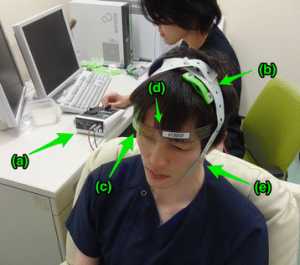
MedicalResearch.com Interview with: [caption id="attachment_39118" align="alignleft" width="300"]Yokoi and Sumiyoshi. 2015 tDCS administration at National Center of Neurology and Psychiatry Hospital. A subject (front) sits on a sofa relaxed, and a researcher (behind) controls the tDCS device (a). In this picture, anodal (b) and cathodal (c) electrodes with 35-cm2 size are put on F3 and right supraorbital region, respectively. We use a head strap (d) for convenience and reproducibility, and also use a rubber band (e) for reducing resistance tDCS administration at National Center of Neurology and Psychiatry Hospital. A subject (front) sits on a sofa relaxed, and a researcher (behind) controls the tDCS device (a). In this picture, anodal (b) and cathodal (c) electrodes with 35-cm2 size are put on F3 and right supraorbital region, respectively. We use a head strap (d) for convenience and reproducibility, and also use a rubber band (e) for reducing resistance
Wikipedia file[/caption] Andre Russowsky Brunoni, MD, PhD Coordinator, Service of Interdisciplinary Neuromodulation, Laboratory of Neurosciences  Department and Institute of Psychiatry Coordinator, Interdisciplinary Center for Applied Neuromodulation, University Hospital University of São Paulo São Paulo, Brasil  MedicalResearch.com: What is the background for this study? What are the main findings? Response: In this study, our aim was to evaluate the safety and efficacy of transcranial direct current stimulation (tDCS) as an add-on treatment for patients with bipolar depression. There are a only few treatment alternatives for bipolar depression, which often have important side effects. Thus, we wanted to evaluate the efficacy of this non-pharmacological treatment. We found that active vs. sham tDCS effected greater response and remission for patients with bipolar depression. The frequency of adverse effects was similar, including treatment-emergent affective switches. However, higher rates of skin redness were observed in the active group.
Author Interviews, Brigham & Women's - Harvard, Diabetes, End of Life Care, JAMA / 01.01.2018

MedicalResearch.com Interview with: Dr. Laura A. Petrillo MD Instructor in Medicine Harvard Medical School, and Palliative Care Physician Massachusetts General Hospital MedicalResearch.com: What is the background for this study? What are the main findings? Response: Hospice is end-of-life care focused on maximizing quality of life. Hospice often involves reducing or stopping treatments that are unlikely to have short-term benefit in order to avoid uncomfortable side effects. About a quarter of Americans die in nursing homes, and some of them receive hospice care in their final days. We looked at whether adults with type 2 diabetes experience low blood sugar while on hospice in veterans’ nursing homes, since low blood sugar signals inappropriately aggressive diabetes treatment in patients close to death and contributes to unnecessary discomfort. We found that one in nine people experienced low blood sugar at least once while receiving hospice care. Among people who were on insulin, the number was one in three.
Aging, Author Interviews, Blood Pressure - Hypertension, Nature, UT Southwestern / 27.12.2017

[caption id="attachment_39089" align="alignleft" width="219"]CrawlingCelegans Wikipedia Crawling C. elegans
Wikipedia image[/caption] MedicalResearch.com Interview with: Hamid Mirzaei, Ph.D. Assistant Professor of Biochemistry University of Texas Southwestern Department of Biochemistry Dallas, TX 75390 MedicalResearch.com: What is the background for this study? What are the main findings? Response: Aging is a complex process at the cellular level with distinct organismal phenotypes. Despite millennia-old obsession with aging and relentless pursuits for ways to stop and reverse it, such elixir has not been found due to the complexity of the involved mechanisms and our limited understanding of the processes that lead to aging. Although progress has been made in recent years in slowing down the aging process in model organisms and human cells. In this study, we report that and FDA approved antihypertensive drug, hydralazine, decelerates aging in C. elegans by mechanisms that seem to resemble dietary restriction. We show that hydralazine increases the median lifespan of the C. elegans by 25% which is comparable to or better than other known antiaging compounds. We demonstrate that not only hydralazine-treated worms live longer, they appear to be healthier in general. Because aging is directly linked to neurodegenerative diseases, we tested our drug on both in vitro and in vivo models of neurodegenerative diseases using chemical and biological stressors (rotenone and tau fibrils) and show that hydralazine has neuroprotective properties as well.
Author Interviews, Autism, JAMA, Nutrition, OBGYNE / 27.12.2017

MedicalResearch.com Interview with: [caption id="attachment_39092" align="alignleft" width="130"]Dr. Marte Bjørk, MD PhD Department of Clinical Medicine University of Bergen, Department of Neurology Haukeland University Hospital Bergen, Norway Dr. Marte Bjørk[/caption] Dr. Marte Bjørk, MD PhD Department of Clinical Medicine University of Bergen, Department of Neurology Haukeland University Hospital Bergen, Norway MedicalResearch.com: What is the background for this study? Response: In utero antiepileptic drug exposure are associated with neurodevelopmental problems in the child. We looked into if maternal folate during pregnancy could reduce the risk of autistic traits in children of women in need of antiepileptic drugs in pregnancy. The rationale for the hypothesis that folate could be beneficial, was that many antiepileptic drugs interact with folate metabolism. Folic acid supplement use is also associated with slightly reduced risk of autism in children of women from the general population.
Author Interviews, Chemotherapy, JAMA, Ovarian Cancer / 26.12.2017

MedicalResearch.com Interview with: Debra Richardson, MD, FACOG, FACS Associate Professor, Section of Gynecologic Oncology, Oklahoma TSET Phase I Program Stephensen Cancer Center The University of Oklahoma MedicalResearch.com: What is the background for this study? What are the main findings? Response: Ovarian cancer is the leading cause of gynecologic cancer deaths. Pazopanib is an oral multitarget tyrosine kinase inhibitor of VEGF receptors 1, 2, and 3; platelet-derived growth factor (PDGF) receptors α and β and c-KIT. Weekly paclitaxel is an active agent for recurrent ovarian cancer. This was a national, randomized, double-blind, placebo controlled phase 2b trial of weekly paclitaxel with or without pazopanib for the treatment of recurrent ovarian cancer. The primary objective was to estimate the progression-free survival (PFS) hazard ratio (HR) of the combination of weekly paclitaxel (80mg/m2 D1, 8, 15 every 28 days) and pazopanib (800mg PO daily) compared with weekly paclitaxel and placebo in women with persistent or recurrent ovarian cancer. 106 women were enrolled. There was no difference in median PFS, overall survival (OS), or proportion responding. Severe hypertension was more common on the pazopanib plus paclitaxel arm. More patients discontinued treatment on the paclitaxel arm for disease progression, and more on the pazopanib plus paclitaxel arm for adverse events. Patients with VEGFA CC genotype may be more resistant to weekly paclitaxel than those with the AC or AA genotype.
Author Interviews, JAMA, OBGYNE / 26.12.2017

MedicalResearch.com Interview with: Gabriele Saccone, MD Department of Neuroscience Reproductive Sciences and Dentistry School of Medicine University of Naples Federico II Naples, Italy MedicalResearch.com: What is the background for this study? Response: Preterm birth is a major cause of perinatal morbidity and mortality. About 15 million infants were born too soon every year, causing 1.1 million deaths. The cervical pessary is a silicone device that has been studied to prevent preterm birth. However, the efficacy of this device in preventing preterm birth is still subject of debate.
Author Interviews, Cancer Research, Esophageal, Gastrointestinal Disease, JAMA / 21.12.2017

MedicalResearch.com Interview with: [caption id="attachment_39050" align="alignleft" width="184"]Dr. Edward D. McCoul, MD, MPH Ochsner Medical Center Dr. McCoul[/caption] Dr. Edward D. McCoul, MD, MPH Ochsner Medical Center MedicalResearch.com: What is the background for this study? What are the main findings? Response: Population-level data suggests a link between gastroesophageal reflux disease and cancer of the throat and sinuses in adults over 65 years of age.  T he strength of association between reflux and cancer is strongest for anatomic sites closest to the esophagus, where acid and other stomach contents may have the greatest exposure.
Accidents & Violence, Author Interviews, Emergency Care, ENT, JAMA / 21.12.2017

“Qtip” by Rafael Castillo is licensed under CC BY 2.0MedicalResearch.com Interview with: Eric T. Carniol, MD, MBA Division of Facial Plastic and Reconstructive Surgery, Department of Otolaryngology–Head and Neck Surgery, University of Toronto Toronto, Ontario, Canada MedicalResearch.com: What is the background for this study? What are the main findings? Response: Tympanic membrane perforations (aka "popped" or "burst" ear drum) is a common complaint of patients presenting to the emergency room, primary care offices, and otolaryngologist (ENT doctors) offices. These may be caused by trauma, infections, or other causes. As well, many patients will use qtips (cotton-tipped applicators) to clean ears and remove ear wax and are unaware of the potential harms of doing so. This study was designed to examine the cause of ear drum perforations as diagnosed in emergency departments in the United States. Foreign body instrumentation of the ear (qtips, hair combs, hair pins, needles, etc) were the cause of 61.2% of perforations. Cotton tip applicators are the single leading cause of traumatic tympanic membrane perforation in all age groups except young adults (13-18) and 19-36 year olds, in which it is the second largest cause (behind water trauma). Children less than 18 years old constitute nearly 2/3 of all ear drum perforations in the emergency department.