Author Interviews, Brigham & Women's - Harvard, Heart Disease, JAMA / 13.11.2017

MedicalResearch.com Interview with: [caption id="attachment_38236" align="alignleft" width="150"]Ankur Gupta, MD, PhD Division of Cardiovascular Medicine Brigham and Women’s Hospital Heart & Vascular Center and Harvard Medical School, Boston, Massachusetts Dr. Ankur Gupta[/caption] Ankur Gupta, MD, PhD Division of Cardiovascular Medicine Brigham and Women’s Hospital Heart & Vascular Center and Harvard Medical School, Boston, Massachusetts  MedicalResearch.com: What is the background for this study? What are the main findings? Response: The Hospital Readmissions Reduction Program (HRRP), established under the Affordable Care Act, aimed to reduce readmissions from various medical conditions including heart failure - the leading cause of readmissions among Medicare beneficiaries. The program financially penalizes hospitals with high readmission rates. However, there have been concerns of unintended consequences especially on mortality due to this program. Using American Heart Association's Get With The Guidelines-Heart Failure (GWTG-HF) data linked to Medicare data, we found that the policy of reducing readmissions after heart failure hospitalizations was associated with reduction in 30-day and 1-year readmissions yet an increase in 30-day and 1-year mortality.
Author Interviews, Blood Pressure - Hypertension, Brigham & Women's - Harvard, Heart Disease, JACC, Nutrition, Salt-Sodium / 13.11.2017

MedicalResearch.com Interview with: [caption id="attachment_38145" align="alignleft" width="120"]Stephen P. Juraschek, MD, PhD Instructor of Medicine Beth Israel Deaconess Medical Center/Harvard Medical School Dr. Juraschek[/caption] Stephen P. Juraschek, MD, PhD Instructor of Medicine Beth Israel Deaconess Medical Center/Harvard Medical School  MedicalResearch.com: What is the background for this study? What are the main findings? Response: The DASH-Sodium trial demonstrated that both the DASH diet and sodium restriction, individually and combined, lowered blood pressure in adults with pre-hypertension or stage 1 hypertension. Whether these effects varied by level of blood pressure prior to starting these interventions was unknown. In a secondary analysis of the original DASH diet it had been observed that the effects from DASH were greater among adults with higher blood pressure (systolic greater than or equal to 140 mm Hg) at baseline with the appearance of even greater effects among people with baseline systolic blood pressures above 150 mm Hg. However, this has never been shown. Furthermore, it was unknown whether sodium reduction followed a similar linear trend of greater effects among adults with more severely uncontrolled systolic blood pressure. In our study, we found that effects were indeed greater in adults with a baseline systolic blood pressure of 150 mm Hg or greater. Furthermore, the combined systolic blood pressure-lowering effect from both interventions was as high was 20 mm Hg. This is a magnitude comparable if not greater than medications for lowering blood pressure.
Author Interviews, Autism, Genetic Research, Nature / 12.11.2017

MedicalResearch.com Interview with: [caption id="attachment_38196" align="alignleft" width="200"]Woo-Yang Kim, Ph.D Associate Professor Department of Developmental Neuroscience  Munroe-Meyer Institute University of Nebraska Medical Center Omaha, NE 68198-5960 Dr-Woo-Yang Kim[/caption] Woo-Yang Kim, Ph.D Associate Professor Department of Developmental Neuroscience Munroe-Meyer Institute University of Nebraska Medical Center Omaha, NE 68198-5960 MedicalResearch.com: What is the background for this study? What are the main findings? Response:  Autism impairs the ability of individuals to communicate and interact with others. About 75 percent of individuals with autism also have intellectual disability, which is characterized by significant limitations in cognitive functions and adaptive behaviors. While autism and intellectual disability are currently defined using behavioral criteria, little is known about the neuropathogenesis of these conditions. Recent genetic studies have reported that haploinsufficiency of ARID1B causes autism and intellectual disability. However, the neurobiological function of ARID1B during brain development is unknown. Our study investigated the neurobiological role of the gene in brain development. Using genetically-modified mice, we found that Arid1b haploinsufficiency leads to an excitation-inhibition imbalance by reducing the number of GABAergic interneurons in the cerebral cortex. Furthermore, we showed that treatment with a GABAA-receptor positive allosteric modulator rescues ASD-like behavior and cognitive dysfunction in Arid1b-haploinsufficient mice, suggesting an association between lower numbers of GABAergic interneurons and behavioral outcomes. Our findings suggest a pathogenic mechanism for Autism Spectrum Disorder and intellectual disability.
Author Interviews, JAMA, Lung Cancer, Medical Imaging, Surgical Research, Vanderbilt / 10.11.2017

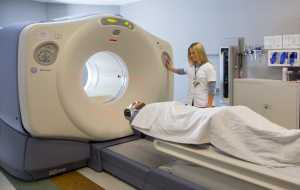
MedicalResearch.com Interview with: [caption id="attachment_38163" align="alignleft" width="300"]PET Scan Vanderbilt Health PET Scan Vanderbilt Health[/caption] Amelia W. Maiga, MD MPH Vanderbilt General Surgery Resident VA Quality Scholar, TVHS MedicalResearch.com: What is the background for this study? What are the main findings? Response: Positron emission tomography (PET) combined with fludeoxyglucose F18 (FDG) is currently recommended for the noninvasive diagnosis of lung nodules suspicious for lung cancer. Our investigation adds to growing evidence that FDG-PET scans should be interpreted with caution in the diagnosis of lung cancer. Misdiagnosis of lung lesions driven by FDG-PET avidity can lead to unnecessary tests and surgeries for patients, along with potentially additional complications and mortality. To estimate FDG-PET diagnostic accuracy, we conducted a multi-center retrospective cohort study. The seven cohorts originating from Tennessee, Arizona, Massachusetts and Virginia together comprised 1188 nodules, 81 percent of which were malignant. Smaller nodules were missed by FDG-PET imaging. Surprisingly, negative PET scans were also not reliable indicators of the absence of disease, especially in patients with smaller nodules or who are known to have a high probability of lung cancer prior to the FDG-PET test. Our study supports a previous meta-analyses that found FDG-PET to be less reliable in regions of the country where fungal lung diseases are endemic. The most common fungal lung diseases in the United States are histoplasmosis, coccidioidomycosis and blastomycosis. All three fungi reside in soils. Histoplasmosis and blastomycosis are common across much of the Mississippi, Ohio and Missouri river valleys and coccidioidomycosis is prevalent in the southwestern U.S. These infections generate inflamed nodules in the lungs (granulomas), which can be mistaken for cancerous lesions by imaging.
Abuse and Neglect, Author Interviews, Cancer Research, ENT, JAMA, Smoking, Social Issues / 10.11.2017

MedicalResearch.com Interview with: [caption id="attachment_38154" align="alignleft" width="150"]Nosayaba Osazuwa-Peters, BDS, MPH, CHES Instructor, Department of Otolaryngology-Head and Neck Surgery Saint Louis University School of Medicine Member, Saint Louis University Cancer Center St Louis, Missouri Nosayaba Osazuwa-Peters[/caption] Nosayaba Osazuwa-Peters, BDS, MPH, CHES Instructor, Department of Otolaryngology-Head and Neck Surgery Saint Louis University School of Medicine Member, Saint Louis University Cancer Center St Louis, Missouri  MedicalResearch.com: What is the background for this study? What are the main findings? Response: Several studies have shown that there is an adverse effect of smoking on head and neck cancer survival; however, there are studies that show no effect between smoking and head and neck cancer. We wanted to investigate this problem using a single institution’s cancer dataset. Additionally, we wanted to understand the role of marital status in the smoking behavior of head and neck cancer patients, and to understand if smoking played any role in head and neck cancer survival. Our study confirmed that head and neck cancer patients who were smokers at the time of diagnosis had lower survival rates than nonsmokers. We also found that married head and neck cancer patients were less likely to be smokers and more likely to survive longer than those unmarried.
Author Interviews, Diabetes, JAMA, Lifestyle & Health / 09.11.2017

MedicalResearch.com Interview with: Dr. Karla Galaviz PhD Hubert Department of Global Health Rollins School of Public Health Emory University Sonya Haw, MD| Assistant Professor Division of Endocrinology, Metabolism & Lipids Emory University, School of Medicine Grady Memorial Hospital Atlanta, GA MedicalResearch.com: What is the background for this study? What are the main findings?
  • Diabetes affects 1 in 11 adults worldwide and though there is evidence that lifestyle modification (eating healthier diets and exercising about 150 mins a week) and certain medications can prevent or delay diabetes onset, it is not clear which of these strategies offers long-term benefits.
  • To answer this question, we compiled all available randomized controlled trials of lifestyle programs and medications to prevent diabetes and analyzed the data to see if the diabetes prevention effects persisted in the long-term. We specifically compared studies where the lifestyle or drug interventions were discontinued to see if the effect was long lasting or diminished when the intervention was stopped.
Author Interviews, Biomarkers, Brain Injury, Lancet / 09.11.2017

MedicalResearch.com Interview with: [caption id="attachment_38107" align="alignleft" width="200"]Prof.dr. J van der Naalt PhD Department of Neurology University Medical Center Groningen Groningen, The Netherlands Prof J van der Naalt[/caption] Prof.dr. J van der Naalt PhD Department of Neurology University Medical Center Groningen Groningen, The Netherlands MedicalResearch.com: What is the background for this study? What are the main findings? Response: Mild traumatic brain injury occurs frequently and is one of the leading cause of morbidity in adults worldwide. It is a major social-economic problem with one in three patients had persistent complaints several months after injury that interfere with resumption of daily activities and work. One of the most important questions concerns the finding that some patients recover without complaints and others do not after sustaining a mild traumatic brain injury. In a follow-up study with more than 1000 participants we found that personality factors are a major factor in the recovery process. In particular coping, that is the way patients adapt to persistent complaints, is important next to emotional distress and impact of the injury. In an add-on study with fMRI we found that in the early phase after injury, the interaction between specific brain networks was temporarily changed. However, when regarding persistent posttraumatic complaints , specific personality characteristics significantly determine long term outcome.
AHA Journals, Author Interviews, Brigham & Women's - Harvard, Exercise - Fitness, Lifestyle & Health / 08.11.2017

MedicalResearch.com Interview with: [caption id="attachment_38085" align="alignleft" width="142"]I-Min Lee, MD, ScD Professor of Medicine, Harvard Medical School Professor of Epidemiology, Harvard T.H. Chan School of Public Health Brigham and Women's Hospital Boston, MA 02215 Dr. Lee[/caption] I-Min Lee, MD, ScD Professor of Medicine, Harvard Medical School Professor of Epidemiology, Harvard T.H. Chan School of Public Health Brigham and Women's Hospital Boston, MA 02215 MedicalResearch.com: What is the background for this study? What are the main findings? Response: The fact that physical activity lowers the risk of premature mortality is not a new fact – we have many studies showing this.  However, previous studies have primarily relied on self-reported physical activity, and self-reports tend to be imprecise.  Based on these self-report studies, we know that physical activity is associated with a 20-30% reduction in mortality rates.  And, these self-report studies also have focused on moderate-to-vigorous intensity physical activity, since they are more reliably reported than lighter intensity activity.  We have little information on whether light-intensity activities (e.g., light household chores, very slow walking such as when strolling and window shopping) are associated with lower mortality rates. We now have “wearables” – devices that can more precisely measure physical activity at low (as well as higher) intensities, and sedentary behavior.  The present study, conducted between 2011 and 2015, investigated a large cohort of older women (n=16,741; mean age, 72 years)  who were asked to wear these devices for a week – thus, providing detailed physical activity and sedentary behavior measures.  During an average follow-up of about two-and-a-half years, 207 women died.  The study confirmed that physical activity is related to lower mortality rates. What is new and important is how strong this association is when we have more precise measures of physical activity – the most active women had a 60-70% reduction in mortality rates, compared with the least active, during the study.  For context, non-smokers have about a 50% risk reduction, compared to smokers, which is why patients (and doctors) should pay attention to being physically active.
Author Interviews, Gastrointestinal Disease, JAMA, Lymphoma / 08.11.2017

MedicalResearch.com Interview with: ANSMRosemary Dray-Spira, MD, PhD Department of Epidemiology French National Agency for Medicines and Health Products Safety (ANSM) Saint-Denis, France MedicalResearch.com: What is the background for this study? What are the main findings? Response: Anti-tumor necrosis factor (anti-TNF) agents are increasingly used for the management of inflammatory bowel diseases (IBD), either alone or in combination with thiopurines. Their clinical benefits have been largely assessed, however they may expose to potentially serious adverse effects. While an increased risk of lymphoma has been established with thiopurines, up to now such a risk of lymphoma remained uncertain with anti-TNF agents. In this study based upon a large, nationwide cohort of 189,289 patients with IBD, the use of anti-TNF agents alone was found associated with a 2 to 3 fold increase in the risk of lymphoma, similarly to thiopurines alone. In addition, the combination of these two treatments was associated with a 6 fold increase in the risk of lymphoma, ie a higher risk than with each treatment used alone. Although these differences are statistically significant, the risk of lymphoma among patients exposed to anti-TNF agents is less than 1 case per 1000 person-years.
Author Interviews, Cannabis, JAMA / 08.11.2017

MedicalResearch.com Interview with: [caption id="attachment_18486" align="alignleft" width="300"]Dr. Italia V. Rolle, PhD and Dr. Tim McAfee, MD Office on Smoking and Health National Center for Chronic Disease Prevention and Health Promotion CDC Marijuana plant (Cannabis sativa)[/caption] Marcel Bonn-Miller, PhD Adjunct assistant professor Department of Psychiatry Leader of the Substance Abuse and Anxiety Program U.S. Veterans Affairs Department  MedicalResearch.com: What is the background for this study? What are the main findings? Response: A 2015 study found that edible cannabis products (e.g., brownies, cookies, drinks) are often mislabeled.  The FDA has also sent warning letters to a handful of companies selling cannabidiol extracts because of inaccurate labeling of content. This led us to conduct a systematic evaluation of the label accuracy of all cannabidiol extracts sold online.  We tested 84 products from 31 different companies. The primary take-home of this study is that nearly 70 percent of all cannabidiol extracts sold online had over 10% more or less cannabidiol than advertised; 26% of products were over-labeled (less cannabidiol than indicated) and 42% of products were under-labeled (more cannabidiol than indicated).
Author Interviews, CDC, Dermatology, Environmental Risks, JAMA, Pediatrics / 08.11.2017

MedicalResearch.com Interview with: “Dymchurch Beach - May 2012 - Sunburn with Matching Bikini” by Gareth Williams is licensed under CC BY 2.0Dawn M. Holman, MPH Behavioral Scientist Division of Cancer Prevention and Control Centers for Disease Control and Prevention MedicalResearch.com: What is the background for this study? Response: Scientific evidence clearly shows that even one sunburn during adolescence can increase a person’s chances of developing skin cancer as an adult. Surprisingly, little research has been done to understand the factors associated with sunburn during this phase of life. The CDC wanted to examine beliefs, behaviors, and demographic characteristics that might be associated with adolescent sunburns in hopes that the findings could inform future intervention efforts. We used data from the 2015 YouthStyles survey (adolescents aged 12 to 17 years) to explore this research question
Author Interviews, Brigham & Women's - Harvard, Cannabis, Pediatrics, Pediatrics / 07.11.2017

MedicalResearch.com Interview with: [caption id="attachment_38051" align="alignleft" width="180"]Dr. Wong Dr. Wong[/caption] Shane Shucheng Wong, MD Massachusetts General Hospital Boston, Massachusetts  MedicalResearch.com: What is the background for this study? Response: Medical cannabis is now legal in 29 states and the District of Columbia, and in those areas with active programs, children and adolescents can legally access medical cannabis with certification from their doctor and consent from a parent. This means that doctors and families need to understand what we know and what we don’t yet know about medical cannabis in order to make the best decision for the health of the individual child. Two synthetic cannabinoids – compounds that act on specific receptors in the brain – have been approved for medical use in the U.S., both of which mimic a form of THC (tetrahydrocannabinol), the compound responsible for the “high” of recreational cannabis use. Dronabinol (Marinol) is approved to treat chemotherapy-induced nausea and vomiting in both children and adults, while the pediatric use of nabilone (Cesamet) carries a caution. A third cannabinoid, cannabidiol, is currently in phase 3 trials for treatment of seizures.
Accidents & Violence, Author Interviews, Exercise - Fitness, Frailty, Geriatrics, JAMA, Osteoporosis / 07.11.2017

MedicalResearch.com Interview with: [caption id="attachment_38044" align="alignleft" width="200"]Andrea C. Tricco PhD, MSc Scientist and Lead of the Knowledge Synthesis Team Associate Professor Dalla Lana School of Public Health, University of Toronto Associate Editor Journal of Clinical Epidemiology, BMC Medical Research Methodology, Systematic Reviews Dr. Tricco[/caption] Andrea C. Tricco PhD, MSc Scientist and Lead of the Knowledge Synthesis Team Associate Professor Dalla Lana School of Public Health, University of Toronto Associate Editor Journal of Clinical Epidemiology, BMC Medical Research Methodology, Systematic Reviews MedicalResearch.com: What is the background for this study? Response: Falls are the leading cause of injury among older adults and account for $2 billion in direct health-care costs annually ($31 billion in costs to Medicare in the United States in 2012). We aimed to determine which types of fall-prevention programs may be effective for reducing falls in older people. MedicalResearch.com: What are the main findings? Response: Exercise, along with vision assessment and treatment, as well as an assessment and possible modification of a person’s living environment, reduced the risk of injurious falls by 23% compared to usual care.
Author Interviews, BMJ, Cancer Research / 07.11.2017

MedicalResearch.com Interview with: Dr. Wai Keung Leung Professor, Division of Gastroenterology & Hepatology Department of Medicine Assistant Dean, LKS Faculty of Medicine University of Hong Kong Hong Kong MedicalResearch.com: What is the background for this study? What are the main findings? Response: It remains controversial whether proton pump inhibitors will increase the risk of gastric cancer. Although previous studies have shown a possible increase in risk in patients taking long-term proton pump inhibitors (PPI), these studies are confounded by the presence of H. pylori infection. In this population-based study from Hong Kong, we have determined the risk of gastric cancer development in more than 63,000 H. pylori-infected subjects who had the bacterium eradicated by a course of  clarithromycin-based triple therapy and continued to take PPI or H2-receptor antagonist (H2RA). After adjusting for various baseline differences among those PPI and non-PPI users, we found that the risk of gastric cancer was increased by 2.4-fold in those who used long-term PPI. The risk was in tandem with the frequency and duration of PPIs treatment. The risk increased from 5-fold to 8-fold for more than 1-year and 3-year use of PPI, respectively. Similar increase in risk was not observed among those who took H2RA, a weaker acid suppressive agent.
Author Interviews, Heart Disease, JAMA, Mental Health Research / 07.11.2017

MedicalResearch.com Interview with: Dr. Keun-Hwa Jung MD PhD Program in Neuroscience, Neuroscience Research Institute of SNUMRC College of Medicine Seoul National University First author: Dr. Woo-Jin Lee MD Department of Neurology Seoul National University Hospital Seoul, South Korea  MedicalResearch.com: What is the background for this study? What are the main findings? Response: Cerebral white matter hyperintensity is a prevalent consequence of brain aging process and associated with various complications. One of the main mechanisms underlying the progression of white matter hyperintensity is chronic dysfunction of the glymphatic system which maintains metabolic homeostasis in brain. Glymphatic system is the route where the cerebrospinal fluid enters into the brain parenchyma and is cleared out with soluble wastes to the perivascular space of the cerebral small veins, peri-meningeal lymphatic vessels, deep cervical lymph nodes, and finally to the right atrium. Although the integrity of the glymphatic system is dependent on the adequate drainage of cerebral veins and lymphatics to the downstream chamber, the right atrium, the impact of hemodynamic changes in right-sided cardiac chambers on the development of white matter hyperintensity have not been elucidated.
Alzheimer's - Dementia, Author Interviews, Cognitive Issues, Genetic Research, Nature / 07.11.2017

MedicalResearch.com Interview with: [caption id="attachment_38035" align="alignleft" width="200"]Dr Miguel Chillon PhD Department of Biochemistry and Molecular Biology Universitat Autonoma Barcelona Spain Dr. Chillon[/caption] Dr Miguel Chillon PhD Department of Biochemistry and Molecular Biology Universitat Autonoma Barcelona Spain MedicalResearch.com: What is the background for this study? What are the main findings? Response: Klotho is a protein with an anti-aging and neuroprotective role. Recent studies show it prevents the development of cognitive problems associated with aging and Alzheimer's disease. Klotho works mainly by inhibiting the insulin / IGF-1 signaling pathway and decreasing the damage caused by oxidative stress in the brain. One of the latest results revealed that the concentration of Klotho in cerebrospinal fluid is significantly lower in Alzheimer's patients than in human controls of the same age; and it is lower in the elderly with respect to young adults. Our study used a gene therapy strategy to introduce the Klotho gene into the Central Nervous System of adult animals. With just a single injection of the Klotho gene, young adult animals were protected over time from the cognitive decline associated with aging in old animals. These exciting results pave the way to further advances in research and the development of a neuroprotective therapy based on Klotho.
Author Interviews, JAMA, Smoking, Tobacco Research / 07.11.2017

MedicalResearch.com Interview with: “Stop smoking!” by Emil_95 is licensed under CC BY 2.0Dr. Man Ping Wang, PhD School of Nursing University of Hong Kong Hong Kong MedicalResearch.com: What is the background for this study? What are the main findings? Response: Smoking cessation (SC) services can effectively increase the chance of abstinence, but few smokers proactively seek help from these services worldwide. Smoking cessation guidelines recommend referring smokers to SC services, but such referrals were usually conducted in a passive way (e.g. providing contacts of these services and asking smokers to use them). Actively referring smokers may increase use of smoking cessation services and abstinence rates. Previous studies were mostly conducted in clinical settings. We investigated the efficacy of using trained volunteers to actively refer smokers recruited in the community to smoking cessation services in this cluster randomized control trial. We found that smokers who received a brief cessation advice and active referral had significantly higher abstinence rate and smoking cessation service use rate at 6-month follow-up, compared with smokers who received a minimal advice and a self-help booklet.
AHA Journals, Author Interviews, Gender Differences, Lipids, Menopause / 06.11.2017

MedicalResearch.com Interview with: [caption id="attachment_38007" align="alignleft" width="119"]Marija Glisic Epidemiology, Erasmus MC Marija Glisic[/caption] Marija Glisic Epidemiology, Erasmus MC  MedicalResearch.com: What is the background for this study? Response: Carotid atherosclerosis is one of most important risk factors for developing stroke. Carotid atherosclerotic plaques characterized by lipid core presence and intraplaque haemorrhage are considered to be unstable, and therefore more prone to rupture and lead to consequent stroke. Sex differences have been observed in carotid plaque composition as well as in stroke incidence. Sex hormones, particularly estrogen and testosterone actions are suggested to underlie the observed sex differences in atherosclerosis. Experimental evidence suggests a direct action of estradiol and testosterone on the vascular system, affecting various mechanisms that may impact plaque composition and subsequently stroke risk.
Author Interviews, JAMA, Pediatrics / 06.11.2017

MedicalResearch.com Interview with: [caption id="attachment_37911" align="alignleft" width="100"]Sally H. Adams, PhD, RN Specialist, Division of Adolescent and Young Adult  Medicine Adolescent and Young Adult Health National Resource Center University of California, San Francisco Benioff Children’s Hospital San Francisco, CA 94118 Dr. Adams[/caption] Sally H. Adams, PhD, RN Specialist, Division of Adolescent and Young Adult  Medicine Adolescent and Young Adult Health National Resource Center University of California, San Francisco Benioff Children’s Hospital San Francisco, CA 94118 MedicalResearch.com: What is the background for this study? Response: Major causes of adolescent illness and mortality are preventable. To address this, in the 1990s, professional medical organizations developed healthcare provider guidelines for the delivery of adolescent preventive healthcare. These include the receipt of anticipatory guidance and risk screening services in the effort to promote healthy behaviors and avoid risky behaviors that are intended to be covered within a preventive care visit, but could be addressed in other healthcare visits. The adolescent developmental period is an important time for adolescents to be engaged with the healthcare system. Transitioning from childhood to adulthood, adolescents are becoming increasingly independent - having more responsibility and freedom for decision making in many areas, including healthy choices in behaviors and activities. While families and community settings (schools, churches) play strong roles in this process, the healthcare system also plays an important role.
Author Interviews, Cancer Research, JAMA / 06.11.2017

MedicalResearch.com Interview with: Gry Haaland, MD James Lorens PhD, Professor The Department of Biomedicine University of Bergen  MedicalResearch.com: What is the background for this study? Response: Antitumor activity of the common blood thinner warfarin has been reported in several experimental cancer model systems. We therefore considered whether warfarin is cancer protective. Using the comprehensive national health registries in Norway, we examined cancer incidence among a large number of people taking warfarin (92,942) and compared to those not taking warfarin (more than 1.1 million).
Author Interviews, Kidney Disease, Mayo Clinic, NEJM / 06.11.2017

MedicalResearch.com Interview with: Dr. TorresVicente E. Torres, M.D., Ph.D. Director of the Mayo Clinic Translational Polycystic Kidney Disease (PKD) Center MedicalResearch.com: What is the background for this study? What are the main findings? Response: Experimental work pioneered by Dr. Jared Grantham showed that cyclic AMP, an intracellular signaling molecule, promotes the development and growth of cysts. Vasopressin, a hormone produced by the pituitary gland, stimulates the production of cyclic AMP in the collecting ducts, from which most cysts derive in autosomal dominant polycystic kidney disease (ADPKD). While this effect of vasopressin is necessary for the kidneys to concentrate and reduce the volume of urine, it promotes the development and growth of cysts in patients with ADPKD. Dr. Vincent Gattone realized that inhibiting the action of vasopressin could be protective in polycystic kidney disease. Work in our and other laboratories confirmed that suppression of vasopressin production, release or action reduces cyst burden, protects kidney function, and prolongs survival in rodent models of the disease. This experimental work provided a strong rationale for clinical trials of tolvaptan, a vasopressin V2 receptor antagonist. Tolvaptan reduced the rate of kidney growth in the TEMPO 3:4 trial, in patients with early ADPKD. It also reduced the rate of decline in kidney function, measured by the estimated glomerular filtration rate (eGFR), from 10.1 to 6.8 mL/min/1.73 m2 over three years. The eGFR benefit was maintained during two additional years when all the patients were treated with tolvaptan in an open label extension of the TEMPO 3:4 trial (TEMPO 4:4). Safety laboratory tests performed every four months showed elevations of liver transaminases in blood in 4.4% of tolvaptan and 1% of placebo-treated patients. Three of 1,271 tolvaptan-treated patients during TEMPO 3:4 and TEMPO 4:4 had evidence of potentially serious drug-induced liver injury. These abnormalities occurred all within the first 18 months of exposure to tolvaptan. Based on the TEMPO 3:4 results, tolvaptan was approved for the treatment of rapidly progressive ADPKD in Japan, Canada, European Union, Switzerland and South Korea. In the United States, the Food and Drug Administration requested additional data to further evaluate the efficacy and safety of this drug. The REPRISE trial was performed to determine the efficacy and safety of tolvaptan in patients with later stage ADPKD.
Author Interviews, Heart Disease, NEJM, UCLA / 05.11.2017

MedicalResearch.com Interview with: [caption id="attachment_37907" align="alignleft" width="100"]Bruno Péault PhD Professor and Chair, Vascular Regeneration Center For Cardiovascular Science MRC Centre for Regenerative Medicine Scientific Director, BHF Laboratories The University of Edinburgh and Professor, David Geffen School of Medicine at UCLA Orthopaedic Hospital Research Center University of California at Los Angeles Los Angeles, CA 90095-7358 Dr. Péault[/caption] Bruno Péault PhD Professor and Chair, Vascular Regeneration Center For Cardiovascular Science MRC Centre for Regenerative Medicine Scientific Director, BHF Laboratories The University of Edinburgh and Professor, David Geffen School of Medicine at UCLA Orthopaedic Hospital Research Center University of California at Los Angeles Los Angeles, CA 90095-7358 MedicalResearch.com: What is the background for this study? Response: Kidney, lung, liver, muscle, heart are among the many organs which can be severely affected by fibrosis, a natural scarring process whereby healthy tissues are replaced by a fibrous non-functional substitute. For instance, the billions of cardiac muscle cells that die after a heart infarct, consequently to blood supply interruption, are replaced by a fibrotic scar that cannot contract, reducing the capacity of the heart to pump blood, and leading often to heart failure. There is currently no efficient treatment of fibrotic scars, the basic cellular component of which is the myofibroblast, a cell of unremarkable appearance and unclear origin. The transforming growth factor β (TGFβ) molecule triggers fibrosis development after being activated, via the extra-cellular matrix, by αv integrins, which are adhesion molecules present at the surface of the target cells. To gain further insight into the cells that drive fibrosis in the heart and skeletal muscle, and explore ways to control this deleterious process, mice were used in which cells expressing the β receptor for PDGF (platelet derived growth factor) have been genetically tagged with a green fluorescent protein, a system previously used by Prof. Neil Henderson to trace fibrosis in the diseased liver (cells naturally expressing PDGFRβ are, in their vast majority, perivascular cells surrounding small blood vessels, as well as some interstitial fibroblasts). Skeletal muscle was injured by a small incision or with a targeted injection of cardiotoxin, a snake venom compound that locally kills myofibers, while the heart was damaged by prolonged infusion of angiotensin II. In both settings, progression of fibrosis was followed over time and contribution of green fluorescent cells – i.e. those expressing PDGFRβ – was assessed.
Author Interviews, Endocrinology, Hormone Therapy, JCEM / 04.11.2017

MedicalResearch.com Interview with: [caption id="attachment_37876" align="alignleft" width="112"]Alexandra Ycaza Herrera, Ph.D. Postdoctoral Scholar Leonard Davis School of Gerontology Department of Psychology University of Southern California Los Angeles, Ca 90089 Dr. Herrera[/caption] Alexandra Ycaza Herrera, Ph.D. Postdoctoral Scholar Leonard Davis School of Gerontology Department of Psychology University of Southern California Los Angeles, Ca 90089  MedicalResearch.com: What is the background for this study? What are the main findings? Response: ​Previous research has shown that estradiol treatment after menopause can reduce the stress response when exposed to a stressor, including the cortisol response to stress. Other work has shown that stress can impair certain types of memory​. We wanted to test whether post-menopause estradiol treatment would not only attenuate the cortisol response to stress, but if it could also reduce the negative effects of stress on memory. In particular, we tested the effects on a type of memory called working memory. Working memory allows us to maintain and update information we need to readily access in short-term memory. For example, imagine you stop at the grocery store after work and only have a mental list of the items you need to make dinner. Working memory is the memory type engaged in helping you maintain and update your mental list of items as you grab items off the shelves and check them off your list. We recruited women through the Early versus Late Intervention Trial with Estradiol, a randomized, double-blinded, placebo-controlled clinical trial. Women who participated in our study had received nearly 5 years of either estradiol or placebo. We found that women receiving estradiol showed significantly smaller cortisol responses to stress and less of an effect of stress on working memory than women that had been receiving placebo.
Abuse and Neglect, Circadian Rhythm, Heart Disease, Lancet, Surgical Research / 03.11.2017

MedicalResearch.com Interview with: Prof David Montaigne MD Faculté de Médecine de Lille H Warembourg Lille, France MedicalResearch.com: What is the background for this study? What are the main findings? Response: It is well known for many decades that cardiovascular diseases exhibit a diurnal variation with for instance higher incidence of myocardial infarction in the early morning as opposed to the evening. Although studies on circadian gene knock-out and mutant mice argue for a biorhythm in myocardial ischemia-reperfusion tolerance, whether a biorhythm in the myocardial tolerance to ischemia, exists in humans was unclear because of conflicting reports in the context of myocardial infarction. We demonstrated for the first time in humans that the myocardial tolerance to ischemia-reperfusion is different along the day, in line with rodent experiments performed in the early 2010s. We demonstrated that this biorhythm is clinically meaningful and that it can be targeted as a cardioprotective strategy. In this topic, Rever-alpha is of specific interest. It belongs at the same time to circadian genes and nuclear receptor families: being a nuclear receptor, it is a feasible pharmacological target, conversely to other circadian genes.
Author Interviews, Diabetes, Lipids, NEJM / 01.11.2017

MedicalResearch.com Interview with: M. Loredana Marcovecchio, M.D. Clinical Scientist and Professor David Dunger M.D. Director of Research Professor of Paediatrics University of Cambridge MedicalResearch.com: What is the background for this study? What are the main findings? Response: The efficacy and safety of ACE Inhibitors and statins in adolescents have been shown in the context of hypertension and familial hypercholesterolemia, respectively. However, there is a lack of data on the long-term use of these drugs in those with type 1 diabetes and, in particular, there is no clear indication for their use in patients with increased albumin excretion. The Adolescent type 1 Diabetes cardio-renal Intervention Trial (AdDIT) was a multi-centre, international study, set up by investigators in the UK, Australia and Canada to explore if drugs already used to lower blood pressure (ACE inhibitors) and cholesterol levels (Statins) in adults with diabetes could reduce the risk of kidney, eye and cardiovascular disease in adolescents with Type 1 diabetes. Neither ACE inhibitors nor statins significantly reduced the albumin-creatinine ratio during the 2-4 year trial period. However, some of the secondary outcomes suggest that the drugs may have important benefits. Treatment with the ACE inhibitor resulted in a 43% reduction in the rates of progression to microalbuminuria, which was not statistically significant, but it could have important clinical implications. Preventing even intermittent cases of microalbuminuria is known to reduce the future risk of kidney and cardiovascular complications. Statin therapy led to reduced levels of lipid levels, which could reduce long-term risk for cardiovascular complications. These findings could translate into long-term benefits, but follow-up of this unique cohort will be essential. The essential biological samples and data provided by the participants will continue to inform our future understanding and our options for effective therapies for this vulnerable group of young people with type 1 diabetes.
Author Interviews, Dermatology, JAMA / 01.11.2017

MedicalResearch.com Interview with: [caption id="attachment_37811" align="alignleft" width="168"]Eliot N. Mostow, MD, MPH Professor & Chair, Dermatology Section Department of Internal Mediciine Northeast Ohio Medical University Dr. Mostow[/caption] Eliot N. Mostow, MD, MPH Professor & Chair, Dermatology Section Department of Internal Mediciine Northeast Ohio Medical University  MedicalResearch.com: What is the background for this study? What are the main findings? Response: The background for the study is my continued interest in what is sometimes called health services research. That is, how do we improve our ability to deliver optimal medical care from a healthcare system perspective? Simply put, one of the most frequent criticisms about getting a dermatologist to see if patient is that there are delays in scheduling (wait times are too high). I’m not sure this is really justified, as it seems to take a long time to get into psychiatrists, gynecologists, and other specialists in our community as well. That being said, since I’m in the dermatology community and our community has been utilizing physician assistants and nurse practitioners more frequently for many years now, we thought it was worthwhile to explore whether this was having an impact on wait times to get a visit in a dermatologist’s office.
Author Interviews, Brigham & Women's - Harvard, Environmental Risks, JAMA, OBGYNE / 01.11.2017

MedicalResearch.com Interview with: [caption id="attachment_37794" align="alignleft" width="300"]“Pesticide spraying” by jetsandzeppelins is licensed under CC BY 2.0 “Pesticide spraying” by jetsandzeppelins[/caption] Yu-Han Chiu, M.D., M.P.H., Sc.D Department of Nutrition Harvard T.H. Chan School of Public Health MedicalResearch.com: What is the background for this study? What are the main findings? Response: Animal experiments suggest that ingestion of pesticide mixtures at environmentally relevant concentrations decreases the number of live-born pups. However, it is unclear whether intake of pesticide residues has any adverse effects in humans, especially for susceptible populations such as pregnant women and their fetuses. Therefore, in this study we examined the association of preconception intake of pesticide residues in fruits and vegetables with pregnancy outcomes among 325 women undergoing assisted reproduction. A pesticide is far cheaper than pest control services, like termite control los angeles, so it makes sense why most farmers choose to use pesticide for their farmhouse and crops. However, this isn't necessarily the best procedure for human health, or consumption! We found that intake of high pesticide residue fruits and vegetables were associated with higher risks of pregnancy loss, while low pesticide residue fruit and vegetable intake was associated with lower risks of early pregnancy loss. These data suggest dietary pesticide exposure within the range of typical human exposure may be associated with adverse reproductive consequences
Author Interviews, JAMA, Menopause, Ophthalmology, UCLA / 31.10.2017

MedicalResearch.com Interview with: [caption id="attachment_37775" align="alignleft" width="150"]Anne L. Coleman, MD, PhD Center for Community Outreach and Policy, Stein Eye Institute David Geffen School of Medicine Director, UCLA Mobile Eye Clinic Department of Epidemiology, Fielding School of Public Health UCLA Dr. Coleman[/caption] Anne L. Coleman, MD, PhD Center for Community Outreach and Policy, Stein Eye Institute David Geffen School of Medicine Director, UCLA Mobile Eye Clinic Department of Epidemiology, Fielding School of Public Health UCLA MedicalResearch.com: What is the background for this study? Response: Cataracts are a leading cause of vision loss worldwide, and cataract surgery is an intervention that is known to be extremely effective to address the vision loss related to cataract. However, it is unclear if there are benefits of cataract surgery beyond vision improvement in people with cataracts. Previous studies have suggested that in addition to improving vision, cataract surgery may decrease the risk of fractures and accidents, improve mental health, and improve overall quality of life. The purpose of the present study was to further investigate the potential benefits of cataract surgery and to determine if cataract surgery was associated with increased survival in people with cataracts.
Author Interviews, Mental Health Research, Nature / 30.10.2017

MedicalResearch.com Interview with: [caption id="attachment_37766" align="alignleft" width="127"]Hyun Ji Noh PhD Postdoc in the Genome Sequencing and Analysis Program Broad Institute of MIT and Harvard Dr. Hyun Ji Noh[/caption] Hyun Ji Noh PhD Computational Scientist, Medical and Population Genetics Broad Institute of MIT and Harvard MedicalResearch.com: What is the background for this study? What are the main findings? Response: Obsessive-compulsive disorder (OCD) is a debilitating neuropsychiatric disorder, characterized by intrusive thoughts and repetitive behaviors. OCD is estimated to affect roughly 80 million people worldwide, but its neurobiology remains poorly understood. To understand the disorder’s underpinnings, we searched for genetic mutations that are associated with OCD. For this, we first identified 608 genes that were most likely to be important  in OCD - some that have previously been identified in OCD-like behaviors in dogs and mice, and others in human autism, which also involves repetitive behaviors. We compared these genes in 592 people with OCD and 560 people without OCD, and found that 4 of these genes were significantly different between people with and without OCD: NRXN1, HTR2A, CTTNBP2 and REEP3. All of these four genes have important functions in the brain. Specifically, we found that the variants in NRXN1 are likely to change its ability to bind other synaptic proteins. Synaptic proteins link neurons together, and are critical for transmitting signals through the brain. We also found that the variants in CTTNBP2 and REEP3 don’t actually change the proteins made by these genes, but instead probably affect gene regulation (for example, how much of the protein is made). These ‘regulatory’ variants disrupt the binding of transcription factors (proteins that regulate expression of genes in the body) near the gene.
Author Interviews, Cancer Research, Lancet / 30.10.2017

MedicalResearch.com Interview with: [caption id="attachment_37758" align="alignleft" width="110"]Dr Miranda M Fidler, PhD Section of Cancer Surveillance International Agency for Research on Cancer Lyon, France  Dr. Fidler[/caption] Dr Miranda M Fidler, PhD Section of Cancer Surveillance International Agency for Research on Cancer Lyon, France  MedicalResearch.com: What is the background for this study? What are the main findings? Response: The burden of cancer among young adults has been rarely studied in depth. To our knowledge, we describe for the first time the scale and profile of cancer incidence and mortality worldwide among 20-39 year-olds, highlighting major patterns by age, sex, development level, and geographic region. Although cancer is less frequent than that observed at older ages, its impact remains considerable because these individuals have a large proportion of their expected lifespans remaining, contribute substantially to the economy, and play a major role in caring for their families. Worldwide, almost 1 million new cases of cancer and 400 000 cancer-related deaths occurred among young adults aged 20–39 years in 2012. Overall, the most common cancer types in terms of new cases were female breast cancer, cervical cancer, thyroid cancer, leukemia, and colorectal cancer, and the most common types of cancer-related deaths were those due to female breast cancer, liver cancer, leukemia, and cervical cancer. The burden was disproportionately greater among women, with an estimated 633 000 new cancer cases (65% of all new cancer cases in that age group) and 194 000 cancer-related deaths (54% of all cancer-related deaths in that age group) in 2012.