Author Interviews, Heart Disease, JAMA, Stroke / 19.05.2018

MedicalResearch.com Interview with: Anna Gundlund, MD, PhD Herlev-Gentofte Hospital, Department of Cardiology Denmark  MedicalResearch.com: What is the background for this study? What are the main findings? Response: Atrial fibrillation increases a person’s risk of ischemic strokes up to 5-fold. Oral anticoagulation therapy lowers this risk effectively (>60%) and is therefore recommended for patients with atrial fibrillation and at least 1-2 other risk factors for stroke. Our study show, that oral anticoagulation therapy is still underused in patients with atrial fibrillation – even after a stroke event. In stroke survivors with atrial fibrillation, oral anticoagulation therapy were associated with better outcomes than no oral anticoagulation therapy. 
AHA Journals, Author Interviews, Genetic Research, Heart Disease, Lipids, Vanderbilt / 18.05.2018

MedicalResearch.com Interview with: [caption id="attachment_41816" align="alignleft" width="161"]Wei-Qi Wei, MD, PhD Assistant Professor Department of Biomedical Informatics Vanderbilt University Nashville, TN 37203 Dr. Wei-Qi Wei[/caption] Wei-Qi Wei, MD, PhD Assistant Professor Department of Biomedical Informatics Vanderbilt University Nashville, TN 37203 MedicalResearch.com: What is the background for this study? What are the main findings? Response: The study was motived by the clinical observation that some patients develop coronary heart disease events despite taking statins, one of our most effective drugs to reduce cardiovascular risk. We collected data within the eMERGE network of people taking statins and monitored them for development of coronary heart disease events over time.  We  conducted a genome-wide association study of those with events compared to those without events. Our results showed that single nucleotide polymorphisms (SNPs) on the LPA gene were associated with a significantly increased risk of coronary heart disease events. Individuals with the variant were 50% more likely to have an event. More importantly, even among patients who achieved ideal on-treatment LDL cholesterol levels (<70 mg/dL), the association remained statistically significant. We then did a phenome-wide association study to see if other diseases or conditions were associated with these LPAvariants. The major associated conditions were all cardiovascular. This sort of study can highlight potential other indications for a drug targeting this pathway and suggest potential adverse events that might be experienced from targeting this pathway. Clearly, more and larger studies will be needed to truly understand the potential risks and benefits of a future drug targeting this pathway. 
Author Interviews, Cognitive Issues, JAMA, Social Issues / 18.05.2018

MedicalResearch.com Interview with: Dr Dorina Cadar Research Associate in Dementia Psychobiology Group Department of Behavioural Science and Health University College London London MedicalResearch.com: What is the background for this study? Response: Dementia is one of the most feared medical conditions, which represents a significant global challenge to health and social care. Education may serve different roles in the development of dementia: it is a proxy for early life experiences and (parental) socioeconomic status, it is related to future employment prospects, income and wealth, determines occupational exposures and characteristics of adult life (e.g., job complexity, work stress, environmental exposures) and it provides lifelong skills for optimal mental abilities and mastery. However, given that education is typically completed many decades before dementia onset, other individual and area-based components of socioeconomic status, such as wealth, income and area deprivation may provide a more accurate indication of current socioeconomic resources.  Also, at older ages, accumulated wealth represents a more robust measure of socioeconomic resources than income or occupation alone.
Author Interviews, JAMA, Medical Imaging, Prostate Cancer, Technology / 17.05.2018

MedicalResearch.com Interview with: [caption id="attachment_41807" align="alignleft" width="156"]Andrew J. Armstrong, MD ScM FACP Associate Professor of Medicine, Surgery, Pharmacology and Cancer Biology Associate Director for Clinical Research in Genitourinary Oncology Duke Cancer Institute Divisions of Medical Oncology and Urology Duke University Dr. Armstrong[/caption] Andrew J. Armstrong, MD ScM FACP Associate Professor of Medicine, Surgery, Pharmacology and Cancer Biology Associate Director for Clinical Research in Genitourinary Oncology Duke Cancer Institute Divisions of Medical Oncology and Urology Duke University MedicalResearch.com: What is the background for this study? What are the main findings?  Response: Men with prostate cancer commonly develop bone metastases and undergo nuclear medicine bone scans. However, these scans are non-quantitative, and disease burden has been challenging to assess over time and to relate to clinical outcomes. We developed a software program and measurement called the automated bone scan index that essentially reads a standard of care nuclear bone scan, provides a quantitative metric, and demonstrate in a phase 3 trial that this aBSI is highly associated with clinical outcomes including survival, time to symptomatic progression, and prostate cancer specific survival. We accomplished this within a prospective phase 3 international trial of men with metastatic hormone resistant prostate cancer who were followed over a long period of time.  All bone scans were read and measured using the aBSI at baseline, and we found that the aBSI was highly prognostic.  This work validates prior smaller phase 2 BSI studies, and demonstrates both the feasibility and clinical utility for incorporating the aBSI into clinical practice to provide this important prognostic information to patients and providers.
Author Interviews, Dermatology, Education, JAMA, Melanoma / 17.05.2018

MedicalResearch.com Interview with: [caption id="attachment_41796" align="alignleft" width="200"]SKINDER APP Image from SKINDER APP[/caption] Michael SKolodneyMD, PhD Section of Dermatology, Department of Medicine West Virginia University MedicalResearch.com: What is the background for this study? What are the main findings? Response: Melanoma is easily curable if recognized early.   Dermatologists are good at spotting melanomas because they develop an innate sense of how melanomas appear after examining thousands of malignant and benign lesions.  In contrast, most medical students are relatively disadvantaged by their limited dermatology exposure. We felt that too little experience, rather than lack of knowledge of the rules, is the primary barrier to development of pattern-recognition and intuition as a reliable tool for melanoma diagnosis in non-experts.  To remedy this problem, we developed a novel web-based application to mimic the training of a dermatologist by teaching medical students intuitive melanoma diagnosis in a highly condensed period of time. Our application, which we call Skinder, teaches intuitive visual diagnosis of melanoma by quickly presenting the learner with thousands of benign and malignant skin lesions.  The user makes rapid binary decisions, by swiping right for benign or left for malignant, and receives instant feedback on accuracy. With this application, the learner can amass a mental repository of diagnostic experience in a short amount of time. To determine if intuitive visual diagnosis training is superior to a traditional rule-based approach, we compared our web-based application to a rules based approach, the publicly available INFORMED Skin Education Series. Medical students were tested on the ability top differentiate melanomas from benign pigmented lesions before and after training with either Skinder of the Informed Skin Education Series. The pre-test mean for the Skinder group was 75% correct, compared to 74.7% correct for the INFORMED group. The post-test mean for the skinder application group was 86.3% correct, compared to 77.5% correct for the INFORMED group which was highly signifcant.

Author Interviews, Infections, Pain Research, PLoS, Urinary Tract Infections / 17.05.2018

MedicalResearch.com Interview with: [caption id="attachment_41792" align="alignleft" width="150"]Ingvild Vik MD Doctoral Research Fellow Department of General Practice Institute of Health and Society - UiO University of Oslo, Norway. Dr. Vik[/caption] Ingvild Vik MD Doctoral Research Fellow Department of General Practice Institute of Health and Society - UiO University of Oslo, Norway MedicalResearch.com: What is the background for this study? Response: Uncomplicated urinary tract infection (UTI) is the most common bacterial infection in women. It is painful and troublesome, and even though it is often self-limiting most women who see a doctor will be prescribed an antibiotic, as antibiotics provide quick symptom relief.  Antibiotic resistance is a growing, serious public health problem. Antibiotic use is the main contributor to antibiotic resistance, and to stop the rapid development it is crucial that we reduce unnecessary use of antibiotics. Antibiotics can cause unpleasant and potentially severe side effects, so avoiding unnecessary use is also beneficial for the individual patient. A small German trial published in 2010 by Bleidorn et al. suggested that ibuprofen was non-inferior to the antibiotic ciprofloxacin in achieving symptomatic cure in uncomplicated UTI. This inspired us to conduct a larger trial to compare the anti-inflammatory drug ibuprofen to antibiotics in the treatment of uncomplicated UTI. 
Author Interviews, Genetic Research, JAMA, Schizophrenia / 17.05.2018

MedicalResearch.com Interview with: [caption id="attachment_41730" align="alignleft" width="162"]Tobias Kaufmann UiO Institute of Clinical Medicine Dr. Kaufmann[/caption] Tobias Kaufmann PhD Norwegian Centre for Mental Disorders Research (NORMENT), KG Jebsen Centre for Psychosis Research, Division of Mental Health and Addiction, Oslo University Hospital & Institute of Clinical Medicine University of Oslo, Oslo, Norway MedicalResearch.com: What is the background for this study? What are the main findings? Response: Over the past years, a lot of work has pointed toward impaired brain networks in schizophrenia. With this work we assessed brain network stability across different loads of a cognitive task using functional magnetic resonance imaging of the brain. Based on our earlier work on adolescents with pre-clinical signs of mental illness who showed decreased stability of networks across different tasks and conditions, we hypothesized that brain networks in adults with schizophrenia show similar properties of decreased stability. Our results confirmed this hypothesis. Stability was reduced in several large-scale brain networks across the sampled age range from early adulthood to the sixties. Further, network stability was associated with polygenic risk for schizophrenia as well as cognitive task performance.
Author Interviews, BMJ, Depression, Exercise - Fitness / 17.05.2018

MedicalResearch.com Interview with: [caption id="attachment_41782" align="alignleft" width="200"]Prof. Sarah E Lamb,  MSc, MA, MCSP, Grad Dip Statistics, DPhil Centre for Rehabilitation Research and Centre for Statistics in Medicine Nuffield Department of Orthopaedics Rheumatology & Musculoskeletal Sciences Botnar Research Centre, University of Oxford, Oxford Prof. Lamb[/caption] Prof. Sarah E Lamb,  MSc, MA, MCSP, Grad Dip Statistics, DPhil Centre for Rehabilitation Research and Centre for Statistics in Medicine Nuffield Department of Orthopaedics Rheumatology & Musculoskeletal Sciences Botnar Research Centre, University of Oxford, Oxford MedicalResearch.com: What is the background for this study? What are the main findings? Response: Scientists and clinicians have considered the possibility that higher intensity aerobic and muscle strength training might have a beneficial effect in preventing dementia or slowing the progression of cognitive impairment in those who have dementia. The hypothesis has come mostly from animal research. The main findings of our research which used a large sample and high quality methods was that higher intensity exercise, whilst possible, did not slow cognitive impairment. Neither did it have an impact on the functional and behavioural outcomes for people with dementia. It was a substantial commitment for people to participate in the programmes, although many enjoyed the experience and their physical fitness improved.
Author Interviews, Circadian Rhythm, Lancet, Mental Health Research / 16.05.2018

MedicalResearch.com Interview with: [caption id="attachment_41693" align="alignleft" width="128"]Laura Lyall  MA; MSc; PhD Research Associate Institute of Health and Wellbeing University of Glasgow Dr. Lyall[/caption] Laura Lyall MA; MSc; PhD Research Associate Institute of Health and Wellbeing University of Glasgow MedicalResearch.com: What is the background for this study? Response: Previous studies have suggested a link between disturbed circadian rhythms and depression and bipolar disorder. These studies have however usually used small samples, subjective measures of circadian disruption, or have not accounted for potential confounding factors like sociodemographic and lifestyle characteristics. The UK Biobank cohort has accelerometry (activity monitor) data as well as mental health, lifestyle, BMI and sociodemographic data for over 91,000 individuals, and means we can address this question using objective measures of circadian rhythmicity on a large scale. We derived a measure of relative amplitude from the UK Biobank’s accelerometry data, which was recorded for 7 days between 2013-2014 from around 100,000 participants. Relative amplitude reflects the distinction, in terms of activity levels, between an individual’s most active 10 hours and least active 5 hours, in an average day. If an individual is inactive during the day, or has disturbed sleep at night, the will show low relative amplitude, consistent with disturbed circadian rest-activity patterns.
Author Interviews, NEJM, Stroke, University Texas / 16.05.2018

MedicalResearch.com Interview with: [caption id="attachment_41746" align="alignleft" width="151"]Dr. S. Claiborne "Clay" Johnston MD, PhD Dean Vice President for Medical Affairs Frank and Charmaine Denius Distinguished Dean’s Chair Dell Medical School The University of Texas at Austin Dr. Johnston[/caption] Dr. S. Claiborne "Clay" Johnston MD, PhD Dean Vice President for Medical Affairs Frank and Charmaine Denius Distinguished Dean’s Chair Dell Medical School The University of Texas at Austin MedicalResearch.com: What is the background for this study? What are the main findings? Response: Prior studies have shown that the risk of a stroke or other ischemic events is high in the days to weeks after a TIA or minor stroke. We sought to test whether blocking platelet aggregation more effectively with clopidogrel plus aspirin could reduce this risk compared to aspirin alone.  We found that the combination did reduce risk of major ischemic events.  It also showed a small increase in risk of major hemorrhage, but for most people the benefits would outweigh the potential risk.
Author Interviews, Fertility, JAMA, OBGYNE / 16.05.2018

MedicalResearch.com Interview with: “Acupuncture Needle” by Acid Pix is licensed under CC BY 2.0Caroline Smith, PhD Professor Clinical Research Western Sydney University Research Theme Champion Health and Wellbeing MedicalResearch.com: What is the background for this study? What are the main findings?  Response: Despite technological improvements to IVF the success of IVF treatment remains low. Consequently, new drugs, laboratory techniques and other treatments need to be developed and rigorously tested to explore their effects on producing healthy babies for women undergoing IVF.  In 2002, the first randomised controlled trial of acupuncture administered a specific form of IVF acupuncture at the time of embryo transfer. The results indicated the chance of achieving a pregnancy from acupuncture was twice that to women undergoing IVF treatment alone. From mid 2000s many women have started to use adjunctive treatments such as acupuncture whilst undergoing IVF.  We conducted and reported on a  pilot study in 2006 which produced results suggesting a benefit. It is important that these findings were rigorously examined in a larger trial. Findings are presented from our trial presented in JAMA. Our study of over 800 Australian and New Zealand women undergoing acupuncture treatment during their IVF (in vitro fertilization) cycle has failed to confirm significant difference in live birth rates.
Author Interviews, JAMA, Smoking, Tobacco Research / 16.05.2018

MedicalResearch.com Interview with: “E-Cigarette/Electronic Cigarette/E-Cigs/E-Liquid/Vaping” by Vaping360 is licensed under CC BY 2.0Wei Bao, MD, PhD Assistant Professor Department of Epidemiology, College of Public Health, University of Iowa, Iowa City, IA 52242  MedicalResearch.com: What is the background for this study? What are the main findings?  Response: Although the health effects of e-cigarettes remains unclear, e-cigarettes have been marketed as an approach for smoking cessation. Previous studies have reported an increase in e-cigarette use in US people since 2010. The current study showed that from 2014 to 2016, there was an increase in ever use of e-cigarettes but decline in current use of e-cigarettes. 
Author Interviews, JAMA, OBGYNE / 16.05.2018

MedicalResearch.com Interview with: [caption id="attachment_41636" align="alignleft" width="165"]Dr. Cande V. Ananth, PhD, MPH Professor of Epidemiology and Vigil G. Damon Professor of Obstetrics and Gynecology Columbia University Medical Center Dr. Ananth[/caption] Dr. Cande V. Ananth, PhD, MPH Adjunct professor Department of Health Policy and Management Mailman School of Public Health Columbia University, NY MedicalResearch.com: What is the background for this study? Response: Preterm delivery rates have declined between 2005 and 2014 in the US and in several European countries. Since reductions in preterm and early term deliveries, and perinatal mortality remain a global health priority, determining the relationship between gestational age distribution and perinatal mortality, remains a challenge. Efforts expended to a more complete understanding of the impact of new interventions, policies, and practices on reducing the burden of early deliveries, and in turn improvements in perinatal survival will be of tremendous benefit for clinical management and care of women during their pregnancy and the newborn.
Author Interviews, CDC, JAMA, Pediatrics / 15.05.2018

MedicalResearch.com Interview with: [caption id="attachment_41724" align="alignleft" width="200"]Craig M. Hales, MD, MPH, MS CDR, U.S. Public Health Service Division of Health and Nutrition Examination Surveys National Center for Health Statistics Centers for Disease Control and Prevention Dr. Hales[/caption] Craig M. Hales, MD, MPH, MS CDR, U.S. Public Health Service Division of Health and Nutrition Examination Surveys National Center for Health Statistics Centers for Disease Control and Prevention MedicalResearch.com: What is the background for this study? Response: Monitoring trends in prescription medication use among children and adolescents is an important part of understanding the health of youth in the U.S. and the healthcare they receive. For this study we used data from the National Health and Nutrition Examination Survey or NHANES, which is a nationally representative survey of the US population and as part of this face-to-face survey in the home, we ask participants about their prescription medication use in the last 30 days and collect information about the prescription directly from the medication package.
Author Interviews, Cancer Research, JAMA, Yale / 15.05.2018

MedicalResearch.com Interview with: [caption id="attachment_41716" align="alignleft" width="171"]Jeremy O'Connor, MD Section of General Internal Medicine Department of Internal Medicine Postdoctoral Fellow, National Clinician Scholars Program Yale University Dr. O'Connor[/caption] Jeremy O'Connor, MD Section of General Internal Medicine Department of Internal Medicine Postdoctoral Fellow, National Clinician Scholars Program Yale University MedicalResearch.com: What is the background for this study?   Response: There has been a lot of enthusiasm for the use of novel therapies in cancer care, and in particular for novel anticancer agents known as immune checkpoint inhibitors. But very little is known about how quickly providers have adopted immune checkpoint inhibitors into clinical practice. Existing studies suggest, in fact, that the process of clinical adoption is slow, with conventional wisdom holding that it takes an average of 17 years for new evidence to change practice. Our study evaluated whether the adoption of novel therapies might be much faster in certain contexts with the early use of immune checkpoint inhibitors as a notable example.
Author Interviews, Global Health, JAMA, Pulmonary Disease, Technology / 15.05.2018

MedicalResearch.com Interview with: [caption id="attachment_41623" align="alignleft" width="200"]Michael Hawkes MD PhD Adjunct Professor Assistant Professor  Pediatrics, Faculty of Medicine School of Public Health University of Alberta Dr. Hawkes[/caption] Michael Hawkes MD PhD Adjunct Professor Assistant Professor Pediatrics, Faculty of Medicine School of Public Health University of Alberta MedicalResearch.com: What is the background for this study? What are the main findings?
  • Pneumonia is the leading cause of mortality in children globally.
  • Oxygen is an essential therapy for children with hypoxemic pneumonia, but is not available in many resource-limited and rural areas.
  • Our innovation, solar powered oxygen delivery, harnesses freely available sun and air to delivery oxygen to patients independent of grid electricity.
  • We performed a randomized controlled trial of solar powered oxygen delivery, compared to standard oxygen delivery using compressed oxygen cylinders in children with hypoxemia hospitalized at two centres in Uganda.
  • Solar powered oxygen was non-inferior to cylinder oxygen with respect to clinical outcomes, and offers advantages in terms of reliability, simplicity, and cost.
Addiction, Author Interviews, JAMA, Opiods, Pharmaceutical Companies / 14.05.2018

MedicalResearch.com Interview with: “Big Lunch Extras Reading” by Big Lunch Extras is licensed under CC BY 2.0Scott E. Hadland, MD, MPH, MS Assistant Professor of Pediatrics | Boston University School of Medicine Boston Medical Center Director of Urban Health & Advocacy Track | Boston Combined Residency Program Boston, MA 02118 MedicalResearch.com: What is the background for this study? What are the main findings? Response: Numerous pharmaceutical companies have received media attention for their role in promoting opioid prescribing through speaker programs and other marketing plans in which large-value payments are given to a small number of doctors to promote opioids. In our study, we sought to tell the other side of the story. We wanted to identify whether low-value marketing, including industry-sponsored meals, which are commonplace in the US, were associated with increased opioid prescribing. We found that 1 in 14 doctors received opioid marketing from pharmaceutical companies in 2014, and those that received marketing prescribed 9% more opioids the following year. With each additional meal a doctor received, he or she prescribed more and more opioids the following year. Our sample included 43% of the active physician workforce in the US, suggesting how widespread and far-reaching this effect might be.
Accidents & Violence, Author Interviews, Pediatrics, Pediatrics / 14.05.2018

MedicalResearch.com Interview with: “Crime Scene _MG_4847” by thierry ehrmann is licensed under CC BY 2.0Daniel Romer, PhD Research Director Annenberg Public Policy Center and Director of its Adolescent Communication Institute (ACI) University of Pennsylvania MedicalResearch.com: What is the background for this study? What are the main findings? Response: We have been studying the steady increase in gun violence that has been occurring in popular PG-13 movies since the new rating was adopted in 1984.  It has recently even surpassed the amount of gun violence in R-rated movies.  Since these movies are open to the public at any age, we are concerned that they promote the use of guns and potentially socialize youth to believe that using guns to defend oneself is an appropriate way to handle threats and other conflicts. We knew that the rating requires the omission of graphic consequences, such as blood and suffering, that can make the violence more acceptable.  But we also wondered whether the motivation for the violence might make a difference as well.  Many of the characters in PG-13 movies are seen as heroic (e.g., Bruce Willis and Liam Neeson).  Could that also be a factor that makes such films more acceptable to parents despite their concerns about their children seeing so much violence in the movies.  So, we conducted this experiment to see if parents are less upset by justified violence in PG-13 style movies. 
Author Interviews, Depression, Endocrinology, JAMA, Mental Health Research, Thyroid Disease / 14.05.2018

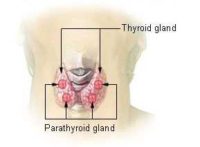
MedicalResearch.com Interview with: Thyroid gland Wikipedia imageTeja Grömer PD Dr. med. Habil Facharzt für Psychiatrie und Psychotherapie Lehrbefugter der Universität Erlangen-Nürnberg im Fach Psychiatrie Bamberg  MedicalResearch.com: What is the background for this study? 1) I had seen hundreds of clinical cases with combined depression and anxiety and noted end of 2015 that most (far more than 50%) from the subjective clinical impression were associated with autoimmune thyroiditis (AIT) 2) Autoimmune thyroiditis on the mental side leads to specific symptoms, exhaustion, tachycardia, restlessness. 3) I thus decided to do a systematic review and meta-analysis. 
Author Interviews, BMJ, Cancer Research, Gender Differences / 14.05.2018

MedicalResearch.com Interview with: “Faecal Coliforms analysis” by SuSanA Secretariat is licensed under CC BY 2.0Dr. Mahiben Maruthappu Public Health Registrar MedicalResearch.com: What is the background for this study? What are the main findings? Response: Gender disparities in the fields of science and technology have been documented, and  it becomes increasingly apparent at higher levels of seniority. In this analysis, we found a quantifiable difference in cancer research funding awarded to female principle investigators compared to male principle investigators (PIs). Across all cancer research funding grants that we identified, male PIs received 3.6 times the total investment value, and 1.6 times the average award value compared with their female counterparts. 
Author Interviews, Genetic Research, JAMA, UCSF / 12.05.2018

[caption id="attachment_41598" align="alignleft" width="200"]Dr-Allison W. Kurian Dr. Kurian[/caption] MedicalResearch.com Interview with: Allison W. Kurian, M.D., M.Sc. Associate Professor of Medicine (Oncology) and of Health Research and Policy Director, Women’s Clinical Cancer Genetics Program Stanford University School of Medicine Stanford, CA 94305-5405  MedicalResearch.com: What is the background for this study? What are the main findings? Response: Changes in genetic sequencing technology and regulation have allowed much cheaper testing of many more genes in recent years. We investigated how these changes have affected hereditary cancer risk evaluation in women newly diagnosed with breast cancer. The main findings are that more comprehensive multiple-gene sequencing tests have rapidly replaced more limited tests of two genes (BRCA1 and BRCA2) only. This has helped patients by doubling the chance of finding an important gene mutation that can change their treatment options. However, there are important gaps in how this new, more comprehensive sequencing is used: more testing delays and more uncertain results, particularly among racial/ethnic minority women. 
Author Interviews, JAMA, Kidney Disease / 11.05.2018

MedicalResearch.com Interview with: “Glass of Water” by Greg Riegler is licensed under CC BY 2.0Dr. William Clark Lawson Health Research Institute  MedicalResearch.com: What is the background for this study? What are the main findings? Response:  This study is about the use of increased water intake in people with chronic kidney disease (CKD). Although there are a large number of benefits claimed most are not substantiated by evidence. However there is a growing body of evidence (animal and human observational studies) that increased hydration with the suppression of antidiuretic hormone preserves kidney function in CKD. This led to our current randomised clinical trial of 631 patients with stage 3 CKD and proteinuria to determine if drinking an extra 4-6 glasses of water per day for 1 year would slow their progressive loss of kidney  function as measured by eGFR. The main findings were that those coached to increase their water intake versus those coached to sustain their normal fluid intake suffered no ill effects from the intervention and on average were able to sustain an average increase of approximately 3 glasses of water per day. At the end of 1 year the increased hydration group had suppressed their antidiuretic hormone levels (copeptin) significantly but did not demonstrate a greater preservation in their eGFR.
Author Interviews, JAMA, Prostate Cancer / 11.05.2018

MedicalResearch.com Interview with: [caption id="attachment_41344" align="alignleft" width="143"]Alex Krist, M.D., M.P.H Professor of family medicine and population health Virginia Commonwealth University and Active clinician and teacher at the Fairfax Family Practice residency Dr. Krist[/caption] Alex Krist, M.D., M.P.H Professor of family medicine and population health Virginia Commonwealth University and Active clinician and teacher at the Fairfax Family Practice residency MedicalResearch.com: What is the background for this study? What are the main findings? Response: Prostate cancer is one of the most common cancers to affect men. However, the decision about whether to be screened is complex and personal. The U.S. Preventive Services Task Force reviewed the latest research on the benefits and harms of screening for prostate cancer using PSA-based testing, as well as evidence on treatment. We found that men who are 55 to 69 years old should discuss the benefits and harms of screening with their doctor, so they can make the best choice for themselves based on their values and individual circumstances. Men age 70 and older should not be screened, as the benefits of screening diminish as men age and the harms are greater.
Author Interviews, BMJ, Genetic Research, Pediatrics / 10.05.2018

MedicalResearch.com Interview with: “Newborn” by Brad Carroll is licensed under CC BY 2.0Dr Sian Taylor-Phillips MPhys, PhD Associate Professor Screening and Test Evaluation / NIHR Career Development Fellow Division of Health Sciences Warwick Medical School University of Warwick Coventry MedicalResearch.com: What is the background for this study? What are the main findings? Response: In newborn blood spot screening a small amount of blood is taken from newborn babies heels, and this is tested for a range of rare diseases. The idea is to detect each disease earlier when it is more treatable. However, it would be better not to test for some diseases, for example if the test is inaccurate so worries parents that their baby may have a serious illness when they do not. Some countries test for as few as 5 diseases and others as many as 50. In this study we investigated how different countries choose which diseases to test for. We found that many national recommendations on whether to screen newborn babies for rare diseases do not assess the evidence on the key benefits and harms of screening. Evidence about the accuracy of the test was not considered in 42% of recommendations, evidence about whether early detection at screening has health benefits was not consulted in 30% of recommendations, and evidence around the potential harm of overdiagnosis where babies have variants of the disease that would never have caused any symptoms or ill effects was not considered in 76% of recommendations. We also found through meta-analysis that when a systematic review was used to bring together the evidence then countries were less likely to recommend screening for the disease.
Author Interviews, JAMA, Schizophrenia / 08.05.2018

MedicalResearch.com Interview with: [caption id="attachment_41566" align="alignleft" width="186"]Christoph U. Correll, MD Professor of Psychiatry and Molecular Medicine The Donald and Barbara Zucker School of Medicine at Hofstra/Northwell Hempstead, NY Investigator, Center for Psychiatric Neuroscience Feinstein Institute for Medical Research Medical Director, Recognition and Prevention (RAP) Program The Zucker Hillside Hospital, Department of Psychiatry Dr. Correll[/caption] Christoph U. Correll, MD Professor of Psychiatry and Molecular Medicine The Donald and Barbara Zucker School of Medicine at Hofstra/Northwell Hempstead, NY Investigator, Center for Psychiatric Neuroscience Feinstein Institute for Medical Research Medical Director, Recognition and Prevention (RAP) Program The Zucker Hillside Hospital, Department of Psychiatry   MedicalResearch.com: What is the background for this study? Response: Schizophrenia and other psychotic disorders are still all to often chronic and recurring mental health conditions that not uncommonly take a course during which individuals have varying degrees of significantly impaired personal, social and educational/vocational functioning. Prior individual studies examining early specialty intervention services, which integrate multiple different and complementary treatment components, had shown that this treatment approach can yield superior outcomes for people with early-phase schizophrenia and other psychotic disorders compared to usual care given to all people with psychotic disorders. However, we were lacking a broad overview of the type and results of treatment programs that had been conducted across different countries, continents and mental health service delivery systems. Moreover, we did not yet have a synthesis across all important outcomes that had been examined across these individual studies. This first comprehensive meta-analysis on this topic provides previously missing information on the different early intervention programs and their components as well as on all relevant outcomes for people who did or did not receiving early integrated care, also recently called ‘coordinated specialty care.’
Alzheimer's - Dementia, Author Interviews, Brain Injury, JAMA / 08.05.2018

MedicalResearch.com Interview with: Deborah E. Barnes, PhD, MPH Professor, UCSF Weill Institute for Neurosciences Departments of Psychiatry and Epidemiology & Biostatistics University of California, San Francisco: http://profiles.ucsf.edu/deborah.barnes Research Health Sciences Specialist, San Francisco VA Medical Center Senior Investigator, Tideswell at UCSF: http://www.tideswellucsf.org/ Deborah E. Barnes, PhD, MPH Professor, UCSF Weill Institute for Neurosciences Departments of Psychiatry and Epidemiology & Biostatistics University of California, San Francisco: http://profiles.ucsf.edu/deborah.barnes Research Health Sciences Specialist San Francisco VA Medical Center MedicalResearch.com: What is the background for this study? What are the main findings?
  • Previous studies have found a link between moderate to severe head injuries and increased dementia risk.
  • The association between mild head injuries and dementia – especially mild head injury that doesn’t result in loss of consciousness – is less well established
  • We examined the association between mild head injuries with and without loss of consciousness and dementia diagnoses in nearly 360,000 Veterans receiving care in the VA health care system.
  • We found that Veterans with a head injury diagnoses were two to four times more likely to be diagnosed with dementia than those without head injury diagnoses.
  • The risk of dementia diagnosis was doubled in Veterans who experienced head injury without loss of consciousness compared to those with no head injury. 
Accidents & Violence, Author Interviews, BMJ, Race/Ethnic Diversity / 08.05.2018

MedicalResearch.com Interview with: “police” by istolethetv is licensed under CC BY 2.0Anthony L. Bui, MPH M.D. Candidate, David Geffen School of Medicine at UCLA Matthew M. Coates, MPH Associate, Harvard Medical School, Department of Global Health and Social Medicine Ellicott C. Matthay, MPH Ph.D. Candidate, Division of Epidemiology, University of California, Berkeley School of Public Health MedicalResearch.com: What is the background for this study? What are the main findings? Response: Protests after recent deaths from encounters with law enforcement, the Black Lives Matter movement, and activism over social media platforms have raised the profile of the problem of police violence. Several studies have suggested that the public health community has a duty to address these deaths as a public health problem. These studies have also pointed out that although there is a lack of officially reported statistics on police violence, other journalistic and crowd-sourced efforts such as “The Counted” from The Guardian, FatalEncounters.org, U.S. Police Shootings Database, KilledbyPolice.net, and Mapping Police Violence have relatively complete documentation of deaths from police violence. To help frame the issue as a public health problem, we calculated years of life lost (YLLs) attributed to deaths from encounters with law enforcement. YLLs are, a metric that measures premature deaths, by age, gender, and race/ethnicity. To do this, we followed established methods, subtracting the age of each death from a corresponding standard life expectancy. For example, if an individual who died at age 25 had a life expectancy of 75, their YLL would be 50. 
Author Interviews, JAMA, Pain Research, Psychological Science / 07.05.2018

MedicalResearch.com Interview with: [caption id="attachment_41491" align="alignleft" width="131"]Dr. M. Carrington Reid, MD PhD Associate Professor of Medicine Irving Sherwood Wright Associate Professor in Geriatrics Joachim Silbermann Family Clinical Scholar in Geriatric Palliative Care Joan and Sanford I. Weill Department of Medicine Weill Cornell Medical College  Dr. Reid[/caption] Dr. M. Carrington Reid, MD PhD Associate Professor of Medicine Irving Sherwood Wright Associate Professor in Geriatrics Joachim Silbermann Family Clinical Scholar Geriatric Palliative Care Joan and Sanford I. Weill Department of Medicine Weill Cornell Medical College MedicalResearch.com: What is the background for this study?   Response: Major guidelines (American College of Physicians, Centers for Disease Control, Veterans Administration) on the management of chronic pain strongly encourage clinicians to use nonpharmacologic approaches to include psychological therapies when managing pain. While many studies have evaluated psychological therapies such as cognitive behavioral theraphy (CBT) in nonelderly populations with chronic pain, far fewer have evaluated these treatments in studies of older adults. We identified 22 randomized controlled trials that evaluated a psychological therapy for chronic pain in older adults and examined the impact of these treatments on salient outcomes to include ability to reduce pain and pain-related disability, improve patients' self efficacy to manage pain, and improve their physical health and function and their psychological health (by reducing rates of anxiety and depression).
Author Interviews, CMAJ, OBGYNE / 07.05.2018

MedicalResearch.com Interview with: “Childbirth” by DAVID Swift is licensed under CC BY 2.0 Dr. Carmen Young Department of Obstetrics and Gynecology University of Alberta MedicalResearch.com: What is the background for this study? Response: For women who have had a single previous cesarean section, the optimal mode of delivery in a subsequent pregnancy is controversial. This is because there are risks and benefits to attempting a vaginal birth after cesarean section (VBAC) or having an elective repeat cesarean section. Attempted VBAC is associated with a higher risk of uterine rupture and other maternal and infant complications. Repeat cesarean sections are associated with an increased risk of surgical complications and placental complications in subsequent pregnancies. Furthermore, it is difficult to predict which patients will have a successful VBAC. This study is unique in that it uses recent Canadian data, allowing assessment of the impact of contemporary obstetrical care on maternal and neonatal outcomes in Canada.
Author Interviews, Heart Disease, JACC / 06.05.2018

MedicalResearch.com Interview with: [caption id="attachment_41522" align="alignleft" width="200"]Robin Nijveldt  MD PhD FESC Radboudumc Department of Cardiology The Netherlands Dr. Nijveldt[/caption] Robin Nijveldt  MD PhD FESC Radboudumc, Department of Cardiology and VU University Medical Center Department of cardiology the Netherlands MedicalResearch.com: What is the background for this study? What are the main findings? Response: We know from previous studies that patients with unrecognized myocardial infarcts have worse prognosis than people without infarcts. It was currently unknown in how many patients presenting with a first acute myocardial infarction had previous unrecognized MI, and if so, if this is still a prognostic marker on long term follow-up. In this paper we studied 405 patients from 2 academic hospitals in the Netherlands, with an average follow-up duration of 6.8 years. We found that silent MI was present in 8.2% of patients presenting with first acute MI, and that silent MI is a strong and independent predictor for adverse long-term clinical outcome such as death (HR 3.69) or the composite end point of death, reinfarction, ischemic stroke, or CABG (HR 3.05). Additionally, it appears that ECG is of limited value to detect silent MI, since our study did not reveal an association with long-term clinical outcome.