Author Interviews, JAMA, Mental Health Research, Omega-3 Fatty Acids / 15.09.2018

MedicalResearch.com Interview with: “omega 3” by Khaldaa Photographer is licensed under CC BY 2.0Yutaka MATSUOKA, MD, PhD Division Chief of Health Care Research, Behavioral Sciences and Survivorship Research Group, Center for Public Health Sciences, National Cancer Center Japan MedicalResearch.com: What is the background for this study? What are the main findings? Response: Anxiety is the most commonly experienced psychiatric symptom. We have now two major treatment options that include cognitive-behavioral therapy (CBT) and pharmacotherapy.  However, CBT is time-consuming, costly, and limited in availability. And there is concern over potential side effects in pharmacotherapy. Evidence-based and safer treatment options are required. Omega-3 fatty acids have potential preventive and therapeutic effects on depression and anxiety. Clinical and preclinical studies support the effectiveness of omega-3 fatty acids as a treatment for anxiety disorders. Despite the largely positive findings of these trials, the clinical application of the findings is unfortunately limited by their small sample size. Improvement in anxiety symptoms were associated with omega-3 fatty acids treatment compared with controls. The anxiolytic effects of omega-3 fatty acids were also stronger in patients with clinical conditions than in subclinical populations. 
Author Interviews, Breast Cancer, Cancer Research, JAMA, MD Anderson / 15.09.2018

MedicalResearch.com Interview with: [caption id="attachment_44522" align="alignleft" width="160"]Kelly K. Hunt, MD Department of Breast Surgical Oncology The University of Texas MD Anderson Cancer Center Houston Dr. Hunt[/caption] Kelly K. Hunt, MD Department of Breast Surgical Oncology The University of Texas MD Anderson Cancer Center Houston MedicalResearch.com: What is the background for this study? What are the main findings? Response: We completed a neoadjuvant trial at MD Anderson Cancer Center and published the results in 2005 demonstrating that trastuzumab delivered in combination with anthracycline and taxane based chemotherapy resulted in pathologic complete response rates of up to 60% in patients with HER-2 positive breast cancer. This was a single institutions study and there was concern about cardiac toxicity when using anthracyclines and trastuzumab concurrently. We therefore worked with the NCI cooperative groups, the American College of surgeons oncology group (ACOSOG), to design the ACOSOG Z1041 trial. This trial compared to different regimens in the neoadjuvant setting, one regimen utilizing concurrent anthracycline and taxanes based chemotherapy with trastuzumab and the other regimen utilizing concurrent taxanes with trastuzumab but the anthracycline was delivered in a sequential fashion. The primary end point of the trial was pathologic complete response rates in the breast. The results from this primary end point were published in the Lancet Oncology in 2013 and showed that the pathologic complete response rates were the same with the 2 different regimens. This was important since patients could be assured of similar efficacy without the potential added toxicity of delivering anthracyclines and trastuzumab together. The current publication is a report of the disease-free and overall survival rates from the Z1041 trial. Several studies have shown an association between pathologic complete response rates and survival. The current study shows that there is no difference in survival rates between the 2 different regimens. So once again there is an association between pathologic complete response and survival and it is not important that the anthracycline and trastuzumab are given concurrently in order to achieve these high pathologic complete response rates and improve survival rates.
Author Interviews, JAMA, Ophthalmology, Toxin Research / 14.09.2018

MedicalResearch.com Interview with: “Vision” by Victoria Ford is licensed under CC BY 2.0Adam J. Paulsen MS Associate Researcher EpiSense Research Program Department of Ophthalmology&  Visual Sciences University of Wisconsin - Madison MedicalResearch.com: What is the background for this study? Response: Contrast Sensitivity is a measure of visual function that indicates how well a person is able to distinguish an object against its background.  Tests of CS determine how faint a visual signal can be identified.  CS can be diminished even in those with appropriately corrected visual acuity, has been shown to have effects on daily activities (including near vision tasks), risk of falls, and driving ability.  The causes of and risks for CS impairment are understudied.  Cadmium (Cd) and Lead (Pb) are known neurotoxins that have been shown to accumulate in the retina.  Both Cd and Pb have common sources of exposure in the general population.  Our studied aimed to investigate risk factors for incident CS impairment, including Cd and Pb exposure.
Author Interviews, JAMA, Opiods, Social Issues / 14.09.2018

MedicalResearch.com Interview with: [caption id="attachment_44495" align="alignleft" width="133"]Hanna Grol-Prokopczyk PhD Assistant Professor, Department of Sociology University at Buffalo, SUNY Dr. GROL-PROKOPCZYK[/caption] Hanna Grol-Prokopczyk PhD Assistant Professor, Department of Sociology University at Buffalo, SUNY MedicalResearch.com: What is the background for this study? Response: Studies examining predictors of prescription opioid use often have limited information about users’ socioeconomic status, their level of pain, and their opinions of opioids.  Using unique data from the Health and Retirement Study’s 2005-2006 Prescription Drug Study—which includes information about older adults’ education, income, wealth, insurance type, pain level, and opinions of prescription drugs used—I was able to explore how socioeconomic factors shaped prescription opioid use in the 2000s, when U.S. opioid use was at its peak.  I was also able to present a snapshot of how users of prescription opioids felt about these drugs before the declaration of an opioid epidemic.
Author Interviews, JAMA, Outcomes & Safety, Surgical Research / 14.09.2018

MedicalResearch.com Interview with: [caption id="attachment_44484" align="alignleft" width="154"]Tanya L. Zakrison, MHSc MD FRCSC FACS MPH Associate Professor of Surgery University of Miami Miller School of Medicine Dr. Zakrison[/caption] Tanya L. Zakrison, MHSc MD FRCSC FACS MPH Associate Professor of Surgery University of Miami Miller School of Medicine MedicalResearch.com: What is the background for this study? What are the main findings? Response: Over 2 million people in the United States are incarcerated, the highest rate in the entire world.  To date no national statistics on surgical outcomes have been reported in this vulnerable patient population.  We examined 301 medical examiner’s reports from prisoner deaths in Miami-Dade County.  Excluding those with confounding medical conditions such as cirrhosis and cancer, we still found that one in five deaths were being attributed to trauma and reversible surgical diseases.   
Addiction, Author Interviews, JAMA / 13.09.2018

MedicalResearch.com Interview with: [caption id="attachment_44429" align="alignleft" width="200"]Crystal meth – illicit methamphetamine hydrochloride Crystal meth – illicit methamphetamine hydrochloride[/caption] Ti-Fei YuanPhD School of Social and Behavioral Sciences, Nanjing University, Nanjing, China Shanghai Key Laboratory of Psychotic Disorders, Shanghai Mental Health Center, Shanghai Jiaotong University School of Medicine, Shanghai, China Co-innovation Center of Neuroregeneration, Nantong University, Nantong, Jiangsu, China Guangdong-Hongkong-Macau Institute of CNS Regeneration, Ministry of Education CNS Regeneration Collaborative Joint Laboratory, Jinan University, Guangzhou, China School of Psychology, Nanjing Normal University, Nanjing, China MedicalResearch.com: What is the background for this study? What are the main findings?  Response: Addiction is causing serious challenge to public health. Few drugs can treat or even alleviate addiction. In recent years, non-invasive brain stimulation has been used to modulate craving responses in different types of drug addicts (heroin, methamphetamine, cocaine), and to prevent smoking or alcohol abuse. However it is unknown if brain stimulation can also help addicts get rid of the aversive symptoms in the early withdrawal period. The present study is to our knowledge, the first trial to alleviate drug withdrawal symptoms and associated insomnia with non-invasive transcranial magentic stimulation. 

Author Interviews, Cancer Research, Immunotherapy, JAMA, Vanderbilt / 13.09.2018

MedicalResearch.com Interview with: [caption id="attachment_44422" align="alignleft" width="150"]Douglas B. Johnson, M.D. Assistant Professor of Medicine Clinical Director, Melanoma Research Program Melanoma, clinical and translational studies Vanderbilt University Medical Center Dr. Johnson[/caption] Douglas B. Johnson, M.D. Assistant Professor of Medicine Clinical Director, Melanoma Research Program Melanoma, clinical and translational studies Vanderbilt University Medical Center MedicalResearch.com: What is the background for this study? What are the main findings? Response: Immune checkpoint inhibitors produce long-lasting responses in patients with many different types of cancer. However, they may cause serious autoimmune-like side effects that may affect any organ. We used several large databases to determine how often these side effects were fatal, when they occurred, and which types of side effects were responsible. We found that overall, fatal side effects were uncommon, ranging from 0.3 – 1.3%. However, they tended to occur early on treatment (on average within the first 6 weeks), and affected a variety of organs, including the heart, lungs, colon, liver, and brain. There was a dramatic increase in reporting of fatal toxicities since 2017, likely reflecting the increased use of immune checkpoint inhibitors. 
Author Interviews, Depression, JAMA, Rheumatology / 13.09.2018

MedicalResearch.com Interview with: [caption id="attachment_44404" align="alignleft" width="183"]Andrea L. Roberts, MPH, PhD Research Associate, Department of Social and Behavioral Sciences Harvard T.H. Chan School of Public Health Dr. Roberts[/caption] Andrea L. Roberts, MPH, PhD Research Associate, Department of Social and Behavioral Sciences Harvard T.H. Chan School of Public Health MedicalResearch.com: What is the background for this study? Response: There is some evidence that depression may increase risk of autoimmune diseases. For example, among people with autoimmune diseases, more people have depression than in the general population. Also, people who have autoimmune diseases who also have depression have more severe disease symptoms.
Author Interviews, Critical Care - Intensive Care - ICUs, Infections, JAMA / 12.09.2018

MedicalResearch.com Interview with: [caption id="attachment_44416" align="alignleft" width="200"]Patrick Harris FRACP Staff Specialist Microbiology | Pathology Queensland | Health Support Queensland Postdoctoral Research Fellow University of Queensland, UQ Centre for Clinical Research (Paterson Group) Dr. Harris[/caption] Patrick Harris FRACP Staff Specialist Microbiology | Pathology Queensland | Health Support Queensland Postdoctoral Research Fellow University of Queensland, UQ Centre for Clinical Research (Paterson Group MedicalResearch.com: What is the background for this study? Response: Increasingly, common bacterial pathogens such as E. coli or Klebsiella have acquired genes known as extended-spectrum beta-lactamases (ESBLs), which mediate resistance to many of our most important antibiotics. Despite their clinical importance, we have limited information derived from randomised clinical trials on the best antibiotic treatments for life-threatening infections caused by these ESBL-producers. We aimed to compare two readily available antibiotics, meropenem (a carbapenem drug, as the “standard of care”) and piperacillin-tazobactam (which may be an alternative to meropenem). Many ESBL-producing bacteria test susceptible to piperacillin-tazobactam in the laboratory, yet clinical efficacy has been uncertain.  Some observational studies have suggested that piperacillin-tazobactam may be effective against ESBL-producers, but the data have been contradictory.  The theory has been that piperacillin-tazobactam may be less likely to select for resistance to carbapenems - which, when it occurs, can result in infection with bacteria that are almost untreatable.
Accidents & Violence, Author Interviews, Critical Care - Intensive Care - ICUs, JAMA, Surgical Research / 12.09.2018

MedicalResearch.com Interview with: [caption id="attachment_44411" align="alignleft" width="200"]Adil Haider, MD, MPH, FACS Kessler Director for the Center for Surgery and Public Health Brigham and Women’s Hospital, Harvard Medical School, and Harvard T.H. Chan School of Public Health Deputy Editor of JAMA Surgery Dr. Haider[/caption] Adil Haider, MD, MPH, FACS Kessler Director for the Center for Surgery and Public Health Brigham and Women’s Hospital, Harvard Medical School, and Harvard T.H. Chan School of Public Health Deputy Editor of JAMA Surgery MedicalResearch.com: What is the background for this study? Response: Firearm-related mortality is a public health issue. However, in the US, due in part to lack of funding, there is not enough research to inform the debate about firearms. The question our group sought to answer was to understand if the presence of a semi-automatic weapon increased the number of victims killed or hurt during an active shooter incident. We chose to focus on these incidents given the availability of an FBI database detailing these active shooter incidents based on a strict definition and the similarities between such incidents that make a comparison valid.
Author Interviews, Diabetes, JAMA, OBGYNE / 12.09.2018

MedicalResearch.com Interview with: [caption id="attachment_44401" align="alignleft" width="133"]Boyd E Metzger, MD Professor Emeritus of Medicine (Endocrinology) Feinberg School of Medicine Northwestern University Dr. Metzger[/caption] Boyd E Metzger, MD Professor Emeritus of Medicine (Endocrinology) Feinberg School of Medicine Northwestern University MedicalResearch.com: What is the background for this study? Response: The Hyperglycemia and Adverse Pregnancy Outcome (HAPO) Study showed that higher levels of a mother’s blood sugar during pregnancy are associated with higher risks of increased birthweight, fatter babies, delivery by Cesarean Section, low blood sugar in newborn babies and high levels of insulin in the cord blood at birth. It is not clear whether levels of a mother’s blood sugar during pregnancy are associated with risk obesity later in life as is known to occur in offspring or pre-existing maternal diabetes mellitus. With funding from the National Institutes of Health, the HAPO Follow Up Study addressed this in a subset of nearly 5,000 mothers and their children from the original HAPO Study 10-14 years later (average 11.4 years).
Author Interviews, JAMA, Ophthalmology, Primary Care, University of Michigan / 11.09.2018

MedicalResearch.com Interview with: [caption id="attachment_44400" align="alignleft" width="142"]Joshua Ehrlich, MD, MPH Assistant Professor of Ophthalmology and Visual Sciences University of Michigan Dr. Ehrlich[/caption] Joshua Ehrlich, MD, MPH Assistant Professor of Ophthalmology and Visual Sciences University of Michigan  MedicalResearch.com: --Describe the “important role” that primary care providers play in promoting eye health? Response: Primary care is the entryway into the health system for many individuals. The poll suggests that when primary care providers discuss vision with their patients, they are more likely to get eye exams. It also suggests that primary care providers are having these conversations most often with those who have certain risk factors for eye disease, such as diabetes or a family history of vision problems, as well as those with fewer economic resources. Promoting these kinds of conversations could bolster this trend, increasing the number of diabetics and other high risk individuals who get appropriate eye care.
Author Interviews, Biomarkers, Cancer Research, Immunotherapy, Melanoma, Nature / 11.09.2018

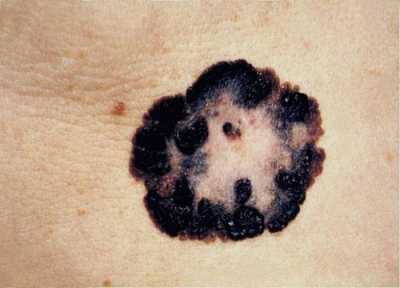
MedicalResearch.com Interview with: [caption id="attachment_39763" align="alignleft" width="200"]Melanoma CDC/ Carl Washington, M.D., Emory Univ. School of Medicine; Mona Saraiya, MD, MPH This image depicts the gross appearance of a cutaneous pigmented lesion, which had been diagnosed as superficial spreading malignant melanoma (SSMM).  Reminder: Melanoma can take many forms. Not all look like this. Have your skin examined for skin cancer.[/caption] Dr. Noam Auslander PhD National Cancer institute and the Center for Bioinformatics and Computational Biology University of Maryland, College Park MedicalResearch.com: What is the background for this study? Response: Immunotherapy – specifically immune checkpoint blockage (ICB) therapy – has been shown to be very effective in treating melanoma. However, only some patients with advanced tumors currently benefit from ICB therapies, while others are completely resistant and hence can be spared from the associated side effects and costs. Hence, predicting which patients are most likely to respond is an important challenge that can have great clinical benefits.  


Aging, Author Interviews, Exercise - Fitness, Geriatrics, JAMA / 10.09.2018

MedicalResearch.com Interview with: [caption id="attachment_44379" align="alignleft" width="200"]Peter A. Harmer, PhD., MPH., ATC., FACSM Professor - Department of Exercise & Health Science Willamette University Dr. Harmer[/caption] Peter A. Harmer, PhD., MPH., ATC., FACSM Professor - Department of Exercise & Health Science Willamette University MedicalResearch.com: What is the background for this study? What are the main findings?  Response: Falls in older adults have long been a significant healthcare problem associated with loss of independence, premature morbidity and mortality, and considerable financial strain on individuals and healthcare systems. With the demographic impact of the Baby Boom generation aging into retirement, this issue is becoming even more critical. Among potential prevention strategies, exercise has been proposed to be beneficial. However, establishing what types of exercise are suitable to the task has been problematic. More importantly, identifying differences in the effectiveness of various exercise approaches has been lacking.


Addiction, Author Interviews, JAMA, Mental Health Research, University of Michigan / 10.09.2018

MedicalResearch.com Interview with: [caption id="attachment_44382" align="alignleft" width="133"]Lauren B. Gerlach, D.O. Clinical Lecturer Department of Psychiatry University of Michigan Dr. Gerlach[/caption] Lauren B. Gerlach, D.O. Clinical Lecturer Department of Psychiatry University of Michigan MedicalResearch.com: What is the background for this study?  Response: In this study we used data from the Supporting Seniors Receiving Treatment and Intervention or SUSTAIN program. The program provides a supplement to a Pennsylvania medication coverage program for low-income older adults. It provides behavioral health and case management services by phone across the state. This included detailed interviews to screen for mental health issues including anxiety, depression, sleep issues, and pain, as well as analysis of prescription records and other clinical data. Among older adults prescribed a new benzodiazepine prescription by a non-psychiatric provider, we determined how many then went on to long-term use of the medication and what patient and clinical characteristics predicted long-term use over the following year.
Addiction, Author Interviews, JAMA, Opiods, Pediatrics / 10.09.2018

MedicalResearch.com Interview with: [caption id="attachment_44348" align="alignleft" width="200"]Scott E. Hadland, MD, MPH, MS Assistant Professor of Pediatrics Boston Medical Center / Boston University School of Medicine Dr. Hadland[/caption] Scott E. Hadland, MD, MPH, MS Assistant Professor of Pediatrics Boston Medical Center / Boston University School of Medicine MedicalResearch.com: What is the background for this study? Response: Amidst a worsening overdose epidemic in the United States, adolescents and young adults have not been spared. Although evidence-based medications like buprenorphine, naltrexone, and methadone are recommended for adolescents and young adults, the extent to which youth receive these medications — and whether these medications help retain youth in addiction treatment — isn’t yet known.
Author Interviews, Cancer Research, Dermatology, Heart Disease, JAMA, Vaccine Studies / 10.09.2018

MedicalResearch.com Interview with: [caption id="attachment_44374" align="alignleft" width="134"]Jeffrey Rapaport Dr. Rapaport[/caption] Dr. Jeffrey Rapaport MD, PA Emeritus head of Dermatology Teaneck's Holy Name Hospital. Dr. Rapaport discusess a case recently reported in JAMA: In 2016: A 97-year-old female patient was suffering from multiple squamous cell carcinomas varying from small to incredibly large in size on both of her legs. She was injected with the HPV vaccine commonly known as Gardasil, which is also used to treat warts and oral papilloma. She was first injected in her arm, and then after a period of six weeks, the vaccine was directly injected into her tumors. It was observed that this treatment eventually killed off almost all the tumors on her legs. According to recent press coverage, she is now looking forward to celebrating her 100th birthday in fall 2018. MedicalResearch.com: What is the background for this study?Is HPV thought be a trigger for some cutaneous squamous cell carcinomas? Response: The link between skin cancers and HPV vaccinations has normally been investigated in patients who have received organ transplants. Due to the immune-suppressant drugs these patients must take, it is incredibly common to find cases of skin cancer in patients who have undergone transplants. The relaxed immune system, which would normally eliminate cancers caused by the HPV virus, would open the floodgates for multiple skin tumors to emerge. In this case of the 97 year old, I would assume her immune system was healthy. There is, however, growing evidence that receiving multiple vaccines for the HPV virus is necessary even in patients with healthy immune systems. So, regardless of immune health, I believe we need to expand the frequency of the HPV vaccine, even beyond the current three-tiered system for women below 26 and men below 21.
Author Interviews, JAMA, OBGYNE, STD, USPSTF / 09.09.2018

MedicalResearch.com Interview with: [caption id="attachment_44364" align="alignleft" width="170"]Melissa A. Simon, M.D., M.P.H. Member, U.S. Preventive Services Task Force George H. Gardner professor of clinical gynecology, Vice chair of clinical research Department of Obstetrics and Gynecology Professor of preventive medicine and medical social sciences Northwestern University Feinberg School of Medicine Dr. Simon[/caption] Melissa A. Simon, M.D., M.P.H. Member, U.S. Preventive Services Task Force George H. Gardner professor of clinical gynecology, Vice chair of clinical research Department of Obstetrics and Gynecology Professor of preventive medicine and medical social sciences Northwestern University Feinberg School of Medicine MedicalResearch.com: What is the background for this study? What are the main findings? Response: The number of babies born with syphilis is increasing, mirroring the recent increase of syphilis among women. Syphilis infection passed from a pregnant woman to her baby, also known as congenital syphilis, can lead to serious health complications for the baby including premature birth, low birthweight, birth defects, and even death. The Task Force recommends that all pregnant women be screened for syphilis as early in pregnancy as possible to prevent congenital syphilis. 
Author Interviews, Cost of Health Care, JAMA, University of Pennsylvania / 09.09.2018

MedicalResearch.com Interview with: [caption id="attachment_44314" align="alignleft" width="180"]Amol Navathe, MD, PhD Assistant Professor, Health Policy and Medicine Perelman School of Medicine Penn Leonard Davis Institute of Health Economics Dr. Navathe[/caption] Amol Navathe, MD, PhD Assistant Professor, Health Policy and Medicine Perelman School of Medicine Penn Leonard Davis Institute of Health Economics MedicalResearch.com: What is the background for this study? What are the main findings? Response: Medicare’s voluntary Bundled Payments for Care Improvement (BPCI) initiative for lower extremity joint replacement (LEJR) surgery has been associated with reduced episode spending and stable-to-improved quality. However, BPCI may create unintended effects by prompting participating hospitals to increase the overall volume of episodes covered by Medicare. This could potentially eliminate Medicare-related savings or prompt hospitals to shift case mix to lower-risk patients. Among the Medicare beneficiaries who underwent LEJR, BPCI participation was not significantly associated with a change in market-level volume (difference-in-differences estimate . In non-BPCI markets, the mean quarterly market volume increased 3.8% from 3.8 episodes per 1000 beneficiaries before BPCI to 3.9 episodes per 1000 beneficiaries after BPCI was launched. In BPCI markets, the mean quarterly market volume increased 4.4% from 3.6 episodes per 1000 beneficiaries before BPCI to 3.8 episodes per 1000 beneficiaries after BPCI was launched. The adjusted difference-in-differences estimate between the market types was 0.32%. Among 20 demographic, socioeconomic, clinical, and utilization factors, BPCI participation was associated with changes in hospital-level case mix for only one factor, prior skilled nursing facility use in BPCI vs. non-BPCI markets. 
Author Interviews, JAMA, Pain Research, Surgical Research / 09.09.2018

MedicalResearch.com Interview with: [caption id="attachment_44355" align="alignleft" width="133"]David A. Shaye, M.D., FACS Instructor in Otolaryngology Harvard Medical School  Dr. Shaye[/caption] David A. Shaye, M.D., FACS Instructor in Otolaryngology Harvard Medical School  MedicalResearch.com: What is the background for this study? What are the main findings? Response: Cosmetic and functional rhinoplasty (nasal surgery) is the most common procedure we perform and traditionally post operative pain medication includes opioids. In light of the recent opioid epidemic, we wished to investigate if patients pain was being treated over-treated by surgeons. Of 173 Rhinoplasties that we performed, the majority of patients received post operative opioid tablets (an average of 28 tablets).  However 11% of patients did not fill these prescriptions at all, and only 2 of the 178 patients required refills. We believe patients experienced less pain than surgeons anticipated.
Author Interviews, Cost of Health Care, NEJM, Outcomes & Safety / 07.09.2018

MedicalResearch.com Interview with: [caption id="attachment_44305" align="alignleft" width="142"]Prof-Bruce Guthrie Head of Population Health Sciences Division Professor of Primary Care Medicine and Honorary Consultant NHS Fife Prof. Guthrie[/caption] Prof. Bruce Guthrie PhD Head of Population Health Sciences Division Professor of Primary Care Medicine and Honorary Consultant NHS Fife  MedicalResearch.com: What is the background for this study? What are the main findings? Response: The UK Quality and Outcomes Framework (QOF)) is a primary care pay for performance programme (P4P) implemented in 2004. QOF was and still is the largest healthcare P4P programme in the world, initially having ~150 indicators and accounting for ~20% of practice income. QOF has been reduced in scale and scope over time, with 40 indicators retired in 2014. It was abolished in Scotland in 2016 and is due to be further reformed in England. There is some evidence that P4P (and QOF itself) is associated with modest improvements in quality when introduced, but little evidence about what happens when financial incentives are withdrawn. Our study examined what happened when incentives were withdrawn in 2014 for 12 indicators where there is good before and after data. There were immediate reductions in documented quality of care, which were similar in size to improvements observed when incentives were introduced. These reductions were small to modest (~10%) for indicators relating to care that is already systematically delivered (eg routine diabetes, hypertension and cardiovascular disease) and large for indicators which has historically been less systematically delivered (eg lifestyle advice).
Author Interviews, JAMA, Outcomes & Safety / 07.09.2018

MedicalResearch.com Interview with: [caption id="attachment_44298" align="alignleft" width="128"]Dr Maria Panagioti| Senior Research Fellow Division of Population Health, Health Services Research & Primary Care University of Manchester Manchester Dr. Panagioti[/caption] Dr Maria Panagioti, Senior Research Fellow Division of Population Health Health Services Research & Primary Care University of Manchester Manchester  MedicalResearch.com: What is the background for this study? What are the main findings? Response: Several studies have shown that the demanding work environment has alarming consequences on the well-being of physicians. Over 50 percent of physicians experience significant signs of burnout across medical specialities. However, the consequences of burnout on patient care are less well-known. This is the largest meta-analysis to date which pooled data from 43,000 doctors to examine the relationship between burnout in physicians and patient safety, professionalism and patient satisfaction. We found that burnout in physicians is associated with two times increased risk for patient safety incidents, reduced professionalism and lower patient satisfaction. Particularly in residents and early career physicians, burnout was associated with almost 4 times increased risk for reduced professionalism. 
Author Interviews, Hematology, NEJM / 07.09.2018

MedicalResearch.com Interview with: [caption id="attachment_44276" align="alignleft" width="200"]Dr. Johnny Mahlangu  MBBCh Faculty of Health Sciences University of the Witwatersrand and National Health Laboratory Service Johannesburg, South Africa Dr. Mahlangu[/caption] Dr. Johnny Mahlangu  MBBCh Faculty of Health Sciences University of the Witwatersrand and National Health Laboratory Service Johannesburg, South Africa MedicalResearch.com: What is the background for this study? What are the main findings? Response: Current unmet needs in patients with haemophilia without inhibitors are the high disease burden imposed by the frequent injections which have to be given intravensously . Emicizumab which is given subcutaneously weekly or fortnightly aims to address these unmet needs.
Author Interviews, CDC, Cost of Health Care, JAMA, OBGYNE / 07.09.2018

MedicalResearch.com Interview with: [caption id="attachment_44286" align="alignleft" width="128"]Michelle H. Moniz, MD, MSc Assistant Professor Department of Obstetrics and Gynecology Ann Arbor, MI 48109-2800 Dr. Moniz[/caption] Michelle H. Moniz, MD, MSc Assistant Professor Department of Obstetrics and Gynecology Ann Arbor, MI 48109-2800 MedicalResearch.com: What is the background for this study? What are the main findings? Response: We wanted to examine whether Medicaid expansion in Michigan was associated with improved access to birth control/family planning services in our state.  We conducted a survey of enrollees in the Michigan Medicaid expansion program (called "Healthy Michigan Plan"). We found that 1 in 3 women of reproductive age reported improved access to birth control/family planning services after joining HMP.  Women who were younger, who were uninsured prior to joining HMP, and those who had recently seen a primary care clinician were most likely to report improved access. 
Author Interviews, Gastrointestinal Disease, Infections, JAMA, Pediatrics, Vaccine Studies / 07.09.2018

MedicalResearch.com Interview with: [caption id="attachment_44279" align="alignleft" width="166"]Chuanxi Fu, MD.PhD. Professor of Epidemiology, School of Public Health Zhejiang Chinese Medical University Associate editor, Human Vaccines & Immunotherapeutics Dr. Chuanxi Fu[/caption] Chuanxi Fu, MD.PhD. Professor of Epidemiology, School of Public Health Zhejiang Chinese Medical University Associate editor, Human Vaccines & Immunotherapeutics  MedicalResearch.com: What is the background for this study? What are the main findings? Response: Since 2000, the Lanzhou lamb rotavirus vaccine has been exclusively licensed in China for voluntary rotavirus gastroenteritis prevention, however, the effects of the vaccination on population health, including any indirect impact to unvaccinated individuals have not been evaluated. In the study enrolled 33 407 patients with rotavirus gastroenteritis from 2007 to 2015 seasons in southern China shows vaccination effects in which the median age at onset increased by 4 months, and onset, peak, and cessation of incidence were delayed. The incidence rate ratio among children younger than 4 years and among children ineligible for vaccination decreased as citywide vaccination coverage increased, and the adjusted odds ratio for rotavirus gastroenteritis among unvaccinated infants decreased in areas with higher vaccination coverage. 
Author Interviews, JAMA, Pain Research, Technology / 06.09.2018

MedicalResearch.com Interview with: [caption id="attachment_44273" align="alignleft" width="150"]Richard L Kravitz, MD, MSPH Professor, General Internal Medicine Director, UC Center Sacramento Dr. Kravitz[/caption] Richard L Kravitz, MD, MSPH Professor, General Internal Medicine Director, UC Center Sacramento MedicalResearch.com: What is the background for this study? What are the main findings?  Response:  The study was designed to address tso problems. The first is that many patients with chronic pain struggling to find a workable regimen. The second is more general. Patient sometimes I hesitate to participate in clinical research because they right away do not see the relevance I directly to them selves. And have one trials are away I’m addressing both problems. 
Aging, Alzheimer's - Dementia, Author Interviews, CMAJ, Genetic Research / 06.09.2018

MedicalResearch.com Interview with: [caption id="attachment_44262" align="alignleft" width="200"]Ruth Frikke-Schmidt, Professor, Chief Physician, MD, DMSc, PhD Department of Clinical Biochemistry Rigshospitalet, Blegdamsvej & Deputy Head Department of Clinical Medicine Faculty of Health and Medical Sciences University of Copenhagen Dr. Frikke-Schmidt[/caption] Ruth Frikke-Schmidt, Professor, Chief Physician, MD, DMSc, PhD Department of Clinical Biochemistry Rigshospitalet, Blegdamsvej & Deputy Head Department of Clinical Medicine Faculty of Health and Medical Sciences University of Copenhagen MedicalResearch.com: What is the background for this study?   Response: Alzheimer’s disease and other forms of dementia are devastating, neurodegenerative disorders affecting more than 47 million people in 2015, a number projected to triple by 2050 (1,2). Available curative treatments are lacking, and no useful risk prediction tools exist. The potential for prevention is however substantial, emphasized by the recently observed incidence decline in Western societies, likely caused by improved treatment and prevention of vascular risk factors (1,3,4). Population growth and aging, will however triple dementia prevalence by 2050, if no action is taken. Acting now with ambitious preventive interventions, delaying onset of disease by five years, is estimated to halve the prevalence globally (1,5). Despite important preventive efforts over the last decades - resulting in decreased smoking, lower blood pressure and lower cholesterol levels in the general population - physical inactivity, overweight, and diabetes remain threats for our health care system, and in particular for cardiovascular disease and dementia. Intensifying preventive efforts in general is thus of crucial importance, and especially for those patients at highest risk who most likely will benefit the most from early and targeted prevention. Risk stratification and specific treatment goals according to the estimated absolute 10-year risk, has been implemented in cardiovascular disease for years (6,7). There is an un-met need for similar strategies in dementia, underscored by the publication of several randomized multicomponent trials that seem to improve or maintain brain function in at-risk elderly people from the general population (8-10)
Author Interviews, JAMA, Smoking, Tobacco, Tobacco Research / 06.09.2018

MedicalResearch.com Interview with: [caption id="attachment_44259" align="alignleft" width="144"]Dorothy K. Hatsukami, Ph.D. Forster Family Professor in Cancer Prevention Professor of Psychiatry Associate, Director Masonic Cancer Center University of Minnesota Dr. Hatsukami[/caption] Dorothy K. Hatsukami, Ph.D. Forster Family Professor in Cancer Prevention Professor of Psychiatry Associate, Director Masonic Cancer Center University of Minnesota  MedicalResearch.com: What is the background for this study? What are the main findings? Response: The U.S. Food and Drug Administration is considering a rule that would reduce nicotine in all cigarettes and possibly other burned tobacco products sold in the U.S. to minimally addictive levels.   Reducing nicotine in cigarettes does not make the cigarette safer, but because nicotine is the addictive chemical in tobacco, nicotine reduction would reduce the progression towards tobacco dependence and make it easier for smokers to quit smoking.  We recently published a study in JAMA that adds to the accumulating evidence to support reducing nicotine in cigarettes and addresses if a gradual reduction or a targeted immediate reduction in nicotine in cigarettes is the best approach. In a large clinical trial involving 1,250 smokers across 10 academic institutions, immediate reduction of nicotine was compared to a gradual nicotine reduction approach. These two groups were also compared to smokers who continued to smoke usual nicotine content cigarettes. Key findings showed that immediate nicotine reduction is likely to result in more rapid positive public health effects.  That is, smokers in the immediate reduction group experienced significantly less exposure to toxic cigarette smoke chemicals and reported smoking fewer cigarettes per day, less dependence on cigarettes and greater number of days that they were smoke-free compared to the other two groups. On the other hand, smokers in the immediate nicotine reduction group experienced more severe but transient withdrawal symptoms and greater drop-outs. 
Author Interviews, Brain Injury, CDC, JAMA, Pediatrics / 05.09.2018

MedicalResearch.com Interview with: [caption id="attachment_44283" align="alignleft" width="174"]Matt Breiding, PhD Team Lead, Division of Unintentional Injury Prevention Center for Disease Control and Prevention Dr. Breiding[/caption] Matt Breiding, PhD Team Lead, Division of Unintentional Injury Prevention Center for Disease Control and Prevention MedicalResearch.com: What is the background for this study? What are the main findings? Response: Caused by a bump, blow or jolt to the head or body, a mild traumatic brain injury (mTBI) can lead to short- or long-term problems that can affect how a child thinks, acts, feels, and learns. CDC’s Pediatric mTBI Guideline is based on the most comprehensive review of the science on pediatric mTBI diagnosis and management to date—covering 25 years of research. The guideline consists of 19 sets of clinical recommendations that cover diagnosis, prognosis, and management and treatment. These recommendations are applicable to healthcare providers who care for pediatric patients with mTBI in all practice settings and outline actions healthcare providers can take to improve the health of their patients with this injury. The CDC Pediatric mTBI Guideline outlines specific actions healthcare providers can take to help young patients and includes 5 key recommendations.  Specifically, they recommend that physicians:
  1. Refrain from routinely imaging pediatric patients to diagnose mTBI.
  2. Use validated, age-appropriate symptom scales to diagnose mTBI.
  3. Assess for risk factors for prolonged recovery, including: history of mTBI or other brain injury, severe symptom presentation immediately after the injury, and personal characteristics and family history (such as learning difficulties and family and social stressors).
  4. Provide patients with instructions on returning to activity customized to their symptoms.
  5. Counsel patients to return gradually to non-sports activities after no more than a 2-3 days of rest.