Author Interviews, Cancer Research, HPV, JAMA, OBGYNE / 13.10.2018

MedicalResearch.com Interview with: [caption id="attachment_45199" align="alignleft" width="160"]Megan Clarke, PhD, MHS Cancer Prevention Fellow Clinical Genetics Branch Division of Cancer Epidemiology & Genetics National Cancer Institute Rockville, MD 20892 Dr. Clarke[/caption] Megan Clarke, PhD, MHS Cancer Prevention Fellow Clinical Genetics Branch Division of Cancer Epidemiology & Genetics National Cancer Institute Rockville, MD 20892  MedicalResearch.com: What is the background for this study?
  • Infection with high-risk human papillomavirus (hrHPV) is the primary cause of cervical cancer. While hrHPV infection is common, most infections are benign and clear on their own without causing cervical cancer. However, some women develop persistent hrHPV infections and are at risk for cervical cancer and its precursors (i.e., precancer).
  • The United States Preventative Services Task Force recommends screening every 3 years with cervical cytology (i.e. Pap) alone, every 5 years with hrHPV testing alone, or with a combination of hrHPV testing and cytology (co-testing) for women aged 30 to 65 years.
  • Screening with hrHPV testing is highly sensitive for detecting cervical precancer but requires additional triage tests to identify HPV-positive women at high-risk of developing cancer who should undergo colposcopy (visualization of the cervix) and biopsy from those at low-risk who can be safely monitored.
  • Currently, Pap cytology is recommended as a triage test for women testing HPV-positive, but this approach requires frequent re-testing at short intervals because the risk of cervical precancer is not low enough in HPV-positive women who test cytology negative to provide long-term reassurance against future risk. In most settings, women who test HPV-positive, cytology-negative are referred to repeat screening within one year.
  • The p16/Ki-67 dual stain assay is a molecular test that measures two specific proteins, p16 that is strongly linked with hrHPV infection, and Ki-67, a marker of cell proliferation that is common in precancers and cancers.
  • Studies have shown that the dual stain test has greater accuracy for detecting cervical precancers in HPV-positive women compared with cytology.
  • In order to determine the optimal screening intervals for the dual stain test, long-term prospective studies are needed to determine how long HPV-positive women who test dual stain negative can be safely reassured of a low precancer risk.
Author Interviews, Hand Washing, Hospital Acquired, Infections, JAMA / 13.10.2018

MedicalResearch.com Interview with: "Hand Washing" by Anthony Albright is licensed under CC BY-SA 2.0Dr. Daniel J. Livorsi, MD Assistant Professor INFECTIOUS DISEASE SPECIALIST University of Iowa MedicalResearch.com: What is the background for this study? What are the main findings? Response: One of the Joint Commission’s standards is that hospitals audit and provide feedback on hand hygiene compliance among healthcare workers. Audit-and-feedback is therefore commonly practiced in US hospitals, but the effective design and delivery of this intervention is poorly defined, particularly in relation to hand hygiene improvement. We studied how 8 hospitals had implemented audit-and-feedback for hand hygiene improvement. We found that hospitals were encountering several barriers in their implementation of audit-and-feedback. Audit data on hand hygiene compliance was challenging to collect and was frequently questioned. The feedback of audit results did not motivate positive change. 
Author Interviews, Baylor College of Medicine Houston, JAMA, Surgical Research / 12.10.2018

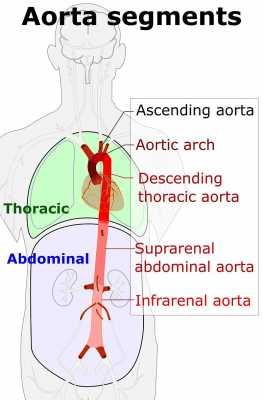
MedicalResearch.com Interview with: [caption id="attachment_45244" align="alignleft" width="263"]Segments of the aorta, including: Thoracic aorta Ascending aorta Tortic arch Descending thoracic aorta Abdominal aorta Suprarenal abdominal aorta Infrarenal abdominal aorta Wikipedia Image Segments of the aorta, including: Thoracic aorta Ascending aorta Tortic arch Descending thoracic aorta Abdominal aorta Suprarenal abdominal aorta Infrarenal abdominal aorta Wikipedia Image[/caption] Scott A. LeMaire, MD Jimmy and Roberta Howell Professor of Cardiovascular Surgery Vice Chair for Research, Michael E. DeBakey Department of Surgery Professor of Molecular Physiology and Biophysics Director of Research, Division of Cardiothoracic Surgery Baylor College of Medicine Department of Cardiovascular Surgery Texas Heart Institute Baylor St. Luke’s Medical Center CHI St. Luke’s Health Editor-in-Chief, Journal of Surgical Research MedicalResearch.com: What is the background for this study? What are the main findings? Response: We performed this study because of concerns about the potential association between fluoroquinolones and aortic aneurysms and dissection raised in two large clinical studies. This concern was noted by the US Food and Drug Administration in May 2016, but the evidence was not deemed sufficient to warrant a warning. Hence, there was a clear need for additional studies to evaluate the problem. Our study was designed to determine whether there is biological evidence that ciprofloxacin—the most commonly prescribed fluoroquinolone—exacerbates aortic disease in a well-established mouse model. The model uses high-fat diet and angiotensin II infusion to stress the aorta and cause aneurysm and dissection. Using this model, we compared mice that received ciprofloxacin to control mice that received only vehicle, and we found that mice that received ciprofloxacin had significant increases in the incidence of aortic dilatation, severe aortic aneurysm and dissection, and aortic rupture and premature death. Importantly, these findings were consistent in male and female mice. Further, we investigated the potential underlying mechanisms and found that the aortas from mice that received ciprofloxacin had decreased levels of lysyl oxidase, increased levels of matrix metalloproteinases, and increased levels of apoptosis and necroptosis.

Author Interviews, Bipolar Disorder, JAMA, Schizophrenia / 11.10.2018

MedicalResearch.com Interview with: [caption id="attachment_45151" align="alignleft" width="150"]Thomas Wolfers PhD Donders Center for Cognitive Neuroimaging Kapittelweg 29 6525EN Nijmegen  The Netherlands Dr. Wolfers[/caption] Thomas Wolfers PhD Donders Center for Cognitive Neuroimaging Kapittelweg 29 6525EN Nijmegen The Netherlands MedicalResearch.com: What is the background for this study? What are the main findings? Response: Schizophrenia and bipolar disorder are severe and complex mental disorders. Currently, the most common approach in characterizing disorders biologically is by comparing patient groups with groups of healthy individuals. We employed a fundamentally different approach and investigated how much the brains of individual patients diagnosed with schizophrenia and bipolar disorder differ from one another. For this purpose, we selected brain scans from healthy individuals to model a norm reflecting the healthy range, subsequently we compared the brain scans of patients with schizophrenia and bipolar disorder to this norm on the level of the individual. The main outcome was that individuals with schizophrenia and bipolar disorder differ substantially from one another, thus, considering only the ‘average patient’ has little to say about what might be occurring in the brain of an individual patient.
AHRQ, Author Interviews, Cost of Health Care, JAMA / 09.10.2018

MedicalResearch.com Interview with: [caption id="attachment_45155" align="alignleft" width="133"]Salam Abdus, PhD Division of Research and Modeling, Center for Financing, Access, and Cost Trends, Agency for Healthcare Research and Quality Department of Health and Human Services Rockville, Maryland Dr. Abdus[/caption] Salam Abdus, PhD Division of Research and Modeling, Center for Financing, Access, and Cost Trends, Agency for Healthcare Research and Quality Department of Health and Human Services Rockville, Maryland MedicalResearch.com: What is the background for this study? What are the main findings?  Response: High deductible health plans are more prevalent than ever. Previous research showed that adults in low-income families or with chronic conditions are more likely to face high financial burdens when they are enrolled in high-deductible health plans, compared to adults in higher income families or healthier adults. In this study we examined the financial burden of high-deductible health plans among adults who are both low income and chronically ill. We used AHRQ’s Medical Expenditure Panel Survey Household Component (MEPS-HC) data from 2011 to 2015 to study the prevalence of high out-of-pocket health care spending burden of high deductible health plans among adults enrolled in employer-sponsored insurance. We included family out-of-pocket spending on premiums and health care services. We found that among adults who had family income below 250% of Federal Poverty Level (FPL), had multiple chronic conditions, and were enrolled in high-deductible health plans, almost half (46.9%) had financial family out-of-pocket health care burden exceeding 20 percent of family disposable income.
Author Interviews, Columbia, Environmental Risks, Genetic Research, Ophthalmology, PLoS / 09.10.2018

MedicalResearch.com Interview with: Andrei V. Tkatchenko, M.D., Ph.D. Associate Professor Columbia University Medical Center Edward S. Harkness Eye Institute New York, NY 10032 MedicalResearch.com: What is the background for this study? What are the main findings? Response: Clear distance vision is rapidly becoming a rare privilege around the world, especially in Asia, due to increasing prevalence of myopia. Although much effort has been directed towards elucidating the mechanisms underlying refractive eye development and myopia, treatment options for myopia are mostly limited to optical correction, which does not prevent progression of myopia or pathological blinding complications often associated with the disease. During early childhood development, the axial length of the eye normally grows to match its optical power in a process called emmetropization, producing focused images on the retina. However, very often environmental and genetic factors lead to a mismatch between the optical power of the eye and its axial length resulting in the development of myopia if eyes grow too long for their optical power. Experimental studies in many animal species suggest that emmetropization is regulated by optical defocus. The eye can compensate for imposed negative and positive optical defocus by increasing or decreasing its growth rate, respectively. However, the molecular mechanisms underlying emmetropization are poorly understood which prevents development of anti-myopia drugs.
Author Interviews, HIV, HPV, PLoS, Sexual Health / 09.10.2018

MedicalResearch.com Interview with: [caption id="attachment_45122" align="alignleft" width="128"]Brandon Brown, MPH, PhD Associate Professor Center for Healthy Communities Department of Social Medicine, Population and Public Health UCR School of Medicine Riverside, CA  Dr. Brown[/caption] Brandon Brown, MPH, PhD Associate Professor Center for Healthy Communities Department of Social Medicine, Population and Public Health UCR School of Medicine Riverside, CA MedicalResearch.com: What is the background for this study? What are the main findings?  Response: The authors have been working in Lima, Peru on HIV-related projects for over 17 years. This particular study arose out of interest from our main community collaborator and the only gay men’s health NGO in Lima, Epicentro Salud . The NGO noticed that one of the main health issues among their clients was genital warts. When we learned this, we applied for funding through the Merck Investigator Initiated Studies Program to conduct a study examining the link between genital warts and incident HIV infection. [caption id="attachment_45123" align="alignleft" width="400"]The relationship between anogenital HPV types and incident HIV infection among men who have sex with men and transgender women in Lima, Peru The relationship between anogenital HPV types and incident HIV infection among men who have sex with men and transgender women in Lima, Peru[/caption] Although most studies have shown a general link between HPV and HIV co-infection, our findings illustrate the strong relationship between individual HPV types and HIV infection. Specifically, individuals in our study with any HPV type, more than one HPV type, or high-risk HPV were more likely to acquire HIV.
Author Interviews, JAMA, Kidney Disease / 07.10.2018

MedicalResearch.com Interview with: "Plugged into dialysis" by Dan is licensed under CC BY 2.0 Elani Streja MPH PhD Division of Nephrology and Hypertension University of California, Irvine | UCI · Elvira O. Gosmanova, MD, FASN Medicine/Nephrology Albany Stratton VA Medical Center Csaba P Kovesdy MD Fred Hatch Professor of Medicine Division of Nephrology, University of Tennessee Health Science Center Nephrology Section Chief, Memphis VA Medical Center Director, Clinical Outcomes and Clinical Trials Program Memphis TN, 38163  MedicalResearch.com: What is the background for this study? What are the main findings? Response:  Cardiovascular disease (CVD) is one of the leading causes of mortality and morbidity in patients with chronic kidney disease (CKD). Statins are lipid-lowering drugs that have a proven track record in reducing risk of CVD in patients with advanced CKD who did not yet reach its terminal stage or end-stage renal disease (ESRD). Paradoxically, new prescription of statins after ESRD onset failed to reduce CVD related outcomes in three large clinical trials. However, benefits of statin continuation at transition from advanced CKD to ESRD was never formally tested. Therefore, we identified a cohort of 14,298 US Veterans who used statins for at least half of the year during 1 year before ESRD transition and evaluated mortality outcomes based on whether statins were continued or stopped after ESRD onset. We found that ESRD patients who continue statins for at least 6 months after transition had 28% and 18% lower risk of death from any cause or cardiovascular causes, respectively, during 12-months of follow up, as compared with statin discontinuers.
Accidents & Violence, Author Interviews, Geriatrics, JAMA, Ophthalmology, University of Pittsburgh / 05.10.2018

MedicalResearch.com Interview with: Syed Mahmood Ali Shah, M.D. Associate Professor of Ophthalmology University of Pittsburgh School of MedicineSyed Mahmood Ali Shah, M.D. Associate Professor of Ophthalmology University of Pittsburgh School of Medicine MedicalResearch.com: What is the background for this study? What are the main findings? Response: Eye trauma is a significant cause of morbidity throughout the world. In the United States, the incidence of individuals hospitalized with eye trauma from 2001 through 2014 increased. Most of these individuals were above the age of 65 and suffered a fall. This is a worrisome trend in light of an increased awareness and continued and concentrated effort to reduce falls. This is a critical point: We need to improve our existing strategies to reduce falls. The second at-risk group is children and adolescents. Previous studies have shown that effective widespread implementation of injury prevention efforts can lower trauma rates. While we did observe a small decrease in eye trauma as a primary admitting diagnosis, the fact that it was more common in children and adolescents (for whom eye trauma carries devastating consequences and can significantly reduce quality of life) highlights the significance of continued efforts to prevent eye trauma. 
Author Interviews, Cleveland Clinic, Diabetes, JAMA, Ophthalmology / 05.10.2018

MedicalResearch.com Interview with: [caption id="attachment_45018" align="alignleft" width="159"]Amy Babiuch, M.D.  Medical Retina Specialist  |  Cole Eye Institute Assistant Professor Ophthalmology Case Western Reserve University WPSA Regional Focus Committee Chair Cleveland Clinic Dr. Babiuch[/caption] Amy Babiuch, M.D. Medical Retina Specialist  |  Cole Eye Institute Assistant Professor Ophthalmology Case Western Reserve University WPSA Regional Focus Committee Chair Cleveland Clinic MedicalResearch.com: What is the background for this study? Response: In previous studies, the disorganization of retinal inner layers (DRIL) has demonstrated its ability to help determine visual acuity (VA) prognosis in diabetic macular edema that requires treatment. Given this association, the research group at Cole Eye Institute studied how DRIL may affect VA outcomes in patients with retinal vein occlusion (RVO) undergoing treatment for secondary macular edema. DRIL is defined as the extent to which there is a failure in the recognition of any of the demarcations between the ganglion cell-inner plexiform layer complex, inner nuclear layer, and outer plexiform layer on optical coherence tomography (OCT).
Author Interviews, CDC, JAMA, Pediatrics, Smoking / 04.10.2018

MedicalResearch.com Interview with: "Electronic Cigarette/E-Cigs/E-Cigarettes" by Chris F is licensed under CC BY 2.0Brian King, PhD Lead author and Deputy Director for Research Translation Office on Smoking and Health. CDC MedicalResearch.com: What is the background for this study? Response: Since first entering the U.S. marketplace in 2007, e-cigarettes have been a rapidly evolving product class. Typically, national surveys provide annual, self-reported estimates of e-cigarette use among adults and youth. However, given the dynamic nature of the e-cigarettes landscape, data collected at a sub-annual level can be useful for identifying rapid changes and patterns. For example, retail sales data, which is available at more frequent intervals, such as weekly, can complement annual surveys and help keep a pulse on emerging trends. This study assessed e-cigarette retail sales data in the United States from 2013 through 2017.


Author Interviews, JAMA, Neurology, Outcomes & Safety, Parkinson's, Pharmacology, University of Pennsylvania / 04.10.2018

MedicalResearch.com Interview with: [caption id="attachment_45003" align="alignleft" width="148"]Allison W. Willis, MD, MS Assistant Professor of Neurology Assistant Professor of Biostatistics and Epidemiology Senior Fellow, Leonard Davis Institute Senior Scholar, Center for Clinical Epidemiology and Biostatistics University of Pennsylvania School of Medicine Dr. Willis[/caption] Allison W. Willis, MD, MS Assistant Professor of Neurology Assistant Professor of Biostatistics and Epidemiology Senior Fellow, Leonard Davis Institute Senior Scholar, Center for Clinical Epidemiology and Biostatistics University of Pennsylvania School of Medicine MedicalResearch.com: What is the background for this study? What are the main findings? Response: This study was motivated by my own experiences as a neurologist-neuroscientist. I care for Parkinson disease patients, and over the year, have had numerous instances in which a person was taking a medication that could interact with their Parkinson disease medications, or could worsen their PD symptoms.
Author Interviews, NEJM, Osteoporosis / 04.10.2018

MedicalResearch.com Interview with: [caption id="attachment_44909" align="alignleft" width="200"]Prof Ian Reid Faculty of Medical and Health Sciences University of Auckland Auckland New Zealand  Prof. Reid[/caption] Prof Ian Reid Faculty of Medical and Health Sciences University of Auckland Auckland New Zealand  MedicalResearch.com: What is the background for this study? What are the main findings? Response: Bisphosphonates prevent fractures in patients with osteoporosis, but their efficacy in women with less marked bone loss (referred to as osteopenia) is unknown. Most fractures in postmenopausal women occur in osteopenic patients, so therapies with efficacy in osteopenia are needed.
Author Interviews, Clots - Coagulation, Critical Care - Intensive Care - ICUs, NEJM / 04.10.2018

MedicalResearch.com Interview with: [caption id="attachment_44896" align="alignleft" width="160"]Alex C Spyropoulos, MD, FACP, FCCP, FRCPC Professor of Medicine – The Donald and Barbara Zucker School of Medicine at Hofstra/Northwell Professor - The Center for Health Innovations and Outcomes Research - The Feinstein Institute for Medical Research System Director – Anticoagulation and Clinical Thrombosis Services Northwell Health at Lenox Hill Hospital New York, NY 10075 Dr. Spyropoulos[/caption] Alex C Spyropoulos, MD, FACP, FCCP, FRCPC Professor of Medicine – The Donald and Barbara Zucker School of Medicine at Hofstra/Northwell Professor - The Center for Health Innovations and Outcomes Research - The Feinstein Institute for Medical Research System Director – Anticoagulation and Clinical Thrombosis Services Northwell Health at Lenox Hill Hospital New York, NY 10075 MedicalResearch.com: What is the background for this study? Response: Hospitalised medically ill patients have a significant risk of developing venous thromboembolism (VTE) within 6 weeks after discharge. The role of extended thromboprophylaxis in this population with either low molecular weight heparin or the direct oral anticoagulants remains uncertain, as it has shown either excess bleeding or beneficial effects mainly from reducing asymptomatic deep vein thrombosis (DVT). The MARINER trial was designed to compare rivaroxaban with placebo for the prevention of the composite outcome of symptomatic VTE and VTE-related death in medically ill patients at increased risk of VTE post-hospital discharge. The principal safety objective was major bleeding. The trial was a randomized, double-blind, placebo-controlled, event-driven study that included a total of 12,024 patients aged ≥40 years who had been hospitalised with an acute medical illness for 3-10 consecutive days and had additional VTE risk factors as defined by the modified IMPROVE VTE risk score of ≥4 or a score of 2 or 3 plus a plasma D-dimer level more than twice the upper limit of normal). The rivaroxaban regimen consisted of 10 mg once daily in patients with a creatinine clearance (CrCl) of >=50ml/min or 7.5 mg for patients with a CrCl of 30 to <50 ml/min. The first dose was given on the day of discharge and the last dose at Day 45. Patients were followed up for an additional 30 days. Baseline characteristics were well matched between groups and typical of a medically ill population.
Author Interviews, Blood Pressure - Hypertension, Heart Disease, JAMA, NIH, Nutrition, Race/Ethnic Diversity, Salt-Sodium / 03.10.2018

MedicalResearch.com Interview with: [caption id="attachment_44967" align="alignleft" width="133"]Dr. George Howard DPH, for the research team Professor and Chair of Biostatistics University of Alabama at Birmingham Dr. Howard[/caption] Dr. George Howard DPH, for the research team Professor and Chair of Biostatistics University of Alabama at Birmingham MedicalResearch.com: What is the background for this study? What are the main findings? Response: Perhaps the most important distinction to draw for the readers is that this is not a paper about risk factors for hypertension, but rather a paper that looks for contributors to the black-white difference in the presence of hypertension.  This racial difference in hypertension is the single biggest contributor to the immense disparities in cardiovascular diseases (stroke, MI, etc.) that underpin the approximate 4-year difference in black-white life expectancy.  As such, this work is “going back upstream” to understand the causes that lead to blacks having a higher prevalence of hypertension than whites with hopes that changing this difference will lead to reductions in the black-white disparities in cardiovascular diseases and life expectancy.   This difference in the prevalence of hypertension is immense … in our national study of people over age 45, about 50% of whites have hypertension compared to about 70% of blacks … that is HUGE.   We think that changing this difference is (at least one of) the “holy grail” of disparities research. This study demonstrates that there are several “targets” where changes could be made to reduce the black-white difference in hypertension, and thereby the black-white difference in cardiovascular diseases and life expectancy; however, the most “potent” of these appears to be diet changes.   Even though we know what foods promote a heart healthy lifestyle, we still have major differences in terms of how that message is being adopted by various groups of Americans.  We can’t know from our data what about the Southern diet is driving these racial differences in hypertension but we can begin to design community based interventions that could possibly help to reduce these racial disparities through diet.  It is interested that diet more than being overweight was the biggest contributor to the racial disparities in hypertension.  This would suggest we might want to consider interventions to increase health foods in the diet while minimizing fried foods and processed meats. While this is not a clinical trial that “proves” that changes in diet will reduce the disparity in blood pressure, we consider the “message” of the paper to be good news, as the things that we found that contribute to this black-white difference are things that can be changed.   While it is always hard for individual people to change their diet, it can be done.   More importantly, over time we as a society have been changing what we eat … but we need to “double down” and try to change this faster.   Also, policy changes of play a role to gently make changes in these diet, where for example Great Britain has been making policy changes to slowly remove salt from the diet.   These changes are possible … and as such, we may see a day when the black-white differences in hypertension (and thereby CVD and death) may be reduced. 
Author Interviews, JAMA, Orthopedics, Surgical Research / 03.10.2018

MedicalResearch.com Interview with: "Meniscus adalah tisu/rawan berbentuk huruf C yang berfungsi mencegah dua tulang bergesel di antara satu sama lain di bahagian lutut. Tisu meniscus yang koyak berpunca kebiasaannya daripada bersukan yang melibatkan pergerakan lutut yang banyak. Warga emas" by Rawatan Alternatif Shah Alam is licensed under CC BY 2.0 Victor A. van de Graaf, MD OLVG Ziekenhuis Amsterdam MedicalResearch.com: What is the background for this study? What are the main findings? Response: Although meniscal surgeries are among the most frequently performed surgical procedures in orthopedic surgery, until just recently there were hardly any randomized trials proving its superiority over conservative treatment. In this randomized clinical trial, including 321 patients with non-obstructive (e.g. no locking of the knee joint) meniscal tears, we found physical therapy non-inferior to arthroscopic partial meniscectomy. 
Author Interviews, Endocrinology, JAMA, Thyroid Disease / 02.10.2018

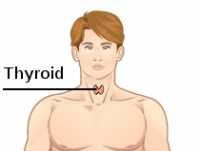
MedicalResearch.com Interview with: thyroid-gland-wikipediaDr. med. Martin Feller, MSc Epidemiology (LSHTM) FMH Allgemeine Innere Medizin & Prävention und Gesundheitswesen Scientific Research Coordinator INSELSPITAL, Universitätsspital Bern Universitätsklinik und Poliklinik für Allgemeine Innere Medizin (RodondiResearch) MedicalResearch.com: What is the background for this study? What are the main findings? Response: SUBCLINICAL HYPOTHYROIDISM IS VERY COMMON, WITH AN ESTIMATED 13 MILLION AMERICANS AFFECTED. SUBCLINICAL HYPOTHYROIDISM IS OFTEN TREATED WITH LEVOTHYROXINE, PARTICULARLY WHEN IT CO-OCCURS WITH SYMPTOMS POTENTIALLY ATTRIBUTABLE TO HYPOTHYROIDISM SUCH AS TIREDNESS, CONSTIPATION, AND UNEXPLAINED WEIGHT GAIN. THIS PRACTICE MAY CONTRIBUTE TO LEVOTHYROXINE BEING THE MOST PRESCRIBED DRUG FROM 2014 ONWARDS IN THE US. HOWEVER, IN OUR META-ANALYSIS OF 21 RANDOMIZED CLINICAL TRIALS, WE OBSERVED NO BENEFIT OF LEVOTHYROXINE THERAPY (COMPARED TO PLACEBO) REGARDING GENERAL QUALITY OF LIFE, THYROID-RELATED SYMPTOMS, DEPPRESSIVE SYMPTOMS, FATIGUE, COGNITIVE FUNCTION, BLOOD PRESSURE OR BODY-MASS INDEX. 
Author Interviews, Brigham & Women's - Harvard, Diabetes, Heart Disease, JACC / 02.10.2018

MedicalResearch.com Interview with: [caption id="attachment_44844" align="alignleft" width="200"]Scott David Solomon, MD Director, Noninvasive Cardiology Professor, Harvard Medical School Brigham and Women's Hospital Dr. Solomon[/caption] Scott David Solomon, MD Director, Noninvasive Cardiology Professor, Harvard Medical School Brigham and Women's Hospital  MedicalResearch.com: What is the background for this study? What are the main findings?  Response: The sodium glucose transport proteins are known to be important in regulating uptake of glucose. SGLT-1 is predominantly located in the gut and is responsible for uptake of glucose and galactose in the small intestine. Individuals born with severe mutations of this gene have severe malabsorption syndrome. We looked at genetic variants that lead to reduced function of the protein, but not complete loss of function, in a large cohort of individuals in the NIH funded Atherosclerosis Risk in Communities Study. We found that those with mutations in the gene had reduced glucose uptake, as measured by an oral glucose tolerance test, as well as less obesity, diabetes, heart failure and death.
Author Interviews, JAMA, Urinary Tract Infections, Urology, UT Southwestern / 02.10.2018

MedicalResearch.com Interview with: "Glass of Water" by Iwan Gabovitch is licensed under CC BY 2.0Professor Yair Lotan MD Chief of Urologic Oncology Holder of the Helen J. and Robert S. Strauss Professorship in Urology UT Southwestern Medical Center at Dallas Department of Urology Dallas, Texas 75390-9110  MedicalResearch.com: What is the background for this study? What are the main findings? Response: Urinary tract infections are extremely common in women and many women experience recurrent episodes which impact their quality of life.  There are also many women who do not drink as much water as is recommended. This study found that in healthy women with recurrent UTIs who drink less than 1.5 liters per day, the additional intake of 1.5 liters of water daily reduced the risk of recurrent infections by nearly 50%. 
Author Interviews, Brigham & Women's - Harvard, JAMA, Pediatrics / 01.10.2018

MedicalResearch.com Interview with: [caption id="attachment_44926" align="alignleft" width="180"]Matthew D. Weaver, PhD Instructor in Medicine · Harvard Medical School Associate Epidemiologist · Division of Sleep and Circadian Disorders Brigham and Women's Hospital Boston, MA 02215 Dr. Weaver[/caption] Matthew D. Weaver, PhD Instructor in Medicine · Harvard Medical School Associate Epidemiologist · Division of Sleep and Circadian Disorders Brigham and Women's Hospital Boston, MA 02215 MedicalResearch.com: What is the background for this study? Response: We were interested whether high school students who tended to sleep less than 8 hours per night reported more risk-taking behaviors compared to high school students who slept at least 8 hours per night on a school night. We utilized a nationally representative dataset from the CDC of surveys that were completed by high school students between 2007 and 2015. Over that time, approximately 67,000 students were surveyed. Students were asked about the hours of sleep that they obtained on an average school night. They were also asked how often, in the month prior to the survey, they engaged in a number of risk-taking behaviors. Some behaviors were related to driving, like driving without a seatbelt or driving drunk, while others were related to using alcohol, doing drugs, or being involved in a fight. They were also asked about their mood, including whether they felt sad or hopeless, considered suicide, and whether they had attempted suicide. 
Author Interviews, End of Life Care, Hearing Loss, JAMA / 28.09.2018

MedicalResearch.com Interview with: Tae-Min Rhee, M.D. Chief of Undersea and Diving Medicine, Underwater Medical Institute, National Maritime Medical Center, Republic of Korea Navy, Changwon Republic of Korea MedicalResearch.com: What is the background for this study? Response: The sudden sensorineural hearing loss (SSNHL) has an incidence of 5 to 20 per 100,000 person-years in the general population and sometimes results in permanent deafness followed by considerable socio-economic costs. The causes of SSNHL are often unclear, and in these cases there are no treatment of choice that is proven to be effective. In addition, spontaneous recovery is not uncommon in SSNHL, making it difficult to predict the natural course of the disease, and thus a well-controlled clinical trial is rare in spite of its clinical significance. Many treatment options (systemic or intratympanic steroids, antiviral agents, vasodilators, and hyperbaric oxygen therapy) have been suggested and tried to date, but only systemic steroid therapy has been the most effective among them. However, for the cases with contraindications to steroids, or steroid-refractory SSNHL, there is paucity of information on the second line treatment option. Hyperbaric oxygen therapy (HBOT), i.e., high-pressurized oxygen therapy, is a method of treating patients within a chamber saturated with 100% oxygen maintained at a high pressure of 2.0 to 2.5 atm. Cochlea is an organ that relies more on the diffusion of oxygen than the direct vascular supply, and thus it is known to be vulnerable to ischemia. Since this is suggested as one of the main pathophysiology of SSNHL, we wanted to prove the hypothesis that, by providing high-pressure oxygen, the partial pressure of oxygen delivered to the inner ear is maximized, and the additional or complementary therapeutic effects can be observed. A number of reports have been published for 20 years, but there is no systematically organized evidence except a Cochrane Review in 2012. Therefore, our research team tried to integrate the evidence through a comprehensive meta-analysis and to provide important clues for further research. 
Author Interviews, Heart Disease, JAMA, University of Pittsburgh / 27.09.2018

MedicalResearch.com Interview with: [caption id="attachment_44873" align="alignleft" width="170"]Masashi Okubo, MD. Clinical Instructor of Emergency Medicine Research Fellow Department of Emergency Medicine University of Pittsburgh Dr. Okubo[/caption] Masashi OkuboMD. Clinical Instructor of Emergency Medicine Research Fellow Department of Emergency Medicine University of Pittsburgh MedicalResearch.com: What is the background for this study? What are the main findings?  Response: Out-of-hospital cardiac arrest (OHCA) is a major public health problem, annually affecting over 350,000 individuals in the US with low survival rate, 11.4% among those who were treated by emergency medical services (EMS). Prior studies showed a 5-fold difference (3.0% to 16.3%)  in survival to hospital discharge between 10 study sites in North America (US and Canada) and 6.5-fold difference (3.4% to 22.0%) between 132 US counties after OHCA. However, it was unclear how much patient outcome after OHCA differ between EMS agencies which play a critical role in OHCA care. Among 43,656 adults treated for Out-of-hospital cardiac arrest by 112 EMS agencies in North America, we found that survival to hospital discharge differed from 0% to 28.9% between EMS agencies. There was a median difference of 56% in the odds of survival to hospital discharge for patients with similar characteristics between any 2 randomly selected EMS agencies, after adjusting for known measured sources of variability.
Author Interviews, BMJ, Heart Disease / 27.09.2018

MedicalResearch.com Interview with: [caption id="attachment_44867" align="alignleft" width="133"]Professor Prash Sanders Director, Centre for Heart Rhythm Disorders NHMRC Practitioner Fellow, Knapman-NHF Chair of Cardiology Research, University of Adelaide | SAHMRI Director, Cardiac Electrophysiology & Pacing, Royal Adelaide Hospital Prof. Sanders[/caption] Professor Prash Sanders Director, Centre for Heart Rhythm Disorders NHMRC Practitioner Fellow, Knapman-NHF Chair of Cardiology Research, University of Adelaide | SAHMRI Director, Cardiac Electrophysiology & Pacing, Royal Adelaide Hospital MedicalResearch.com: What is the background for this study? Response: CLINICALLY WE HAVE HAD SOME PATIENTS WHO HAVE SURVIVED SUDDEN DEATH EPISODES AND HAVE NOTED THAT THEY HAD MITRAL VALVE PROLAPSE. THIS STIMULATED US TO UNDERTAKE A REVIEW OF THE LITERATURE.