


 Dr. Chua[/caption]
Isaac Chua MD
Instructor of Medicine at Harvard Medical School
Boston, Massachusetts
MedicalResearch.com: What is the background for this study?
Response: Opioids are routinely prescribed for cancer-related pain, but little is known about the prevalence of opioid-related hospitalizations for patients with cancer. Although opioid addiction among patients with cancer is estimated to be as high as 7.7%, our understanding of opioid misuse is based on small, preliminary studies.
In light of the wider opioid epidemic, oncologists and palliative care clinicians frequently balance providing patients with legitimate access to opioids while protecting them and the general public from the risks of prescribing these medications.
Dr. Chua[/caption]
Isaac Chua MD
Instructor of Medicine at Harvard Medical School
Boston, Massachusetts
MedicalResearch.com: What is the background for this study?
Response: Opioids are routinely prescribed for cancer-related pain, but little is known about the prevalence of opioid-related hospitalizations for patients with cancer. Although opioid addiction among patients with cancer is estimated to be as high as 7.7%, our understanding of opioid misuse is based on small, preliminary studies.
In light of the wider opioid epidemic, oncologists and palliative care clinicians frequently balance providing patients with legitimate access to opioids while protecting them and the general public from the risks of prescribing these medications.
 Dr. Madeleine Liljegren
 Joanne B. Newbury, PhD
ESRC Postdoctoral Fellow
King’s College London
Social, Genetic & Developmental Psychiatry Centre
Institute of Psychiatry, Psychology & Neuroscience
London, United Kingdom
MedicalResearch.com: What is the background for this study?
Response: Urban living is one of the most well-established risk factors for adult psychotic disorders such as schizophrenia. However, less is known about the role of the urban environment in subclinical psychotic experiences in childhood and adolescence, such as hearing voices and extreme paranoia. These early psychotic experiences are a developmental risk factor for adult psychotic disorders and a range of other serious mental health problems such as depression and anxiety.
It is therefore important that we understand what factors might contribute to the development of early psychotic experiences so that we might be able to intervene and prevent their onset and progression.
In a cohort of over 2000 UK-born children (The Environmental Risk Longitudinal Twin Study), we have previously shown that subclinical psychotic experiences are also around twice as common among children and teenagers raised in urban versus rural settings. We have also shown that this appears to be partly explained by social features in urban neighbourhoods such as higher crime levels and lower levels of social cohesion.
However, no studies have examined the potential link between air pollution and psychotic experiences. This is despite air pollution being a major health problem worldwide (particularly in cities), and despite emerging evidence linking air pollution to the brain.
Joanne B. Newbury, PhD
ESRC Postdoctoral Fellow
King’s College London
Social, Genetic & Developmental Psychiatry Centre
Institute of Psychiatry, Psychology & Neuroscience
London, United Kingdom
MedicalResearch.com: What is the background for this study?
Response: Urban living is one of the most well-established risk factors for adult psychotic disorders such as schizophrenia. However, less is known about the role of the urban environment in subclinical psychotic experiences in childhood and adolescence, such as hearing voices and extreme paranoia. These early psychotic experiences are a developmental risk factor for adult psychotic disorders and a range of other serious mental health problems such as depression and anxiety.
It is therefore important that we understand what factors might contribute to the development of early psychotic experiences so that we might be able to intervene and prevent their onset and progression.
In a cohort of over 2000 UK-born children (The Environmental Risk Longitudinal Twin Study), we have previously shown that subclinical psychotic experiences are also around twice as common among children and teenagers raised in urban versus rural settings. We have also shown that this appears to be partly explained by social features in urban neighbourhoods such as higher crime levels and lower levels of social cohesion.
However, no studies have examined the potential link between air pollution and psychotic experiences. This is despite air pollution being a major health problem worldwide (particularly in cities), and despite emerging evidence linking air pollution to the brain.
 Liv Guro Engen Hanem[/caption]
Liv Guro Engen Hanem, PhD Candidate
Department of Clinical and Molecular Medicine
Norwegian University of Science and Technology
MedicalResearch.com: What is the background for this study?
Response: The antidiabetic drug metformin is increasingly used in pregnancy: to treat gestational diabetes and type 2 diabetes, and to prevent pregnancy complications related to polycystic ovary syndrome (PCOS) and obesity. Metformin passes the placenta, and the fetus is thus exposed to the drug. Although no teratogenicity has been reported, metformin might have long-term effects on offspring health.
This study is a follow-up of cardiometabolic risk factors of 141 5- to 10-year-old children born in the PregMet study. This study was a double-blind, randomized controlled trial (RCT) designed to test the hypothesis that metformin given throughout pregnancy reduces the prevalence of pregnancy complications that are associated with the common endocrine disorder PCOS. Pregnant women with PCOS were randomized to receive metformin or placebo throughout pregnancy.
Liv Guro Engen Hanem[/caption]
Liv Guro Engen Hanem, PhD Candidate
Department of Clinical and Molecular Medicine
Norwegian University of Science and Technology
MedicalResearch.com: What is the background for this study?
Response: The antidiabetic drug metformin is increasingly used in pregnancy: to treat gestational diabetes and type 2 diabetes, and to prevent pregnancy complications related to polycystic ovary syndrome (PCOS) and obesity. Metformin passes the placenta, and the fetus is thus exposed to the drug. Although no teratogenicity has been reported, metformin might have long-term effects on offspring health.
This study is a follow-up of cardiometabolic risk factors of 141 5- to 10-year-old children born in the PregMet study. This study was a double-blind, randomized controlled trial (RCT) designed to test the hypothesis that metformin given throughout pregnancy reduces the prevalence of pregnancy complications that are associated with the common endocrine disorder PCOS. Pregnant women with PCOS were randomized to receive metformin or placebo throughout pregnancy.
 Dr. Vinck[/caption]
Patrick Vinck, PhD
Research Director, Harvard Humanitarian Initiative
Assistant Professor, Global Health and Population
T.H. Chan Harvard School of Public Health; Emergency Medicine
Harvard Medical School
Lead Investigator, Brigham & Women's Hospital
MedicalResearch.com: What is the background for this study? What are the main findings?
Response: The second worst epidemic of Ebola on record is currently unfolding in the eastern part of the Democratic Republic of the Congo. Whether or not safe practices are implemented to prevent the spread of the epidemic is influenced by the behavior of individuals at-risk of contracting the Ebola Virus Disease (EVD) -
Will they follow the recommendations of health professionals? Will they report suspected cases and deaths? Will they seek treatment from health professionals? Will they accept vaccines and adopt preventive behaviors?
We find that belief in misinformation about Ebola is widespread and trust in authorities is generally low, likely as a result of decades of violence and poor governance and, more recently, the politicization of the Ebola response.
Our analysis shows that trust and (mis-)information influence adherence to risk avoidance behavior and acceptance of vaccination.
Dr. Vinck[/caption]
Patrick Vinck, PhD
Research Director, Harvard Humanitarian Initiative
Assistant Professor, Global Health and Population
T.H. Chan Harvard School of Public Health; Emergency Medicine
Harvard Medical School
Lead Investigator, Brigham & Women's Hospital
MedicalResearch.com: What is the background for this study? What are the main findings?
Response: The second worst epidemic of Ebola on record is currently unfolding in the eastern part of the Democratic Republic of the Congo. Whether or not safe practices are implemented to prevent the spread of the epidemic is influenced by the behavior of individuals at-risk of contracting the Ebola Virus Disease (EVD) -
Will they follow the recommendations of health professionals? Will they report suspected cases and deaths? Will they seek treatment from health professionals? Will they accept vaccines and adopt preventive behaviors?
We find that belief in misinformation about Ebola is widespread and trust in authorities is generally low, likely as a result of decades of violence and poor governance and, more recently, the politicization of the Ebola response.
Our analysis shows that trust and (mis-)information influence adherence to risk avoidance behavior and acceptance of vaccination.
 Jeremy Fine[/caption]
Jeremy Fine
B.A. in Philosophy, Neuroscience, and Psychology
Washington University in St. Louis, Class of 201
MedicalResearch.com: What is the background for this study? What are the main findings?
Response: Alongside increasingly permissive marijuana use attitudes and laws, the prevalence of marijuana use among pregnant mothers has increased substantially (by 75% between 2002 and 2016), with some evidence that pregnant women may be using cannabis to combat pregnancy-related nausea.
Our data came from the Adolescent Brain Cognitive Development (ABCD) Study, which included over 4,000 subjects with data on maternal marijuana use during pregnancy.
Our main finding was that the children of mothers who used marijuana after learning they were pregnant had a small but significant increase in risk for psychosis in their future.
Jeremy Fine[/caption]
Jeremy Fine
B.A. in Philosophy, Neuroscience, and Psychology
Washington University in St. Louis, Class of 201
MedicalResearch.com: What is the background for this study? What are the main findings?
Response: Alongside increasingly permissive marijuana use attitudes and laws, the prevalence of marijuana use among pregnant mothers has increased substantially (by 75% between 2002 and 2016), with some evidence that pregnant women may be using cannabis to combat pregnancy-related nausea.
Our data came from the Adolescent Brain Cognitive Development (ABCD) Study, which included over 4,000 subjects with data on maternal marijuana use during pregnancy.
Our main finding was that the children of mothers who used marijuana after learning they were pregnant had a small but significant increase in risk for psychosis in their future.
 Dr. Howard[/caption]
Jeffrey Howard, PhD
Assistant Professor
Department of Kinesiology, Health and Nutrition
University of Texas at San Antonio
San Antonio, TX 78249
MedicalResearch.com: What is the background for this study?
Response: There is a saying that “the only winner in war is medicine”, which is the first sentence in the article. The point of that quote is that many medical advances over the last 500 years or more have been learned or propagated as a result of war.
With that as the backdrop, the purpose of our study was to provide a more comprehensive assessment of the trauma system than previous work. We accomplished this by compiling the most complete data to-date on the conflicts, using data from both Afghanistan and Iraq, and analyzing multiple interventions/policy changes simultaneously rather than in isolation. Previous work had focused primarily on single interventions and within more narrow timeframes. We wanted to expand the scope to include multiple interventions and encompass the entirety of the conflicts through the end of 2017.
Dr. Howard[/caption]
Jeffrey Howard, PhD
Assistant Professor
Department of Kinesiology, Health and Nutrition
University of Texas at San Antonio
San Antonio, TX 78249
MedicalResearch.com: What is the background for this study?
Response: There is a saying that “the only winner in war is medicine”, which is the first sentence in the article. The point of that quote is that many medical advances over the last 500 years or more have been learned or propagated as a result of war.
With that as the backdrop, the purpose of our study was to provide a more comprehensive assessment of the trauma system than previous work. We accomplished this by compiling the most complete data to-date on the conflicts, using data from both Afghanistan and Iraq, and analyzing multiple interventions/policy changes simultaneously rather than in isolation. Previous work had focused primarily on single interventions and within more narrow timeframes. We wanted to expand the scope to include multiple interventions and encompass the entirety of the conflicts through the end of 2017.
 Dr. Mehta[/caption]
Rita Mehta, MD, HS Clinical Professor,
Chao Family Comprehensive Cancer Center
University of California School of Medicine, Irvine
MedicalResearch.com: What is the background for this study? What are the main findings?
Response: Most patients with HR-positive breast cancer become resistant to hormonal therapies like aromatase inhibitor-anastrozole over time, and downregulating estrogen receptor was identified as a mechanism for overcoming or delaying resistance to hormonal therapy in advanced HR-positive breast cancer. The prospective, randomized phase III S0226 trial, first reported by us in NEJM 2012, showed that the selective estrogen receptor degrader fulvestrant in combination with anastrozole significantly improved progression-free survival in 707 women with HR-positive metastatic breast cancer in first-line setting.
Treatment with the selective estrogen receptor degrader (SERD) fulvestrant achieved a clinically significant and meaningful improvement in overall survival in patients with hormone receptor (HR)-positive advanced breast cancer in first-line therapy, according to the final analysis of overall survival results from the S0226 study reported by us (Mehta et al. NEJM 2019)
Dr. Mehta[/caption]
Rita Mehta, MD, HS Clinical Professor,
Chao Family Comprehensive Cancer Center
University of California School of Medicine, Irvine
MedicalResearch.com: What is the background for this study? What are the main findings?
Response: Most patients with HR-positive breast cancer become resistant to hormonal therapies like aromatase inhibitor-anastrozole over time, and downregulating estrogen receptor was identified as a mechanism for overcoming or delaying resistance to hormonal therapy in advanced HR-positive breast cancer. The prospective, randomized phase III S0226 trial, first reported by us in NEJM 2012, showed that the selective estrogen receptor degrader fulvestrant in combination with anastrozole significantly improved progression-free survival in 707 women with HR-positive metastatic breast cancer in first-line setting.
Treatment with the selective estrogen receptor degrader (SERD) fulvestrant achieved a clinically significant and meaningful improvement in overall survival in patients with hormone receptor (HR)-positive advanced breast cancer in first-line therapy, according to the final analysis of overall survival results from the S0226 study reported by us (Mehta et al. NEJM 2019)

 Dr. Landoni[/caption]
Dr. Giovanni Landoni
Intensive Care and Anesthesia Unit
Associate professor
Università Vita-Salute San Raffaele
MedicalResearch.com: What is the background for this study?
Response: Patients undergoing cardiac surgery are still at risk for perioperative complications. Studies to improve clinical outcomes this setting are important. Inhaled anesthetics have pharmacological properties which reduce myocardial infarction size by 50% in laboratory and animal studies and which might decrease postoperative mortality according to aggregated published randomized data.
Dr. Landoni[/caption]
Dr. Giovanni Landoni
Intensive Care and Anesthesia Unit
Associate professor
Università Vita-Salute San Raffaele
MedicalResearch.com: What is the background for this study?
Response: Patients undergoing cardiac surgery are still at risk for perioperative complications. Studies to improve clinical outcomes this setting are important. Inhaled anesthetics have pharmacological properties which reduce myocardial infarction size by 50% in laboratory and animal studies and which might decrease postoperative mortality according to aggregated published randomized data.
 Dr. Kim[/caption]
Seoyoung C. Kim, MD, ScD, MSCE
Director, Program in Rheumatologic, Immunologic, and Musculoskeletal PharmacoEpidemiology
Associate Professor of Medicine
Division of Pharmacoepidemiology & Pharmacoeconomics
Division of Rheumatology, Immunology and Allergy
Brigham and Women's Hospital
Harvard Medical School
MedicalResearch.com: What is the background for this study?
Response: Given a high cardiovascular (CV) risk among patients with psoriasis and psoriatic arthritis, it is important to have more information with regard to potential effect of different treatment agents on CV risk.
As the number of treatment options for psoriasis and psoriatic arthritis has been rising over the few decades, it is even more crucial to have high-quality evidence on comparative safety of different treatment options so physicians and patients can choose an agent based on the benefit-risk profile of each drug they are considering.
Dr. Kim[/caption]
Seoyoung C. Kim, MD, ScD, MSCE
Director, Program in Rheumatologic, Immunologic, and Musculoskeletal PharmacoEpidemiology
Associate Professor of Medicine
Division of Pharmacoepidemiology & Pharmacoeconomics
Division of Rheumatology, Immunology and Allergy
Brigham and Women's Hospital
Harvard Medical School
MedicalResearch.com: What is the background for this study?
Response: Given a high cardiovascular (CV) risk among patients with psoriasis and psoriatic arthritis, it is important to have more information with regard to potential effect of different treatment agents on CV risk.
As the number of treatment options for psoriasis and psoriatic arthritis has been rising over the few decades, it is even more crucial to have high-quality evidence on comparative safety of different treatment options so physicians and patients can choose an agent based on the benefit-risk profile of each drug they are considering.
 Sonja Kytomaa[/caption]
Sonja Kytomaa MA
Research Associate
Brigham and Women’s Hospital
[caption id="attachment_48143" align="alignleft" width="126"]
Sonja Kytomaa[/caption]
Sonja Kytomaa MA
Research Associate
Brigham and Women’s Hospital
[caption id="attachment_48143" align="alignleft" width="126"] Dr. Scott Solomon[/caption]
Scott D. Solomon, MD
The Edward D. Frohlich Distinguished Chair
Professor of Medicine
Harvard Medical School
Senior Physician
Brigham and Women’s Hospital
International Associate Editor, European Heart Journal
MedicalResearch.com: What is the background for this study? What are the main findings?
Response: Influenza is associated with an increased risk of cardiovascular events, yet few studies have explored the temporal association between influenza activity and hospitalizations, especially due to heart failure (HF).
Our aim with this study was to explore the temporal association between influenza activity and hospitalizations for HF and myocardial infarction (MI) in the general population. We related the number of MI and HF hospitalizations by month, which were sampled from 4 US communities and adjudicated in the surveillance component of the Atherosclerosis Risk in Communities (ARIC) study, to monthly influenza-like illness activity, as reported by the Centers for Disease Control and Prevention. We found that a 5% increase in influenza activity was associated with a 24% increase in HF hospitalizations rates, while overall influenza was not significantly associated with MI hospitalizations. Influenza activity in the months before hospitalization was not associated with either outcome.
Dr. Scott Solomon[/caption]
Scott D. Solomon, MD
The Edward D. Frohlich Distinguished Chair
Professor of Medicine
Harvard Medical School
Senior Physician
Brigham and Women’s Hospital
International Associate Editor, European Heart Journal
MedicalResearch.com: What is the background for this study? What are the main findings?
Response: Influenza is associated with an increased risk of cardiovascular events, yet few studies have explored the temporal association between influenza activity and hospitalizations, especially due to heart failure (HF).
Our aim with this study was to explore the temporal association between influenza activity and hospitalizations for HF and myocardial infarction (MI) in the general population. We related the number of MI and HF hospitalizations by month, which were sampled from 4 US communities and adjudicated in the surveillance component of the Atherosclerosis Risk in Communities (ARIC) study, to monthly influenza-like illness activity, as reported by the Centers for Disease Control and Prevention. We found that a 5% increase in influenza activity was associated with a 24% increase in HF hospitalizations rates, while overall influenza was not significantly associated with MI hospitalizations. Influenza activity in the months before hospitalization was not associated with either outcome.
 Dr. Norman[/caption]
Mikael Norman, MD, PhD, Professor
Karolinska Institutet & Karolinska University Hospital
Stockholm, Sweden
MedicalResearch.com: What is the background for this study?
Response: So far, preterm birth has been difficult to predict and prevent. In particular, extremely preterm birth has continued to be an issue in terms of optimal care before and after birth, costs and long term health outcomes. Therefore, studies on how the management and outcome varies over time in these patients are important.
Dr. Norman[/caption]
Mikael Norman, MD, PhD, Professor
Karolinska Institutet & Karolinska University Hospital
Stockholm, Sweden
MedicalResearch.com: What is the background for this study?
Response: So far, preterm birth has been difficult to predict and prevent. In particular, extremely preterm birth has continued to be an issue in terms of optimal care before and after birth, costs and long term health outcomes. Therefore, studies on how the management and outcome varies over time in these patients are important.
 Dr. Gelijns[/caption]
Annetine C. Gelijns, PhD
Professor and System Chair
Population Health Science and Policy
Icahn School of Medicine at Mount Sinai
[caption id="attachment_48148" align="alignleft" width="114"]
Dr. Gelijns[/caption]
Annetine C. Gelijns, PhD
Professor and System Chair
Population Health Science and Policy
Icahn School of Medicine at Mount Sinai
[caption id="attachment_48148" align="alignleft" width="114"] Dr. Moskowitz[/caption]
Alan J Moskowitz, MD
Professor of Population Health Science and Policy
Icahn School of Medicine at Mount Sinai
MedicalResearch.com: What is the background for this study? Where do these mesenchymal cells come from?
Response: Implantable LVADs significantly improve the survival and quality of life of advanced heart failure patients. However, these devices are associated with substantial adverse events, including infection and thromboembolic events. Moreover, whereas these devices improve myocardial function, few patients recover sufficient function to be explanted from their LVAD. These observations have focused attention on stem cells as a possible adjunctive therapy to further augment cardiac recovery.
Mesenchymal precursor cells (MPCs), which are obtained from healthy donors and culture-expanded, have been shown in animal and early human studies to improve cardiac function. Using temporary weaning as a signal of cardiac recovery, we conducted an exploratory trial in the Cardiothoracic Surgical Trials Network (CTSN), which found that MPCs increased the probability of temporary weaning from full LVAD support compared to sham-control patients. Therefore, this signal of efficacy led the CTSN to design our current follow-up trial evaluating the efficacy and safety of a higher dose of MPCs in LVAD patients.
Dr. Moskowitz[/caption]
Alan J Moskowitz, MD
Professor of Population Health Science and Policy
Icahn School of Medicine at Mount Sinai
MedicalResearch.com: What is the background for this study? Where do these mesenchymal cells come from?
Response: Implantable LVADs significantly improve the survival and quality of life of advanced heart failure patients. However, these devices are associated with substantial adverse events, including infection and thromboembolic events. Moreover, whereas these devices improve myocardial function, few patients recover sufficient function to be explanted from their LVAD. These observations have focused attention on stem cells as a possible adjunctive therapy to further augment cardiac recovery.
Mesenchymal precursor cells (MPCs), which are obtained from healthy donors and culture-expanded, have been shown in animal and early human studies to improve cardiac function. Using temporary weaning as a signal of cardiac recovery, we conducted an exploratory trial in the Cardiothoracic Surgical Trials Network (CTSN), which found that MPCs increased the probability of temporary weaning from full LVAD support compared to sham-control patients. Therefore, this signal of efficacy led the CTSN to design our current follow-up trial evaluating the efficacy and safety of a higher dose of MPCs in LVAD patients.
 Dr. Wall[/caption]
Dennis P. Wall, PhD
Associate Professor
Departments of Pediatrics, Psychiatry (by courtesy) and Biomedical Data Science
Stanford University
MedicalResearch.com: What did we already know about the potential for apps and wearables to help kids with autism improve their social skills, and how do the current study findings add to our understanding? What’s new/surprising here and why does it matter for children and families?
Response: We have clinically tested apps/AI for diagnosis (e.g. https://journals.plos.org/plosmedicine/article?id=10.1371/journal.pmed.1002705) in a number of studies.
This RCT is a third phase of a phased approach to establish feasibility and engagement through in-lab and at-home codesign with families with children with autism. This stepwise process is quite important to bring a wearable form of therapy running AI into the homes in a way that is clinically effective.
What’s new here, aside from being a first in the field, is the rigorous statistical approach we take with an intent-to-treat style of analysis. This approach ensures that the effect of the changes are adjusted to ensure that any significance observed is due to the treatment. Thus, with this, it is surprising and encouraging to see an effect on the VABS socialization sub-scale. This supports the hypothesis that the intervention has a true treatment effect and increases the social acuity of the child.
With it being a home format for intervention that can operate with or without a clinical practitioner, it increases options and can help bridge gaps in access to care, such as when on waiting lists or if the care process is inconsistent.
Dr. Wall[/caption]
Dennis P. Wall, PhD
Associate Professor
Departments of Pediatrics, Psychiatry (by courtesy) and Biomedical Data Science
Stanford University
MedicalResearch.com: What did we already know about the potential for apps and wearables to help kids with autism improve their social skills, and how do the current study findings add to our understanding? What’s new/surprising here and why does it matter for children and families?
Response: We have clinically tested apps/AI for diagnosis (e.g. https://journals.plos.org/plosmedicine/article?id=10.1371/journal.pmed.1002705) in a number of studies.
This RCT is a third phase of a phased approach to establish feasibility and engagement through in-lab and at-home codesign with families with children with autism. This stepwise process is quite important to bring a wearable form of therapy running AI into the homes in a way that is clinically effective.
What’s new here, aside from being a first in the field, is the rigorous statistical approach we take with an intent-to-treat style of analysis. This approach ensures that the effect of the changes are adjusted to ensure that any significance observed is due to the treatment. Thus, with this, it is surprising and encouraging to see an effect on the VABS socialization sub-scale. This supports the hypothesis that the intervention has a true treatment effect and increases the social acuity of the child.
With it being a home format for intervention that can operate with or without a clinical practitioner, it increases options and can help bridge gaps in access to care, such as when on waiting lists or if the care process is inconsistent.
 Dr. Bell[/caption]
Edward Bell, MD
Vice Chair for Faculty Development
Department of Pediatrics
Professor of Pediatrics - Neonatology
Carver College of Medicine
University of Iowa Health Care
MedicalResearch.com: What is the background for this study?
Response: The study is an analysis of what happened to the 205 babies with birth weigh below 400 grams and gestational age of 22 through 26 weeks who were born between 2008 and 2016 at 21 academic medical centers that are members of the National Institute of Child Health and Human Development Neonatal Research Network. The Network exists to collaborate in finding ways to improve the survival and health of premature and other critically-ill newborn infants. 400 grams is very small. By comparison, 1 pound is 454 grams.
Dr. Bell[/caption]
Edward Bell, MD
Vice Chair for Faculty Development
Department of Pediatrics
Professor of Pediatrics - Neonatology
Carver College of Medicine
University of Iowa Health Care
MedicalResearch.com: What is the background for this study?
Response: The study is an analysis of what happened to the 205 babies with birth weigh below 400 grams and gestational age of 22 through 26 weeks who were born between 2008 and 2016 at 21 academic medical centers that are members of the National Institute of Child Health and Human Development Neonatal Research Network. The Network exists to collaborate in finding ways to improve the survival and health of premature and other critically-ill newborn infants. 400 grams is very small. By comparison, 1 pound is 454 grams.
 Luise Mølenberg Begtrup[/caption]
Luise Mølenberg Begtrup
Department of Occupational and Environmental Medicine, Bispebjerg Hospital, Copenhagen
MedicalResearch.com: What is the background for this study? What are the main findings?
Response: There are indications that working fixed night shifts is associated with a higher risk of miscarriage.
Since many women work rotating shifts including night shifts, we were interested in examining the association between the amount of night work and miscarriage. We were able to do this by use of detailed exposure data based on payroll data.
Luise Mølenberg Begtrup[/caption]
Luise Mølenberg Begtrup
Department of Occupational and Environmental Medicine, Bispebjerg Hospital, Copenhagen
MedicalResearch.com: What is the background for this study? What are the main findings?
Response: There are indications that working fixed night shifts is associated with a higher risk of miscarriage.
Since many women work rotating shifts including night shifts, we were interested in examining the association between the amount of night work and miscarriage. We were able to do this by use of detailed exposure data based on payroll data.
 Dr. Abuabara[/caption]
Dr. Katrina Abuabara, MD, MA, MSCE
Department of Dermatology Program for Clinical Research, University of California, San Francisco
MedicalResearch.com: What is the background for this study?
Response: The wellbeing and development of children is strongly influenced by parents’ physical and psychosocial health. Parents of children with chronic illness, in particular, are susceptible to poor sleep, and previous studies have found major sleep impairments among parents of children with ventilator dependency and cystic fibrosis, but few studies have examined sleep patterns among parents of children with more common chronic illnesses like atopic dermatitis (also known as eczema).
Dr. Abuabara[/caption]
Dr. Katrina Abuabara, MD, MA, MSCE
Department of Dermatology Program for Clinical Research, University of California, San Francisco
MedicalResearch.com: What is the background for this study?
Response: The wellbeing and development of children is strongly influenced by parents’ physical and psychosocial health. Parents of children with chronic illness, in particular, are susceptible to poor sleep, and previous studies have found major sleep impairments among parents of children with ventilator dependency and cystic fibrosis, but few studies have examined sleep patterns among parents of children with more common chronic illnesses like atopic dermatitis (also known as eczema).

 Dr. Guiahi[/caption]
Maryam Guiahi, MD
Associate Professor, Ob/Gyn
School of Medicine
University of Colorado
MedicalResearch.com: What is the background for this study?
Response: The United States Conference of Catholic Bishops expects providers in Catholic Health Care Facilities to follow the Ethical and Religious Directives for Catholic Health Care Services, which places limits on reproductive and end-of-life care.
Prior research has demonstrated that many patients do not anticipate religious health care restrictions, yet often face conflicts in care. We were interested in whether Catholic hospitals disclose their religious affiliation and explain to patients how this affiliation may impact the care they are offered.
Dr. Guiahi[/caption]
Maryam Guiahi, MD
Associate Professor, Ob/Gyn
School of Medicine
University of Colorado
MedicalResearch.com: What is the background for this study?
Response: The United States Conference of Catholic Bishops expects providers in Catholic Health Care Facilities to follow the Ethical and Religious Directives for Catholic Health Care Services, which places limits on reproductive and end-of-life care.
Prior research has demonstrated that many patients do not anticipate religious health care restrictions, yet often face conflicts in care. We were interested in whether Catholic hospitals disclose their religious affiliation and explain to patients how this affiliation may impact the care they are offered.

That said, we found no evidence that high calcium intake increased the risk of age-related macular degeneration...
 Dr. Renato Lopes[/caption]
Renato D. Lopes MD, MHS, PhD
Professor of Medicine
Division of Cardiology
Duke University Medical Center
Duke Clinical Research Institute
MedicalResearch.com: What is the background for this study? What are the main findings?
Response: In patients with acute coronary syndromes (ACS), approximately 20% to 30% of those with nonvalvular atrial fibrillation (NVAF) have concomitant coronary artery disease (CAD), and 5 to 10% of patients who undergo PCI have NVAF. These patients often receive both antiplatelet therapy and oral anticoagulants; and how best to combine these agents to minimize bleeding risk without compromising protection against thrombosis is an important unanswered question.
Analysis of results for bleeding indicated no significant interaction between the two randomization factors permitting independent analysis of results for the two key comparisons. The first showed that apixaban was both non-inferior and significantly superior to VKA for the primary outcome with a 31% reduction in the relative risk for bleeding. Aspirin significantly increased the relative risk for bleeding versus placebo by 89%.
Results for the composite of death and hospitalization showed that apixaban resulted in a relative risk reduction of 17%, primarily driven by a reduction in all cause hospitalization. There was no significant difference between results for aspirin versus placebo for this outcome.
Analysis of the composite of death and ischemic events indicated no significant differences in results for apixaban versus VKA or aspirin versus placebo.
Dr. Renato Lopes[/caption]
Renato D. Lopes MD, MHS, PhD
Professor of Medicine
Division of Cardiology
Duke University Medical Center
Duke Clinical Research Institute
MedicalResearch.com: What is the background for this study? What are the main findings?
Response: In patients with acute coronary syndromes (ACS), approximately 20% to 30% of those with nonvalvular atrial fibrillation (NVAF) have concomitant coronary artery disease (CAD), and 5 to 10% of patients who undergo PCI have NVAF. These patients often receive both antiplatelet therapy and oral anticoagulants; and how best to combine these agents to minimize bleeding risk without compromising protection against thrombosis is an important unanswered question.
Analysis of results for bleeding indicated no significant interaction between the two randomization factors permitting independent analysis of results for the two key comparisons. The first showed that apixaban was both non-inferior and significantly superior to VKA for the primary outcome with a 31% reduction in the relative risk for bleeding. Aspirin significantly increased the relative risk for bleeding versus placebo by 89%.
Results for the composite of death and hospitalization showed that apixaban resulted in a relative risk reduction of 17%, primarily driven by a reduction in all cause hospitalization. There was no significant difference between results for aspirin versus placebo for this outcome.
Analysis of the composite of death and ischemic events indicated no significant differences in results for apixaban versus VKA or aspirin versus placebo.
 Dr. DIxon[/caption]
Peter R. Dixon, MD
Department of Otolaryngology-Head & Neck Surgery
Institute of Health Policy, Management and Evaluation
University of Toronto
Toronto, Ontario, Canada
MedicalResearch.com: What is the background for this study?
Response: The word ‘cancer’ is often associated with an aggressive and lethal disease. Innovations in screening and diagnostic tests detect some ‘cancers’ that -- even if left untreated -- pose very low-risk of any symptoms, progression, or mortality. Still, many of these low-risk cancers are treated aggressively and those treatments can have harmful consequences and side-effects.
We were interested in determining how influential the word ‘cancer’ is in decisions made by patients about low-risk malignant neoplasms relative to other labels for the same disease.
Dr. DIxon[/caption]
Peter R. Dixon, MD
Department of Otolaryngology-Head & Neck Surgery
Institute of Health Policy, Management and Evaluation
University of Toronto
Toronto, Ontario, Canada
MedicalResearch.com: What is the background for this study?
Response: The word ‘cancer’ is often associated with an aggressive and lethal disease. Innovations in screening and diagnostic tests detect some ‘cancers’ that -- even if left untreated -- pose very low-risk of any symptoms, progression, or mortality. Still, many of these low-risk cancers are treated aggressively and those treatments can have harmful consequences and side-effects.
We were interested in determining how influential the word ‘cancer’ is in decisions made by patients about low-risk malignant neoplasms relative to other labels for the same disease.
 Dr. Ojji[/caption]
Dike B. Ojji, M.D., Ph.D, FWACP, FACP
Department of Medicine
Faculty of Clinical Sciences
University of Abuja
MedicalResearch.com: What is the background for this study?
Response: We decided to do this research because there were no large RCTs before now that have compared the efficacy of contemporary combination therapies among any black populations in spite of the high burden of hypertension and its complications (such as heart failure, cerebrovascular accident and chronic kidney) in this population, and also the fact that majority require 2 or more medications to control their blood pressure.
Dr. Ojji[/caption]
Dike B. Ojji, M.D., Ph.D, FWACP, FACP
Department of Medicine
Faculty of Clinical Sciences
University of Abuja
MedicalResearch.com: What is the background for this study?
Response: We decided to do this research because there were no large RCTs before now that have compared the efficacy of contemporary combination therapies among any black populations in spite of the high burden of hypertension and its complications (such as heart failure, cerebrovascular accident and chronic kidney) in this population, and also the fact that majority require 2 or more medications to control their blood pressure.
 Dr. Kini[/caption]
Annapoorna Kini, MD
Zena and Michael A Wiener Professor of Medicine
Director of the Cardiac Catheterization Laboratory
Mount Sinai Heart at Mount Sinai Hospital
MedicalResearch.com: What is the background for this study?
Dr. Kini[/caption]
Annapoorna Kini, MD
Zena and Michael A Wiener Professor of Medicine
Director of the Cardiac Catheterization Laboratory
Mount Sinai Heart at Mount Sinai Hospital
MedicalResearch.com: What is the background for this study?
 Dr. Blomström-Lundqvist[/caption]
Dr. Carina Blomström-Lundqvist, MD
Professor of Cardiology
Department of Cardioloy
Institution of Medical Science
Uppsala, Sweden
MedicalResearch.com: What is the background for this study?
Response: While all previous trials comparing atrial fibrillation (AF) ablation and antiarrhythmic drugs to our best knowledge have evaluated the efficacy of these treatments in terms of atrial fibrillation (AF) recurrences (with an AF episode of 30 seconds duration as standard primary endpoint) we wanted to use quality of Life (QoL) - general health - as primary endpoint, since the indication for treatment is improving QoL.
This was important since, despite the fact that the indication for treatment is to improve (QoL) and reduce symptom, all prior trials have used 30 seconds AF episodes as standard primary endpoint, which if occurred it would be defined as a failed treatment.
We also wanted to assess effects on various clinical outcome events.
We know from registries such as ORBIT AF registry that around 60 % of AF patients have symptoms resulting in repeated hospitalisation visits in at least 30-40% of patients annually, and that only around 5 % of the AF population are being referred for AF ablation.
Previous trials have used intermittent 24 hours Holter recordings whioch does not give the true AF burden (% of time in AF). We therefore also wanted to assess and compare treatments effects on true AF burden by implanting an implantable cardiac monitor (ICM) which continuosly records the heart rhythm. We would then be able to prove that improvement in QoL was directly related to a reduction in AF burden and that treatment differences in QoL was related to a difference in reduction in AF burden.
We also wanted to study an AF population in their early AF disease state so that we could offer atrial fibrillation ablation to a broader AF population before their atria have become remodelled and too damaged for a pulmonary vein isolation to be effective.
Dr. Blomström-Lundqvist[/caption]
Dr. Carina Blomström-Lundqvist, MD
Professor of Cardiology
Department of Cardioloy
Institution of Medical Science
Uppsala, Sweden
MedicalResearch.com: What is the background for this study?
Response: While all previous trials comparing atrial fibrillation (AF) ablation and antiarrhythmic drugs to our best knowledge have evaluated the efficacy of these treatments in terms of atrial fibrillation (AF) recurrences (with an AF episode of 30 seconds duration as standard primary endpoint) we wanted to use quality of Life (QoL) - general health - as primary endpoint, since the indication for treatment is improving QoL.
This was important since, despite the fact that the indication for treatment is to improve (QoL) and reduce symptom, all prior trials have used 30 seconds AF episodes as standard primary endpoint, which if occurred it would be defined as a failed treatment.
We also wanted to assess effects on various clinical outcome events.
We know from registries such as ORBIT AF registry that around 60 % of AF patients have symptoms resulting in repeated hospitalisation visits in at least 30-40% of patients annually, and that only around 5 % of the AF population are being referred for AF ablation.
Previous trials have used intermittent 24 hours Holter recordings whioch does not give the true AF burden (% of time in AF). We therefore also wanted to assess and compare treatments effects on true AF burden by implanting an implantable cardiac monitor (ICM) which continuosly records the heart rhythm. We would then be able to prove that improvement in QoL was directly related to a reduction in AF burden and that treatment differences in QoL was related to a difference in reduction in AF burden.
We also wanted to study an AF population in their early AF disease state so that we could offer atrial fibrillation ablation to a broader AF population before their atria have become remodelled and too damaged for a pulmonary vein isolation to be effective.
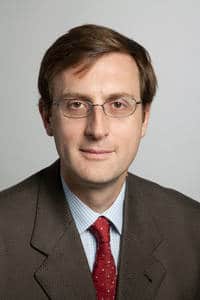 Dr. Dangas[/caption]
Dr. George Dangas MD PhD
Professor of Medicine, Cardiology
Mount Sinai Health System
MedicalResearch.com: What is the background for this study?
Response: Widespread use of statins targeted to decrease levels of low density lipoprotein cholesterol (LDL-C) below 70mg/dL are recommended by guidelines. However, residual cholesterol risk may only be one part of the residual risk equation. Indeed, Biological inflammation has long been known as a pathophysiological mechanism of atherosclerosis and the recent CANTOS trial opened new therapeutic perspective by demonstrating that inflammation modulation via selective interleukin-1β inhibition could result in improved diagnosis in patients with coronary artery disease.
However, the prevalence and impact of a residual inflammatory biological syndrome in patients with controlled cholesterol risk is unclear.
Dr. Dangas[/caption]
Dr. George Dangas MD PhD
Professor of Medicine, Cardiology
Mount Sinai Health System
MedicalResearch.com: What is the background for this study?
Response: Widespread use of statins targeted to decrease levels of low density lipoprotein cholesterol (LDL-C) below 70mg/dL are recommended by guidelines. However, residual cholesterol risk may only be one part of the residual risk equation. Indeed, Biological inflammation has long been known as a pathophysiological mechanism of atherosclerosis and the recent CANTOS trial opened new therapeutic perspective by demonstrating that inflammation modulation via selective interleukin-1β inhibition could result in improved diagnosis in patients with coronary artery disease.
However, the prevalence and impact of a residual inflammatory biological syndrome in patients with controlled cholesterol risk is unclear.
 Prof. Curzen[/caption]
Prof. Nick Curzen BM(Hons) PhD FRCP
Professor of Interventional Cardiology/Consultant Cardiologist
University Hospital Southampton
Southampton
MedicalResearch.com: What is the background for this study?
Response: The commonest blood test now used to assess whether a patient has had a heart attack or not is called high sensitivity troponin (hs trop). The test is supplied with an Upper Limit of Normal, which is based upon results from relatively healthy people. When doctors take the hs trop, they then use this ULN to decide if the patient had has a heart attack.
This study set out to see what the hs trop level is in a large number of patients attending the hospital for any reason, either inpatient or outpatient, in most of whom there was no clinical suspicion of heart attack at all. We therefore took hs trop measurements on 20,000 consecutive patients attending our hospital and having a blood sample for any reason.
Prof. Curzen[/caption]
Prof. Nick Curzen BM(Hons) PhD FRCP
Professor of Interventional Cardiology/Consultant Cardiologist
University Hospital Southampton
Southampton
MedicalResearch.com: What is the background for this study?
Response: The commonest blood test now used to assess whether a patient has had a heart attack or not is called high sensitivity troponin (hs trop). The test is supplied with an Upper Limit of Normal, which is based upon results from relatively healthy people. When doctors take the hs trop, they then use this ULN to decide if the patient had has a heart attack.
This study set out to see what the hs trop level is in a large number of patients attending the hospital for any reason, either inpatient or outpatient, in most of whom there was no clinical suspicion of heart attack at all. We therefore took hs trop measurements on 20,000 consecutive patients attending our hospital and having a blood sample for any reason.