

 Dr. Weaver[/caption]
Dr Matthew D Weaver M.P.H., Ph.D.
Division of Sleep and Circadian Disorders
Departments of Medicine and Neurology
Brigham and Women's Hospital
Boston, Massachusetts
MedicalResearch.com: What is the background for this study?
Response: The name “resident” stems from the historical practice of resident-physicians residing in hospitals as part of their training. Even after that practice abated, it was common for resident physicians to work 36 consecutive hours followed by 12 or fewer hours of rest. In 1989, the state of New York restricted resident physicians to work no more than 24 consecutive hours and no more than 80 hours per week as part of collective intervention to improve patient safety. The Accreditation Council for Graduate Medical Education (ACGME) then followed in 2003 by limiting work hours to an average of 80 per week over a month and no more than 30 consecutive hours of work.
Evidence accumulated demonstrating an association between shifts lasting ≥24 hours and adverse resident and patient safety. As a result, the Institute of Medicine convened a review and report on the issue, ultimately concluding that no resident should work more than 16 consecutive hours without sleep. This recommendation, combined with evidence following the 2003 rules, led the ACGME to issue new rules in 2011 that limited first-year resident physicians to work no more than 16 consecutive hours.
Our study compares resident-reported patient safety outcomes before and after this 2011 policy change.
Dr. Weaver[/caption]
Dr Matthew D Weaver M.P.H., Ph.D.
Division of Sleep and Circadian Disorders
Departments of Medicine and Neurology
Brigham and Women's Hospital
Boston, Massachusetts
MedicalResearch.com: What is the background for this study?
Response: The name “resident” stems from the historical practice of resident-physicians residing in hospitals as part of their training. Even after that practice abated, it was common for resident physicians to work 36 consecutive hours followed by 12 or fewer hours of rest. In 1989, the state of New York restricted resident physicians to work no more than 24 consecutive hours and no more than 80 hours per week as part of collective intervention to improve patient safety. The Accreditation Council for Graduate Medical Education (ACGME) then followed in 2003 by limiting work hours to an average of 80 per week over a month and no more than 30 consecutive hours of work.
Evidence accumulated demonstrating an association between shifts lasting ≥24 hours and adverse resident and patient safety. As a result, the Institute of Medicine convened a review and report on the issue, ultimately concluding that no resident should work more than 16 consecutive hours without sleep. This recommendation, combined with evidence following the 2003 rules, led the ACGME to issue new rules in 2011 that limited first-year resident physicians to work no more than 16 consecutive hours.
Our study compares resident-reported patient safety outcomes before and after this 2011 policy change.
 Dr. Qumseya[/caption]
Bashar J. Qumseya, MD, MPH, FASGE
Associate Professor of Medicine
Chief of Endoscopy
University of Florida, Gainesville
MedicalResearch.com: What is the background for this study? What are the main findings?
Response: Barrett’s esophagus (BE), is a premalignant condition that can lead to esophageal cancer (called esophageal adenocarcinoma). Both diseases have historically been thought of as diseases of elderly white males.
While both diseases have been on the rise in the elderly population, we noted that some cancers are becoming more common at younger ages. We wanted to see if the prevalence of BE and EC are increasing at younger ages. We aimed to assess the prevalence of BE in and EAC based on age group in a large database of over 5 million patients.
Dr. Qumseya[/caption]
Bashar J. Qumseya, MD, MPH, FASGE
Associate Professor of Medicine
Chief of Endoscopy
University of Florida, Gainesville
MedicalResearch.com: What is the background for this study? What are the main findings?
Response: Barrett’s esophagus (BE), is a premalignant condition that can lead to esophageal cancer (called esophageal adenocarcinoma). Both diseases have historically been thought of as diseases of elderly white males.
While both diseases have been on the rise in the elderly population, we noted that some cancers are becoming more common at younger ages. We wanted to see if the prevalence of BE and EC are increasing at younger ages. We aimed to assess the prevalence of BE in and EAC based on age group in a large database of over 5 million patients.
 Dr. Wijarnpreecha[/caption]
Karn Wijarnpreecha, MD, MPH
Lead researcher of the study
Transplant Hepatology Fellow
University of Michigan
MedicalResearch.com: What is the background for this study?
Response: Nonalcoholic fatty liver disease (NAFLD) can develop in persons who are not overweight or obese (“lean person with NAFLD”) and approximately 10-20% of NAFLD were lean. NAFLD is a multisystem diseases that associated with cardiovascular diseases, metabolic diseases (diabetes, hypertension, and dyslipidemia), or chronic kidney disease. Whether lean persons with NAFLD have lower prevalence of cirrhosis, CVD, CKD than non-lean persons with NAFLD remains inconclusive.
Dr. Wijarnpreecha[/caption]
Karn Wijarnpreecha, MD, MPH
Lead researcher of the study
Transplant Hepatology Fellow
University of Michigan
MedicalResearch.com: What is the background for this study?
Response: Nonalcoholic fatty liver disease (NAFLD) can develop in persons who are not overweight or obese (“lean person with NAFLD”) and approximately 10-20% of NAFLD were lean. NAFLD is a multisystem diseases that associated with cardiovascular diseases, metabolic diseases (diabetes, hypertension, and dyslipidemia), or chronic kidney disease. Whether lean persons with NAFLD have lower prevalence of cirrhosis, CVD, CKD than non-lean persons with NAFLD remains inconclusive.
 Dr. Hoshida[/caption]
Yujin Hoshida, MD, PhD
Director, Liver Tumor Translational Research Program
CPRIT Scholar in Cancer Research
Harold C. Simmons Comprehensive Cancer Center
Professor of Internal Medicine
Division of Digestive and Liver Diseases, Department of Internal Medicine
University of Texas Southwestern Medical Center
MedicalResearch.com: What is the background for this study?
Response: Liver cancer is the fastest rising cause of cancer-related death in the U.S. with the sharply growing epidemic of obesity and non-alcoholic fatty liver disease. Late diagnosis at advanced stage is the main reason for the poor survival of liver cancer patients. Therefore, professional societies recommend semi-annual liver cancer screening for early diagnosis. However, it's practically infeasible due to the vast size of patient population (estimated to affect one-fourth of population).
Thus, we urgently need tools to identify a small subset of patients with elevated liver cancer risk, on which we can concentrate our effort of screening.
Dr. Hoshida[/caption]
Yujin Hoshida, MD, PhD
Director, Liver Tumor Translational Research Program
CPRIT Scholar in Cancer Research
Harold C. Simmons Comprehensive Cancer Center
Professor of Internal Medicine
Division of Digestive and Liver Diseases, Department of Internal Medicine
University of Texas Southwestern Medical Center
MedicalResearch.com: What is the background for this study?
Response: Liver cancer is the fastest rising cause of cancer-related death in the U.S. with the sharply growing epidemic of obesity and non-alcoholic fatty liver disease. Late diagnosis at advanced stage is the main reason for the poor survival of liver cancer patients. Therefore, professional societies recommend semi-annual liver cancer screening for early diagnosis. However, it's practically infeasible due to the vast size of patient population (estimated to affect one-fourth of population).
Thus, we urgently need tools to identify a small subset of patients with elevated liver cancer risk, on which we can concentrate our effort of screening.
 Dr. Kirkham[/caption]
Dr. Amy Kirkham, PhD
Assistant Professor of Clinical Cardiovascular Health
Faculty of Kinesiology & Physical Education
University of Toronto
Affiliate Scientist at Toronto Rehabilitation Institute
MedicalResearch.com: What is the background for this study?
Response: Women who have had a breast cancer diagnosis are at least two-fold and often higher risk of cardiovascular or heart disease compared to women without a history of breast cancer. Older age, higher body mass index, and receipt of chemotherapy treatment that can injure the heart are risk factors for cardiovascular death after a breast cancer diagnosis.
Time-restricted eating is a type of intermittent fasting that appears to be easy to follow and to improve some measures of metabolic health but has not been studied in populations with a cancer history. Time-restricted eating simply involves consuming all calorie intake within a specific time window, commonly 8 hours, like between 12 and 8 pm, and then only consuming water or black coffee outside of those hours.
We enrolled breast cancer survivors who were aged 60 or older, had an overweight or obese mass index, and were finished chemotherapy treatment in a single-arm trial of time-restricted eating for 8 weeks. We asked participants to restrict their calorie intake between 12 and 8 pm from Monday to Friday with no restrictions on weekend and no further instructions on what to eat.
Dr. Kirkham[/caption]
Dr. Amy Kirkham, PhD
Assistant Professor of Clinical Cardiovascular Health
Faculty of Kinesiology & Physical Education
University of Toronto
Affiliate Scientist at Toronto Rehabilitation Institute
MedicalResearch.com: What is the background for this study?
Response: Women who have had a breast cancer diagnosis are at least two-fold and often higher risk of cardiovascular or heart disease compared to women without a history of breast cancer. Older age, higher body mass index, and receipt of chemotherapy treatment that can injure the heart are risk factors for cardiovascular death after a breast cancer diagnosis.
Time-restricted eating is a type of intermittent fasting that appears to be easy to follow and to improve some measures of metabolic health but has not been studied in populations with a cancer history. Time-restricted eating simply involves consuming all calorie intake within a specific time window, commonly 8 hours, like between 12 and 8 pm, and then only consuming water or black coffee outside of those hours.
We enrolled breast cancer survivors who were aged 60 or older, had an overweight or obese mass index, and were finished chemotherapy treatment in a single-arm trial of time-restricted eating for 8 weeks. We asked participants to restrict their calorie intake between 12 and 8 pm from Monday to Friday with no restrictions on weekend and no further instructions on what to eat.
 Dr. Talasaz[/caption]
AmirAli Talasaz Ph.D.
co-CEO, Guardant Health
MedicalResearch.com: What is the background for this announcement?
Response: On May 2, Guardant Health announced the availability of Shield™, our first blood-based test for the detection of early-stage colorectal cancer (CRC).
Colorectal cancer is the second-leading cause of cancer deaths in the U.S., so this announcement represents a tremendous public health opportunity.
Here’s why: This new test will help people identify more CRC at its earliest stages, when it is most treatable. It offers an accurate, easy-to-complete, blood-based approach to CRC screening. It can be completed with a convenient blood draw during any healthcare provider visit.
Dr. Talasaz[/caption]
AmirAli Talasaz Ph.D.
co-CEO, Guardant Health
MedicalResearch.com: What is the background for this announcement?
Response: On May 2, Guardant Health announced the availability of Shield™, our first blood-based test for the detection of early-stage colorectal cancer (CRC).
Colorectal cancer is the second-leading cause of cancer deaths in the U.S., so this announcement represents a tremendous public health opportunity.
Here’s why: This new test will help people identify more CRC at its earliest stages, when it is most treatable. It offers an accurate, easy-to-complete, blood-based approach to CRC screening. It can be completed with a convenient blood draw during any healthcare provider visit.
 Prof. Richeldi[/caption]
Professor Luca Richeldi MD PhD
Chair and Head, Division of Pulmonary Medicine
Gemelli University Hospital - IRCCS
Catholic University of the Sacred Heart
Rome
MedicalResearch.com: What is the background for this study? Would you briefly explain the condition of Idiopathic Pulmonary Fibrosis?
Response: As you may know, Idiopathic pulmonary fibrosis (IPF) is a progressive, irreversible lung disease with high mortality. IPF is one of the more common forms of progressive fibrosing interstitial lung diseases and its symptoms of IPF include breathlessness during activity, a dry and persistent cough, chest discomfort, fatigue and weakness. IPF is considered a “rare” disease, but it affects more than 3 million people worldwide. Currently, there are two approved antifibrotic drugs that slow, but do not stop, the progression of fibrosis. Therefore, there is a need for additional treatments that can be used alone or with existing antifibrotic therapies.
Pre-clinical research indicated that phosphodiesterase 4 (PDE4) inhibition is associated with anti-inflammatory and antifibrotic effects that may be beneficial in patients with idiopathic pulmonary fibrosis.
In this Phase 2, double-blind, placebo-controlled trial, we investigated the efficacy and safety of BI 1015550, an oral preferential inhibitor of the PDE4B subtype, in patients with IPF. Patients were randomly assigned in a 2:1 ratio to receive BI 1015550 at a dose of 18 mg twice daily or placebo.
Prof. Richeldi[/caption]
Professor Luca Richeldi MD PhD
Chair and Head, Division of Pulmonary Medicine
Gemelli University Hospital - IRCCS
Catholic University of the Sacred Heart
Rome
MedicalResearch.com: What is the background for this study? Would you briefly explain the condition of Idiopathic Pulmonary Fibrosis?
Response: As you may know, Idiopathic pulmonary fibrosis (IPF) is a progressive, irreversible lung disease with high mortality. IPF is one of the more common forms of progressive fibrosing interstitial lung diseases and its symptoms of IPF include breathlessness during activity, a dry and persistent cough, chest discomfort, fatigue and weakness. IPF is considered a “rare” disease, but it affects more than 3 million people worldwide. Currently, there are two approved antifibrotic drugs that slow, but do not stop, the progression of fibrosis. Therefore, there is a need for additional treatments that can be used alone or with existing antifibrotic therapies.
Pre-clinical research indicated that phosphodiesterase 4 (PDE4) inhibition is associated with anti-inflammatory and antifibrotic effects that may be beneficial in patients with idiopathic pulmonary fibrosis.
In this Phase 2, double-blind, placebo-controlled trial, we investigated the efficacy and safety of BI 1015550, an oral preferential inhibitor of the PDE4B subtype, in patients with IPF. Patients were randomly assigned in a 2:1 ratio to receive BI 1015550 at a dose of 18 mg twice daily or placebo.


 Dr. Clarke[/caption]
Megan Clarke, Ph.D., M.H.S.,
Earl Stadtman Investigator
Division of Cancer Epidemiology and Genetics
National Cancer Institute
MedicalResearch.com: What is the background for this study?
Dr. Clarke[/caption]
Megan Clarke, Ph.D., M.H.S.,
Earl Stadtman Investigator
Division of Cancer Epidemiology and Genetics
National Cancer Institute
MedicalResearch.com: What is the background for this study?

 Dr. Piantino[/caption]
Juan Piantino, M.D., MCR
Assistant Professor of Pediatrics
Division of Neurology, School of Medicine
Director, Inpatient Child Neurology
Oregon Health Sciences University
MedicalResearch.com: What is the background for this study?
Response: Astronauts are exposed to several stressors during spaceflight, including radiation, lack of gravity, and sleep deprivation. The effects of those stressors on the brain remain unknown. Is it safe to travel to space? For how long can humans survive in space? What are the effects of spending months under zero gravity? With more extended missions, and an increased number of civilians traveling to space, there is increased interest in understanding what happens to our brains when we leave earth.
Dr. Piantino[/caption]
Juan Piantino, M.D., MCR
Assistant Professor of Pediatrics
Division of Neurology, School of Medicine
Director, Inpatient Child Neurology
Oregon Health Sciences University
MedicalResearch.com: What is the background for this study?
Response: Astronauts are exposed to several stressors during spaceflight, including radiation, lack of gravity, and sleep deprivation. The effects of those stressors on the brain remain unknown. Is it safe to travel to space? For how long can humans survive in space? What are the effects of spending months under zero gravity? With more extended missions, and an increased number of civilians traveling to space, there is increased interest in understanding what happens to our brains when we leave earth.


 Dr. Ogedegbe[/caption]
MedicalResearch.com Interview with:
Gbenga Ogedegbe, MD, MPH
Dr. Adolph & Margaret Berger Professor of Population Health
Director, Division of Health & Behavior
Director Center for Healthful Behavior Change
Department of Population Health
NYU Langone Health
NYU School of Medicine
Member of the U.S. Preventive Services Task Force
MedicalResearch.com: What is the background for this study? What are the main findings?
Response: Heart disease and stroke are the leading causes of mortality in the United States, accounting for more than one in four deaths.
Taking a daily aspirin may help prevent a first heart attack or stroke in some people, but it can also cause some harm, like internal bleeding. The decision on whether or not to start taking a daily aspirin should be based primarily on age, but cardiovascular disease risk, a person’s chances of bleeding, and other factors should also be taken into account.
Dr. Ogedegbe[/caption]
MedicalResearch.com Interview with:
Gbenga Ogedegbe, MD, MPH
Dr. Adolph & Margaret Berger Professor of Population Health
Director, Division of Health & Behavior
Director Center for Healthful Behavior Change
Department of Population Health
NYU Langone Health
NYU School of Medicine
Member of the U.S. Preventive Services Task Force
MedicalResearch.com: What is the background for this study? What are the main findings?
Response: Heart disease and stroke are the leading causes of mortality in the United States, accounting for more than one in four deaths.
Taking a daily aspirin may help prevent a first heart attack or stroke in some people, but it can also cause some harm, like internal bleeding. The decision on whether or not to start taking a daily aspirin should be based primarily on age, but cardiovascular disease risk, a person’s chances of bleeding, and other factors should also be taken into account.

 Prof. McManus[/caption]
Richard McManus MA PhD MBBS FRCGP FRCP
Professor of Primary Care
Dr. McManus chairs the Blood Pressure Monitoring Working Party
of the British Hypertension Society
Nuffield Department of Primary Care Health Sciences
MedicalResearch.com: What is the background for this study?
Response: About one in ten people who are pregnant develop high blood pressure and almost half of these go onto to have pre-eclampsia. Many pregnant women and individuals are already measuring their own blood pressure – well over half of those with high blood pressure in a recent large survey in the UK but until recently there were no data to support this.
Prof. McManus[/caption]
Richard McManus MA PhD MBBS FRCGP FRCP
Professor of Primary Care
Dr. McManus chairs the Blood Pressure Monitoring Working Party
of the British Hypertension Society
Nuffield Department of Primary Care Health Sciences
MedicalResearch.com: What is the background for this study?
Response: About one in ten people who are pregnant develop high blood pressure and almost half of these go onto to have pre-eclampsia. Many pregnant women and individuals are already measuring their own blood pressure – well over half of those with high blood pressure in a recent large survey in the UK but until recently there were no data to support this.

 Dr. Georgiou[/caption]
Archelle Georgiou, MD
Chief Health Officer for Starkey
Starkey Hearing Technologies
Eden Prairie, Minnesota
MedicalResearch.com: What is the background for this study?
Response: In August 2021, Starkey introduced a vaccination incentive program for employees in the U.S. to provide education on COVID-19 and encourage vaccinations. The program encouraged employees to watch and acknowledge online educational information and report their vaccination status. Those fully vaccinated and who submitted proof of vaccination by September 2021, including employees who were vaccinated prior to the incentive announcement, received $1,000.
Dr. Georgiou[/caption]
Archelle Georgiou, MD
Chief Health Officer for Starkey
Starkey Hearing Technologies
Eden Prairie, Minnesota
MedicalResearch.com: What is the background for this study?
Response: In August 2021, Starkey introduced a vaccination incentive program for employees in the U.S. to provide education on COVID-19 and encourage vaccinations. The program encouraged employees to watch and acknowledge online educational information and report their vaccination status. Those fully vaccinated and who submitted proof of vaccination by September 2021, including employees who were vaccinated prior to the incentive announcement, received $1,000.

 Dr. Vashi[/caption]
Dr. Neelam Vashi MD
Director of the Boston University Center for Ethnic Skin
Dermatologist at Boston Medical Center, and
[caption id="attachment_59079" align="alignleft" width="100"]
Dr. Vashi[/caption]
Dr. Neelam Vashi MD
Director of the Boston University Center for Ethnic Skin
Dermatologist at Boston Medical Center, and
[caption id="attachment_59079" align="alignleft" width="100"] Dr. De La Garza[/caption]
Dr. Henriette De La Garza MD
Research fellow
Boston University School of Medicine
MedicalResearch.com: What is the background for this study?
Response: The COVID-19 pandemic abruptly shifted many of our daily activities to an online world, dramatically increasing the use of electronic devices. Although visible light exposure from screens is small compared with the amount of exposure from the sun, there is concern about the long-term effects of excessive screen time. Recent studies have demonstrated that exposure to light emitted from electronic devices, even for as little as 1 hour, may cause reactive oxygen species generation, apoptosis, collagen degradation, and necrosis of skin cells. Visible light increases tyrosinase activity and induces immediate erythema in light-skinned individuals and long-lasting pigmentation in dark-skinned individuals. In recent years, tinted sunscreens have been rising in popularity because they are an effective and convenient way to protect against high-energy visible light while providing cosmetic benefits. The purpose of this analysis was to study current available options and product factors that may influence consumer preference when choosing a tinted sunscreen so dermatologists can improve their familiarity with available products and tailor their recommendations to patients with all skin tones.
Dr. De La Garza[/caption]
Dr. Henriette De La Garza MD
Research fellow
Boston University School of Medicine
MedicalResearch.com: What is the background for this study?
Response: The COVID-19 pandemic abruptly shifted many of our daily activities to an online world, dramatically increasing the use of electronic devices. Although visible light exposure from screens is small compared with the amount of exposure from the sun, there is concern about the long-term effects of excessive screen time. Recent studies have demonstrated that exposure to light emitted from electronic devices, even for as little as 1 hour, may cause reactive oxygen species generation, apoptosis, collagen degradation, and necrosis of skin cells. Visible light increases tyrosinase activity and induces immediate erythema in light-skinned individuals and long-lasting pigmentation in dark-skinned individuals. In recent years, tinted sunscreens have been rising in popularity because they are an effective and convenient way to protect against high-energy visible light while providing cosmetic benefits. The purpose of this analysis was to study current available options and product factors that may influence consumer preference when choosing a tinted sunscreen so dermatologists can improve their familiarity with available products and tailor their recommendations to patients with all skin tones.
 Sarah Rock[/caption]
Sarah Rock, MPH
PhD student, Department of Population and Public Health Sciences
Keck School of Medicine
University of Southern California
MedicalResearch.com: What is the background for this study? What are the main findings?
Response: Per- and polyfluoroalkyl substances (PFAS) are persistent, man-made chemicals widely used in industry and consumer products. Exposure to these chemicals has been linked to multiple disease outcomes including cancer, glucose dysregulation, and as reported in the current study, liver injury. We compiled results from more than 100PFAS studies in humans and rodents and found consistent evidence that PFAS are related to liver injury.
Sarah Rock[/caption]
Sarah Rock, MPH
PhD student, Department of Population and Public Health Sciences
Keck School of Medicine
University of Southern California
MedicalResearch.com: What is the background for this study? What are the main findings?
Response: Per- and polyfluoroalkyl substances (PFAS) are persistent, man-made chemicals widely used in industry and consumer products. Exposure to these chemicals has been linked to multiple disease outcomes including cancer, glucose dysregulation, and as reported in the current study, liver injury. We compiled results from more than 100PFAS studies in humans and rodents and found consistent evidence that PFAS are related to liver injury.
 Dr. Blankson[/caption]
Joel Blankson MD, PhD
Professor of Medicine
Johns Hopkins Medicine
MedicalResearch.com: What is the background for this study?
Response: We analyzed patients who were fully vaccinated and boosted but developed breakthrough infections during the Omicron surge.
Dr. Blankson[/caption]
Joel Blankson MD, PhD
Professor of Medicine
Johns Hopkins Medicine
MedicalResearch.com: What is the background for this study?
Response: We analyzed patients who were fully vaccinated and boosted but developed breakthrough infections during the Omicron surge.
 Dr. Nogueira[/caption]
Leticia Nogueira, PhD, MPH
Senior Principal Scientist, Health Services Research
American Cancer Society, Inc.
Kennesaw, GA 30144
MedicalResearch.com: What is the background for this study?
Response: Proton Beam Therapy (PBT) can deliver higher dose of radiation to the tumor with less damage to surrounding healthy cells. Therefore, PBT is potentially superior to photon-based radiation therapy to treat tumors with complex anatomy, surrounded by sensitive tissues, or for treating childhood cancer (where long-term side effects of radiation therapy are a main concern). However, PBT can cost twice as much as photon-based radiation therapy.
Dr. Nogueira[/caption]
Leticia Nogueira, PhD, MPH
Senior Principal Scientist, Health Services Research
American Cancer Society, Inc.
Kennesaw, GA 30144
MedicalResearch.com: What is the background for this study?
Response: Proton Beam Therapy (PBT) can deliver higher dose of radiation to the tumor with less damage to surrounding healthy cells. Therefore, PBT is potentially superior to photon-based radiation therapy to treat tumors with complex anatomy, surrounded by sensitive tissues, or for treating childhood cancer (where long-term side effects of radiation therapy are a main concern). However, PBT can cost twice as much as photon-based radiation therapy.
 Dr. Wu[/caption]
Pensée Wu, MBChB, MD(Res)
Senior Lecturer, Honorary Consultant Obstetrician
Subspecialist in Maternal Fetal Medicine
School of Medicine, Keele University
Staffordshire, UK
MedicalResearch.com: What is the background for this study? What are the main findings?
Response: We looked at outcomes in pregnancies conceived with assisted reproductive technology and compared those with pregnancies that were conceived naturally.
Using a hospital admissions database in the U.S. called the National inpatient sample between 2008 and 2016, we included >100,000 pregnancies conceived with assisted reproductive technology and 34 million naturally conceived pregnancies.
We found that women with assisted reproductive technology-conceived pregnancies had doubled the risk of acute kidney injury and arrhythmias (irregular heart beats). These women also had a 1-3-1.6-fold risk of preterm birth, Caesarean delivery and placental abruption (placenta separating from the womb).
We concluded that women should be informed of these risks during pre-pregnancy counselling.
Dr. Wu[/caption]
Pensée Wu, MBChB, MD(Res)
Senior Lecturer, Honorary Consultant Obstetrician
Subspecialist in Maternal Fetal Medicine
School of Medicine, Keele University
Staffordshire, UK
MedicalResearch.com: What is the background for this study? What are the main findings?
Response: We looked at outcomes in pregnancies conceived with assisted reproductive technology and compared those with pregnancies that were conceived naturally.
Using a hospital admissions database in the U.S. called the National inpatient sample between 2008 and 2016, we included >100,000 pregnancies conceived with assisted reproductive technology and 34 million naturally conceived pregnancies.
We found that women with assisted reproductive technology-conceived pregnancies had doubled the risk of acute kidney injury and arrhythmias (irregular heart beats). These women also had a 1-3-1.6-fold risk of preterm birth, Caesarean delivery and placental abruption (placenta separating from the womb).
We concluded that women should be informed of these risks during pre-pregnancy counselling.
 Dr. O'Brien[/caption]
Katie M. O’Brien PhD
Chronic Disease Epidemiology Group
National Institute of Environmental Health Sciences
MedicalResearch.com: What is the background for this study? What are the main findings?
Response: Vitamin D may protect against breast cancer. Although women of color have lower average vitamin D levels than non-Hispanic White women, few studies have considered the role of race/ethnicity.
In a sample of self-identified Black/African American and Hispanic/Latina women, we observed that vitamin D concentrations measured in blood were inversely associated with breast cancer, particularly among Latinas.
These findings indicate that vitamin D may protect against breast cancer, including among racial/ethnic groups with low average circulating levels.
Dr. O'Brien[/caption]
Katie M. O’Brien PhD
Chronic Disease Epidemiology Group
National Institute of Environmental Health Sciences
MedicalResearch.com: What is the background for this study? What are the main findings?
Response: Vitamin D may protect against breast cancer. Although women of color have lower average vitamin D levels than non-Hispanic White women, few studies have considered the role of race/ethnicity.
In a sample of self-identified Black/African American and Hispanic/Latina women, we observed that vitamin D concentrations measured in blood were inversely associated with breast cancer, particularly among Latinas.
These findings indicate that vitamin D may protect against breast cancer, including among racial/ethnic groups with low average circulating levels.

 Dr. Stern[/caption]
Robert A. Stern, Ph.D.
Professor of Neurology, Neurosurgery, and Anatomy & Neurobiology
Director of Clinical Research, BU CTE Center
Senior Investigator, BU Alzheimer’s Disease Research Center
Boston University School of Medicine
MedicalResearch.com: What is the background for this study?
Response: The link between playing American football at the professional level and later-life brain disorders like chronic traumatic encephalopathy – or CTE -- and ALS has received increasing attention over the past 15 years. Previous research has shown that former NFL players are more likely to die from CTE and amyotrophic lateral sclerosis (ALS) and more likely to report cognitive impairment, behavioral changes, and dementia during life. Despite previous research focusing on the later-life effects of playing American football at the professional level, the long-term effects of college football participation remain largely unknown.
We had two goals for this new investigation. The first was to conduct a survey of the current overall health status, including cognitive and other neurological disorders, of older former college American football players compared with men in the general population. The second goal was to examine the mortality rate and causes of death in a cohort of older former college football players. The target population for this study was all 447 former Notre Dame football players who were listed as seniors on the varsity rosters during the 1964-1980 seasons. This was the era of legendary coaches Ara Parseghian and Dan Devine. I should add that this study was fully independent of the University of Notre Dame.
Dr. Stern[/caption]
Robert A. Stern, Ph.D.
Professor of Neurology, Neurosurgery, and Anatomy & Neurobiology
Director of Clinical Research, BU CTE Center
Senior Investigator, BU Alzheimer’s Disease Research Center
Boston University School of Medicine
MedicalResearch.com: What is the background for this study?
Response: The link between playing American football at the professional level and later-life brain disorders like chronic traumatic encephalopathy – or CTE -- and ALS has received increasing attention over the past 15 years. Previous research has shown that former NFL players are more likely to die from CTE and amyotrophic lateral sclerosis (ALS) and more likely to report cognitive impairment, behavioral changes, and dementia during life. Despite previous research focusing on the later-life effects of playing American football at the professional level, the long-term effects of college football participation remain largely unknown.
We had two goals for this new investigation. The first was to conduct a survey of the current overall health status, including cognitive and other neurological disorders, of older former college American football players compared with men in the general population. The second goal was to examine the mortality rate and causes of death in a cohort of older former college football players. The target population for this study was all 447 former Notre Dame football players who were listed as seniors on the varsity rosters during the 1964-1980 seasons. This was the era of legendary coaches Ara Parseghian and Dan Devine. I should add that this study was fully independent of the University of Notre Dame.
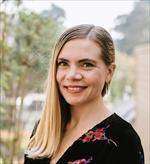 Dr. Kornblith[/caption]
Erica Kornblith, PhD
Assistant Professor, Psychiatry
UCSF Weill Institute for Neurosciences
MedicalResearch.com: What is the background for this study? What are the main findings?
Response: As the population of the United States grows more diverse and dementia is a serious public health concern, we hoped to understand whether differences in dementia risk exist based on race or ethnicity. Older studies have shown that Black and Hispanic folks have higher risk of dementia, perhaps due to medical risk factors, diagnostic bias, lack of equal access to health care and education, or the health effects of racism, among other factors. However, these older studies have been small or limited geographically or by only studying a few race and ethnicity groups. Our study used a nationwide sample of almost two million older Veterans who all had access to care through the Veterans Health Administration (VHA), and we examined 5 race or ethnicity groups: American Indians or Alaska Natives, Asians, Blacks, Hispanics, and Whites.
Our results show that dementia risk is higher for Black and Hispanic Veterans compared to white Veterans, even when education and medical factors are considered.
Dr. Kornblith[/caption]
Erica Kornblith, PhD
Assistant Professor, Psychiatry
UCSF Weill Institute for Neurosciences
MedicalResearch.com: What is the background for this study? What are the main findings?
Response: As the population of the United States grows more diverse and dementia is a serious public health concern, we hoped to understand whether differences in dementia risk exist based on race or ethnicity. Older studies have shown that Black and Hispanic folks have higher risk of dementia, perhaps due to medical risk factors, diagnostic bias, lack of equal access to health care and education, or the health effects of racism, among other factors. However, these older studies have been small or limited geographically or by only studying a few race and ethnicity groups. Our study used a nationwide sample of almost two million older Veterans who all had access to care through the Veterans Health Administration (VHA), and we examined 5 race or ethnicity groups: American Indians or Alaska Natives, Asians, Blacks, Hispanics, and Whites.
Our results show that dementia risk is higher for Black and Hispanic Veterans compared to white Veterans, even when education and medical factors are considered.
 Dr. Miller[/caption]
Michael B. Miller, MD, PhD
Instructor, Harvard Medical School
Department of Pathology
Brigham and Women's Hospital
MedicalResearch.com: What is the background for this study? Would you explain what is meant by somatic genetic changes and how they might occur?
Response: Changes, also called mutations, in the DNA sequence of genes can be passed from parents to their children, and explain why many diseases run in families. This kind of DNA change is called a germline mutation and is present in every cell in a person’s body. Gene mutations can also occur in a subset of cells of a person, in which case they are called somatic mutations. Somatic mutations are well known as a cause of cancer, and recent research has found that somatic mutations can also happen in non-cancerous cells that appear otherwise normal. Recent studies have even found that somatic mutations are present in neurons, cells in the brain that transmit electrical signals and play an important role in how the brain functions. Furthermore, in neurons, somatic mutations increase with age, so we set out to understand if somatic mutations might be playing a role in age-related brain diseases like Alzheimer’s.
Dr. Miller[/caption]
Michael B. Miller, MD, PhD
Instructor, Harvard Medical School
Department of Pathology
Brigham and Women's Hospital
MedicalResearch.com: What is the background for this study? Would you explain what is meant by somatic genetic changes and how they might occur?
Response: Changes, also called mutations, in the DNA sequence of genes can be passed from parents to their children, and explain why many diseases run in families. This kind of DNA change is called a germline mutation and is present in every cell in a person’s body. Gene mutations can also occur in a subset of cells of a person, in which case they are called somatic mutations. Somatic mutations are well known as a cause of cancer, and recent research has found that somatic mutations can also happen in non-cancerous cells that appear otherwise normal. Recent studies have even found that somatic mutations are present in neurons, cells in the brain that transmit electrical signals and play an important role in how the brain functions. Furthermore, in neurons, somatic mutations increase with age, so we set out to understand if somatic mutations might be playing a role in age-related brain diseases like Alzheimer’s.
 Dr. Vassy[/caption]
Jason Vassy, MD, MPH
Brigham and Women's Hospital
Division of General Internal Medicine & Primary Care
Brigham’s Precision Population Health at Ariadne Labs
and VA Boston
MedicalResearch.com: What is the background for this study?
Response: A person’s risk of developing diseases such as type 2 diabetes or breast cancer may be influenced by thousands of genetic differences, the effects of which can be combined to derive a single score, often called a polygenic risk score (PRS). PRS might be useful to help patients and their physicians make tailored decisions about their health care, but several challenges to the clinical implementation of PRS remain. Most importantly, most PRS are less accurate in individuals of non-European descent, since most genomic research to date has been conducted in European populations.
Another key challenge is that physicians and patients will need support to understand polygenic risk score and use them to make medical decisions. Clinical guidelines do not yet exist to help a physician know whether and how they should treat a patient with a high-risk score differently than an average-risk patient. We designed the Genomic Medicine at VA (GenoVA) Study to address some of these challenges.
Dr. Vassy[/caption]
Jason Vassy, MD, MPH
Brigham and Women's Hospital
Division of General Internal Medicine & Primary Care
Brigham’s Precision Population Health at Ariadne Labs
and VA Boston
MedicalResearch.com: What is the background for this study?
Response: A person’s risk of developing diseases such as type 2 diabetes or breast cancer may be influenced by thousands of genetic differences, the effects of which can be combined to derive a single score, often called a polygenic risk score (PRS). PRS might be useful to help patients and their physicians make tailored decisions about their health care, but several challenges to the clinical implementation of PRS remain. Most importantly, most PRS are less accurate in individuals of non-European descent, since most genomic research to date has been conducted in European populations.
Another key challenge is that physicians and patients will need support to understand polygenic risk score and use them to make medical decisions. Clinical guidelines do not yet exist to help a physician know whether and how they should treat a patient with a high-risk score differently than an average-risk patient. We designed the Genomic Medicine at VA (GenoVA) Study to address some of these challenges.
 Dr. Nirmal[/caption]
Ajit Johnson Nirmal PhD
Instructor of Medicine, DFCI, HMS
Laboratory of systems pharmacology
Harvard Medical School
MedicalResearch.com: What is the background for this study?
Response: Like many other types of cancers, melanoma arises from gene mutations within cells that impact cell growth and division. These abnormal cells should be rapidly eliminated by our immune system, however, the failure to do so leads to the development of cancer. Hence researchers have long been interested to study the tumor environment that nurtures and sustains these dangerous cells. In the past, researchers have used single-cell technologies to delineate the cell types and cell states that make up the tumor microenvironment. However, the spatial relationships between these cell types and how they organize themselves such as to provide a favorable environment for the tumor to develop remains unknown.
In the last couple of years, researchers have developed a new suite of new technologies called spatial omics which includes CYCIF a method that was developed at Sorger lab. Using this method, we can not only measure the molecular information of cells at a single cell level but also their spatial context. This allows us to build a google map like view of the skin with melanoma and study what is exactly happening that allows the tumors to develop.
Dr. Nirmal[/caption]
Ajit Johnson Nirmal PhD
Instructor of Medicine, DFCI, HMS
Laboratory of systems pharmacology
Harvard Medical School
MedicalResearch.com: What is the background for this study?
Response: Like many other types of cancers, melanoma arises from gene mutations within cells that impact cell growth and division. These abnormal cells should be rapidly eliminated by our immune system, however, the failure to do so leads to the development of cancer. Hence researchers have long been interested to study the tumor environment that nurtures and sustains these dangerous cells. In the past, researchers have used single-cell technologies to delineate the cell types and cell states that make up the tumor microenvironment. However, the spatial relationships between these cell types and how they organize themselves such as to provide a favorable environment for the tumor to develop remains unknown.
In the last couple of years, researchers have developed a new suite of new technologies called spatial omics which includes CYCIF a method that was developed at Sorger lab. Using this method, we can not only measure the molecular information of cells at a single cell level but also their spatial context. This allows us to build a google map like view of the skin with melanoma and study what is exactly happening that allows the tumors to develop.
 Dr. Englisch[/caption]
Dr. med. univ. Cornelia Englisch
Medical University of Vienna
MedicalResearch.com: What is the background for this study?
Response: Patients with cancer are at high risk for developing venous thromboembolism (VTE). Venous thromboembolism includes deep vein thrombosis (DVT), when blood clots form in the deep veins of the legs and pulmonary embolism (PE), a potential life-threatening condition when a clot breaks free and lodges in the arteries of the lung.
Having a non-O blood type, meaning blood types A, AB or B, is a known risk factor for VTE in the general – non-cancer – population. Interestingly, it is the most common genetic risk factor for thrombosis.
If this is also the case in patients with cancer has not been clarified yet. We therefore wanted to assess the role of ABO blood type in cancer-associated thrombosis.
To achieve our goal, we utilized the dataset of the Vienna Cancer and Thrombosis Study (CATS); an observational cohort study including adult patients with active cancer.
Dr. Englisch[/caption]
Dr. med. univ. Cornelia Englisch
Medical University of Vienna
MedicalResearch.com: What is the background for this study?
Response: Patients with cancer are at high risk for developing venous thromboembolism (VTE). Venous thromboembolism includes deep vein thrombosis (DVT), when blood clots form in the deep veins of the legs and pulmonary embolism (PE), a potential life-threatening condition when a clot breaks free and lodges in the arteries of the lung.
Having a non-O blood type, meaning blood types A, AB or B, is a known risk factor for VTE in the general – non-cancer – population. Interestingly, it is the most common genetic risk factor for thrombosis.
If this is also the case in patients with cancer has not been clarified yet. We therefore wanted to assess the role of ABO blood type in cancer-associated thrombosis.
To achieve our goal, we utilized the dataset of the Vienna Cancer and Thrombosis Study (CATS); an observational cohort study including adult patients with active cancer.
 James H. Baraldi[/caption]
MedicalResearch.com Interview with:
James H. Baraldi
University of Pittsburgh
MedicalResearch.com: What is the background for this study?
Response: Researchers investigating pharmaceuticals and medical devices in randomized controlled trials (RCTs) often receive payments from the manufacturers of these investigational products. In many cases these payments are not dedicated to the express purpose of research, but rather consist of consulting fees and compensation for travel and lodging and food and beverage. As part of the 2010 Affordable Care Act, the US government passed the Physician Payment Sunshine Act to increase transparency of this type of funding. The law required manufacturers reimbursed by Medicare, Medicaid, or the Children’s Health Insurance Program to disclose to the Centers for Medicare and Medicaid Services information regarding investigator payments. This information became freely and publicly available on the Open Payments website with the earliest data from 2013. Not only have the pharmaceutical and medical device manufacturers disclosed the investigators’ payment information, but the investigators themselves have had to do so in accordance with the requirements of the journals in which they publish their findings or in accordance with the requirements of the International Committee of Medical Journal Editors (ICMJE).
James H. Baraldi[/caption]
MedicalResearch.com Interview with:
James H. Baraldi
University of Pittsburgh
MedicalResearch.com: What is the background for this study?
Response: Researchers investigating pharmaceuticals and medical devices in randomized controlled trials (RCTs) often receive payments from the manufacturers of these investigational products. In many cases these payments are not dedicated to the express purpose of research, but rather consist of consulting fees and compensation for travel and lodging and food and beverage. As part of the 2010 Affordable Care Act, the US government passed the Physician Payment Sunshine Act to increase transparency of this type of funding. The law required manufacturers reimbursed by Medicare, Medicaid, or the Children’s Health Insurance Program to disclose to the Centers for Medicare and Medicaid Services information regarding investigator payments. This information became freely and publicly available on the Open Payments website with the earliest data from 2013. Not only have the pharmaceutical and medical device manufacturers disclosed the investigators’ payment information, but the investigators themselves have had to do so in accordance with the requirements of the journals in which they publish their findings or in accordance with the requirements of the International Committee of Medical Journal Editors (ICMJE).
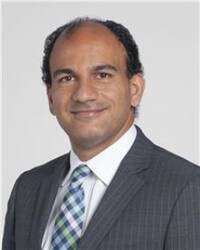 Amgad Mentias, MD MS FACC FESC
Assistant Professor, CCLCM
Section of Clinical Cardiology, Heart and Vascular Institute.
Cleveland, OH 44195
MedicalResearch.com: What is the background for this study?
Response: There is evidence that bariatric or weight loss surgery can decrease the risk of heart attack, stroke, and death in young and middle age patients with obesity and diabetes. However, the evidence is less clear for older patients and patients without diabetes. There is also no long-term data on outcomes of bariatric surgery in the Medicare beneficiaries.
So, in our study, we aimed to report long-term outcomes of bariatric surgery from a contemporary nationwide cohort from the US, while also looking into outcomes in patients older than 65 years, and patients without type 2 diabetes specifically.
Amgad Mentias, MD MS FACC FESC
Assistant Professor, CCLCM
Section of Clinical Cardiology, Heart and Vascular Institute.
Cleveland, OH 44195
MedicalResearch.com: What is the background for this study?
Response: There is evidence that bariatric or weight loss surgery can decrease the risk of heart attack, stroke, and death in young and middle age patients with obesity and diabetes. However, the evidence is less clear for older patients and patients without diabetes. There is also no long-term data on outcomes of bariatric surgery in the Medicare beneficiaries.
So, in our study, we aimed to report long-term outcomes of bariatric surgery from a contemporary nationwide cohort from the US, while also looking into outcomes in patients older than 65 years, and patients without type 2 diabetes specifically.