MedicalResearch.com Interview with:
[caption id="attachment_60529" align="alignleft" width="200"]

Dr. Hafezi-Moghadam[/caption]
Ali Hafezi-Moghadam, Ph.D., M.D
Director, Molecular Biomarkers Nano-Imaging Laboratory (MBNI)
Associate Professor of Radiology, Harvard Medical School
Brigham and Women’s Hospital
MedicalResearch.com: What is the background for this study?
Response: “It is very easy to answer many fundamental biological questions” said Richard Feynman in his 1959 address, where he also offered his simple and ingenious solution: “you just look at the thing!”
[1].
As a biologist, I am familiar with the challenges surrounding looking at things in the context of life. There is no single device or technology that lets me simply see the answers to my questions. How does diabetes harm the tissues in the body? When exactly does the pathology start and which molecules and cells are involved? Trying to answer these questions, I have spent the past two decades innovating new ways of quantifying expression of molecules in the living organism
[2].
At the same time to study diabetes, we needed a realistic rodent model that mirrors the human disease. In collaboration with KC Hayes
[3], we first introduced the Nile grass rat (NGR, Arvicanthis niloticus), a gerbil that recapitulates the main features of the human type 2 diabetes
[4]. For visualization of early changes, the eye offers a unique site. Much of my lab’s work focused on the first effects of diabetes in the retina, the site of the neurons that perceive light in the back of the eye
[5], [6], [7]. In recent studies, we focused on how diabetes affects the lens in the eye of our animals
[8], [9].
Diabetes is a major risk factor for cataract formation, a condition during which the lens loses its original transparency to visible light. How diabetic cataracts are formed is not well understood. A popular and prevailing theory, termed “sugar cataracts”, has been around for over half a century. According to the sugar hypothesis of cataracts, the excess levels of the sugar molecule, glucose, in the lens are transformed through the polyol pathway into the sugar-alcohol sorbitol. The resulting osmotic dysbalance leads to swelling of the fiber cells and opacity of the lens. Even though the sugar hypothesis has never been proven, it was generally accepted and remained unchallenged for a very long time. That is where our latest experimental results became relevant.


 Prof. Kaforou[/caption]
MedicalResearch.com Interview with:
Myrsini Kaforou, PhD
Senior Lecturer in Bioinformatics
Department of Infectious Disease
Imperial College London
MedicalResearch.com: What is the background for this study?
Response: Children very often present to hospital and clinics with fever, but fever is a non-specific disease symptom. The identification of the cause of fever poses a great challenge for the clinical teams worldwide. The available diagnostic tests are neither quick or accurate enough to fully base decisions on, such as withholding or administering antibiotics.
For example, cultures may take days or even weeks to provide a result.
In our research group, we are working on novel approach; instead of trying to identify the causative pathogen, which is often inaccurate or impossible, we are studying the genes in the patient's blood that are "switched on" or "switched off" during the infection or the disease in general. Using computational/bioinformatics methods, we are able to identify out of thousands of genes, the combinations of genes, "the biosignatures" for each disease. In the past we had shown that this approach works to distinguish bacterial from viral infection, or tuberculosis disease from other conditions that mimic its symptoms. But with this work we have shown for the first time that a single set of genes, a "single gene panel" can be used to discriminate between 6 broad and/or 18 specific infectious or inflammatory conditions that cause fever in children.
Prof. Kaforou[/caption]
MedicalResearch.com Interview with:
Myrsini Kaforou, PhD
Senior Lecturer in Bioinformatics
Department of Infectious Disease
Imperial College London
MedicalResearch.com: What is the background for this study?
Response: Children very often present to hospital and clinics with fever, but fever is a non-specific disease symptom. The identification of the cause of fever poses a great challenge for the clinical teams worldwide. The available diagnostic tests are neither quick or accurate enough to fully base decisions on, such as withholding or administering antibiotics.
For example, cultures may take days or even weeks to provide a result.
In our research group, we are working on novel approach; instead of trying to identify the causative pathogen, which is often inaccurate or impossible, we are studying the genes in the patient's blood that are "switched on" or "switched off" during the infection or the disease in general. Using computational/bioinformatics methods, we are able to identify out of thousands of genes, the combinations of genes, "the biosignatures" for each disease. In the past we had shown that this approach works to distinguish bacterial from viral infection, or tuberculosis disease from other conditions that mimic its symptoms. But with this work we have shown for the first time that a single set of genes, a "single gene panel" can be used to discriminate between 6 broad and/or 18 specific infectious or inflammatory conditions that cause fever in children.

 Dr. Nicholson[/caption]
Wanda K. Nicholson, M.D., M.P.H., M.B.A.
Senior Associate Dean for Diversity, Equity, and Inclusion
Professor of Prevention and Community Health
Milken Institute School of Public Health
George Washington University
Vice chair of the U.S. Preventive Services Task Force
MedicalResearch.com: What is the background for this study?
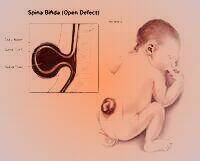
Response: Neural tube defects are when a baby’s spinal cord or brain don’t develop properly during pregnancy, which can cause serious complications including disability and death. The good news is that taking folic acid supplements before and during early pregnancy is proven to help prevent this from happening.
Dr. Nicholson[/caption]
Wanda K. Nicholson, M.D., M.P.H., M.B.A.
Senior Associate Dean for Diversity, Equity, and Inclusion
Professor of Prevention and Community Health
Milken Institute School of Public Health
George Washington University
Vice chair of the U.S. Preventive Services Task Force
MedicalResearch.com: What is the background for this study?
Response: Neural tube defects are when a baby’s spinal cord or brain don’t develop properly during pregnancy, which can cause serious complications including disability and death. The good news is that taking folic acid supplements before and during early pregnancy is proven to help prevent this from happening.

 Dr. McLoughlin Brady[/caption]
Tammy M. Brady, MD, PhD (she/her/hers)
Vice Chair for Clinical Research, Dept of Pediatrics
Associate Director, Welch Center for Prevention, Epidemiology, and Clinical Research
Associate Professor of Pediatrics, Division of Pediatric Nephrology
Medical Director, Pediatric Hypertension Program
Johns Hopkins University
Baltimore, MD 21287
MedicalResearch.com: What is the background for this study? What are the main findings?
Response: Accurate BP measurement is key to identification and treatment of hypertension which serves ultimately to prevent cardiovascular disease. Our study describes substantial measurement error that can occur in a common office and home BP measurement scenario: use of a regular cuff size for all individuals regardless of arm size. Many office triage measurements occur without individualized cuff selection and most home BP devices come with one cuff size – and our study shows that using a regular cuff size for people who have larger arms – those who require a large adult cuff or an extra-large adult cuff – can lead to blood pressure readings that are almost 5 and 20 mmHg greater than their actual BP, respectively. Those require a small adult cuff can have BP readings that are almost 4 mmHg lower than their actual BP.
Dr. McLoughlin Brady[/caption]
Tammy M. Brady, MD, PhD (she/her/hers)
Vice Chair for Clinical Research, Dept of Pediatrics
Associate Director, Welch Center for Prevention, Epidemiology, and Clinical Research
Associate Professor of Pediatrics, Division of Pediatric Nephrology
Medical Director, Pediatric Hypertension Program
Johns Hopkins University
Baltimore, MD 21287
MedicalResearch.com: What is the background for this study? What are the main findings?
Response: Accurate BP measurement is key to identification and treatment of hypertension which serves ultimately to prevent cardiovascular disease. Our study describes substantial measurement error that can occur in a common office and home BP measurement scenario: use of a regular cuff size for all individuals regardless of arm size. Many office triage measurements occur without individualized cuff selection and most home BP devices come with one cuff size – and our study shows that using a regular cuff size for people who have larger arms – those who require a large adult cuff or an extra-large adult cuff – can lead to blood pressure readings that are almost 5 and 20 mmHg greater than their actual BP, respectively. Those require a small adult cuff can have BP readings that are almost 4 mmHg lower than their actual BP.

 Prof. Leon[/caption]
Michael Leon, Professor emeritus
Prof. Leon[/caption]
Michael Leon, Professor emeritus

 Lone Star Tick Nymph-CDC image[/caption]
MedicalResearch.com: What is the background for this study? Would you briefly describe Alpha-gal Syndrome?
Response: Alpha-gal syndrome is an emerging and potentially life-threatening allergic condition that is associated with a tick bite. It is also called alpha-gal allergy, red meat allergy, or tick bite meat allergy.
Increasing case studies and anecdotal reports suggested that AGS was a growing concern, but, prior to these studies, information on clinician awareness and the number of people impacted was not available at a national level.
Lone Star Tick Nymph-CDC image[/caption]
MedicalResearch.com: What is the background for this study? Would you briefly describe Alpha-gal Syndrome?
Response: Alpha-gal syndrome is an emerging and potentially life-threatening allergic condition that is associated with a tick bite. It is also called alpha-gal allergy, red meat allergy, or tick bite meat allergy.
Increasing case studies and anecdotal reports suggested that AGS was a growing concern, but, prior to these studies, information on clinician awareness and the number of people impacted was not available at a national level.



 Mytien Nguyen[/caption]
Mytien Nguyen, MS
Department of Immunobiology,
Yale School of Medicine
New Haven, Connecticut
MedicalResearch.com: What is the background for this study?
Response: Physician-scientists are critical for innovative translational research.
Mytien Nguyen[/caption]
Mytien Nguyen, MS
Department of Immunobiology,
Yale School of Medicine
New Haven, Connecticut
MedicalResearch.com: What is the background for this study?
Response: Physician-scientists are critical for innovative translational research. 


 Dr. Li Li[/caption]
Li Li, M.D., Ph.D., M.P.H
Walter M. Seward Professor
Chair of Family Medicine
Director of population health
University of Virginia School of Medicine
Editor-in-chief of The BMJ Family Medicine
Dr. Li joined the U.S. Preventive Services Task Force in January 2021
MedicalResearch.com: What is the background for this study? What are the main findings?
Response: The Task Force reviewed the latest available evidence to evaluate whether screening all children and adolescents who are 20 years old or younger for high cholesterol improves their heart health into adulthood.
At this time, there is not enough evidence to determine whether or not screening all kids is beneficial, so we are calling for additional research on the effectiveness of screening and treatment of high cholesterol in kids and teens.
Dr. Li Li[/caption]
Li Li, M.D., Ph.D., M.P.H
Walter M. Seward Professor
Chair of Family Medicine
Director of population health
University of Virginia School of Medicine
Editor-in-chief of The BMJ Family Medicine
Dr. Li joined the U.S. Preventive Services Task Force in January 2021
MedicalResearch.com: What is the background for this study? What are the main findings?
Response: The Task Force reviewed the latest available evidence to evaluate whether screening all children and adolescents who are 20 years old or younger for high cholesterol improves their heart health into adulthood.
At this time, there is not enough evidence to determine whether or not screening all kids is beneficial, so we are calling for additional research on the effectiveness of screening and treatment of high cholesterol in kids and teens. 

 Dr. Callaghan[/caption]
Bridget Callaghan Ph.D.
Assistant Professor of Psychology
UCLA
Dr. Callahan studies interactions between mental and physical health across development.
MedicalResearch.com: What is the background for this study?
Response: A growing body of evidence links the gut microbiome to brain and immune functioning, and changes to that community of microorganisms is likely among the ways that hardship affects children’s socioemotional development.
Limited evidence in humans has demonstrated the adversities experienced prenatally and during early life influence the composition of the gut microbiome, but no studies had examined whether stress experienced in a mother's own childhood could influence the microbiome of the next generation of children.
Dr. Callaghan[/caption]
Bridget Callaghan Ph.D.
Assistant Professor of Psychology
UCLA
Dr. Callahan studies interactions between mental and physical health across development.
MedicalResearch.com: What is the background for this study?
Response: A growing body of evidence links the gut microbiome to brain and immune functioning, and changes to that community of microorganisms is likely among the ways that hardship affects children’s socioemotional development.
Limited evidence in humans has demonstrated the adversities experienced prenatally and during early life influence the composition of the gut microbiome, but no studies had examined whether stress experienced in a mother's own childhood could influence the microbiome of the next generation of children.

 Kazi Albab Hussain[/caption]
Kazi Albab Hussain
Graduate Student (PhD)
Specialization: Water Resources
Advisor: Professor Yusong Li, PhD
Associate Dean for Faculty and Inclusion
MedicalResearch.com: What is the background for this study?
Response: Microplastics have been detected in various food items and beverages, including table salt, bottled water, fish, and mussels. The extensive use of plastic-based products in food preparation, storage, and handling has raised concerns about the direct release of microplastics. Interestingly, we often discuss microplastics but overlook nanoplastics in the conversation. Due to their smaller size, nanoplastics are harder to be detected.
In our study, we wanted to see the release of both microplastics and nanoplastics, as nanoplastics may be even more toxic than microplastics.
Unfortunately, infants and toddlers are particularly vulnerable to the potential health impacts of micro- and nanoplastics. Studies have shown significant ingestion of these particles from polypropylene feeding bottles and silicone-rubber baby teats. We aimed to investigate the release of of micro- and nanoplastics, estimated their exposure for infants and toddlers, and evaluated their cytotoxicity to human embryonic kidney cells.
Kazi Albab Hussain[/caption]
Kazi Albab Hussain
Graduate Student (PhD)
Specialization: Water Resources
Advisor: Professor Yusong Li, PhD
Associate Dean for Faculty and Inclusion
MedicalResearch.com: What is the background for this study?
Response: Microplastics have been detected in various food items and beverages, including table salt, bottled water, fish, and mussels. The extensive use of plastic-based products in food preparation, storage, and handling has raised concerns about the direct release of microplastics. Interestingly, we often discuss microplastics but overlook nanoplastics in the conversation. Due to their smaller size, nanoplastics are harder to be detected.
In our study, we wanted to see the release of both microplastics and nanoplastics, as nanoplastics may be even more toxic than microplastics.
Unfortunately, infants and toddlers are particularly vulnerable to the potential health impacts of micro- and nanoplastics. Studies have shown significant ingestion of these particles from polypropylene feeding bottles and silicone-rubber baby teats. We aimed to investigate the release of of micro- and nanoplastics, estimated their exposure for infants and toddlers, and evaluated their cytotoxicity to human embryonic kidney cells.



 MedicalResearch.com: What is the background for this study?
Response: I became interested in dog's sense of smell several years ago while doing therapy dog demonstrations at the California Science Center in Los Angeles during a special traveling exhibit "Dogs! A Science Tail." (Now at the Orlando Science Center). I did a lot of research on this topic and taught children about it through the Los Angeles Public Library using my Great Pyrenees therapy dogs. Then, COVID broke out and I expanded my research into any work being done to possibly utilize scent dogs for screening and testing for COVID. I found only a few such studies. However, I fortuitously met Heather Junqueira of BioScent, Inc. (in Florida) online and she was beginning to successfully teach her beagles to detect COVID-related odors. She agreed to co-author a peer-reviewed review paper with me. That led to our first paper -
Dickey, T, Junqueira, H. Toward the use of medical scent dogs for COVID-19 screening. J Osteopath Med 2021;1(2): 141-148.
MedicalResearch.com: What is the background for this study?
Response: I became interested in dog's sense of smell several years ago while doing therapy dog demonstrations at the California Science Center in Los Angeles during a special traveling exhibit "Dogs! A Science Tail." (Now at the Orlando Science Center). I did a lot of research on this topic and taught children about it through the Los Angeles Public Library using my Great Pyrenees therapy dogs. Then, COVID broke out and I expanded my research into any work being done to possibly utilize scent dogs for screening and testing for COVID. I found only a few such studies. However, I fortuitously met Heather Junqueira of BioScent, Inc. (in Florida) online and she was beginning to successfully teach her beagles to detect COVID-related odors. She agreed to co-author a peer-reviewed review paper with me. That led to our first paper -
Dickey, T, Junqueira, H. Toward the use of medical scent dogs for COVID-19 screening. J Osteopath Med 2021;1(2): 141-148. 

 Dr. Davis[/caption]
Prof. Jonathan Davis, MD,
Chief of Newborn Medicine
Tufts Medical Center and
[caption id="attachment_60599" align="alignleft" width="125"]
Dr. Davis[/caption]
Prof. Jonathan Davis, MD,
Chief of Newborn Medicine
Tufts Medical Center and
[caption id="attachment_60599" align="alignleft" width="125"]


 Dr. Kruger[/caption]
Jessica Kruger PhD
Clinical Associate Professor of Community Health and Health Behavior
University at Buffalo School of Public Health and Health Professions
MedicalResearch.com: What is the background for this study?
Response: The 2018 Farm Bill authorizing hemp production led to new cannabinoids in the consumer marketplace. As the market becomes increasingly saturated with suppliers, companies continually diversify available products.
The rapid emergence of novel cannabinoids outpaces systematic research necessary to inform regulations and harm reduction. Empirical evidence is needed to guide policies, practices, and education of consumers. Product manufacturers, social media participants, and cannabis oriented on-line news sources have claimed that THC-O-acetate is a "psychedelic" cannabinoid, producing experiences similar to those associated with LSD, psilocybin, mescaline, and DMT.
Dr. Kruger[/caption]
Jessica Kruger PhD
Clinical Associate Professor of Community Health and Health Behavior
University at Buffalo School of Public Health and Health Professions
MedicalResearch.com: What is the background for this study?
Response: The 2018 Farm Bill authorizing hemp production led to new cannabinoids in the consumer marketplace. As the market becomes increasingly saturated with suppliers, companies continually diversify available products.
The rapid emergence of novel cannabinoids outpaces systematic research necessary to inform regulations and harm reduction. Empirical evidence is needed to guide policies, practices, and education of consumers. Product manufacturers, social media participants, and cannabis oriented on-line news sources have claimed that THC-O-acetate is a "psychedelic" cannabinoid, producing experiences similar to those associated with LSD, psilocybin, mescaline, and DMT.


 Dr. Potnuru[/caption]
Paul Potnuru, MD
Assistant Professor
Anesthesiology, Critical Care and Pain Medicine
The John P. and Kathrine G. McGovern Medical School
The University of Texas Health Science Center at Houston
Dr. Potnuru[/caption]
Paul Potnuru, MD
Assistant Professor
Anesthesiology, Critical Care and Pain Medicine
The John P. and Kathrine G. McGovern Medical School
The University of Texas Health Science Center at Houston




 Dr. Miller[/caption]
Alex P. Miller, PhD
TranSTAR T32 Postdoctoral Fellow
Department of Psychiatry
Washington University School of Medicine
St. Louis, MO
MedicalResearch.com: What is the background for this study?
Response: Adolescent cannabis use is increasing in the United States. Prior research suggests that people who start using cannabis earlier are more likely to engage in problematic use and also experience greater mental health challenges and socioeconomic disadvantages overall. For example, children who begin using cannabis early are more likely to have behavioral problems and disorders and are more less likely to complete school.
In our study, we used data from the Adolescent Brain Cognitive Development (ABCD) Study, which is following nearly 12,000 kids across the nation to track behavior and brain development as well as health from middle childhood to young adulthood. We looked at what factors are associated with the initiation of cannabis use by age 12-14.
Dr. Miller[/caption]
Alex P. Miller, PhD
TranSTAR T32 Postdoctoral Fellow
Department of Psychiatry
Washington University School of Medicine
St. Louis, MO
MedicalResearch.com: What is the background for this study?
Response: Adolescent cannabis use is increasing in the United States. Prior research suggests that people who start using cannabis earlier are more likely to engage in problematic use and also experience greater mental health challenges and socioeconomic disadvantages overall. For example, children who begin using cannabis early are more likely to have behavioral problems and disorders and are more less likely to complete school.
In our study, we used data from the Adolescent Brain Cognitive Development (ABCD) Study, which is following nearly 12,000 kids across the nation to track behavior and brain development as well as health from middle childhood to young adulthood. We looked at what factors are associated with the initiation of cannabis use by age 12-14.


 Dr. Thomas[/caption]
Dr. Daniel Thomas MD PhD FRACP FRCPA
Program Leader, Blood Cancer
Precision Medicine Theme at the South Australia Health Medical Research Institute
Clinical Hematologist, Royal Adelaide Hospital
Associate Professor, Adelaide Medical School, The University of Adelaide
MedicalResearch.com: What is the background for this study? Would you briefly describe the condition of CMML?
Response: Chronic myelomonocytic leukemia (CMML) is a rare, but increasingly frequent, clonal stem cell disorder that results in hyperproliferation of inflammatory monocytes, a form of white blood cells. It features both myelodysplasia and myeloproliferation. CMML is most often found in older adults and leads to anemia, decreased quality of life, and an increased risk of acute myeloid leukemia (AML).
Granulocyte-macrophage colony-stimulating factor (GM-CSF) is a cytokine that stimulates production, growth, differentiation, activation, and function of myeloid cells (monocytes, neutrophils, and eosinophils). In the presence of RAS-pathway mutations, a greater sensitivity to GM-CSF contributes to the hyperproliferation of myelocytes in myelodysplastic leukemias such as CMML, juvenile myelomonocytic leukemia (JMML), and acute myeloid leukemia (AML). In CMML, greater sensitivity to GM-CSF stimulates excessive monocytic precursor proliferation.
The PREACH-M Trial, which stands for PREcision Approach to CHronic Myelomonocytic Leukemia, assesses the efficacy of lenzilumab in addition to azacitidine in treatment-naïve CMML participants with RAS-pathway mutations (KRAS, NRAS, CBL) and separately high dose ascorbate in participants with TET2 mutations who do not have RAS-pathway mutations. The study is currently underway and actively enrolling. It is being conducted and funded by the South Australian Health and Medical Research Institute (SAHMRI).
Dr. Thomas[/caption]
Dr. Daniel Thomas MD PhD FRACP FRCPA
Program Leader, Blood Cancer
Precision Medicine Theme at the South Australia Health Medical Research Institute
Clinical Hematologist, Royal Adelaide Hospital
Associate Professor, Adelaide Medical School, The University of Adelaide
MedicalResearch.com: What is the background for this study? Would you briefly describe the condition of CMML?
Response: Chronic myelomonocytic leukemia (CMML) is a rare, but increasingly frequent, clonal stem cell disorder that results in hyperproliferation of inflammatory monocytes, a form of white blood cells. It features both myelodysplasia and myeloproliferation. CMML is most often found in older adults and leads to anemia, decreased quality of life, and an increased risk of acute myeloid leukemia (AML).
Granulocyte-macrophage colony-stimulating factor (GM-CSF) is a cytokine that stimulates production, growth, differentiation, activation, and function of myeloid cells (monocytes, neutrophils, and eosinophils). In the presence of RAS-pathway mutations, a greater sensitivity to GM-CSF contributes to the hyperproliferation of myelocytes in myelodysplastic leukemias such as CMML, juvenile myelomonocytic leukemia (JMML), and acute myeloid leukemia (AML). In CMML, greater sensitivity to GM-CSF stimulates excessive monocytic precursor proliferation.
The PREACH-M Trial, which stands for PREcision Approach to CHronic Myelomonocytic Leukemia, assesses the efficacy of lenzilumab in addition to azacitidine in treatment-naïve CMML participants with RAS-pathway mutations (KRAS, NRAS, CBL) and separately high dose ascorbate in participants with TET2 mutations who do not have RAS-pathway mutations. The study is currently underway and actively enrolling. It is being conducted and funded by the South Australian Health and Medical Research Institute (SAHMRI).