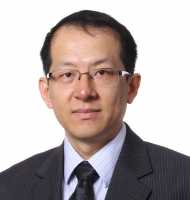
Dr. Mahesh Desai[/caption]
MedicalResearch.com: What is the background for this study?
Response: Over the last few decades, our intake of dietary fiber has fallen drastically mainly due to the consumption of processed food, which has been connected to increased cases of intestinal diseases including colon cancer and inflammatory bowel disease. The gut microbiota is essential for us as it allows our body to digest dietary fiber contained in fruits and vegetables, that could otherwise not be processed. Changed physiologies and abundances of the gut microbiota following a fiber-deprived diet have been commonly linked to several intestinal diseases. However, the mechanisms behind these connections have remained poorly understood.
Dr. Doug Owens[/caption]
Dr. Doug Owens MD
former USPSTF Task Force member
Professor at Stanford University
Henry J. Kaiser, Jr. Professor
Director of the Center for Health Policy
Freeman Spogli Institute for International Studies
Center for Primary Care and Outcomes Research
Department of Medicine and School of Medicine
Stanford
MedicalResearch.com: What is the background for review and statement?
Response: Cardiovascular disease is serious—it can lead to heart attacks and strokes, and is responsible for one in every three adult deaths in the U.S. People with no signs or symptoms and no past history of cardiovascular disease can still be at risk. Fortunately, some people can benefit from taking a medication called statins to reduce that risk.
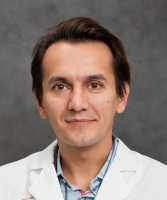
Tiny Skin Sensor Can Monitor Body Sounds[/caption]
YuHao Liu (Howard)
Materials Research Laboratory
University of Illinois
Urbana Champaign
MedicalResearch.com: What is the background for this study? What are the main findings?
Response: Our research group has been working on developing the next-generation wearable technology - integrating electronic tattoos on human skin for healthcare monitoring. This novel platform allows us to explore new sensors and actuators that are better than the commercially available ones.
We have developed sensors that can measure temperature, pressure, hydration, electrophysiology..etc. However, no one ever think about capturing sound from the body until our team developed this new technology. In fact, body sounds can be important indicator in healthcare monitoring or even disease diagnostic.
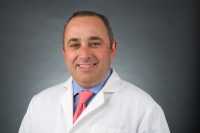
Dr. Michael Pillinger[/caption]
Michael Pillinger, MD
Professor of Medicine and Biochemistry and Molecular Pharmacology
NYU School of Medicine
MedicalResearch.com: What is the background for this study? What are the main findings?
Response: We are interested in the co-morbidities of gout and the fact that gout is accompanied by multiple cardiovascular, renal and other events. The implications of gout for cancer are less clear, but the basic biology suggests that either:
1) the acute and chronic inflammation of gout could contribute to a pro-cancer environment;
2) the anti-oxidant effects of urate could have anti-cancer properties;
3) the ability of uric acid to serve as a "danger signal" released from dying cells (potentially including cancer cells" could promote anti-cancer immunity.
The clinical literature is murky at best.
Dr. Melanie Penner[/caption]
Dr. Melanie Penner, MD FRCP (C)
Clinician investigator and developmental pediatrician
Holland Bloorview Kids Rehabilitation Hospital
MedicalResearch.com: What is the background for this study? What are the main findings?
Response: Studies have shown that accessing intensive behavioral intervention (IBI) services at younger ages is associated with improved outcomes for children with autism spectrum disorder (ASD). In Ontario, Canada, children wait years to access publicly-funded IBI. This analysis estimated costs and projected adult independence for three IBI wait time scenarios: the current wait time, a wait time reduced by half, and an eliminated wait time. The model inputs came from published literature.
The main findings showed that eliminating the wait time generated the most independence and cost the least amount of money to both the government and society. With no wait time for intensive behavioral intervention, the government would save $53,000 (2015 Canadian dollars per person) with autism spectrum disorder over their lifetime, and society would save $267,000 (2015 Canadian dollars).
Dr. Somwail Rasla[/caption]
Somwail Rasla, MD
Internal Medicine Resident
Memorial Hospital of Rhode Island
Brown University
MedicalResearch.com: What is the background for this study?
Response: Weight cycling has been studied as a possible risk factors for all-cause mortality and was found to be insignificant in some studies and significant in other studies when adjusted to age and timing of when the weight cycling occurred. It was proposed that weight cycling may increase risk of chronic inflammation by which weight cycling was considered to be a risk factor for increased morbidity and all cause mortalities. Other studies have reported that frequent weight cycling was associated with shorter telomere length, which is a risk factor for several comorbidities including CHD. Earlier studies showed that weight cycling has an association with increase in size of adipocytes as well as fluctuation of serum cholesterol, triglycerides, glucose, insulin, and glucagon which may contribute to the increased incidence of diabetes. Alternatively, in the nurses’ health study , weight cycling was not predictive of cardiovascular or total mortality.
Dr. Teodor G. Paunescu[/caption]
Dr. Teodor G. Paunescu PhD
Assistant Professor of Medicine
Harvard Medical School
Boston
MedicalResearch.com: What is the background for this study? What are the main findings?
Response: Patients with kidney disease frequently report food aversion and poor dietary intake leading to malnutrition, a complication associated with high morbidity and mortality. However, there are no effective treatments currently available to address this complication, and the mechanisms underlying anorexia and food aversion in these patients remain unclear.
Because of the critical role of olfaction in flavor appreciation and dietary intake, we decided to quantify olfactory (smelling) deficits in advanced chronic kidney disease (CKD) and end-stage renal disease (ESRD) patients.
We found that patients with kidney disease have significant olfactory deficits that need objective assessments for accurate characterization. Our results also indicate that olfactory deficits likely attribute to nutritional impairment in patients with kidney disease.
Dr. Ryuji Morizane[/caption]
Dr. Ryuji Morizane MD, PhD
Associate Biologist, Renal Division
Brigham and Women’s Hospital
Affiliated Faculty, Harvard Stem Cell Institute
Instructor, Harvard Medical School
MedicalResearch.com: What is the background for this study?
Response: Polycystic kidney disease (PKD) accounts for 10% of end-stage kidney disease (ESKD), and there is currently no curable treatment available for patients with PKD.
The adult onset form of PKD, the most common type of PKD, takes 30 years to form cysts in humans; therefore, it is difficult to study mechanisms of PKD to find novel therapeutics for patients.
Dr Georgios Papadakis[/caption]
Dr Georgios Papadakis
FMH, Médecin InternenMédecin assistant
Service d'endocrinologie, diabétologie et métabolisme
Lausanne
MedicalResearch.com: What is the background for this study?
Response: This study was mainly motivated by the absence of available data on the effect of menopausal hormone therapy (MHT) on bone microarchitecture, as well as contradictory results of previous trials regarding the persistence of a residual effect after MHT withdrawal.
We performed a cross-sectional analysis of 1279 postmenopausal women aged 50-80 years participating in OsteoLaus cohort of Lausanne University Hospital. Participants had bone mineral density (BMD) measurement by dual X-ray absorptiometry (DXA) at lumbar spine, femoral neck and total hip, as well as assessment of trabecular bone score (TBS), a textural index that evaluates pixel grey-level variations in the lumbar spine DXA image, providing an indirect index of trabecular microarchitecture.
Dr. Thomas Bartosh Jr,[/caption]
Thomas Bartosh Jr, Ph.D.
Assistant Professor Medical Physiology
Texas A&M Health Science Center
MedicalResearch.com: What is the background for this study? What are the main findings?
Response: One mysterious and devastating aspect of breast cancer is that it can reemerge abruptly, often as metastatic disease, in patients many years after an apparent eradication of the primary tumor. The sudden reappearance of cancer has been termed relapse and is thought to occur because a minimal number of resilient tumor cells are able to evade frontline therapies and linger in an undetectable/dormant state somewhere in the body for an unpredictable amount of time. Then, for reasons that remain unclear, these same dormant cells awaken and rapidly grow, and produce almost invariably fatal cancerous lesions. The therapeutic challenges of tumor dormancy and need to decode the underlying mechanisms involved are apparent.
Cancer cell behavior is strongly influenced by various non-malignant cell types that are found within the tumor mass itself and that help make up the tumor microenvironment (TME). In particular, bone marrow-derived mesenchymal stem/stromal cells (MSCs), which are actively recruited into the tumor stroma, directly interact with carcinoma cells and significantly impact cancer progression, although the role of MSCs in tumor dormancy remains ill-defined.
Dr. Gerald Levy[/caption]
Gerald D. Levy MD
Internal Medicine/Rheumatology
Southern California Kaiser Permanente
Downey, CA
MedicalResearch.com: What are the main findings of your study?
Patients with hyperuricemia and chronic kidney disease (CKD) improve when serum Uric Acid (sUA) is brought below 6mg/dl with urate lowering therapy.
We found a 6% improvement in this group compared to patients not at goal.
More importantly the stage of CKD appears to be important with CKD II showing approximately 3% who improve with nearly 10% of patients improving in the CKD III group.
We did not see benefit in those patients who are stage 4 CKD.
Dr. Edith Perez[/caption]
Edith Perez, MD
Vice President and Head of U.S. Medical Affairs
Genentech BioOncology
MedicalResearch.com: What is the background for this study? What are the main findings?
Response: MARIANNE was designed to evaluate three HER2-targeted regimens in previously untreated (first-line) HER2-positive metastatic breast cancer (Kadcyla alone, Kadcyla plus Perjeta, Herceptin plus chemotherapy). The study met its non-inferiority endpoint, showing similar progression-free survival (PFS) among the three treatment arms. However, neither Kadcyla-containing treatment arm significantly improved PFS compared to Herceptin and chemotherapy.
(l-r) Dr. Zhenhua Shao and Dr. Daniel Rosenbaum UT Southwestern[/caption]
Dan Rosenbaum, Ph.D.
Principal Investigator
Department of Biophysics
The University of Texas Southwestern Medical Center
Dallas, Texas
MedicalResearch.com: What is the background for this study? What are the main findings?
Response: This study focuses on the structure of the human CB1 cannabinoid receptor.
The CB1 protein is a membrane-embedded G protein-coupled receptor (GPCR) in the brain and peripheral tissues that responds to a variety of different compounds, including endogenous lipid messengers (‘endocannabinoids’), plant natural products (such as THC from the Cannabis sativa plant i.e. marijuana), and synthetic antagonists (such as the taranabant ligand used for this study). The CB1 receptor is involved in regulating neurotransmission in vertebrates, and is a potential therapeutic target for numerous conditions including obesity, pain, and epilepsy.
The main findings of this study entailed the solution of the high-resolution crystal structure of human CB1 receptor bound to the inhibitor taranabant. This structure revealed the precise shape of the inhibitor binding pocket, which is also responsible for binding THC and endocannabinoids. In addition to helping explain the mechanism of inhibitor and THC binding, our structure provides a framework for computational studies of binding to a large diversity of cannabinoid modulators of therapeutic importance.
Dr. Catharina J. M. Klijn[/caption]
Catharina J. M. Klijn, MD
Brain Center Rudolf Magnus, Department of Neurology and Neurosurgery
University Medical Center Utrecht, Utrecht
Donders Institute for Brain, Cognition and Behaviour, Centre for Neuroscience
Department of Neurology
Radboud University Nijmegen Medical Centre
Nijmegen, the Netherlands
MedicalResearch.com: What is the background for this study?
Response: The incidence of stroke is higher in men than in women. This difference attenuates with increasing age. Established risk factors for stroke, such as hypertension, cigarette smoking and ischemic heart disease are more prevalent in men but only partly explain the difference in stroke incidence. The contribution of oral contraceptive use and hormone therapy to stroke risk has been previously reviewed. We aimed to evaluate what is known on other female- and male specific risk factors for ischemic and hemorrhagic stroke incidence and stroke mortality through a systematic review and meta-analysis of 78 studies including over 10 million participants.
Dr. Stuart L. Goldstein[/caption]
Stuart L. Goldstein, MD, FAAP, FNKF
Clark D. West Endowed Chair
Professor of Pediatrics
University of Cincinnati College of Medicine
Director, Center for Acute Care Nephrology | Associate Director, Division of Nephrology
Medical Director, Pheresis Service | Co-Medical Director, Heart Institute Research Core
Division of Nephrology and Hypertension | The Heart Institute
Cincinnati Children’s Hospital Medical Center
Cincinnati, OH 45229
MedicalResearch.com: What is the background for this study? What are the main findings?
Response: This was a prospective international multi-center assessment of the epidemiology of acute kidney injury in children in young adults. Over 5,000 children were enrolled from 32 pediatric ICUs in 9 countries on 4 continents.
The main findings are:
1) Severe AKI, defined by either Stage 2 or 3 KDIGO serum creatinine and urine output criteria carried an incremental risk of death after adjusting for 16 co-variates.
2) Patients with AKI by low urine output would have been misclassified as not having AKI by serum creatinine criteria and patients with AKI by urine output criteria have worse outcomes than patients with AKI by creatinine crtieria.
3) Severe AKI was also associated with increased and prolonged mechanical ventilation use, increased receipt of dialysis or ECMO
Healthline Sugar Survey[/caption]
Tracy Stickler, Editor in Chief
Healthline
Ms. Stickler discusses a Healthline survey of over 3000 Americans, regarding “their knowledge of sugar and how it affects the body to gauge their relationship about their own sugar consumption and the effects it has on them”.
MedicalResearch.com: What is the background for this study? What are the main findings?
Response: Our company surveyed over 3,000 Americans from across the country about their sugar consumption habits and awareness about added sugar in food.
What we learned is that while many people are aware of the threat overconsumption of sugar is to their health, they aren’t doing much about it. Why not? They don’t know how and quite often they don’t know how much sugar is contained in certain foods they eat. We have an awareness issue. Two out of 3 respondents answered incorrectly to our questions related to which food item contained more sugar.
Dr. Melissa Bartick[/caption]
Melissa C. Bartick, MD, MSc
Department of Medicine
Cambridge Health Alliance
Harvard Medical School
Cambridge, MA
MedicalResearch.com: What is the background for this study?
Response: This is the first study ever to combine maternal and pediatric health outcomes from breastfeeding into a single model.
We had published a cost analysis of suboptimal breastfeeding for pediatric disease in 2010, which found that suboptimal breastfeeding cost the US $13 billion in costs of premature death costs and medical expenses, and 911 excess deaths. We followed that up with a maternal cost analysis which found about $18 billion in premature death costs and medical expenses.
In both these studies, most of the costs were from premature death. We were unable to combine the results of these two studies because their methodologies were different, and both of them, especially the pediatric portion needed to be updated.
Dr. Traverso[/caption]
C. Giovanni Traverso, MB, BChir, PhD
Gastroenterologist and biomedical engineer
Division of Gastroenterology at BWH
Instructor of medicine at Harvard Medical School
MedicalResearch.com: What is the background for this study? What are the main findings?
Response: We developed a drug delivery system capable of safely residing in the stomach for 2 weeks. Furthermore we demonstrated the capacity of the novel dosage form, in the shape of a star, to protect the drug from the acidic stomach environment and also slowly release drug over the course of 14 days.
We applied this new technology towards efforts targeting the elimination of malaria. Specifically, we focused on a drug called ivermectin that has been used to treat parasites but also has the benefit of being toxic to malaria-carrying mosquitos when they bite someone who has ivermectin in their system.