MedicalResearch.com Interview with:
 Amanda Sierra, PhD
Research Professor and Group Leader
Ramón y Cajal Fellow
Achucarro Basque Center for Neuroscience
Laida Bidea
Bizkaia Science and Technology Park
Zamudio, Bizkaia, Spain
MedicalResearch.com: What is the background for this study? What are the main findings?
Dr. Sierra: Microglia phagocytosis of apoptotic cells is at the core of the brain regenerative response to recover the homeostasis of the brain parenchyma after damage because it prevents the spillover of toxic intracellular contents and is actively anti-inflammatory. However, while neuronal death is widespread in neurodegenerative diseases (Alzheimer´s, Parkinson´s, multiple sclerosis) and well as in ischemic and traumatic brain injuries, we have a complete lack of knowledge of the efficiency of microglial phagocytosis in the diseased brain.
In this paper we have discovered that microglia have a generalized response to apoptotic challenges: when confronted to a rise in the number of newborn cells, microglia display a combination of different strategies to boost their phagocytic output: increase the phagocytic capacity of each cell, recruit more cells to become phagocytic, or increase the total number of microglia (Abiega et al., PLoS Biol 2015). Thus, microglia have a very large potential for phagocytosis that could be summoned when needed.
To our surprise, however, in pathological conditions such as epilepsy (mouse and human), microglial phagocytosis was blocked. We have made use of the adult neurogenic cascade, where newborn cells undergo apoptosis naturally and are engulfed by “unchallenged microglia” (Sierra et al. Cell Stem Cell 2010), to establish the baseline of microglial phagocytosis efficiency. Whereas in physiological conditions microglia phagocytose over 90% of the apoptotic cells and remove them in under 1.5h, soon after the seizures it only engulfed 10% of the apoptotic cells and took up to 6h to digest them. This is the first quantification of microglial phagocytosis efficiency in the diseased mouse and human brain..
The block in phagocytosis was a rather complex phenomenon related to an impaired recognition (reduction of phagocytosis receptors) as well as impaired motility and targeting (reduced basal motility). We have also shown that the impairment is mediated at least partially by altered ATP microgradients: ATP is not only a neuro- and gliotransmitter widely released during seizures but is also a well-known “find-me” signal released by apoptotic cells. Thus, during seizures microglia became “blinded” by the neuronal hyperactivity and could not find the apoptotic cells.
In addition, we have shown that impairing phagocytosis releases the break on the inflammatory response. In fact, the impaired microglia were in a pro-inflammatory state and produced more cytokines such as tumor necrosis factor alfa (TNFa) or interleukin-1beta (IL-1b), which are well known neurotoxic and epileptogenic factors.

 Dr. Sanjay Saint[/caption]
MedicalResearch.com Interview with:
Sanjay Saint, MD, MPH
Chief of Medicine
VA Ann Arbor Healthcare System
George Dock Professor of Internal Medicine & Senior Associate Chair -
Department of Internal Medicine
University of Michigan Medical School
MedicalResearch.com: What is the background for this study? What are the main findings?
Dr. Saint: Catheter-associated urinary tract infection (CAUTI) is a common, costly, and morbid complication of hospitalization. Urinary tract infection (UTI) is one of the most common device-related infections in the United States. CAUTI rates rose nationally between 2009 and 2013.
We put in place a national program to reduce CAUTI. Specifically, we enrolled 926 intensive care unit (ICU) and non-ICU hospital units in 603 hospitals spread over 32 states, the District of Columbia and Puerto Rico between March 2011 and November 2013.
By the end of the 18-month program, UTI rates among hospital patients in general wards had dropped by a third. Specifically:
• The rate of CAUTIs dropped from 2.40 per 1000 days of catheter use to 2.05 (a ~14 percent overall drop).
• Nearly all of the decrease in CAUTI rates was due to changes in infection rates in non-ICUs, which went from 2.28 to 1.54 infections per 1,000 catheter-days – a drop of 32 percent. In non-ICUs, the overall use of catheters decreased by 7%.
• ICUs didn’t see a substantial change in either CAUTI or catheter use, likely because the nature of patients treated in ICUs means more frequent urine output monitoring and culturing of urine, so UTIs are more likely to be spotted.
Dr. Sanjay Saint[/caption]
MedicalResearch.com Interview with:
Sanjay Saint, MD, MPH
Chief of Medicine
VA Ann Arbor Healthcare System
George Dock Professor of Internal Medicine & Senior Associate Chair -
Department of Internal Medicine
University of Michigan Medical School
MedicalResearch.com: What is the background for this study? What are the main findings?
Dr. Saint: Catheter-associated urinary tract infection (CAUTI) is a common, costly, and morbid complication of hospitalization. Urinary tract infection (UTI) is one of the most common device-related infections in the United States. CAUTI rates rose nationally between 2009 and 2013.
We put in place a national program to reduce CAUTI. Specifically, we enrolled 926 intensive care unit (ICU) and non-ICU hospital units in 603 hospitals spread over 32 states, the District of Columbia and Puerto Rico between March 2011 and November 2013.
By the end of the 18-month program, UTI rates among hospital patients in general wards had dropped by a third. Specifically:
• The rate of CAUTIs dropped from 2.40 per 1000 days of catheter use to 2.05 (a ~14 percent overall drop).
• Nearly all of the decrease in CAUTI rates was due to changes in infection rates in non-ICUs, which went from 2.28 to 1.54 infections per 1,000 catheter-days – a drop of 32 percent. In non-ICUs, the overall use of catheters decreased by 7%.
• ICUs didn’t see a substantial change in either CAUTI or catheter use, likely because the nature of patients treated in ICUs means more frequent urine output monitoring and culturing of urine, so UTIs are more likely to be spotted.
 Prof. Neil Carragher[/caption]
Professor Neil Carragher
Principal Investigator Drug Discovery
Institute of Genetics and Molecular Medicine
University of Edinburgh
MedicalResearch.com: What is the background for this study? What are the main findings?
Prof. Carragher: The aim of the study was to generate novel small molecule inhibitors that target breast cancers using a strategy which we named: "dual ligand based phenotypic screening". From initial derivation of a small chemical library based on a promiscuous kinase inhibitor PP1, iterative screening across a suite of breast cancer phenotypic assays guided chemical design towards the novel compound eCF506. eCF506 is a highly potent, orally bioavailable and specific inhibitor of Src Kinase.
Prof. Neil Carragher[/caption]
Professor Neil Carragher
Principal Investigator Drug Discovery
Institute of Genetics and Molecular Medicine
University of Edinburgh
MedicalResearch.com: What is the background for this study? What are the main findings?
Prof. Carragher: The aim of the study was to generate novel small molecule inhibitors that target breast cancers using a strategy which we named: "dual ligand based phenotypic screening". From initial derivation of a small chemical library based on a promiscuous kinase inhibitor PP1, iterative screening across a suite of breast cancer phenotypic assays guided chemical design towards the novel compound eCF506. eCF506 is a highly potent, orally bioavailable and specific inhibitor of Src Kinase.
 Dr. W.H.Wilson Tang[/caption]
Dr. W.H. Wilson Tang M.D.
Department of Cellular and Molecular Medicine (NC10)
Cleveland Clinic Lerner Research Institute
Cleveland, Ohio 44195
MedicalResearch.com: What is the background for this study? What are the main findings?
Response: Our group has recently described the mechanistic link between intestinal microbe-generated phosphatidylcholine metabolite, trimethylamine N-oxide (TMAO), and the pathogenesis of atherosclerotic coronary artery disease (CAD) and its adverse clinical outcomes. Here in a separate, independent, contemporary cohort of patients undergoing coronary angiography, we demonstrated the association between elevated fasting TMAO levels and quantitative atherosclerotic burden (as measured by SYNTAX and SYNTAX II scores) in stable cardiac patients and is an independent predictor for the presence of diffuse (but not focal) lesion characteristics.
Dr. W.H.Wilson Tang[/caption]
Dr. W.H. Wilson Tang M.D.
Department of Cellular and Molecular Medicine (NC10)
Cleveland Clinic Lerner Research Institute
Cleveland, Ohio 44195
MedicalResearch.com: What is the background for this study? What are the main findings?
Response: Our group has recently described the mechanistic link between intestinal microbe-generated phosphatidylcholine metabolite, trimethylamine N-oxide (TMAO), and the pathogenesis of atherosclerotic coronary artery disease (CAD) and its adverse clinical outcomes. Here in a separate, independent, contemporary cohort of patients undergoing coronary angiography, we demonstrated the association between elevated fasting TMAO levels and quantitative atherosclerotic burden (as measured by SYNTAX and SYNTAX II scores) in stable cardiac patients and is an independent predictor for the presence of diffuse (but not focal) lesion characteristics.
 Ettje Tigchelaar[/caption]
Ettje Tigchelaar MSc
PhD student from department of Genetics
University of Groningen, Groningen
MedicalResearch.com: What is the background for this study? What are the main findings?
Response: A gluten-free diet is used by celiac disease patients to alleviate their symptoms. Previous research in these patients has shown differences in gut microbiota composition when on habitual gluten containing diet (HD) compared to a gluten-free diet (GFD). Recently more and more individuals without celiac disease also started to adopt a gluten-free diet to improve their health and/or control weight. We studied changes in gut microbiota composition in these healthy individuals on a gluten-free diet.
We observed changes in the abundance of specific bacteria, for example the abundance of the bacterium family Veillonellaceae was much lower on a gluten-free diet versus HD, whereas it was higher for the family Clostridiaceae. We also looked at the function of the bacteria in the gut and found that many of those bacteria that changed because of the gluten-free diet played a role in metabolism of starch. This makes sense since starch is like gluten highly present in wheat containing products, thus when eliminating gluten from the diet, the intake of starch also changes and the gut bacteria processing this dietary starch change accordingly.
Ettje Tigchelaar[/caption]
Ettje Tigchelaar MSc
PhD student from department of Genetics
University of Groningen, Groningen
MedicalResearch.com: What is the background for this study? What are the main findings?
Response: A gluten-free diet is used by celiac disease patients to alleviate their symptoms. Previous research in these patients has shown differences in gut microbiota composition when on habitual gluten containing diet (HD) compared to a gluten-free diet (GFD). Recently more and more individuals without celiac disease also started to adopt a gluten-free diet to improve their health and/or control weight. We studied changes in gut microbiota composition in these healthy individuals on a gluten-free diet.
We observed changes in the abundance of specific bacteria, for example the abundance of the bacterium family Veillonellaceae was much lower on a gluten-free diet versus HD, whereas it was higher for the family Clostridiaceae. We also looked at the function of the bacteria in the gut and found that many of those bacteria that changed because of the gluten-free diet played a role in metabolism of starch. This makes sense since starch is like gluten highly present in wheat containing products, thus when eliminating gluten from the diet, the intake of starch also changes and the gut bacteria processing this dietary starch change accordingly.
 Mark de Jong, MD, Psychiatrist
Yulius Academy, Yulius Mental Health
Barendrecht, the Netherlands
MedicalResearch.com: What is the background for this study? What are the main findings?
Response: Compulsory psychiatric admission, defined as admission against the will of the patient, has a strong effect on psychiatric patients and their relatives, and can be traumatic. Compulsory admission also conflicts with human rights, principles of autonomy, shared decision making, and recovery focused care. We also see, that rates of compulsory admissions in several European countries are tending to rise. So, interventions that prevent patients from being compulsory admitted are urgently needed.
We reviewed and meta-analyzed all currently available RCTs, that were designed to reduce compulsory admission rates in adult psychiatric patients with severe mental illnesses in outpatients settings. We found, that advance statements, like crisis plans, showed a significant 23% risk reduction in compulsory admissions. In contrast, community treatment orders and interventions for compliance enhancement showed no significant risk reduction in compulsory admissions. Although RCTs on integrated treatment showed no statistically significant risk reduction, we found a potentially clinically relevant risk reduction of 29%.
Mark de Jong, MD, Psychiatrist
Yulius Academy, Yulius Mental Health
Barendrecht, the Netherlands
MedicalResearch.com: What is the background for this study? What are the main findings?
Response: Compulsory psychiatric admission, defined as admission against the will of the patient, has a strong effect on psychiatric patients and their relatives, and can be traumatic. Compulsory admission also conflicts with human rights, principles of autonomy, shared decision making, and recovery focused care. We also see, that rates of compulsory admissions in several European countries are tending to rise. So, interventions that prevent patients from being compulsory admitted are urgently needed.
We reviewed and meta-analyzed all currently available RCTs, that were designed to reduce compulsory admission rates in adult psychiatric patients with severe mental illnesses in outpatients settings. We found, that advance statements, like crisis plans, showed a significant 23% risk reduction in compulsory admissions. In contrast, community treatment orders and interventions for compliance enhancement showed no significant risk reduction in compulsory admissions. Although RCTs on integrated treatment showed no statistically significant risk reduction, we found a potentially clinically relevant risk reduction of 29%.
 Dr. Daniel Murphy[/caption]
Daniel R. Murphy, M.D., M.B.A.
Assistant Professor - Interim Director of GIM at Baylor Clinic
Department of Medicine
Health Svc Research & General Internal Medicine
Baylor College of Medicine
Houston, TX
MedicalResearch.com: What is the background for this study? What are the main findings?
Dr. Murphy: Electronic health records (EHRs) have improved communication in health care, but they have not eliminated the problem of patients failing to receive appropriate and timely follow up after abnormal test results. For example, after a chest x-ray result where a radiologist identifies a potentially cancerous mass and suggests additional evaluation, about 8% of patients do not receive follow-up imaging or have a visit with an appropriate specialist within 30 days. Identifying patients experiencing a delay with traditional methods, like randomly reviewing charts, is not practical. Fortunately, EHRs collect large amounts of data each day that can be useful in automating the process of identifying such patients.
We evaluated whether an electronic “trigger” algorithm designed to detect delays in follow up of abnormal lung imaging tests could help medical facilities identify patients likely to have experienced a delay. Of 40,218 imaging tests performed, the trigger found 655 with a possible delay. Reviewing a subset of these records showed that 61% were truly delays in care that required action. We also found that the trigger had a sensitivity of 99%, indicating that it missed very few actual delays.
Dr. Daniel Murphy[/caption]
Daniel R. Murphy, M.D., M.B.A.
Assistant Professor - Interim Director of GIM at Baylor Clinic
Department of Medicine
Health Svc Research & General Internal Medicine
Baylor College of Medicine
Houston, TX
MedicalResearch.com: What is the background for this study? What are the main findings?
Dr. Murphy: Electronic health records (EHRs) have improved communication in health care, but they have not eliminated the problem of patients failing to receive appropriate and timely follow up after abnormal test results. For example, after a chest x-ray result where a radiologist identifies a potentially cancerous mass and suggests additional evaluation, about 8% of patients do not receive follow-up imaging or have a visit with an appropriate specialist within 30 days. Identifying patients experiencing a delay with traditional methods, like randomly reviewing charts, is not practical. Fortunately, EHRs collect large amounts of data each day that can be useful in automating the process of identifying such patients.
We evaluated whether an electronic “trigger” algorithm designed to detect delays in follow up of abnormal lung imaging tests could help medical facilities identify patients likely to have experienced a delay. Of 40,218 imaging tests performed, the trigger found 655 with a possible delay. Reviewing a subset of these records showed that 61% were truly delays in care that required action. We also found that the trigger had a sensitivity of 99%, indicating that it missed very few actual delays.
 Dr-Aurora-Perez-Cornago[/caption]
Aurora Perez-Cornago, PhD
Cancer Epidemiology Unit
Nuffield Department of Population Health
University of Oxford
MedicalResearch.com: What is the background for this study? What are the main findings?
Response: Excessive body size and adiposity have been proposed to influence
several metabolic and hormonal mechanisms that can promote cancer development.
We found that men who have greater adiposity have an elevated risk of
high grade prostate cancer, an aggressive form of the disease, and
prostate cancer death.
Dr-Aurora-Perez-Cornago[/caption]
Aurora Perez-Cornago, PhD
Cancer Epidemiology Unit
Nuffield Department of Population Health
University of Oxford
MedicalResearch.com: What is the background for this study? What are the main findings?
Response: Excessive body size and adiposity have been proposed to influence
several metabolic and hormonal mechanisms that can promote cancer development.
We found that men who have greater adiposity have an elevated risk of
high grade prostate cancer, an aggressive form of the disease, and
prostate cancer death.
 Dr. Johannes Neumann[/caption]
Dr. med. Johannes Neumann
Resident physician
University Heart Center Hamburg
Department of General and Interventional Cardiology
Universitätsklinikum Hamburg-Eppendorf
Hamburg
MedicalResearch.com: What is the background for this study? What are the main findings?
Response: The early decision making in patients with suspected acute myocardial infarction is important. Current guidelines recommend measurement of cardiac troponin at admission and after 3 hours. In our study we evaluated the performance of a high-sensitivity troponin I assay with a rapid measurement after only 1 hour. We included 1040 patients with new onset chest pain and could show, that a low cutoff concentration of 6 ng/L after 1 hour allows safe rule-out of acute myocardial infarction. The results were comparable to the recommended 3-hour approach and were validated in 2 external cohorts. When using the 99th percentile to rule-out myocardial infarction, as recommended by current guidelines, the negative predictive value was much lower. Furthermore, a troponin I concentration above 6 ng/L in combination with an absolute change of 12 ng/L after 1 hour showed a high positive predictive value for the final diagnosis of myocardial infarction. This allows early decision making after only 1 hour.
Dr. Johannes Neumann[/caption]
Dr. med. Johannes Neumann
Resident physician
University Heart Center Hamburg
Department of General and Interventional Cardiology
Universitätsklinikum Hamburg-Eppendorf
Hamburg
MedicalResearch.com: What is the background for this study? What are the main findings?
Response: The early decision making in patients with suspected acute myocardial infarction is important. Current guidelines recommend measurement of cardiac troponin at admission and after 3 hours. In our study we evaluated the performance of a high-sensitivity troponin I assay with a rapid measurement after only 1 hour. We included 1040 patients with new onset chest pain and could show, that a low cutoff concentration of 6 ng/L after 1 hour allows safe rule-out of acute myocardial infarction. The results were comparable to the recommended 3-hour approach and were validated in 2 external cohorts. When using the 99th percentile to rule-out myocardial infarction, as recommended by current guidelines, the negative predictive value was much lower. Furthermore, a troponin I concentration above 6 ng/L in combination with an absolute change of 12 ng/L after 1 hour showed a high positive predictive value for the final diagnosis of myocardial infarction. This allows early decision making after only 1 hour.
 Dr. Nicole Pratt[/caption]
Nicole Pratt PhD
Senior Research Fellow
Quality Use of Medicines and Pharmacy Research Centre
Sansom Institute, School of Pharmacy and Medical Sciences
University of South Australia
Adelaide South Australia
MedicalResearch.com: What is the background for this study? What are the main findings?
Dr. Pratt: The cardiac safety of methylphenidate has been debated. This study aimed to measure the risk of cardiac events in a large population of children treated with these medicines. We found that there was a significantly raised risk of arrhythmia in time periods when children were treated with methylphenidate compared to time periods when they were not. While the relative risk of cardiac events was significant the absolute risk is likely to be low as cardiac events are rare in children.
Dr. Nicole Pratt[/caption]
Nicole Pratt PhD
Senior Research Fellow
Quality Use of Medicines and Pharmacy Research Centre
Sansom Institute, School of Pharmacy and Medical Sciences
University of South Australia
Adelaide South Australia
MedicalResearch.com: What is the background for this study? What are the main findings?
Dr. Pratt: The cardiac safety of methylphenidate has been debated. This study aimed to measure the risk of cardiac events in a large population of children treated with these medicines. We found that there was a significantly raised risk of arrhythmia in time periods when children were treated with methylphenidate compared to time periods when they were not. While the relative risk of cardiac events was significant the absolute risk is likely to be low as cardiac events are rare in children.
 Dr. Markus Juonala[/caption]
Markus Juonala, MD, PhD
Murdoch Childrens Research Institute, Parkville
Victoria, Australia
MedicalResearch.com: What is the background for this study? What are the main findings?
Dr. Juonala: This is an epidemiological follow-up study investigating whether childhood infections and socieconomic status are associated with cardiovasular risk factor and early chances in vasculature.
The main finding was that childhood infections were associated with obesity and impaired vascular function in adulthood among those individuals with low socioeconomic status.
Dr. Markus Juonala[/caption]
Markus Juonala, MD, PhD
Murdoch Childrens Research Institute, Parkville
Victoria, Australia
MedicalResearch.com: What is the background for this study? What are the main findings?
Dr. Juonala: This is an epidemiological follow-up study investigating whether childhood infections and socieconomic status are associated with cardiovasular risk factor and early chances in vasculature.
The main finding was that childhood infections were associated with obesity and impaired vascular function in adulthood among those individuals with low socioeconomic status.
 Prof. Margitta Elvers[/caption]
Prof. Margitta Elvers, PhD
Institute of Hemostasis, Hemotherapy and Transfusion Medicine
University Clinic of the Heinrich-Heine-University Düsseldorf
Düsseldorf Germany
MedicalResearch.com: What is the background for this study? What are the main findings?
Prof. Elvers: Platelets are the main players in hemostasis and thrombosis, but are also recognized to be involved in the pathology of different neurodegenerative diseases. It is well known that amyloid-beta is able to activate platelets and to induce platelet activation. In Alzheimer’s Disease (AD) patients, platelet activation is enhanced and a correlation between AD and vascular diseases such as stroke and atherosclerosis was shown in different studies However, a direct contribution of platelets to the progression of Alzheimer’s disease (AD) was an open question for many years. In the last years our group in Düsseldorf, Germany, provided strong evidence for platelets to play a relevant role in the progression of AD, because AD transgenic mice showed enhanced platelet signaling that translated into almost unlimited thrombus formation in vitro and accelerated carotid artery occlusion in vivo suggesting that these mice are at high risk of arterial thrombosis leading to cerebrovascular and unexpectedly to cardiovascular complications that might be also relevant in AD patients. In the recent study, we analyzed the contribution of platelets, which accumulate at vascular Abeta deposits, to cerebral amyloid angiopathy (CAA), a vascular dysfunction in most of Alzheimer’s disease patients, characterized by deposits of Abeta in the wall of cerebral vessels. We found that synthetic monomeric Abeta is able to bind to integrin alphaIIbbeta3 via its RHDS (Arg-His-Asp-Ser) sequence thereby stimulating the release of adenosine diphosphate (ADP) and clusterin from platelets. ADP enhanced integrin activation via the ADP receptors P2Y1 and P2Y12 and further increased platelet clusterin release and Abeta fibril formation. Clopidogrel, an antiplatelet drug which irreversible inhibits P2Y12, inhibited Abeta aggregation in human and murine platelet cell cultures. Treatment of AD transgenic mice with clopidogrel for three months reduced clusterin plasma levels and the incidence of CAA.
Prof. Margitta Elvers[/caption]
Prof. Margitta Elvers, PhD
Institute of Hemostasis, Hemotherapy and Transfusion Medicine
University Clinic of the Heinrich-Heine-University Düsseldorf
Düsseldorf Germany
MedicalResearch.com: What is the background for this study? What are the main findings?
Prof. Elvers: Platelets are the main players in hemostasis and thrombosis, but are also recognized to be involved in the pathology of different neurodegenerative diseases. It is well known that amyloid-beta is able to activate platelets and to induce platelet activation. In Alzheimer’s Disease (AD) patients, platelet activation is enhanced and a correlation between AD and vascular diseases such as stroke and atherosclerosis was shown in different studies However, a direct contribution of platelets to the progression of Alzheimer’s disease (AD) was an open question for many years. In the last years our group in Düsseldorf, Germany, provided strong evidence for platelets to play a relevant role in the progression of AD, because AD transgenic mice showed enhanced platelet signaling that translated into almost unlimited thrombus formation in vitro and accelerated carotid artery occlusion in vivo suggesting that these mice are at high risk of arterial thrombosis leading to cerebrovascular and unexpectedly to cardiovascular complications that might be also relevant in AD patients. In the recent study, we analyzed the contribution of platelets, which accumulate at vascular Abeta deposits, to cerebral amyloid angiopathy (CAA), a vascular dysfunction in most of Alzheimer’s disease patients, characterized by deposits of Abeta in the wall of cerebral vessels. We found that synthetic monomeric Abeta is able to bind to integrin alphaIIbbeta3 via its RHDS (Arg-His-Asp-Ser) sequence thereby stimulating the release of adenosine diphosphate (ADP) and clusterin from platelets. ADP enhanced integrin activation via the ADP receptors P2Y1 and P2Y12 and further increased platelet clusterin release and Abeta fibril formation. Clopidogrel, an antiplatelet drug which irreversible inhibits P2Y12, inhibited Abeta aggregation in human and murine platelet cell cultures. Treatment of AD transgenic mice with clopidogrel for three months reduced clusterin plasma levels and the incidence of CAA.
 Dr. Benjamin Perry[/caption]
Benjamin M. Perry, DO
Silver Falls Dermatology
Salem, OR 97302
MedicalResearch.com: What is the background for this study?
Dr. Perry: Our interest in this subject developed when a patient came into our clinic with concern of multiple new nevi developing on palmoplantar surfaces following initiation of treatment with Rituximab. We conducted a review of the existing literature and found that this wasn’t a known adverse effect. From that point, we wanted to know the pathogenesis, prognosis, and management for eruptive nevi that developed in the setting of medication use. A collective review had not been previously performed on this subject. In essence, we had questions that were unanswered and set out to find the answers.
Dr. Benjamin Perry[/caption]
Benjamin M. Perry, DO
Silver Falls Dermatology
Salem, OR 97302
MedicalResearch.com: What is the background for this study?
Dr. Perry: Our interest in this subject developed when a patient came into our clinic with concern of multiple new nevi developing on palmoplantar surfaces following initiation of treatment with Rituximab. We conducted a review of the existing literature and found that this wasn’t a known adverse effect. From that point, we wanted to know the pathogenesis, prognosis, and management for eruptive nevi that developed in the setting of medication use. A collective review had not been previously performed on this subject. In essence, we had questions that were unanswered and set out to find the answers.
 Dr. Kevin T. McVary[/caption]
Kevin T. McVary, MD, FACS
Chair, Division of Urology
The Pavilion at St. John’s Hospital
Springfield, IL
Chair and Professor of Urology
SIU School of Medicine
MedicalResearch.com: What is the background for this study? What are the main findings?
Dr. McVary: Benign Prostatic Hyperplasia (BPH) is a localized enlargement of the prostate gland in aging adult men. It affects approximately 75% of men over the age of 65. This excess growth of tissue compresses and obstructs the urethra, reducing the flow of urine from the bladder and sometimes blocking it entirely. As the symptoms increase, they can greatly impact a man’s quality of life. Both BPH and the existing treatments for it can negatively affect an individual’s sex life.
The Rezūm II IDE pivotal study was a prospective, multicenter, randomized (2:1) controlled trial that enrolled 197 patients across 15 clinical sites in the U.S. The main finding showed that radiofrequency generated convective water vapor thermal therapy provides rapid and sustainable improvement of lower urinary tract symptoms (LUTS) secondary to BPH and urinary flow over a 12-month period without negative effects on erectile and ejaculatory function. These results support the application of convective water vapor energy (WAVE) technology as safe and effective minimally invasive therapeutic alternative for symptomatic BPH. Additionally, no treatment or device related de novo erectile dysfunction occurred after thermal therapy, ejaculatory bother score improved 31% over baseline, and 27% of subjects achieved minimal clinically important differences (MCIDs) in erectile function scores at 1 year, including those with moderate to severe ED.
Dr. Kevin T. McVary[/caption]
Kevin T. McVary, MD, FACS
Chair, Division of Urology
The Pavilion at St. John’s Hospital
Springfield, IL
Chair and Professor of Urology
SIU School of Medicine
MedicalResearch.com: What is the background for this study? What are the main findings?
Dr. McVary: Benign Prostatic Hyperplasia (BPH) is a localized enlargement of the prostate gland in aging adult men. It affects approximately 75% of men over the age of 65. This excess growth of tissue compresses and obstructs the urethra, reducing the flow of urine from the bladder and sometimes blocking it entirely. As the symptoms increase, they can greatly impact a man’s quality of life. Both BPH and the existing treatments for it can negatively affect an individual’s sex life.
The Rezūm II IDE pivotal study was a prospective, multicenter, randomized (2:1) controlled trial that enrolled 197 patients across 15 clinical sites in the U.S. The main finding showed that radiofrequency generated convective water vapor thermal therapy provides rapid and sustainable improvement of lower urinary tract symptoms (LUTS) secondary to BPH and urinary flow over a 12-month period without negative effects on erectile and ejaculatory function. These results support the application of convective water vapor energy (WAVE) technology as safe and effective minimally invasive therapeutic alternative for symptomatic BPH. Additionally, no treatment or device related de novo erectile dysfunction occurred after thermal therapy, ejaculatory bother score improved 31% over baseline, and 27% of subjects achieved minimal clinically important differences (MCIDs) in erectile function scores at 1 year, including those with moderate to severe ED.
 Dr. Steven Kyle Grinspoon[/caption]
Steven Grinspoon, MD
Professor of Medicine, Harvard Medical School
MGH Endowed Chair in Neuroendocrinology and Metabolism
Director, MGH Program in Nutritional Metabolism
and Nutrition Obesity Research Center at Harvard
MGH
Boston, MA 02114
MedicalResearch.com: What is the background for this study? What are the main findings?
Dr. Grinspoon: Numerous epidemiologic studies have shown that people living with HIV face a 1.5 to 2-fold increased risk of heart attack, or myocardial infarction, as compared to individuals without the virus. Mechanisms underlying the increased risk of myocardial infarction in HIV are incompletely understood. It is possible that among people living with HIV, increased systemic immune activation fuels arterial inflammation. Arterial inflammation may, in turn, promote the development of high-risk morphology coronary atherosclerotic plaque, which is liable to rupture and result in myocardial infarction.
For people diagnosed with HIV, the overall health benefits of immediate antiretroviral therapy (ART) are clear. However, the effects of newly-initiated antiretroviral therapy on arterial inflammation have not previously been studied. In this study, we set out to assess among a cohort of treatment-naive HIV-infected subjects, the effects of newly-initiated ART with a contemporary regimen on both immune function and arterial inflammation. We found that among treatment-naive HIV-infected individuals without clinical cardiovascular disease, newly initiated combined antiretroviral therapy has discordant effects to restore immune function without reducing the degree of arterial inflammation.
Dr. Steven Kyle Grinspoon[/caption]
Steven Grinspoon, MD
Professor of Medicine, Harvard Medical School
MGH Endowed Chair in Neuroendocrinology and Metabolism
Director, MGH Program in Nutritional Metabolism
and Nutrition Obesity Research Center at Harvard
MGH
Boston, MA 02114
MedicalResearch.com: What is the background for this study? What are the main findings?
Dr. Grinspoon: Numerous epidemiologic studies have shown that people living with HIV face a 1.5 to 2-fold increased risk of heart attack, or myocardial infarction, as compared to individuals without the virus. Mechanisms underlying the increased risk of myocardial infarction in HIV are incompletely understood. It is possible that among people living with HIV, increased systemic immune activation fuels arterial inflammation. Arterial inflammation may, in turn, promote the development of high-risk morphology coronary atherosclerotic plaque, which is liable to rupture and result in myocardial infarction.
For people diagnosed with HIV, the overall health benefits of immediate antiretroviral therapy (ART) are clear. However, the effects of newly-initiated antiretroviral therapy on arterial inflammation have not previously been studied. In this study, we set out to assess among a cohort of treatment-naive HIV-infected subjects, the effects of newly-initiated ART with a contemporary regimen on both immune function and arterial inflammation. We found that among treatment-naive HIV-infected individuals without clinical cardiovascular disease, newly initiated combined antiretroviral therapy has discordant effects to restore immune function without reducing the degree of arterial inflammation.
 Dr. Kristy Arbogast[/caption]
Kristy Arbogast, PhD
Co-Scientific Director
Center for Injury Research and Prevention
The Children's Hospital of Philadelphia
Research Professor
Division of Emergency Medicine
Department of Pediatrics
University of Pennsylvania
Philadelphia, PA 19104
MedicalResearch.com: What is the background for this study? What are the main findings?
Dr. Arbogast: The research team looked retrospectively at four recent years of data on children diagnosed with concussion at Children's Hospital of Philadelphia (CHOP) to determine how children access the health system for a concussion. For those 8,000 kids with a CHOP primary care provider, 82% entered the health system via a primary care location, 12% entered through the ER and 5% through a specialist. One-third of concussion diagnoses were to children under age 12.
Many current counts of concussion injury among children are based on emergency room visits or organized high school and college athletics data. Thus, we are vastly underestimating child and youth concussions in the US.
Dr. Kristy Arbogast[/caption]
Kristy Arbogast, PhD
Co-Scientific Director
Center for Injury Research and Prevention
The Children's Hospital of Philadelphia
Research Professor
Division of Emergency Medicine
Department of Pediatrics
University of Pennsylvania
Philadelphia, PA 19104
MedicalResearch.com: What is the background for this study? What are the main findings?
Dr. Arbogast: The research team looked retrospectively at four recent years of data on children diagnosed with concussion at Children's Hospital of Philadelphia (CHOP) to determine how children access the health system for a concussion. For those 8,000 kids with a CHOP primary care provider, 82% entered the health system via a primary care location, 12% entered through the ER and 5% through a specialist. One-third of concussion diagnoses were to children under age 12.
Many current counts of concussion injury among children are based on emergency room visits or organized high school and college athletics data. Thus, we are vastly underestimating child and youth concussions in the US.
 Dr. Lena Palaniyappan[/caption]
Lena Palaniyappan
Medical Director
Prevention & Early Intervention Program for Psychoses (PEPP)
London, Ontario
MedicalResearch.com: What is the background for this study? What are the main findings?
Response: It is now well established that patients with schizophrenia show reduced thickness of brain's grey matter in Magnetic Resonance Imaging studies, indicating either a developmental or an acquired deficit in the amount of brain tissue. Such reductions are seen both in treated and untreated patients, suggesting that current treatments do not reverse the process of tissue loss, if at all this is occurring in patients. We wanted to study if subtle increase in brain tissue also accompanied this reduction. We observed that across the group of 98 medicated patients, reduced thickness was consistently accompanied by subtle, but nevertheless noticeable increases in thickness. Such increases were more pronounced in those with a longer duration of illness.
Dr. Lena Palaniyappan[/caption]
Lena Palaniyappan
Medical Director
Prevention & Early Intervention Program for Psychoses (PEPP)
London, Ontario
MedicalResearch.com: What is the background for this study? What are the main findings?
Response: It is now well established that patients with schizophrenia show reduced thickness of brain's grey matter in Magnetic Resonance Imaging studies, indicating either a developmental or an acquired deficit in the amount of brain tissue. Such reductions are seen both in treated and untreated patients, suggesting that current treatments do not reverse the process of tissue loss, if at all this is occurring in patients. We wanted to study if subtle increase in brain tissue also accompanied this reduction. We observed that across the group of 98 medicated patients, reduced thickness was consistently accompanied by subtle, but nevertheless noticeable increases in thickness. Such increases were more pronounced in those with a longer duration of illness.
 Dr. Clara van Karnebeek[/caption]
Dr. Clara van Karnebeek PhD
Certified Pediatrician and Biochemical Geneticist at the BC Children’s Hospital
Principal Investigator, University of British Columbia
MedicalResearch.com: What is the background for this study?
Dr. van Karnebeek: The goal of the study was to diagnose patients with genetic conditions and discover and describe new diseases with potential for treatment. The study included patients with neurodevelopmental conditions that doctors suspected were genetic or metabolic in origin but had not been diagnosed using conventional methods. Our team tested the children and their parents using a combination of metabolomic (large scale chemical) analysis and a type of genomic sequencing called whole exome sequencing. With this state-of-the-art technique, experts analyze and interpret the portion of DNA called genes that hold the codes for proteins.
Some people’s intellectual disability is due to rare genetic conditions that interfere with the processes the body uses to break down food. Because of these metabolic dysfunctions, there is an energy deficit and build-up of toxic substances in the brain and body leading to symptoms such as developmental and cognitive delays, epilepsy, and organ dysfunction. Some of these rare diseases respond to treatments targeting the metabolic dysfunction at the cellular level and range from simple interventions like dietary modifications, vitamin supplements and medications to more invasive procedures like bone marrow transplants. Because the right treatment can improve cognitive functioning or slow or stop irreversible brain damage, early intervention can improve lifelong outcomes for affected children and their families.
Dr. Clara van Karnebeek[/caption]
Dr. Clara van Karnebeek PhD
Certified Pediatrician and Biochemical Geneticist at the BC Children’s Hospital
Principal Investigator, University of British Columbia
MedicalResearch.com: What is the background for this study?
Dr. van Karnebeek: The goal of the study was to diagnose patients with genetic conditions and discover and describe new diseases with potential for treatment. The study included patients with neurodevelopmental conditions that doctors suspected were genetic or metabolic in origin but had not been diagnosed using conventional methods. Our team tested the children and their parents using a combination of metabolomic (large scale chemical) analysis and a type of genomic sequencing called whole exome sequencing. With this state-of-the-art technique, experts analyze and interpret the portion of DNA called genes that hold the codes for proteins.
Some people’s intellectual disability is due to rare genetic conditions that interfere with the processes the body uses to break down food. Because of these metabolic dysfunctions, there is an energy deficit and build-up of toxic substances in the brain and body leading to symptoms such as developmental and cognitive delays, epilepsy, and organ dysfunction. Some of these rare diseases respond to treatments targeting the metabolic dysfunction at the cellular level and range from simple interventions like dietary modifications, vitamin supplements and medications to more invasive procedures like bone marrow transplants. Because the right treatment can improve cognitive functioning or slow or stop irreversible brain damage, early intervention can improve lifelong outcomes for affected children and their families.
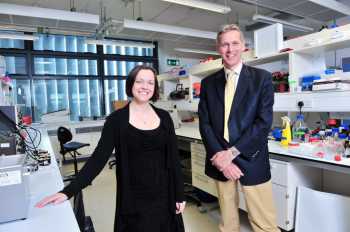 Jennifer Mahony, PhD and Prof Douwe Van Sinderen[/caption]
Jennifer Mahony, PhD and
Prof Douwe Van Sinderen
Dept of Microbiology
University College Cork
Cork, Ireland
MedicalResearch.com Editor's note: Dr Jennifer Mahony & Prof Douwe van Sinderen, of the APC (Alimentary Pharmbiotic Center) Microbiome Institute, University College Cork, Ireland, have received a Grand Challenges Explorations Grant from the Bill & Melinda Gates Foundation to study the microbiota (bacteria and viruses) of infants in developing countries. This study seeks to improve the gut health of infants which could potentially prevent/reduce the estimated 0.8 million infants who die annually in developing countries.
Dr. Mahony & Prof. van Sinderen answered several questions about the upcoming study for the MedicalResearch.com audience.
MedicalResearch.com: What is the background for this study? Would you briefly explain what is meant by a microbiome?
Response: The World Health Organisation promotes exclusive breast-feeding in infants until they are at least 6 months old. Early weaning in developing countries where sanitary conditions may be poor may lead to the introduction of microorganisms such as Shigella, which can cause intestinal infections and in extreme cases may be fatal. 0.8 million infant deaths in developing countries could be avoided annually according to UNICEF if exclusive breast-feeding is continued to the sixth month of life. Our intestinal tracts naturally contain many bacteria, called our microbiota, and the composition of this microbiota may have implications for our health and well-being. Just in the same way that drinking a probiotic drink every day is reported to promote a healthy gut microbiota, we will investigate how bacterial viruses (that specifically infect bacteria and not humans!) can change the gut bacterial population.
Jennifer Mahony, PhD and Prof Douwe Van Sinderen[/caption]
Jennifer Mahony, PhD and
Prof Douwe Van Sinderen
Dept of Microbiology
University College Cork
Cork, Ireland
MedicalResearch.com Editor's note: Dr Jennifer Mahony & Prof Douwe van Sinderen, of the APC (Alimentary Pharmbiotic Center) Microbiome Institute, University College Cork, Ireland, have received a Grand Challenges Explorations Grant from the Bill & Melinda Gates Foundation to study the microbiota (bacteria and viruses) of infants in developing countries. This study seeks to improve the gut health of infants which could potentially prevent/reduce the estimated 0.8 million infants who die annually in developing countries.
Dr. Mahony & Prof. van Sinderen answered several questions about the upcoming study for the MedicalResearch.com audience.
MedicalResearch.com: What is the background for this study? Would you briefly explain what is meant by a microbiome?
Response: The World Health Organisation promotes exclusive breast-feeding in infants until they are at least 6 months old. Early weaning in developing countries where sanitary conditions may be poor may lead to the introduction of microorganisms such as Shigella, which can cause intestinal infections and in extreme cases may be fatal. 0.8 million infant deaths in developing countries could be avoided annually according to UNICEF if exclusive breast-feeding is continued to the sixth month of life. Our intestinal tracts naturally contain many bacteria, called our microbiota, and the composition of this microbiota may have implications for our health and well-being. Just in the same way that drinking a probiotic drink every day is reported to promote a healthy gut microbiota, we will investigate how bacterial viruses (that specifically infect bacteria and not humans!) can change the gut bacterial population.
 Dr. Michael Johnson[/caption]
Michael A. Johnson Ph.D
Associate Professor
Department of Chemistry
University of Kansas
MedicalResearch.com: What is the background for this study? What are the main findings?
Dr. Johnson: We undertook these studies because chemotherapy induced cognitive dysfunction, also known as ‘chemobrain’, has become a major health issue in recent years. For example, up to a third of patients who have undergone chemotherapy treatment for breast cancer have reported symptoms of chemobrain. These symptoms may include loss of verbal and visual memory as well as decreased mental flexibility and difficulty focusing.
For this study, we wanted to understand how treatment with chemotherapeutic agents affects the ability of neurons to communicate. An impairment of neurotransmitter release would imply that communication is hindered. This inability to communicate normally could contribute to cognitive dysfunction.
We initially measured the release of dopamine in a region of the brain called the striatum. Our measurement of dopamine in this region was motivated by two key issues: its importance in cognitive function and our ability to measure it with high temporal resolution. From a cognitive standpoint, dopamine is important because the striatum helps translate signals, received from the cortex, into plans by forwarding wanted signals to other parts of the brain and suppressing unwanted signals. Fortunately, we can easily measure dopamine release using an electrochemical technique called fast-scan cyclic voltammetry. This method allows us to not only measure how much dopamine is released from a living brain slice, but also it affords us the capability to measure how quickly dopamine is taken back up. We also measured serotonin release using this method.
Our main finding was that the ability of neurons to release dopamine was impaired after carboplatin treatment. We also found that serotonin release was similarly impaired. These release impairments corresponded to a decrease in cognitive ability of the treated rats.
Dr. Michael Johnson[/caption]
Michael A. Johnson Ph.D
Associate Professor
Department of Chemistry
University of Kansas
MedicalResearch.com: What is the background for this study? What are the main findings?
Dr. Johnson: We undertook these studies because chemotherapy induced cognitive dysfunction, also known as ‘chemobrain’, has become a major health issue in recent years. For example, up to a third of patients who have undergone chemotherapy treatment for breast cancer have reported symptoms of chemobrain. These symptoms may include loss of verbal and visual memory as well as decreased mental flexibility and difficulty focusing.
For this study, we wanted to understand how treatment with chemotherapeutic agents affects the ability of neurons to communicate. An impairment of neurotransmitter release would imply that communication is hindered. This inability to communicate normally could contribute to cognitive dysfunction.
We initially measured the release of dopamine in a region of the brain called the striatum. Our measurement of dopamine in this region was motivated by two key issues: its importance in cognitive function and our ability to measure it with high temporal resolution. From a cognitive standpoint, dopamine is important because the striatum helps translate signals, received from the cortex, into plans by forwarding wanted signals to other parts of the brain and suppressing unwanted signals. Fortunately, we can easily measure dopamine release using an electrochemical technique called fast-scan cyclic voltammetry. This method allows us to not only measure how much dopamine is released from a living brain slice, but also it affords us the capability to measure how quickly dopamine is taken back up. We also measured serotonin release using this method.
Our main finding was that the ability of neurons to release dopamine was impaired after carboplatin treatment. We also found that serotonin release was similarly impaired. These release impairments corresponded to a decrease in cognitive ability of the treated rats.