
24 May Acid Suppression Reduces Risk of Esophageal Cancer in Barrett’s Esophagus
Posted at 15:38h
in Author Interviews, Baylor College of Medicine Houston, Cancer Research, Gastrointestinal Disease
MedicalResearch.com Interview with:
[caption id="attachment_24625" align="alignleft" width="200"] Dr. Aaron Thrift[/caption]
Aaron Peter Thrift, Ph.D
Assistant Professor
Duncan Cancer Center
Department of Medicine, Gastroenterology Section
Baylor College of Medicine
Houston, TX, US
MedicalResearch.com: What is the background for this study? What are the main findings?
Dr. Thrift: Patients with Barrett’s esophagus are at significantly higher risk of developing esophageal adenocarcinoma. Due to the continued rise in incidence of esophageal adenocarcinoma attention has turned to chemoprevention as a method to delay or halt the progression of Barrett’s esophagus to neoplasia, including invasive cancer. Acid suppressive medications, such as proton pump inhibitors (PPIs) and histamine-2 receptor antagonists (H2RAs), are commonly used in patients with gastroesophageal reflux disease (GERD), the primary risk factor for Barrett’s esophagus.
We contacted a nested case-control study involving 311 patients with Barrett’s esophagus who developed esophageal adenocarcinoma (cases) and 856 matched controls (patients with Barrett’s esophagus but who did not develop esophageal adenocarcinoma). Compared to never users, we found that Barrett’s esophagus patients taking PPIs and H2RAs had 69% and 45% lower risk of esophageal adenocarcinoma, respectively. The associations were independent of other risk factors for progression, including concomitant use of nonsteroidal anti-inflammatory drugs and statins.
Dr. Aaron Thrift[/caption]
Aaron Peter Thrift, Ph.D
Assistant Professor
Duncan Cancer Center
Department of Medicine, Gastroenterology Section
Baylor College of Medicine
Houston, TX, US
MedicalResearch.com: What is the background for this study? What are the main findings?
Dr. Thrift: Patients with Barrett’s esophagus are at significantly higher risk of developing esophageal adenocarcinoma. Due to the continued rise in incidence of esophageal adenocarcinoma attention has turned to chemoprevention as a method to delay or halt the progression of Barrett’s esophagus to neoplasia, including invasive cancer. Acid suppressive medications, such as proton pump inhibitors (PPIs) and histamine-2 receptor antagonists (H2RAs), are commonly used in patients with gastroesophageal reflux disease (GERD), the primary risk factor for Barrett’s esophagus.
We contacted a nested case-control study involving 311 patients with Barrett’s esophagus who developed esophageal adenocarcinoma (cases) and 856 matched controls (patients with Barrett’s esophagus but who did not develop esophageal adenocarcinoma). Compared to never users, we found that Barrett’s esophagus patients taking PPIs and H2RAs had 69% and 45% lower risk of esophageal adenocarcinoma, respectively. The associations were independent of other risk factors for progression, including concomitant use of nonsteroidal anti-inflammatory drugs and statins.
 Dr. Jill Cameron[/caption]
Jill Cameron, PhD
Canadian Institutes of Health Research New Investigator
Associate Professor,
Department of Occupational Science and Occupational Therapy
Rehabilitation Sciences Institute
Faculty of Medicine,
University of Toronto
MedicalResearch.com: What is the background for this study? What are the main findings?
Dr. Cameron: In the world of critical illness, a lot of research has focused on helping people to survive – and now that more people are surviving, we need to ask ourselves, what does quality of life and wellbeing look like afterwards for both patients and caregivers? The aim of our research was to identify factors associated with family caregiver health and wellbeing during the first year after patients were discharged from the Intensive Care Unit. We examined factors related to the patient and their functional wellbeing, the caregiving situation including the impact it has on caregivers everyday lives, and caregiver including their sense of control over their lives and available social support. We used Pearlin’s Caregiving Stress Process model to guide this research.
From 2007-2014, caregivers of patients who received seven or more days of mechanical ventilation in an ICU across 10 Canadian university-affiliated hospitals were given self-administered questionnaires to assess caregiver and patient characteristics, caregiver depression symptoms, psychological wellbeing, and health-related quality of life. Assessments occurred seven days and three, six and 12-months after ICU discharge.
The study found that most caregivers reported high levels of depression symptoms, which commonly persisted up to one year and did not improve in some. Caregiver sense of control, impact on caregivers’ everyday lives, and social support had the largest relationships with the outcomes. Caregivers’ experienced better health outcomes when they were older, caring for a spouse, had higher income, better social support, sense of control, and caregiving had less of a negative impact on their everyday lives. No patient characteristics or indicators of illness severity were associated with caregiver outcomes.
Poor caregiver outcomes may compromise patients’ rehabilitation potential and sustainability of home care. Identifying risk factors for caregiver distress is an important first step to prevent more suffering and allow ICU survivors and caregivers to regain active and fulfilling lives.
Dr. Jill Cameron[/caption]
Jill Cameron, PhD
Canadian Institutes of Health Research New Investigator
Associate Professor,
Department of Occupational Science and Occupational Therapy
Rehabilitation Sciences Institute
Faculty of Medicine,
University of Toronto
MedicalResearch.com: What is the background for this study? What are the main findings?
Dr. Cameron: In the world of critical illness, a lot of research has focused on helping people to survive – and now that more people are surviving, we need to ask ourselves, what does quality of life and wellbeing look like afterwards for both patients and caregivers? The aim of our research was to identify factors associated with family caregiver health and wellbeing during the first year after patients were discharged from the Intensive Care Unit. We examined factors related to the patient and their functional wellbeing, the caregiving situation including the impact it has on caregivers everyday lives, and caregiver including their sense of control over their lives and available social support. We used Pearlin’s Caregiving Stress Process model to guide this research.
From 2007-2014, caregivers of patients who received seven or more days of mechanical ventilation in an ICU across 10 Canadian university-affiliated hospitals were given self-administered questionnaires to assess caregiver and patient characteristics, caregiver depression symptoms, psychological wellbeing, and health-related quality of life. Assessments occurred seven days and three, six and 12-months after ICU discharge.
The study found that most caregivers reported high levels of depression symptoms, which commonly persisted up to one year and did not improve in some. Caregiver sense of control, impact on caregivers’ everyday lives, and social support had the largest relationships with the outcomes. Caregivers’ experienced better health outcomes when they were older, caring for a spouse, had higher income, better social support, sense of control, and caregiving had less of a negative impact on their everyday lives. No patient characteristics or indicators of illness severity were associated with caregiver outcomes.
Poor caregiver outcomes may compromise patients’ rehabilitation potential and sustainability of home care. Identifying risk factors for caregiver distress is an important first step to prevent more suffering and allow ICU survivors and caregivers to regain active and fulfilling lives.
 Dr. Nicole Shen[/caption]
Dr. Nicole Shen
New York-Presbyterian/Weill Cornell Medical College
MedicalResearch.com: What is the background for this study?
Dr. Shen: Clostridium difficile infection (CDI) is a persistent, healthcare associated infection with significant morbidity and mortality that costs the US billions of dollars annually. Prevention is imperative, particularly for patients at high risk for infection – hospitalized adults taking antibiotics. Trials have suggested probiotics may be useful in preventing CDI. We conducted a systematic review with meta-analysis in this high-risk population, hospitalized adults receiving antibiotics, to evaluate the current evidence for probiotic use for prevention of CDI.
Dr. Nicole Shen[/caption]
Dr. Nicole Shen
New York-Presbyterian/Weill Cornell Medical College
MedicalResearch.com: What is the background for this study?
Dr. Shen: Clostridium difficile infection (CDI) is a persistent, healthcare associated infection with significant morbidity and mortality that costs the US billions of dollars annually. Prevention is imperative, particularly for patients at high risk for infection – hospitalized adults taking antibiotics. Trials have suggested probiotics may be useful in preventing CDI. We conducted a systematic review with meta-analysis in this high-risk population, hospitalized adults receiving antibiotics, to evaluate the current evidence for probiotic use for prevention of CDI.
 Dr. Susan McCurry[/caption]
Dr. Susan McCurry
Principal Investigator
Clinical psychologist and research professor
School of Nursing
University of Washington
MedicalResearch.com: What is the background for this study?
Dr. McCurry: Every woman goes through menopause. Most women experience nighttime hot flashes/sweats and problems sleeping at some point during the menopause transition. Poor sleep leads to daytime fatigue, negative mood, and reduced daytime productivity. When sleep problems become chronic – as they often do – there are also a host of negative physical consequences including increased risk for weight gain, diabetes, and cardiovascular disease. Many women do not want to use sleeping medications or hormonal therapies to treat their sleep problems because of concerns about side effect risks. For these reasons, having effective non-pharmacological options to offer them is important.
Dr. Susan McCurry[/caption]
Dr. Susan McCurry
Principal Investigator
Clinical psychologist and research professor
School of Nursing
University of Washington
MedicalResearch.com: What is the background for this study?
Dr. McCurry: Every woman goes through menopause. Most women experience nighttime hot flashes/sweats and problems sleeping at some point during the menopause transition. Poor sleep leads to daytime fatigue, negative mood, and reduced daytime productivity. When sleep problems become chronic – as they often do – there are also a host of negative physical consequences including increased risk for weight gain, diabetes, and cardiovascular disease. Many women do not want to use sleeping medications or hormonal therapies to treat their sleep problems because of concerns about side effect risks. For these reasons, having effective non-pharmacological options to offer them is important.  Prof. Luis. Rohde[/caption]
Luis Augusto Rohde MD, PhD
Full Professor
Department of Psychiatry
Federal University of Rio Grande do Sul
Director
ADHD Program
Hospital de Clínicas de Porto Alegre
MedicalResearch.com: What is the background for this study? What are the main findings?
Response: The idea that Attention-deficit/Hyperactivity Disorder always begins in childhood has been held for decades even without proper testing. The main manuals of psychiatric diagnoses require age at onset in childhood as a core feature of the disorder. In a large birth cohort followed until age 18, we identified many young adults presenting with a full impairing ADHD syndrome. They had consistently worse outcomes - criminality, substance abuse, traffic accidents, among others - than their counterparts without ADHD. However, most of these young adults (84.6%) presenting with a full impairing syndrome did not have a prior diagnosis in their childhood years. This surprising observation held after many secondary analyses exploring possible biases, like comorbidities in young adulthood, subthreshold ADHD in childhood and change of information source.
Prof. Luis. Rohde[/caption]
Luis Augusto Rohde MD, PhD
Full Professor
Department of Psychiatry
Federal University of Rio Grande do Sul
Director
ADHD Program
Hospital de Clínicas de Porto Alegre
MedicalResearch.com: What is the background for this study? What are the main findings?
Response: The idea that Attention-deficit/Hyperactivity Disorder always begins in childhood has been held for decades even without proper testing. The main manuals of psychiatric diagnoses require age at onset in childhood as a core feature of the disorder. In a large birth cohort followed until age 18, we identified many young adults presenting with a full impairing ADHD syndrome. They had consistently worse outcomes - criminality, substance abuse, traffic accidents, among others - than their counterparts without ADHD. However, most of these young adults (84.6%) presenting with a full impairing syndrome did not have a prior diagnosis in their childhood years. This surprising observation held after many secondary analyses exploring possible biases, like comorbidities in young adulthood, subthreshold ADHD in childhood and change of information source.
 Dr. Samir Ballas[/caption]
Samir K. Ballas MD FACP
Emeritus Professor of Medicine and Pediatrics
Department of Medicine/Cardeza Foundation for Hematologic Research
Thomas Jefferson University
Philadelphia, PA
Medicalresearch.com: What is the background for this study?
Dr. Ballas: Previous studies have shown that the incidence of overt stroke is about 11% in children with sickle cell anemia by ages 2 - 20 years. Untreated stokes recur periodically with increasing severity and mortality. Transfusion therapy has been documented to decrease the frequency and morbidity of stroke in children by 90%. Accordingly, children who develop overt stroke are treated with chronic blood exchange transfusion to prevent the recurrence of additional strokes. When children reach the age of 18-20 years their medical care is transitioned to adult programs. This transition process is associated with several issues one of which is the discontinuation of chronic blood exchange transfusion in patients with history of overt stokes partly due to logistic considerations and partly due to lack of research in strokes in adult patients and the complications of chronic blood transfusion .
Medicalresearch.com: What are the main findings?
Dr. Ballas: The major finding of the study is that the discontinuation of chronic blood exchange after transition to adult programs is associated with increased mortality. All the patients who discontinued blood transfusion died within 3-5 years after transition whereas patients who continued having blood exchange transfusion survived to a mean age of 36 years at the time of writing this study.
Dr. Samir Ballas[/caption]
Samir K. Ballas MD FACP
Emeritus Professor of Medicine and Pediatrics
Department of Medicine/Cardeza Foundation for Hematologic Research
Thomas Jefferson University
Philadelphia, PA
Medicalresearch.com: What is the background for this study?
Dr. Ballas: Previous studies have shown that the incidence of overt stroke is about 11% in children with sickle cell anemia by ages 2 - 20 years. Untreated stokes recur periodically with increasing severity and mortality. Transfusion therapy has been documented to decrease the frequency and morbidity of stroke in children by 90%. Accordingly, children who develop overt stroke are treated with chronic blood exchange transfusion to prevent the recurrence of additional strokes. When children reach the age of 18-20 years their medical care is transitioned to adult programs. This transition process is associated with several issues one of which is the discontinuation of chronic blood exchange transfusion in patients with history of overt stokes partly due to logistic considerations and partly due to lack of research in strokes in adult patients and the complications of chronic blood transfusion .
Medicalresearch.com: What are the main findings?
Dr. Ballas: The major finding of the study is that the discontinuation of chronic blood exchange after transition to adult programs is associated with increased mortality. All the patients who discontinued blood transfusion died within 3-5 years after transition whereas patients who continued having blood exchange transfusion survived to a mean age of 36 years at the time of writing this study.
 Dr. Steven Moore[/caption]
Steven C. Moore PhD, MPH
Division of Cancer Epidemiology and Genetics
Rockville, MD
MedicalResearch.com: What is the background for this study? What are the main findings?
Dr. Moore: More than half of Americans fail to meet recommended levels of regular physical activity; physical inactivity has become a major public health concern.
Physical activity during leisure time is known to reduce risks of heart-disease and all-cause mortality, as well as risks of colon, breast, and endometrial cancers. However, less is known about whether physical activity reduces risk of other cancers.
Hundreds of prospective studies have examined associations between physical activity and risk of different cancers. Due to small case numbers, results have been inconclusive for most cancer types.
In this study, we examined how leisure-time physical activity relates to risk of 26 different cancer types in a pooled analysis of 12 prospective cohort studies with 1.44 million participants. Our objectives were to identify cancers associated with leisure-time physical activity, and determine whether associations varied by body size and/or smoking history.
Dr. Steven Moore[/caption]
Steven C. Moore PhD, MPH
Division of Cancer Epidemiology and Genetics
Rockville, MD
MedicalResearch.com: What is the background for this study? What are the main findings?
Dr. Moore: More than half of Americans fail to meet recommended levels of regular physical activity; physical inactivity has become a major public health concern.
Physical activity during leisure time is known to reduce risks of heart-disease and all-cause mortality, as well as risks of colon, breast, and endometrial cancers. However, less is known about whether physical activity reduces risk of other cancers.
Hundreds of prospective studies have examined associations between physical activity and risk of different cancers. Due to small case numbers, results have been inconclusive for most cancer types.
In this study, we examined how leisure-time physical activity relates to risk of 26 different cancer types in a pooled analysis of 12 prospective cohort studies with 1.44 million participants. Our objectives were to identify cancers associated with leisure-time physical activity, and determine whether associations varied by body size and/or smoking history.
 Dr. Kazem Rahimi[/caption]
Kazem Rahimi, DM, MSc
Oxford Martin School
University of Oxford
United Kingdom
MedicalResearch.com: What is the background for this study?
Dr. Rahimi: Vascular dementia is the second most common cause of dementia and is increasing in prevalence worldwide. Vascular dementia often occurs after stroke and can cause apathy, depression, and a decline in cognitive function, and can eventually result in death. High blood pressure (BP) has been identified as a potential risk factor for the development of vascular dementia. However, previous studies, which have been small in size, have reported conflicting results on the relationship between blood pressure and vascular dementia.
Dr. Kazem Rahimi[/caption]
Kazem Rahimi, DM, MSc
Oxford Martin School
University of Oxford
United Kingdom
MedicalResearch.com: What is the background for this study?
Dr. Rahimi: Vascular dementia is the second most common cause of dementia and is increasing in prevalence worldwide. Vascular dementia often occurs after stroke and can cause apathy, depression, and a decline in cognitive function, and can eventually result in death. High blood pressure (BP) has been identified as a potential risk factor for the development of vascular dementia. However, previous studies, which have been small in size, have reported conflicting results on the relationship between blood pressure and vascular dementia.
 Dr. Saroj Saigal[/caption]
Saroj Saigal, MD, FRCP(C)
Department of Pediatrics
McMaster University
Hamilton, Ontario Canada
MedicalResearch.com: What is the background for this study? What are the main findings?
Dr. Saigal: We started to follow infants who were born between 1977-82 and weighed less than 1000g or 2.2 pounds (extremely low birthweight, ELBW) because not much was known about the outcomes of these infants at the time.We have reported the findings at several ages, from infancy to adulthood, in comparison with normal birth weight (NBW) infants . In this report, 100 ELBW participants between 29-36 years of age were compared with 89 NBW participants. To our knowledge, this is the first longitudinal study that has followed infants from birth into their 30s.
Dr. Saroj Saigal[/caption]
Saroj Saigal, MD, FRCP(C)
Department of Pediatrics
McMaster University
Hamilton, Ontario Canada
MedicalResearch.com: What is the background for this study? What are the main findings?
Dr. Saigal: We started to follow infants who were born between 1977-82 and weighed less than 1000g or 2.2 pounds (extremely low birthweight, ELBW) because not much was known about the outcomes of these infants at the time.We have reported the findings at several ages, from infancy to adulthood, in comparison with normal birth weight (NBW) infants . In this report, 100 ELBW participants between 29-36 years of age were compared with 89 NBW participants. To our knowledge, this is the first longitudinal study that has followed infants from birth into their 30s.
 Dr. Ze'ev Ronai[/caption]
Ze'ev Ronai, Ph.D.
Chief Scientific Advisor and Professor
Sanford Burnham Prebys Medical Discovery Institute
NCI-designated Cancer Center
MedicalResearch.com: What is the background for this study? What are the main findings?
Dr. Ronai: Our lab has been studying the role of the transcription factor ATF2 in melanoma, demonstrating it's oncogene function and the ability to attenuate melanoma development once inhibiting this transaction factor activity.
We set to examine the role of ATF2 using the genetic melanoma model of BRAF/PTEN to find that inactive ATF2 promotes melanoma development in this model.
To our great surprise the transcriptional-inactive form of ATF2 was sufficient to promote melanoma development when combined with mutant BRAF, pointing to the "super" oncogenic capacity of this protein.
Dr. Ze'ev Ronai[/caption]
Ze'ev Ronai, Ph.D.
Chief Scientific Advisor and Professor
Sanford Burnham Prebys Medical Discovery Institute
NCI-designated Cancer Center
MedicalResearch.com: What is the background for this study? What are the main findings?
Dr. Ronai: Our lab has been studying the role of the transcription factor ATF2 in melanoma, demonstrating it's oncogene function and the ability to attenuate melanoma development once inhibiting this transaction factor activity.
We set to examine the role of ATF2 using the genetic melanoma model of BRAF/PTEN to find that inactive ATF2 promotes melanoma development in this model.
To our great surprise the transcriptional-inactive form of ATF2 was sufficient to promote melanoma development when combined with mutant BRAF, pointing to the "super" oncogenic capacity of this protein.
 MedicalResearch.com Interview with:
Prof Andrew Mente PhD
Clinical Epidemiology and Biostatistics, McMaster University
Hamilton, Canada
MedicalResearch.com Editor's Note: Dr. Mente discusses his Lancet publication regarding salt intake below. Dr. Mente's findings are disputed by the American Heart Association (AHA). A statement from the AHA follows Dr. Mente's comments.
MedicalResearch.com: What is the background for this study? What are the main findings?
Prof. Mente: Several prospective cohort studies have recently reported that both too little and too much sodium intake is associated with cardiovascular disease or mortality. Whether these associations vary between those individuals with and without high blood pressure (hypertension) is unknown.
We found that low sodium intake (below 3 g/day), compared to average intake (3 to 6 g/day), is associated with more cardiovascular events and mortality, both in those with high blood pressure and in those without high blood pressure. So following the guidelines would put you at increased risk, compared to consuming an sodium at the population average level, regardless of whether you have high blood pressure or normal blood pressure.
High sodium intake (above 6 g/day) compared to average intake, was associated with harm, but only in people with high blood pressure (no association in people without high blood pressure).
MedicalResearch.com Interview with:
Prof Andrew Mente PhD
Clinical Epidemiology and Biostatistics, McMaster University
Hamilton, Canada
MedicalResearch.com Editor's Note: Dr. Mente discusses his Lancet publication regarding salt intake below. Dr. Mente's findings are disputed by the American Heart Association (AHA). A statement from the AHA follows Dr. Mente's comments.
MedicalResearch.com: What is the background for this study? What are the main findings?
Prof. Mente: Several prospective cohort studies have recently reported that both too little and too much sodium intake is associated with cardiovascular disease or mortality. Whether these associations vary between those individuals with and without high blood pressure (hypertension) is unknown.
We found that low sodium intake (below 3 g/day), compared to average intake (3 to 6 g/day), is associated with more cardiovascular events and mortality, both in those with high blood pressure and in those without high blood pressure. So following the guidelines would put you at increased risk, compared to consuming an sodium at the population average level, regardless of whether you have high blood pressure or normal blood pressure.
High sodium intake (above 6 g/day) compared to average intake, was associated with harm, but only in people with high blood pressure (no association in people without high blood pressure).
 Dr. Nombela Franco[/caption]
Luis Nombela-Franco, MD, PhD
Structural cardiology program.
Interventional Cardiology department.
Hospital Clínico San Carlos, Cardiovascular Institute
Madrid, Spain
(Dr. Nombela-Franco, has a special interest in interest on percutaneous treatment of structural heart disease and coronary interventions with special focus on chronic total occlusion)
MedicalResearch.com: What is the background for this study?
Dr. Nombela-Franco: In-hospital infections are one of the most common complications that may occur following medical and surgical admissions, significantly impacted length of hospital stay, costs and clinical outcomes. In addition, approximately one third of hospital-acquired infections are preventable.
Transcatheter aortic valve replacement (TAVR) is currently the standard of care for symptomatic patients with severe aortic stenosis deemed at high surgical risk or inoperable. Patients undergoing TAVR have several comorbidities and the invasive (although less invasive the surgical treatment) nature of the procedure and peri-operative care confers a high likelihood in-hospital infections in such patients. This study analyzed the incidence, predictive factors and impact of in-hospital infections in patients undergoing transcatheter aortic valve implantation.
Dr. Nombela Franco[/caption]
Luis Nombela-Franco, MD, PhD
Structural cardiology program.
Interventional Cardiology department.
Hospital Clínico San Carlos, Cardiovascular Institute
Madrid, Spain
(Dr. Nombela-Franco, has a special interest in interest on percutaneous treatment of structural heart disease and coronary interventions with special focus on chronic total occlusion)
MedicalResearch.com: What is the background for this study?
Dr. Nombela-Franco: In-hospital infections are one of the most common complications that may occur following medical and surgical admissions, significantly impacted length of hospital stay, costs and clinical outcomes. In addition, approximately one third of hospital-acquired infections are preventable.
Transcatheter aortic valve replacement (TAVR) is currently the standard of care for symptomatic patients with severe aortic stenosis deemed at high surgical risk or inoperable. Patients undergoing TAVR have several comorbidities and the invasive (although less invasive the surgical treatment) nature of the procedure and peri-operative care confers a high likelihood in-hospital infections in such patients. This study analyzed the incidence, predictive factors and impact of in-hospital infections in patients undergoing transcatheter aortic valve implantation.
 Dr. Uras[/caption]
Dr. Iris Z Uras and Univ.-Prof. Dr. Veronika Sexl
[caption id="attachment_24559" align="alignleft" width="80"]
Dr. Uras[/caption]
Dr. Iris Z Uras and Univ.-Prof. Dr. Veronika Sexl
[caption id="attachment_24559" align="alignleft" width="80"] Dr. Sexl[/caption]
Institute of Pharmacology and Toxicology
University of Veterinary Medicine
Vienna
MedicalResearch.com: What is the background for this study? What are the main findings?
Response: Acute myeloid leukemia (AML) is the most common form of acute leukemia in adults. Patients suffering from AML have poor prognosis and high mortality rate despite considerable advances in chemotherapy and hematopoietic stem cell transplantations. Up to 30% of patients with AML harbor an activating mutation in the FLT3 receptor tyrosine kinase (FLT3-ITD). Such mutations are associated with a high predisposition to relapse after remission. In a simplified way we can say that these tumor cells depend on FLT3: Is FLT3 blocked, cells die. Hence, FLT3 inhibitors are being developed as targeted therapy for FLT3-mutant AML; however, clinical responses are short-lived and their use is complicated by rapid development of resistance. This emphasizes the need for additional therapeutic targets.
Our study represents a novel therapeutic window to specifically target and kill AML cells with FLT3-ITD mutations. We found that the tumor-promoting enzyme CDK6 but not its close relative CDK4 directly regulates and initiates the production/transcription of FLT3 and thus lead to disease. The FDA-approved kinase inhibitor Palbociclib not only blocks the activity of CDK6 but in turn impairs FLT3 expression: Mutant AML cells die immediately. The treatment does not affect cells without the mutation.
The power of CDK6 inhibition in AML cells goes beyond FLT3: Palbociclib also stops production of the PIM1 kinase and thus overcomes the potential activation of survival pathways counteracting the effects of FLT3 inhibition.
Dr. Sexl[/caption]
Institute of Pharmacology and Toxicology
University of Veterinary Medicine
Vienna
MedicalResearch.com: What is the background for this study? What are the main findings?
Response: Acute myeloid leukemia (AML) is the most common form of acute leukemia in adults. Patients suffering from AML have poor prognosis and high mortality rate despite considerable advances in chemotherapy and hematopoietic stem cell transplantations. Up to 30% of patients with AML harbor an activating mutation in the FLT3 receptor tyrosine kinase (FLT3-ITD). Such mutations are associated with a high predisposition to relapse after remission. In a simplified way we can say that these tumor cells depend on FLT3: Is FLT3 blocked, cells die. Hence, FLT3 inhibitors are being developed as targeted therapy for FLT3-mutant AML; however, clinical responses are short-lived and their use is complicated by rapid development of resistance. This emphasizes the need for additional therapeutic targets.
Our study represents a novel therapeutic window to specifically target and kill AML cells with FLT3-ITD mutations. We found that the tumor-promoting enzyme CDK6 but not its close relative CDK4 directly regulates and initiates the production/transcription of FLT3 and thus lead to disease. The FDA-approved kinase inhibitor Palbociclib not only blocks the activity of CDK6 but in turn impairs FLT3 expression: Mutant AML cells die immediately. The treatment does not affect cells without the mutation.
The power of CDK6 inhibition in AML cells goes beyond FLT3: Palbociclib also stops production of the PIM1 kinase and thus overcomes the potential activation of survival pathways counteracting the effects of FLT3 inhibition.
 Dr. Susanne Asu Wolf[/caption]
Susanne Asu Wolf PhD
Max-Delbrueck-Center for Molecular Medicine
Berlin, Germany
MedicalResearch.com: What inspired you to research this link between Ly6Chi monocytes, antibiotics and neurogenesis?
Dr. Wolf: As a neuroimmunologist I research the communication between the immune system and the brain. Amongst other research groups we found almost 10 years ago that T cells are needed to maintain brain homeostasis and plasticity, namely neurogenesis. Since only activated T cells enter the brain, we were looking for a mouse model, where immune cells are not activated. My former supervisor Polly Matzinger (NIH), a well-known immunologist, suggested to use germ free mice, born and raised in an isolator without any contact to a pathogen or any bacteria. I did a pilot experiment with the germ free mice, but wanted to get closer to possible applications in humans. Since humans are rarely born and raised in a sterile environment, I was looking for another model. By chance I met with the group of Bereswill and Heimesaat (Berlin, Charite) who provided me with a model, where due to prolonged treatment with an antibiotic cocktail, the microbiota are below detection level and the mice are also virtually germ free. They got me into contact with the second senior author of the paper Ildiko Dunay (University of Magdeburg). Her expertise is the function of Ly6Chi monocytes during infection with malaria or toxoplasmosis.
Now we were ready to investigate the gut-immune-brain axis with the focus on neurogenesis and cognition. Meanwhile the impact of the microbiome on behavior was reported by several research groups using “sterile” germ free mice and I was also curious if we could see similar differences in our antibiotic treated mice.
Dr. Susanne Asu Wolf[/caption]
Susanne Asu Wolf PhD
Max-Delbrueck-Center for Molecular Medicine
Berlin, Germany
MedicalResearch.com: What inspired you to research this link between Ly6Chi monocytes, antibiotics and neurogenesis?
Dr. Wolf: As a neuroimmunologist I research the communication between the immune system and the brain. Amongst other research groups we found almost 10 years ago that T cells are needed to maintain brain homeostasis and plasticity, namely neurogenesis. Since only activated T cells enter the brain, we were looking for a mouse model, where immune cells are not activated. My former supervisor Polly Matzinger (NIH), a well-known immunologist, suggested to use germ free mice, born and raised in an isolator without any contact to a pathogen or any bacteria. I did a pilot experiment with the germ free mice, but wanted to get closer to possible applications in humans. Since humans are rarely born and raised in a sterile environment, I was looking for another model. By chance I met with the group of Bereswill and Heimesaat (Berlin, Charite) who provided me with a model, where due to prolonged treatment with an antibiotic cocktail, the microbiota are below detection level and the mice are also virtually germ free. They got me into contact with the second senior author of the paper Ildiko Dunay (University of Magdeburg). Her expertise is the function of Ly6Chi monocytes during infection with malaria or toxoplasmosis.
Now we were ready to investigate the gut-immune-brain axis with the focus on neurogenesis and cognition. Meanwhile the impact of the microbiome on behavior was reported by several research groups using “sterile” germ free mice and I was also curious if we could see similar differences in our antibiotic treated mice.
 Dr. S. S. Hawkins[/caption]
Summer Sherburne Hawkins, PhD, MS
Assistant Professor
Boston College School of Social Work
Chestnut Hill, MA 02467
MedicalResearch.com: What is the background for this study? What are the main findings?
Response: Sleep is so important for all of us—especially for children and adolescents as their brains and bodies continue to develop. Inadequate sleep is associated with a number of health problems including obesity, cognitive functioning, and chronic illnesses. Increasing the amount and quality of sleep are public health priorities in the US. Currently, school-aged children are recommended to get at least 10 hours and adolescents to get 9-10 hours of sleep daily. However, less than one third of students report getting 8 or more hours of sleep during the school week and total sleep time decreases from infancy through adulthood.
The new Healthy People 2020 ‘Sleep Health’ target only monitors adolescent sleep and there are no national data for younger children. Thus, there is little known about the age that sleep issues may begin and whether the prevalence of sleep issues is changing over time. Furthermore, only a few studies have examined the social determinants of sleep in children and adolescents, particularly whether there are differences across racial/ethnic and educational groups.
An overarching gap in the literature remains—monitoring sleep and identifying disparities across the life course. Using a nationally-representative sample of US children and adolescents, we examined trends and social determinants of inadequate sleep in 6-17-year-olds.
Dr. S. S. Hawkins[/caption]
Summer Sherburne Hawkins, PhD, MS
Assistant Professor
Boston College School of Social Work
Chestnut Hill, MA 02467
MedicalResearch.com: What is the background for this study? What are the main findings?
Response: Sleep is so important for all of us—especially for children and adolescents as their brains and bodies continue to develop. Inadequate sleep is associated with a number of health problems including obesity, cognitive functioning, and chronic illnesses. Increasing the amount and quality of sleep are public health priorities in the US. Currently, school-aged children are recommended to get at least 10 hours and adolescents to get 9-10 hours of sleep daily. However, less than one third of students report getting 8 or more hours of sleep during the school week and total sleep time decreases from infancy through adulthood.
The new Healthy People 2020 ‘Sleep Health’ target only monitors adolescent sleep and there are no national data for younger children. Thus, there is little known about the age that sleep issues may begin and whether the prevalence of sleep issues is changing over time. Furthermore, only a few studies have examined the social determinants of sleep in children and adolescents, particularly whether there are differences across racial/ethnic and educational groups.
An overarching gap in the literature remains—monitoring sleep and identifying disparities across the life course. Using a nationally-representative sample of US children and adolescents, we examined trends and social determinants of inadequate sleep in 6-17-year-olds.
 Mille Feuille Paper Filter[/caption]
MedicalResearch.com: What is the background for this study? What are the main findings?
Dr. Mihranyan: We describe for the first time a paper filter that can remove even the worst-case viruses from water with high efficiency and at industrially relevant rates. The filter is produced from 100% naturally derived cellulose and is formed into paper sheets using very simple processing, which is essentially the same as that for making paper on a large scale. Filter paper is used ubiquitously in every day life from coffee filters to chemistry classrooms but these filters have normally too large pores to retain microbes, let alone viruses.
We show for the first time that we can remove viruses as small as 20 nm! How is it possible? We use cellulose nanofibers from green algae and we possess know-how to control the distribution of the pores inside the paper to be able to remove such small particles. One important aspect, which we discuss in detail in the article, is the special internal layered structure of the filter, which is remarkably similar to French pastry mille-feuille- hence, the name mille-feuille filter.
Mille Feuille Paper Filter[/caption]
MedicalResearch.com: What is the background for this study? What are the main findings?
Dr. Mihranyan: We describe for the first time a paper filter that can remove even the worst-case viruses from water with high efficiency and at industrially relevant rates. The filter is produced from 100% naturally derived cellulose and is formed into paper sheets using very simple processing, which is essentially the same as that for making paper on a large scale. Filter paper is used ubiquitously in every day life from coffee filters to chemistry classrooms but these filters have normally too large pores to retain microbes, let alone viruses.
We show for the first time that we can remove viruses as small as 20 nm! How is it possible? We use cellulose nanofibers from green algae and we possess know-how to control the distribution of the pores inside the paper to be able to remove such small particles. One important aspect, which we discuss in detail in the article, is the special internal layered structure of the filter, which is remarkably similar to French pastry mille-feuille- hence, the name mille-feuille filter.
 Yunsheng Ma, MD, PhD MPH
University of Massachusetts Medical School
Worcester
MedicalResearch.com: What is the background for this study? What are the main findings?
Dr. Ma: The cardiovascular benefit of lowering LDL cholesterol with statins exceeds all known risk, even in individuals with < 5% risk of CVD over 5 year. Nevertheless, statins are associated with increased incidence of new-onset diabetes, women were disproportionately at higher risk for diabetes while on statins. However, there are no studies comparing CVD and CVD mortality outcomes for women who develop diabetes while not taking statins, to compare their CVD and CVD mortality outcomes against those who develop diabetes while taking statins.
We hypothesized that new clinical diabetes related to statin use may be milder on CVD. However, our findings did not support this hypothesis, as we discovered that statin-related diabetes is no different from diabetes developed outside statin use in its significant impact on CVD and CVD mortality.
Yunsheng Ma, MD, PhD MPH
University of Massachusetts Medical School
Worcester
MedicalResearch.com: What is the background for this study? What are the main findings?
Dr. Ma: The cardiovascular benefit of lowering LDL cholesterol with statins exceeds all known risk, even in individuals with < 5% risk of CVD over 5 year. Nevertheless, statins are associated with increased incidence of new-onset diabetes, women were disproportionately at higher risk for diabetes while on statins. However, there are no studies comparing CVD and CVD mortality outcomes for women who develop diabetes while not taking statins, to compare their CVD and CVD mortality outcomes against those who develop diabetes while taking statins.
We hypothesized that new clinical diabetes related to statin use may be milder on CVD. However, our findings did not support this hypothesis, as we discovered that statin-related diabetes is no different from diabetes developed outside statin use in its significant impact on CVD and CVD mortality.
 Dr. Melissa Wilson[/caption]
Melissa A. Wilson, MD, PhD
Assistant professor of Medical Oncology
NYU Langone Perlmutter Cancer Center
MedicalResearch.com: What are the most common types of skin cancer?
Dr. Wilson: Basal cell carcinoma, squamous cell carcinoma and melanoma. With rare exception, all are related to sun exposure.
MedicalResearch.com: Are some types of skin cancer more serious than others?
Dr. Wilson: Melanoma is the most serious form of skin cancer, with the highest risk of developing into metastatic disease. Most basal cell and squamous cell carcinomas are superficial and not as invasive, so removal is the treatment. Rarely, these can cause invasive and metastatic disease, but this occurs infrequently. Melanoma is much more serious. Of course, the earlier melanoma is detected and the earlier stage that it is, is more predictive of a favorable outcome.
MedicalResearch.com: Who is most prone to skin cancer?
Dr. Wilson: Persons with excessive sun exposure, fair skin, light hair and blue eyes - although it can certainly occur in anyone.
Dr. Melissa Wilson[/caption]
Melissa A. Wilson, MD, PhD
Assistant professor of Medical Oncology
NYU Langone Perlmutter Cancer Center
MedicalResearch.com: What are the most common types of skin cancer?
Dr. Wilson: Basal cell carcinoma, squamous cell carcinoma and melanoma. With rare exception, all are related to sun exposure.
MedicalResearch.com: Are some types of skin cancer more serious than others?
Dr. Wilson: Melanoma is the most serious form of skin cancer, with the highest risk of developing into metastatic disease. Most basal cell and squamous cell carcinomas are superficial and not as invasive, so removal is the treatment. Rarely, these can cause invasive and metastatic disease, but this occurs infrequently. Melanoma is much more serious. Of course, the earlier melanoma is detected and the earlier stage that it is, is more predictive of a favorable outcome.
MedicalResearch.com: Who is most prone to skin cancer?
Dr. Wilson: Persons with excessive sun exposure, fair skin, light hair and blue eyes - although it can certainly occur in anyone.
 Dr. Mark Cohen[/caption]
Mark E. Cohen, PhD
Statistical Manager
Continuous Quality Improvement
Division of Research and Optimal Patient Care
American College of Surgeons
Chicago, IL
MedicalResearch.com: What is the background for this study?
Dr. Cohen: The ACS NSQIP Surgical Risk Calculator (built from 2.7 million patient records from nearly 600 hospitals) has been widely adopted as a decision aid and informed consent tool by surgeons and patients. Predictive accuracy can be assessed in terms of discrimination, calibration, and combined discrimination and calibration. In this study, we focused primarily on calibration. Calibration refers to the consistency of agreement between observed and predicted risk across the range of predicted risk. One would not want, for example, a model that dramatically overestimates risk for low-risk patients and underestimates risk for high-risk patients – this sort of systematic error, if of sufficient magnitude, would make a risk calculator unacceptable for clinical use. We also assessed the potential benefits of statistical recalibration using restricted cubic splines.
MedicalResearch.com: What are the main findings?
Dr. Cohen: Without recalibration, the Risk Calculator was shown to have excellent calibration, though there was, at times, a slight tendency for predicted risk to be overestimated for lowest- and highest-risk patients and underestimated for moderate-risk patients. After recalibration this distortion was eliminated.
Dr. Mark Cohen[/caption]
Mark E. Cohen, PhD
Statistical Manager
Continuous Quality Improvement
Division of Research and Optimal Patient Care
American College of Surgeons
Chicago, IL
MedicalResearch.com: What is the background for this study?
Dr. Cohen: The ACS NSQIP Surgical Risk Calculator (built from 2.7 million patient records from nearly 600 hospitals) has been widely adopted as a decision aid and informed consent tool by surgeons and patients. Predictive accuracy can be assessed in terms of discrimination, calibration, and combined discrimination and calibration. In this study, we focused primarily on calibration. Calibration refers to the consistency of agreement between observed and predicted risk across the range of predicted risk. One would not want, for example, a model that dramatically overestimates risk for low-risk patients and underestimates risk for high-risk patients – this sort of systematic error, if of sufficient magnitude, would make a risk calculator unacceptable for clinical use. We also assessed the potential benefits of statistical recalibration using restricted cubic splines.
MedicalResearch.com: What are the main findings?
Dr. Cohen: Without recalibration, the Risk Calculator was shown to have excellent calibration, though there was, at times, a slight tendency for predicted risk to be overestimated for lowest- and highest-risk patients and underestimated for moderate-risk patients. After recalibration this distortion was eliminated.
 Dr. Yvan Devaux[/caption]
Yvan Devaux, PhD
Associate Head of Laboratory
Cardiovascular Research Unit
Department of Population Health
Dr. Yvan Devaux[/caption]
Yvan Devaux, PhD
Associate Head of Laboratory
Cardiovascular Research Unit
Department of Population Health

 Dr. Kathryn Reid[/caption]
Kathryn Reid PhD
Research associate
Professor of Neurology
Northwestern University Feinberg School of Medicine.
MedicalResearch.com: What is the background for this study? What are the main findings?
Dr. Reid: There is increasing evidence that light and dark exposure patterns over time impact health outcomes such as body weight and food intake.
This study found that bright light exposure increased insulin resistance compared to dim light exposure in both the morning and the evening.
In the evening, bright light also caused higher peak glucose (blood sugar) levels.
Dr. Kathryn Reid[/caption]
Kathryn Reid PhD
Research associate
Professor of Neurology
Northwestern University Feinberg School of Medicine.
MedicalResearch.com: What is the background for this study? What are the main findings?
Dr. Reid: There is increasing evidence that light and dark exposure patterns over time impact health outcomes such as body weight and food intake.
This study found that bright light exposure increased insulin resistance compared to dim light exposure in both the morning and the evening.
In the evening, bright light also caused higher peak glucose (blood sugar) levels.
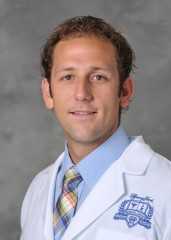 Dr. Robert Keller[/caption]
Robert Keller, M.D., Chief resident
Department of Orthopedic Surgery
Henry Ford Hospital Detroit
MedicalResearch.com: What is the background for this study? What are the main findings?
Dr. Keller: Injuries to the medial ulnar collateral ligament (the ligament torn in pitchers requiring tommy john surgery) are common in overhead-throwing athletes. Recent data supports that the number of MLB pitchers requiring tommy john surgery continues to increase, with estimates near 25% of all MLB pitchers undergoing tommy john surgery. Recent investigations have attempted to analyze factors that contribute to UCL injuries with the aim to decrease the rate of injury. Studies have suggested that possible risk factors include pitching mechanics, pitch type (curve ball, fastball, etc), g, pitching fatigue, chronic overuse, and pitch velocity, among other factors.
Specifically, increased pitch velocity has been implicated as a risk factor for UCL injury. However, no study has exclusively attempted to assess whether MLB pitchers who required Tommy John surgery pitch at a higher velocity than those that do not. Pitch type (fastball, curveball, slider, etc) is another significant factor that has been investigated as a contributor to UCL injuries. Various biomechanical studies have attempted to correlate pitch types with torque across the throwing elbow, with contrasting results: some suggest fastballs create more torque, whereas others found off-speed pitches produce increased stresses. Beyond not evaluating MLB pitchers, these previous studies also failed to evaluate the volume or amount of a specific pitch type thrown by these pitchers that may contribute to UCL injuries.
Dr. Robert Keller[/caption]
Robert Keller, M.D., Chief resident
Department of Orthopedic Surgery
Henry Ford Hospital Detroit
MedicalResearch.com: What is the background for this study? What are the main findings?
Dr. Keller: Injuries to the medial ulnar collateral ligament (the ligament torn in pitchers requiring tommy john surgery) are common in overhead-throwing athletes. Recent data supports that the number of MLB pitchers requiring tommy john surgery continues to increase, with estimates near 25% of all MLB pitchers undergoing tommy john surgery. Recent investigations have attempted to analyze factors that contribute to UCL injuries with the aim to decrease the rate of injury. Studies have suggested that possible risk factors include pitching mechanics, pitch type (curve ball, fastball, etc), g, pitching fatigue, chronic overuse, and pitch velocity, among other factors.
Specifically, increased pitch velocity has been implicated as a risk factor for UCL injury. However, no study has exclusively attempted to assess whether MLB pitchers who required Tommy John surgery pitch at a higher velocity than those that do not. Pitch type (fastball, curveball, slider, etc) is another significant factor that has been investigated as a contributor to UCL injuries. Various biomechanical studies have attempted to correlate pitch types with torque across the throwing elbow, with contrasting results: some suggest fastballs create more torque, whereas others found off-speed pitches produce increased stresses. Beyond not evaluating MLB pitchers, these previous studies also failed to evaluate the volume or amount of a specific pitch type thrown by these pitchers that may contribute to UCL injuries.