
Author: Marie Benz MD FAAD
01 Jul Telehealth System Improved Mental Health and Depression in Army Study
MedicalResearch.com Interview with: [caption id="attachment_25744" align="alignleft" width="200"] Dr. Bradley Belsher[/caption]
Bradley E. Belsher, Ph.D.
Chief of Research Translation and Integration,
Deployment Health Clinical Center,
Defense Center of Excellence for PH
and TBI
Research Assistant Professor, Department of Psychiatry
Uniformed Services University of the Health Sciences
MedicalResearch.com: What is the background for this study? What are the main findings?
Response: One out of five U.S. military service members returning from overseas military conflicts meets screening criteria for at least one mental health condition, yet fewer than half of service members will receive help from a mental health professional. The consequences of inadequate mental health treatment are considerable and can lead to significant social and functional problems for service members and their families. In response to these mounting concerns, the Military Health System (MHS) has increased efforts to expand and improve the identification and treatment of mental health disorders. Given that the average service member visits primary care three times each year, the MHS has invested considerable resources into the integration of mental health services into the primary care setting. Collaborative care is an effective model for integrating mental health services into primary care and has demonstrated effectiveness in treating different mental health conditions to include depression and anxiety disorders. However, no previous studies have examined whether the concept can work in the MHS.
Recently, the first large-scale, randomized effectiveness trial evaluating an integrated health care model in primary care for PTSD and depression in the DoD was conducted. This trial randomized 666 military members treated across six large Army bases to a centrally-assisted collaborative telecare (CACT) approach for PTSD and depression or to the existing standard of care (usual collaborative care). This effectiveness trial targeted a large population of service members as they came into primary care and minimized exclusion criteria to improve the generalizability of the findings and broaden the applicable reach of the intervention.
Dr. Bradley Belsher[/caption]
Bradley E. Belsher, Ph.D.
Chief of Research Translation and Integration,
Deployment Health Clinical Center,
Defense Center of Excellence for PH
and TBI
Research Assistant Professor, Department of Psychiatry
Uniformed Services University of the Health Sciences
MedicalResearch.com: What is the background for this study? What are the main findings?
Response: One out of five U.S. military service members returning from overseas military conflicts meets screening criteria for at least one mental health condition, yet fewer than half of service members will receive help from a mental health professional. The consequences of inadequate mental health treatment are considerable and can lead to significant social and functional problems for service members and their families. In response to these mounting concerns, the Military Health System (MHS) has increased efforts to expand and improve the identification and treatment of mental health disorders. Given that the average service member visits primary care three times each year, the MHS has invested considerable resources into the integration of mental health services into the primary care setting. Collaborative care is an effective model for integrating mental health services into primary care and has demonstrated effectiveness in treating different mental health conditions to include depression and anxiety disorders. However, no previous studies have examined whether the concept can work in the MHS.
Recently, the first large-scale, randomized effectiveness trial evaluating an integrated health care model in primary care for PTSD and depression in the DoD was conducted. This trial randomized 666 military members treated across six large Army bases to a centrally-assisted collaborative telecare (CACT) approach for PTSD and depression or to the existing standard of care (usual collaborative care). This effectiveness trial targeted a large population of service members as they came into primary care and minimized exclusion criteria to improve the generalizability of the findings and broaden the applicable reach of the intervention.
01 Jul Testosterone Therapy Improved Sexual Function in Older Men
Posted at 02:25h
in Author Interviews, Baylor College of Medicine Houston, Endocrinology, Sexual Health, Testosterone
MedicalResearch.com Interview with:
Glenn Cunningham, MD
Departments of Medicine and Molecular and Cellular Biology
Division of Diabetes, Endocrinology and Metabolism
Baylor College of Medicine and Baylor St. Luke's Medical Center
Houston, Texas 77030
MedicalResearch.com: What is the background for this study?
Response: The Testosterone Trials are a coordinated set of seven trials to determine the efficacy of testosterone in symptomatic men ≥65 years with unequivocally low testosterone levels. Previous studies in older men have been limited and the results have been conflicting. Initial results of the Sexual Function Trial showed that testosterone improved sexual activity, sexual desire and erectile function.
01 Jul Embryonic HOX Genes May Predict Response of Ovarian Cancer to Treatment
MedicalResearch.com Interview with: [caption id="attachment_25735" align="alignleft" width="200"] Prof. Richard Morgan[/caption]
Professor Richard Morgan
Director, The Institute of Cancer Therapeutics
University of Bradford
Richmond Road
Bradford UK
MedicalResearch.com: What is the background for this study? What are the main findings?
Response: Ovarian cancer is the 5th most common cause of cancer-related death in woman and the most deadly gynaecological cancer. One of the reasons for this is its resistance to conventional chemotherapy. Although tumours often respond well at first, showing dramatic shrinkage in the first few months of treatment, they usually grow again and at this point they are no longer sensitive to the drugs. We studied the role of HOX genes in ovarian cancer. The HOX genes play an important role in the early development of the embryo but are usually switched off in adult cells. However, many cancers, including ovarian cancer, turn them back on. Previous work suggested that they might have an important role in promoting the rapid proliferation of cancer cells.
Prof. Richard Morgan[/caption]
Professor Richard Morgan
Director, The Institute of Cancer Therapeutics
University of Bradford
Richmond Road
Bradford UK
MedicalResearch.com: What is the background for this study? What are the main findings?
Response: Ovarian cancer is the 5th most common cause of cancer-related death in woman and the most deadly gynaecological cancer. One of the reasons for this is its resistance to conventional chemotherapy. Although tumours often respond well at first, showing dramatic shrinkage in the first few months of treatment, they usually grow again and at this point they are no longer sensitive to the drugs. We studied the role of HOX genes in ovarian cancer. The HOX genes play an important role in the early development of the embryo but are usually switched off in adult cells. However, many cancers, including ovarian cancer, turn them back on. Previous work suggested that they might have an important role in promoting the rapid proliferation of cancer cells.
01 Jul Antidepressant Did Not Reduce Hospitalizations or Death in Heart Failure Patients
MedicalResearch.com Interview with: [caption id="attachment_25729" align="alignleft" width="112"] Prof. Christiane Angermann[/caption]
Prof. Dr. med. Christiane E. Angermann, FESC, HFA
Deutsches Zentrum für Herzinsuffizienz Würzburg
Comprehensive Heart Failure Center (CHFC)
Universitätsklinikum Würzburg
Würzburg
MedicalResearch.com: What is the background for this study? What are the main findings?
Response: Previous meta-analysis indicates that depression prevalence in patients with heart failure is much higher than in the general population, 10 percent to 40 percent, depending on disease severity. Depression has been shown to be an independent predictor of mortality and rehospitalization in patients with heart failure, with incidence rates increasing in parallel with depression severity. Furthermore, it is associated with poor quality of life and increased healthcare costs.
It would, against this background, seem desirable to treat the depression, and when planning the study we hypothesized that by doing so we might be able to improve depression and thus reduce mortality and morbidity of this population. Long-term efficacy and safety of selective serotonin reuptake inhibitors (SSRIs), which are widely used to treat depression and have proven efficacious in individuals with primary depression, is unknown for patients with heart failure and (comorbid) depression.
Prof. Christiane Angermann[/caption]
Prof. Dr. med. Christiane E. Angermann, FESC, HFA
Deutsches Zentrum für Herzinsuffizienz Würzburg
Comprehensive Heart Failure Center (CHFC)
Universitätsklinikum Würzburg
Würzburg
MedicalResearch.com: What is the background for this study? What are the main findings?
Response: Previous meta-analysis indicates that depression prevalence in patients with heart failure is much higher than in the general population, 10 percent to 40 percent, depending on disease severity. Depression has been shown to be an independent predictor of mortality and rehospitalization in patients with heart failure, with incidence rates increasing in parallel with depression severity. Furthermore, it is associated with poor quality of life and increased healthcare costs.
It would, against this background, seem desirable to treat the depression, and when planning the study we hypothesized that by doing so we might be able to improve depression and thus reduce mortality and morbidity of this population. Long-term efficacy and safety of selective serotonin reuptake inhibitors (SSRIs), which are widely used to treat depression and have proven efficacious in individuals with primary depression, is unknown for patients with heart failure and (comorbid) depression.
01 Jul GW Radiologist Discusses Implications of Breast Density Notification Laws
MedicalResearch.com Interview with: [caption id="attachment_25725" align="alignleft" width="196"] Dr. Rachel Brem[/caption]
Rachel Brem, MD
Professor of Radiology and
Director of Breast Imaging and Intervention
George Washington University School of Medicine.
MedicalResearch.com Editor’s note: Many states now have laws regarding patient notification of breast density after mammography screening.
Dr. Brem discusses the background and implications of the new mandatory notification laws.
MedicalResearch.com: What is meant by 'breast density?’ Is breast density a risk factor for breast cancer? Is breast cancer more difficult to detect in dense breasts?
Dr. Brem: Breast density is a measure used to describe the proportion of fat versus breast tissue, which includes fibrous and glandular tissue. Dense breasts contain more fibrous and glandular tissue and less fatty tissue. This is important because on a mammogram dense breast tissue is white and breast cancer is white. The lack of contrast can make detecting cancer more difficult.
You can only tell if your breasts are dense from the mammogram. You can’t feel dense breast tissue or see it.
An estimated 40 percent of women have dense breast tissue that may mask the presence of cancerous tissue in standard mammography. Dense breast tissue decreases with age, but remains important throughout life. Over 75 percent of women in their 40s have dense breast tissue but over a third of women in their 70s have dense breast tissue.
As breast density increases, mammography sensitivity decreases. This is significant, but we must consider the increased risk of breast cancer in women with dense breast tissue. Women with dense breast tissue have up to a four-fold increased risk of developing breast cancer. So, breast density is essentially the “perfect storm” where the ability to detect cancer decreases while the risk for breast cancer increases. Therefore, optimal approaches to individualized breast cancer screening are needed.
Dr. Rachel Brem[/caption]
Rachel Brem, MD
Professor of Radiology and
Director of Breast Imaging and Intervention
George Washington University School of Medicine.
MedicalResearch.com Editor’s note: Many states now have laws regarding patient notification of breast density after mammography screening.
Dr. Brem discusses the background and implications of the new mandatory notification laws.
MedicalResearch.com: What is meant by 'breast density?’ Is breast density a risk factor for breast cancer? Is breast cancer more difficult to detect in dense breasts?
Dr. Brem: Breast density is a measure used to describe the proportion of fat versus breast tissue, which includes fibrous and glandular tissue. Dense breasts contain more fibrous and glandular tissue and less fatty tissue. This is important because on a mammogram dense breast tissue is white and breast cancer is white. The lack of contrast can make detecting cancer more difficult.
You can only tell if your breasts are dense from the mammogram. You can’t feel dense breast tissue or see it.
An estimated 40 percent of women have dense breast tissue that may mask the presence of cancerous tissue in standard mammography. Dense breast tissue decreases with age, but remains important throughout life. Over 75 percent of women in their 40s have dense breast tissue but over a third of women in their 70s have dense breast tissue.
As breast density increases, mammography sensitivity decreases. This is significant, but we must consider the increased risk of breast cancer in women with dense breast tissue. Women with dense breast tissue have up to a four-fold increased risk of developing breast cancer. So, breast density is essentially the “perfect storm” where the ability to detect cancer decreases while the risk for breast cancer increases. Therefore, optimal approaches to individualized breast cancer screening are needed.
01 Jul Iron Deficiency Common In Heart Failure Patients and Linked To Worse Outcomes
MedicalResearch.com Interview with: [caption id="attachment_25718" align="alignleft" width="120"] Dr. John Cleland[/caption]
John G. F. Cleland, MD, FRCP, FESC
Department of Cardiology
Hull York Medical School, University of Hull, Castle Hill Hospital, Kingston-Upon-Hull
National Heart and Lung Institute
Royal Brompton and Harefield Hospitals Imperial College
London, United Kingdom
MedicalResearch.com: What is the background for this study? What are the main findings?
Response: This analysis shows that iron deficiency is very common in patients with heart failure and often leads to anaemia and that the prevalence of both iron deficiency and anaemia are highly sensitivity to the criteria used to define them. The World Health Organization defines anaemia as a haemoglobin concentration of <13g/dL in men and <12g/dL in women but doctors should realise this is the lower limit of normal and haemoglobin concentrations should ideally be about 2g/dL higher than this. A man with a haemoglobin of 12g/dL is quite severely anaemic. This study suggest that iron deficiency is common when haemoglobin drops below 14g/dL for men and 13g/dL for women.
Dr. John Cleland[/caption]
John G. F. Cleland, MD, FRCP, FESC
Department of Cardiology
Hull York Medical School, University of Hull, Castle Hill Hospital, Kingston-Upon-Hull
National Heart and Lung Institute
Royal Brompton and Harefield Hospitals Imperial College
London, United Kingdom
MedicalResearch.com: What is the background for this study? What are the main findings?
Response: This analysis shows that iron deficiency is very common in patients with heart failure and often leads to anaemia and that the prevalence of both iron deficiency and anaemia are highly sensitivity to the criteria used to define them. The World Health Organization defines anaemia as a haemoglobin concentration of <13g/dL in men and <12g/dL in women but doctors should realise this is the lower limit of normal and haemoglobin concentrations should ideally be about 2g/dL higher than this. A man with a haemoglobin of 12g/dL is quite severely anaemic. This study suggest that iron deficiency is common when haemoglobin drops below 14g/dL for men and 13g/dL for women.
30 Jun New Approach May Cure Autoimmune Diseases By Targeting Just Autoantibody Cells
MedicalResearch.com Interview with: [caption id="attachment_25754" align="alignleft" width="350"] from left to right:Aimee Payne, MD, PhD – co-senior authorChristoph Ellebrecht, MD – first authorMichael Milone, MD, PhD – co-senior author[/caption] Aimee S. Payne, M.D., Ph.D. Albert M. Kligman Associate Professor of Dermatology University of Pennsylvania Philadelphia, PA 19104 MedicalResearch.com: What is the background for this study? What are...
30 Jun Patient Satisfaction with LASIK Surgery For Nearsightedness Exceeded Contact Lenses Over Three Year Period
MedicalResearch.com Interview with: [caption id="attachment_25708" align="alignleft" width="160"] Dr. Marianne Price,[/caption]
Marianne Price, Ph.D.
Executive Director
Cornea Research Foundation of America
Indianapolis, Indiana
MedicalResearch.com: What is the background for this study?
Dr. Price: Over 40% of Americans are near-sighted and the rate of near-sightedness continues to increase. The most common treatments are glasses, contact lenses, or laser refractive surgery (LASIK).
The purpose of this study was to find how patient satisfaction compares with contact lenses and with LASIK. We enrolled 1800 participants at 20 sites across the USA; 694 participants (39%) continued wearing contact lenses and 1106 (61%) had LASIK. Participants were surveyed at baseline, 1, 2 and 3 years.
Dr. Marianne Price,[/caption]
Marianne Price, Ph.D.
Executive Director
Cornea Research Foundation of America
Indianapolis, Indiana
MedicalResearch.com: What is the background for this study?
Dr. Price: Over 40% of Americans are near-sighted and the rate of near-sightedness continues to increase. The most common treatments are glasses, contact lenses, or laser refractive surgery (LASIK).
The purpose of this study was to find how patient satisfaction compares with contact lenses and with LASIK. We enrolled 1800 participants at 20 sites across the USA; 694 participants (39%) continued wearing contact lenses and 1106 (61%) had LASIK. Participants were surveyed at baseline, 1, 2 and 3 years.
30 Jun Pathway That May Grow New Blood Vessels After Heart Attack Discovered
MedicalResearch.com Interview with: [caption id="attachment_25704" align="alignleft" width="151"] Dr. Mark Mercola[/caption]
Mark Mercola, Ph.D.
Professor, Development, Aging and Regeneration Program, Sanford-Burnham-Prebys Medical Discovery Institute
La Jolla, California 92037
Professor, Stanford Cardiovascular Institute and Stanford University School of Medicine
Stanford, CA, 94305,
MedicalResearch.com: What is the background for this study? What are the main findings?
Response: Heart disease, especially after heart attack (myocardial infarction) is a major cause of death worldwide, accounting for over 13% of all human mortality. There is a major search for ways to treat the immediate cause or lessen the effect of a heart attack. One way researchers have considered is to boost the blood vessels that nourish the heart muscle. The heart muscle is nourished by many small blood vessels. We found a normal protein that acts as a high level regulator of blood vessel formation in the heart. This protein, known as RBPJ, suppresses the factors that make vessels grow. Therefore, we found that inhibiting this protein made more vessels, and consequently protected the hearts from the damage of a heart attack.
Dr. Mark Mercola[/caption]
Mark Mercola, Ph.D.
Professor, Development, Aging and Regeneration Program, Sanford-Burnham-Prebys Medical Discovery Institute
La Jolla, California 92037
Professor, Stanford Cardiovascular Institute and Stanford University School of Medicine
Stanford, CA, 94305,
MedicalResearch.com: What is the background for this study? What are the main findings?
Response: Heart disease, especially after heart attack (myocardial infarction) is a major cause of death worldwide, accounting for over 13% of all human mortality. There is a major search for ways to treat the immediate cause or lessen the effect of a heart attack. One way researchers have considered is to boost the blood vessels that nourish the heart muscle. The heart muscle is nourished by many small blood vessels. We found a normal protein that acts as a high level regulator of blood vessel formation in the heart. This protein, known as RBPJ, suppresses the factors that make vessels grow. Therefore, we found that inhibiting this protein made more vessels, and consequently protected the hearts from the damage of a heart attack.
30 Jun NYU Neurologist Comments On New Guidelines For Emergency Room Treatment of Migraines
Posted at 21:31h
in Author Interviews, Emergency Care, Neurological Disorders, NYU/NYMC, Pain Research
MedicalResearch.com Interview with:
[caption id="attachment_15303" align="alignleft" width="159"] Dr. Mia T. Minen[/caption]
Mia Minen, MD, MPH
Assistant Professor of Neurology
NYU Langone Medical Center
MedicalResearch.com Editor’s note: The American Headache Society has issued new guidelines on “The Management of Adults With Acute Migraine in the Emergency Department” (1,2)
Dr. Minen, Director of Headache Services at NYU Langone Medical Center, discusses these new guidelines below.
MedicalResearch.com: What is the background for these new guidelines?
How common/severe is the issue of migraine or headache presentation to the ER?
Dr. Minen: These guidelines were needed because previous research shows that there are about 1.2. million visits to the emergency department (ED) each year for migraine, and over 25 different medications are sometimes used for treatment. Many of these medications don’t have evidence-based data to back their usage, and opioids are especially likely to be prescribed in between 60 and 70 percent of these cases, despite their lack of efficacy and risks. The American Headache Society convened an expert panel to review the existing evidence on all the medications used to treat migraines in the ED, and we developed these new treatment guidelines.
Dr. Mia T. Minen[/caption]
Mia Minen, MD, MPH
Assistant Professor of Neurology
NYU Langone Medical Center
MedicalResearch.com Editor’s note: The American Headache Society has issued new guidelines on “The Management of Adults With Acute Migraine in the Emergency Department” (1,2)
Dr. Minen, Director of Headache Services at NYU Langone Medical Center, discusses these new guidelines below.
MedicalResearch.com: What is the background for these new guidelines?
How common/severe is the issue of migraine or headache presentation to the ER?
Dr. Minen: These guidelines were needed because previous research shows that there are about 1.2. million visits to the emergency department (ED) each year for migraine, and over 25 different medications are sometimes used for treatment. Many of these medications don’t have evidence-based data to back their usage, and opioids are especially likely to be prescribed in between 60 and 70 percent of these cases, despite their lack of efficacy and risks. The American Headache Society convened an expert panel to review the existing evidence on all the medications used to treat migraines in the ED, and we developed these new treatment guidelines.
29 Jun Multikinase Inhibitor Midostaurin Improved Symptoms and Survival in Most Advanced Forms of Blood Cancer Mastocytosis
MedicalResearch.com Interview with: [caption id="attachment_25621" align="alignleft" width="200"]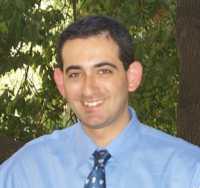 Dr. Jason R. Gotlib[/caption]
Jason R. Gotlib, MD
The Clinical Investigator Pathway
Hematology Division
Stanford University Medical Center
MedicalResearch.com: What is the background for this study? What are the main findings?
Response: The background is that advanced forms of systemic mastocytosis, which are blood cancers characterized by accumulation of abnormal mast cells in the bone marrow and additional organs, represent a group of orphan diseases with a large unmet need. Approximately 90% of patients harbor the acquired KIT D816V mutation, a mutated receptor tyrosine kinase on the surface of mast cells which a primary driver of disease pathogenesis. Only 1 drug is approved for patients with one form of advanced systemic mastocytosis, termed ‘aggressive systemic mastocytosis, or ‘ASM’. This therapy is imatinib (Gleevec), but it is only approved for patients without the KIT D816V mutation, or with KIT mutation status unknown because the KIT D816V mutation is resistant to imatinib. Therefore, this drug may only be useful for approximately 10% of patients. Other drugs that have been used off-label for systemic mastocytosis (but are not approved for this indication) include interferon-alpha or cladribine, which show some activity, but their evaluation to date has been primarily limited to small case series which are usually retrospective in nature, and include mixed populations of systemic mastocytosis patients who have both early stage disease without organ damage (e.g. indolent systemic mastocytosis) and and advanced stage patients, as included in this trial, who have one or more findings of organ damage. Also, those trials employed differing response criteria and no central adjudication of eligibility and response assessments was undertaken.
Midostaurin is a multikinase inhibitor with activity against both wild-type KIT, but most importantly, KIT D816V (in contrast to imatinib). Prior work demonstrated that cell lines transformed with the KIT D816V mutation can be inhibited at relatively low concentrations of midostaurin. These concentrations could also be achieved in vivo (e.g. at concentrations achievable in the blood of patients). Cell lines transformed by KIT D816V could not be inhibited by imatinib.
Dr. Jason R. Gotlib[/caption]
Jason R. Gotlib, MD
The Clinical Investigator Pathway
Hematology Division
Stanford University Medical Center
MedicalResearch.com: What is the background for this study? What are the main findings?
Response: The background is that advanced forms of systemic mastocytosis, which are blood cancers characterized by accumulation of abnormal mast cells in the bone marrow and additional organs, represent a group of orphan diseases with a large unmet need. Approximately 90% of patients harbor the acquired KIT D816V mutation, a mutated receptor tyrosine kinase on the surface of mast cells which a primary driver of disease pathogenesis. Only 1 drug is approved for patients with one form of advanced systemic mastocytosis, termed ‘aggressive systemic mastocytosis, or ‘ASM’. This therapy is imatinib (Gleevec), but it is only approved for patients without the KIT D816V mutation, or with KIT mutation status unknown because the KIT D816V mutation is resistant to imatinib. Therefore, this drug may only be useful for approximately 10% of patients. Other drugs that have been used off-label for systemic mastocytosis (but are not approved for this indication) include interferon-alpha or cladribine, which show some activity, but their evaluation to date has been primarily limited to small case series which are usually retrospective in nature, and include mixed populations of systemic mastocytosis patients who have both early stage disease without organ damage (e.g. indolent systemic mastocytosis) and and advanced stage patients, as included in this trial, who have one or more findings of organ damage. Also, those trials employed differing response criteria and no central adjudication of eligibility and response assessments was undertaken.
Midostaurin is a multikinase inhibitor with activity against both wild-type KIT, but most importantly, KIT D816V (in contrast to imatinib). Prior work demonstrated that cell lines transformed with the KIT D816V mutation can be inhibited at relatively low concentrations of midostaurin. These concentrations could also be achieved in vivo (e.g. at concentrations achievable in the blood of patients). Cell lines transformed by KIT D816V could not be inhibited by imatinib.
29 Jun This Generation of Malaria Vaccine Not Perfect But Can Still Save Lives
MedicalResearch.com Interview with: [caption id="attachment_25691" align="alignleft" width="136"] Dr. Philip Bejon[/caption]
Philip Bejon, Ph.D.
Professor of Tropical Medicine, Director of the Wellcome-KEMRI-Oxford Collaborative Research Programme, Group Head / PI, Consultant Physician and Unit Director
Kilifi, Kenya
MedicalResearch.com: What is the background for this study?
Response: According to the latest World Health Organisation (WHO) estimates more than 400,000 people died from malaria in 2015, with over 90% of these deaths occurring in sub-Saharan Africa. The vast majority who die are children under 5, and almost all cases are caused by the P. falciparum strain of malaria transmitted by female Anopheles mosquitoes.
RTS,S, which protects only against P. falciparum, was developed by GlaxoSmithKline with support from the PATH Malaria Vaccine Initiative (MVI) and with grant funds from the Bill & Melinda Gates Foundation to MVI. In July 2015, it received a positive opinion from the European Medicines Agency.
Earlier this year, the WHO recommended further evaluation of the four-dose regimen of RTS,S in a pilot implementation programme in sub-Saharan Africa, to address several knowledge gaps before the vaccine might be rolled out more widely.
Dr. Philip Bejon[/caption]
Philip Bejon, Ph.D.
Professor of Tropical Medicine, Director of the Wellcome-KEMRI-Oxford Collaborative Research Programme, Group Head / PI, Consultant Physician and Unit Director
Kilifi, Kenya
MedicalResearch.com: What is the background for this study?
Response: According to the latest World Health Organisation (WHO) estimates more than 400,000 people died from malaria in 2015, with over 90% of these deaths occurring in sub-Saharan Africa. The vast majority who die are children under 5, and almost all cases are caused by the P. falciparum strain of malaria transmitted by female Anopheles mosquitoes.
RTS,S, which protects only against P. falciparum, was developed by GlaxoSmithKline with support from the PATH Malaria Vaccine Initiative (MVI) and with grant funds from the Bill & Melinda Gates Foundation to MVI. In July 2015, it received a positive opinion from the European Medicines Agency.
Earlier this year, the WHO recommended further evaluation of the four-dose regimen of RTS,S in a pilot implementation programme in sub-Saharan Africa, to address several knowledge gaps before the vaccine might be rolled out more widely.
29 Jun Genital Grooming a Cultural Phenomenon Among Younger, White and Educated Women
Posted at 21:22h
in Author Interviews, Dermatology, JAMA, OBGYNE, Sexual Health, Social Issues, UCSF
MedicalResearch.com Interview with:
[caption id="attachment_25598" align="alignleft" width="126"] Dr. Tami Rowen[/caption]
Tami Rowen MD MS
Obstetrics, Gynecology and Reproductive Sciences
UCSF
MedicalResearch.com: What is the background for this study? What are the main findings?
Response: This study sought to answer the question of which women are engaging in genital grooming and understand their motivations. Prior studies have been limited by geography and age thus our goal was to provide a nationally representative sample of women.
Dr. Tami Rowen[/caption]
Tami Rowen MD MS
Obstetrics, Gynecology and Reproductive Sciences
UCSF
MedicalResearch.com: What is the background for this study? What are the main findings?
Response: This study sought to answer the question of which women are engaging in genital grooming and understand their motivations. Prior studies have been limited by geography and age thus our goal was to provide a nationally representative sample of women.
29 Jun More ICU Use in Hospitals With Worse Quality of Care for Heart Failure or MI
Posted at 19:28h
in Author Interviews, CHEST, Critical Care - Intensive Care - ICUs, Heart Disease, University of Michigan
MedicalResearch.com Interview with:
[caption id="attachment_25694" align="alignleft" width="186"] Dr. Thomas Valley[/caption]
Thomas Valley, MD, MSc
Fellow, Pulmonary and Critical Care
University of Michigan
Ann Arbor, MI 48109-2800
MedicalResearch.com: What is the background for this study? What are the main findings?
Response: Hospitalizations for cardiovascular condition such as acute myocardial infarction (AMI) and heart failure (HF) are incredibly common and costly. Yet, about 20% of hospitalized patients with these conditions receive substandard care. We assessed whether there was an association between the quality of care a hospital provided for AMI or heart failure and how frequently a hospital used the ICU. We found that hospitals with the highest rates of ICU use for AMI or HF delivered worse quality of care and had higher 30-day mortality for these conditions.
Dr. Thomas Valley[/caption]
Thomas Valley, MD, MSc
Fellow, Pulmonary and Critical Care
University of Michigan
Ann Arbor, MI 48109-2800
MedicalResearch.com: What is the background for this study? What are the main findings?
Response: Hospitalizations for cardiovascular condition such as acute myocardial infarction (AMI) and heart failure (HF) are incredibly common and costly. Yet, about 20% of hospitalized patients with these conditions receive substandard care. We assessed whether there was an association between the quality of care a hospital provided for AMI or heart failure and how frequently a hospital used the ICU. We found that hospitals with the highest rates of ICU use for AMI or HF delivered worse quality of care and had higher 30-day mortality for these conditions.
29 Jun Soluble Aspirin May Be Able To Cross Blood-Brain Barrier To Attack Glioblastomas
MedicalResearch.com Interview with: [caption id="attachment_25570" align="alignleft" width="161"] Dr. Kieran Breen[/caption]
Dr Kieran Breen PhD
Director of Research, Brain Tumour Research
University of Portsmouth, UK
MedicalResearch.com: What is the background for this study? What are the main findings?
Response: There is evidence that aspirin (acetyl salicylic acid) can be toxic to brain tumour cells. However, its existing preparations cannot readily enter the brain because the drug is a suspension rather than being completely soluble. Furthermore, there can be significant side effects associated with the existing form of the drug including gastric bleeding. The object of this research was to develop a new formulation of aspirin which is truly soluble. When combined with two other compounds, the drug enters the brain and can therefore target the tumour cells. This study also showed that aspirin can kill tumour cells without causing any damage to the normal nerve cells.
Dr. Kieran Breen[/caption]
Dr Kieran Breen PhD
Director of Research, Brain Tumour Research
University of Portsmouth, UK
MedicalResearch.com: What is the background for this study? What are the main findings?
Response: There is evidence that aspirin (acetyl salicylic acid) can be toxic to brain tumour cells. However, its existing preparations cannot readily enter the brain because the drug is a suspension rather than being completely soluble. Furthermore, there can be significant side effects associated with the existing form of the drug including gastric bleeding. The object of this research was to develop a new formulation of aspirin which is truly soluble. When combined with two other compounds, the drug enters the brain and can therefore target the tumour cells. This study also showed that aspirin can kill tumour cells without causing any damage to the normal nerve cells.
29 Jun Melanoma Patients and Their Partners Can Reliably Perform Skin Checks for Melanoma.
MedicalResearch.com Interview with: [caption id="attachment_25595" align="alignleft" width="133"] Dr. June Robinson[/caption]
June K. Robinson, MD
Research Professor of Dermatology
Northwestern University Feinberg School of Medicine
MedicalResearch.com: What is the background for this study? What are the main findings?
Response: More than 1 million patients with a history of melanoma live in the US. They are at risk to develop a second melanoma. The risk is elevated for up to 20 years and is 10 times greater than the risk of a first melanoma in the general population.
This is the first randomized clinical trial to examine partner- assisted skin self-examination (SSE) . A 30 minute structured training intervention was provided to the melanoma patients and their partners with reinforcement every 4 months .
The 494 pairs in the intervention performed significantly more skin self-examination than those in the control group at 4,12 and 24 months after the education and skills training. The pairs were accurate in finding early melanoma and did not have unnecessary visits to the dermatologists.
Dr. June Robinson[/caption]
June K. Robinson, MD
Research Professor of Dermatology
Northwestern University Feinberg School of Medicine
MedicalResearch.com: What is the background for this study? What are the main findings?
Response: More than 1 million patients with a history of melanoma live in the US. They are at risk to develop a second melanoma. The risk is elevated for up to 20 years and is 10 times greater than the risk of a first melanoma in the general population.
This is the first randomized clinical trial to examine partner- assisted skin self-examination (SSE) . A 30 minute structured training intervention was provided to the melanoma patients and their partners with reinforcement every 4 months .
The 494 pairs in the intervention performed significantly more skin self-examination than those in the control group at 4,12 and 24 months after the education and skills training. The pairs were accurate in finding early melanoma and did not have unnecessary visits to the dermatologists.
29 Jun Religious Service Attendance Is Protective Against Suicide
MedicalResearch.com Interview with: [caption id="attachment_25672" align="alignleft" width="130"] Dr. Tyler VanderWeele[/caption] Dr. Tyler J. VanderWeele Tyler J. VanderWeele, PhD, Department of Epidemiology Harvard T. H. Chan School of Public Health, Boston, MA 02115 MedicalResearch.com: What is the background for this study? Response: Suicide is one of the ten leading causes of death in the United States, and in...
29 Jun Sleep Disturbances Associated With Development of PAD
MedicalResearch.com Interview with: [caption id="attachment_25722" align="alignleft" width="168"] Dr. Mako Nagayoshi[/caption]
Mako Nagayoshi, Ph.D, Assistant Professor
Department of Community Medicine,
Nagasaki University Graduate School of Biomedical Science
Nagasaki Japan
MedicalResearch.com: What is the background for this study? What are the main findings?
Response: Sleep apnea is a common in the US adult population; approximately 13% of men and 6% of women have moderate to severe sleep apnea. Short sleep duration also is highly prevalent in the population. Numerous biological pathways linking sleep disturbances to atherosclerosis have been identified, such as insulin resistance, inflammation, hypertension, and endothelial dysfunction. Yet, the association of sleep apnea and sleep duration with peripheral artery disease (PAD) is not well characterized.
This study provides some of first evidence that there is an association between sleep apnea and prevalent and incident PAD, with evidence for stronger associations with objectively measured sleep apnea and cross sectional PAD in blacks. In addition, short and long sleep duration were associated with PAD. These results identify sleep disturbances as a potential risk factor for PAD.
Dr. Mako Nagayoshi[/caption]
Mako Nagayoshi, Ph.D, Assistant Professor
Department of Community Medicine,
Nagasaki University Graduate School of Biomedical Science
Nagasaki Japan
MedicalResearch.com: What is the background for this study? What are the main findings?
Response: Sleep apnea is a common in the US adult population; approximately 13% of men and 6% of women have moderate to severe sleep apnea. Short sleep duration also is highly prevalent in the population. Numerous biological pathways linking sleep disturbances to atherosclerosis have been identified, such as insulin resistance, inflammation, hypertension, and endothelial dysfunction. Yet, the association of sleep apnea and sleep duration with peripheral artery disease (PAD) is not well characterized.
This study provides some of first evidence that there is an association between sleep apnea and prevalent and incident PAD, with evidence for stronger associations with objectively measured sleep apnea and cross sectional PAD in blacks. In addition, short and long sleep duration were associated with PAD. These results identify sleep disturbances as a potential risk factor for PAD.
28 Jun Two Kinases That Keep Heart Beating May Be Targets For Heart Failure Therapy
[caption id="attachment_25439" align="alignleft" width="200"] Dr. Audrey Chang[/caption]
MedicalResearch.com Interview with:
Dr. Audrey Chang, PhD
Kamm-Stull Lab
UT Southwestern Medical Center
AudreyN.Chang@UTSouthwestern.edu
MedicalResearch.com: What is the background for this study? What are the main findings?
Response: The heart is a singular kind of muscle that contracts and relaxes continuously over a lifetime to pump blood to the body’s organs. Contractions depend on a motor protein myosin pulling on actin filaments in specialized structures. Heart contraction is improved when myosin has a phosphate molecule attached to it (phosphorylation), and a constant amount of phosphorylation is essential for normal heart function. The amount of phosphorylation necessary for optimal cardiac performance is maintained by a balance in the activities of myosin kinase enzymes that add the phosphate and an opposing phosphatase enzyme that removes the phosphate. If the amount of phosphorylation is too low, heart failure results. Animal models with increased myosin phosphorylation have enhanced cardiac performance that resist stresses that cause heart failure.
In this recent study reported in PNAS, a new kinase that phosphorylates myosin in heart muscle, MLCK4, was discovered and its crystal structure reported, a first for any myosin kinase family member. Compared to distinct myosin kinases in other kinds of muscles (skeletal and smooth), this cardiac-specific kinase lacks a conserved regulatory segment that inhibits kinase activity consistent with biochemical studies that it is always turned on. Additionally, another related myosin kinase found only in heart muscle (MLCK3) contains a modified regulatory segment, allowing partial activity enhanced by the calcium modulator protein, calmodulin. Thus, both myosin kinases unique to cardiac muscle provide phosphate to myosin in normal beating hearts to optimize performance and prevent heart failure induced by stresses.
Dr. Audrey Chang[/caption]
MedicalResearch.com Interview with:
Dr. Audrey Chang, PhD
Kamm-Stull Lab
UT Southwestern Medical Center
AudreyN.Chang@UTSouthwestern.edu
MedicalResearch.com: What is the background for this study? What are the main findings?
Response: The heart is a singular kind of muscle that contracts and relaxes continuously over a lifetime to pump blood to the body’s organs. Contractions depend on a motor protein myosin pulling on actin filaments in specialized structures. Heart contraction is improved when myosin has a phosphate molecule attached to it (phosphorylation), and a constant amount of phosphorylation is essential for normal heart function. The amount of phosphorylation necessary for optimal cardiac performance is maintained by a balance in the activities of myosin kinase enzymes that add the phosphate and an opposing phosphatase enzyme that removes the phosphate. If the amount of phosphorylation is too low, heart failure results. Animal models with increased myosin phosphorylation have enhanced cardiac performance that resist stresses that cause heart failure.
In this recent study reported in PNAS, a new kinase that phosphorylates myosin in heart muscle, MLCK4, was discovered and its crystal structure reported, a first for any myosin kinase family member. Compared to distinct myosin kinases in other kinds of muscles (skeletal and smooth), this cardiac-specific kinase lacks a conserved regulatory segment that inhibits kinase activity consistent with biochemical studies that it is always turned on. Additionally, another related myosin kinase found only in heart muscle (MLCK3) contains a modified regulatory segment, allowing partial activity enhanced by the calcium modulator protein, calmodulin. Thus, both myosin kinases unique to cardiac muscle provide phosphate to myosin in normal beating hearts to optimize performance and prevent heart failure induced by stresses.
28 Jun Could Methylene Blue Improve Memory in Patients With Cognitive Impairment?
Posted at 23:10h
in Alzheimer's - Dementia, Author Interviews, Cognitive Issues, Memory, University Texas
MedicalResearch.com Interview with:
[caption id="attachment_25624" align="alignleft" width="83"] Dr. Timothy Duong[/caption]
Timothy Q. Duong, Ph.D
Stanley I. Glickman MD Professor of Ophthalmology, Radiology, and Physiology
South Texas Veterans Health Care System, VA Southwest National Primate Research Center
University of Texas Health Science Center
San Antonio, Texas
MedicalResearch.com: What is the background for this study? What are the main findings?
Response: A single oral dose of methylene blue increased fMRI response in the bilateral insular cortex during a task that measured reaction time to a visual stimulus. The fMRI results also showed an increased response during short-term memory tasks involving the brain’s prefrontal cortex, which controls processing of memories. Methylene blue was also associated with a 7 percent increase in correct responses during memory retrieval. The findings suggest that methylene blue can regulate certain brain networks related to sustained attention and short-term memory after a single oral low dose.
Dr. Timothy Duong[/caption]
Timothy Q. Duong, Ph.D
Stanley I. Glickman MD Professor of Ophthalmology, Radiology, and Physiology
South Texas Veterans Health Care System, VA Southwest National Primate Research Center
University of Texas Health Science Center
San Antonio, Texas
MedicalResearch.com: What is the background for this study? What are the main findings?
Response: A single oral dose of methylene blue increased fMRI response in the bilateral insular cortex during a task that measured reaction time to a visual stimulus. The fMRI results also showed an increased response during short-term memory tasks involving the brain’s prefrontal cortex, which controls processing of memories. Methylene blue was also associated with a 7 percent increase in correct responses during memory retrieval. The findings suggest that methylene blue can regulate certain brain networks related to sustained attention and short-term memory after a single oral low dose.
28 Jun Targeted Proteomics Furthers Goal of Liquid Biopsy To Predict Aggressiveness of Prostate Cancer
MedicalResearch.com Interview with: [caption id="attachment_25655" align="alignleft" width="149"] Dr. Thomas Kislinger[/caption]
Thomas Kislinger, PhD
Senior Scientist at the Princess Margaret Cancer Centre
University Health Network
Associate Professor
Department of Medical Biophysics
University of Toronto
MedicalResearch.com: What is the background for this study?
Response: The goal of this study was to develop a non-invasive, prognostic biomarker that can address the worldwide clinical dilemma of over-treating low-risk prostate cancers. To accomplish this we developed highly accurate proteomics assays in urines collected after a digital rectal examination (termed post-DRE urines).
Dr. Thomas Kislinger[/caption]
Thomas Kislinger, PhD
Senior Scientist at the Princess Margaret Cancer Centre
University Health Network
Associate Professor
Department of Medical Biophysics
University of Toronto
MedicalResearch.com: What is the background for this study?
Response: The goal of this study was to develop a non-invasive, prognostic biomarker that can address the worldwide clinical dilemma of over-treating low-risk prostate cancers. To accomplish this we developed highly accurate proteomics assays in urines collected after a digital rectal examination (termed post-DRE urines).
28 Jun Multiple Generics Required To Drive Down Price of Brand Name Drugs
Posted at 21:22h
in Author Interviews, Brigham & Women's - Harvard, Cost of Health Care, JAMA, Lipids
MedicalResearch.com Interview with: [caption id="attachment_25649" align="alignleft" width="200"] Dr. Jing Luo[/caption] Jing Luo, MD, MPH Program on Regulation, Therapeutics, and Law (PORTAL) Division of Pharmacoepidemiology and Pharmacoeconomics Department of Medicine Brigham and Women’s Hospital and Harvard Medical School Boston, Massachusetts MedicalResearch.com: What is the background for this study? Response: Until recently, the cholesterol lowering drug atorvastatin was the highest selling...
28 Jun Two New Vaccines Provide Protection Against Zika in Mice
MedicalResearch.com Interview with: [caption id="attachment_25644" align="alignleft" width="200"] Dr. Dan Barouch[/caption]
Dan Barouch, M.D., Ph.D.
Professor of Medicine
Harvard Medical School
Ragon Institute of MGH, MIT, and Harvard
Director, Center for Virology and Vaccine Research
Beth Israel Deaconess Medical Center
MedicalResearch.com: What is the background for this study? What are the main findings?
Response: We showed that two vaccines, a DNA vaccine and a purified inactivated virus vaccine, both provided complete protection against Zika virus challenge in mice. To the best of our knowledge, this is the first demonstration of Zika vaccine protection in any animal model.
Dr. Dan Barouch[/caption]
Dan Barouch, M.D., Ph.D.
Professor of Medicine
Harvard Medical School
Ragon Institute of MGH, MIT, and Harvard
Director, Center for Virology and Vaccine Research
Beth Israel Deaconess Medical Center
MedicalResearch.com: What is the background for this study? What are the main findings?
Response: We showed that two vaccines, a DNA vaccine and a purified inactivated virus vaccine, both provided complete protection against Zika virus challenge in mice. To the best of our knowledge, this is the first demonstration of Zika vaccine protection in any animal model.
28 Jun Laundry Pods Present Serious Risk of Poisoning To Children
MedicalResearch.com Interview with: [caption id="attachment_25674" align="alignleft" width="142"] Tom Swain[/caption]
Thomas Swain, MPH
Research Assistant, The Center for Injury Sciences,
Division of Trauma, Burns and Surgical Critical Care,
Department of Surgery
University of Alabama at Birmingham
Birmingham, AL 35294
MedicalResearch.com: What is the background for this study? What are the main findings?
Response: Case reports show that the number of laundry pod detergent related cases is increasing rapidly and children are disproportionately affected by pod detergent. Pod detergent is highly concentrated and contained in a water-soluble membrane. Prior research of pod laundry detergent did not include regular, non-pod detergent; this exclusion rendered cases and severity of cases between the two incomparable. This study, comparing regular laundry detergent and pod detergent, from 2012-2014 in the United States, using national data from emergency department visits, found that children under 5 accounted for 93.8% of pod detergent related exposures and 71.8% of non-pod exposures. Importantly, 71.8% of pod exposures were diagnosed as poisoning while 72.2% of non-pod exposures were diagnosed as contact dermatitis. Those exposed to pods were 4.02 times as likely to be hospitalized, a marker for severe injury, when compared to non-pod detergent (OR: 4.02; 95% CI: 1.96-8.24).
Tom Swain[/caption]
Thomas Swain, MPH
Research Assistant, The Center for Injury Sciences,
Division of Trauma, Burns and Surgical Critical Care,
Department of Surgery
University of Alabama at Birmingham
Birmingham, AL 35294
MedicalResearch.com: What is the background for this study? What are the main findings?
Response: Case reports show that the number of laundry pod detergent related cases is increasing rapidly and children are disproportionately affected by pod detergent. Pod detergent is highly concentrated and contained in a water-soluble membrane. Prior research of pod laundry detergent did not include regular, non-pod detergent; this exclusion rendered cases and severity of cases between the two incomparable. This study, comparing regular laundry detergent and pod detergent, from 2012-2014 in the United States, using national data from emergency department visits, found that children under 5 accounted for 93.8% of pod detergent related exposures and 71.8% of non-pod exposures. Importantly, 71.8% of pod exposures were diagnosed as poisoning while 72.2% of non-pod exposures were diagnosed as contact dermatitis. Those exposed to pods were 4.02 times as likely to be hospitalized, a marker for severe injury, when compared to non-pod detergent (OR: 4.02; 95% CI: 1.96-8.24).
28 Jun Prehypertension in Pregnancy Linked to Postpartum Metabolic Syndrome
Posted at 16:07h
in Annals Internal Medicine, Author Interviews, Blood Pressure - Hypertension, Metabolic Syndrome, OBGYNE
MedicalResearch.com Interview with:
[caption id="attachment_25658" align="alignleft" width="153"] Dr. Jian Min Niu[/caption]
Dr. Jian-Min Niu
Department of Obstetrics
Guangdong Women and Children Hospita
Guangzhou , China
MedicalResearch.com: What is the background for this study?
Response: Physiological alteration leads to the question of whether the criteria for the diagnosis of gestational hypertension are suitable because the current criteria (systolic BP [SBP] ≥140 mm Hg and diastolic BP [DBP] ≥90 mm Hg) are derived from the non-pregnant population. The optimal blood pressure levels in pregnant women remain an open question. Recent studies have demonstrated associations between prehypertension before pregnancy and hypertensive disorders during pregnancy and gestational diabetes mellitus. To our knowledge, the association between prehypertension during pregnancy and postpartum cardiovascular risk has not been addressed.
Dr. Jian Min Niu[/caption]
Dr. Jian-Min Niu
Department of Obstetrics
Guangdong Women and Children Hospita
Guangzhou , China
MedicalResearch.com: What is the background for this study?
Response: Physiological alteration leads to the question of whether the criteria for the diagnosis of gestational hypertension are suitable because the current criteria (systolic BP [SBP] ≥140 mm Hg and diastolic BP [DBP] ≥90 mm Hg) are derived from the non-pregnant population. The optimal blood pressure levels in pregnant women remain an open question. Recent studies have demonstrated associations between prehypertension before pregnancy and hypertensive disorders during pregnancy and gestational diabetes mellitus. To our knowledge, the association between prehypertension during pregnancy and postpartum cardiovascular risk has not been addressed.
28 Jun Prescribing Naloxone To Patients on Chronic Opioids Reduces ER Visits for Opioid Concerns
MedicalResearch.com Interview with: [caption id="attachment_25429" align="alignleft" width="170"] Dr. Phillip Coffin[/caption]
Phillip O. Coffin, MD, MIA
Director of Substance Use Research
San Francisco Department of Public Health
Assistant Professor, Division of HIV, ID & Global Health
University of California, San Francisco
MedicalResearch.com: What is the background for this study? What are the main findings?
Response: San Francisco has a longstanding naloxone distribution program that primarily works out of syringe exchange programs and is temporally associated with a substantial decline in opioid overdose death due to heroin or involving injection drug use. Over 90% of opioid overdose deaths from 2010-2012 were due to prescription opioids in the absence of heroin, and most of those decedents were prescribed opioids in primary care settings. Based on these data, as well as anecdotal reports from sites such as U.S. Army Fort Bragg in North Carolina - where providing naloxone to pain patients appeared to be associated with a radical decline in opioid overdose admissions to the emergency department - we implemented a naloxone prescribing program in the safety net primary care clinics.
We recommended that providers offer naloxone to all patients who used opioids on a regular basis, or were otherwise at risk for experiencing or witnessing an opioid overdose, although we only measured outcomes related to patients who were prescribed opioids for chronic pain. We also recommended that providers avoid the term "overdose" as that term does not properly reflect the epidemiology of opioid poisoning and is interpreted by many to mean intentionally consuming a large amount of opioids; instead we recommended saying things like: "Opioids can cause bad reactions where you stop breathing or can't be woken up." Providers prescribed mostly the jerry-rigged nasal device, with the atomizer and a brochure dispensed at clinic and the naloxone picked up at the patients' usual pharmacies, to approximate real-world medical practice.
Dr. Phillip Coffin[/caption]
Phillip O. Coffin, MD, MIA
Director of Substance Use Research
San Francisco Department of Public Health
Assistant Professor, Division of HIV, ID & Global Health
University of California, San Francisco
MedicalResearch.com: What is the background for this study? What are the main findings?
Response: San Francisco has a longstanding naloxone distribution program that primarily works out of syringe exchange programs and is temporally associated with a substantial decline in opioid overdose death due to heroin or involving injection drug use. Over 90% of opioid overdose deaths from 2010-2012 were due to prescription opioids in the absence of heroin, and most of those decedents were prescribed opioids in primary care settings. Based on these data, as well as anecdotal reports from sites such as U.S. Army Fort Bragg in North Carolina - where providing naloxone to pain patients appeared to be associated with a radical decline in opioid overdose admissions to the emergency department - we implemented a naloxone prescribing program in the safety net primary care clinics.
We recommended that providers offer naloxone to all patients who used opioids on a regular basis, or were otherwise at risk for experiencing or witnessing an opioid overdose, although we only measured outcomes related to patients who were prescribed opioids for chronic pain. We also recommended that providers avoid the term "overdose" as that term does not properly reflect the epidemiology of opioid poisoning and is interpreted by many to mean intentionally consuming a large amount of opioids; instead we recommended saying things like: "Opioids can cause bad reactions where you stop breathing or can't be woken up." Providers prescribed mostly the jerry-rigged nasal device, with the atomizer and a brochure dispensed at clinic and the naloxone picked up at the patients' usual pharmacies, to approximate real-world medical practice.
28 Jun Aspirin + Clopidogrel Effectiveness in TIA Depends on CYP2C19 Loss-of-Function Allele
MedicalResearch.com Interview with: [caption id="attachment_25665" align="alignleft" width="160"] Dr. Yongjun Wang[/caption]
Dr. Yongjun Wang
Principal Investigator
No. 6 Tiantanxili
Dongcheng District, Beijing, China
MedicalResearch.com: What is the background for this study? What are the main findings?
Response: Clopidogrel requires conversion to an active metabolite by hepatic cytochrome p450 (CYP) iso-enzymes to exert an antiplatelet effect, and polymorphisms of the CYP2C19 gene have been identified as strong predictors of clopidogrel nonresponsiveness. However, data are limited regarding the association between CYP2C19 genetic variants and clinical outcomes of clopidogrel-treated patients with minor stroke or transient ischemic attack.
The main findings of this study is that the combined treatment of clopidogrel and aspirin compared with aspirin alone reduced the risk of a new stroke only in the subgroup of patients with minor ischemic stroke or TIA who were not carriers of the CYP2C19 loss of function alleles.
Dr. Yongjun Wang[/caption]
Dr. Yongjun Wang
Principal Investigator
No. 6 Tiantanxili
Dongcheng District, Beijing, China
MedicalResearch.com: What is the background for this study? What are the main findings?
Response: Clopidogrel requires conversion to an active metabolite by hepatic cytochrome p450 (CYP) iso-enzymes to exert an antiplatelet effect, and polymorphisms of the CYP2C19 gene have been identified as strong predictors of clopidogrel nonresponsiveness. However, data are limited regarding the association between CYP2C19 genetic variants and clinical outcomes of clopidogrel-treated patients with minor stroke or transient ischemic attack.
The main findings of this study is that the combined treatment of clopidogrel and aspirin compared with aspirin alone reduced the risk of a new stroke only in the subgroup of patients with minor ischemic stroke or TIA who were not carriers of the CYP2C19 loss of function alleles.
28 Jun Early Rehabilitation Did Not Shorten Hospital Stay For ICU Patients
Posted at 15:52h
in Author Interviews, Critical Care - Intensive Care - ICUs, JAMA, Pulmonary Disease
MedicalResearch.com Interview with:
[caption id="attachment_25567" align="alignleft" width="149"] Dr. Peter Morris[/caption]
Peter E. Morris, MD, FACP, FCCP
Chief, Division of Pulmonary, Critical Care and Sleep Medicine
University of Kentucky
Lexington, KY
MedicalResearch.com: What is the background for this study? What are the main findings?
Response: ICU survivors demonstrate weakness. It has been postulated that interventions to promote early rehabilitation strategies might be linked to improved functional outcomes for ICU survivors.
This study was based upon findings from a quality improvement endeavor that linked early rehabilitation with indications of shortened hospital stays for ICU survivors.
Dr. Peter Morris[/caption]
Peter E. Morris, MD, FACP, FCCP
Chief, Division of Pulmonary, Critical Care and Sleep Medicine
University of Kentucky
Lexington, KY
MedicalResearch.com: What is the background for this study? What are the main findings?
Response: ICU survivors demonstrate weakness. It has been postulated that interventions to promote early rehabilitation strategies might be linked to improved functional outcomes for ICU survivors.
This study was based upon findings from a quality improvement endeavor that linked early rehabilitation with indications of shortened hospital stays for ICU survivors.
28 Jun Survivors of Sepsis Require Complicated, Coordinated Follow-Up Care
MedicalResearch.com Interview with: [caption id="attachment_25559" align="alignleft" width="145"] Dr. Jochen Gensichen[/caption]
Jochen Gensichen, MD, MSc, MPH
Institute of General Practice and Family Medicine
[caption id="attachment_25560" align="alignleft" width="133"]
Dr. Jochen Gensichen[/caption]
Jochen Gensichen, MD, MSc, MPH
Institute of General Practice and Family Medicine
[caption id="attachment_25560" align="alignleft" width="133"] Dr. Konrad Reinhart[/caption]
Konrad Reinhart, MD
Center of Sepsis Control and Care
Jena University Hospital
Friedrich-Schiller-University
School of Medicine
Jena, Germany
MedicalResearch.com: What are the main findings?
Response: Sepsis survivors face multiple long-term sequelae which result in increased primary care needs as a basic support in medication, physiotherapy or mental health. Process of care after discharge from the intensive care unit often is fragmented.
Dr. Konrad Reinhart[/caption]
Konrad Reinhart, MD
Center of Sepsis Control and Care
Jena University Hospital
Friedrich-Schiller-University
School of Medicine
Jena, Germany
MedicalResearch.com: What are the main findings?
Response: Sepsis survivors face multiple long-term sequelae which result in increased primary care needs as a basic support in medication, physiotherapy or mental health. Process of care after discharge from the intensive care unit often is fragmented.