Author Interviews, Colon Cancer, Geriatrics, Kaiser Permanente, NIH / 27.06.2016
Many Elderly Patients Not Receiving Adequate Colon Cancer Screening or Follow Up
MedicalResearch.com Interview with:
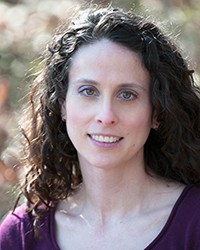
[caption id="attachment_25554" align="alignleft" width="133"]
Dr. Carrie Klabunde[/caption]
Carrie N. Klabunde, PhD
Office of Disease Prevention
Office of the Director
NIH
Rockville MD
MedicalResearch.com: What is the background for this study? What are the main findings?
Response: Many studies of colorectal cancer screening focus on adults 50-75 years of age; few specifically look at screening in the elderly. We wanted to examine colorectal cancer screening use, including follow-up diagnostic testing for those with abnormal fecal blood screening tests, in adults 65 years of age and older. We also wanted to assess whether screening use in this population is influenced more by elderly individual’s chronological age, or their health status (called comorbidity in our study). The study was conducted in three large, integrated healthcare systems: Kaiser Permanente in Northern California and Southern California, and Group Health in Washington state and Idaho. We examined data on nearly 850,000 patients aged 65-89.
Dr. Carrie Klabunde[/caption]
Carrie N. Klabunde, PhD
Office of Disease Prevention
Office of the Director
NIH
Rockville MD
MedicalResearch.com: What is the background for this study? What are the main findings?
Response: Many studies of colorectal cancer screening focus on adults 50-75 years of age; few specifically look at screening in the elderly. We wanted to examine colorectal cancer screening use, including follow-up diagnostic testing for those with abnormal fecal blood screening tests, in adults 65 years of age and older. We also wanted to assess whether screening use in this population is influenced more by elderly individual’s chronological age, or their health status (called comorbidity in our study). The study was conducted in three large, integrated healthcare systems: Kaiser Permanente in Northern California and Southern California, and Group Health in Washington state and Idaho. We examined data on nearly 850,000 patients aged 65-89.
Dr. Lu Qi[/caption]
Lu Qi, MD, PhD, FAHA
HCA Regents Distinguished Chair and Professor
Director, Tulane University Obesity Research Center
Department of Epidemiology
Tulane University
School of Public Health and Tropical Medicine
New Orleans, LA 70112
MedicalResearch.com: What is the background for this study? What are the main findings?
Response: Prenatal malnutrition and other stresses may cause small newborn babies, who are more likely develop type 2 diabetes and other chronic diseases during adulthood. However, whether such relation is causal remains to be determined. Genetic associations provide a new approach to provide evidence for such causality.


Lindsay Kohler[/caption]
Lindsay Kohler MPH
Mel and Enid Zuckerman College of Public Health
Tucson, Arizona
MedicalResearch.com: What is the background for this study? What are the main findings?
Response: Several studies have reported that following health promotion guidelines for diet, physical activity, and maintenance of a healthy body weight may reduce the risk of getting cancer or dying from cancer. We performed a systematic review to examine the associations between established cancer prevention guidelines for diet and physical activity and cancer outcomes. We found that adhering to cancer prevention guidelines set forth by the American Cancer Society or the World Cancer Research Fund/American Institute for Cancer Research consistently reduced the risk of overall cancer incidence and mortality (10-61%) in the studies included in this review. In addition, higher adherence to the guidelines consistently reduced the risk of breast, colorectal, and endometrial cancers. Adherence to a pattern of healthy behaviors may significantly reduce cancer incidence and mortality.
Prof. Peter Johnson[/caption]
Peter Johnson MA, MD, FRCP
Professor of Medical Oncology
Cancer Research UK Centre
Southampton General Hospital
Southampton
MedicalResearch.com: What is the background for this study? What are the main findings?
Prof. Johnson: Based upon retrospective series looking at the ability of interim PET to predict the outcomes of treatment, we aimed to test the idea of modulating treatment in response to an early assessment of the response to ABVD: could we safely reduce the amount of treatment by omitting bleomycin in the group who had responded well? Although the risk of severe toxicity from bleomycin is generally low, for the small number of patients who experience it, it can be life-changing or even fatal. We also wanted to test whether it might be possible to reduce the use of consolidation radiotherapy by comparison to our previous trials, and this seems to have worked too: we used radiotherapy in less than 10% of patients in RATHL, as compared to around half in our previous trials. We have seen better survival figures than in our previous studies with less treatment overall, so it feels as though we are on the right track.
Dr. Mima Becevic[/caption]
Mirna Becevic, PhD, MHA
Assistant Research Professor
University of Missouri - Department of Dermatology
Missouri Telehealth Network
MedicalResearch.com: What is the background for this study?
Response: Psychiatry is, by far, the biggest utilizer of telemedicine services on the Missouri Telehealth Network (MTN). MTN supports an average of 4000 tele-psychiatry appointments every month, and 10% of those are provided by the University of Missouri Department of Psychiatry. Since we are all aware of the ever-increasing demand for child and adolescent psychiatry, but also the stigma that goes along with it, we wanted to examine more closely the actual usage of those services at the University of Missouri.
Dr. Sunita Sah[/caption]
Sunita Sah MD PhD
Management & Organizations
Johnson Graduate School of Management
Cornell University
MedicalResearch.com: What is the background for this study? What are the main findings?
Dr. Sah: Physicians often recommend the treatment they specialize in, e.g., surgeons are more likely to recommend surgery than non-surgeons. Results from an observational study and a randomized controlled laboratory experiment found that when physicians revealed their bias toward their own specialty, patients were more likely to report increased trust in the physician’s expertise and take the treatment in accordance with the physician’s specialty.
Prof. Chris Semsarian[/caption]
Professor Chris Semsarian
MBBS PhD MPH FRACP FAHMS FAHA FHRS FCSANZ
Professor of Medicine, University of Sydney
Cardiologist, Royal Prince Alfred Hospital
NHMRC Practitioner Fellow
Head, Molecular Cardiology Program
Centenary Institute,
Newtown NSW Australia
MedicalResearch.com: What is the background for this study?
Response: Sudden cardiac death is a tragic and devastating event at all ages, and especially in the young (aged under 35 years). Understanding the causes and circumstances of SCD in the young is critical if we are to develop strategies to prevent SCD in the young. Our study represents the first prospective, population-based study of SCD in the young across two nations, Australia and New Zealand.
Dr. Maria Luisa Alegre[/caption]
Maria-Luisa Alegre, MD, PhD
Professor of medicine
University of Chicago
MedicalResearch.com: What is the background for this study? What are the main findings?
Response: Most of the research that investigates why/how transplanted organs are rejected has focused on the genetic disparities between the donor and the recipient. Foreign proteins in the donor organ are recognized by the immune system of the host, which becomes activated to reject the transplanted organ. This is why transplant recipients need to take immunosuppressive medications for the rest of their lives.
Whether environmental factors, in addition to genetic factors, can also affect how the immune system is activated by the transplanted organ is much less understood. In particular, the microbiota, the communities of microbes that live on and in our body, is distinct in each individual and is known to affect the function of the immune system in diseases ranging from autoimmunity to cancer.
Using mouse models of skin and heart transplantation, we investigated if the microbiota was an environmental factor that could affect the speed at which the immune system rejects a transplanted organ.
We found that the microbial communities that colonize the donor and the host fine-tune the function of the immune system and control the strength with which the immune system reacts to a transplanted organ.
Dr. Guang Yang[/caption]
Guang Yang, Ph.D.
Assistant Professor
NYU Langone School of Medicine
Alexandria Center for Life Sciences
New York, NY 10016
MedicalResearch.com: What is the background for this study? How common is the problem of long-lasting behavioral deficits after repeated anesthesia exposure in neonates?
Response: Each year, in the United States alone, more than 1 million children under 4 years of age undergo surgical procedures that require anesthesia. Many lines of evidence from animal studies have shown that prolonged or repeated exposure to general anesthesia during critical stages of brain development leads to long-lasting behavioral deficits later in life. The results from human studies are less clear, although some studies suggest a higher incidence of learning disabilities and attention-deficit and hyperactivity disorders in children repeatedly exposed to procedures requiring general anesthesia. To date, there has been no effective treatment to mitigate the potential neurotoxic effects of general anesthesia.
Dr. Pei-Jung Lin[/caption]
Pei-Jung Lin, Ph.D.
Assistant Professor
Center for the Evaluation of Value and Risk in Health
Institute for Clinical Research and Health Policy Studies
Tufts Medical Center
Boston, MA 02111
MedicalResearch.com: What is the background for this study? What are the main findings?
Response: Alzheimer’s disease (AD) is a slow, progressive disease. Many people with AD may live for years with the disease left unrecognized or untreated, in part because the early symptoms are mild and often mistaken as part of normal aging. In this study, we found that Alzheimer’s patients may use more health care services and incur higher costs than those without dementia even before they receive a formal diagnosis. For example, total Medicare expenditures were 42% higher among Alzheimer’s patients than matched controls during the year prior to diagnosis ($15,091 vs. $10,622), and 192% higher in the first year immediately following diagnosis ($27,126 vs. $9,274). We also found similar trends among Medicare patients with mild cognitive impairment (MCI)— a prodromal stage of AD and associated with higher dementia risk.
Our study suggests that an Alzheimer’s disease or MCI diagnosis appears to be prompted by other health problems such as cardiovascular and cerebrovascular diseases, pneumonia, renal failure, urinary tract infections, and blood and respiratory infections. This finding likely reflects a failure of ambulatory care related to the impact of cognitive impairment on other chronic conditions.
Dr. Thomas Gaziano[/caption]
Thomas Andrew Gaziano, MD, MSc
Department of Cardiology
Assistant Professor
Harvard Medical School
MedicalResearch.com: What is the background for this study?
Response: Heart failure (HF) is the leading cause of admissions to hospitals in the United States and the associated costs run between $24-47 billion annually. Targeting neurohormonal pathways that aggravate the disease has the potential to reduce admissions. Enalapril, an angiotensin converting enzyme-inhibitor (ACEI), is more commonly prescribed to treat HF than Sacubitril/Valsartan, an angiotensin-receptor/neprilysin inhibitor (ARNI). The latter was shown to reduce cardiovascular death and hospitalizations due to heart failure in a multi-country, randomized clinical (PARADIGM-HF), compared to Enalapril. In order to assess the cost-effectiveness of Sacubitril/Valsartan, compared to Enalapril, in the United States, we created a model population with population characteristics equivalent to the population in the PARADIGM-HF trial. Using a 2-state Markov model we simulated HF death and hospitalizations for patients with a left ventricular ejection fraction (LVEF) of 40% or less.
Dr. Ying Bao[/caption]
Dr. Ying Bao Sc.D., M.D
Assistant Professor of Medicine
Channing Division of Network Medicine
Department of Medicine
Brigham and Women's Hospital
Harvard Medical School,
Boston, MA
MedicalResearch.com: What is the background for this study? What are the main findings?
Response: Nuts are rich in bioactive macronutrients, micronutrients, tocopherols and phytochemicals. Current epidemiological evidence has consistently linked increased nut consumption to reduced risk of several chronic conditions including cardiovascular diseases, type 2 diabetes, and inflammation. In contrast, evidence on nut consumption and cancer risk has been insufficient and equivocal.
Prostate cancer is the leading cancer among U.S. men, with approximately 220,800 new cases diagnosed in 2015. However, very few studies have investigated the association between nut intake and prostate cancer. Thus, in the current study, we followed 47,299 US men from 1986-2012, and examined
(1) whether consuming more nuts prevents getting prostate cancer, and
(2) whether consuming more nuts reduces death rates among non-metastatic prostate cancer patients.
During 26 years of follow-up, 6,810 men were diagnosed with prostate cancer, and 4,346 of these patients were without metastasis at diagnosis. We found no association between nut intake and being diagnosed with prostate cancer. However, among non-metastatic prostate cancer patients, those who consumed nuts 5 or more times per week after diagnosis had a significant 34% lower rate of overall mortality than those who consumed nuts less than once per month.
Dr. Richard Leigh[/caption]
Dr. Richard Leigh MD
Neuro Vascular Brain Imaging Unit
National Institute of Neurological Disorders and Stroke
National Institutes of Health, Bethesda, MD
MedicalResearch.com: What is the background for this study? What are the main findings?
Response: Patients who suffer an ischemic stroke have limited treatment options. One of the reasons for this is that our treatments can sometimes make the stroke worse by transforming the ischemic stroke into a hemorrhagic stroke. In our study we identified a new piece of information that we can extract from the patient’s MRI scan that informs us on the risk of having a hemorrhage.
Dr. David Sebastián[/caption]
MedicalResearch.com Interview with:
Dr. David Sebastián
IRB Barcelona and CIBERDEM researcher
MedicalResearch.com: What is the background for this study? What are the main findings?
Response: One of the alterations that most affects the quality of life of the elderly is muscle wastage and the resulting loss of strength, a condition known as sarcopenia. At about 55 years old, people begin to lose muscle mass, this loss continues into old age, at which point it becomes critical. However, the underlying causes of sarcopenia are unknown and thus no treatment is available for this condition.
Importantly, we have found that the mitochondrial protein Mitofusin 2 is required to preserve healthy muscles in mice. Mitofusin 2 is a mitochondrial protein involved in ensuring the correct function of mitochondria, and it has several activities related to autophagy, a crucial process for the removal of damaged mitochondria. The loss of Mitofusin 2 impedes the correct function of mitochondrial recycling and consequently damaged mitochondria accumulate in muscle cells.
Dr. Sirry Alang[/caption]
Sirry Alang PhD
Assistant professor of sociology and anthropology
Lehigh University
MedicalResearch.com: What is the background for this study? What are the main findings?
Response: Discrepancies exist between how some Black populations perceive depression and how depression is conceptualized within research and clinical settings. African Americans are exposed to a lot of stress from structural racism, yet, they perceive themselves to be resilient. The context of stress from discrimination and beliefs about depression inform how they express psychological distress. Depression is thought of as a weakness that is inconsistent with notions of strength in the community. Although depression was expressed through classic depressive symptoms such as feeling hopeless, loss of sleep, and losing interests in activities, symptom like anger, agitation, and the frantic need for human interaction were considered to be indicative of depression. Anger, agitation, and the frantic need for human interaction are not consistent with how depression is defined in the latest manual for psychiatric diagnosis- the DSM-V.
Dr. Jonathan Hsu[/caption]
Jonathan Hsu, MD, MAS, FACC, FAHA, FHRS
Assistant Professor
Cardiac Electrophysiology, Division of Cardiology
University of California, San Diego (UCSD)
MedicalResearch.com: What is the background for this study?
Response: Atrial fibrillation (AF) is the most common cardiac arrhythmia worldwide and imparts significant stroke risk. In patients with AF determined to be at intermediate to high risk for thromboembolism, anticoagulation with warfarin (a vitamin K antagonist) or the newer non-vitamin K antagonist oral anticoagulants clearly reduces morbidity and mortality compared to aspirin. We sought to evaluate practice patterns of cardiovascular specialists in the United states to determine how often AF patients at risk for stroke are prescribed aspirin over oral anticoagulation, and predictors of this practice.
Dr. Lan Huang[/caption]
Dr. Lan Huang PhD
Co-founder, Chairman and CEO