
Author: Marie Benz MD FAAD
19 May Lower Blood Pressure Goals Would Save Lives and Money
Posted at 13:25h
in AHA Journals, Author Interviews, Blood Pressure - Hypertension, Columbia, Cost of Health Care
MedicalResearch.com Interview with:
[caption id="attachment_24488" align="alignleft" width="150"] Dr. Nathalie Moise[/caption]
Nathalie Moise, MD, MS
Assistant Professor
Center for Behavioral Cardiovascular Health
Department of Medicine
Columbia University Medical Center
New York, NY 10032
MedicalResearch.com: What is the background for this study?
Dr. Moise: Our research aimed to compare the number of lives saved and changes in medical costs expected if intensive blood pressure goals of less than 120 mmHg were implemented in high cardiovascular disease risk patients.
In 2014, the 8th Joint National Committee (JNC8) on Detection, Evaluation, and Treatment of High Blood Pressure issued new guidelines recommending that physicians aim for a systolic blood pressure (SBP) of 140 mmHg in adults with diabetes and/or chronic kidney disease and 150 mmHg in healthy adults over age 60. The new guidelines represented a major departure from previous JNC7 guidelines recommending SBPs of 130 mmHg and 140, mmHg for these groups, respectively. Under the 2014 guidelines, over 5 million fewer individuals annually would receive drug treatment to lower their blood pressure, compared with the prior 2003 guidelines.
Recently, the Systolic Blood Pressure Intervention Trial (SPRINT) found that having a more intensive systolic blood pressure (SBP) goal of 120 mmHg in patients at high risk for cardiovascular disease reduced both cardiovascular events and mortality by about one quarter, compared with the current goal of 140 mmHg.
These recent studies and guidelines have created uncertainty about the safest, most effective and high-value blood pressure goals for U.S. adults with hypertension, but no prior study has compared the cost-effectiveness of adding more intensive blood pressure goals in high cardiovascular disease risk groups to standard national primary prevention hypertension guidelines like JNC8 and JNC7.
Our team at Columbia University Medical Center conducted a computer simulation study to determine the value of adding the lower, life-saving systolic blood pressure goal identified in SPRINT to the JNC7 and JNC8 guidelines for high-risk patients between the ages of 35 and 74 years. (High risk was defined as existing cardiovascular disease, chronic kidney disease, or a 10-year cardiovascular disease risk greater than 15 percent in patients older than 50 years and with a pre-treatment SBP greater than 130 mmHg)
Dr. Nathalie Moise[/caption]
Nathalie Moise, MD, MS
Assistant Professor
Center for Behavioral Cardiovascular Health
Department of Medicine
Columbia University Medical Center
New York, NY 10032
MedicalResearch.com: What is the background for this study?
Dr. Moise: Our research aimed to compare the number of lives saved and changes in medical costs expected if intensive blood pressure goals of less than 120 mmHg were implemented in high cardiovascular disease risk patients.
In 2014, the 8th Joint National Committee (JNC8) on Detection, Evaluation, and Treatment of High Blood Pressure issued new guidelines recommending that physicians aim for a systolic blood pressure (SBP) of 140 mmHg in adults with diabetes and/or chronic kidney disease and 150 mmHg in healthy adults over age 60. The new guidelines represented a major departure from previous JNC7 guidelines recommending SBPs of 130 mmHg and 140, mmHg for these groups, respectively. Under the 2014 guidelines, over 5 million fewer individuals annually would receive drug treatment to lower their blood pressure, compared with the prior 2003 guidelines.
Recently, the Systolic Blood Pressure Intervention Trial (SPRINT) found that having a more intensive systolic blood pressure (SBP) goal of 120 mmHg in patients at high risk for cardiovascular disease reduced both cardiovascular events and mortality by about one quarter, compared with the current goal of 140 mmHg.
These recent studies and guidelines have created uncertainty about the safest, most effective and high-value blood pressure goals for U.S. adults with hypertension, but no prior study has compared the cost-effectiveness of adding more intensive blood pressure goals in high cardiovascular disease risk groups to standard national primary prevention hypertension guidelines like JNC8 and JNC7.
Our team at Columbia University Medical Center conducted a computer simulation study to determine the value of adding the lower, life-saving systolic blood pressure goal identified in SPRINT to the JNC7 and JNC8 guidelines for high-risk patients between the ages of 35 and 74 years. (High risk was defined as existing cardiovascular disease, chronic kidney disease, or a 10-year cardiovascular disease risk greater than 15 percent in patients older than 50 years and with a pre-treatment SBP greater than 130 mmHg)
19 May Melatonin May Improve Blood Pressure Control Through Circadian Rhythm Regulation
MedicalResearch.com Interview with: Dr. Denis Gubin The Tyumen Medical University Tyumen, Russia MedicalResearch.com: What is the background for this study? What are the main findings? Dr. Gubin: The older we get, the more likely our circadian rhythms are disrupted. For example, blood pressure, BP, not only tends to increase but as well become more irregular. One of the possible causes is an age-dependent deficit of endogenous melatonin production. We have shown that exogenous melatonin helps to ameliorate both trends – lowers blood pressure and also stabilizes and synchronizes blood pressure and heart rate variability.19 May The BioCollective Brings Public Input Into Microbiome Research
MedicalResearch.com Interview with: Martha Carlin
Founder of The BioCollective
MedicalResearch.com Editor’s Note: In recognition of the National Microbiome Initiative (NMI) announced by the White House Office of Science and Technology Policy, Martha Carlin, founder of the The BioCollective, discussed this research effort for the readers of MedicalResearch.com.
‘The BioCollective, is a direct-to-consumer microbiome marketplace where members receive a percentage of revenue from microbiome sample sales to scientists. By becoming a member of The BioCollective, individuals help advance microbiome research and learn about their own microbiome along the way.’
MedicalResearch.com: Would you tell us a little about yourself? How did you become interested in microbiomes?
Martha Carlin: My husband was diagnosed with Parkinson’s Disease (PD) in 2002. At the time, John was 44 years old, a marathon runner and life-long athlete. He had always been healthy. We were both perplexed by both his diagnosis and wanted to do everything we could to maintain his quality of life as well as hinder the progression of the disease.
Although I did not have a scientific background, I began studying the many fields of science so that I could piece together my observations of his health and his life history in my search for answers.
After reading Dr. Martin Blaser’s Missing Microbes in 2014, I later connected it to Dr. Filip Scheperjans’ research showing a correlation between the presence or absence of specific gut bacteria and symptoms in Parkinson’s Disease. This accelerated my research and led me to Dr. Jack Gilbert at the University of Chicago who later became one of my co-founders. I started working with Jack on sequencing samples and learning more about the field of microbiome research. From this work, we saw a need for samples to accelerate the research and founded The BioCollective with our third co-founder, Dr. Suzanne Vernon.
MedicalResearch.com: Can you briefly explain what a microbiome is? Does it just refer to the organisms in our intestines or are there other microbiomes? Are microbiomes unique to an individual or a community?
Martha Carlin: The microbiome is the sum total of microbial life in your body - the bacteria, archaea, fungi and viruses that call you home. There are 100 trillion microbial cells in your body, and they collectively can influence your health in profound ways. The possibilities in microbiome research are exciting. It has the potential to create technologies as revolutionary as probiotics to prevent obesity and allergies; “living” buildings that reduce the spread of viruses or allergens in schools and offices; personalized diets to treat depression; growth-promoting animal feed that eliminates the need for growth-promoting antibiotics; bacteria to reduce methane production in cows and flooded soils; plant-microbiome interactions that suppress disease and improve productivity, and bacterial cocktails that restore the health of damaged aquatic ecosystems ranging from streams to oceans.
Martha Carlin
Founder of The BioCollective
MedicalResearch.com Editor’s Note: In recognition of the National Microbiome Initiative (NMI) announced by the White House Office of Science and Technology Policy, Martha Carlin, founder of the The BioCollective, discussed this research effort for the readers of MedicalResearch.com.
‘The BioCollective, is a direct-to-consumer microbiome marketplace where members receive a percentage of revenue from microbiome sample sales to scientists. By becoming a member of The BioCollective, individuals help advance microbiome research and learn about their own microbiome along the way.’
MedicalResearch.com: Would you tell us a little about yourself? How did you become interested in microbiomes?
Martha Carlin: My husband was diagnosed with Parkinson’s Disease (PD) in 2002. At the time, John was 44 years old, a marathon runner and life-long athlete. He had always been healthy. We were both perplexed by both his diagnosis and wanted to do everything we could to maintain his quality of life as well as hinder the progression of the disease.
Although I did not have a scientific background, I began studying the many fields of science so that I could piece together my observations of his health and his life history in my search for answers.
After reading Dr. Martin Blaser’s Missing Microbes in 2014, I later connected it to Dr. Filip Scheperjans’ research showing a correlation between the presence or absence of specific gut bacteria and symptoms in Parkinson’s Disease. This accelerated my research and led me to Dr. Jack Gilbert at the University of Chicago who later became one of my co-founders. I started working with Jack on sequencing samples and learning more about the field of microbiome research. From this work, we saw a need for samples to accelerate the research and founded The BioCollective with our third co-founder, Dr. Suzanne Vernon.
MedicalResearch.com: Can you briefly explain what a microbiome is? Does it just refer to the organisms in our intestines or are there other microbiomes? Are microbiomes unique to an individual or a community?
Martha Carlin: The microbiome is the sum total of microbial life in your body - the bacteria, archaea, fungi and viruses that call you home. There are 100 trillion microbial cells in your body, and they collectively can influence your health in profound ways. The possibilities in microbiome research are exciting. It has the potential to create technologies as revolutionary as probiotics to prevent obesity and allergies; “living” buildings that reduce the spread of viruses or allergens in schools and offices; personalized diets to treat depression; growth-promoting animal feed that eliminates the need for growth-promoting antibiotics; bacteria to reduce methane production in cows and flooded soils; plant-microbiome interactions that suppress disease and improve productivity, and bacterial cocktails that restore the health of damaged aquatic ecosystems ranging from streams to oceans.
18 May Continued Use of Marijuana in Pregnancy is Risk for Both Mother and Baby
MedicalResearch.com Interview with: [caption id="attachment_24476" align="alignleft" width="150"] Prof. Claire Roberts[/caption]
Professor Claire Roberts PhD
Robinson Research Institute
Adelaide University
MedicalResearch.com: What is the background for this study? What are the main findings?
Dr. Roberts: Our research aimed to identify novel risk factors for the four main complications of pregnancy;
Prof. Claire Roberts[/caption]
Professor Claire Roberts PhD
Robinson Research Institute
Adelaide University
MedicalResearch.com: What is the background for this study? What are the main findings?
Dr. Roberts: Our research aimed to identify novel risk factors for the four main complications of pregnancy;
- preeclampsia where the mother gets high blood pressure and her kidneys don’t work properly,
- preterm birth which is delivery before 37 weeks of gestation,
- small for gestational age and
- gestational diabetes. We have studied over 5500 pregnant women in 6 centres in 4 countries, Australia, New Zealand, the UK and Ireland. We have identified a number of factors that contribute to these major pregnancy complications. However, in this paper we have focused on well known risk factors for pregnancy complications including maternal cigarette smoking, BMI and socioeconomic status. To these we added maternal use of marijuana before pregnancy, in first trimester, at 15 weeks and at 20 weeks gestation. After adjusting the data for the other factors, we found that continued maternal marijuana use at 20 weeks gestation is strongly associated with spontaneous pre-term birth independent of maternal cigarette smoking. Women who continued to use marijuana at 20 weeks’ gestation were over 5 times more likely to deliver preterm than women who did not use marijuana. Previous studies have shown conflicting evidence but none have accounted for maternal cigarette smoking.
18 May Late Dinnertime Not Linked To Childhood Obesity
MedicalResearch.com Interview with: [caption id="attachment_24471" align="alignleft" width="120"] Dr. Gerda Pot[/caption]
Dr Gerda Pot
Lecturer in Nutritional Sciences
King’s College London | Faculty of Life Sciences & Medicine
Diabetes & Nutritional Sciences Division |
London UK
MedicalResearch.com: What is the background for this study?
Dr. Pot: Previous evidence suggested that the timing of food intake can have a significant impact on circadian rhythms (i.e. the body's internal clock) and therefore on metabolic processes within the body, potentially leading to an increased risk of being overweight or obese. However, the evidence from studies in children is very limited so we set out to establish whether this risk was also associated with the timing of children's evening meals.
MedicalResearch.com: What are the main findings?
Dr. Gerda Pot[/caption]
Dr Gerda Pot
Lecturer in Nutritional Sciences
King’s College London | Faculty of Life Sciences & Medicine
Diabetes & Nutritional Sciences Division |
London UK
MedicalResearch.com: What is the background for this study?
Dr. Pot: Previous evidence suggested that the timing of food intake can have a significant impact on circadian rhythms (i.e. the body's internal clock) and therefore on metabolic processes within the body, potentially leading to an increased risk of being overweight or obese. However, the evidence from studies in children is very limited so we set out to establish whether this risk was also associated with the timing of children's evening meals.
MedicalResearch.com: What are the main findings?
18 May Prenatal BPA Exposure Linked To Childhood Obesity
MedicalResearch.com Interview with: [caption id="attachment_24466" align="alignleft" width="167"] Dr. Lori Hoepner[/caption]
Lori A. Hoepner, DrPH
Department of Environmental Health Sciences
Columbia University
New York, NY 10032
MedicalResearch.com: What is the background for this study?
Dr. Hoepner: The Columbia Center for Children’s Environmental Health was funded starting in 1998. Pregnant African American and Dominican mothers residing in Northern Manhattan and the South Bronx were enrolled from 1998 to 2006, and mothers and their children have been followed since this time. We collected urine samples from the pregnant mothers in their third trimester and from the children at ages 3 and 5. At ages 5 and 7 we measured the height and weight of the children, and at age 7 we also measured body fat and waist circumference.
MedicalResearch.com: What are the main findings?
Dr. Hoepner: We found a significant association between increased prenatal exposure to Bisphenol A (BPA) and increases in childhood body fat measures of waist circumference and percent body fat at age 7. Our research builds on earlier findings of an association between prenatal exposure to BPA and body fat in children up to age 4, and this is the first study to report an association at age 7.
Dr. Lori Hoepner[/caption]
Lori A. Hoepner, DrPH
Department of Environmental Health Sciences
Columbia University
New York, NY 10032
MedicalResearch.com: What is the background for this study?
Dr. Hoepner: The Columbia Center for Children’s Environmental Health was funded starting in 1998. Pregnant African American and Dominican mothers residing in Northern Manhattan and the South Bronx were enrolled from 1998 to 2006, and mothers and their children have been followed since this time. We collected urine samples from the pregnant mothers in their third trimester and from the children at ages 3 and 5. At ages 5 and 7 we measured the height and weight of the children, and at age 7 we also measured body fat and waist circumference.
MedicalResearch.com: What are the main findings?
Dr. Hoepner: We found a significant association between increased prenatal exposure to Bisphenol A (BPA) and increases in childhood body fat measures of waist circumference and percent body fat at age 7. Our research builds on earlier findings of an association between prenatal exposure to BPA and body fat in children up to age 4, and this is the first study to report an association at age 7.
18 May AHA/ACC Equations Predict Cardiovascular and All-Cause Mortality
MedicalResearch.com Interview with: Paul D. Loprinzi, PhD. Assistant Professor Health, Exercise Science & Recreation Management and Ovuokerie Addoh, MBBS. PhD Student: Health Behavior & Promotion. Graduate Asst: Cardiac Rehabilitation The University of Mississippi University, MS MedicalResearch.com: What is the background for this study? What are the main findings? Response: The Pooled Cohort Risk (PCR) equations, developed by the American College of Cardiology/American Heart Association (ACC/AHA), were initially developed to predict an individual’s 10-year risk of a first atherosclerotic cardiovascular disease (ASCVD) event. Individuals with a PCR score of 7.5% or higher are considered to have an elevated risk of a first ASCVD event within 10 years. The PCR equation takes into consideration an individual’s age, gender, race-ethnicity, total cholesterol level, high density lipoprotein (HDL) cholesterol, treated or untreated blood pressure, diabetes status, and smoking status. The PCR equations have previously been utilized to predict an individual’s 10-year risk of a first ASCVD event; however, less research has evaluated the extent to which the equations can predict an individual’s risk for early mortality. Adults 40-79 years and free of cardiovascular disease (CVD) who had a higher score from the PCR equations had an increased risk of CVD-specific and all-cause mortality risk. Adults with a higher PCR score had a 47% to 77% increased risk of all-cause mortality.18 May Simple Test Kit Can Detect E. Coli In Contaminated Water Samples
MedicalResearch.com Interview with: [caption id="attachment_24460" align="alignleft" width="200"] Dr. Sushanta Mitra[/caption]
Sushanta K. Mitra, PhD, PEng
Associate Vice-President Research
Kaneff Professor in Micro & Nanotechnology for Social Innovation
FCSME, FASME, FEIC, FRSC, FCAE, FAAAS Y
York University Toronto
MedicalResearch.com: What is the background for this study? What are the main findings?
Dr. Mitra: As a mechanical engineer I got interested in the water problem when I had discussions with Tata Consultancy Services (TCS), India and the tertiary public health centre doctors near Mumbai, where the doctors had to deal with large number of patients with water-borne diseases. This was hugely a challenge from resource point of view as the doctors would much preferred to have their attention focused on more pressing diseases. They approached me about developing tools for rapid detection of water-borne pathogen in drinking water. Hence, my journey started on water quality monitoring.
MedicalResearch.com: What is the background for this study? What are the main findings?
Dr. Mitra: Here, we have developed a low-cost compact E. coli and total coliform detection system, which uses commercially available plunger-tube assembly. We incorporate a hydrogel (porous matrix) inside the tube so that the plunger-tube assembly act as a concentrator and a detector at the same time. Specially formulated enzymatic substrates are caged inside the hydrogel so that an E. coli cell trapped within the hydrogel will be lysed and react with the enzymatic substrates to produce a red color.
Dr. Sushanta Mitra[/caption]
Sushanta K. Mitra, PhD, PEng
Associate Vice-President Research
Kaneff Professor in Micro & Nanotechnology for Social Innovation
FCSME, FASME, FEIC, FRSC, FCAE, FAAAS Y
York University Toronto
MedicalResearch.com: What is the background for this study? What are the main findings?
Dr. Mitra: As a mechanical engineer I got interested in the water problem when I had discussions with Tata Consultancy Services (TCS), India and the tertiary public health centre doctors near Mumbai, where the doctors had to deal with large number of patients with water-borne diseases. This was hugely a challenge from resource point of view as the doctors would much preferred to have their attention focused on more pressing diseases. They approached me about developing tools for rapid detection of water-borne pathogen in drinking water. Hence, my journey started on water quality monitoring.
MedicalResearch.com: What is the background for this study? What are the main findings?
Dr. Mitra: Here, we have developed a low-cost compact E. coli and total coliform detection system, which uses commercially available plunger-tube assembly. We incorporate a hydrogel (porous matrix) inside the tube so that the plunger-tube assembly act as a concentrator and a detector at the same time. Specially formulated enzymatic substrates are caged inside the hydrogel so that an E. coli cell trapped within the hydrogel will be lysed and react with the enzymatic substrates to produce a red color.
18 May Women May Overestimate Breast Cancer Risk, Underestimate Obesity, Heart Disease Risks
MedicalResearch.com Interview with: [caption id="attachment_24457" align="alignleft" width="68"] Dr. Kapp[/caption]
Julie M. Kapp, MPH, PhD
Associate Professor
2014 Baldrige Executive Fellow
University of Missouri School of Medicine
Department of Health Management and Informatics
Columbia, MO 65212
MedicalResearch.com: What is the background for this study?
Dr. Kapp: For the past several decades the U.S. has had the highest obesity rate compared to high-income peer countries, and for many years people in the U.S. have had a shorter life expectancy. For female life expectancy at birth, the U.S. ranked second to last. At the same time, the U.S. has the third highest rate of mammography screening among peer countries, and the pink ribbon is one of the most widely recognized symbols in the U.S. While the death rate in females for coronary heart disease is significantly higher than that for breast cancer, at 1 in 7.2 deaths compared to 1 in 30, respectively, women have higher levels of worry for getting breast cancer.
Dr. Kapp[/caption]
Julie M. Kapp, MPH, PhD
Associate Professor
2014 Baldrige Executive Fellow
University of Missouri School of Medicine
Department of Health Management and Informatics
Columbia, MO 65212
MedicalResearch.com: What is the background for this study?
Dr. Kapp: For the past several decades the U.S. has had the highest obesity rate compared to high-income peer countries, and for many years people in the U.S. have had a shorter life expectancy. For female life expectancy at birth, the U.S. ranked second to last. At the same time, the U.S. has the third highest rate of mammography screening among peer countries, and the pink ribbon is one of the most widely recognized symbols in the U.S. While the death rate in females for coronary heart disease is significantly higher than that for breast cancer, at 1 in 7.2 deaths compared to 1 in 30, respectively, women have higher levels of worry for getting breast cancer.
18 May Ideal Blood Pressure After Stroke Differs For Blacks, Whites
Posted at 14:42h
in AHA Journals, Author Interviews, Blood Pressure - Hypertension, NYU/NYMC, Stroke
MedicalResearch.com Interview with: [caption id="attachment_24451" align="alignleft" width="144"] Dr. Azizi Seixas[/caption] Azizi Seixas, Ph.D. Fellow NYU Langone School of Medicine Department of Population Health Center for Healthful Behavior Change MedicalResearch.com: What is the background for this study? What are the main findings? Dr. Seixas: Twenty-five percent of strokes in the US are attributed to high blood pressure. Studies indicate...
18 May Boiled, Baked, Mashed or Fried – Potatoes Increase Hypertension Risk
Posted at 10:56h
in Author Interviews, Blood Pressure - Hypertension, BMJ, Brigham & Women's - Harvard, Nutrition
MedicalResearch.com Interview with:
Lea Borgi, MD, MMSc
Renal Division, Brigham and Women’s Hospital
MedicalResearch.com: What is the background for this study? What are the main findings?
Dr. Borgi: The association of potatoes intake with the risk of developing hypertension has not been studied. In our analyses of more than 187,000 participants without a diagnosis of high blood pressure at baseline, we observed that higher intakes of boiled, baked or mashed potatoes and French fries were associated with an increased risk of developing hypertension.
Indeed, when participants consumed 4 or more than 4 servings per week of boiled, baked or mashed potatoes as compared to 1 or less than one serving per month, the risk of hypertension increased by 11% (and 17% when French fries were consumed 4 or more than 4 times a week as compared to 1 or less than 1 serving per month). We also found that replacing one serving of boiled, baked or mashed potatoes per day with one serving of a non-starchy vegetable was associated with a lower risk of developing hypertension.
18 May Shift Work Linked To Cognitive Impairment in Middle Aged and Older Adults
MedicalResearch.com Interview with: [caption id="attachment_24445" align="alignleft" width="200"] Dr. Christian Benedict[/caption]
Christian Benedict Ph.D
Dept. of Neuroscience
Uppsala University, Sweden
MedicalResearch.com: What is the background for this study? What are the main findings?
Dr. Benedict: A considerably large proportion of today’s workforce performs shift work. Both epidemiological and experimental studies have demonstrated that shift workers are at an increased risk for multiple diseases, such as cardiovascular diseases. However, knowledge regarding short- and long-term effects of shift work on parameters of brain health is still fragmentary.
Dr. Christian Benedict[/caption]
Christian Benedict Ph.D
Dept. of Neuroscience
Uppsala University, Sweden
MedicalResearch.com: What is the background for this study? What are the main findings?
Dr. Benedict: A considerably large proportion of today’s workforce performs shift work. Both epidemiological and experimental studies have demonstrated that shift workers are at an increased risk for multiple diseases, such as cardiovascular diseases. However, knowledge regarding short- and long-term effects of shift work on parameters of brain health is still fragmentary.
18 May Persistent Childhood Asthma Linked to Long-Term Lung Function Deficits
MedicalResearch.com Interview with: [caption id="attachment_24442" align="alignleft" width="106"] Dr. James Kiley[/caption]
Dr. James P. Kiley Ph.D
National Institutes of Health Bethesda
Maryland
MedicalResearch.com: What is the background for this study? What are the main findings?
Dr. Kiley: While a higher proportion of children have asthma compared to adults, the disease is limited to childhood for many individuals who appear to be unaffected as adults. Regardless of whether asthma continues into adulthood or reoccurs during adulthood, the impact of childhood asthma on lung function later in life is unclear. This study demonstrated that in children with chronic persistent asthma at the age of 5-12 years who continued to be followed through their early twenties, 75% of them had some abnormality in the pattern of their lung growth. The study examined the trajectory of lung growth, and the decline from maximum growth, in a large cohort of persons who had persistent, mild-to-moderate asthma in childhood and determined the demographic and clinical factors associated with abnormal patterns of lung growth and decline.
Dr. James Kiley[/caption]
Dr. James P. Kiley Ph.D
National Institutes of Health Bethesda
Maryland
MedicalResearch.com: What is the background for this study? What are the main findings?
Dr. Kiley: While a higher proportion of children have asthma compared to adults, the disease is limited to childhood for many individuals who appear to be unaffected as adults. Regardless of whether asthma continues into adulthood or reoccurs during adulthood, the impact of childhood asthma on lung function later in life is unclear. This study demonstrated that in children with chronic persistent asthma at the age of 5-12 years who continued to be followed through their early twenties, 75% of them had some abnormality in the pattern of their lung growth. The study examined the trajectory of lung growth, and the decline from maximum growth, in a large cohort of persons who had persistent, mild-to-moderate asthma in childhood and determined the demographic and clinical factors associated with abnormal patterns of lung growth and decline.
17 May Higher Lifetime Cardiac Fitness Linked To Lower Risk of Diabetes
MedicalResearch.com Interview with: [caption id="attachment_24436" align="alignleft" width="143"] Dr. Lisa Chow[/caption]
Dr Lisa Chow MD MS
University of Minnesota, Minnesota, MI
MedicalResearch.com: What is the background for this study? What are the main findings?
Dr. Chow: A number of previous studies have shown people who maintain or increase their cardiac fitness (CRF) through adulthood have a lower risk of developing diabetes, abnormal metabolic measures, cardiovascular disease and cardiovascular mortality than those whose CRF declines. However, these previous studies are limited for several reasons, including use of a largely male population, measurement of fitness over a limited duration (5–7 years) or measurement of fitness at varying intervals prospectively. In this new research, the authors used data from the Coronary Artery Risk Development in Young Adults (CARDIA) study to objectively and rigorously analyse the link between cardiac fitness and development of either prediabetes or diabetes over a 20-year period.
The main finding is that higher cardiac fitness is associated with lower risk for developing prediabetes and diabetes, even when adjusting for prospective changes in body mass index.
Dr. Lisa Chow[/caption]
Dr Lisa Chow MD MS
University of Minnesota, Minnesota, MI
MedicalResearch.com: What is the background for this study? What are the main findings?
Dr. Chow: A number of previous studies have shown people who maintain or increase their cardiac fitness (CRF) through adulthood have a lower risk of developing diabetes, abnormal metabolic measures, cardiovascular disease and cardiovascular mortality than those whose CRF declines. However, these previous studies are limited for several reasons, including use of a largely male population, measurement of fitness over a limited duration (5–7 years) or measurement of fitness at varying intervals prospectively. In this new research, the authors used data from the Coronary Artery Risk Development in Young Adults (CARDIA) study to objectively and rigorously analyse the link between cardiac fitness and development of either prediabetes or diabetes over a 20-year period.
The main finding is that higher cardiac fitness is associated with lower risk for developing prediabetes and diabetes, even when adjusting for prospective changes in body mass index.
17 May Almost 1/3 of Women in Academic Medicine Report Experiencing Sexual Harassment
MedicalResearch.com Interview with: [caption id="attachment_24422" align="alignleft" width="125"] Dr. Reshma Jagsi[/caption]
Reshma Jagsi, MD, DPhil
Department of Radiation Oncology, University of Michigan
Ann Arbor, MI 48109
MedicalResearch.com: What is the background for this study? What are the main findings?
Dr. Jagsi: There has recently been considerable media attention to certain egregious individual cases of sexual harassment, but it has been less clear whether these cases were isolated and uncommon incidents or whether they are indicative of situations more commonly experienced by academic medical faculty. An excellent survey study had previously documented that 52% of female faculty in 1995 had experienced harassment, but many of those women had attended medical school when women were only a small minority of the medical students (let alone faculty). More recent estimates of faculty experiences are necessary to guide ongoing policies to promote gender equity in an era when nearly half of all medical students are women.
We found that in a modern sample of academic medical faculty, 30% of women and 4% of men had experienced harassment in their careers.
Dr. Reshma Jagsi[/caption]
Reshma Jagsi, MD, DPhil
Department of Radiation Oncology, University of Michigan
Ann Arbor, MI 48109
MedicalResearch.com: What is the background for this study? What are the main findings?
Dr. Jagsi: There has recently been considerable media attention to certain egregious individual cases of sexual harassment, but it has been less clear whether these cases were isolated and uncommon incidents or whether they are indicative of situations more commonly experienced by academic medical faculty. An excellent survey study had previously documented that 52% of female faculty in 1995 had experienced harassment, but many of those women had attended medical school when women were only a small minority of the medical students (let alone faculty). More recent estimates of faculty experiences are necessary to guide ongoing policies to promote gender equity in an era when nearly half of all medical students are women.
We found that in a modern sample of academic medical faculty, 30% of women and 4% of men had experienced harassment in their careers.
17 May Critical Access Rural Hospitals Provide Safe Care At Lower Costs
MedicalResearch.com Interview with: Andrew M. Ibrahim, MD Robert Wood Johnson Clinical Scholar (VA Scholar), Institute for Healthcare Policy & Innovation, University of Michigan Ann Arbor, MI MedicalResearch.com: What is the background for this study? Dr. Ibrahim: Critical access hospital designation was created to help ensure access to the more than 59 million people living in rural populations. Hospitals were eligible for critical access designation if they had less than 25 beds and were located more than 35 miles away from another hospital. With this designation they were paid above total cost for the care they provided. Previous reports suggest these centers provide lower quality of care for common medical admissions, however little was known about surgical conditions. MedicalResearch.com: What are the main findings? Dr. Ibrahim: This study included a review of 1,631,904 Medicare beneficiary admissions to critical access hospitals (n = 828) and non-critical access hospitals (n = 3,676) for 1 of 4 common types of surgical procedures: appendectomy, gall bladder removal, removal of all or part of the colon, and hernia repair. Patient who underwent surgery at critical access hospitals were, on average, less medically complex. Compared to larger urban hospitals, these small rural hospitals (i.e. critical access hospitals) had the same 30-day mortality rates and lower complications rates. In addition, critical access hospitals costs on average $1400 less per patient to Medicare, despite being paid in an alternative payment system. These findings remained significant after accounting for the patient’s pre-operation health condition.17 May Corneal Crosslinking Using Brillouin Microscopy May Lead To Better Treatment of Nearsightedness
MedicalResearch.com Interview with: [caption id="attachment_24430" align="alignleft" width="200"] Sheldon j. .J.Kwok[/caption]
Sheldon J.J. Kwok
MD/PhD Candidate
Harvard-MIT Health Sciences and Technology | Harvard Medical School
Yun Bio-Optics Lab
Wellman Center for Photomedicine
MGH
MedicalResearch.com: What is the background for this study?
Response: Corneal collagen crosslinking (CXL) using UV light and riboflavin has become a popular and effective technique for treating corneal ectatic disorders, such as keratoconus, by mechanically strengthening the corneal stroma. We were interested in enhancing the capabilities of CXL using the principle of two-photon excitation, which uses a femtosecond laser to confine crosslinking to only where the laser is focused. By scanning the laser, this allows us to crosslink any arbitrary three-dimensional region deep inside tissue.
With two-photon collagen crosslinking (2P-CXL), treatment of thin corneas is possible without affecting the underlying endothelium. Irradiation can also be patterned to improve keratocyte viability. Furthermore, selective crosslinking in three dimensions offers the possibility of modulating corneal curvature for refractive error correction.
Sheldon j. .J.Kwok[/caption]
Sheldon J.J. Kwok
MD/PhD Candidate
Harvard-MIT Health Sciences and Technology | Harvard Medical School
Yun Bio-Optics Lab
Wellman Center for Photomedicine
MGH
MedicalResearch.com: What is the background for this study?
Response: Corneal collagen crosslinking (CXL) using UV light and riboflavin has become a popular and effective technique for treating corneal ectatic disorders, such as keratoconus, by mechanically strengthening the corneal stroma. We were interested in enhancing the capabilities of CXL using the principle of two-photon excitation, which uses a femtosecond laser to confine crosslinking to only where the laser is focused. By scanning the laser, this allows us to crosslink any arbitrary three-dimensional region deep inside tissue.
With two-photon collagen crosslinking (2P-CXL), treatment of thin corneas is possible without affecting the underlying endothelium. Irradiation can also be patterned to improve keratocyte viability. Furthermore, selective crosslinking in three dimensions offers the possibility of modulating corneal curvature for refractive error correction.
17 May Intentional and Alcohol Poisonings among Adolescents Increasing
Posted at 01:27h
in Accidents & Violence, Author Interviews, BMJ, Mental Health Research, Pediatrics
MedicalResearch.com Interview with:
[caption id="attachment_24425" align="alignleft" width="120"] Dr. Edward Tyrrell[/caption]
Dr Edward Tyrrell
NIHR In-Practice Research Fellow
Division of Primary Care
University Park Nottingham
MedicalResearch.com: What is the background for this study?
Dr. Tyrrell: Poisonings are among the most common causes of death amongst adolescents across the world, many of them related to self-harm. Poisonings leading to death are just the tip of the iceberg with many more resulting in invasive treatment, time off school and long term health effects. Many adolescent self-harm episodes are linked to mental health problems, which are often predictive of mental health problems in adulthood, making adolescence a key window for preventative intervention. However, up to date rates and time trends for adolescent poisonings are lacking, hindering the development of evidence-informed policy and planning of services.
To quantify this problem at a national level and provide recent time trends of poisonings, we used routinely collected primary care data from 1.3 million 10-17 year olds. We assessed how intentional, unintentional and alcohol-related poisonings for adolescent males and females vary by age, how these have changed between 1992 and 2012 and whether socioeconomic inequalities exist.
Dr. Edward Tyrrell[/caption]
Dr Edward Tyrrell
NIHR In-Practice Research Fellow
Division of Primary Care
University Park Nottingham
MedicalResearch.com: What is the background for this study?
Dr. Tyrrell: Poisonings are among the most common causes of death amongst adolescents across the world, many of them related to self-harm. Poisonings leading to death are just the tip of the iceberg with many more resulting in invasive treatment, time off school and long term health effects. Many adolescent self-harm episodes are linked to mental health problems, which are often predictive of mental health problems in adulthood, making adolescence a key window for preventative intervention. However, up to date rates and time trends for adolescent poisonings are lacking, hindering the development of evidence-informed policy and planning of services.
To quantify this problem at a national level and provide recent time trends of poisonings, we used routinely collected primary care data from 1.3 million 10-17 year olds. We assessed how intentional, unintentional and alcohol-related poisonings for adolescent males and females vary by age, how these have changed between 1992 and 2012 and whether socioeconomic inequalities exist.
16 May Lung Cancer Risk Calculator Improves CT Screening Efficiency and May Save Lives
MedicalResearch.com Interview with: [caption id="attachment_24418" align="alignleft" width="152"] Dr. Hormuzd Katki[/caption]
Hormuzd A. Katki, PhD
Division of Cancer Epidemiology and Genetics
National Cancer Institute
National Institutes of Health Department of Health and Human Services,
Bethesda, Maryland
MedicalResearch.com: What is the background for this study? What are the main findings?
Dr. Katki: The National Lung Screening Trial (NLST) showed that 3 annual CT screens reduced lung cancer death by 20% in a subgroup of high-risk smokers. However, selecting smokers for screening based on their individual lung cancer risk might improve the effectiveness and efficiency of screening. We developed and validated new lung cancer risk tools, and used them to project the potential impact of different selection strategies for CT lung cancer screening.
We found that risk-based selection might substantially increase the number of prevented lung cancer deaths versus current subgroup-based guidelines. Risk-based screening might also improve the effectiveness of screening, as measured by reducing the number needed to screening to prevent 1 death. Risk-based screening might also improve the efficiency of screening, as measured by reducing the number of false-positive CT screens per prevented death.
Dr. Hormuzd Katki[/caption]
Hormuzd A. Katki, PhD
Division of Cancer Epidemiology and Genetics
National Cancer Institute
National Institutes of Health Department of Health and Human Services,
Bethesda, Maryland
MedicalResearch.com: What is the background for this study? What are the main findings?
Dr. Katki: The National Lung Screening Trial (NLST) showed that 3 annual CT screens reduced lung cancer death by 20% in a subgroup of high-risk smokers. However, selecting smokers for screening based on their individual lung cancer risk might improve the effectiveness and efficiency of screening. We developed and validated new lung cancer risk tools, and used them to project the potential impact of different selection strategies for CT lung cancer screening.
We found that risk-based selection might substantially increase the number of prevented lung cancer deaths versus current subgroup-based guidelines. Risk-based screening might also improve the effectiveness of screening, as measured by reducing the number needed to screening to prevent 1 death. Risk-based screening might also improve the efficiency of screening, as measured by reducing the number of false-positive CT screens per prevented death.
16 May Trial Finds Human Acellular Blood Vessels Save and Effective for Dialysis Access
MedicalResearch.com Interview with: [caption id="attachment_24415" align="alignleft" width="200"] Dr. Laura E. Niklason[/caption]
Dr Laura E Niklason, MD PhD
Department of Anesthesia & Biomedical Engineering
Yale University, New Haven, CT
MedicalResearch.com: What is the background for this study? What are the main findings?
Dr. Niklason: For end stage renal disease patients who are not candidates for fistula, dialysis access grafts are the best option for chronic hemodialysis. However, polytetrafluoroethylene arteriovenous grafts suffer from high rates of thrombosis, infection and intimal hyperplasia at the venous anastomosis.
We are conducting two, single arm Phase II trials where a novel bioengineered human acellular vessel (HAV) was implanted into the arms of patients for hemodialysis access. Primary endpoints were safety (freedom from immune response/infection, aneurysm, or mechanical failure, and incidence of adverse events), and efficacy as assessed by primary, primary assisted and secondary patencies at 6 months. Secondary endpoints included patency and intervention rates at 12, 18 and 24 months, and changes in panel reactive antibodies following implantation. All patients were followed for at least one year, or had a censoring event.
Human acellular vessels were implanted into 60 patients at 6 centers in the US and Poland. The average duration of follow-up was 16 months (range 12 to 30); all patients have completed at least 12 months of follow-up (or been censored).
Dr. Laura E. Niklason[/caption]
Dr Laura E Niklason, MD PhD
Department of Anesthesia & Biomedical Engineering
Yale University, New Haven, CT
MedicalResearch.com: What is the background for this study? What are the main findings?
Dr. Niklason: For end stage renal disease patients who are not candidates for fistula, dialysis access grafts are the best option for chronic hemodialysis. However, polytetrafluoroethylene arteriovenous grafts suffer from high rates of thrombosis, infection and intimal hyperplasia at the venous anastomosis.
We are conducting two, single arm Phase II trials where a novel bioengineered human acellular vessel (HAV) was implanted into the arms of patients for hemodialysis access. Primary endpoints were safety (freedom from immune response/infection, aneurysm, or mechanical failure, and incidence of adverse events), and efficacy as assessed by primary, primary assisted and secondary patencies at 6 months. Secondary endpoints included patency and intervention rates at 12, 18 and 24 months, and changes in panel reactive antibodies following implantation. All patients were followed for at least one year, or had a censoring event.
Human acellular vessels were implanted into 60 patients at 6 centers in the US and Poland. The average duration of follow-up was 16 months (range 12 to 30); all patients have completed at least 12 months of follow-up (or been censored).
16 May Antibiotics Increase Oxygen in Bowel, Allowing Salmonella To Thrive
MedicalResearch.com Interview with: [caption id="attachment_24412" align="alignleft" width="143"] Dr. Andreas Bäumler[/caption]
Andreas J. Bäumler, Ph.D
Editor, Infection and Immunity
Associate Editor, PLOS Pathogens
Section Editor, EcoSal Plus
Professor, Department of Medical Microbiology and Immunology
Vice Chair of Research
University of California, Davis School of Medicine
Davis, California
MedicalResearch.com: What is the background for this study? What are the main findings?
Dr. Bäumler: Antibiotics are generally beneficial for treating bacterial infection, but paradoxically a history of antibiotic therapy is a risk factor for developing Salmonella food poisoning. Our study reveals the mechanism by which antibiotics increase susceptibility to Salmonella infection.
Antibiotics deplete beneficial microbes from the gut, which normally provide nutrition to the cells lining our large bowel, termed epithelial cells. Depletion of microbe-derived nutrients causes our epithelial cells to switch their energy metabolism from respiration to fermentation, which in turn increases the availability of oxygen at the epithelial surface. The resulting increase in oxygen diffusion into the gut lumen drives a luminal expansion of Salmonella by respiration. Through this mechanism, antibiotics help Salmonella to breath in the gut.
Dr. Andreas Bäumler[/caption]
Andreas J. Bäumler, Ph.D
Editor, Infection and Immunity
Associate Editor, PLOS Pathogens
Section Editor, EcoSal Plus
Professor, Department of Medical Microbiology and Immunology
Vice Chair of Research
University of California, Davis School of Medicine
Davis, California
MedicalResearch.com: What is the background for this study? What are the main findings?
Dr. Bäumler: Antibiotics are generally beneficial for treating bacterial infection, but paradoxically a history of antibiotic therapy is a risk factor for developing Salmonella food poisoning. Our study reveals the mechanism by which antibiotics increase susceptibility to Salmonella infection.
Antibiotics deplete beneficial microbes from the gut, which normally provide nutrition to the cells lining our large bowel, termed epithelial cells. Depletion of microbe-derived nutrients causes our epithelial cells to switch their energy metabolism from respiration to fermentation, which in turn increases the availability of oxygen at the epithelial surface. The resulting increase in oxygen diffusion into the gut lumen drives a luminal expansion of Salmonella by respiration. Through this mechanism, antibiotics help Salmonella to breath in the gut.
16 May Insurers Can Pay High Cost of Hepatitis C Drugs, But Not Benefit If Patient Switches Plans
Posted at 19:04h
in Author Interviews, Cost of Health Care, Gastrointestinal Disease, Hepatitis - Liver Disease
MedicalResearch.com Interview with:
[caption id="attachment_24409" align="alignleft" width="200"] Dr. Darius Lakdawalla[/caption]
Darius Lakdawalla PhD
Quintiles Chair in Pharmaceutical Development and Regulatory Innovation
School of Pharmacy
Professor in the Sol Price School of Public Policy
University of Southern California
MedicalResearch.com: What is the background for this study?
Dr. Lakdawalla: New treatments for hepatitis-C are highly effective but also involve high upfront costs. Because they effectively cure the disease, all the costs of treatments are paid over a short period of time – about three months – but the benefits accrue for the rest of a patient’s life. This creates problems for the private health insurance system, where patients switch insurers. The insurer that pays the bill for the treatment might not be around to enjoy the benefits of averting liver damage, liver transplants, and other costly complications associated with hepatitis-C.
Dr. Darius Lakdawalla[/caption]
Darius Lakdawalla PhD
Quintiles Chair in Pharmaceutical Development and Regulatory Innovation
School of Pharmacy
Professor in the Sol Price School of Public Policy
University of Southern California
MedicalResearch.com: What is the background for this study?
Dr. Lakdawalla: New treatments for hepatitis-C are highly effective but also involve high upfront costs. Because they effectively cure the disease, all the costs of treatments are paid over a short period of time – about three months – but the benefits accrue for the rest of a patient’s life. This creates problems for the private health insurance system, where patients switch insurers. The insurer that pays the bill for the treatment might not be around to enjoy the benefits of averting liver damage, liver transplants, and other costly complications associated with hepatitis-C.
16 May Direct-To-Consumer Telemedicine Can Miss Diagnoses, Lack Follow-Up Care
MedicalResearch.com Interview with: [caption id="attachment_24396" align="alignleft" width="200"]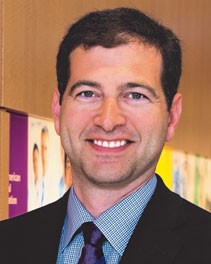 Dr. Jack Resneck[/caption]
Jack Resneck, Jr, MD
Professor and Vice-Chair of Dermatology
Core Faculty, Philip R. Lee Institute for Health Policy Studies
UCSF School of Medicine
MedicalResearch.com: What is the background for this study?
What are the main findings?
Dr. Resneck: Telemedicine, when done right, can improve access and offer convenience to patients. We have seen proven high-quality care in telemedicine services where patients are using digital platforms to communicate with their existing doctors who know them, and where doctors are getting teleconsultations from other specialists about their patients. But our study shows major quality problems with the rapidly growing corporate direct-to-consumer services where patients send consults via the web or phone apps to clinicians they don’t know.
Most of these sites aren’t giving patients a choice of the clinician who will care for them or disclosing the credentials of those clinicians – patients should know whether their rash is being cared for by a board-certified dermatologist, a pain management specialist, or a nurse practitioner who usually works in an emergency department. Some of these sites are even using doctors who aren’t licensed in the US. We also found that these sites were regularly missing important diagnoses, and prescribing medications without discussing risks and side-effects, putting patients at risk. We observed that if you upload photos of a highly contagious syphilis rash but state that you think you have psoriasis, most clinicians working for these direct-to-consumer sites will just agree with your self-diagnosis and prescribe psoriasis medications, leaving you with a contagious STD.
Perhaps the biggest problem with many of these sites is the lack of coordinating care for patients – most of them didn’t offer to send records to a patient’s existing local doctors. And when patients end up needing in-person care if their condition worsens, or they have a medication side-effect, those distant clinicians often don’t have local contacts, and are unable to facilitate needed appointments.
Dr. Jack Resneck[/caption]
Jack Resneck, Jr, MD
Professor and Vice-Chair of Dermatology
Core Faculty, Philip R. Lee Institute for Health Policy Studies
UCSF School of Medicine
MedicalResearch.com: What is the background for this study?
What are the main findings?
Dr. Resneck: Telemedicine, when done right, can improve access and offer convenience to patients. We have seen proven high-quality care in telemedicine services where patients are using digital platforms to communicate with their existing doctors who know them, and where doctors are getting teleconsultations from other specialists about their patients. But our study shows major quality problems with the rapidly growing corporate direct-to-consumer services where patients send consults via the web or phone apps to clinicians they don’t know.
Most of these sites aren’t giving patients a choice of the clinician who will care for them or disclosing the credentials of those clinicians – patients should know whether their rash is being cared for by a board-certified dermatologist, a pain management specialist, or a nurse practitioner who usually works in an emergency department. Some of these sites are even using doctors who aren’t licensed in the US. We also found that these sites were regularly missing important diagnoses, and prescribing medications without discussing risks and side-effects, putting patients at risk. We observed that if you upload photos of a highly contagious syphilis rash but state that you think you have psoriasis, most clinicians working for these direct-to-consumer sites will just agree with your self-diagnosis and prescribe psoriasis medications, leaving you with a contagious STD.
Perhaps the biggest problem with many of these sites is the lack of coordinating care for patients – most of them didn’t offer to send records to a patient’s existing local doctors. And when patients end up needing in-person care if their condition worsens, or they have a medication side-effect, those distant clinicians often don’t have local contacts, and are unable to facilitate needed appointments.
16 May Age of Solid Food Introduction To Babies Not Linked With Childhood Obesity
MedicalResearch.com Interview with: Chloe Barrera MPH
ORISE Fellow
Centers for Disease Control and Prevention
MedicalResearch.com: What is the background for this study? What are the main findings?
Response: Previous studies have been inconsistent in whether introduction of solid foods to babies before 4 months may be associated with later obesity. In our analysis of more than a thousand babies followed through the first year of life and contacted again at 6 years, we did not find this association.
Chloe Barrera MPH
ORISE Fellow
Centers for Disease Control and Prevention
MedicalResearch.com: What is the background for this study? What are the main findings?
Response: Previous studies have been inconsistent in whether introduction of solid foods to babies before 4 months may be associated with later obesity. In our analysis of more than a thousand babies followed through the first year of life and contacted again at 6 years, we did not find this association.
16 May ACA Increased Rates of Health Insurance Coverage For Native Americans
Posted at 16:00h
in Author Interviews, Brigham & Women's - Harvard, Cost of Health Care, JAMA, Race/Ethnic Diversity
MedicalResearch.com Interview with:
[caption id="attachment_24380" align="alignleft" width="123"] Dr. Benjamin D. Sommers[/caption]
Benjamin D. Sommers, MD, PhD
Assistant Professor of Health Policy & Economics
Harvard T. H. Chan School of Public Health / Brigham & Women's Hospital
Boston, MA 02115
[caption id="attachment_24406" align="alignleft" width="125"]
Dr. Benjamin D. Sommers[/caption]
Benjamin D. Sommers, MD, PhD
Assistant Professor of Health Policy & Economics
Harvard T. H. Chan School of Public Health / Brigham & Women's Hospital
Boston, MA 02115
[caption id="attachment_24406" align="alignleft" width="125"] Molly E. Frean[/caption]
Molly E. Frean
Data Analyst
Department of Health Policy and Management
Harvard T.H. Chan School of Public Health
Boston, MA 02115
MedicalResearch.com: What is the background for this study?
Dr. Sommers: We conducted this study in an effort to see how Native Americans have fared under the Affordable Care Act. In addition to the law's expansion of coverage via Medicaid and tax credits for the health insurance marketplaces, the law also provided support for Native Americans’ health care specifically through continued funding of the Indian Health Service (IHS). We sought to see how both health insurance coverage patterns and IHS use changed in the first year of the law's implementation.
Molly E. Frean[/caption]
Molly E. Frean
Data Analyst
Department of Health Policy and Management
Harvard T.H. Chan School of Public Health
Boston, MA 02115
MedicalResearch.com: What is the background for this study?
Dr. Sommers: We conducted this study in an effort to see how Native Americans have fared under the Affordable Care Act. In addition to the law's expansion of coverage via Medicaid and tax credits for the health insurance marketplaces, the law also provided support for Native Americans’ health care specifically through continued funding of the Indian Health Service (IHS). We sought to see how both health insurance coverage patterns and IHS use changed in the first year of the law's implementation.
16 May Attendance At Religious Services Linked To Increased Longevity in Women
MedicalResearch.com Interview with: [caption id="attachment_24338" align="alignleft" width="130"] Dr. Tyler VanderWeele[/caption]
Dr. Tyler VanderWeele PhD
Professor of Epidemiology
Department of Epidemiology
Department of Biostatistics
Harvard T. H. Chan
School of Public Health
MedicalResearch.com: What is the background for this study? What are the main findings?
Dr. VanderWeele: There have been some prior studies on religious service attendance and mortality. Many of these have been criticized for poor methodology including the possibility of reverse causation – that only those who are healthy can attend services, so that attendance isn’t necessarily influencing health. We tried to address some of these criticisms with better methodology. We used repeated measures of attendance and health over time to address this, and a very large sample, and controlled for an extensive range of common causes of religious service attendance and health. This was arguably the strongest study on the topic to date and addressed many of the methodological critiques of prior literature. We found that compared with women who never attended religious services, women who attended more than once per week had 33% lower mortality risk during the study period. Those who attended weekly had 26% lower risk and those who attended less than once a week had 13% lower risk.
Dr. Tyler VanderWeele[/caption]
Dr. Tyler VanderWeele PhD
Professor of Epidemiology
Department of Epidemiology
Department of Biostatistics
Harvard T. H. Chan
School of Public Health
MedicalResearch.com: What is the background for this study? What are the main findings?
Dr. VanderWeele: There have been some prior studies on religious service attendance and mortality. Many of these have been criticized for poor methodology including the possibility of reverse causation – that only those who are healthy can attend services, so that attendance isn’t necessarily influencing health. We tried to address some of these criticisms with better methodology. We used repeated measures of attendance and health over time to address this, and a very large sample, and controlled for an extensive range of common causes of religious service attendance and health. This was arguably the strongest study on the topic to date and addressed many of the methodological critiques of prior literature. We found that compared with women who never attended religious services, women who attended more than once per week had 33% lower mortality risk during the study period. Those who attended weekly had 26% lower risk and those who attended less than once a week had 13% lower risk.
16 May Fecal Microbiota Transplantation is Promising Option for Ulcerative Colitis Treatment
MedicalResearch.com Interview with: Dr. Sudarshan Paramsothy University of New South Wales Australia MedicalResearch.com: What is the background for this study? What are the main findings? Dr. Paramsothy: This study was conducted as there is strong evidence that the gastrointestinal microbiota play a critical role in the underlying pathogenesis of inflammatory bowel disease (IBD), but treatments to date primarily are focused on controlling the associated immune response. Attempts at therapeutic microbial manipulation in ulcerative colitis (UC) to date (antibiotics, probiotics, prebiotics) have not been as impressive as one might expect. We felt intensive fecal microbiota transplantation (FMT) may be more successful than these other methods, as it involves transplanting the entire gastrointestinal microbiota from a health individual, and thus more likely to correct any underlying microbial disturbance or dysbiosis in the recipient UC patient. Our study found that significantly more active ulcerative colitis patients treated with intensive FMT than placebo (27% vs 8%) achieved the trial primary composite endpoint of both- clinical remission induction (ie resolution of symptoms) and
- endoscopic remission or response (ie either healing or significant improvement of the bowel lining)
16 May Study Finds Lupus Doubles Risk of Dementia
MedicalResearch.comcom Interview with: Hui-Wen Lin MD, PHD Department of Mathematics, Soochow University Evidence-Based Medicine Center, Wan Fang Hospital, Taipei Medical University Taipei, Taiwan MedicalResearch.com: What is the background for this study? Dr. Hui-Wen Lin: Systemic lupus erythematosus (SLE) is a systemic autoimmune disorder that affects multiple organ systems and it predominantly affects women aged 20 to 40 years, and clinical symptoms caused by autoantibody deposition that triggers subsequent inflammatory reactions vary between individuals. There were 30~80% of SLE patients present neurological symptoms, and it is referred to as neuropsychiatric SLE (NPSLE). However there is no research about risk of dementia for SLE patients. Therefore we investigated this issue by analyzing the National Health Insurance Research Database in Taiwan.15 May Daytime Naps May Raise Your Blood Pressure
Posted at 19:40h
in Author Interviews, Blood Pressure - Hypertension, Lifestyle & Health, Sleep Disorders
MedicalResearch.com Interview with:
[caption id="attachment_24376" align="alignleft" width="150"] Dr. Wisit Cheungpasitporn[/caption]
Wisit Cheungpasitporn, MD, Nephrology Fellow
Project mentor: Stephen B. Erickson, MD
Departments of Nephrology and Hypertension
Mayo Clinic, Rochester, MN
MedicalResearch.com: What is the background for this study? What are the main findings?
Dr. Cheungpasitporn: The prevention and management of hypertension continue to be major public health challenges. Studies have shown the benefits of napping, including reduction of fatigue and improvement of alertness, mood and work performance. However, there have also been increasing reported associations between napping and cardiovascular disease, diabetes mellitus, strokes, and higher mortality from all causes. The risk of hypertension in adults who regularly take a nap is controversial.
Dr. Wisit Cheungpasitporn[/caption]
Wisit Cheungpasitporn, MD, Nephrology Fellow
Project mentor: Stephen B. Erickson, MD
Departments of Nephrology and Hypertension
Mayo Clinic, Rochester, MN
MedicalResearch.com: What is the background for this study? What are the main findings?
Dr. Cheungpasitporn: The prevention and management of hypertension continue to be major public health challenges. Studies have shown the benefits of napping, including reduction of fatigue and improvement of alertness, mood and work performance. However, there have also been increasing reported associations between napping and cardiovascular disease, diabetes mellitus, strokes, and higher mortality from all causes. The risk of hypertension in adults who regularly take a nap is controversial.