MedicalResearch.com Interview with:
Dr. Apostolos Tsimploulis, Chief Medical Resident
Dr. Phillip H. Lam, Chief Cardiology Fellow
The Washington, DC Veterans Affairs Medical Center, Georgetown University, and
MedStar Washington Hospital Center, Washington, DC
MedicalResearch.com: What is the background for this study? What are the main findings?
Response: Hypertension is a major risk factor for the development of new heart failure (HF). Findings from multiple randomized controlled trials in hypertension have consistently demonstrated that controlling systolic blood pressure (SBP) to normal levels such as to SBP <120 mm Hg reduces the risk of developing new HF.
However, interestingly, once patients develop heart failure, those with a normal SBP value such as SBP <120 mm Hg tend to have poor outcomes. This paradoxical association – also called reverse epidemiology – although poorly understood – has been described with other HF risk factors such as smoking and obesity. Regarding poor outcomes associated with lower SBP in HF patients with reduced ejection fraction (HFrEF – pronounced Hef-ref), it has been suggested that it may be a marker of weak heart muscle that is unable to pump enough blood. However, less is known about this association in patients with HF and preserved ejection fraction (HFpEF – pronounced Hef-pef) –– the heart muscle is not weak in the traditional sense.
This is an important question for a number of reasons: nearly half of all heart failure patients have HFpEF which accounts for about 2.5 to 3 million Americans. These patients have a high mortality similar to those with HFrEF – but unlike in HFrEF few drugs have been shown to improve their outcomes. Thus, there is a great deal of interest in improving their outcomes. One of those approaches is to control . systolic blood pressure and the 2017 ACC/AHA/HFSA Focused Update of the HF guidelines recommend that SBP “should be controlled in patients with HFpEF in accordance with published clinical practice guidelines to prevent morbidity.”
Thus, our study was designed to answer that simple question: do patients with HFpEF and SBP <120 mmHg, which is considered to be normal SBP, have better outcomes than those with SBP ≥120 mmHg.
Using a sophisticated approach called propensity score matching we assembled two groups of patients with HFpEF – one group with SBP <120 mmHg and the other groups had SBP ≥120 mmHg – and patients in both groups were similar in terms of 58 key baseline characteristics. In this population of balanced patients with HFpEF, those with a normal systolic blood pressure had a higher risk of mortality – starting 30 days post-discharge up to about 6 years. Finding from our restricted cubic spline plots suggest that compared with SBP <120 mm Hg, SBP values ≥120 mm Hg (up to 200 mm Hg) was not associated with a higher risk of death.
Dr. Sanders[/caption]
Dr Kevin Sanders, MD
Principle Medical Director-Product Development Neuroscience
Assistant Professor, Departments of Psychiatry and Pediatrics
Vanderbilt University
MedicalResearch.com: What is the background for this announcement?
Response: The FDA has granted Roche Breakthrough Therapy Designation for its investigational oral medicine balovaptan (previously known as RG7314), a vasopressin 1a (V1a) receptor antagonist for individuals with autism spectrum disorder (ASD).
FDA Breakthrough Therapy Designation for balovaptan is primarily based on efficacy findings in the VANILLA (Vasopressin ANtagonist to Improve sociaL communication in Autism) study, a Phase II trial of balovaptan in adults with ASD. Trial results were first presented at the International Congress for Autism Research (IMFAR) in May 2017. Treatment effects were observed on the Vineland-II (secondary endpoint) and also demonstrated that balovaptan was safe and well tolerated by the subjects in the study. The Vineland-II is a scale that measures socialization, communication and daily living skills. This data was presented to the FDA and is part of the basis of the Breakthrough Designation.
Image of a baby with microcephaly (left) compared to a normal baby (right). This is one of the potential effects of Zika virus. Signs of microcephaly may develop a few months after birth.
This transmission electron microscopic (TEM) image depicts a number of round, Dengue virus particles that were revealed in this tissue specimen. CDC image[/caption]
Luisa Pereira PhD
Institute for Research and Innovation in Health
University of Porto
MedicalResearch.com: What is the background for this study? What are the main findings?
Response: By using admixture mapping along the genome in Thai cohorts, we were able to identify new candidate genes conferring protection/susceptibility to dengue fever. A very interesting result was that the set of genes differed with the dengue phenotype: genes coding proteins that may link to the virus, conditioning its entrance in the host cells and mobility therein were associated with the less severe phenotype; genes related with blood vessels permeability were associated with the dengue shock syndrome.
Prof. Atkins[/caption]
Prof. Michael B. Atkins, MD
Deputy Director, Georgetown-Lombardi Comprehensive Cancer Center
William M. Scholl Professor and Vice-Chair Department of Oncology and
Professor of Medicine
Georgetown University Medical Center
MedicalResearch.com: What is the background for this study?
Response: Prior studies combining programmed death-1 (PD-1) checkpoint inhibitors with tyrosine kinase inhibitors of the vascular endothelial growth factor (VEGF)-pathway have been characterized by excess toxicity precluding further development. We hypothesized that axitinib, a more selective VEGF inhibitor would combine safely with pembrolizumab (anti-PD-1) and yield antitumour activity in treatment-naïve patients with advanced renal cell carcinoma.
Dr. Stephanie Seremetis[/caption]
Stephanie Seremetis, M.D.
Corporate Vice President and Chief Medical Officer
Biopharmaceuticals at Novo Nordisk
MedicalResearch.com: What is the background for this announcement?
Response: We’re proud and excited to make Rebinyn® (Coagulation Factor IX (Recombinant), GlycoPEGylated) available as a new extended half-life treatment for hemophilia B management.
Rebinyn® is an injectable medicine used to treat and control bleeding in adults and children with hemophilia B. It can be used to treat bleeds when they occur and to manage bleeding during surgery. Rebinyn® is not used for routine prophylaxis or for immune tolerance induction in patients with hemophilia B.
Hemophilia B is a serious, chronic, inherited bleeding disease that affects about 5,000 people in the U.S. People living with hemophilia B have low levels of clotting Factor IX protein in the blood, often resulting in prolonged or spontaneous bleeding, especially into the muscles, joints or internal organs.
Dr. Gang Liu[/caption]
Gang Liu, PhD
Postdoctoral Research Fellow
Department of Nutrition
Harvard T.H. Chan School of Public Health
MedicalResearch.com: What is the background for this study? What are the main findings?
Response: Although many approaches can be used to achieve a short-term weight loss, maintenance of weight loss has become a key challenge for sustaining long-term benefits of weight loss. Accumulating evidence has suggested that certain environmental compounds may play an important role in weight gain and obesity development.
The potential endocrine-disrupting effects of perfluoroalkyl substances (PFASs), which are extensively used in many industrial and consumer products including food packaging, paper and textile coatings, and non-stick cookware, have been demonstrated in animal studies, but whether PFASs may interfere with body weight regulation in humans is largely unknown.
In a 2-year POUNDS Lost randomized clinical trial that examined energy-restricted diets on weight changes, baseline plasma concentrations of major PFASs were measured among 621 overweight and obese participants aged 30-70 years. Body weight was measured at baseline, 6, 12, 18, and 24 months. Resting metabolic rate (RMR) and other metabolic parameters, including glucose, lipids, thyroid hormones, and leptin, were measured at baseline, 6, and 24 months.
We found that higher baseline levels of PFASs were significantly associated with a greater weight regain, primarily in women. On average, women in the highest tertile of PFASs regained 1.7-2.2 kg more body weight than women in the lowest tertile. In addition, higher baseline plasma PFAS concentrations, especially perfluorooctanesulfonic acid (PFOS) and perfluorononanoic acid (PFNA), were significantly associated with greater decline in RMR during the first 6 months and less increase in RMR during weight regain period.

Dr. Hatch[/caption]
Dr. Elizabeth E. Hatch, PhD
Professor, Epidemiology
School of Public Health
Boston University
MedicalResearch.com: What is the background for this study?
Response: We are conducting a large, ongoing, preconception cohort study, PREgnancy STudy Online or PRESTO http://sites.bu.edu/presto/ in the U.S. and Canada of couples who are planning a pregnancy. The overall goal of the study is to identify factors that affect fertility, measured by the time taken to conceive, and factors that affect the risk of miscarriage. Since many women are postponing pregnancy until the later reproductive years, we would like to help find behavioral and environmental factors that might either help or harm fertility so that couples can avoid the stress and expense of infertility workups and treatment. As part of the larger study, we looked at consumption of sugar-sweetened beverages (SSBs) by both the male and female partner, since some previous research suggested that sugar-sweetened beverages might harm semen quality and ovulation.
For this analysis, we included 3,828 women aged 21 to 45 and 1,045 of their male partners. We asked both males and females (in separate baseline questionnaires) about their usual consumption of SSBs over the last month, and we had a drop-down menu with names of individual sodas (both sugar-sweetened and diet) and energy drinks. We also asked general questions about the frequency of fruit juice and ‘sports drink’ consumption. In our analysis, we controlled for multiple factors that might ‘confound’ the associations, such as body mass index, education, caffeine, smoking and alcohol consumption, as well as a measure of overall diet quality.
Dr. Geary[/caption]
David C. Geary, Ph.D.
Curators' Distinguished Professor
Thomas Jefferson Fellow
Department of Psychological Sciences
Interdisciplinary Neuroscience Program
University of Missouri
Columbia, MO 65211-2500
MedicalResearch.com: What is the background for this study?
Response: We were interested in international variation in the percentage of women who obtain college degrees in science, technology, engineering, and mathematics, focusing on degrees in inorganic areas, such as physics and computer science (topics that do not deal with living things). There is no sex difference in the life sciences, but there is in these fields. The gap is about 3 to 1 in the U.S. and has been stable for decades.
We wanted to link international variation in these degrees to student factors, including their best subject (e.g., science vs. reading) and their interests in science, as well as to more general factors such as whether the country provided strong economic opportunities and its rating on gender equality measures.
Dr. Saxe[/caption]
Glenn N. Saxe, MD
Professor of Child & Adolescent Psychiatry
Hassenfeld Children’s Hospital at NYU Langone
Department of Child and Adolescent Psychiatry
Child Study Center, One Park Avenue
New York, NY 10016
MedicalResearch.com: What is the background for this study? Would you briefly explain what is meant by brain entropy and how it relates to intelligence?
Response: Think of human intelligence as the capacity for a human being to understand their complex and ever-changing world. The world of a person is really complex and constantly in flux so the human brain must be ready to understand whatever may come – when there is no way beforehand to predict what might come. How does the brain understand its world? It creates specific models of the information it receives through specific patterns of neuronal connection. These are called brain states. The way the brain understands its world is largely through using such models, or brain states, to accurately predict what comes next. So you can see that for an intelligent brain to properly understand and predict events in the world, it will need to have access to a very, very large number of brain states. And this is how entropy is defined.
Entropy is a very old and very powerful concept in the history of science. Not only is it fundamental for thermodynamics – what we learned in high school physics – but it is also fundamental for the nature of information and it’s processing. Entropy is defined as the number of states – or distinct configurations – any system has access to at any point in time. High entropy means access to a very large number of states. Low entropy means access to a very small number of states. A solid is a phenomenon with very low entropy. A gas is a phenomenon with very high entropy. Life, and the brain, are somewhere in between.
Although it is impossible to precisely measure the number of states a brain has access to at any one moment, there is a highly related concept that can be measured. A system with access to a very high number of possible states (like a gas) has components with behavior that is highly unpredictable. A system with access to very few possible states (like a solid) has components whose behavior is highly predictable. We measured brain entropy through the predictability of the brains components at the smallest scale we had access to: what are called voxels in an fMRI scan. These are 3mm cubes of neurons in a functional MRI scan, and there are many thousands of these voxels in our measurement and each of these voxels contains information on the activity of hundreds of thousands of neurons. We measured the predictability of each of these voxels and then found clusters of voxels where their predictability - or entropy - was related to intelligence.
Dr. Wessel[/caption]
Jan R. Wessel, Ph.D.
Asst. Professor
Department of Psychological and Brain Sciences
Department of Neurology
Iowa Neuroscience Institute
University of Iowa
MedicalResearch.com: What is the background for this study? What are the main findings?
Response: We found that the occurence of unexpected events, such as sudden, surprising sounds lead to an automatic engagement of a well-known brain network for action-stopping, thereby leading to a suppression of ongoing motor activity. Specifically, we found that when participants had to stop an action, their ability to do so was significantly improved when the cue to stop was accompanied by a sudden, unexpected sound. This improvement was accompanied by an amplification of the brain activity that is related to action-stopping, and was also accompanied by an increase of suppression of excitability of the motor cortex.
Ashley LeBaron
Brigham Young University
Provo
MedicalResearch.com: What is the background for this study? What are the main findings?
Response: This study was a really fun one for me. Previous research had linked materialism with lower marital satisfaction. However, no one had really looked into why that is--what is it about materialism that tends to facilitate less-happy marriages? As I thought about it and explored different theories, I came to the hypothesis that perhaps it is a matter of competing values.
Perhaps those who highly value money and possessions are less likely to highly value their marriage, and then subsequently do not put into their relationship the time, effort, etc. needed for high marital satisfaction. And that's exactly what our findings show! Perception of marriage importance mediated (i.e., explained) the negative association between materialism and marital satisfaction. Of course it is more complex than this and there are likely other mediators out there, but I think this was an important contribution to the couple finance field.
Jennifer L. Kuk, PhD
Associate Professor
York University
School of Kinesiology and Health Science
Sherman Health Science Research Centre
Toronto, Ontario
MedicalResearch.com: What is the background for this study? What are the main findings?
- The benefits of fitness are well know, but it was unclear whether the benefits applied to those with severe obesity. This is even more important give that the health risks associated with severe obesity are exponentially higher than in mild obesity. Fitness in this study was defined as the top 80% of a normal population.This means that unfit is the bottom 20%. In the past, research has shown that this threshold of fitness is associated with the biggest health benefits.
- We see that 40% of individuals with mild obesity are fit, while 11% of those with severe obesity are fit. Individuals with high fitness had no differences in health risk, despite the large differences in obesity (~50-100 pounds). Conversely, those within the unfit group did have significantly higher glucose, blood pressure and lipids with higher obesity levels.
In other words, fitness was able to protect individuals with severe obesity from many of the expected negative health consequences.
Dr. Zehr[/caption]
E. Paul Zehr PhD
Professor & Director
Centre for Biomedical Research,
Rehabilitation Neuroscience Laboratory, McKinnon
Division of Medical Sciences
Exercise Science, Physical & Health Education
International Collaboration on Repair Discoveries (ICORD)|
Affiliate, Division of Neurology, Department of Medicine, UBC
MedicalResearch.com: What is the background for this study? What are the main findings?
Response: For many years we explored the role of the spinal cord in regulating rhythmic arm and leg movements like we do during walking, running and swimming. Although we humans tend to move and locomote around on our two legs as bipeds, we are basically quadrupeds in terms of how our nervous system controls our limbs during walking. We have an extensive network of brain and spinal cord connections that help coordinate our limbs while we move. A lot of our work showed that using the arms rhythmically, like during arm cycling, strongly affected the activity of the spinal cord controlling leg muscles. Getting the spinal cord for leg muscles more coordinated and activated is a major goal of rehabilitation of walking after neurotrauma so we wanted to see if training the arms could help with this. This is particularly important because a lot of the time, the arms are not engaged at all in rehabilitation training for the legs.
We found that after only 5 weeks of arm cycling (3 x 30 minutes each week), neural excitability, strength, and leg function were increased along with enhanced clinical tests of balance and walking ability.
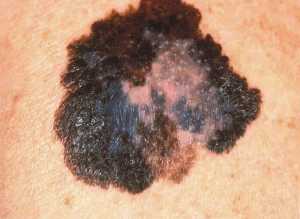
This image depicts the gross appearance of a cutaneous pigmented lesion, which had been diagnosed as superficial spreading malignant melanoma (SSMM). Note the roughened edges of this mole, and its heterogeneous, mottled, multicolored appearance, which are all characteristics that should evoke suspicions about its classification.
Primary hepatocytes grown in 3D microfluidic “liver-on-a-chip” platform following infection with hepatitis B virus. Credit: Marcus Dorner/Imperial College London[/caption]
Marcus Dorner, PhD
Non-Clinical Senior Lecturer in Immunology
Wellcome Trust Investigator
Imperial College London
Department of Medicine, Section of Virology
School of Medicine
London United Kingdom
MedicalResearch.com: What is the background for this study? What are the main findings?
Response: Hepatitis B virus (HBV) infection globally affects over 250 million people and is currently not curable. This infection can lead to liver cirrhosis and liver cancer and is among the leading causes for liver transplantation. Unfortunately, HBV is among the most difficult viruses to study in the laboratory, since model systems are not very good at recapitulating what happens in infected humans.
We have just described the first model to effectively change this. Using an artificial “Liver-on-a-Chip”, we have developed a tool, which can potentially revolutionise how we study viral infections by merging the study of viruses with tissue engineering. This model is over 10,000-fold more susceptible to HBV infection and accurately mimics, what happens in an infected patient. This can now be utilised to develop novel and potentially curative therapies, which would benefit millions of people currently living with chronic HBV infection.
Thomas Denson PhD
University of New South Wales
Australia
MedicalResearch.com: What is the background for this study? What are the main findings?
Response: Decades of research have shown that alcohol is a powerful psychotropic contributor to aggressive behaviour. Researchers have long suspected that alcohol increases aggression because it dampens activation in the prefrontal cortex, which leads to reduced inhibition, narrows attentional processing, and exaggerates hostile thinking. However, direct evidence has been lacking. We compared brain activity in intoxicated versus sober participants when they were given the opportunity to behave aggressively in the scanner against other men who provoked them.
We gave 50 healthy young men alcohol or a placebo. Participants who consumed alcohol breathalysed at .05. They did show decreased activation in the prefrontal cortex as expected. This was the first evidence to show that when intoxicated participants behave aggressively, they show reduced prefrontal activity. Interestingly, we found a positively correlation between prefrontal cortex activity and aggression, but only among intoxicated men. We think this reflects the fact that the participants in the alcohol condition were likely engaging in more hostile thinking about the provoking men.
Dr. Flanagan[/caption]
Eoin Flanagan, M.B., B.Ch.
Mayo Clinic
Rochester, Minnesota
MedicalResearch.com: What is the background for this study?
Response: Traditionally it has been thought that infections (e.g., viruses) account for the majority of encephalitis cases. Recent discoveries of neural autoantibody markers of encephalitis (e.g., NMDA receptor autoantibodies) have led to an appreciation that encephalitis cases can be caused by the body’s own immune system attacking the brain, what we term autoimmune encephalitis.
Dr. Céline Vetter
Assistant Professor
Department of Integrative Physiology
University of Colorado at Boulder
Boulder, CO
MedicalResearch.com: What is the background for this study? What are the main findings?
Response: Shift work, particularly night shifts, can change our social rhythms, as well as the internal biological rhythms including our sleep, and these effects could explain why shift work is linked to conditions such as obesity and type 2 diabetes. However, we don’t know which type of shift pattern is most strongly linked to type 2 diabetes. In addition, we know that some lifestyle factors can modify the link between a genetic predisposition to a disease and the disease itself, but we don’t know if this applies to shift work and type 2 diabetes.
Dr. Mangurian[/caption]
Christina Mangurian, MD, MAS
Associate Professor of Psychiatry
Vice Chair for Diversity, Department of Psychiatry
UCSF Weill Institute for Neurosciences
Director, UCSF Public Psychiatry Fellowship at ZSFG
Core Faculty, UCSF Center for Vulnerable Populations
MedicalResearch.com: What is the background for this study? What are the main findings?
Response: We examined paid family and childbearing leave policies at top-10 medical schools across the US. Despite recommendation from national medical societies for 12 weeks paid childbearing leave because of the benefits to both infant and mother, the average leave at these top schools of medicine was only around 8 weeks. In addition, most policies are very difficult to understand, and are at the discretion of departmental leadership – both of which put women at a disadvantage at getting leave they deserve. Additionally, family leave was only available to the parent that identifies as the "primary caregiver" at five universities, disallowing cooperative parenting.
Sarah Dermody PhD
Assistant professor
School of Psychological Science
College of Liberal Art
Oregon State University
MedicalResearch.com: What is the background for this study? What are the main findings?
Response: Naltrexone is an FDA-approved medication to treat alcohol use disorder. We know that people have difficulty adhering to the prescribed daily medication regimen, and that people who do not adhere to the medication tend not to fair as well in treatment as people who take the medication regularly.
This particular study attempted to address the question of why do people with alcohol use disorder have difficulty taking the medication daily? What we found was that people were less likely to take naltrexone after days of heavy drinking or strong alcohol craving versus typical drinking and craving levels. Furthermore, individuals were less likely to take the medication on weekends versus weekdays, which is particularly worrisome because heaviest drinking episodes tend to happen on the weekends.
Normal rhythm tracing (top) Atrial fibrillation (bottom)
Peymané Adab, MD
University of Birmingham in England
MedicalResearch.com: What is the background for this study? What are the main findings?
Response: Childhood obesity is an increasing problem worldwide. In the UK, the proportion of children who are very overweight doubles during the primary school years. Furthermore during this period inequalities emerge. At school entry there is little difference in the likelihood of being overweight between groups. However on leaving international primary schools, children from minority ethnic groups and those from more deprived, compared to more affluent backgrounds are more likely to be overweight. Excess weight in children is linked with multiple health, emotional and social problems. As children spend a lot of time at school, it seems intuitive that they are an ideal setting for prevention interventions.
Although a number of studies have investigated the evidence for school obesity prevention programmes, the results have been mixed and methodological weaknesses have prevented recommendations being made. As a result we undertook a major high quality trial to evaluate an intervention that had been developed in consultation with parents, teachers and the relevant community. The 12 month programme had four components. Teachers at participating schools were trained to provide opportunities for regular bursts of physical activity for children, building up to an additional 30 minutes each school day. There was also a workshop each term, where parents came in to cook a healthy meal (breakfast, lunch of dinner) with their children. In conjunction with a local football club, Aston Villa, children participated in a six-week healthy eating and physical activity programme. Finally, parents were provided with information about local family physical activity opportunities.
We involved around 1500 year 1 children (aged 5-6 years) from 54 state run primary schools in the West Midlands. At the start of the study, we measured their height and weight and other measures of body fat, asked the children to complete a questionnaire about their wellbeing, to note everything they ate for 24 hours, and to wear an activity monitor that recorded how active they were. After this, the schools were randomised to either receive the programme or not. We then repeated the measures 15 and 30 months later.
Dr. Wiese[/caption]
Andrew Wiese, PhD
Postdoctoral Research Fellow
Department of Health Policy
Vanderbilt University Medical Center
MedicalResearch.com: What is the background for this study? What are the main findings?
Response: As opioid use has increased in the U.S., the safety of prescription opioids has come under further scrutiny.
In animal studies, use of certain opioids has been associated with increased susceptibility to bacterial infections, including infectious due to Streptococcus pneumoniae, the pathogen that causes invasive pneumococcal disease. Invasive pneumococcal disease includes bacteremia, meningitis, and invasive pneumonia, all of which are associated with high mortality. Although those associations have been well established in animal experiments, it is important to understand the risk of serious infections among humans taking prescription opioid analgesics.
We found that prescription opioid use is associated with a significantly increased risk for laboratory-confirmed invasive pneumococcal diseases, and that this association was strongest for opioids used at high doses, those classified as high potency and long-acting formulations.
The data also showed that opioids previously described as immunosuppressive in prior experimental studies conducted in animals had the strongest association with invasive pneumococcal diseases in humans.
Depicted here, is a close-up of a maculopapular rash that was diagnosed as a crop of chickenpox lesions.Hannah Song, BA Medical studen Harvard Medical School and Jennifer T. Huang, MD Division of Immunology, Dermatology Program Boston Children's Hospital Boston, MA
MedicalResearch.com: What is the background for this study? What are the main findings? Response: Infection with the varicella-zoster virus leads to chickenpox, or primary varicella. The virus then lies dormant and can later reactivate as shingles, or herpes zoster. Varicella-zoster vaccine is made of an attenuated live virus that prevents most people from getting chicken pox, but rarely can reactivate and cause shingles. There were several pediatric patients who presented to our clinics with shingles/herpes zoster that was localized to one extremity. My hunch was that the extremity where the patients had shingles could be the same limb where they had received vaccination. We called the patient’s pediatricians because pediatricians typically document the extremity where the vaccination is given, and confirmed the theory that shingles in vaccinated children may be more likely to occur at the site of vaccination. Importantly, vaccination may modify the classic appearance of shingles, and you might see pink and red papules and pseudovesicles, rather than classic grouped fluid-filled vesicles on a red base.
Dr. John A Staples
MD, FRCPC, MPH
Scientist, Centre for Health Evaluation and Outcome Sciences
Clinical Assistant Professor
University of British Columbia
MedicalResearch.com: What is the background for this study? What are the main findings?
Response: Around 64 million Americans live in states that have legalized recreational marijuana. Many policymakers are trying to figure out what that means for traffic safety.
On April 20th, some Americans participate in an annual "4/20" counterculture holiday that celebrates and promotes the use of cannabis. Some 4/20 events such as those in Denver and San Francisco involve thousands of participants. Much like celebrations at midnight on New Year's eve, public 4/20 events sometimes mark 4:20 p.m. by a countdown followed by synchronized mass consumption of cannabis. We thought this was a perfect natural experiment to evaluate the influence that cannabis intoxication has on the risk of motor vehicle crash.
To examine this question, we analyzed 25 years of data on all fatal traffic crashes in the United States. We compared the number of drivers in crashes between 4:20 p.m. and midnight on April 20th to the number of drivers in crashes during the same time interval on control days one week earlier and one week later.
We found that the risk of crash involvement was 12% higher on April 20th than on control days. In the subgroups of drivers younger than 21 years of age, the risk of crash involvement was 38% higher on April 20th than on control days.
Assuming fewer than 12% of Americans celebrate 4/20, our results suggest that substance use at April 20th celebrations more than doubles the risk of fatal crash.
Dr. Vittorio Demicheli
Servizio Regionale di Riferimento per l'Epidemiologia
SSEpi-SeREMI, Azienda Sanitaria Locale ASL AL
Alessandria, Piemonte, Italy
MedicalResearch.com: What is the background for this study? What are the main findings?
Response: The consequences of influenza in adults are mainly time off work. Only vaccination of pregnant women is recommended internationally, while mass vaccination of healthy adults is still matter of debate.
The aim of this Cochrane Review is to assist informed decision making summarizing research that looks at the effects of immunizing healthy adults with influenza vaccines during influenza seasons.
The review process found 52 clinical trials of over 80,000 adults. Only around 15% of the included studies were well designed and conducted. We focused on reporting of results from 25 studies that looked at inactivated vaccines. Injected influenza vaccines probably have a small protective effect against influenza and influenza-like illness (ILI_ (moderate-certainty evidence), as 71 people would need to be vaccinated to avoid one influenza case, and 29 would need to be vaccinated to avoid one case of ILI. Vaccination may have little or no appreciable effect on hospitalizations (low-certainty evidence) or number of working days lost.
Dr. Rachel McGrath[/caption]
Rachel McGrath BSc (Hons), PhD
Senior Research Fellow - Department of Endocrinology, RNSH
Clinical Senior Lecturer - Northern Clinical School
University of Sydney
MedicalResearch.com: What is the background for this study? What are the main findings?
Response: Women with type 1 diabetes are significantly more likely to experience complications during pregnancy and to have infants with high birth weights. This can result in adverse outcomes at the time of delivery for both mother and baby, and can also predispose infants to obesity and chronic disease in later life.
The relationship between maternal blood glucose levels and foetal growth in type 1 diabetes in pregnancy has not been completely elucidated. Thus, we examined the association between maternal glycaemic control and foetal growth by examining serial ultrasound measurements and also by determining the relationship between HbA1c (a measure of circulating glucose exposure over a three month time period) and infant birth weight.
We found that maternal glucose levels were directly related to foetal abdominal circumference in the late second and third trimesters and also to birth weight. We also confirmed the results of previous studies to show that the optimal HbA1c during pregnancy to reduce the likelihood of large-for-gestational-age neonates is < 6%.
Dr. Nowak[/caption]
Dr. Kristen L. Nowak PhD
Division of Renal Diseases and Hypertension
University of Colorado Anschutz Medical Campus
Aurora, CO 80045
MedicalResearch.com: What is the background for this study?
Response: Subtle impairments in cognition are common with aging, even in the absence of clinically apparent dementia. Mild hyponatremia is a common finding in older adults; however, the association of lower serum sodium with cognition in older adults is currently uncertain.
We hypothesized that lower normal serum sodium would be associated with prevalent cognitive impairment and the risk of cognitive decline over time in asymptomatic, community-dwelling older men.