
Author Interviews
17 Jan “11+ Kids” Program Reduces Soccer Injuries in Children
MedicalResearch.com Interview with: Roland Rössler PhD
Postdoctoral Fellow
Dept of Public and Occupational Health
Amsterdam Collaboration on Health and Safety in Sports
VU University Medical Center
MedicalResearch.com: What is the background for this study?
Response: Previous studies have shown that exercise-based injury prevention programmes can reduce the number of sport injuries. However, no previous study investigated the prevention of football (soccer) injuries in children under the age of 14 years [1], even though the number of football players under 14 years of age could be estimated as around 15 million worldwide. In comparison, only about 100,000 players, so 150 times less, are considered professional players (earning enough money to live from playing football). The large number of children playing football and the fact that every year about 10% of these players sustain an injury, indicates the relevance of injury prevention in this population.
Based on the existing “11+” programme (that has been designed for players from the age of 14 years onwards) and our epidemiological data on injuries in football players under 14 years of age [2, 3], we developed and pilot tested an injury prevention programme for 7- to 13-year-old children (called “11+ Kids”) with an international group of experts.[4]
We designed the present cluster randomised controlled trial to evaluate whether the “11+ Kids” programme reduces the incidence of injuries in children’s football.
Roland Rössler PhD
Postdoctoral Fellow
Dept of Public and Occupational Health
Amsterdam Collaboration on Health and Safety in Sports
VU University Medical Center
MedicalResearch.com: What is the background for this study?
Response: Previous studies have shown that exercise-based injury prevention programmes can reduce the number of sport injuries. However, no previous study investigated the prevention of football (soccer) injuries in children under the age of 14 years [1], even though the number of football players under 14 years of age could be estimated as around 15 million worldwide. In comparison, only about 100,000 players, so 150 times less, are considered professional players (earning enough money to live from playing football). The large number of children playing football and the fact that every year about 10% of these players sustain an injury, indicates the relevance of injury prevention in this population.
Based on the existing “11+” programme (that has been designed for players from the age of 14 years onwards) and our epidemiological data on injuries in football players under 14 years of age [2, 3], we developed and pilot tested an injury prevention programme for 7- to 13-year-old children (called “11+ Kids”) with an international group of experts.[4]
We designed the present cluster randomised controlled trial to evaluate whether the “11+ Kids” programme reduces the incidence of injuries in children’s football.
17 Jan Number of Pediatric Physician Scientists Shrinking
MedicalResearch.com Interview with: [caption id="attachment_39342" align="alignleft" width="140"] Dr. James Wynn[/caption]
James L. Wynn, MD
Department of Pediatrics,
Department of Pathology, Immunology, and Laboratory Medicine
University of Florida, Gainesville
MedicalResearch.com: What is the background for this study?
Response: Reports from the National Institutes of Health show a reduction in physician-scientists. Objective data on R01 funded pediatric physician-scientists, including the number of R01 awards, individuals awarded an R01, as well as their institutions, subspecialty, academic rank, leadership status, and sex are unknown.
Dr. James Wynn[/caption]
James L. Wynn, MD
Department of Pediatrics,
Department of Pathology, Immunology, and Laboratory Medicine
University of Florida, Gainesville
MedicalResearch.com: What is the background for this study?
Response: Reports from the National Institutes of Health show a reduction in physician-scientists. Objective data on R01 funded pediatric physician-scientists, including the number of R01 awards, individuals awarded an R01, as well as their institutions, subspecialty, academic rank, leadership status, and sex are unknown.
17 Jan Public Database Tracks Efficacy of Deep Brain Stimulation in Tourette Syndrome
MedicalResearch.com Interview with: [caption id="attachment_39337" align="alignleft" width="136"] Dr. Okun[/caption]
Michael S. Okun, M.D.
Adelaide Lackner Professor and Chair of Neurology
Fixel Center for Neurological Diseases
Gainesville FL 32607
MedicalResearch.com: What is the background for this study? What are the main findings?
Response: Deep brain stimulation is a promising therapy for carefully selected Tourette syndrome patients who fail medication and behavioral therapy. This study draws data from 31 institutions and 10 countries and shows a significant improvement of motor and vocal tics across multiple brain targets. Because even expert DBS centers only perform 1-2 surgeries a year this type of database and registry will be critical to move the field forward.
Dr. Okun[/caption]
Michael S. Okun, M.D.
Adelaide Lackner Professor and Chair of Neurology
Fixel Center for Neurological Diseases
Gainesville FL 32607
MedicalResearch.com: What is the background for this study? What are the main findings?
Response: Deep brain stimulation is a promising therapy for carefully selected Tourette syndrome patients who fail medication and behavioral therapy. This study draws data from 31 institutions and 10 countries and shows a significant improvement of motor and vocal tics across multiple brain targets. Because even expert DBS centers only perform 1-2 surgeries a year this type of database and registry will be critical to move the field forward.
17 Jan Melanoma: New Combination Therapy Targets Resistant Tumors
MedicalResearch.com Interview with: [caption id="attachment_39325" align="alignleft" width="200"]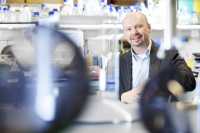 Dr. Peeper[/caption]
Daniel S. Peeper, PhD
Professor of Functional Oncogenomics (VUmc)
Member of Oncode Institute
Head, Division of Molecular Oncology & Immunology
Chair, Scientific Faculty Council
Chair, Translational Research Board
The Netherlands Cancer Institute
Amsterdam The Netherlands
MedicalResearch.com: What is the background for this study? What are the main findings?
Response: BRAF mutant melanomas are now commonly treated with either immunotherapy or with the combination of BRAFi + MEKi. Recent clinical trials showed that combination checkpoint blockade gives 58% 3 year survival for advanced melanoma. For BRAF+MEKi these numbers are somewhat less impressive. Our study relates to the latter setting.
Clearly, most patients treated with this combination do not experience a durable clinical benefit. We showed previously that resistance to these inhibitors is commonly associated with a striking increase in the number of AXL+ cells; this is the rationale for the current study.
Dr. Peeper[/caption]
Daniel S. Peeper, PhD
Professor of Functional Oncogenomics (VUmc)
Member of Oncode Institute
Head, Division of Molecular Oncology & Immunology
Chair, Scientific Faculty Council
Chair, Translational Research Board
The Netherlands Cancer Institute
Amsterdam The Netherlands
MedicalResearch.com: What is the background for this study? What are the main findings?
Response: BRAF mutant melanomas are now commonly treated with either immunotherapy or with the combination of BRAFi + MEKi. Recent clinical trials showed that combination checkpoint blockade gives 58% 3 year survival for advanced melanoma. For BRAF+MEKi these numbers are somewhat less impressive. Our study relates to the latter setting.
Clearly, most patients treated with this combination do not experience a durable clinical benefit. We showed previously that resistance to these inhibitors is commonly associated with a striking increase in the number of AXL+ cells; this is the rationale for the current study.
17 Jan Bariatric Surgery Linked To Long Term Mortality Reduction
MedicalResearch.com Interview with: Oma Reges, PhD Clalit Research Institute, Clalit Health Services, Tel Aviv, Israel Department of Health Systems Management, Ariel University, Ariel, Israel MedicalResearch.com: What is the background for this study? What are the main findings? Response: Israel, based on the most recently published data (2015), performs more per-capita bariatric surgery than the U.S.A (about 9,000 to 9,500 procedures annually, which is 1.8 times higher rate per capita than the U.S.A, where there are about 200,000 procedures a year). It is important to evaluate the impact of these procedures on health status, as there is a lack of data of the effectiveness of these procedures over time. We were able to document lower mortality rates, of up to 50%, in the obese patient undergoing surgery as opposed to matched obese patients who continue with usual care.16 Jan Snowboarders Have More Upper Body Injuries Than Skiiers
MedicalResearch.com Interview with: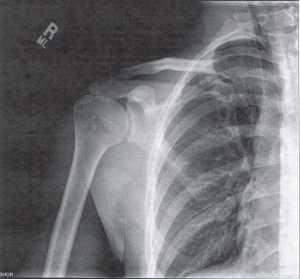 Dr. Brett D Owens, MD
Dr. Owens is currently Team Physician for the US Lacrosse National Men’s Team, and
Team Physician for Brown University
Professor at Uniformed Services University and Professor at Brown University
Alpert School of Medicine
MedicalResearch.com: What is the background for this study? What are the main findings?
Response: This study is a review of the literature on ski and snowboarding injuries. We summarize findings by our group and others on the injuries seen with these snow sports and report an overall increase in injuries as participation continues to increase.
Snowboarders have a higher injury rate and there are different injury patterns with skiers experiencing more lower extremity injuries (knee) and snowboarders experiencing more upper extremity injuries (wrist, shoulder, etc.).
Dr. Brett D Owens, MD
Dr. Owens is currently Team Physician for the US Lacrosse National Men’s Team, and
Team Physician for Brown University
Professor at Uniformed Services University and Professor at Brown University
Alpert School of Medicine
MedicalResearch.com: What is the background for this study? What are the main findings?
Response: This study is a review of the literature on ski and snowboarding injuries. We summarize findings by our group and others on the injuries seen with these snow sports and report an overall increase in injuries as participation continues to increase.
Snowboarders have a higher injury rate and there are different injury patterns with skiers experiencing more lower extremity injuries (knee) and snowboarders experiencing more upper extremity injuries (wrist, shoulder, etc.).
16 Jan Benefits of Gastric Bypass in Diabetes Control Significant But Diminish Over Time
MedicalResearch.com Interview with: [caption id="attachment_39301" align="alignleft" width="143"] Dr. Billington[/caption]
Charles Billington MD
Chief, Section of Endocrinology and Metabolism
Minneapolis VA Health Care System
Professor of Medicine, University of Minnesota
MedicalResearch.com: What is the background for this study? What are the main findings?
Response: We wanted to know if adding gastric bypass to intense lifestyle and medical therapy would improve overall diabetes treatment as represented by the triple endpoint of blood sugar, blood pressure and cholesterol control. We found that adding gastric bypass did provide significant benefit at five years after surgery, but that the size of the benefit declined substantially from the first to the fifth year. We also found that gastric bypass did provide significantly better blood sugar control throughout the five years, but the rate of diabetes remission at five years was low. There were many more adverse events in the gastric bypass group.
Dr. Billington[/caption]
Charles Billington MD
Chief, Section of Endocrinology and Metabolism
Minneapolis VA Health Care System
Professor of Medicine, University of Minnesota
MedicalResearch.com: What is the background for this study? What are the main findings?
Response: We wanted to know if adding gastric bypass to intense lifestyle and medical therapy would improve overall diabetes treatment as represented by the triple endpoint of blood sugar, blood pressure and cholesterol control. We found that adding gastric bypass did provide significant benefit at five years after surgery, but that the size of the benefit declined substantially from the first to the fifth year. We also found that gastric bypass did provide significantly better blood sugar control throughout the five years, but the rate of diabetes remission at five years was low. There were many more adverse events in the gastric bypass group.
16 Jan The PlaqueTec Liquid Biopsy System™ Allows Detection of Predictive Intracoronary Artery Biomarkers
MedicalResearch.com Interview with: [caption id="attachment_39310" align="alignleft" width="300"]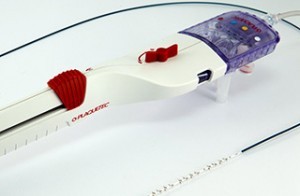 The PlaqueTec Liquid Biopsy System™ (LBS)[/caption]
Nick West MA MD FRCP FESC FACC
Chief Medical Officer
PlaqueTec Ltd
MedicalResearch.com: What is the background for the Liquid Biopsy System and this study?
Response: Despite huge advances in the diagnosis and treatment of coronary artery disease, this form of cardiovascular disease remains as the world’s number one cause of death. Although interventions such as coronary angioplasty and cholesterol lowering with statins have improved morbidity, patients still experience high rates of recurrent cardiovascular events. Various technologies have been applied to predict future patient events with limited success, such as ‘virtual histology’ intravascular ultrasound (VH-IVUS) in the PROSPECT study (Stone GW et al. N Engl J Med 2011; 364: 226-235). Many experts acknowledge that imaging alone may be insufficient to gauge risk, and that the utility of a more biological endpoint may be more appropriate. This supposition is supported by recent data that added endothelial shear stress estimation to the PROSPECT data and significantly improved subsequent event prediction (Stone PH et al. JACC Cardiovascular Imaging 2017; Sep 18 epub ahead of print).
Coronary artery disease has long been recognised to be underpinned by an inflammatory pathogenesis, and it is bioactive molecules (growth factors, cytokines etc) within the vasculature that affect plaque growth, transformation and vulnerability to rupture, resulting in myocardial infarction. Measuring these biomolecules in situ is challenging owing to an inability to reliably sample from the ‘boundary layer’ – a slower-moving circumferential stratum of blood adjacent to the endothelial surface that does not mix with the general bulk flow.
The PlaqueTec Liquid Biopsy System™ (LBS) was designed specifically to sample from the boundary layer at four sites simultaneously within the coronary artery, where biomolecules released from plaques are likely to be most concentrated. With the LBS, we can also detect small gradients of released molecules by simultaneously collecting blood both upstream and downstream of individual plaques.
The LBS has demonstrated safety and feasibility in preclinical and preliminary clinical studies, and was awarded a CE mark in Europe as a dedicated coronary blood sampling device in 2014.
The PlaqueTec Liquid Biopsy System™ (LBS)[/caption]
Nick West MA MD FRCP FESC FACC
Chief Medical Officer
PlaqueTec Ltd
MedicalResearch.com: What is the background for the Liquid Biopsy System and this study?
Response: Despite huge advances in the diagnosis and treatment of coronary artery disease, this form of cardiovascular disease remains as the world’s number one cause of death. Although interventions such as coronary angioplasty and cholesterol lowering with statins have improved morbidity, patients still experience high rates of recurrent cardiovascular events. Various technologies have been applied to predict future patient events with limited success, such as ‘virtual histology’ intravascular ultrasound (VH-IVUS) in the PROSPECT study (Stone GW et al. N Engl J Med 2011; 364: 226-235). Many experts acknowledge that imaging alone may be insufficient to gauge risk, and that the utility of a more biological endpoint may be more appropriate. This supposition is supported by recent data that added endothelial shear stress estimation to the PROSPECT data and significantly improved subsequent event prediction (Stone PH et al. JACC Cardiovascular Imaging 2017; Sep 18 epub ahead of print).
Coronary artery disease has long been recognised to be underpinned by an inflammatory pathogenesis, and it is bioactive molecules (growth factors, cytokines etc) within the vasculature that affect plaque growth, transformation and vulnerability to rupture, resulting in myocardial infarction. Measuring these biomolecules in situ is challenging owing to an inability to reliably sample from the ‘boundary layer’ – a slower-moving circumferential stratum of blood adjacent to the endothelial surface that does not mix with the general bulk flow.
The PlaqueTec Liquid Biopsy System™ (LBS) was designed specifically to sample from the boundary layer at four sites simultaneously within the coronary artery, where biomolecules released from plaques are likely to be most concentrated. With the LBS, we can also detect small gradients of released molecules by simultaneously collecting blood both upstream and downstream of individual plaques.
The LBS has demonstrated safety and feasibility in preclinical and preliminary clinical studies, and was awarded a CE mark in Europe as a dedicated coronary blood sampling device in 2014.
15 Jan LUXTURNA Proves Effectiveness of Single Gene Therapy To Cure Rare Cause of Blindness
MedicalResearch.com Interview with: [caption id="attachment_38055" align="alignleft" width="190"] Foundation Fighting Blindness[/caption]
Dr. Stephen Rose PhD
Chief Research Officer
Foundation Fighting Blindness (FFB)
Dr. Rose comments on the announcement of the FDA approval of voretigene neparvovec (LUXTURNA™) gene therapy for inherited blindness due to mutations in the RPE65 gene.
What is the background for this announcement? What were the main findings from the study?
Response: While it has been 30 years since the RPE65 gene was identified as causing Leber’s Congenital Amaurosis, this shows that it is possible to have an effective gene therapy for an inherited disease. As the first gene therapy for the eye or for an inherited disease, LUXTURNA is a historic milestone in the search for cures for all inherited retinal diseases (IRDs). As a one-time gene therapy, LUXTURNA will not only be life-changing for patients with vision loss due to mutations in the RPE65 gene, it also provides critical momentum for gene therapies - for the eye and other diseases - now in the clinic.
Foundation Fighting Blindness[/caption]
Dr. Stephen Rose PhD
Chief Research Officer
Foundation Fighting Blindness (FFB)
Dr. Rose comments on the announcement of the FDA approval of voretigene neparvovec (LUXTURNA™) gene therapy for inherited blindness due to mutations in the RPE65 gene.
What is the background for this announcement? What were the main findings from the study?
Response: While it has been 30 years since the RPE65 gene was identified as causing Leber’s Congenital Amaurosis, this shows that it is possible to have an effective gene therapy for an inherited disease. As the first gene therapy for the eye or for an inherited disease, LUXTURNA is a historic milestone in the search for cures for all inherited retinal diseases (IRDs). As a one-time gene therapy, LUXTURNA will not only be life-changing for patients with vision loss due to mutations in the RPE65 gene, it also provides critical momentum for gene therapies - for the eye and other diseases - now in the clinic.
15 Jan Long-term Medical Complications with Bariatric Surgery vs Medical Obesity Treatment
MedicalResearch.com Interview with: [caption id="attachment_39315" align="alignleft" width="150"] Prof. Hjelmesæth[/caption]
Jøran Hjelmesæth MD, PhD
Professor, Head
Morbid Obesity Centre and Section of Endocrinology
Department of Medicine
Vestfold Hospital Trust
Tønsberg, Norway
Department of Endocrinology, Morbid Obesity and Preventive Medicine
Institute of Clinical Medicine
University of Oslo, Norway
MedicalResearch.com: What is the background for this study? What is known? Some previous studies have shown beneficial long-term effects of bariatric surgery on the remission and incidence of diabetes, hypertension and dyslipidemia, whilst high quality data on the long-term incidence of adverse effects, mental health conditions and complications after bariatric surgery are sparse or lacking. In addition, the control groups in previous studies of the effect of bariatric surgery seldom or never received any specific specialist based non-surgical treatment alternative.
The present pragmatic real world study was performed at a publicly funded single tertiary care obesity center in Norway where patients could choose between bariatric surgery and specialized medical treatment (voluntarily and free of charge). Nearly complete short- and long-term (≤ 10 years) data on beneficial and detrimental outcomes were retrieved from national registries (Norwegian Prescription Database and Norwegian Patient Registry). The results confirm the beneficial long-term effects of bariatric surgery (gastric bypass) on the remission and incidence of diabetes, hypertension and dyslipidemia, as demonstrated in some previous studies.
Prof. Hjelmesæth[/caption]
Jøran Hjelmesæth MD, PhD
Professor, Head
Morbid Obesity Centre and Section of Endocrinology
Department of Medicine
Vestfold Hospital Trust
Tønsberg, Norway
Department of Endocrinology, Morbid Obesity and Preventive Medicine
Institute of Clinical Medicine
University of Oslo, Norway
MedicalResearch.com: What is the background for this study? What is known? Some previous studies have shown beneficial long-term effects of bariatric surgery on the remission and incidence of diabetes, hypertension and dyslipidemia, whilst high quality data on the long-term incidence of adverse effects, mental health conditions and complications after bariatric surgery are sparse or lacking. In addition, the control groups in previous studies of the effect of bariatric surgery seldom or never received any specific specialist based non-surgical treatment alternative.
The present pragmatic real world study was performed at a publicly funded single tertiary care obesity center in Norway where patients could choose between bariatric surgery and specialized medical treatment (voluntarily and free of charge). Nearly complete short- and long-term (≤ 10 years) data on beneficial and detrimental outcomes were retrieved from national registries (Norwegian Prescription Database and Norwegian Patient Registry). The results confirm the beneficial long-term effects of bariatric surgery (gastric bypass) on the remission and incidence of diabetes, hypertension and dyslipidemia, as demonstrated in some previous studies.
14 Jan Retinopathy in Premature Infants: Low Dose Ranibizumab May Be Effective Without Systemic Side Effects
MedicalResearch.com Interview with: Prof. Dr. Andreas Stahl Geschäftsführender Oberarzt Leiter Arbeitsgruppe Angiogenese Universitätsaugenklinik Freiburg | University Eye Hospital Freiburg Freiburg, Germany MedicalResearch.com: What is the background for this study? Response: Retinopathy of prematurity (ROP) is a sight-threatening disease and one of the main reasons for irrreversible bilateral blindness in children. Particularly infants born at very early gestational ages or with very low birth weight are affected. In these infants, vascularization of the retina is unfinished at the time of birth. Severeal weeks into the life of these very prematuerly born infants, angiogenic growth factors, mainly vascular endothelial growth factor (VEGF), become upregulated in the avascular parts of the retina, leading to a re-activation of physiologic vascular growth. If all goes well, these re-activated retinal blood vessels progress towards the periphery and lead to a fully vascularized and functional retina. If, however, the vascular activation by VEGF is too strong, then vascular growth becomes disorganized and vessels are redirected away from the retina and into the vitreous. If left untreated, these eyes can then proceed towards tractional retinal detachment and blindness. Since the 1990s, the standard method of treating ROP has been laser photocoagulation of avascular parts of the retina. This treatment is sensible because VEGF as the main angiogenic driver of pathologic blood vessel growth is expressed in these avascular parts of the retina. The downside of laser treatment, however, is that treated retinal areas are turned into functionless scar tissue and are lost for visual function. In addition, infants treated with laser need to be under general anesthesia for hours during treatment which can be troublesome in very young and fragile preterm infants. And in the long run, infants treated with laser have a high risk of developing high myopia in later life.14 Jan Statins: Large Disparity Between US/Canadian/UK and European Guidelines
MedicalResearch.com Interview with: [caption id="attachment_39282" align="alignleft" width="132"] Borge G. Nordestgaard[/caption]
Børge G. Nordestgaard, MD, DMSc
Department of Clinical Biochemistry
Herlev and Gentofte Hospital, Copenhagen University Hospital
Herlev, Denmark
MedicalResearch.com: What is the background for this study?
Response: Five major organizations recently published guidelines for using statins to prevent atherosclerotic cardiovascular disease -- the American College of Cardiology/American Heart Association (ACC/AHA) in 2013, the United Kingdom’s National Institute for Health and Care Excellence (NICE) in 2014, and in 2016 the Canadian Cardiovascular Society (CCS), the US Preventive Services Task Force (USPSTF), and the European Society of Cardiology/European Atherosclerosis Society (ESC/EAS). We applied these five guidelines to a contemporary study cohort of 45,750 40-75 year olds from the Copenhagen General Population Study.
Borge G. Nordestgaard[/caption]
Børge G. Nordestgaard, MD, DMSc
Department of Clinical Biochemistry
Herlev and Gentofte Hospital, Copenhagen University Hospital
Herlev, Denmark
MedicalResearch.com: What is the background for this study?
Response: Five major organizations recently published guidelines for using statins to prevent atherosclerotic cardiovascular disease -- the American College of Cardiology/American Heart Association (ACC/AHA) in 2013, the United Kingdom’s National Institute for Health and Care Excellence (NICE) in 2014, and in 2016 the Canadian Cardiovascular Society (CCS), the US Preventive Services Task Force (USPSTF), and the European Society of Cardiology/European Atherosclerosis Society (ESC/EAS). We applied these five guidelines to a contemporary study cohort of 45,750 40-75 year olds from the Copenhagen General Population Study.
13 Jan Feasibility of Anticoagulating Cancer Patients At Increased Risk of Stroke
MedicalResearch.com Interview with: [caption id="attachment_39250" align="alignleft" width="200"] Dr. Navi[/caption]
Babak B. Navi MD, MS
Department of Neurology
Weill Cornell Medicine
New York, New York
MedicalResearch.com: What is the background for this study?
Response: About 10% of patients with ischemic stroke have comorbid cancer and these patients face an increased risk of stroke recurrence. Many strokes in patients with cancer are attributed to unconventional mechanisms from acquired hypercoagulability. Therefore, many physicians recommend anticoagulation, especially low molecular weight heparins, for the treatment of cancer-associated stroke. However, hypercoagulable stroke mechanisms, such as nonbacterial thrombotic endocarditis, are rarely definitively diagnosed in cancer patients antemortem; while atherosclerosis, which is generally treated with antiplatelet medicines such as aspirin, is common in cancer patients. In addition, many historic indications for anticoagulation in ischemic stroke have been disproven by randomized trials because any reductions in stroke risk were offset by increased risks of bleeding. Given these considerations, we believed that a randomized trial comparing anticoagulation with enoxaparin to antiplatelet therapy with aspirin was necessary to determine the superior strategy, prompting implementation of the TEACH pilot randomized trial. The primary aim of TEACH was to determine whether the random assignment of different antithrombotic strategies to cancer patients with acute ischemic stroke would be sufficiently feasible and safe to proceed with a larger efficacy trial.
Dr. Navi[/caption]
Babak B. Navi MD, MS
Department of Neurology
Weill Cornell Medicine
New York, New York
MedicalResearch.com: What is the background for this study?
Response: About 10% of patients with ischemic stroke have comorbid cancer and these patients face an increased risk of stroke recurrence. Many strokes in patients with cancer are attributed to unconventional mechanisms from acquired hypercoagulability. Therefore, many physicians recommend anticoagulation, especially low molecular weight heparins, for the treatment of cancer-associated stroke. However, hypercoagulable stroke mechanisms, such as nonbacterial thrombotic endocarditis, are rarely definitively diagnosed in cancer patients antemortem; while atherosclerosis, which is generally treated with antiplatelet medicines such as aspirin, is common in cancer patients. In addition, many historic indications for anticoagulation in ischemic stroke have been disproven by randomized trials because any reductions in stroke risk were offset by increased risks of bleeding. Given these considerations, we believed that a randomized trial comparing anticoagulation with enoxaparin to antiplatelet therapy with aspirin was necessary to determine the superior strategy, prompting implementation of the TEACH pilot randomized trial. The primary aim of TEACH was to determine whether the random assignment of different antithrombotic strategies to cancer patients with acute ischemic stroke would be sufficiently feasible and safe to proceed with a larger efficacy trial.
13 Jan Multiple Sclerosis: Rituximab Had Better Short and Medium Term Outcomes
MedicalResearch.com Interview with: Fredrik Piehl MD PhD, prof. of Neurology Neuroimmunology Unit. Dept Clinical Neuroscience Neurology Dept. Karolinska University Hospital (Solna) Stockholm MedicalResearch.com: What is the background for this study? What are the main findings? Response: In recent years we have seen a drastic increase in treatment options for relapsing-remitting multiple sclerosis (RRMS). However, it is difficult to deduce long term performance of different drugs based only on data from randomized controlled trials, since such trials are performed in selected patients without major co-morbidities and perhaps also enriched for those with a milder disease course. In addition, most trials only last for two years and lack relevant comparators. This lack of knowledge makes it difficult to predict if a drug will work or not for a given patient, in turn leading to frequent treatment switches but also different treatment practices across countries, regions or even between centers. This is also the case in Sweden, but with the additional aspect that some regions have opted to treat most newly diagnosed RRMS patients with rituximab (Rituxan/Mabthera), a drug not formally approved for RRMS, but with extensive safety data from other indications.12 Jan High Rates of Amyloid Imaging Positivity in Patients With Primary Progressive Aphasia
MedicalResearch.com Interview with: [caption id="attachment_39274" align="alignleft" width="143"] Dr. Miguel A. Santos-Santos[/caption]
Miguel A. Santos-Santos, MD
Department of Neurology, Memory and Aging Center
University of California San Francisco
Autonomous University of Barcelona, Cerdanyola del Valles, Spain
MedicalResearch.com: What is the background for this study?
Response: Primary progressive aphasia (PPA) is a clinically and pathologically heterogeneous (generally Frontotemporal lobar degeneration [FTLD, generally tau or tdp proteinopathies] or Alzheimer’s disease [AD] pathology) condition in which language impairment is the predominant cause of functional impairment during the initial phases of disease. Classification of PPA cases into clinical-anatomical phenotypes is of great importance because they are linked to different prevalence of underlying pathology and prediction of this pathology during life is of critical importance due to the proximity of molecule-specific therapies. The 2011 international consensus diagnostic criteria established a classification scheme for the three most common variants (the semantic [svPPA], non-fluent/agrammatic [nfvPPA], and logopenic [lvPPA]) of PPA and represent a collective effort to increase comparability between studies and improve the reliability of clinicopathologic correlations compared to the previous semantic dementia and progressive non-fluent aphasia criteria included in the 1998 consensus FTLD clinical diagnostic criteria. Since their publication, a few studies have reported amyloid imaging and pathological results in PPA, however most of these studies are retrospective in nature and the prevalence of FTLD and Alzheimer’s disease pathological findings or biomarkers in each variant has been inconsistent across the literature, therefore prospective validation with biomarker and autopsy data remains scarce and highly necessary.
Dr. Miguel A. Santos-Santos[/caption]
Miguel A. Santos-Santos, MD
Department of Neurology, Memory and Aging Center
University of California San Francisco
Autonomous University of Barcelona, Cerdanyola del Valles, Spain
MedicalResearch.com: What is the background for this study?
Response: Primary progressive aphasia (PPA) is a clinically and pathologically heterogeneous (generally Frontotemporal lobar degeneration [FTLD, generally tau or tdp proteinopathies] or Alzheimer’s disease [AD] pathology) condition in which language impairment is the predominant cause of functional impairment during the initial phases of disease. Classification of PPA cases into clinical-anatomical phenotypes is of great importance because they are linked to different prevalence of underlying pathology and prediction of this pathology during life is of critical importance due to the proximity of molecule-specific therapies. The 2011 international consensus diagnostic criteria established a classification scheme for the three most common variants (the semantic [svPPA], non-fluent/agrammatic [nfvPPA], and logopenic [lvPPA]) of PPA and represent a collective effort to increase comparability between studies and improve the reliability of clinicopathologic correlations compared to the previous semantic dementia and progressive non-fluent aphasia criteria included in the 1998 consensus FTLD clinical diagnostic criteria. Since their publication, a few studies have reported amyloid imaging and pathological results in PPA, however most of these studies are retrospective in nature and the prevalence of FTLD and Alzheimer’s disease pathological findings or biomarkers in each variant has been inconsistent across the literature, therefore prospective validation with biomarker and autopsy data remains scarce and highly necessary.
12 Jan Prevalence of Severe Obesity Drops for First Time Among All Age, Sex and Race/Ethnic Groups
MedicalResearch.com Interview with: Liping Pan, MD, MPH Epidemiologist, Epidemiology & Surveillance Team Obesity Prevention and Control Branch Division of Nutrition, Physical Activity and Obesity National Center for Chronic Disease Prevention & Health Promotion CDC MedicalResearch.com: What is the background for this study? Response: Children with severe obesity face significant health and social challenges. Children with obesity and severe obesity are at higher risk for having other chronic health conditions and diseases, such as asthma, sleep apnea, bone and joint problems, and type 2 diabetes. They also have more risk factors for heart disease like high blood pressure, impaired glucose tolerance, and high cholesterol than their normal weight peers. These lifelong health risks associated with severe obesity during early childhood indicate the importance of preventing and identifying severe obesity. Childhood obesity disproportionately affects children living in low-income families. However, no recent trends on severe obesity in this population have been reported.08 Jan Sauna Bathing as a Positive Way To Improve Cardiac Health
Posted at 00:46h
in Author Interviews, Blood Pressure - Hypertension, Exercise - Fitness, Heart Disease
MedicalResearch.com Interview with:
 Prof. Jari A. Laukkanen MD, PhD
Cardiologist, Department of Medicine
Institute of Public Health and Clinical Nutrition
University of Eastern Finland
Kuopio, Finland
MedicalResearch.com: What is the background for this study? What are the main findings?
Response: We have shown that sauna bathing is associated with a variety of health benefits, based on a large population study.
Using an experimental setting this time, the research group now investigated the physiological mechanisms through which the heat exposure of sauna may explain positive effects on cardiovascular system.
Prof. Jari A. Laukkanen MD, PhD
Cardiologist, Department of Medicine
Institute of Public Health and Clinical Nutrition
University of Eastern Finland
Kuopio, Finland
MedicalResearch.com: What is the background for this study? What are the main findings?
Response: We have shown that sauna bathing is associated with a variety of health benefits, based on a large population study.
Using an experimental setting this time, the research group now investigated the physiological mechanisms through which the heat exposure of sauna may explain positive effects on cardiovascular system.
07 Jan Viral Vector Delivered Gene Therapy That Reversed Diabetes in Mice
Posted at 18:02h
in Annals Internal Medicine, Author Interviews, Diabetes, Genetic Research, University of Pittsburgh
MedicalResearch.com Interview with:
Xiangwei Xiao, M.D., Ph.D.
Assistant Professor of Department of Surgery,
Children’s Hospital of Pittsburgh
University of Pittsburgh School of Medicine,
Pittsburgh, PA
MedicalResearch.com: What is the background for this study?
Response: Diabetes is a prevalent chronic disease characterized by persistently high blood glucose. Diabetes has two main subtypes, type 1 diabetes and type 2 diabetes. In type 1 diabetes, the immune system attacks and destroys insulin-producing beta cells in the pancreas, resulting in high blood levels of glucose. In type 2 diabetes, the beta cells do not produce enough insulin or the body is not able to use insulin effectively.
07 Jan Non-Cigarette Tobacco Products Double Chances of Youth Smoking Within a Year
MedicalResearch.com Interview with: Benjamin Chaffee, DDS MPH PhD
UCSF School of Dentistry
San Francisco, CA 94118
MedicalResearch.com: What is the background for this study? What are the main findings?
Response: Non-cigarette tobacco products, which include electronic cigarettes, hookah (tobacco waterpipe), smokeless tobacco, and non-cigarette combustibles, like cigars, are increasingly popular among young people. Considerable debate surrounds whether use of these non-cigarette products encourages youth to begin smoking conventional cigarettes.
Several previous studies have shown associations between non-cigarette tobacco use and youth smoking. These studies had largely looked at only one type of tobacco product at a time. This study included more than 10,000 adolescents from all over the United States, surveyed at two time points one year apart. Therefore, this study featured enough participants and detailed information about tobacco behaviors to consider all types of tobacco products in a comprehensive way.
We found that each type of non-cigarette tobacco product (i.e., e-cigarettes, hookah, combustibles, or smokeless tobacco) added to smoking risk. Among youth who had never smoked a cigarette at the start of the survey, use of any of the non-cigarette products approximately doubled the odds of cigarette smoking within a year, after adjusting for multiple smoking-related risk factors. Each product independently increased risk. The adolescents most susceptible to future smoking to were those who had tried two or more types of non-cigarette tobacco.
Benjamin Chaffee, DDS MPH PhD
UCSF School of Dentistry
San Francisco, CA 94118
MedicalResearch.com: What is the background for this study? What are the main findings?
Response: Non-cigarette tobacco products, which include electronic cigarettes, hookah (tobacco waterpipe), smokeless tobacco, and non-cigarette combustibles, like cigars, are increasingly popular among young people. Considerable debate surrounds whether use of these non-cigarette products encourages youth to begin smoking conventional cigarettes.
Several previous studies have shown associations between non-cigarette tobacco use and youth smoking. These studies had largely looked at only one type of tobacco product at a time. This study included more than 10,000 adolescents from all over the United States, surveyed at two time points one year apart. Therefore, this study featured enough participants and detailed information about tobacco behaviors to consider all types of tobacco products in a comprehensive way.
We found that each type of non-cigarette tobacco product (i.e., e-cigarettes, hookah, combustibles, or smokeless tobacco) added to smoking risk. Among youth who had never smoked a cigarette at the start of the survey, use of any of the non-cigarette products approximately doubled the odds of cigarette smoking within a year, after adjusting for multiple smoking-related risk factors. Each product independently increased risk. The adolescents most susceptible to future smoking to were those who had tried two or more types of non-cigarette tobacco.
06 Jan Review Finds Antioxidant Supplements of Little to No Benefit in Exercise Recovery
MedicalResearch.com Interview with: Dr Mayur Ranchordas, SFHEA
Senior Lecturer in Sport Nutrition and Exercise Metabolism
Sport Nutrition Consultant
Chair of the Sport and Exercise Research Ethics Group
Sheffield Hallam University
Academy of Sport and Physical Activity
Faculty of Health and Wellbeing
Sheffield
MedicalResearch.com: What is the background for this study?
Response: People engaging in intense exercise often take antioxidant supplements, such as vitamin C and/or E or antioxidant-enriched foods, before and after exercise in the anticipation that these will help reduce muscle soreness. In a new review published in the Cochrane Library we looked at the evidence from 50 studies. These all compared high-dose antioxidant supplementation with a placebo and their participants all engaged in strenuous exercise that was sufficient to cause muscle soreness. Of the 1089 participants included in the review, nearly nine out of ten of these were male and most participants were recreationally active or moderately trained.
Dr Mayur Ranchordas, SFHEA
Senior Lecturer in Sport Nutrition and Exercise Metabolism
Sport Nutrition Consultant
Chair of the Sport and Exercise Research Ethics Group
Sheffield Hallam University
Academy of Sport and Physical Activity
Faculty of Health and Wellbeing
Sheffield
MedicalResearch.com: What is the background for this study?
Response: People engaging in intense exercise often take antioxidant supplements, such as vitamin C and/or E or antioxidant-enriched foods, before and after exercise in the anticipation that these will help reduce muscle soreness. In a new review published in the Cochrane Library we looked at the evidence from 50 studies. These all compared high-dose antioxidant supplementation with a placebo and their participants all engaged in strenuous exercise that was sufficient to cause muscle soreness. Of the 1089 participants included in the review, nearly nine out of ten of these were male and most participants were recreationally active or moderately trained.
05 Jan Vitamin D and Calcium Supplements Did Not Lower Fracture Risk In Community-Dwelling Adults
MedicalResearch.com Interview with: Dr Jia-Guo Zhao
Tianjin Hospital
Department of Orthopaedic Surgery
Tianjin, China
MedicalResearch.com: What is the background for this study?
Response: The increased social and economic burdens for osteoporotic-related fractures worldwide make its prevention a major public health goal.
Calcium and vitamin D supplements have long been considered a basic intervention for the treatment and prevention of osteoporosis. Survey analysis showed that 30–50% of older people take calcium or vitamin D supplements in some developed countries. Many previously published meta-analyses, from the high-ranking medical journals, concluded that calcium and vitamin D supplements reduce the incidence of fracture in older adults. And many guidelines regarding osteoporosis recommend calcium and vitamin D supplements for older people. The final aim for these supplements is to prevent the incidence of osteoporotic-related fracture in osteoporosis management.
Dr Jia-Guo Zhao
Tianjin Hospital
Department of Orthopaedic Surgery
Tianjin, China
MedicalResearch.com: What is the background for this study?
Response: The increased social and economic burdens for osteoporotic-related fractures worldwide make its prevention a major public health goal.
Calcium and vitamin D supplements have long been considered a basic intervention for the treatment and prevention of osteoporosis. Survey analysis showed that 30–50% of older people take calcium or vitamin D supplements in some developed countries. Many previously published meta-analyses, from the high-ranking medical journals, concluded that calcium and vitamin D supplements reduce the incidence of fracture in older adults. And many guidelines regarding osteoporosis recommend calcium and vitamin D supplements for older people. The final aim for these supplements is to prevent the incidence of osteoporotic-related fracture in osteoporosis management.
05 Jan Sugar Compound In Food Products May Have Encouraged Growth of Dangerous C. diff Bacteria
MedicalResearch.com Interview with: [caption id="attachment_39226" align="alignleft" width="200"] Prof. Britton[/caption]
Professor Robert Britton PhD
Therapeutic Microbiology Laboratory
Department of Molecular Virology and Microbiology
Alkek Center for Metagenomics and Microbiome Research
Baylor College of Medicine
MedicalResearch.com Interview: How would you summarise your findings?
Response: As a brief summary of our work, certain strains of Clostridium difficile have emerged in the past 20 years that have resulted in epidemics worldwide, leading to C. difficile becoming one of the most common causes of hospital acquired infections. Two ribotypes of C. difficile, RT027 and RT078, emerged as key epidemic ribotypes associated with increased disease prevalence and increased mortality in patients. We found that both of these ribotypes have acquired the ability to consume the disaccharide trehalose by two completely independent mechanisms. We further show that trehalose enhances disease severity of C. difficile infection in a manner that requires C. difficile to metabolize trehalose in mice. We also show that trehalose is present in the distal intestine of mice and humans in concentrations that the RT027 ribotype can metabolize. Because RT027 and RT078 strains were present in clinics at least 10-20 years prior to their becoming epidemic isolates, we looked where people would acquire trehalose in the diet.
In 2000 the FDA approved trehalose for human consumption (EFSA did so in 2001) and based on the GRAS report from the FDA the amount of trehalose predicted to be consumed once released on the market would vastly increase what people get naturally from the diet. Our data support that these two ribotypes increased in prevalence due to a change in the human diet.
Prof. Britton[/caption]
Professor Robert Britton PhD
Therapeutic Microbiology Laboratory
Department of Molecular Virology and Microbiology
Alkek Center for Metagenomics and Microbiome Research
Baylor College of Medicine
MedicalResearch.com Interview: How would you summarise your findings?
Response: As a brief summary of our work, certain strains of Clostridium difficile have emerged in the past 20 years that have resulted in epidemics worldwide, leading to C. difficile becoming one of the most common causes of hospital acquired infections. Two ribotypes of C. difficile, RT027 and RT078, emerged as key epidemic ribotypes associated with increased disease prevalence and increased mortality in patients. We found that both of these ribotypes have acquired the ability to consume the disaccharide trehalose by two completely independent mechanisms. We further show that trehalose enhances disease severity of C. difficile infection in a manner that requires C. difficile to metabolize trehalose in mice. We also show that trehalose is present in the distal intestine of mice and humans in concentrations that the RT027 ribotype can metabolize. Because RT027 and RT078 strains were present in clinics at least 10-20 years prior to their becoming epidemic isolates, we looked where people would acquire trehalose in the diet.
In 2000 the FDA approved trehalose for human consumption (EFSA did so in 2001) and based on the GRAS report from the FDA the amount of trehalose predicted to be consumed once released on the market would vastly increase what people get naturally from the diet. Our data support that these two ribotypes increased in prevalence due to a change in the human diet.
05 Jan Alcohol-Harm Paradox Linked To Drinking Patterns
MedicalResearch.com Interview with: Dr. Eirik Degerud, PhD
Norwegian Institute of Public Health
MedicalResearch.com: What is the background for this study?
Response: Alcohol-related hospitalisations and deaths are more frequent among individuals with low socioeconomic position, despite that they tend to drink less on average. This is referred to as the alcohol-harm paradox. Alcohol is associated with both higher and lower risk of cardiovascular disease, depending on the drinking pattern. We wanted to assess if the paradox was relevant to these relationship also.
Dr. Eirik Degerud, PhD
Norwegian Institute of Public Health
MedicalResearch.com: What is the background for this study?
Response: Alcohol-related hospitalisations and deaths are more frequent among individuals with low socioeconomic position, despite that they tend to drink less on average. This is referred to as the alcohol-harm paradox. Alcohol is associated with both higher and lower risk of cardiovascular disease, depending on the drinking pattern. We wanted to assess if the paradox was relevant to these relationship also.
05 Jan Probiotics May Help Colic in Breastfed But Not Formula Fed Babies
MedicalResearch.com Interview with: [caption id="attachment_39212" align="alignleft" width="133"] Dr. Sung[/caption]
Dr Valerie Sung MBBS (Hons) FRACP MPH PhD
Department of Paediatrics
The University of Melbourne
Murdoch Childrens Research Institute
Parkville, Australia
MedicalResearch.com: What is the background for this study? What are the main findings?
Response: Infant colic is excessive crying in babies less than 3 months old with no underlying medical cause. It affects 1 in 5 newborns, is very distressing, and is associated with maternal depression, Shaken Baby Syndrome, and early cessation of breastfeeding. Up to now, there has been no single effective treatment for colic. The probiotic Lactobacillus reuteri DSM 17938 has recently shown promise but results from trials have been conflicting. In particular, a previous trial from Australia, the largest in the world so far, did not find the probiotic to be effective in both breastfed and formula-fed infants with colic.
This international collaborative study, which collected raw data from 345 infants from existing trials from Italy, Poland, Canada and Australia, confirms Lactobacillus reuteri to be effective in breastfed infants with colic. However, it cannot be recommended for formula-fed infants with colic.
Compared to a placebo, the probiotic group was two times more likely to reduce crying by 50 per cent, by the 21st day of treatment, for the babies who were exclusively breastfed. The number needed to treat for day 21 success in breastfed infants was 2.6.
In contrast, the formula fed infants in the probiotic group seemed to do worse than the placebo group, but the numbers for this group were limited.
Dr. Sung[/caption]
Dr Valerie Sung MBBS (Hons) FRACP MPH PhD
Department of Paediatrics
The University of Melbourne
Murdoch Childrens Research Institute
Parkville, Australia
MedicalResearch.com: What is the background for this study? What are the main findings?
Response: Infant colic is excessive crying in babies less than 3 months old with no underlying medical cause. It affects 1 in 5 newborns, is very distressing, and is associated with maternal depression, Shaken Baby Syndrome, and early cessation of breastfeeding. Up to now, there has been no single effective treatment for colic. The probiotic Lactobacillus reuteri DSM 17938 has recently shown promise but results from trials have been conflicting. In particular, a previous trial from Australia, the largest in the world so far, did not find the probiotic to be effective in both breastfed and formula-fed infants with colic.
This international collaborative study, which collected raw data from 345 infants from existing trials from Italy, Poland, Canada and Australia, confirms Lactobacillus reuteri to be effective in breastfed infants with colic. However, it cannot be recommended for formula-fed infants with colic.
Compared to a placebo, the probiotic group was two times more likely to reduce crying by 50 per cent, by the 21st day of treatment, for the babies who were exclusively breastfed. The number needed to treat for day 21 success in breastfed infants was 2.6.
In contrast, the formula fed infants in the probiotic group seemed to do worse than the placebo group, but the numbers for this group were limited.
05 Jan Male Physicians Receive More Money From Industry Than Women Doctors
MedicalResearch.com Interview with: Kathryn R. Tringale, MAS
Department of Radiation Medicine and Applied Sciences
University of California San Diego, La Jolla
MedicalResearch.com: What is the background for this study? What are the main findings?
Response: Financial relationships between biomedical industry and physicians are common, and previous work has investigated the potential conflicts of interest that can arise from these interactions.
Data show that even small payments in the form of industry sponsored lunches can influence physician prescribing patterns. Given the concern for the potential influence of biomedical industry over practice patterns and potentially patient care, the Open Payments program was implemented under the Affordable Care Act to shed light on these interactions and make reports of these financial transactions publicly available. We recently published a paper in JAMA on industry payments to physicians that found that men received a higher value and greater number of payments than women physicians and were more likely to receive royalty or licensing payments when grouped by type of specialty (surgeons, primary care, specialists, interventionalists).
The purpose of the Research Letter discussed here was to further examine differences in the value of payments received by male and female physicians within each individual specialty. The main takeaway from this study is that male physicians, across almost every specialty, are receive more money from biomedical industry compared to female physicians. At first glance, this finding can be interpreted as merely another example of gender disparities in the workplace, which we have seen before with gender gaps in physician salaries and research funding. Indeed, this gender gap may be a product of industry bias leading to unequal opportunity for women to engage in these profitable relationships. Alternatively, these data may be more representative of gender differences in physician decision-making. Previous data has shown that industry engagement can lead to changes in practice patterns, so maybe female physicians acknowledge these conflicts of interest and actively choose not to engage with industry. Unfortunately, we cannot tease out these subtleties from our results, but our paper does reveal a remarkable gender difference among physician engagement with industry. With this being said, whether male or female, everyone needs a bit of help sometimes. The use of loans is a possibility for many people who need a little financial assistance. Regardless of whether men are getting paid a little more than women, they may all need help just as equally. The type of loans that would be worth looking into if this is your current situation is physician loans, which basically allows medical professionals to purchase a home with a low/little down payment while avoiding mortgage insurance. A little bit of help goes a long way, especially when it involves your future.
Kathryn R. Tringale, MAS
Department of Radiation Medicine and Applied Sciences
University of California San Diego, La Jolla
MedicalResearch.com: What is the background for this study? What are the main findings?
Response: Financial relationships between biomedical industry and physicians are common, and previous work has investigated the potential conflicts of interest that can arise from these interactions.
Data show that even small payments in the form of industry sponsored lunches can influence physician prescribing patterns. Given the concern for the potential influence of biomedical industry over practice patterns and potentially patient care, the Open Payments program was implemented under the Affordable Care Act to shed light on these interactions and make reports of these financial transactions publicly available. We recently published a paper in JAMA on industry payments to physicians that found that men received a higher value and greater number of payments than women physicians and were more likely to receive royalty or licensing payments when grouped by type of specialty (surgeons, primary care, specialists, interventionalists).
The purpose of the Research Letter discussed here was to further examine differences in the value of payments received by male and female physicians within each individual specialty. The main takeaway from this study is that male physicians, across almost every specialty, are receive more money from biomedical industry compared to female physicians. At first glance, this finding can be interpreted as merely another example of gender disparities in the workplace, which we have seen before with gender gaps in physician salaries and research funding. Indeed, this gender gap may be a product of industry bias leading to unequal opportunity for women to engage in these profitable relationships. Alternatively, these data may be more representative of gender differences in physician decision-making. Previous data has shown that industry engagement can lead to changes in practice patterns, so maybe female physicians acknowledge these conflicts of interest and actively choose not to engage with industry. Unfortunately, we cannot tease out these subtleties from our results, but our paper does reveal a remarkable gender difference among physician engagement with industry. With this being said, whether male or female, everyone needs a bit of help sometimes. The use of loans is a possibility for many people who need a little financial assistance. Regardless of whether men are getting paid a little more than women, they may all need help just as equally. The type of loans that would be worth looking into if this is your current situation is physician loans, which basically allows medical professionals to purchase a home with a low/little down payment while avoiding mortgage insurance. A little bit of help goes a long way, especially when it involves your future.
05 Jan Benefits of Transplanting Hepatitis C Infected Livers May Outweigh Risks
Posted at 01:40h
in Author Interviews, Brigham & Women's - Harvard, Hepatitis - Liver Disease, Transplantation
MedicalResearch.com Interview with:
[caption id="attachment_39202" align="alignleft" width="200"] Dr. Chhatwal[/caption]
Jagpreet Chhatwal, PhD
Assistant Professor, Harvard Medical School
MGH Institute for Technology Assessment
Boston, MA and
[caption id="attachment_39221" align="alignleft" width="107"]
Dr. Chhatwal[/caption]
Jagpreet Chhatwal, PhD
Assistant Professor, Harvard Medical School
MGH Institute for Technology Assessment
Boston, MA and
[caption id="attachment_39221" align="alignleft" width="107"] Dr. Samur[/caption]
Sumeyye Samur PhD
Postdoctoral Fellow
MGH-Harvard Medical School
MedicalResearch.com: What is the background for this study?
Response: The number of patients who are in need of liver transplant continues to rise whereas the availability of organs remains limited, therefore, it becomes is important to utilize all available livers.
Under the current practices, only Hep-C infected patients are eligible to receive infected livers. However, with the advent of high efficacy drugs, number of infected recipients has decreased over the last decade. On the other hand, with the rise of opioid use, number of Hep-C infected organs increased. With this contradiction, it becomes paramount of importance to utilize the infected livers which could help save more lives on the transplant waiting list.
Dr. Samur[/caption]
Sumeyye Samur PhD
Postdoctoral Fellow
MGH-Harvard Medical School
MedicalResearch.com: What is the background for this study?
Response: The number of patients who are in need of liver transplant continues to rise whereas the availability of organs remains limited, therefore, it becomes is important to utilize all available livers.
Under the current practices, only Hep-C infected patients are eligible to receive infected livers. However, with the advent of high efficacy drugs, number of infected recipients has decreased over the last decade. On the other hand, with the rise of opioid use, number of Hep-C infected organs increased. With this contradiction, it becomes paramount of importance to utilize the infected livers which could help save more lives on the transplant waiting list.
05 Jan Migraine Surgery Markedly Reduced Pain Intensity and Disability
MedicalResearch.com Interview with: Lisa Gfrerer, MD PhD
Clinical Fellow in Surgery
Brigham and Women's Hospital
William Gerald Austen MD
Chief, Plastic and Reconstructive Surgery
Chief, Division of Burn Surgery
Massachusetts General Hospital
MedicalResearch.com: What are the main findings?
Response: Migraine surgery patients at our institution are chronic pain patients who have failed conservative therapy and are severely disabled by their disease.
We initiated this study to understand two important points. First, it was previously unclear how to categorize these patients in terms of pain intensity and disability on the spectrum of better known pain conditions such as chronic back pain/ nerve pain/ carpal tunnel. This is very important to appreciate the extent of this disease. Second, instead of collecting migraine characteristic such as decrease in migraine days/ duration/ pain, we wanted to understand how functionally disabled these patients are in their daily lives and how much better they get after surgery. This is ultimately what matters to patients.
We therefore decided to evaluate our outcomes by using the Pain Self Efficacy Questionnaires (PSEQ). This validated pain questionnaire has been used to describe pain intensity/disability in patients with different acute and chronic pain conditions.
Lisa Gfrerer, MD PhD
Clinical Fellow in Surgery
Brigham and Women's Hospital
William Gerald Austen MD
Chief, Plastic and Reconstructive Surgery
Chief, Division of Burn Surgery
Massachusetts General Hospital
MedicalResearch.com: What are the main findings?
Response: Migraine surgery patients at our institution are chronic pain patients who have failed conservative therapy and are severely disabled by their disease.
We initiated this study to understand two important points. First, it was previously unclear how to categorize these patients in terms of pain intensity and disability on the spectrum of better known pain conditions such as chronic back pain/ nerve pain/ carpal tunnel. This is very important to appreciate the extent of this disease. Second, instead of collecting migraine characteristic such as decrease in migraine days/ duration/ pain, we wanted to understand how functionally disabled these patients are in their daily lives and how much better they get after surgery. This is ultimately what matters to patients.
We therefore decided to evaluate our outcomes by using the Pain Self Efficacy Questionnaires (PSEQ). This validated pain questionnaire has been used to describe pain intensity/disability in patients with different acute and chronic pain conditions.
05 Jan Does Restasis Work For Dry Eye Disease?
MedicalResearch.com Interview with: Steven Woloshin, MD MS [caption id="attachment_25281" align="alignleft" width="180"] Dr. Steven Woloshin[/caption]
Professor of The Dartmouth Institute
Professor of Medicine
Professor of Community and Family Medicine
The Center for Medicine in the Media
Dartmouth Institute for Health Policy and Clinical Practice
Lebanon, New Hampshire
MedicalResearch.com: What is the background for this study? What are the main findings?
Response: There has been a lot of debate about the legal maneuvers (ie, transferring patents to the Mohawk Indians) Allergan has employed to delay marketing of generic alternatives to Restasis (cyclosporine ophthalmic emulsion 0.05%). But there is a more fundamental question that has received little attention: Does Restasis work? It is not approved in the European Union, Australia or New Zealand where registration applications were "withdrawn prior to approval due to insufficient evidence of efficacy" in 2001. Although Canada approved Restasis, its national health technology assessment unit, unconvinced of meaningful benefit, recommended Canada not pay for it - according to our research, no Canadian provincial or federal drug plan currently does. Nevertheless, Americans have spent $8.8 billion in total sales between 2009 and 2015 on Restasis, including over $2.9 billion in public monies through Medicare Part D.
Dr. Steven Woloshin[/caption]
Professor of The Dartmouth Institute
Professor of Medicine
Professor of Community and Family Medicine
The Center for Medicine in the Media
Dartmouth Institute for Health Policy and Clinical Practice
Lebanon, New Hampshire
MedicalResearch.com: What is the background for this study? What are the main findings?
Response: There has been a lot of debate about the legal maneuvers (ie, transferring patents to the Mohawk Indians) Allergan has employed to delay marketing of generic alternatives to Restasis (cyclosporine ophthalmic emulsion 0.05%). But there is a more fundamental question that has received little attention: Does Restasis work? It is not approved in the European Union, Australia or New Zealand where registration applications were "withdrawn prior to approval due to insufficient evidence of efficacy" in 2001. Although Canada approved Restasis, its national health technology assessment unit, unconvinced of meaningful benefit, recommended Canada not pay for it - according to our research, no Canadian provincial or federal drug plan currently does. Nevertheless, Americans have spent $8.8 billion in total sales between 2009 and 2015 on Restasis, including over $2.9 billion in public monies through Medicare Part D.
04 Jan Brain Signals Reflect Social Anxiety and Performance Fears in ASD
MedicalResearch.com Interview with: [caption id="attachment_39189" align="alignleft" width="140"] Tamara Rosen[/caption]
Tamara Rosen
Graduate student in Clinical Psychology
Stony Brook University
MedicalResearch.com: What is the background for this study? What are the main findings?
Response: Approximately 40 percent of youth with autism spectrum disorder (ASD) are diagnosed with a co-occurring anxiety disorder. Social anxiety is a common presenting problem for these youth.
Youth with ASD and increased social anxiety have heightened threat sensitivity, particularly in relation to performance fears, as measured by a brain signal response called the error-related negativity (ERN), which measures response to errors. The threat sensitivity-performance fears association remained even after controlling for anxiety symptoms other than social fearfulness.
Tamara Rosen[/caption]
Tamara Rosen
Graduate student in Clinical Psychology
Stony Brook University
MedicalResearch.com: What is the background for this study? What are the main findings?
Response: Approximately 40 percent of youth with autism spectrum disorder (ASD) are diagnosed with a co-occurring anxiety disorder. Social anxiety is a common presenting problem for these youth.
Youth with ASD and increased social anxiety have heightened threat sensitivity, particularly in relation to performance fears, as measured by a brain signal response called the error-related negativity (ERN), which measures response to errors. The threat sensitivity-performance fears association remained even after controlling for anxiety symptoms other than social fearfulness.