Dr. Brown[/caption]
David L. Brown, MD, FACC
Professor of Medicine
Cardiovascular Division
Washington University School of Medicine
St. Louis, MO 63110
MedicalResearch.com: What is the background for this study? What are the main findings?
Response: Approximately 10 million patients present to emergency rooms in the US annually for evaluation of acute chest pain.
The goal of that evaluation is to rule out the diagnosis of an acute heart attack. Imaging with coronary CT angiography and stress testing are not part of the diagnostic algorithm for acute heart attack. Nevertheless many chest pain patients undergo some form of noninvasive cardiac testing in the ER. We found that CCTA or stress testing adding nothing to the care of chest pain patients beyond what is achieved by a history, physical examination, ECG and troponin test.
Ryan Sanford[/caption]
Ryan Sanford, MEng
Department of Neurology and Neurosurgery
Montreal Neurological Institute
McGill University, Montréal, Québec, Canada
MedicalResearch.com: What is the background for this study? What are the main findings?
Response: With the introduction of combination antiretroviral therapy (cART) the outlook for HIV+ individuals has dramatically shifted from a fatal disease to a chronic manageable condition. However, HIV-associated neurocognitive disorders are still prevalent. The etiology of this dysfunction remains unknown. Previous work has reported progressive brain atrophy in HIV+ individuals with advanced disease and poor viral suppression, but it is unclear whether stable treatment and effective viral suppression can mitigate the progression of brain atrophy. To examine this issue, we followed well-treated HIV+ individuals with good viral suppression and well-matched controls, and assessed whether ongoing brain atrophy occurs over time.
The main finding in this study was the HIV+ participants had reduced brain volumes and poorer cognitive performance compared to the control group, but the changes in brain volumes and cognitive performance were similar between the groups.
Dr. Osorio[/caption]
Ricardo S Osorio MD
Center for Brain Health
Department of Psychiatry
Center of Excellence on Brain Aging
NYU Langone Medical Center
New York, NY 10016, USA
MedicalResearch.com: What is the background for this study? What are the main findings?
Response: This was a study that was performed in a group of healthy normal elderly from the community that volunteered for studies on memory and aging.
The main findings were that sleep apnea was very common, in almost all cases undiagnosed, and that it was associated with a longitudinal increase in amyloid burden which is considered one of the hallmark lesions of Alzheimer's disease
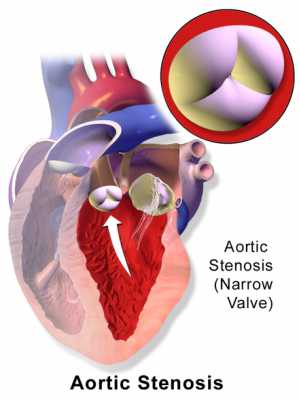
Aortic Stenosis Blaus Image Wikipedia[/caption]
Hao Yu Chen, MSc
Department of Medicine
McGill University
Montreal, Quebec, Canada
Senior author: George Thanassoulis, MD, MSc
MedicalResearch.com: What is the background for this study?
Response: Aortic stenosis, a narrowing of the main valve of the heart, is the most common type of valve disease in the US. Present in more than 2.5 million individuals in North America, aortic stenosis can lead to heart failure and death. However, there is little known about the causes of aortic stenosis and how it should be treated.
Previously, we have demonstrated that variants of the gene LPA are associated with the development of aortic stenosis. A better understanding of how this region contributes to aortic stenosis could identify higher-risk individuals and inform the development of new medical therapies for aortic stenosis.
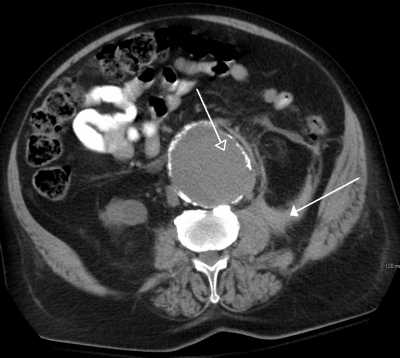
A ruptured abdominal aortic aneurysm as seen on CT[/caption]
Professor JT Powell PhD, MD, FRCPath
Faculty of Medicine,
Department of Surgery & CancerImperial College London
MedicalResearch.com: What is the background for this study?
Response: The mortality from ruptured abdominal aortic aneurysm (AAA) remains very high causing about 6000 deaths each year in the UK. The only hope for survival is an emergency operation to repair the burst aorta. Even so the mortality may be as high as 45% within a month of repair using open surgery.
It has been suggested that minimally invasive repair using keyhole or endovascular techniques would lower the mortality to about 25% within a month of repair. However not all shapes of aorta are suitable for endovascular repair (also called EVAR).
Jesper Svane
Medical student
The Heart Center, University Hospital Rigshospitalet
Copenhagen
MedicalResearch.com: What is the background for this study?
Response: At the beginning of this research project, we were aware that persons with diabetes have an increased risk of death, which is partly explained by an increased risk of sudden cardiac death. However, previous studies on causes of death and mortality among young persons with diabetes, particularly type 2 diabetes, are sparse. Furthermore the incidence of sudden cardiac death among young persons with diabetes in a nationwide setting is unknown.
The main purpose of the study was to illuminate the risk of death and especially the risk of cardiac death among children/young adults with diabetes.
On a personal note, a friend of mine, who was healthy and fit, died suddenly a few years ago at the age of 19. This tragic death raised a lot of feelings as well as questions in me. When I got the chance to work with Dr. Lynge and Dr. Tfelt, I saw this as an opportunity to expand my knowledge of sudden cardiac death among the young. Furthermore, the opportunity of contributing to research in order to prevent these devastating events in the future was personally appealing to me.
I initiated the project together with Thomas Hadberg Lynge, MD, last year, with Jacob Tfelt-Hansen, MD, DMSc as supervisor. Both are experienced researchers within the field of sudden cardiac death. Dr. Tfelt-Hansen leads a very productive research group at Rigshospitalet, Copenhagen, whose main focus is arrhythmias and sudden cardiac death.
Laura Stevens
University of Colorado
Aurora, CO
MedicalResearch.com: What is the background for this study? What are the main findings?
Response: We started with asking ourselves how we could better predict cardiovascular and stroke outcomes. In an ideal world, we would be able to predict cardiovascular disease (CVD) and stroke with 100% accuracy long before the occurrence of the event. The challenge here is there are so many potential risk factors, and testing each one using traditional methods would be extremely time consuming, and possibly infeasible.
Therefore, we used artificial intelligence to find potential risk factors that could be important for risk of CVD and stroke. The results of this analysis pointed to consumption of coffee cups per day and the number of times red meat was consumed per week as being potentially important predictors of CVD.
We then looked into these findings further using traditional statistical analyses to determine that increased coffee consumption and red meat consumption appeared to be associated with decreased risk of CVD. The study initially used data from the Framingham Heart Study (FHS) original cohort.
The findings from this data were then tested using data from 2 independent studies, the Cardiovascular Heart Study (CHS) and the Atherosclerosis Risk in Communities Study (ARIC), which both supported the association of increased coffee consumption with decreased CVD risk.
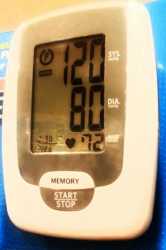
Blood pressure monitor reading 120/80
Dr. Sineshaw[/caption]
Helmneh M. Sineshaw, MD, MPH
American Cancer Society
Atlanta, GA 30303
MedicalResearch.com: What is the background for this study?
Response: Colorectal cancer (CRC) is the third most commonly diagnosed cancer in both men and women in the United Sates. Although overall CRC incidence and mortality rates are decreasing in the United States, rates are increasing in the younger population. Notwithstanding these patterns, CRC incidence and mortality rates continue to be higher in blacks than in whites. Although black-white survival disparity among patients with colorectal cancer is well documented in the literature and multiple factors have been proposed as potential contributors, the contributions of differences in demographic characteristics, insurance type, comorbidity, tumor presentation, and treatment receipt to the racial disparity in survival among nonelderly CRC patients are unknown.
Dr. Chapman[/caption]
Dr Andrew R. Chapman
BHF Clinical Research Fellow
University of Edinburgh
Chancellors Building
Edinburgh
MedicalResearch.com: What is the background for this study? What are the main findings?
Response: High-sensitivity cardiac troponin tests allow accurate measurement of cardiac troponin in the bloodstream. Currently, guidelines recommend we evaluate patients with suspected myocardial infarction using these tests, by looking for levels which are above the upper reference limit (99th centile). These troponin measurements are taken on arrival, and often repeated after admission to hospital up to six hours later. When levels are below this limit, the diagnosis of myocardial infarction is ruled out. However, using such a high limit in patients on arrival to hospital may not be safe, as lower risk stratification thresholds has been shown to reduce missed events, and in these patients admission to hospital for repeat testing may not be necessary. However, there is no consensus as to the optimal threshold for use in practice.
In a worldwide study of 23,000 patients from 9 countries, we have shown when high-sensitivity cardiac troponin I concentrations are below a risk stratification threshold of 5 ng/L at presentation, patients are at extremely low risk of myocardial infarction or cardiac death at 30 days, with fewer than 1 in 200 patients missed. Importantly, this threshold identifies almost 50% of all patients as low risk after a single blood test. As admission or observation of these patients is estimated to cost as much as $11 billion per year in the United States, this strategy has major potential to improve the efficiency of our practice.
Ulrika Nörby MScPharm, PhD
Department of E-health and strategic IT
Stockholm County Council
Sweden
MedicalResearch.com: What is the background for this study? What are the main findings?
Response: The use of ADHD medication has increased rapidly during the last 10 years, especially among young women. Thereby, questions regarding treatment with these drugs during pregnancy are common. Until now, data concerning fetal safety of ADHD medication have been sparse, especially when it comes to neonatal disorders. For amphetamine preparations, most previous studies concerned illicit drug use during pregnancy, which made it difficult to draw conclusions. Our objective was to estimate birth and neonatal outcomes after maternal use of prescribed ADHD medication during pregnancy.
The main findings were that infants exposed to ADHD medication in utero had a somewhat increased risk of neonatal morbidity, especially CNS-related disorders. The odds ratio (OR) for a CNS-disorder was 1.9 for exposed infants compared to non-exposed infants. Further, exposed infants more often needed treatment at a neonatal intensive care unit (NICU), OR 1.5, and were more frequently moderately preterm, OR 1.3. The risk for CNS-related disorders and admission to a NICU was increased also compared to infants whose mothers used ADHD before or after, but not during, pregnancy. This finding suggests a causal relationship between treatment with ADHD medication and the neonatal outcomes. Because of large differences in maternal background characteristics between treated and non-treated women, it is however uncertain to what extent the higher neonatal morbidity is caused by the ADHD medication.
Dr. Singh[/caption]
Avinainder Singh, M.B.B.S.
Research Fellow
Cardiovascular Medicine
Brigham & Women's Hospital
Harvard Medical School
Boston, MA
MedicalResearch.com: What is the background for this study? What are the main findings?
Response: Overall, the incidence of myocardial infarction (MI) in the US has declined. However, it has remained stable in adults <50 years of age.
We evaluated the statin eligibility of a cohort of adults who had an MI at a young age using current guidelines - the 2013 ACC/AHA guidelines for cholesterol treatment and the 2016 USPSTF guidelines on use of statins for primary prevention.
In, our study we found that only 49% of these young adults would have been eligible for statin therapy prior to their MI according the 2013 ACC/AHA guidelines, and only 29% would have been eligible according to the USPSTF guidelines, despite a high prevalence of cardiovascular risk factors. These numbers were even more striking for women where only 18% were eligible for statin therapy according to the USPSTF guidelines.
Dr. Perry[/caption]
Jeff Perry, MD, MSc, CCFP-EM
Professor, Department of Emergency Medicine
Senior Scientist, Ottawa Hospital Research Institute
Research Chair in Emergency Neurological Research, University of Ottawa
Emergency Physician and Epidemiology Program
The Ottawa Hospital
Ottawa, Ontario
MedicalResearch.com: What is the background for this study? What are the main findings?
Response: Headache accounts for about 1-2% of all emergency department visits. One of the most feared diagnosis within these patients is subarachnoid hemorrhage. While investigations are clearly warranted for patients with a diminished level of consciousness or new focal neurological deficits, approximately 50% of patients with subarachnoid hemorrhage (SAH) have no focal or global neurological findings. Deciding whether to image headache patients with no deficits is difficult, especially since timely diagnosis and treatment results in substantially better outcomes.
The desire to never miss a subarachnoid hemorrhage, however, contributes to escalating neuroimaging rates and a dogmatic adherence to lumbar puncture, even if the scan is negative, despite the very high sensitivity of computed tomography. However, a recent population-based study suggested that over 5% of confirmed subarachnoid hemorrhages were missed at initial presentation, especially in smaller hospitals. Therefore, identifying which headache patients require investigations to rule-out SAH is of great importance.
We have previously derived (N=1,999) and refined (N=2,131) the Ottawa SAH Rule. In this study, we conducted an multicenter prospective cohort study at six tertiary care hospitals, and found that the Ottawa SAH Rule performed well, with an 100% sensitivity, and specificity of 13.6%.
Dr. Wase[/caption]
Abdul Wase MD FACC FACP FHRS
Clinical Professor of Medicine &
Director, Cardiology Fellowship Program,
Wright State University Boonshoft School of Medicine,
Director, Electrophysiology Laboratories
Good Samaritan Hospital,
Dayton, OH
MedicalResearch.com: What is the background for this study? What are the main findings?
Response: Implantable cardiac defibrillators (ICD) patients are subject to electromagnetic interferences (EMI) from outside electrical sources.
TESLA electric vehicle has a large battery underneath the surface of vehicles, which may potentially interfere with the functioning of these devices. In the owner’s manual, TESLA warns that using mobile connector may impair the functioning of implantable pacemaker or a defibrillator.
Teresa To, PhD
Biostatistics, Design and Analysis
Scientific Director
The Hospital for Sick Children
Dalla Lana School of Public Health, University of Toronto
Institute for Clinical Evaluative Sciences
Toronto, Ontario, Canada
MedicalResearch.com: What is the background for this study? What are the main findings?
Response: We studied asthma prescription drug use in Ontario children aged 2 to 18 years with physician diagnosed asthma between 2003 and 2014.
We found that:
Dr. Kyla M Lara
Icahn School of Medicine at Mount Sinai
MedicalResearch.com: What is the background for this study? What are the main findings?
Response: This was the first study to evaluate whether dietary patterns of black and white adults living in the United States were associated with developing heart failure. We’re hearing a lot in the news about specific diets like low-fat, high protein, low carb, and other diets that decrease cardiovascular risk. We would love it, as physicians, if we could prescribe a specific diet to limit cardiovascular risk in our patients. I’m really excited about our study because instead of examining patterns of what we already know are healthy, we looked at foods people were regularly consuming in the United States and developed dietary patterns from this. This study is similar to other work we have done with stroke and heart attack.
We used data from the NIH funded REGARDS study, also known as the Reasons for Geographic and Racial Differences in Stroke. More than 30,000 white and African-American adults were recruited from 2003-2007. From this group, we studied over 18,000 adults who successfully completed a dietary assessment called the Food Frequency Questionnaire. This was a really great group to study because people who live in this particular geographic area of the Southeastern United States, also known as the stroke belt, suffer from a higher risk of death from stroke. It’s extremely important for us to better understand the major risk factors that contribute to this and also cardiovascular disease.
We used statistical techniques to derive 5 dietary patterns based on the types of foods participants tended to eat.
• Convenience - Mexican and Chinese food, mixed dishes (both meat and bean)
• Sweets - added fats, bread, chocolate, desserts, sweet breakfast foods
• Southern - added fats, fried food, organ and processed meat, fatty milk
• Alcohol/Salads - beer, wine, liquor, green leafy vegetables, salad dressings, nuts and seeds, coffee
• Plant Based- fruit, vegetables, fruit juice, cereal, fish, poultry
Each participant received a score for each pattern that reflected how closely their diet resembled that dietary pattern. This approach reflects the real world and how people eat.
Over the 3135 days (8.6 years) of median follow up, 594 participants were hospitalized for incident HF. Greatest adherence to the plant-based dietary pattern during the study period was associated with a 28% risk reduction of developing heart failure.
Victoria Valencia[/caption]
Victoria Valencia, MPH
Assistant Director for Healthcare Value
Dell Medical SchoolThe University of Texas at Austin
MedicalResearch.com: What is the background for this study? What are the main findings?
Response: We were surprised to find that despite the common anecdote that resident physicians in teaching environments order more lab tests, there was a lack of empirical data to support the claim that more lab tests are ordered for patients at teaching hospitals than at non-teaching hospitals. Our study of 43,329 patients with pneumonia or cellulitis across 96 hospitals in the state of Texas found that major teaching hospitals order significantly more lab tests than non-teaching hospitals. We found this to be true no matter how we looked at the data, including when restricting to the least sick patients in our dataset. We also found that major teaching hospitals that ordered more labs for pneumonia tended to also more labs for cellulitis, indicating there is some effect from the environment of the teaching hospital that affects lab ordering overall.
Dr. Shah[/caption]
Kevin S. Shah, M.D.
Cardiology Fellow, University of California, Los Angeles
Ronald Reagan UCLA Medical Center
MedicalResearch.com: What is the background for this study? What are the main findings?
Response: Heart failure (HF) is a chronic condition and progressive disease which is associated with a high-risk of hospitalization and death. One of the principle ways in which heart function is estimated is the use of ultrasound to calculate the ejection fraction of the heart, an estimate of the heart’s pump function. The ejection fraction can help predict how long patients will live and affects decision-making with regards to what medications may help their condition.
A total of 39,982 patients from 254 hospitals who were admitted for Heart failure between 2005 and 2009 were included. They were followed over time to see if they were admitted to the hospital again or if they died during this period. We compared three subgroups within this large group of patients based on their estimated ejection fraction. Across subgroups, the 5-year risk of hospitalization and death was high when compared with the U.S. population. Furthermore, the survival for patients with a diagnosis of heart failure who have been hospitalized once for this condition have a similarly poor 5-year risk of death and re-hospitalization, regardless of their estimated ejection fraction.
Dr. McAneny[/caption]
Barbara L. McAneny MD, CEO
New Mexico Oncology Hematology Consultants, Ltd.
Albuquerque, NM 87109
MedicalResearch.com: What is the meant by value-based care?
Response: There are a lot of people using this term to mean a variety of things, confusion is not surprising. Generally it means a move to pay more for better patient outcomes and less for worse patient outcomes. Currently in our Fee for Service system, there are a lot of services for which there are no fees. That deficiency keeps physicians from looking at non face-to-face delivery methods or the use of other health professionals to augment the care they give, because we can’t afford to give services that we aren’t paid to give.
Dr. Candon[/caption]
Molly Candon, PhD
Postdoctoral Fellow
Leonard Davis Institute of Health Economics
Center for Mental Health Policy and Services Research
University of Pennsylvania
MedicalResearch.com: What is the background for this study? What are the main findings?
Response: We conducted a secret shopper study in 2012, 2014, and 2016 in which simulated Medicaid patients called primary care practices and attempted to schedule an appointment. When Medicaid fees were increased to Medicare levels in 2013 and 2014, primary care appointment availability increased. Once the federally-funded program ended in 2015, most states returned to lower fees. As expected, provider participation in Medicaid declined as well.
Dr. Cambiano[/caption]
Dr Valentina Cambiano PhD
Institute for Global Health
University College London
London UK
MedicalResearch.com: What is the background for this study?
Response: Pre-Exposure Prophylaxis (PrEP) which involves the use of drugs, which are used to treat HIV, in people without HIV to prevent them from getting is a critical new advance in HIV prevention. It has been shown to reduce the risk of HIV infection by 86% and the benefits heavily out-weigh any concerns. However, introducing this intervention has a cost.
When we started working on this study the National Health Services was discussing whether to introduce PrEP and if so for which populations. Unfortunately, at the moment NHS England is not providing Pre-exposure prophylaxis. However, a large study, the PrEP impact trial, funded by the NHS, has just started and this will provide PrEP to 10,000 people.
Dr. Ankur Gupta[/caption]
Ankur Gupta, MD, PhD
Division of Cardiovascular Medicine
Brigham and Women’s Hospital Heart & Vascular Center and
Harvard Medical School,
Boston, Massachusetts
MedicalResearch.com: What is the background for this study? What are the main findings?
Response: The Hospital Readmissions Reduction Program (HRRP), established under the Affordable Care Act, aimed to reduce readmissions from various medical conditions including heart failure - the leading cause of readmissions among Medicare beneficiaries. The program financially penalizes hospitals with high readmission rates. However, there have been concerns of unintended consequences especially on mortality due to this program.
Using American Heart Association's Get With The Guidelines-Heart Failure (GWTG-HF) data linked to Medicare data, we found that the policy of reducing readmissions after heart failure hospitalizations was associated with reduction in 30-day and 1-year readmissions yet an increase in 30-day and 1-year mortality.
Dr. Deodhar[/caption]
Atul A. Deodhar, MD, MRCP, FACP, FACR
Professor of Medicine
Division of Arthritis & Rheumatic Diseases
Medical Director, Rheumatology Clinics
Medical Director, Immunology Infusion Center
Oregon Health & Science University (OHSU)
MedicalResearch.com: What is the background for this study? What are the main findings?
Response: The Phase 2, randomized, double-blind, placebo–controlled, multicenter trial was designed to evaluate the efficacy and safety of guselkumab (Tremfya®) compared with placebo in adults with active psoriatic arthritis, despite having received treatment with standard-of-care therapies, including anti-tumor necrosis factor (TNF)-alpha agents.
In an observed analysis presented at ACR 2017, more than 70 percent of patients receiving guselkumab achieved at least a 20 percent improvement in signs and symptoms of disease (ACR 20) at week 56. Findings also showed that improvements in tender and swollen joints, skin clearance, pain and physical function, and patient-reported quality of life outcomes reported at week 24, were maintained through week 56 in patients receiving guselkumab maintenance therapy (subcutaneous injections every eight weeks).
Mimi Biswas M.D., MHSc
University of California Riverside School of Medicine and
Riverside Community Hospital
MedicalResearch.com: What is the background for this study? What are the main findings?
Response: This started as My son's science project. He wanted to make a video game to teach CPR based on a science fair website. It grew to teaching the whole 6th grade using the AHA CPR training kit alone vs adding the video game or music, staying alive, to help with compression rate. We found that a 12 year can easily learn the basic concepts of calling for help and starting hands only CPR and they can physically perform effective CPR at this age.
Dr. Juraschek[/caption]
Stephen P. Juraschek, MD, PhD
Instructor of Medicine
Beth Israel Deaconess Medical Center/Harvard Medical School
MedicalResearch.com: What is the background for this study? What are the main findings?
Response: The DASH-Sodium trial demonstrated that both the DASH diet and sodium restriction, individually and combined, lowered blood pressure in adults with pre-hypertension or stage 1 hypertension. Whether these effects varied by level of blood pressure prior to starting these interventions was unknown. In a secondary analysis of the original DASH diet it had been observed that the effects from DASH were greater among adults with higher blood pressure (systolic greater than or equal to 140 mm Hg) at baseline with the appearance of even greater effects among people with baseline systolic blood pressures above 150 mm Hg. However, this has never been shown. Furthermore, it was unknown whether sodium reduction followed a similar linear trend of greater effects among adults with more severely uncontrolled systolic blood pressure.
In our study, we found that effects were indeed greater in adults with a baseline systolic blood pressure of 150 mm Hg or greater. Furthermore, the combined systolic blood pressure-lowering effect from both interventions was as high was 20 mm Hg. This is a magnitude comparable if not greater than medications for lowering blood pressure.
Dr. Shapiro[/caption]
Charles L.Shapiro MD
Professor of Medicine
Director of Translational Breast Cancer Research
Director of Cancer Survivorship
Division of Hematology/Oncology
Tisch Cancer Institute
New York, NY
MedicalResearch.com: What is the background for this study? What are the main findings?
Response: The new 2017 ASCO guidelines for the use bone-modifying in individuals with bone metastases recently endorsed every 3-month zoledronic, because of high level evidence from three randomized trials, including our trial (published in Jama in Jan 2017, first author Himelstein et al) that giving zoledronic acid every 3-months was non-inferior to the standard of monthly zoledronic. The guidelines also concluded that there was not one preferred bone modifying agent of the other, despite the fact the comparing monthly zoledronic to monthly denosumab in women with bone metastases, denosumab delayed the time to first skeletal-related event (pathological fractures, necessity for radiation or surgery, and spinal cord compression) and subsequent events by 23% (or in absolute terms about 3 months) . Zoledronic acid became generic in 2013, whereas monthly denosumab is still patented until 2022-25.
Dr. Farias[/caption]
Dr. Miguel Farias, DPhil
Reader in Cognitive and Biological Psychology
Coventry University
MedicalResearch.com: What is the background for this study? What are the main findings?
Response: Over the past 20 years, cognitive psychologists have suggested that believing in the supernatural is something that comes to us 'naturally' or intuitively. Previous studies have suggested people who hold strong religious beliefs are more intuitive and less analytical, and when they think more analytically their religious beliefs decrease.
Our new research has challenged this. We used various experimental methods, including field research in the pilgrimage route to Santiago de Compostela and neural stimulation. , by academics from Coventry University's Centre for Advances in Behavioural Science and neuroscientists and philosophers at Oxford University, suggests that is not the case, and that people are not 'born believers'.
Dr-Woo-Yang Kim[/caption]
Woo-Yang Kim, Ph.D
Associate Professor
Department of Developmental Neuroscience
Munroe-Meyer Institute
University of Nebraska Medical Center
Omaha, NE 68198-5960
MedicalResearch.com: What is the background for this study? What are the main findings?
Response: Autism impairs the ability of individuals to communicate and interact with others. About 75 percent of individuals with autism also have intellectual disability, which is characterized by significant limitations in cognitive functions and adaptive behaviors. While autism and intellectual disability are currently defined using behavioral criteria, little is known about the neuropathogenesis of these conditions.
Recent genetic studies have reported that haploinsufficiency of ARID1B causes autism and intellectual disability. However, the neurobiological function of ARID1B during brain development is unknown.
Our study investigated the neurobiological role of the gene in brain development. Using genetically-modified mice, we found that Arid1b haploinsufficiency leads to an excitation-inhibition imbalance by reducing the number of GABAergic interneurons in the cerebral cortex. Furthermore, we showed that treatment with a GABAA-receptor positive allosteric modulator rescues ASD-like behavior and cognitive dysfunction in Arid1b-haploinsufficient mice, suggesting an association between lower numbers of GABAergic interneurons and behavioral outcomes.
Our findings suggest a pathogenic mechanism for Autism Spectrum Disorder and intellectual disability.