William G. Honer, MD, FRCPC, FCAHS
Jack Bell Chair in Schizophrenia
Professor and Head, Department of Psychiatry
University of British Columbia
Vancouver, BC
MedicalResearch.com: What is the background for this study?
Response: The Province of British Columbia, Canada, has experienced a tremendous increase in the number of opioid related overdoses and deaths. In 2012, there were 269 drug overdose deaths, five years later in 2017 the overdose deaths are predicted to have increased 500%. Toxicology studies of deaths, and examination of seized drugs indicate fentanyl is the major cause.
These indirect measures suggest widespread exposure to fentanyl in opioid users, however direct studies of the extent of exposure of opioid users to fentanyl in the community are lacking. We carried out a community-based, longitudinal study using fentanyl testing in urine samples from volunteer participants. (It is called the “Hotel Study” since many of the participants live, or have lived in single room occupancy hotels)
MedicalResearch.com Interview with:
[caption id="attachment_39776" align="alignleft" width="159"]
Dr. Chung[/caption]
Dr. Christina Lee Chung, MD Associate Professor Department of Dermatology Drexel University
MedicalResearch.com: What is the background for this study? What are the main findings?
Response: In early 2016, five years after the inception of our specialty medical-surgical transplant dermatology center, we realized our nonwhite transplant patients were developing skin cancer at higher rates and found interesting trends. These data were published in a previous manuscript. One of the more striking findings was that these patients were developing a high proportion of skin cancer in non-sun-exposed areas such as the genital region. There are no standard guidelines regarding genital skin evaluation and it is unclear how often it is performed in any capacity amongst dermatologists, including practitioners in our center, quite frankly. Our group was concerned that we could be missing skin cancers in this “hidden” area in our high-risk organ transplant population so we launched a quality improvement initiative that incorporated thorough genital skin evaluation as a standard part of post-transplant skin cancer screening.
Fifteen months after we started this modified screening process, we decided to evaluate the results. To account for any variation in examination, we looked at the findings of a single practitioner. We found that genital lesions are common in the transplant population and include high rates of genital warts and skin cancer. However, patient awareness of the presence of genital lesions was alarmingly low. Nonwhite transplant patients, Black transplant recipients in particular, were disproportionately affected by both genital warts and genital skin cancer in our cohort. Similar to cervical cancer, high-risk HPV types were closely associated with genital squamous cell carcinoma development in our transplant population.
Kasper Adelborg, MD, PhD
Postdoctoral Fellow
Department of Clinical Epidemiology
Aarhus University Hospital
MedicalResearch.com: What is the background for this study? What are the main findings?
Response: Around one billion people worldwide are affected by migraine. Migraine has considerable impact on quality of life and imposes a substantial burden on society. Migraine is primarily a headache disorder, but previous studies have suggested a link between migraine and stroke and myocardial infarction, particularly among women, while the link between migraine and other heart problems are less well known.
In this large register-based Danish study published in the BMJ, we confirmed that migraine is associated with increased risks of stroke and myocardial infarction, but we also found that migraine was associated with increased risks of other cardiovascular diseases (specifically, venous thromboembolism and atrial fibrillation). Migraine was not associated with increased risks of heart failure or peripheral artery disease.
In contrast to most previous studies, our study had a very large sample size and an age- and sex- matched comparison cohort from the general population, which allowed us to put migraine in a population context and to perform several subgroup analyses. Here, we found several interesting findings.
Dr. Xifeng Wu[/caption]
Xifeng Wu MD PhD
Prevention and Population Sciences
MD Anderson Center
MedicalResearch.com: What is the background for this study?
Response: Previous studies have shown that certain chronic diseases may predispose to cancer. These studies generally assessed chronic diseases or disease markers individually. As chronic diseases are typically clustered, it is necessary to study them simultaneously to elucidate their independent and joint impact on cancer risk. Therefore, we investigated the independent and joint effect of several common chronic diseases or disease markers on cancer and life span in a large prospective cohort. Also, we compared the contribution of chronic diseases or disease markers to cancer risk with that of lifestyle factors. We further assessed whether physical activity could attenuate the cancer risk associated with chronic diseases or disease markers. We hope the results of this study can contribute to evidence-based recommendations for future cancer prevention strategies.
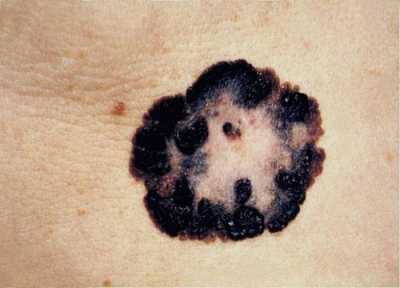
This image depicts the gross appearance of a cutaneous pigmented lesion, which had been diagnosed as superficial spreading malignant melanoma (SSMM). Note the roughened edges of this mole, its heterogeneous, mottled, multicolored appearance, as well as its multi-textural composition, which are all characteristics that should evoke suspicions about its classification.
Dr. Kuerer[/caption]
Henry M. Kuerer, MD, PhD, FACS
Executive Director, Breast Programs
MD Anderson Cancer Network
Endowed Distinguished Professor in Cancer Research
Division of Surgery
MedicalResearch.com: Why did you undertake this study?
Response: Many of our patients feel very overwhelmed with their new cancer diagnosis and have concern over the future need for biopsies. Many think that complete removal of the breast is a good way to prevent future cancer-related biopsies. We did not have any good comprehensive data on the incidence of needing biopsies during follow-up for breast cancer.
As a surgeon this information is something that I can use daily when discussing breast cancer treatment options regarding future expectations following breast cancer treatment.
Phillip Hamrick, Ph.D.
Assistant Professor || Second Language Acquisition
Principal Investigator
TESL Program Chair Department of English
Kent State University
MedicalResearch.com: What is the background for this study? What are the main findings?
Response: For a long time, language scientists (e.g., linguists, psychologists, neuroscientists) have debated the degree to which language relies on unique brain systems (those that are used for language and nothing else) or more general-purpose brain systems that we use for other things (e.g., memory, controlling attention, categorization, etc.).
Our study quantitatively synthesized the results of several other studies using a technique called meta-analysis. We found that declarative and procedural memory abilities, which are fundamental for learning lots of different things (e.g., anything from facts about geography to how to play a musical instrument), are linked to language in specific ways.
Importantly, these findings held up in both children learning their first language and adults learning second languages.
Halle Dimsdale-Zucker[/caption]
Halle Dimsdale-Zucker
University of California, Davis
Center for Neuroscience | Ph.D. Candidate
Dynamic Memory Lab
MedicalResearch.com: What is the background for this study? What are the main findings?
Response: This study sought to test competing models for how different types of retrieved contextual information (spatial, episodic - which is spatial AND temporal information) are supported by the hippocampus and its subfields. We only found differences between the subfields when people were spontaneously reactivating episodic, but not spatial information. This is surprising because a dominant view of the hippocampus is that it is specialized to represent spatial information.
What this suggests is that when there is more than just spatial information that can be remembered that the hippocampus is able to flexibly represent whatever information is most task-relevant for remembering and distinguishing items from one another.
Intriguingly, we found that different subfields represented shared episodic contextual information and item-unique contextual information. This highlights that our memories need to both link together common features of related events while retaining the event-specific details.
[caption id="attachment_39726" align="alignleft" width="540"]
UC Davis neuroscientists are using virtual reality to investigate how memories are organized. Graduate student Halle Dimsdale-Zucker showed subjects movies created with virtual sketching software and asked them questions about objects inside the houses. She was able to show that different regions of a brain structure called the hippocampus play different roles in remembering items in context.
Lene Vestergaard Ravn-Nielsen, MSc(Pharm)
Hospital Pharmacy of Funen
Clinical Pharmacy Department
Odense University Hospital
Odense, Denmark
MedicalResearch.com: What is the background for this study?
Response: Hospital readmissions are common among patients receiving multiple medication, with considerable costs to the patients and society.
MedicalResearch.com: What are the main findings?
Response: A multifaceted clinical pharmacist intervention can reduce ED visits and hospital readmissions.
Won Young Kim, MD PhD
Department of Emergency Medicine
Asan Medical Center
University of Ulsan College of Medicine
Seoul, Korea
MedicalResearch.com: What is the background for this study?
Response: Neurological symptoms of carbon monoxide (CO) poisoning can manifest not only immediately but also as late as 2 to 6 weeks after successful initial resuscitation as delayed neurological sequelae (DNS). To date, no reliable methods of assessing the probability of DNS after acute CO poisoning have been developed, which make it difficult to research the pathophysiology of DNS and targeting prevention.
Dr. Basson[/caption]
Marc D. Basson, MD, PhD, MBA
Professor of Surgery, Pathology, and Biomedical Science
Senior Associate Dean for Medicine and Research
University of North Dakota School of Medicine & Health Sciences
Grand Forks, ND 58202
MedicalResearch.com: What is the background for this study? What are the main findings?
Response: There are now several studies that describe the use of antibiotics without surgery to manage acute uncomplicated appendicitis.
This entails a prolonged treatment course and has a substantial rate of failure and recurrence, but in patients in whom it succeeds surgery can be avoided. Many surgeons resist offering this choice because they perceive it as substandard compared to surgery, which is rapid, and when it goes well (as it usually does) has no failure or recurrence rate. Instead of debating the statistics, we decided to ask people what they would prefer if they had appendicitis and why.
We found that about nine tenths of people would choose surgery, but about one tenth would choose antibiotics, with some subtle distinctions depending on the characteristics of the people we asked. (For instance, surgeons, doctors in general, and people who knew someone who had previously had appendicitis were all a bit more likely to opt for surgery.) Furthermore, we found that the key issue for most people was not the prolonged treatment course but the rates of failure and recurrence with antibiotics.
Following the landing of a U.S. Marine Core MV-22, Naval Medical Research Unit – Dayton (NAMRU-Dayton) welcomes crew members at Wright-Patterson Air Force Base, December 19, 2017. NAMRU-Dayton has been tasked as the lead agency for the Navy to investigate tilt-rotor aircrafts potential effects of flight and vibration on aircrews. Pictured with the USMC Air Test and Evaluation Squadron Two One crew is the coordination team: Ms. Elizabeth Miller, U.S. Air Force School of Aerospace Medicine; Captain Rees Lee, Commanding Officer of NAMRU-Dayton; and Lieutenant Commander Matthew Doubrava, Senior Medical Officer at NAMRU-Dayton. (U.S. Navy photo by Public Affairs, Naval Medical Research Unit - Dayton)[/caption]
Lieutenant Commander Matthew Doubrava
Senior Medical Officer, Naval Medical Research Unit
Dayton, Ohio
MedicalResearch.com: What is the background for this research? What types of problems will be investigated using the Osprey?
Response: The U.S. Marine Corps V-22 Osprey tilt-rotor aircraft will be used to conduct static aerospace medical research in an effort to provide solutions toward preventing musculoskeletal injury to tilt-rotor aircraft crew and en route care training at Wright-Patterson Air Force Base. Naval Medical Research Unit – Dayton (NAMRU-Dayton) has been tasked as the lead agency for the Navy to investigate tilt-rotor aircrafts potential effects of flight and vibration on aircrews. NAMRU-Dayton scientists will be partnering with the U.S. Air Force School of Aerospace Medicine, who will be investigating en route care training to figure out the best way for the crew to use the aircraft for that purpose.
Madeline Sterling M.D., M.P.H.
Fellow, Department of Medicine
Weill Cornell Medical College - New York Presbyterian Hospital
MedicalResearch.com: What is the background for this study? What are the main findings?
Response: Heart Failure currently affects 5.8 million people in the United States and is becoming increasingly common as the population ages. Because it has no cure and tends to get progressively worse, physicians recommend that patients control their symptoms by taking multiple medications, maintain a diet low in salt, monitor their weight and blood pressure, and watch for changes in their symptoms.
At the most basic level, in order to understand and follow these instructions, heart failure patients must be able to hear them. Hearing loss, however, had not been studied in heart failure. There are a lot of chronic diseases in which hearing loss is more common than in the general population, including coronary heart disease, hypertension, and diabetes. And many adults with heart failure also have these conditions. So, we thought it would be important to understand if hearing loss was prevalent among adults with heart failure, especially since so much of heart failure management revolves around effective communication between patients and their healthcare providers.
Arthur J. Reynolds, PhD
Institute of Child Development
University of Minnesota, Minneapolis
MedicalResearch.com: What is the background for this study?
Response: Educational attainment is the leading social determinant of health. Higher attainment measured by years of education or postsecondary attainment is linked to lower cardiovascular disease risk; lower rates of smoking, diabetes, and hypertension; and higher economic well-being.
Evidence on the long-term effects of early childhood programs on educational attainment is mixed. Some studies show impacts on high school graduation but not college attainment, the reverse pattern, or no measurement into adulthood. No studies of large-scale public programs have assessed impacts beyond young adulthood. Whether duration of participation over ages 3 to 9 is linked to mid 30s attainment also has not been investigated.
Yo-El Ju, MD
Assistant Professor of Neurology
Sleep Medicine Section
Washington University School of Medicine
MedicalResearch.com: What is the background for this study? What are the main findings?
Response: The background for this study is that prior studies have shown that people with Alzheimer's Disease have poor circadian clock function, for example sleeping during the day and being awake or agitated at night. Autopsy studies have shown that people with Alzheimer's Disease have degeneration in the "clock" part of their brains. In this study, we wanted to examine whether there were any circadian problems much earlier in Alzheimer's Disease, when people do not have any memory or thinking problems at all.
We measured circadian function in 189 people with an actigraph, which is an activity monitor worn like a watch, for 1-2 weeks. Brain scans and studies of cerebrospinal fluid were used to determine who had preclinical Alzheimer's Disease, meaning they have the brain changes of Alzheimer's but do not have symptoms yet.
[caption id="attachment_39693" align="alignleft" width="200"] Emanuele Di Angelantonio[/caption] MedicalResearch.com Interview with: Emanuele Di Angelantonio MPhl Department of Public Health and Primary Care School of Clinical Medicine University of Cambridge MedicalResearch.com: What is the background for this study? What are the main findings? Response: This systematic review supports and expands previous research suggesting that living kidney donors have no increased risk for several major chronic...
In the United States, hepatitis A, hepatitis B and hepatitis C are the most common types, but also included are hepatitis D and E.
Tyler Seibert, MD, PhD
Radiation Oncology
Center for Multimodal Imaging & Genetics
UC San Diego
MedicalResearch.com: What is the background for this study?
Response: Prostate cancer is an extremely common condition in men. Many die from it each year, and many others live with debilitating pain caused by prostate cancer. Screening for prostate cancer with prostate-specific antigen (PSA) testing can be effective, but there are concerns with the test.
Ning Liu PhD Student
Senior Research Analyst at ICES
Institute of Health Policy, Management and Evaluation
Institute for Clinical Evaluative Sciences
University of Toronto
MedicalResearch.com: What is the background for this study? What are the main findings?
Response: Previous studies suggested intergenerational tendencies between a mother and her daughter in fertility patterns, such as when they give birth to a child for the first time, or the total number of children they have during their lifetime.
We explored whether there is also an intergenerational tendency for induced abortion practices between a mother and her teen daughter.
To do so, we used anonymized records of 431,623 daughters and their mothers, and found that a teenage daughter was twice as likely to have an induced abortion if her mother had had an induced abortion.
Matilda W. Nicholas, MD, PhD
Duke Dermatology
Durham, North Carolina
MedicalResearch.com: What is the background for this study?
Response: I have found many physicians overwhelmed by the electronic messaging feature in Electronic Health Record systems (EHRs). I found there was very little published about this phenomenon, particularly for specialists. So, we set out to take a look at the volume and effect these systems have.
MedicalResearch.com: What are the main findings?
Response: We found that, on average, clinicians receive 3.24 messages per patient visit, for an average of about 50 messages per full day of clinic. The number of messages also correlated with poor reported work life balance for dermatologists.
Dr. Pusztai[/caption]
Lajos Pusztai, M.D, D.Phil.
Professor of Medicine
Director of Breast Cancer Translational Research
Co-Director of the Yale Cancer Center Genetics, Genomics and Epigenetics Program
Yale School of Medicine
New Haven, CT 06511
MedicalResearch.com: What is the background for this study?
Response: Overall, about 85% of newly diagnosed stage I-III breast cancer patients will not die of their disease, and this roughly equates to an 85% cure rate. Of course cure rates are higher for stage I cancers and lower for stage III cancers. An 85% overall cure rate is good but not good enough, we continuously try to develop new therapies hoping to push these rates to 90%...,95%...etc. However, it is not possible to cure a patient twice over. For example, if surgery plus endocrine therapy cures all patients, the addition of chemotherapy cannot improve on it no matter how effective it is. If surgery plus endocrine therapy cures 95%, adding the perfect chemo to this treatment can only bring about a 5% improvement, and very good chemo that would push cure from 95% to 97%, would require a very large trial including many thousands of patients.
This is an increasingly common scenario in modern breast cancer adjuvant trials (where the goal is to improve survival and cure); the control arm that receives the current standard of care invariably does better than expected and the experimental arm only improves outcome by 1-3% that does not reach statistical significance. The painful conclusion from these trials is that we do not know if the new drug actually works or not because there were not enough events to demonstrate an effect.
Of course, a lot of patients in the study were also exposed to a new drug with all of its associated toxicities who could not possibly benefit from it.
Dr. Efstathiou[/caption]
Jason Alexander Efstathiou, D., PH.D
Director, Genitourinary Division
Department of Radiation Oncology
Clinical Co-Director, The Claire and John Bertucci Center for Genitourinary Cancers Multidisciplinary Clinic
Massachusetts General Hospital
MedicalResearch.com: What is the background for this study? What are the main findings?
Response: When surgery has probably failed to cure a patient, the best prospective data supports the use of postoperative radiation therapy.
The debate now centers on the optimal timing of such post-prostatectomy radiation therapy; is it adjuvant (ART) for all (with adverse pathologic features) or early salvage (ESRT) for some (who experience biochemical failure)?
New technique enables rapid calibration of the BrainGate brain-computer interface.[/caption]
David Brandman, MD, PhD
Postdoctoral research associate (neuroengineering), Brown University
Senior neurosurgical resident
Dalhousie University
BrainGate Website
MedicalResearch.com: What is the background for this study?
Response: People with cervical spinal cord injuries, ALS, or brainstem stroke, may lose some or all of their ability to use their arms or hands. In some cases, they may even lose the ability to speak. One approach to restoring neurologic function is by using a brain computer interface (BCI). BCIs record information from the brain, and then translate the recorded brain signals into commands used to control external devices. Our research group and others have shown that intracortical BCIs can provide people with tetraplegia the ability to communicate via a typing interface, to control a robotic limb for self-feeding, and to move their own muscles using functional electrical stimulation. Use of a BCI generally requires the oversight of a trained technician, both for system setup and calibration, before users can begin using the system independently.
An open question with intracortical BCIs is how long it takes people to get up and running before they can communicate independently with 2 dimensional cursor control. The goal of this study was to systematically examine this question in three people with paralysis. As part of the ongoing BrainGate2 clinical trial, each study participant (T5, T8, and T10) had tiny (4x4 mm) arrays of electrodes implanted into a part of their brain that coordinates arm control. Each participant used motor imagery – that is, attempted or imagined moving their body – to control a computer cursor in real time.
David Kaufman, ScD
Director, Slone Epidemiology Center, Boston Universit
Professor of Epidemiolog
Boston University School of Public Health
MedicalResearch.com: What is the background for this study?
Response: Ibuprofen and other nonsteroidal anti-inflammatory drugs (NSAIDs) are among the most-used medicines in the US, but, if too much is taken, can cause harm.
This was an internet-based diary study. 1326 individuals who reported taking an ibuprofen medication in the preceding month completed a daily diary of their NSAID use for one week. The daily dosage ingested was computed from the diary, which allowed us to determine whether a user exceed the recommended daily maximum dose.
Dr Andrew Turner
Reader in Environmental Science (Biogeochemistry and Toxicology)
School of Geography, Earth and Environmental Sciences
University of Plymouth, UK
MedicalResearch.com: What is the background for this study? What are the main findings?
Response: The study arose through a larger investigation into hazardous substances in consumer plastics, both old and new.
The main finding of the present research was the widespread occurrence of restricted elements in old plastic toys, and in particular cadmium, lead and bromine (the latter an indicator of the presence of flame retardants); in many cases, these elements could migrate from the plastic under conditions simulating the human digestive system.
MedicalResearch.com Interview with:
Bruno Sauce, PhD and
Louis D. Matzel, PhD
Department of Psychology, Program in Behavioral and Systems Neuroscience
Rutgers University
New Jersey, USA
MedicalResearch.com: What is the background for this study?
Response: Scientists have known for decades that intelligence has a high heritability, which means that much of the individual differences in IQ we see in people are due to genetic differences. Heritability is a value that ranges from 0.0 (meaning no genetic component) to 1.0 (meaning that the trait is completely heritable). For example, the heritability of breast cancer is estimated at 0.27; the heritability of body mass index is 0.59; and the heritability of major depression is 0.40. In comparison, the heritability of IQ is estimated to be as high as 0.8 – quite a high value!
More recently, however, there have been studies showing that intelligence has a high malleability: the studies cover cognitive gains consequent to adoption/immigration, changes in IQ’s heritability across life span and socioeconomic status, gains in IQ over time from societal and scientific progress, the slowdown of age-related cognitive decline, the gains in intelligence from early education, differences in average IQ between countries due to wealth and development, and gains in intelligence that seem to happen from working memory training.
Intelligence being both highly heritable and highly malleable is seemingly paradoxical, and this paradox has been the source of continuous controversy among scientists.
Why does it matter? Because IQ predicts many important outcomes in life, such as academic grades, income, social mobility, happiness, marital stability and satisfaction, general health, longevity, reduced risk of accidents, and reduced risk of drug addiction (among many other outcomes). A clear understanding of the genetic and environmental causes of variation in intelligence is critical for future research, and its potential implications (and applications) for society are immense.
MedicalResearch.com Interview with: [caption id="attachment_39645" align="alignleft" width="200"] Dr. Taku Inohara[/caption] Taku Inohara MD Department of Cardiology, Keio University School of Medicine Tokyo, Japan Duke Clinical Research Institute, Duke University Medical Center Durham, NC MedicalResearch.com: What is the background for this study? What are the main findings? Response: Non-vitamin K antagonist oral anticoagulants (NOACs) are increasingly prescribed for high-risk...
Dr. Lei Deng PhD
Postdoctoral researcher
Institute for Biomedical Sciences at Georgia State University
MedicalResearch.com: What is the background for this study? What are the main findings?
Response: Influenza A viruses evade human herd immunity by genetic hypervariation. Annual influenza epidemics are estimated to cause about 3 to 5 million cases of severe illness, and about 290,000 to 650,000 deaths. Vaccination is still the most effective way to prevent diseases, but current influenza vaccines provide limited protections against mismatched circulating virus strains. This drives scientists to develop universal influenza vaccines that can induce broad immune responses against all influenza A virus infections.
We used biochemistry and nanotechnology to generate a double-layered protein nanoparticle universal influenza vaccine. The layered nanoparticle contains genetically modified influenza virus components without irrelevant carry/structural proteins and chemicals and confers strong and long-lasting immunity in laboratory mice against H1N1, H3N2, H5N1 and H7N9 infections. We also explain the protection mechanism of antibody dependent cell-mediated cytotoxicity (ADCC) and antibody dependent cell-mediated phagocytosis (ADCP) play the main role in the immune protection.