

20 Apr Neurons in Alzheimer’s Disease Have Different Mutations Than Those That Occur in Normal Aging
Posted at 16:15h
in Aging, Alzheimer's - Dementia, Author Interviews, Brigham & Women's - Harvard, Genetic Research, Nature
MedicalResearch.com Interview with:
[caption id="attachment_59073" align="alignleft" width="150"] Dr. Miller[/caption]
Michael B. Miller, MD, PhD
Instructor, Harvard Medical School
Department of Pathology
Brigham and Women's Hospital
MedicalResearch.com: What is the background for this study? Would you explain what is meant by somatic genetic changes and how they might occur?
Response: Changes, also called mutations, in the DNA sequence of genes can be passed from parents to their children, and explain why many diseases run in families. This kind of DNA change is called a germline mutation and is present in every cell in a person’s body. Gene mutations can also occur in a subset of cells of a person, in which case they are called somatic mutations. Somatic mutations are well known as a cause of cancer, and recent research has found that somatic mutations can also happen in non-cancerous cells that appear otherwise normal. Recent studies have even found that somatic mutations are present in neurons, cells in the brain that transmit electrical signals and play an important role in how the brain functions. Furthermore, in neurons, somatic mutations increase with age, so we set out to understand if somatic mutations might be playing a role in age-related brain diseases like Alzheimer’s.





 Dr. Cheng-Ying Ho[/caption]
Cheng-Ying Ho, MD, PhD
Associate Professor
Department of Pathology
Johns Hopkins University School of Medicine
MedicalResearch.com: What is the background for this study?
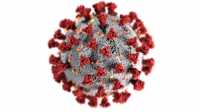
Response: Smell loss is one of the most common symptoms of COVID-19 infection. The mechanism of COVID-19-related smell loss is unclear. Previous studies mainly focused on the effect of the viral infection on the lining of the nasal cavity. We went a step beyond to examine the olfactory bulb, a region that transmits smell-related signals to the brain.
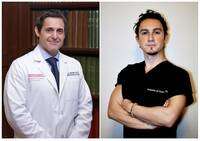









 Ali M. Fazlollahi[/caption]
Ali M. Fazlollahi, MSc, McGill Medicine Class of 2025
Neurosurgical Simulation and Artificial Intelligence Learning Centre
Department of Neurology and Neurosurgery, Montreal Neurological Institute and Hospital
Faculty of Medicine and Health Sciences
McGill University, Montreal, Canada
MedicalResearch.com: What is the background for this study?
Response: COVID-19 disrupted hands on surgical exposure of medical students and academic centres around the world had to quickly adapt to teaching technical skills remotely. At the same time, advances in artificial intelligence (AI) allowed researchers at the Neurosurgical Simulation and Artificial Intelligence Learning Centre to develop an intelligent tutoring system that evaluates performance and provides high-quality personalized feedback to students. Because this is the first AI system capable of providing surgical instructions in simulation, we sought to evaluate its effectiveness compared with learning from expert human instructors who provided coaching remotely.

 Dr. Ying-Hui Fu[/caption]
Ying-Hui Fu, PhD
Professor, Neurology
Weill Institute for Neurosciences
UCSF
MedicalResearch.com: What is the background for this study?
Response: Most people are aware that a lack of sleep is associated with all sorts of health issues. However, familial natural short sleeper (FNSS) individuals sleep 4-6.5 hours a night most of their live and stay healthy. We set out to determine whether natural short sleep mutations can offer protection from various diseases. We chose Alzheimer as an example to start.


 Dr. Torkamani[/caption]
Ali Torkamani, Ph.D.
Director of Genomics and Genome Informatics
Scripps Research Translational Institute
Professor, Integrative Structural and Computational Biology
Scripps Research
La Jolla, CA 92037
MedicalResearch.com: What is the background for this study?
Response: Prior research has shown that people with higher polygenic risk for coronary artery disease achieve greater risk reduction with statin or other lipid lowering therapy. In general, adherence to standard guidelines for lipid lowering therapy is low - about 30% of people who should be on lipid lowering therapy are, with no correlation to their genetic risk. We set out to see whether communicating personalized risk, including polygenic risk, for coronary artery disease would drive the adoption of lipid lowering therapy.


 Dr. Sesso[/caption]
Howard D. Sesso, ScD, MPH
Associate Professor of Medicine
Division of Preventive Medicine
Brigham and Women's Hospital
MedicalResearch.com: What is the background for this study? How does the amount of flavanols in the study arm compare to what might be obtained in a typical diet?
Response: The COcoa Supplement and Multivitamin Outcomes Study (COSMOS) is a randomized, double-blind, placebo-controlled clinical trial that tested the effects of two promising dietary supplements on cardiovascular disease (CVD) and cancer in 21,442 older adults. Cocoa flavanols have been shown to have favorable vascular effects in small and short-term clinical trials. The 500 mg/day flavanols tested in COSMOS exceeds that readily obtained in the diet typically from cocoa, tea, grapes, and berries. Of note, flavanol content in not typically listed on food labels.
COSMOS also tested a multivitamin, the most common dietary supplement taken by US adults and previously linked with a potential modest reduction in cancer in a previous long-term trial of men conducted by our research group at the Division of Preventive Medicine at Brigham and Women’s Hospital.

 Arman A. Shahriar
Medical Student, University of Minnesota Medical School Research
Consultant, HealthPartners Institute
Minneapolis, Minnesota

 Dr. Cortese[/caption]
Rene Cortese, PhD
Assistant Professor
Department of Child Health – Child Health Research Institute
Department of Obstetrics, Gynecology and Women’s Health
School of Medicine
Core Faculty - MU Institute for Data Science and Informatics
University of Missouri
Columbia, MO 65212
MedicalResearch.com: What is the background for this study? What are the main findings?
Response: Obstructive sleep apnea (OSA) affects 22 million people in the U.S. and is linked to a higher risk of hypertension, heart attacks, stroke, diabetes, and many other chronic conditions.
We have found that untreated OSA also accelerates the biological aging process, and that appropriate treatment can slow or possibly reverse the trend. Age acceleration testing involves a blood test that analyzes DNA and uses an algorithm to measure a person’s biological age. The phenomenon of a person’s biological age surpassing their chronological age is called “epigenetic age acceleration” and is linked to overall mortality and to chronic diseases.