MedicalResearch.com Interview with:
[caption id="attachment_27170" align="alignleft" width="179"]

Dr. Krista Huybrechts[/caption]
Krista F. Huybrechts, MS PhD
Associate Professor of Medicine
Brigham and Women’s Hospital
Harvard Medical School
Boston, MA 02120
MedicalResearch.com: What is the background for this study? What are the main findings?
Response: Pregnant women often experience nausea and vomiting, particularly during the first trimester. Early treatment is recommended to relieve symptoms and prevent progression to hyperemesis gravidarum. Although not formally approved for this indication, ondansetron is the most frequently prescribed treatment for nausea and vomiting in pregnancy in the US: 22% of pregnant women reportedly used ondansetron in the US in 2014. Despite this common use, the available evidence on the fetal safety of ondansetron is limited and conflicting, and the possibility of a doubling in risk of cleft palate and cardiac malformations has been raised.
We therefore evaluated the association between ondansetron exposure during the first trimester of pregnancy, the period of organogenesis, and the risk of congenital malformations in a cohort of 1,816,414,publicly insured pregnancies using the nationwide Medicaid Analytic eXtract data for 2000-2013. A total of 88,467 women (4.9%) were exposed to ondansetron during the first trimester. After adjusting for a broad range of potential confounding variables, we found no association with cardiac malformations (RR = 0.99; 95% CI, 0.93 – 1.06) and congenital malformations overall (RR = 1.01; 95% CI, 0.98 – 1.05). For oral clefts, we found a 24% increase in risk (RR=1.24; 95% CI, 1.03 – 1.48), which corresponds to an absolute risk of 2.7 per 10,000 births (95% CI, 0.2 – 5.2 per 10,000 births). These findings were consistent across sensitivity analyses, conducted to address potential misclassification and confounding bias.


 Dr. Nguyen[/caption]
Oanh Kieu Nguyen, MD, MA
Assistant Professor
Division of Hospital Medicine
Zuckerberg San Francisco General Hospital
UCSF
MedicalResearch.com: What is the background for this study?
Response: In U.S. citizens and permanent residents with kidney failure or end-stage renal disease (ESRD), having health insurance, Medicare, or Medicaid guarantees access to regularly scheduled hemodialysis 2-3 times per week, the evidence-based standard of care for ESRD. This treatment helps people live relatively normal lives. In 40 of 50 U.S. states, undocumented immigrants with ESRD have limited access to hemodialysis because they are not eligible for any form of federal assistance including Medicare or Medicaid, and must wait until they are life-threateningly ill to receive dialysis through a hospital emergency department, a situation called “emergency-only hemodialysis.” There are an estimated 6,500 undocumented individuals in the U.S. suffering from ESRD.
A unique opportunity made it feasible for uninsured undocumented immigrants with ESRD receiving emergency-only dialysis in Dallas, Texas, to enroll in private, commercial health insurance plans in 2015 and made it possible for researchers to compare scheduled vs. emergency-only dialysis among undocumented immigrants with ESRD. This natural experiment included 181 undocumented immigrants, 105 of whom received insurance coverage and enrolled in scheduled dialysis and 76 of whom remained uninsured.
Dr. Nguyen[/caption]
Oanh Kieu Nguyen, MD, MA
Assistant Professor
Division of Hospital Medicine
Zuckerberg San Francisco General Hospital
UCSF
MedicalResearch.com: What is the background for this study?
Response: In U.S. citizens and permanent residents with kidney failure or end-stage renal disease (ESRD), having health insurance, Medicare, or Medicaid guarantees access to regularly scheduled hemodialysis 2-3 times per week, the evidence-based standard of care for ESRD. This treatment helps people live relatively normal lives. In 40 of 50 U.S. states, undocumented immigrants with ESRD have limited access to hemodialysis because they are not eligible for any form of federal assistance including Medicare or Medicaid, and must wait until they are life-threateningly ill to receive dialysis through a hospital emergency department, a situation called “emergency-only hemodialysis.” There are an estimated 6,500 undocumented individuals in the U.S. suffering from ESRD.
A unique opportunity made it feasible for uninsured undocumented immigrants with ESRD receiving emergency-only dialysis in Dallas, Texas, to enroll in private, commercial health insurance plans in 2015 and made it possible for researchers to compare scheduled vs. emergency-only dialysis among undocumented immigrants with ESRD. This natural experiment included 181 undocumented immigrants, 105 of whom received insurance coverage and enrolled in scheduled dialysis and 76 of whom remained uninsured.





 Dr. Johnson[/caption]
Dayna A. Johnson PhD
Department of Epidemiology
Emory University
Atlanta, GA
MedicalResearch.com: What is the background for this study? What are the main findings?
Response: There are several studies that have determined that African Americans have the highest prevalence of hypertension and are the most likely to have uncontrolled hypertension compared to other racial/ethnic groups. We were interested in studying whether sleep apnea contributed to hypertension control among African Americans.
We found that participants with sleep apnea were more likely to have resistant hypertension than those without sleep apnea. In particular, individuals with severe sleep apnea had the highest risk of resistant hypertension. Most of the participants with measured sleep apnea were undiagnosed (96%).
Dr. Johnson[/caption]
Dayna A. Johnson PhD
Department of Epidemiology
Emory University
Atlanta, GA
MedicalResearch.com: What is the background for this study? What are the main findings?
Response: There are several studies that have determined that African Americans have the highest prevalence of hypertension and are the most likely to have uncontrolled hypertension compared to other racial/ethnic groups. We were interested in studying whether sleep apnea contributed to hypertension control among African Americans.
We found that participants with sleep apnea were more likely to have resistant hypertension than those without sleep apnea. In particular, individuals with severe sleep apnea had the highest risk of resistant hypertension. Most of the participants with measured sleep apnea were undiagnosed (96%). 


 Josephine Funck Bilsteen, MSc
Department of Pediatrics, Hvidovre University Hospital, Hvidovre,
Section of Epidemiology, Department of Public Health
University of Copenhagen
Copenhagen, Denmark
MedicalResearch.com: What is the background for this study? What are the main findings?
Response: The background of this study is that there is increasing recognition of the longer-term health and social outcomes associated with preterm birth such as independent living, quality of life, self-perception and socioeconomic achievements. However, much less is known about differences in education and income among adults born at different gestational weeks in the term period.
In this study shorter gestational duration, even within the term range, was associated with lower chances of having a high personal income and having completed a secondary or tertiary education at age 28 years. This is the first study to show that adults born at 37 and 38 completed weeks of gestation had slightly lower chances of having a high income and educational level than adults born at 40 completed weeks of gestation.
Josephine Funck Bilsteen, MSc
Department of Pediatrics, Hvidovre University Hospital, Hvidovre,
Section of Epidemiology, Department of Public Health
University of Copenhagen
Copenhagen, Denmark
MedicalResearch.com: What is the background for this study? What are the main findings?
Response: The background of this study is that there is increasing recognition of the longer-term health and social outcomes associated with preterm birth such as independent living, quality of life, self-perception and socioeconomic achievements. However, much less is known about differences in education and income among adults born at different gestational weeks in the term period.
In this study shorter gestational duration, even within the term range, was associated with lower chances of having a high personal income and having completed a secondary or tertiary education at age 28 years. This is the first study to show that adults born at 37 and 38 completed weeks of gestation had slightly lower chances of having a high income and educational level than adults born at 40 completed weeks of gestation. 




 Dr. Duren[/caption]
Dana L. Duren, PhD
Professor, Director of Orthopaedic Research
Director of Skeletal Morphology Laboratory
Thompson Laboratory for Regenerative Orthopaedics
Department of Orthopaedic Surgery
Missouri Orthopaedic Institute, University of Missouri
Columbia, MO 6521
MedicalResearch.com: What is the background for this study? What are the main findings?
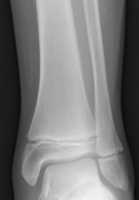
Response: The motivation for this study is the apparent accelerated maturity in children in the United States.
[caption id="attachment_46650" align="alignleft" width="139"]
Dr. Duren[/caption]
Dana L. Duren, PhD
Professor, Director of Orthopaedic Research
Director of Skeletal Morphology Laboratory
Thompson Laboratory for Regenerative Orthopaedics
Department of Orthopaedic Surgery
Missouri Orthopaedic Institute, University of Missouri
Columbia, MO 6521
MedicalResearch.com: What is the background for this study? What are the main findings?
Response: The motivation for this study is the apparent accelerated maturity in children in the United States.
[caption id="attachment_46650" align="alignleft" width="139"]