MedicalResearch.com Interview with:
Ianthe Boden
Titled Cardiorespiratory APAM, PhD Candidate, MSc
, BAppSc
Manager Abdominal Surgery Research Group
Clinical Lead – Cardiorespiratory Physiotherapy, Physiotherapy Department
Allied Health Services
Tasmanian Health Services – North |
Launceston General Hospital
Launceston TA
MedicalResearch.com: What is the background for this study?
Response: Major upper abdominal surgery involves opening up the abdomen - mainly to remove cancer or damaged bowel, liver, stomach, pancreas, or kidney. It is, by far, the most common major surgical procedure performed in developed countries with millions of procedures performed per annum. Unfortunately a respiratory complication following these operations occurs relatively frequently with between 1 in 10 to almost a half of all patients getting some type of respiratory complication after surgery. Respiratory complications included problems such as pneumonia, lung collapse, respiratory failure, and an acute asthma attack. These complications, especially pneumonia and respiratory failure, are strongly associated with significant morbidity, mortality, increased antibiotic usage and longer hospital stay.
These breathing problems occur quite quickly after surgery, becoming evident usually within the first two to three days after surgery. In an effort to ameliorate these complications in developed countries it is common for physiotherapists/respiratory therapists to see a patient for the first time on the day after surgery and start patients doing breathing exercises. However as respiratory dysfunction starts occurring immediately following surgery it is debated that these breathing exercises are being provided too late. Initiating prophylactic treatment more than 24 hours after the end of surgery may not be as effective as starting prophylaxis immediately. Unfortunately, immediately after surgery patients are either very sleepy, in pain, feeling sick, or delirious. It may not be possible to effectively teach patients at this point on the importance of breathing exercises and get good performance.
One method to overcome this would be to meet patients
before the operation to educate them about their risk of a postoperative chest infection and to motivate and train them to perform breathing exercises to do immediately on waking from surgery. Previous trials have indicated that this may help prevent postoperative respiratory complications, although evidence is inconclusive and weak.
We set out to robustly and conclusively see if respiratory complications could be prevented after major upper abdominal surgery if patients were taught breathing exercises to do as soon as they woke up after the operation. We ran this trial in two countries (Australia and New Zealand) and three different types of hospitals. All patients were met by a physiotherapist at our hospitals’ scheduled pre-admission clinic appointment and either provided with an information booklet (control) or provided with an additional 30 minute education and training session with the physiotherapist. At this preoperative session the patient was educated about respiratory complications, their risk, and how to prevent them with breathing exercises. These exercises were then taught and practiced for just three repetitions. Patients were instructed to do these breathing exercises for 20 repetitions as soon as they woke from surgery and then 20 times every hour after surgery until they were up and out of bed frequently.
Following surgery each patient had a standardised rehabilitation program and no respiratory therapy of any type was provided to the patients after surgery.
For the first two weeks after surgery patients were assessed daily for a respiratory complication by research assistants unaware of what treatment the patient had received before surgery.

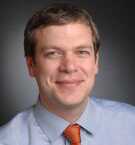
 Dr. Kuerer[/caption]
Henry M. Kuerer, MD, PhD, FACS
Executive Director, Breast Programs
MD Anderson Cancer Network
Endowed Distinguished Professor in Cancer Research
Division of Surgery
MedicalResearch.com: Why did you undertake this study?
Response: Many of our patients feel very overwhelmed with their new cancer diagnosis and have concern over the future need for biopsies. Many think that complete removal of the breast is a good way to prevent future cancer-related biopsies. We did not have any good comprehensive data on the incidence of needing biopsies during follow-up for breast cancer.
As a surgeon this information is something that I can use daily when discussing breast cancer treatment options regarding future expectations following breast cancer treatment.
Dr. Kuerer[/caption]
Henry M. Kuerer, MD, PhD, FACS
Executive Director, Breast Programs
MD Anderson Cancer Network
Endowed Distinguished Professor in Cancer Research
Division of Surgery
MedicalResearch.com: Why did you undertake this study?
Response: Many of our patients feel very overwhelmed with their new cancer diagnosis and have concern over the future need for biopsies. Many think that complete removal of the breast is a good way to prevent future cancer-related biopsies. We did not have any good comprehensive data on the incidence of needing biopsies during follow-up for breast cancer.
As a surgeon this information is something that I can use daily when discussing breast cancer treatment options regarding future expectations following breast cancer treatment.