Posted at 11:35h
in
Education,
Nursing
Recent events have pushed the nursing profession back to the forefront and more people than ever are considering the position. There is also a growing respect for nurses and their role in society, and nursing has become a mission for many. Some people may want to join the ranks and see how they could help. Thankfully, nursing is a field that is welcoming of people from all professional backgrounds, and no matter what your expertise is, chances are you'll be able to apply some of it in nursing. Here's how you can switch to nursing as a second career.
Consider If You’re Fit for the Job

Nursing is a job like no other and you need to have a specific set of skills to succeed. You might have all the best intentions in the world, but it takes a special kind of person to be a nurse, so you have to assess your personal and professional skills before making the jump.
For one, this is a job where you will routinely have to deal with loss and grief, so if you don't have a strong enough disposition, you won't be able to make it in this field. However, you still need to be compassionate to help patients and their loved ones get through a tough diagnosis and death. Nurses have to be able to juggle between being human and emotionally available, and being able to separate their work from their personal lives.
As well as this, you will need to be a good communicator. If you're not a people person or are introverted, you might have to look at either another field or positions where you won't have to interact as much. But, in most cases, jobs will require that you give direct assistance to patients. As a matter of fact, you will have a much closer relationship with patients than they may have with their doctor.
You will need to be able to deal with people coming from different social, economic, religious, and cultural backgrounds. You will need to respect their wishes and beliefs. You also have to be able to offer equal care to all.
Also, you need to know how to work as part of a team. You also have to accept hierarchy and be able to take orders. You might disagree with what someone higher than you is saying, but you have to follow through no matter what. Teamwork is especially important in this business, and you have to think of the unit first and not yourself.
Lastly, you need to be very organized and be able to perform under pressure. You might have to deal with a whole floor full of patients on a double short-handed shift and have to keep track of everything. Your decisions could literally mean life or death, and unless you can deal with that kind of pressure, nursing is not a field you should be pursuing.

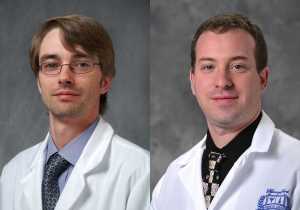
 Prof. Reich[/caption]
Prof. Kristian Reich, MD, PhD
Professor for Translational Research in Inflammatory Skin Diseases
Institute for Health Services Research in Dermatology and Nursing
University Medical Center Hamburg-Eppendorf
MedicalResearch.com: What is the background for this study? What are the main findings?
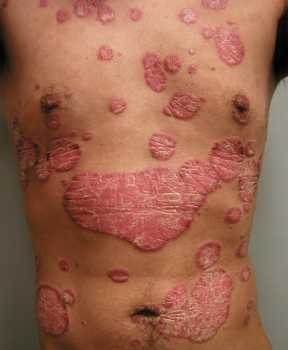
Response: Complete skin clearance is an important treatment goal for patients with psoriasis and is closely associated with treatment satisfaction and improved quality of life. However, it remains an unmet need for many patients.
The interleukin (IL)-17 isoforms IL-17A and IL-17F play central roles in psoriasis pathophysiology and are overexpressed in psoriatic tissues. Existing biologic therapies, such as secukinumab, inhibit IL-17A only. However, increasing evidence indicates that IL-17F contributes independently to the pathobiology of plaque psoriasis, and that blocking both IL-17A and IL-17F may lead to more complete suppression of inflammation and superior clinical outcomes, compared with blocking IL‑17A alone.
Bimekizumab is a humanized monoclonal IgG1 antibody that has been designed to selectively inhibit IL-17F in addition to IL-17A.
Prof. Reich[/caption]
Prof. Kristian Reich, MD, PhD
Professor for Translational Research in Inflammatory Skin Diseases
Institute for Health Services Research in Dermatology and Nursing
University Medical Center Hamburg-Eppendorf
MedicalResearch.com: What is the background for this study? What are the main findings?
Response: Complete skin clearance is an important treatment goal for patients with psoriasis and is closely associated with treatment satisfaction and improved quality of life. However, it remains an unmet need for many patients.
The interleukin (IL)-17 isoforms IL-17A and IL-17F play central roles in psoriasis pathophysiology and are overexpressed in psoriatic tissues. Existing biologic therapies, such as secukinumab, inhibit IL-17A only. However, increasing evidence indicates that IL-17F contributes independently to the pathobiology of plaque psoriasis, and that blocking both IL-17A and IL-17F may lead to more complete suppression of inflammation and superior clinical outcomes, compared with blocking IL‑17A alone.
Bimekizumab is a humanized monoclonal IgG1 antibody that has been designed to selectively inhibit IL-17F in addition to IL-17A.


 Dr. Gamboa Madeira[/caption]
Sara Gamboa Madeira
Medical Doctor - General & Family Physician
PhD Student - EnviHealth&Co - Faculty of Medicine
Lisbon University
MedicalResearch.com: What is the background for this study?
Response: One in every five employees work in shifts across Europe1. Shift work have been associated with an increased risk for several cardiovascular diseases2 and three main mechanism have been proposed: unhealthy behaviours, disturbed sleep, and circadian misalignment.
This study focused on the role of circadian misalignment, which we assessed via social jetlag. Social jetlag is calculated using the Munich Chronotype Questionnaire3 by the difference between sleep behaviour on free-days (mainly driven by the individual “biological clock”, also called chronotype) and sleep behaviour on workdays (mainly drive by the “social clock”, namely work schedules). Chronotype is an individual feature which ranges from early/morning people to late/evening people (from proverbial lark to owls), with the majority of the population falling in between as a Gaussian distribution. Therefore higher levels of social jetlag mean a greater mismatch between what your biological clock need (e.g. go to sleep at 9pm) and what your social obligations impose on you (e.g. work until midnight).
Dr. Gamboa Madeira[/caption]
Sara Gamboa Madeira
Medical Doctor - General & Family Physician
PhD Student - EnviHealth&Co - Faculty of Medicine
Lisbon University
MedicalResearch.com: What is the background for this study?
Response: One in every five employees work in shifts across Europe1. Shift work have been associated with an increased risk for several cardiovascular diseases2 and three main mechanism have been proposed: unhealthy behaviours, disturbed sleep, and circadian misalignment.
This study focused on the role of circadian misalignment, which we assessed via social jetlag. Social jetlag is calculated using the Munich Chronotype Questionnaire3 by the difference between sleep behaviour on free-days (mainly driven by the individual “biological clock”, also called chronotype) and sleep behaviour on workdays (mainly drive by the “social clock”, namely work schedules). Chronotype is an individual feature which ranges from early/morning people to late/evening people (from proverbial lark to owls), with the majority of the population falling in between as a Gaussian distribution. Therefore higher levels of social jetlag mean a greater mismatch between what your biological clock need (e.g. go to sleep at 9pm) and what your social obligations impose on you (e.g. work until midnight).
 Dr. Ulhas Nair[/caption]
Nishanth Ulhas Nair, Ph.D.
Affiliation: Staff Scientist at Cancer Data Science Laboratory, Center for Cancer Research
National Cancer Institute (NCI), National Institutes of Health (NIH)
Bethesda, Maryland, USA. Date: April 22, 2021
Dr. Raffit Hassan and Dr. Eytan Ruppin at the National Cancer Institute (NCI) are the senior authors of this study.
MedicalResearch.com: What is the background for this study?
Response: Malignant mesothelioma is an aggressive cancer with limited treatment options and poor prognosis. An in-depth knowledge of genetic, transcriptomic and immunogenic events involved in mesothelioma is critical for successful development of prognostics and therapeutic modalities. In this study we aim to address this by exploring a new large scale patient tumor dataset of 122 mesothelioma patients, called NCI mesothelioma patient data, along with their genomic, transcriptomic, and phenotypic information. Unlike previous large-scale studies which have been focused on malignant pleural mesothelioma patients, our dataset contains an approximately equal representation of malignant pleural and peritoneal mesothelioma patients which allows to identify any differences between them.
Dr. Ulhas Nair[/caption]
Nishanth Ulhas Nair, Ph.D.
Affiliation: Staff Scientist at Cancer Data Science Laboratory, Center for Cancer Research
National Cancer Institute (NCI), National Institutes of Health (NIH)
Bethesda, Maryland, USA. Date: April 22, 2021
Dr. Raffit Hassan and Dr. Eytan Ruppin at the National Cancer Institute (NCI) are the senior authors of this study.
MedicalResearch.com: What is the background for this study?
Response: Malignant mesothelioma is an aggressive cancer with limited treatment options and poor prognosis. An in-depth knowledge of genetic, transcriptomic and immunogenic events involved in mesothelioma is critical for successful development of prognostics and therapeutic modalities. In this study we aim to address this by exploring a new large scale patient tumor dataset of 122 mesothelioma patients, called NCI mesothelioma patient data, along with their genomic, transcriptomic, and phenotypic information. Unlike previous large-scale studies which have been focused on malignant pleural mesothelioma patients, our dataset contains an approximately equal representation of malignant pleural and peritoneal mesothelioma patients which allows to identify any differences between them. 
 Prof. Papageorghiou[/caption]
Aris Papageorghiou MBChB, MRCOG
Professor of Fetal Medicine and the Clinical Research Director
Oxford Maternal and Perinatal Health Institute
University of Oxford
MedicalResearch.com: What is the background for this study?
Response: Our study was really guided by a key question: does Covid-19 in pregnancy increase the risk of adverse maternal and neonatal outcomes as compared with pregnant women who do not have the infection?
The question is highly relevant because of the known deleterious effects of other coronavirus infections in pregnancy, e.g. SARS (severe acute respiratory syndrome) and MERS-CoV (Middle East respiratory syndrome coronavirus).
In order to answer this question we undertook this multinational cohort study.
Prof. Papageorghiou[/caption]
Aris Papageorghiou MBChB, MRCOG
Professor of Fetal Medicine and the Clinical Research Director
Oxford Maternal and Perinatal Health Institute
University of Oxford
MedicalResearch.com: What is the background for this study?
Response: Our study was really guided by a key question: does Covid-19 in pregnancy increase the risk of adverse maternal and neonatal outcomes as compared with pregnant women who do not have the infection?
The question is highly relevant because of the known deleterious effects of other coronavirus infections in pregnancy, e.g. SARS (severe acute respiratory syndrome) and MERS-CoV (Middle East respiratory syndrome coronavirus).
In order to answer this question we undertook this multinational cohort study.

 Dr. Hosie[/caption]
Margaret J. Hosie BVM&S, MRCVS, BSc. PhD.
Professor of Comparative Virology
MRC-University of Glasgow Centre for Virus Research
United Kingdom
MedicalResearch.com: What is the background for this study?
Response: SARS-CoV-2 is a new coronavirus of animal origin that recently jumped to humans and has spread rapidly across the world. It is likely that SARS-CoV-2 will establish as an endemic virus of humans, which has the potential to be transmitted to animals that live in close proximity to humans. There have been sporadic reports of infections in pet cats in households with COVID-19 patients, which demonstrates that cats are susceptible to SARS-CoV-2 infection and could act as virus reservoirs.
Dr. Hosie[/caption]
Margaret J. Hosie BVM&S, MRCVS, BSc. PhD.
Professor of Comparative Virology
MRC-University of Glasgow Centre for Virus Research
United Kingdom
MedicalResearch.com: What is the background for this study?
Response: SARS-CoV-2 is a new coronavirus of animal origin that recently jumped to humans and has spread rapidly across the world. It is likely that SARS-CoV-2 will establish as an endemic virus of humans, which has the potential to be transmitted to animals that live in close proximity to humans. There have been sporadic reports of infections in pet cats in households with COVID-19 patients, which demonstrates that cats are susceptible to SARS-CoV-2 infection and could act as virus reservoirs.
 Dr. Blankson[/caption]
Joel N. Blankson, MD, PhD
Department of Infectious Diseases
Associate Professor
Cellular and Molecular Medicine Program
Johns Hopkins
MedicalResearch.com: What is the background for this study? Which vaccines did you evaluate?
Response: Prior studies from several groups including our own have found T cell cross-recognition of peptides from SARS-CoV-2 and the common cold coronaviruses.
We asked whether as a result of this cross-reactivity, immunization with the SARS-CoV-2 vaccine would also enhance T cell responses to the common cold coronaviruses.
Prior studies also suggested that antibodies elicited from the mRNA vaccines had a reduced ability to neutralize the emerging variants of concern.
Most of the study participants had received the Pfizer vaccine, but a few had received the Moderna vaccine.
Dr. Blankson[/caption]
Joel N. Blankson, MD, PhD
Department of Infectious Diseases
Associate Professor
Cellular and Molecular Medicine Program
Johns Hopkins
MedicalResearch.com: What is the background for this study? Which vaccines did you evaluate?
Response: Prior studies from several groups including our own have found T cell cross-recognition of peptides from SARS-CoV-2 and the common cold coronaviruses.
We asked whether as a result of this cross-reactivity, immunization with the SARS-CoV-2 vaccine would also enhance T cell responses to the common cold coronaviruses.
Prior studies also suggested that antibodies elicited from the mRNA vaccines had a reduced ability to neutralize the emerging variants of concern.
Most of the study participants had received the Pfizer vaccine, but a few had received the Moderna vaccine. 

 Dr. Lashaki[/caption]
Masoud Jahandar Lashaki, Ph.D.
Assistant Professor
Department of Civil, Environmental and Geomatics Engineering
Florida Atlantic University
MedicalResearch.com: What is the background for this study?
Response: Toilet flushing can generate large quantities of microbe-containing aerosols depending on the design and water pressure or flushing energy of the toilet. Based on previous reports, a variety of different pathogens which are found in stagnant water or in waste products (e.g., urine, feces, and vomit) can get dispersed widely via such aerosolization, including the legionella bacterium responsible for causing Legionnaire’s disease, the Ebola virus, the norovirus which causes severe gastroenteritis (food poisoning), and the Middle East Respiratory Syndrome coronavirus (MERS-CoV).
Based on previous reports, such airborne dispersion is suspected to have played a key role in the outbreak of viral gastroenteritis aboard a cruise ship, where infection was twice as prevalent among passengers who used shared toilets compared to those who had private bathrooms. Similarly, transmission of norovirus via aerosolized droplets was linked to the occurrence of vomiting or diarrhea within an aircraft restroom, as passengers and crew who got infected subsequently were more likely to have visited restrooms than those that were not infected. The participants in the study reported that all of the restroom surfaces appeared to be clean, which indicates that infection is likely to have occurred via bioaerosols suspended within the restroom.
Although many of these studies blamed flush-generated aerosols for disease outbreak, a limited number of them quantified the presence of such aerosols. Consequently, we decided to conduct this study to demonstrate the spike in aerosol concentrations following flushing.
Dr. Lashaki[/caption]
Masoud Jahandar Lashaki, Ph.D.
Assistant Professor
Department of Civil, Environmental and Geomatics Engineering
Florida Atlantic University
MedicalResearch.com: What is the background for this study?
Response: Toilet flushing can generate large quantities of microbe-containing aerosols depending on the design and water pressure or flushing energy of the toilet. Based on previous reports, a variety of different pathogens which are found in stagnant water or in waste products (e.g., urine, feces, and vomit) can get dispersed widely via such aerosolization, including the legionella bacterium responsible for causing Legionnaire’s disease, the Ebola virus, the norovirus which causes severe gastroenteritis (food poisoning), and the Middle East Respiratory Syndrome coronavirus (MERS-CoV).
Based on previous reports, such airborne dispersion is suspected to have played a key role in the outbreak of viral gastroenteritis aboard a cruise ship, where infection was twice as prevalent among passengers who used shared toilets compared to those who had private bathrooms. Similarly, transmission of norovirus via aerosolized droplets was linked to the occurrence of vomiting or diarrhea within an aircraft restroom, as passengers and crew who got infected subsequently were more likely to have visited restrooms than those that were not infected. The participants in the study reported that all of the restroom surfaces appeared to be clean, which indicates that infection is likely to have occurred via bioaerosols suspended within the restroom.
Although many of these studies blamed flush-generated aerosols for disease outbreak, a limited number of them quantified the presence of such aerosols. Consequently, we decided to conduct this study to demonstrate the spike in aerosol concentrations following flushing. 
 Dr. Virani[/caption]
Senior & Corresponding Author
Salim S. Virani, MD, PhD, FACC, FAHA, FASPC
Professor, Section of Cardiovascular Research
Director, Cardiology Fellowship Training Program
Baylor College of Medicine
Staff Cardiologist, Michael E. DeBakey Veterans Affairs Medical Center
Co-Director, VA Advanced Fellowship in Health Services Research & Development Michael E. DeBakey VA Medical Center, Houston, TX
Investigator, Health Policy, Quality and Informatics Program
Michael E. DeBakey Veterans Affairs Medical Center HSR&D Center of Innovation
Houston, TX
MedicalResearch.com: What is the background for this study?
Response: Atherosclerotic cardiovascular disease (ASCVD), defined as ischemic heart disease (IHD), ischemic cerebrovascular disease (ICVD), or peripheral arterial disease (PAD), is the leading cause of death globally. Particularly in young ASCVD patients, secondary prevention with antiplatelet therapy and statins are extremely important in reducing disease burden.
Dr. Virani[/caption]
Senior & Corresponding Author
Salim S. Virani, MD, PhD, FACC, FAHA, FASPC
Professor, Section of Cardiovascular Research
Director, Cardiology Fellowship Training Program
Baylor College of Medicine
Staff Cardiologist, Michael E. DeBakey Veterans Affairs Medical Center
Co-Director, VA Advanced Fellowship in Health Services Research & Development Michael E. DeBakey VA Medical Center, Houston, TX
Investigator, Health Policy, Quality and Informatics Program
Michael E. DeBakey Veterans Affairs Medical Center HSR&D Center of Innovation
Houston, TX
MedicalResearch.com: What is the background for this study?
Response: Atherosclerotic cardiovascular disease (ASCVD), defined as ischemic heart disease (IHD), ischemic cerebrovascular disease (ICVD), or peripheral arterial disease (PAD), is the leading cause of death globally. Particularly in young ASCVD patients, secondary prevention with antiplatelet therapy and statins are extremely important in reducing disease burden.


 Prof. Monsonego Ornan[/caption]
Efrat Monsonego Ornan, Ph.D
Head of School of Nutritional Sciences
Institute of Biochemistry and Nutrition
The Robert H. Smith Faculty of Agriculture,
Food and Environment
The Hebrew University of Jerusalem
MedicalResearch.com: What is the background for this study?
Response: Food supplies in recent decades have been dominated by heavily processed, ready-to-eat products. Essentially, 75% of all world food sales are of processed foods. Over the past 30 years, children’s ultra-processed food intake has increased markedly, with 50% of the children in the US consuming these foods. Only in the US does UPF comprise 58% of energy intake, of which 90% is derived from added sugars. This reflects children’s excessive consumption of food and drink that are high in fat and refined sugars but do not provide appropriate levels of the proteins, vitamins and minerals required for growth.
The negative health outcomes of excessive consumption of Ultra-processed food are well known, include obesity, metabolic syndrome and diabetes, and considered as the current world epidemic; the fact that children, during their postnatal development period (birth to adolescent), are the target of the Ultra-processed food industry is very disturbing in terms of public health. Bone development and growth are the characteristic phenomena of the childhood period. Yet, in spite of the huge importance of nutrition to bone development, the impact of Ultra-processed food consumption on skeleton development during childhood has never been studied directly, and this was the purpose of our study.
To this end, we used young rats which are an excellent pre-clinical model for growth and fed them with either the recommended diet for their age or a diet comprised of a typical Ultra-processed meal (a roll, hamburger, tomatoes, lettuce, ketchup and French fries) and a caloric soft drink.
Prof. Monsonego Ornan[/caption]
Efrat Monsonego Ornan, Ph.D
Head of School of Nutritional Sciences
Institute of Biochemistry and Nutrition
The Robert H. Smith Faculty of Agriculture,
Food and Environment
The Hebrew University of Jerusalem
MedicalResearch.com: What is the background for this study?
Response: Food supplies in recent decades have been dominated by heavily processed, ready-to-eat products. Essentially, 75% of all world food sales are of processed foods. Over the past 30 years, children’s ultra-processed food intake has increased markedly, with 50% of the children in the US consuming these foods. Only in the US does UPF comprise 58% of energy intake, of which 90% is derived from added sugars. This reflects children’s excessive consumption of food and drink that are high in fat and refined sugars but do not provide appropriate levels of the proteins, vitamins and minerals required for growth.
The negative health outcomes of excessive consumption of Ultra-processed food are well known, include obesity, metabolic syndrome and diabetes, and considered as the current world epidemic; the fact that children, during their postnatal development period (birth to adolescent), are the target of the Ultra-processed food industry is very disturbing in terms of public health. Bone development and growth are the characteristic phenomena of the childhood period. Yet, in spite of the huge importance of nutrition to bone development, the impact of Ultra-processed food consumption on skeleton development during childhood has never been studied directly, and this was the purpose of our study.
To this end, we used young rats which are an excellent pre-clinical model for growth and fed them with either the recommended diet for their age or a diet comprised of a typical Ultra-processed meal (a roll, hamburger, tomatoes, lettuce, ketchup and French fries) and a caloric soft drink. 
 Dr. McPeek Hinz[/caption]
Eugenia McPeek Hinz MD MS FAMIA
Associate CMIO - DHTS
Duke University Health System
MedicalResearch.com: What is the background for this study?
Response: Clinician burnout rates have hovered around 50% for much of the past decade. Burnout is a significant concern in healthcare for its effects on care givers and associated downstream adverse implications on patient care for quality and safety. The ubiquitous presence of Electronic Health Records (EHR) along with the increased clerical components and after hours use has been a significant concern for contributing to provider burnout.
Dr. McPeek Hinz[/caption]
Eugenia McPeek Hinz MD MS FAMIA
Associate CMIO - DHTS
Duke University Health System
MedicalResearch.com: What is the background for this study?
Response: Clinician burnout rates have hovered around 50% for much of the past decade. Burnout is a significant concern in healthcare for its effects on care givers and associated downstream adverse implications on patient care for quality and safety. The ubiquitous presence of Electronic Health Records (EHR) along with the increased clerical components and after hours use has been a significant concern for contributing to provider burnout. 

 Dr. Kruger[/caption]
Daniel J. Kruger Ph.D.
Research Investigator, Population Studies Center
University of Michigan
MedicalResearch.com: What is the background for this study?
Response: Thorstein Veblen coined the terms “conspicuous consumption” and “conspicuous leisure” to describe the wasteful habits of the upper classes in amassing and displaying expensive goods that did not have inherent practical benefits and devoting time to pursuits such as sports and fine arts. The purpose of these socially conspicuous displays and behaviors was to advertise one’s membership in the upper, leisure class, as only the very wealthy could afford them. Veblen was inspired in part by Charles Darwin’s theory of biological evolution. Darwin himself was greatly puzzled by what he considered wasteful investments of energy in elaborate physiological displays. He saw these features as the greatest threat to his theory of natural selection. Why would something like the peacock’s tail feathers evolve, as they actually threatened survival because of their impediment to foraging and avoiding predators? Darwin was so troubled by this dilemma that the sight of a peacock’s tail feather would make him feel sick. Darwin later realized that these features provided a reproductive advantage, leading to his theory of sexual selection, including the processes of inter-sexual selection and intra-sexual competition.
Dr. Kruger[/caption]
Daniel J. Kruger Ph.D.
Research Investigator, Population Studies Center
University of Michigan
MedicalResearch.com: What is the background for this study?
Response: Thorstein Veblen coined the terms “conspicuous consumption” and “conspicuous leisure” to describe the wasteful habits of the upper classes in amassing and displaying expensive goods that did not have inherent practical benefits and devoting time to pursuits such as sports and fine arts. The purpose of these socially conspicuous displays and behaviors was to advertise one’s membership in the upper, leisure class, as only the very wealthy could afford them. Veblen was inspired in part by Charles Darwin’s theory of biological evolution. Darwin himself was greatly puzzled by what he considered wasteful investments of energy in elaborate physiological displays. He saw these features as the greatest threat to his theory of natural selection. Why would something like the peacock’s tail feathers evolve, as they actually threatened survival because of their impediment to foraging and avoiding predators? Darwin was so troubled by this dilemma that the sight of a peacock’s tail feather would make him feel sick. Darwin later realized that these features provided a reproductive advantage, leading to his theory of sexual selection, including the processes of inter-sexual selection and intra-sexual competition. 
 Dr. Bullard[/caption]
Jared Bullard MD FRCPC
Associate Professor, Departments of Pediatrics & Child Health and Medical Microbiology & Infectious Diseases
Max Rady College of Medicine
Rady Faculty of Health Sciences
Cadham Provincial Laboratory
Children’s Hospital Research Institute of Manitoba
MedicalResearch.com: What is the background for this study?
Response: Children are well known to transmit epidemic/endemic respiratory viruses like influenza. Initial public health policy was based on that children were likely to transmit SARS-CoV-2 effectively within a community and subsequently in-person school and extracurricular activities were suspended.
Initial research did not show a clear association with children driving transmission. The purpose of our study was to take respiratory samples from both children and adults with COVID-19 (all had SARS-CoV-2 detected by RT-PCR) and compare those samples by their ability to grow in cell culture and amount of virus in samples.
We took 175 samples from children (97 younger than 10 years of age and 78 between 11-17 years) and compared them to 130 adult samples from the same communities in Manitoba experiencing outbreaks of COVID-19.
Dr. Bullard[/caption]
Jared Bullard MD FRCPC
Associate Professor, Departments of Pediatrics & Child Health and Medical Microbiology & Infectious Diseases
Max Rady College of Medicine
Rady Faculty of Health Sciences
Cadham Provincial Laboratory
Children’s Hospital Research Institute of Manitoba
MedicalResearch.com: What is the background for this study?
Response: Children are well known to transmit epidemic/endemic respiratory viruses like influenza. Initial public health policy was based on that children were likely to transmit SARS-CoV-2 effectively within a community and subsequently in-person school and extracurricular activities were suspended.
Initial research did not show a clear association with children driving transmission. The purpose of our study was to take respiratory samples from both children and adults with COVID-19 (all had SARS-CoV-2 detected by RT-PCR) and compare those samples by their ability to grow in cell culture and amount of virus in samples.
We took 175 samples from children (97 younger than 10 years of age and 78 between 11-17 years) and compared them to 130 adult samples from the same communities in Manitoba experiencing outbreaks of COVID-19. 

 Dr. Sickbert-Bennett[/caption]
Emily Sickbert-Bennett PhD, MS, CIC, FSHEA
Director, Infection Prevention, UNC Hospitals
Administrative Director, Carolina Antimicrobial Stewardship Program, UNC Hospitals
Associate Professor of Medicine-Infectious Diseases, UNC School of Medicine
Associate Professor of Epidemiology, UNC Gillings School of Global Public Health
MedicalResearch.com: What is the background for this study?
Response: Recently public health officials have recommended doubling masks, although the
Dr. Sickbert-Bennett[/caption]
Emily Sickbert-Bennett PhD, MS, CIC, FSHEA
Director, Infection Prevention, UNC Hospitals
Administrative Director, Carolina Antimicrobial Stewardship Program, UNC Hospitals
Associate Professor of Medicine-Infectious Diseases, UNC School of Medicine
Associate Professor of Epidemiology, UNC Gillings School of Global Public Health
MedicalResearch.com: What is the background for this study?
Response: Recently public health officials have recommended doubling masks, although the 

 Dr. Dunietz[/caption]
Galit Levi Dunietz MPH, PhD
Assistant Professor
Dr. Dunietz[/caption]
Galit Levi Dunietz MPH, PhD
Assistant Professor
 Dr. Braley[/caption]


 Dr. Raisi-Estabra[/caption]
Dr Zahra Raisi-Estabragh, PhD fellow
Cardiologist Trainee at Queen Mary University of London and
Barts Health NHS Trust
MedicalResearch.com: What is the background for this study?
Response: Previous studies have linked greater consumption of red and processed meat to poorer clinical cardiovascular outcomes, for example, higher risk of having a heart attack or of dying from heart disease. However, the biological mechanisms underlying these relationships are not well understood. Furthermore, the impact of meat intake on more direct measures of heart health, such as, structure and function of the heart and blood vessels, has not been previously studied in large cohorts. Examining how meat intake may influence different aspects of cardiovascular health can help us better understand its health effects.
Dr. Raisi-Estabra[/caption]
Dr Zahra Raisi-Estabragh, PhD fellow
Cardiologist Trainee at Queen Mary University of London and
Barts Health NHS Trust
MedicalResearch.com: What is the background for this study?
Response: Previous studies have linked greater consumption of red and processed meat to poorer clinical cardiovascular outcomes, for example, higher risk of having a heart attack or of dying from heart disease. However, the biological mechanisms underlying these relationships are not well understood. Furthermore, the impact of meat intake on more direct measures of heart health, such as, structure and function of the heart and blood vessels, has not been previously studied in large cohorts. Examining how meat intake may influence different aspects of cardiovascular health can help us better understand its health effects.