

 The evolution of hospitals is truly something to marvel at. Modern-day hospitals perform ground-breaking procedures, unearth new and improved ways of caring for patients, and constantly evolve thanks to regular inspections. Hospitals have had to advance because of the ever-growing demands of the public - and the Guardian reported there are still 5.6 million people waiting for treatment.
With so many people waiting, how are hospitals coping with the increased demand? They're evolving - and here's how.
The evolution of hospitals is truly something to marvel at. Modern-day hospitals perform ground-breaking procedures, unearth new and improved ways of caring for patients, and constantly evolve thanks to regular inspections. Hospitals have had to advance because of the ever-growing demands of the public - and the Guardian reported there are still 5.6 million people waiting for treatment.
With so many people waiting, how are hospitals coping with the increased demand? They're evolving - and here's how.
 Dr. Toledo[/caption]
Christine Toledo, PhD, MSN, APRN, FNP-C
Assistant Professor
Christine E. Lynn College of Nursing
Florida Atlantic University
MedicalResearch.com: What is the background for this study?
Response: According to the United States Centers for Disease Control and Prevention, between 11 and 20 percent of women who give birth each year in the U.S. have postpartum depression symptoms, equating to nearly 800,000 women every year. Postpartum Depression provides significant health risks to both the mother and child and is the greatest risk factor for maternal suicide and infanticide.
Dr. Toledo[/caption]
Christine Toledo, PhD, MSN, APRN, FNP-C
Assistant Professor
Christine E. Lynn College of Nursing
Florida Atlantic University
MedicalResearch.com: What is the background for this study?
Response: According to the United States Centers for Disease Control and Prevention, between 11 and 20 percent of women who give birth each year in the U.S. have postpartum depression symptoms, equating to nearly 800,000 women every year. Postpartum Depression provides significant health risks to both the mother and child and is the greatest risk factor for maternal suicide and infanticide.
 Dr. Caughey[/caption]
Aaron B. Caughey, M.D., M.P.P., M.P.H., Ph.D.
Professor and ChairDepartment of Obstetrics and Gynecology
Associate dean for Women’s Health Research and Policy
Oregon Health & Science University in Portland, OR.
Founder and Chair, Centers for Disease Control and Prevention–funded
Oregon Perinatal Collaborative
MedicalResearch.com: What is the background for this study? What are the main findings?
Response: Preeclampsia is one of the most serious health problems that can occur during pregnancy. It can lead to preterm birth, and in some cases even death of the pregnant person and their baby.
The Task Force looked at the latest available evidence and found that low-dose aspirin can help prevent preeclampsia in pregnant people who are at highest risk, and it can also protect their babies. This new final recommendation is consistent with the Task Force’s 2014 recommendation statement and has the potential to save many lives.
Dr. Caughey[/caption]
Aaron B. Caughey, M.D., M.P.P., M.P.H., Ph.D.
Professor and ChairDepartment of Obstetrics and Gynecology
Associate dean for Women’s Health Research and Policy
Oregon Health & Science University in Portland, OR.
Founder and Chair, Centers for Disease Control and Prevention–funded
Oregon Perinatal Collaborative
MedicalResearch.com: What is the background for this study? What are the main findings?
Response: Preeclampsia is one of the most serious health problems that can occur during pregnancy. It can lead to preterm birth, and in some cases even death of the pregnant person and their baby.
The Task Force looked at the latest available evidence and found that low-dose aspirin can help prevent preeclampsia in pregnant people who are at highest risk, and it can also protect their babies. This new final recommendation is consistent with the Task Force’s 2014 recommendation statement and has the potential to save many lives.

 Dr. Budnitz[/caption]
Dr. Daniel S. Budnitz MD MPH CAPT, USPHS
Division of Healthcare Quality Promotion
Director, Centers for Disease Control and Prevention’s Medication Safety Program
Atlanta, Georgia
MedicalResearch.com: What is the background for this study?
Response: Medications are generally safe when used as prescribed or as directed on the label, but there can be risks in taking any medication. Adverse drug events are harms resulting from the use of medication.
The risk of adverse drug events is highest among older adults and very young children. Older adults have higher risks because they typically take more medications and are more likely to have underlying medical conditions. Very young children have higher risks because they often find and ingest medications meant for others.
Previous studies of medication safety have focused on harm from medications when taken for therapeutic reasons. Separate studies have focused on harm from specific types of non-therapeutic use (taking medications for recreational use or self-harm). This study examined the number of emergency department (ED) visits that resulted when people who took medications for any reason – as directed by a clinician or for other reasons, including recreational use or intentional self-harm.
Dr. Budnitz[/caption]
Dr. Daniel S. Budnitz MD MPH CAPT, USPHS
Division of Healthcare Quality Promotion
Director, Centers for Disease Control and Prevention’s Medication Safety Program
Atlanta, Georgia
MedicalResearch.com: What is the background for this study?
Response: Medications are generally safe when used as prescribed or as directed on the label, but there can be risks in taking any medication. Adverse drug events are harms resulting from the use of medication.
The risk of adverse drug events is highest among older adults and very young children. Older adults have higher risks because they typically take more medications and are more likely to have underlying medical conditions. Very young children have higher risks because they often find and ingest medications meant for others.
Previous studies of medication safety have focused on harm from medications when taken for therapeutic reasons. Separate studies have focused on harm from specific types of non-therapeutic use (taking medications for recreational use or self-harm). This study examined the number of emergency department (ED) visits that resulted when people who took medications for any reason – as directed by a clinician or for other reasons, including recreational use or intentional self-harm.
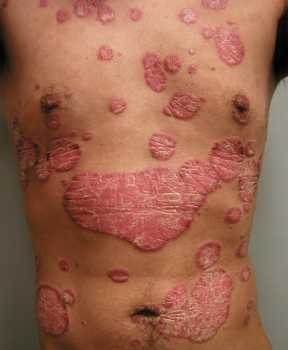
 Lara van der Schoot[/caption]
Lara van der Schoot
MD, PhD candidate
Department of Dermatology
Radboud University Medical Center
Nijmegen, The Netherlands
MedicalResearch.com: What is the background for this study?
Response: Psoriasis is a chronic, immune mediated skin disease for which effective targeted biological agents have become available the past years. Inherent to their immunomodulatory mechanism of action, biologics might increase infections risk. We know from clinical trial data that respiratory tract infections are among the most common adverse events during biologic treatment, but real-world data is sparse. Regarding the risk of serious infections among biologic users, mostly defined as infections requiring hospitalization, previous studies provided different results and there is limited comparative data for the newer biologics available.
The COVID-19 pandemic turned attention to the risk of infections among biologic users, especially for respiratory tract infections, as they might relate to susceptibility for viral respiratory tract infections such as COVID-19.
In our study, the primary aim was to determine the risk of respiratory tract infections among real-world psoriasis patients treated with biologics, including the newer IL-17 and IL-23 inhibitors. The secondary aim was to assess risk of serious infections in this cohort. Additionally, rates of SARS-CoV-2 infections were assessed.
Lara van der Schoot[/caption]
Lara van der Schoot
MD, PhD candidate
Department of Dermatology
Radboud University Medical Center
Nijmegen, The Netherlands
MedicalResearch.com: What is the background for this study?
Response: Psoriasis is a chronic, immune mediated skin disease for which effective targeted biological agents have become available the past years. Inherent to their immunomodulatory mechanism of action, biologics might increase infections risk. We know from clinical trial data that respiratory tract infections are among the most common adverse events during biologic treatment, but real-world data is sparse. Regarding the risk of serious infections among biologic users, mostly defined as infections requiring hospitalization, previous studies provided different results and there is limited comparative data for the newer biologics available.
The COVID-19 pandemic turned attention to the risk of infections among biologic users, especially for respiratory tract infections, as they might relate to susceptibility for viral respiratory tract infections such as COVID-19.
In our study, the primary aim was to determine the risk of respiratory tract infections among real-world psoriasis patients treated with biologics, including the newer IL-17 and IL-23 inhibitors. The secondary aim was to assess risk of serious infections in this cohort. Additionally, rates of SARS-CoV-2 infections were assessed.
 Dr. Zorlutuna[/caption]
Pinar Zorlutuna, PhD
Sheehan Family Collegiate Professor of Engineering
Aerospace and Mechanical Engineering
Chemical and Biomolecular Engineering (Concurrent)
Bioengineering Graduate Program
University of Notre Dame
MedicalResearch.com: What is the background for this study?
Response: Acute myocardial infarction (AMI) is the primary cause of death among cardiovascular diseases. The current clinical standard of diagnosis combines echocardiogram (ECG) and several circulating protein biomarkers from plasma. In their current state, both are incapable of distinguishing between patients with and without complete coronary occlusion, unless additional invasive testing is implemented, and both have significant false positive rates.
MicroRNAs (miRNAs) have shown great potential as rapid and discriminating biomarkers for acute myocardial infarction (AMI) diagnosis.
Dr. Zorlutuna[/caption]
Pinar Zorlutuna, PhD
Sheehan Family Collegiate Professor of Engineering
Aerospace and Mechanical Engineering
Chemical and Biomolecular Engineering (Concurrent)
Bioengineering Graduate Program
University of Notre Dame
MedicalResearch.com: What is the background for this study?
Response: Acute myocardial infarction (AMI) is the primary cause of death among cardiovascular diseases. The current clinical standard of diagnosis combines echocardiogram (ECG) and several circulating protein biomarkers from plasma. In their current state, both are incapable of distinguishing between patients with and without complete coronary occlusion, unless additional invasive testing is implemented, and both have significant false positive rates.
MicroRNAs (miRNAs) have shown great potential as rapid and discriminating biomarkers for acute myocardial infarction (AMI) diagnosis.
 Dr. Mansi[/caption]
Ishak Mansi, MD
Staff Internist, VA North Texas Health System.
Professor in Department of Medicine &
Department of Data & Population Science,
University of Texas Southwestern, Dallas, TX
MedicalResearch.com: What is the background for this study?
Response: Several scientific societies guidelines recommend Statins prescription to patients with diabetes aged 40 to 75 with LDL-cholesterol ≥70 mg/dL to prevent cardiovascular diseases from occurring. Statins have been shown to lower the risk of cardiovascular diseases. However, prior research has shown statins to be associated with increased insulin resistance. But doctors do not routinely measure “insulin resistance” for their patients, rather, it is done on research and academic circles only but not in everyday life. Increased insulin resistance may result in less controlled diabetes and/or escalation of anti-diabetes medications.
Dr. Mansi[/caption]
Ishak Mansi, MD
Staff Internist, VA North Texas Health System.
Professor in Department of Medicine &
Department of Data & Population Science,
University of Texas Southwestern, Dallas, TX
MedicalResearch.com: What is the background for this study?
Response: Several scientific societies guidelines recommend Statins prescription to patients with diabetes aged 40 to 75 with LDL-cholesterol ≥70 mg/dL to prevent cardiovascular diseases from occurring. Statins have been shown to lower the risk of cardiovascular diseases. However, prior research has shown statins to be associated with increased insulin resistance. But doctors do not routinely measure “insulin resistance” for their patients, rather, it is done on research and academic circles only but not in everyday life. Increased insulin resistance may result in less controlled diabetes and/or escalation of anti-diabetes medications.
 Dr. Pellegrino[/caption]
Rachael Pellegrino, MD
Vanderbilt University Medical Center
MedicalResearch.com: What is the background for this study?
Response: We know that HIV care and outcomes have dramatically improved over the last 20 years, but disparities still exist at each step of the HIV care continuum, which can ultimately lead to differences in mortality rates. In addition to assessing trends and disparities in mortality, we wanted to look at differences in premature mortality, which has not been widely studied in the HIV population in the US. This concept serves to emphasize and quantify the time lost by death at an early age as an important measurement of the impact of diseases and can expose disparities that are not apparent in the mortality rates alone.
Dr. Pellegrino[/caption]
Rachael Pellegrino, MD
Vanderbilt University Medical Center
MedicalResearch.com: What is the background for this study?
Response: We know that HIV care and outcomes have dramatically improved over the last 20 years, but disparities still exist at each step of the HIV care continuum, which can ultimately lead to differences in mortality rates. In addition to assessing trends and disparities in mortality, we wanted to look at differences in premature mortality, which has not been widely studied in the HIV population in the US. This concept serves to emphasize and quantify the time lost by death at an early age as an important measurement of the impact of diseases and can expose disparities that are not apparent in the mortality rates alone.
 Dr. Rhee[/caption]
Chanu Rhee, MD, MPH
Harvard Medical School and Harvard Pilgrim Health Institute
Boston, MA
MedicalResearch.com: What is the background for this study?
Response: Sepsis is a leading cause of death, disability, and healthcare costs. This has triggered regulators and hospitals to invest heavily in improving sepsis recognition and care. Most notably, the Centers for Medicare & Medicaid Services (CMS) implemented the Severe Sepsis/Septic Shock Early Management Bundle (SEP-1) by the in October 2015. SEP-1 requires hospitals to report compliance with a 3 and 6 hour sepsis care bundle, which includes initial and repeat lactate measurements, blood culture orders, broad-spectrum antibiotic, specific quantities of fluid boluses for hypotension, vasopressors for persistent hypotension, and documentation of a repeat volume and perfusion assessment for patients with septic shock.
While SEP-1 has helped raise awareness of sepsis and catalyzed sepsis quality improvement initiatives around the country, concerns have been raised about its potential unintended consequences -- particularly around increasing unnecessary broad spectrum antibiotic use -- and the strength of evidence supporting the measure. In this study, we used detailed clinical data from a diverse cohort of hospitals to assess whether SEP-1 implementation was associated with changes in key processes of care and mortality in patients with suspected sepsis.
Dr. Rhee[/caption]
Chanu Rhee, MD, MPH
Harvard Medical School and Harvard Pilgrim Health Institute
Boston, MA
MedicalResearch.com: What is the background for this study?
Response: Sepsis is a leading cause of death, disability, and healthcare costs. This has triggered regulators and hospitals to invest heavily in improving sepsis recognition and care. Most notably, the Centers for Medicare & Medicaid Services (CMS) implemented the Severe Sepsis/Septic Shock Early Management Bundle (SEP-1) by the in October 2015. SEP-1 requires hospitals to report compliance with a 3 and 6 hour sepsis care bundle, which includes initial and repeat lactate measurements, blood culture orders, broad-spectrum antibiotic, specific quantities of fluid boluses for hypotension, vasopressors for persistent hypotension, and documentation of a repeat volume and perfusion assessment for patients with septic shock.
While SEP-1 has helped raise awareness of sepsis and catalyzed sepsis quality improvement initiatives around the country, concerns have been raised about its potential unintended consequences -- particularly around increasing unnecessary broad spectrum antibiotic use -- and the strength of evidence supporting the measure. In this study, we used detailed clinical data from a diverse cohort of hospitals to assess whether SEP-1 implementation was associated with changes in key processes of care and mortality in patients with suspected sepsis.

 Dr. Frost[/caption]
Holly Frost, MD
Assistant Professor Pediatrics
University of Colorado Anschutz School of Medicine
[caption id="attachment_58185" align="alignleft" width="150"] Dr. Sebastian[/caption]
Thersia Sebastian, MD
Pediatrics, Denver Health
MedicalResearch.com: What is the background for this study?
Response: Among children with acute otitis media (AOM) S.pneumoniae, H.influenzae, and M.catarrhalis are the predominant bacterial otopathogens. Historically, the gold standard for diagnosing otopathogens has been through middle ear fluid (MEF) culture.
The challenge with MEF culture is that it is time-consuming and requires expert training often only done by specialists, thereby limiting its diagnostic utility to guide routine clinical care. Recent studies have shown that there is a high correlation between nasopharyngeal (NP) and MEF organisms during AOM. It is easier to collect NP swabs and less training is required. Thus, NP samples could serve as a surrogate for detection of otopathogens, potentially making identification of otopathogens practical and feasible in a typical practice environment compared to a MEF collection.
Identification of otopathogens could be critical in treatment management of AOM, especially in the era of antimicrobial stewardship efforts to overall reduce unnecessary antibiotic use. Our goal was to compare the sensitivity and specificity of NP PCR to NP culture for common bacteria that cause ear infections.
Dr. Frost[/caption]
Holly Frost, MD
Assistant Professor Pediatrics
University of Colorado Anschutz School of Medicine
[caption id="attachment_58185" align="alignleft" width="150"] Dr. Sebastian[/caption]
Thersia Sebastian, MD
Pediatrics, Denver Health
MedicalResearch.com: What is the background for this study?
Response: Among children with acute otitis media (AOM) S.pneumoniae, H.influenzae, and M.catarrhalis are the predominant bacterial otopathogens. Historically, the gold standard for diagnosing otopathogens has been through middle ear fluid (MEF) culture.
The challenge with MEF culture is that it is time-consuming and requires expert training often only done by specialists, thereby limiting its diagnostic utility to guide routine clinical care. Recent studies have shown that there is a high correlation between nasopharyngeal (NP) and MEF organisms during AOM. It is easier to collect NP swabs and less training is required. Thus, NP samples could serve as a surrogate for detection of otopathogens, potentially making identification of otopathogens practical and feasible in a typical practice environment compared to a MEF collection.
Identification of otopathogens could be critical in treatment management of AOM, especially in the era of antimicrobial stewardship efforts to overall reduce unnecessary antibiotic use. Our goal was to compare the sensitivity and specificity of NP PCR to NP culture for common bacteria that cause ear infections.
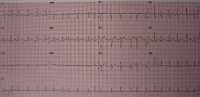
 Dr. Singer[/caption]
Daniel E. Singer, MD
Professor of Medicine, Harvard Medical School
Professor in the Department of Epidemiology
Harvard T.H. Chan School of Public Health
Division of General Internal Medicine
Massachusetts General Hospital
Boston, MA, 02114
MedicalResearch.com: What is the background for this study?
Response: Atrial fibrillation (AF) raises the risk of ischemic stroke 4-5-fold and this risk is largely reversible by oral anticoagulants (OAC). These facts are part of the core knowledge of internal medicine and the basis of multiple guidelines. They are based on studies of patients with persistent or predominantly “heavy burden” paroxysmal AF completed in the 1990s.
More recent studies using cardiac implantable devices (CIEDs: implantable defibrillators, pacemakers, etc) which have the capacity to monitor heart rhythm continuously have found that many older patients have brief, often undiagnosed, episodes of AF. Several of these studies have found that strokes occur during periods of sinus rhythm temporally distant from a preceding episode of AF. This has led to a widespread suspicion that AF is not a direct causal risk factor but a risk “marker” indicating the presence of other truly causal features like a diseased left atrium (atrial myopathy). If the risk marker hypothesis is correct, then long-term anticoagulation is needed even for brief and rare episodes of AF (assuming the patient’ s CHA2DS2-VASc score is high enough). The key problem with prior prospective studies using CIEDs was that only a small number of strokes were observed leading to inadequate statistical power.
Our study addressed this power problem by linking the very large Optum electronic health record database which could identify ischemic strokes with the Medtronic CareLink database of long-term, continuous heart rhythm records of patients with CIEDs. We ended up studying 891 individuals who had an ischemic stroke and had 120 days of continuous heart monitoring prior to the stroke.
Dr. Singer[/caption]
Daniel E. Singer, MD
Professor of Medicine, Harvard Medical School
Professor in the Department of Epidemiology
Harvard T.H. Chan School of Public Health
Division of General Internal Medicine
Massachusetts General Hospital
Boston, MA, 02114
MedicalResearch.com: What is the background for this study?
Response: Atrial fibrillation (AF) raises the risk of ischemic stroke 4-5-fold and this risk is largely reversible by oral anticoagulants (OAC). These facts are part of the core knowledge of internal medicine and the basis of multiple guidelines. They are based on studies of patients with persistent or predominantly “heavy burden” paroxysmal AF completed in the 1990s.
More recent studies using cardiac implantable devices (CIEDs: implantable defibrillators, pacemakers, etc) which have the capacity to monitor heart rhythm continuously have found that many older patients have brief, often undiagnosed, episodes of AF. Several of these studies have found that strokes occur during periods of sinus rhythm temporally distant from a preceding episode of AF. This has led to a widespread suspicion that AF is not a direct causal risk factor but a risk “marker” indicating the presence of other truly causal features like a diseased left atrium (atrial myopathy). If the risk marker hypothesis is correct, then long-term anticoagulation is needed even for brief and rare episodes of AF (assuming the patient’ s CHA2DS2-VASc score is high enough). The key problem with prior prospective studies using CIEDs was that only a small number of strokes were observed leading to inadequate statistical power.
Our study addressed this power problem by linking the very large Optum electronic health record database which could identify ischemic strokes with the Medtronic CareLink database of long-term, continuous heart rhythm records of patients with CIEDs. We ended up studying 891 individuals who had an ischemic stroke and had 120 days of continuous heart monitoring prior to the stroke.
 Dr. Hause[/caption]
Anne Hause PhD
Epidemiologist
Centers for Disease Control and Prevention
MedicalResearch.com: What is the background for this study?
Response: On August 12, 2021, the Food and Drug Administration (FDA) amended Emergency Use Authorizations (EUA) for the Pfizer-BioNTech and Moderna COVID-19 vaccines to authorize administration of an additional dose following completion of a primary vaccination series to eligible persons with moderate to severe immunocompromise.
Dr. Hause[/caption]
Anne Hause PhD
Epidemiologist
Centers for Disease Control and Prevention
MedicalResearch.com: What is the background for this study?
Response: On August 12, 2021, the Food and Drug Administration (FDA) amended Emergency Use Authorizations (EUA) for the Pfizer-BioNTech and Moderna COVID-19 vaccines to authorize administration of an additional dose following completion of a primary vaccination series to eligible persons with moderate to severe immunocompromise.
 Dr. Baktari[/caption]
Jonathan Baktari, MD
CEO of e7health.com
Dr. Baktari, CEO discusses Pfizer’s recent announcement that their vaccine trial for children ages 5-11 has been safe and effective, marking a major milestone in the fight against COVID-19.
MedicalResearch.com: What risks should parents weigh?
Response: Pfizer has already said that based on their studies the lower dose two shot COVID vaccine for children is safe, meaning that their data shows minimal side effects. If that data is correct, then we should expect the same minor symptoms we see with teenagers to the COVID vaccine
Dr. Baktari[/caption]
Jonathan Baktari, MD
CEO of e7health.com
Dr. Baktari, CEO discusses Pfizer’s recent announcement that their vaccine trial for children ages 5-11 has been safe and effective, marking a major milestone in the fight against COVID-19.
MedicalResearch.com: What risks should parents weigh?
Response: Pfizer has already said that based on their studies the lower dose two shot COVID vaccine for children is safe, meaning that their data shows minimal side effects. If that data is correct, then we should expect the same minor symptoms we see with teenagers to the COVID vaccine
 Dr. Adler[/caption]
Joel T. Adler, MD, MPH
Department of Surgery, Brigham and Women’s Hospital
Center for Surgery and Public Health
Brigham and Women’s Hospital
Boston, Massachusetts
MedicalResearch.com: What is the background for this study?
Response: For patients who require renal replacement therapy for failed kidneys, kidney transplantation increased length of life and improves quality of life. For many of these patients, their dialysis centers are the source of referral for evaluation for transplantation. These dialysis centers have a number of publicly-reported quality measures, but they largely focus on the provision of dialysis care and not how often the centers’ patients undergo a kidney transplant. Because these higher-rated facilities provide better dialysis care, we wanted to know if that benefit also spilled over into higher transplant listing rates.
Dr. Adler[/caption]
Joel T. Adler, MD, MPH
Department of Surgery, Brigham and Women’s Hospital
Center for Surgery and Public Health
Brigham and Women’s Hospital
Boston, Massachusetts
MedicalResearch.com: What is the background for this study?
Response: For patients who require renal replacement therapy for failed kidneys, kidney transplantation increased length of life and improves quality of life. For many of these patients, their dialysis centers are the source of referral for evaluation for transplantation. These dialysis centers have a number of publicly-reported quality measures, but they largely focus on the provision of dialysis care and not how often the centers’ patients undergo a kidney transplant. Because these higher-rated facilities provide better dialysis care, we wanted to know if that benefit also spilled over into higher transplant listing rates.
 Dr. Morris[/caption]
Shaun K. Morris MD, MPH, FRCPC, FAAP, DTM&H
Divisions of General Pediatrics
Clinician-Scientist, Division of Infectious Diseases
Division of Infectious Diseases at the Hospital for Sick Children (SickKids)
for the Canadian Paediatric Surveillance Program COVID-19 Study Team
MedicalResearch.com: What is the background for this study?
Response: The SARS-CoV-2 virus can cause the disease we now call COVID-19. In early 2020, when the SARS-CoV-2 virus first spread outside of China, it quickly became apparent that cases may be seen in Canada. It was not known at the time how infection with the virus would affect children and youth. Because more severe disease from other respiratory viruses often disproportionally affect the very young, we expected that a similar pattern may be seen with SARS-CoV-2. We also did not know if children and youth with certain underlying medical conditions may be at higher risk for more severe disease.
Ultimately, this study was designed to get a better understanding of how often children and youth in Canada are hospitalized with SARS-CoV-2 infection, how often severe disease happens, and which children or youth may be at higher risk for severe disease.
Dr. Morris[/caption]
Shaun K. Morris MD, MPH, FRCPC, FAAP, DTM&H
Divisions of General Pediatrics
Clinician-Scientist, Division of Infectious Diseases
Division of Infectious Diseases at the Hospital for Sick Children (SickKids)
for the Canadian Paediatric Surveillance Program COVID-19 Study Team
MedicalResearch.com: What is the background for this study?
Response: The SARS-CoV-2 virus can cause the disease we now call COVID-19. In early 2020, when the SARS-CoV-2 virus first spread outside of China, it quickly became apparent that cases may be seen in Canada. It was not known at the time how infection with the virus would affect children and youth. Because more severe disease from other respiratory viruses often disproportionally affect the very young, we expected that a similar pattern may be seen with SARS-CoV-2. We also did not know if children and youth with certain underlying medical conditions may be at higher risk for more severe disease.
Ultimately, this study was designed to get a better understanding of how often children and youth in Canada are hospitalized with SARS-CoV-2 infection, how often severe disease happens, and which children or youth may be at higher risk for severe disease.

 Dr. Kubik[/caption]
Martha Kubik, Ph.D., R.N.
Professor, School of Nursing
College of Health and Human Services
George Mason University
Member, U.S. Preventive Services Task Force
MedicalResearch.com: What is the background for this study? Are these infections increasing in incidence in the US?
Response: Chlamydia and gonorrhea are two of the most common sexually transmitted infections in the U.S. More people are being diagnosed with both of these STIs than ever, with nearly 2 million cases of chlamydia and more than 600,000 cases of gonorrhea reported in 2019, according to the CDC. Because most do not have symptoms, screening is vitally important to help ensure that these infections are discovered and treated, and serious health complications prevented.
Dr. Kubik[/caption]
Martha Kubik, Ph.D., R.N.
Professor, School of Nursing
College of Health and Human Services
George Mason University
Member, U.S. Preventive Services Task Force
MedicalResearch.com: What is the background for this study? Are these infections increasing in incidence in the US?
Response: Chlamydia and gonorrhea are two of the most common sexually transmitted infections in the U.S. More people are being diagnosed with both of these STIs than ever, with nearly 2 million cases of chlamydia and more than 600,000 cases of gonorrhea reported in 2019, according to the CDC. Because most do not have symptoms, screening is vitally important to help ensure that these infections are discovered and treated, and serious health complications prevented.
 Dr. Zorrilla Vaca[/caption]
Andres Zorrilla Vaca, MD
Resident Physician
Brigham and Women’s Hospital
Boston, Massachusetts
MedicalResearch.com: What is the background for this study?
Response: The background for this study was Enhanced Recovery After Surgery, also known as ERAS protocols. They basically consisted of a bundle of interventions that are performed preoperatively, intraoperatively and postoperatively with the aim of enhancing patient recovery and reducing complications.
This protocol in our institution started with a thorough preoperative counseling which includes, smoking cessation, pain and analgesia education, ERAS program expectations, pulmonary rehabilitation based on pulmonary function tests and incentive spirometry. On the day of surgery, prolonged fasting is avoided and a carbohydrate loading is given orally 2 hours before surgery. Our protocol also included a standardized multimodal analgesic regimen consisting of tramadol ER 300mg p.o. and gabapentin 300mg p.o., intraoperative acetaminophen 1gm i.v., posterior intercostal nerve blockade with liposomal bupivacaine 266mg prior to incision, intraoperative 30mg ketorolac upon wound closure and scheduled postoperative acetaminophen 1g p.o. q 6hrs and ketorolac 15mg i.v. q 6 hrs, as well as additonal interventions recommended by ERAS Society Guidelines.
As a general rule, preoperative sedatives (midazolam) are avoided as premedication and prophylaxis against nausea and vomiting (ondansetron, dexamethasone and scopolamine) is administered. Patients are kept euvolemic by using validated goal-directed fluid therapy algorithms (stroke volume variation and cardiac output) and normothermia is maintained throughout the procedure.
Dr. Zorrilla Vaca[/caption]
Andres Zorrilla Vaca, MD
Resident Physician
Brigham and Women’s Hospital
Boston, Massachusetts
MedicalResearch.com: What is the background for this study?
Response: The background for this study was Enhanced Recovery After Surgery, also known as ERAS protocols. They basically consisted of a bundle of interventions that are performed preoperatively, intraoperatively and postoperatively with the aim of enhancing patient recovery and reducing complications.
This protocol in our institution started with a thorough preoperative counseling which includes, smoking cessation, pain and analgesia education, ERAS program expectations, pulmonary rehabilitation based on pulmonary function tests and incentive spirometry. On the day of surgery, prolonged fasting is avoided and a carbohydrate loading is given orally 2 hours before surgery. Our protocol also included a standardized multimodal analgesic regimen consisting of tramadol ER 300mg p.o. and gabapentin 300mg p.o., intraoperative acetaminophen 1gm i.v., posterior intercostal nerve blockade with liposomal bupivacaine 266mg prior to incision, intraoperative 30mg ketorolac upon wound closure and scheduled postoperative acetaminophen 1g p.o. q 6hrs and ketorolac 15mg i.v. q 6 hrs, as well as additonal interventions recommended by ERAS Society Guidelines.
As a general rule, preoperative sedatives (midazolam) are avoided as premedication and prophylaxis against nausea and vomiting (ondansetron, dexamethasone and scopolamine) is administered. Patients are kept euvolemic by using validated goal-directed fluid therapy algorithms (stroke volume variation and cardiac output) and normothermia is maintained throughout the procedure.
 Dr. Tolliver[/caption]
Destiny Tolliver, MD
National Clinician Scholars Program
Yale University School of Medicine
New Haven, CT 06510-8088
Katherine Nash MD, MHS
Assistant Professor of Pediatrics
Columbia University Irving Medical Center
MedicalResearch.com: What is the background for this study?
Response: This study was motivated by work from our colleagues in the adult Emergency Medicine world. Earlier this year Dr. Ambrose Wong and colleagues published work describing racial disparities in the physical restraint of adults in the ED. This prompted our group to consider whether these disparities were also present for children.
Dr. Tolliver[/caption]
Destiny Tolliver, MD
National Clinician Scholars Program
Yale University School of Medicine
New Haven, CT 06510-8088
Katherine Nash MD, MHS
Assistant Professor of Pediatrics
Columbia University Irving Medical Center
MedicalResearch.com: What is the background for this study?
Response: This study was motivated by work from our colleagues in the adult Emergency Medicine world. Earlier this year Dr. Ambrose Wong and colleagues published work describing racial disparities in the physical restraint of adults in the ED. This prompted our group to consider whether these disparities were also present for children.


 Dr. Sonawane[/caption]
Kalyani Sonawane, PhD
Assistant Professor of Management, Policy and Community Health
UTHealth School of Public Health in Houston
MedicalResearch.com: What is the background for this study?
Response: Safety concern regarding the HPV vaccine is one of the most significant barriers to vaccination. Our objective was to determine how many US adolescents did not initiate the HPV vaccine during 2015-2018 because their parents had concerns regarding the vaccine’s safety.
We also analyzed vaccine adverse event reporting data, in parallel, to understand if the public sentiment of HPV vaccine safety is in alignment with evidence from the vaccine safety surveillance system.
Dr. Sonawane[/caption]
Kalyani Sonawane, PhD
Assistant Professor of Management, Policy and Community Health
UTHealth School of Public Health in Houston
MedicalResearch.com: What is the background for this study?
Response: Safety concern regarding the HPV vaccine is one of the most significant barriers to vaccination. Our objective was to determine how many US adolescents did not initiate the HPV vaccine during 2015-2018 because their parents had concerns regarding the vaccine’s safety.
We also analyzed vaccine adverse event reporting data, in parallel, to understand if the public sentiment of HPV vaccine safety is in alignment with evidence from the vaccine safety surveillance system.


 Helen Trottier Ph.D
Assistant Professor, Department of Social and Preventive Medicine,
Researcher, CHU Sainte-Justine Research Center
Université de Montréal
Montréal, Québec, Canada
MedicalResearch.com: What is the background for this study?
Response: We know that HPV infection can have serious consequences such as the development of cancerous lesions in the cervix. HPV infection is also very prevalent in young women of childbearing age but the possible consequences of HPV in pregnancy have been poorly studied. Some population registers around the world have shown a reduction in the risk of preterm birth with HPV mass vaccination, but we must be careful with this kind of ecological correlation.
We have set up a large cohort study in pregnant women to study the association between HPV in pregnancy and preterm birth by targeting certain HPV genotypes and the duration of the infection.
Helen Trottier Ph.D
Assistant Professor, Department of Social and Preventive Medicine,
Researcher, CHU Sainte-Justine Research Center
Université de Montréal
Montréal, Québec, Canada
MedicalResearch.com: What is the background for this study?
Response: We know that HPV infection can have serious consequences such as the development of cancerous lesions in the cervix. HPV infection is also very prevalent in young women of childbearing age but the possible consequences of HPV in pregnancy have been poorly studied. Some population registers around the world have shown a reduction in the risk of preterm birth with HPV mass vaccination, but we must be careful with this kind of ecological correlation.
We have set up a large cohort study in pregnant women to study the association between HPV in pregnancy and preterm birth by targeting certain HPV genotypes and the duration of the infection.

 Dr. Ezhkova[/caption]
Elena Ezhkova, PhD
Professor, Department of Cell, Developmental, and Regenerative Biology
Professsor, Dermatology
Lab Head,The Black Family Stem Cell Institute
Icahn School of Medicine at Mount Sinai
New York
[caption id="attachment_58115" align="alignleft" width="125"]
Dr. Ezhkova[/caption]
Elena Ezhkova, PhD
Professor, Department of Cell, Developmental, and Regenerative Biology
Professsor, Dermatology
Lab Head,The Black Family Stem Cell Institute
Icahn School of Medicine at Mount Sinai
New York
[caption id="attachment_58115" align="alignleft" width="125"] Dr. Li[/caption]
Meng-Yen Li, PhD
Postdoctoral Fellow
The Black Family Stem Cell Institute
MedicalResearch.com: What is the background for this study?
Response: The epidermis is the primary barrier and the first line of defense to combat environmental stressors. The sun's ultraviolet (UV) is one of the main environmental stressors that our body is exposed to daily. UV produces DNA damage in epidermal cells and is a leading cause of skin cancers.
To protect from the damaging effects of UV, epidermal cells become pigmented by melanocytes, pigment-producing cells. Taken up by epidermal cells, the melanin pigment absorbs UV light and reduces DNA damage. How the epidermis senses UV and how it leads to epidermal pigmentation is poorly understood.
Dr. Li[/caption]
Meng-Yen Li, PhD
Postdoctoral Fellow
The Black Family Stem Cell Institute
MedicalResearch.com: What is the background for this study?
Response: The epidermis is the primary barrier and the first line of defense to combat environmental stressors. The sun's ultraviolet (UV) is one of the main environmental stressors that our body is exposed to daily. UV produces DNA damage in epidermal cells and is a leading cause of skin cancers.
To protect from the damaging effects of UV, epidermal cells become pigmented by melanocytes, pigment-producing cells. Taken up by epidermal cells, the melanin pigment absorbs UV light and reduces DNA damage. How the epidermis senses UV and how it leads to epidermal pigmentation is poorly understood.
 Dr. Davidson[/caption]
Karina W. Davidson, Ph.D., M.A.Sc.
Professor of Behavioral Medicine
Zucker School of Medicine at Hofstra University/Northwell Health
Chairperson, USPSTF
MedicalResearch.com: What is the background for this study? What are the main findings?
Response: The social and economic conditions in someone’s life, such as whether or not they have secure food, housing, or transportation, can affect their health in multiple ways. As part of our commitment to improving health equity, the U.S. Preventive Services Task Force took two key steps.
We both thoroughly reviewed the existing research around screening and interventions for social risk factors, and audited our own portfolio of recommendation statements to determine how and how often social risks have been considered in the past. This information serves as a benchmark and foundation for our ongoing work to further advance health equity through our methods and recommendations.
Dr. Davidson[/caption]
Karina W. Davidson, Ph.D., M.A.Sc.
Professor of Behavioral Medicine
Zucker School of Medicine at Hofstra University/Northwell Health
Chairperson, USPSTF
MedicalResearch.com: What is the background for this study? What are the main findings?
Response: The social and economic conditions in someone’s life, such as whether or not they have secure food, housing, or transportation, can affect their health in multiple ways. As part of our commitment to improving health equity, the U.S. Preventive Services Task Force took two key steps.
We both thoroughly reviewed the existing research around screening and interventions for social risk factors, and audited our own portfolio of recommendation statements to determine how and how often social risks have been considered in the past. This information serves as a benchmark and foundation for our ongoing work to further advance health equity through our methods and recommendations.

 Dr. Cole[/caption]
Megan B. Cole, PhD, MPH
Assistant Professor | Dept. of Health Law, Policy, & Management
Co-Director | BU Medicaid Policy Lab
Boston University School of Public Health
Boston, MA 02118
MedicalResearch.com: What is the background for this study?
Response: Under the Affordable Care Act, states were given the option to expand Medicaid eligibility to nonelderly adults with incomes up to 138% of the federal poverty level, where in January 2014, 25 states plus Washington, DC expanded eligibility, with 13 additional states expanding thereafter. State Medicaid expansion decisions were particularly consequential for federally qualified health centers (FQHCs), which serve nearly 30 million low-income, disproportionately uninsured patients across the US.
We know from earlier work that in the shorter-term, Medicaid expansion was associated with improvements in quality of care process measures and FQHC service capacity. However, we conducted the first known nationally representative study to examine how Medicaid expansion impacted key chronic disease outcome measures at FQHCs over the longer-term by looking at changes five years after implementation, including changes by race/ethnicity.
Dr. Cole[/caption]
Megan B. Cole, PhD, MPH
Assistant Professor | Dept. of Health Law, Policy, & Management
Co-Director | BU Medicaid Policy Lab
Boston University School of Public Health
Boston, MA 02118
MedicalResearch.com: What is the background for this study?
Response: Under the Affordable Care Act, states were given the option to expand Medicaid eligibility to nonelderly adults with incomes up to 138% of the federal poverty level, where in January 2014, 25 states plus Washington, DC expanded eligibility, with 13 additional states expanding thereafter. State Medicaid expansion decisions were particularly consequential for federally qualified health centers (FQHCs), which serve nearly 30 million low-income, disproportionately uninsured patients across the US.
We know from earlier work that in the shorter-term, Medicaid expansion was associated with improvements in quality of care process measures and FQHC service capacity. However, we conducted the first known nationally representative study to examine how Medicaid expansion impacted key chronic disease outcome measures at FQHCs over the longer-term by looking at changes five years after implementation, including changes by race/ethnicity.
 Martina Svensson[/caption]
Martina Svensson
Experimental Neuroinflammation Laboratory
Department of Experimental Medical Science
Lund University, Lund, Sweden
MedicalResearch.com: What is the background for this study?
Response: We followed almost 200,000 long-distance skiers for up to two decades and investigated how many of these skiers were diagnosed with anxiety disorders compared to people of the same sex and age in the general population. In total, the study included almost 400,000 people. (Previous studies have shown that Vasaloppet skiers are significantly more physically active than the general population.)
Martina Svensson[/caption]
Martina Svensson
Experimental Neuroinflammation Laboratory
Department of Experimental Medical Science
Lund University, Lund, Sweden
MedicalResearch.com: What is the background for this study?
Response: We followed almost 200,000 long-distance skiers for up to two decades and investigated how many of these skiers were diagnosed with anxiety disorders compared to people of the same sex and age in the general population. In total, the study included almost 400,000 people. (Previous studies have shown that Vasaloppet skiers are significantly more physically active than the general population.)