Posted at 17:39h
in
Nursing
There is a massive nursing shortage being faced by countries all around the world. The ever-increasing population means more resources and professionals in the healthcare sector are needed. Though healthcare as a whole suffers from massive shortages, the shortage is felt most keenly within nursing.
Nurses make up for
half the global healthcare workforce. Globally it is estimated that there will be a shortage of between 7 million and 13 million.
A global shortage indicates a global issue. Many professionals believe that to offset this shortage, and finally make headway with improving healthcare as a whole, a global solution is necessary.
The Nursing Shortage and Its Complications
Globally it is estimated that by 2030 there will be a shortage of 7 million to 13 million nurses. This includes the current shortage of 6 million nurses we are currently facing around the world.
Many experts believe
a global solution is essential when the issue spans across borders. Though the issue is a global one, the current method that many developed countries are using is no longer working. In the past, the solution was simply to hire nurses from abroad to work here. On average, it is estimated that 16% of nurses are foreign-born.
The nursing shortage is nothing new. There has
been a shortage of nurses in the United States since the 1930s. Immigration requirements have eased and encouraged international nurses to move to the United States to work there since the 1950s.
While immigration itself is not a problem, looking only for solutions outside of home soil does cause international issues. Hiring talented healthcare workers from other countries often leaves the healthcare situation in their home country in a worse situation. Jamaica, for example, has lost 29% of its critical care nurses to migration.
Hiring from other countries is not a long-term solution. Nor is it a solution that works on a global scale. Improving working conditions, education conditions, and the work/life balance of nurses is a must.
There is a pervasive view that nurses are overworked and underpaid. Addressing the cause of this view, and the view itself, can help transition nursing from a vocation to a vied-for career.
One of the most critical issues that exacerbate the nursing shortage is the fast turnaround of nurses. Thomas Jordan, an American Hospital Association spokesperson, claims that up to
33% of new nurses will leave the workforce within two years.







 Ali M. Fazlollahi[/caption]
Ali M. Fazlollahi, MSc, McGill Medicine Class of 2025
Neurosurgical Simulation and Artificial Intelligence Learning Centre
Department of Neurology and Neurosurgery, Montreal Neurological Institute and Hospital
Faculty of Medicine and Health Sciences
McGill University, Montreal, Canada
MedicalResearch.com: What is the background for this study?
Response: COVID-19 disrupted hands on surgical exposure of medical students and academic centres around the world had to quickly adapt to teaching technical skills remotely. At the same time, advances in artificial intelligence (AI) allowed researchers at the Neurosurgical Simulation and Artificial Intelligence Learning Centre to develop an intelligent tutoring system that evaluates performance and provides high-quality personalized feedback to students. Because this is the first AI system capable of providing surgical instructions in simulation, we sought to evaluate its effectiveness compared with learning from expert human instructors who provided coaching remotely.
Ali M. Fazlollahi[/caption]
Ali M. Fazlollahi, MSc, McGill Medicine Class of 2025
Neurosurgical Simulation and Artificial Intelligence Learning Centre
Department of Neurology and Neurosurgery, Montreal Neurological Institute and Hospital
Faculty of Medicine and Health Sciences
McGill University, Montreal, Canada
MedicalResearch.com: What is the background for this study?
Response: COVID-19 disrupted hands on surgical exposure of medical students and academic centres around the world had to quickly adapt to teaching technical skills remotely. At the same time, advances in artificial intelligence (AI) allowed researchers at the Neurosurgical Simulation and Artificial Intelligence Learning Centre to develop an intelligent tutoring system that evaluates performance and provides high-quality personalized feedback to students. Because this is the first AI system capable of providing surgical instructions in simulation, we sought to evaluate its effectiveness compared with learning from expert human instructors who provided coaching remotely.


 Dr. Ying-Hui Fu[/caption]
Ying-Hui Fu, PhD
Professor, Neurology
Weill Institute for Neurosciences
UCSF
MedicalResearch.com: What is the background for this study?
Response: Most people are aware that a lack of sleep is associated with all sorts of health issues. However, familial natural short sleeper (FNSS) individuals sleep 4-6.5 hours a night most of their live and stay healthy. We set out to determine whether natural short sleep mutations can offer protection from various diseases. We chose Alzheimer as an example to start.
Dr. Ying-Hui Fu[/caption]
Ying-Hui Fu, PhD
Professor, Neurology
Weill Institute for Neurosciences
UCSF
MedicalResearch.com: What is the background for this study?
Response: Most people are aware that a lack of sleep is associated with all sorts of health issues. However, familial natural short sleeper (FNSS) individuals sleep 4-6.5 hours a night most of their live and stay healthy. We set out to determine whether natural short sleep mutations can offer protection from various diseases. We chose Alzheimer as an example to start.
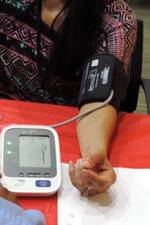
 Dr. Palatini[/caption]
Paolo Palatini, M.D.
Professor of Internal Medicine
University of Padova
Padova, Italy
MedicalResearch.com: What is the background for this study?
Response: Up to now doctors measured blood pressure (BP) on standing only in elderly people on pharmacological treatment with the purpose of detecting orthostatic hypotension. In young-to-middle-age people BP is currently measured only in the lying or the sitting posture.
Our starting point was that young borderline hypertensive people have an increased sympathetic activity and thus they might be hyperreactive to physical stimuli such as assuming the orthostatic posture which may be deleterious in the long run. This hypothesis was tested in the HARVEST, a study initiated in Italy in 1990, in which over 1200 young patients screened for stage 1 hypertension were enrolled.
Dr. Palatini[/caption]
Paolo Palatini, M.D.
Professor of Internal Medicine
University of Padova
Padova, Italy
MedicalResearch.com: What is the background for this study?
Response: Up to now doctors measured blood pressure (BP) on standing only in elderly people on pharmacological treatment with the purpose of detecting orthostatic hypotension. In young-to-middle-age people BP is currently measured only in the lying or the sitting posture.
Our starting point was that young borderline hypertensive people have an increased sympathetic activity and thus they might be hyperreactive to physical stimuli such as assuming the orthostatic posture which may be deleterious in the long run. This hypothesis was tested in the HARVEST, a study initiated in Italy in 1990, in which over 1200 young patients screened for stage 1 hypertension were enrolled.


 Dr. Rathmann[/caption]
Prof. Wolfgang Rathmann MSPH
Prof. of Epidemiology
Deputy Director, Institute for Biometrics and Epidemiology,
German Diabetes Center, Heinrich Heine University
Düsseldorf, Germany
MedicalResearch.com: What is the background for this study?
Response: Diabetes is associated with a poor prognosis of COVID-19. There have been raised concerns about a bidirectional relationship between diabetes and COVID-19. Recent studies raised the possibility that SARS-CoV-2 can cause diabetes. However, there is a lack of studies investigating the incidence of diabetes after recovery from COVID-19 in mild cases.
To provide more evidence, we analyzed electronic health records from 1,171 general and internal medicine practices across Germany between March 2020 and January 2021. This included 35,865 patients who were diagnosed with COVID-19. The incidence of diabetes after COVID-19 was compared with patients, who were diagnosed with an acute upper respiratory tract infection (AURI), matched for sex, age, and comorbidities including obesity, high blood pressure, high cholesterol, heart attack, and stroke.
Dr. Rathmann[/caption]
Prof. Wolfgang Rathmann MSPH
Prof. of Epidemiology
Deputy Director, Institute for Biometrics and Epidemiology,
German Diabetes Center, Heinrich Heine University
Düsseldorf, Germany
MedicalResearch.com: What is the background for this study?
Response: Diabetes is associated with a poor prognosis of COVID-19. There have been raised concerns about a bidirectional relationship between diabetes and COVID-19. Recent studies raised the possibility that SARS-CoV-2 can cause diabetes. However, there is a lack of studies investigating the incidence of diabetes after recovery from COVID-19 in mild cases.
To provide more evidence, we analyzed electronic health records from 1,171 general and internal medicine practices across Germany between March 2020 and January 2021. This included 35,865 patients who were diagnosed with COVID-19. The incidence of diabetes after COVID-19 was compared with patients, who were diagnosed with an acute upper respiratory tract infection (AURI), matched for sex, age, and comorbidities including obesity, high blood pressure, high cholesterol, heart attack, and stroke.

 Dr. Torkamani[/caption]
Ali Torkamani, Ph.D.
Director of Genomics and Genome Informatics
Scripps Research Translational Institute
Professor, Integrative Structural and Computational Biology
Scripps Research
La Jolla, CA 92037
MedicalResearch.com: What is the background for this study?
Response: Prior research has shown that people with higher polygenic risk for coronary artery disease achieve greater risk reduction with statin or other lipid lowering therapy. In general, adherence to standard guidelines for lipid lowering therapy is low - about 30% of people who should be on lipid lowering therapy are, with no correlation to their genetic risk. We set out to see whether communicating personalized risk, including polygenic risk, for coronary artery disease would drive the adoption of lipid lowering therapy.
Dr. Torkamani[/caption]
Ali Torkamani, Ph.D.
Director of Genomics and Genome Informatics
Scripps Research Translational Institute
Professor, Integrative Structural and Computational Biology
Scripps Research
La Jolla, CA 92037
MedicalResearch.com: What is the background for this study?
Response: Prior research has shown that people with higher polygenic risk for coronary artery disease achieve greater risk reduction with statin or other lipid lowering therapy. In general, adherence to standard guidelines for lipid lowering therapy is low - about 30% of people who should be on lipid lowering therapy are, with no correlation to their genetic risk. We set out to see whether communicating personalized risk, including polygenic risk, for coronary artery disease would drive the adoption of lipid lowering therapy.


 Dr. Sesso[/caption]
Howard D. Sesso, ScD, MPH
Associate Professor of Medicine
Division of Preventive Medicine
Brigham and Women's Hospital
MedicalResearch.com: What is the background for this study? How does the amount of flavanols in the study arm compare to what might be obtained in a typical diet?
Response: The COcoa Supplement and Multivitamin Outcomes Study (COSMOS) is a randomized, double-blind, placebo-controlled clinical trial that tested the effects of two promising dietary supplements on cardiovascular disease (CVD) and cancer in 21,442 older adults. Cocoa flavanols have been shown to have favorable vascular effects in small and short-term clinical trials. The 500 mg/day flavanols tested in COSMOS exceeds that readily obtained in the diet typically from cocoa, tea, grapes, and berries. Of note, flavanol content in not typically listed on food labels.
COSMOS also tested a multivitamin, the most common dietary supplement taken by US adults and previously linked with a potential modest reduction in cancer in a previous long-term trial of men conducted by our research group at the Division of Preventive Medicine at Brigham and Women’s Hospital.
Dr. Sesso[/caption]
Howard D. Sesso, ScD, MPH
Associate Professor of Medicine
Division of Preventive Medicine
Brigham and Women's Hospital
MedicalResearch.com: What is the background for this study? How does the amount of flavanols in the study arm compare to what might be obtained in a typical diet?
Response: The COcoa Supplement and Multivitamin Outcomes Study (COSMOS) is a randomized, double-blind, placebo-controlled clinical trial that tested the effects of two promising dietary supplements on cardiovascular disease (CVD) and cancer in 21,442 older adults. Cocoa flavanols have been shown to have favorable vascular effects in small and short-term clinical trials. The 500 mg/day flavanols tested in COSMOS exceeds that readily obtained in the diet typically from cocoa, tea, grapes, and berries. Of note, flavanol content in not typically listed on food labels.
COSMOS also tested a multivitamin, the most common dietary supplement taken by US adults and previously linked with a potential modest reduction in cancer in a previous long-term trial of men conducted by our research group at the Division of Preventive Medicine at Brigham and Women’s Hospital. 
 Arman A. Shahriar
Medical Student, University of Minnesota Medical School Research
Consultant, HealthPartners Institute
Minneapolis, Minnesota
Arman A. Shahriar
Medical Student, University of Minnesota Medical School Research
Consultant, HealthPartners Institute
Minneapolis, Minnesota
 Dr. Cortese[/caption]
Rene Cortese, PhD
Assistant Professor
Department of Child Health – Child Health Research Institute
Department of Obstetrics, Gynecology and Women’s Health
School of Medicine
Core Faculty - MU Institute for Data Science and Informatics
University of Missouri
Columbia, MO 65212
MedicalResearch.com: What is the background for this study? What are the main findings?
Response: Obstructive sleep apnea (OSA) affects 22 million people in the U.S. and is linked to a higher risk of hypertension, heart attacks, stroke, diabetes, and many other chronic conditions.
We have found that untreated OSA also accelerates the biological aging process, and that appropriate treatment can slow or possibly reverse the trend. Age acceleration testing involves a blood test that analyzes DNA and uses an algorithm to measure a person’s biological age. The phenomenon of a person’s biological age surpassing their chronological age is called “epigenetic age acceleration” and is linked to overall mortality and to chronic diseases.
Dr. Cortese[/caption]
Rene Cortese, PhD
Assistant Professor
Department of Child Health – Child Health Research Institute
Department of Obstetrics, Gynecology and Women’s Health
School of Medicine
Core Faculty - MU Institute for Data Science and Informatics
University of Missouri
Columbia, MO 65212
MedicalResearch.com: What is the background for this study? What are the main findings?
Response: Obstructive sleep apnea (OSA) affects 22 million people in the U.S. and is linked to a higher risk of hypertension, heart attacks, stroke, diabetes, and many other chronic conditions.
We have found that untreated OSA also accelerates the biological aging process, and that appropriate treatment can slow or possibly reverse the trend. Age acceleration testing involves a blood test that analyzes DNA and uses an algorithm to measure a person’s biological age. The phenomenon of a person’s biological age surpassing their chronological age is called “epigenetic age acceleration” and is linked to overall mortality and to chronic diseases.


 Dr. Wong[/caption]
Susan P. Y. Wong, MD MS
Assistant Professor
Division of Nephrology
University of Washington
VA Puget Sound Health Care System
MedicalResearch.com: What is the background for this study? What are the main findings?
Response: Very little is known about the care and outcomes of patients who reach the end stages of kidney disease and do not pursue dialysis. We conducted a systematic review of longitudinal studies on patients with advanced kidney disease who forgo dialysis to determine their long-term outcomes.
We found that many patients survived several years and experienced sustained quality of life until late in the illness course. However, use of acute care services was common and there was a high degree of variability in access to supportive care services near the end of life.
Dr. Wong[/caption]
Susan P. Y. Wong, MD MS
Assistant Professor
Division of Nephrology
University of Washington
VA Puget Sound Health Care System
MedicalResearch.com: What is the background for this study? What are the main findings?
Response: Very little is known about the care and outcomes of patients who reach the end stages of kidney disease and do not pursue dialysis. We conducted a systematic review of longitudinal studies on patients with advanced kidney disease who forgo dialysis to determine their long-term outcomes.
We found that many patients survived several years and experienced sustained quality of life until late in the illness course. However, use of acute care services was common and there was a high degree of variability in access to supportive care services near the end of life.

 Dr. Launer[/caption]
Lenore J. Launer, Ph.D.
Chief, Laboratory of Epidemiology and Population Sciences
Intramural Research Program, National Institute on Aging.
MedicalResearch.com: What is the background for this study? What are the main findings?
Response: Identifying early risk factors and early changes in the brain will have a major impact on future clinical and public health priorities related to the looming epidemic of dementia. Several studies based on older populations suggest mid-life is an important period to start prevention measures. To date control of blood pressure levels has been the most robust and promising candidate to target for prevention of future cognitive impairment. Although several studies have looked at levels of blood pressure and risk for cognitive impairment, it was not known whether trajectories from young adulthood to middle age studies provided additional information about risk. To investigate possible biomarkers of future risk, we chose to examine the association of the mean arterial blood pressure trajectories to indicators of pathology seen on MRI and that are associated with cognition.
We highlight the results of the mean arterial blood pressure (MAP) measure, which is an integrated measure of systolic and diastolic blood pressure.
Dr. Launer[/caption]
Lenore J. Launer, Ph.D.
Chief, Laboratory of Epidemiology and Population Sciences
Intramural Research Program, National Institute on Aging.
MedicalResearch.com: What is the background for this study? What are the main findings?
Response: Identifying early risk factors and early changes in the brain will have a major impact on future clinical and public health priorities related to the looming epidemic of dementia. Several studies based on older populations suggest mid-life is an important period to start prevention measures. To date control of blood pressure levels has been the most robust and promising candidate to target for prevention of future cognitive impairment. Although several studies have looked at levels of blood pressure and risk for cognitive impairment, it was not known whether trajectories from young adulthood to middle age studies provided additional information about risk. To investigate possible biomarkers of future risk, we chose to examine the association of the mean arterial blood pressure trajectories to indicators of pathology seen on MRI and that are associated with cognition.
We highlight the results of the mean arterial blood pressure (MAP) measure, which is an integrated measure of systolic and diastolic blood pressure.


 Response: Cigarette smoking is one of the well-established causes of periodontitis, but the effect of using electronic cigarettes (e-cig), especially its long-term impact on periodontal health, is not yet clearly understood. Considering the increased popularity of e-cig use, especially among teenagers and young adults, and the known effect of high nicotine concentration in e-cigarette products, we conducted this clinical research to see if there were differences in periodontal health between e-cig users, traditional smokers, and nonsmokers. The study consisted of two visits, 6 months apart, where measures of oral and periodontal health were obtained.
Our data showed significantly greater clinical attachment loss in the e-cigarette users and cigarette smokers than in the non-smokers at both study visits. In only e-cigarette users, we observed an over 0.2 mm average increase in the clinical attachment loss after 6 months.
Response: Cigarette smoking is one of the well-established causes of periodontitis, but the effect of using electronic cigarettes (e-cig), especially its long-term impact on periodontal health, is not yet clearly understood. Considering the increased popularity of e-cig use, especially among teenagers and young adults, and the known effect of high nicotine concentration in e-cigarette products, we conducted this clinical research to see if there were differences in periodontal health between e-cig users, traditional smokers, and nonsmokers. The study consisted of two visits, 6 months apart, where measures of oral and periodontal health were obtained.
Our data showed significantly greater clinical attachment loss in the e-cigarette users and cigarette smokers than in the non-smokers at both study visits. In only e-cigarette users, we observed an over 0.2 mm average increase in the clinical attachment loss after 6 months. 
 Dr. Kartal[/caption]
Ece Kartal, PhD
Postdoctoral Fellow
Saez-Rodriguez Group
Universitätsklinikum Heidelberg
Institute for Computational Biomedicine
Heidelberg
MedicalResearch.com: What is the background for this study?
Response: Pancreatic cancer is one of the deadliest types of cancer: although incidence rates are relatively low (only few people develop pancreatic cancer in their lifetimes), it has a high lethality, with a five year survival rate of less than ~5%. Pancreatic cancer symptoms are generally unspecific so that the disease is usually detected very late which further limits therapeutic options. In light of this, earlier detection of pancreatic cancer could dramatically improve prognosis, but there are currently no affordable and non-invasive tests available in the clinic.
For pancreatic ductal adenocarcinoma (PDAC),the most common form of pancreatic cancer, it was previously found that the oral, gut and pancreatic microbiome are risk factors and may affect prognosis .
Dr. Kartal[/caption]
Ece Kartal, PhD
Postdoctoral Fellow
Saez-Rodriguez Group
Universitätsklinikum Heidelberg
Institute for Computational Biomedicine
Heidelberg
MedicalResearch.com: What is the background for this study?
Response: Pancreatic cancer is one of the deadliest types of cancer: although incidence rates are relatively low (only few people develop pancreatic cancer in their lifetimes), it has a high lethality, with a five year survival rate of less than ~5%. Pancreatic cancer symptoms are generally unspecific so that the disease is usually detected very late which further limits therapeutic options. In light of this, earlier detection of pancreatic cancer could dramatically improve prognosis, but there are currently no affordable and non-invasive tests available in the clinic.
For pancreatic ductal adenocarcinoma (PDAC),the most common form of pancreatic cancer, it was previously found that the oral, gut and pancreatic microbiome are risk factors and may affect prognosis .


 Dr. LaMonte[/caption]
Michael J. LaMonte, PhD, MPH
Research Professor (epidemiology)
Department of Epidemiology and Environmental Health
School of Public Health and Health Professions
Women’s Health Initiative Northeast Regional Center
University at Buffalo – SUNY
Buffalo, NY 14214
MedicalResearch.com: What is the background for this study? What are the main findings?
Dr. LaMonte: The rationale for this study was based on existing study results showing
Dr. LaMonte[/caption]
Michael J. LaMonte, PhD, MPH
Research Professor (epidemiology)
Department of Epidemiology and Environmental Health
School of Public Health and Health Professions
Women’s Health Initiative Northeast Regional Center
University at Buffalo – SUNY
Buffalo, NY 14214
MedicalResearch.com: What is the background for this study? What are the main findings?
Dr. LaMonte: The rationale for this study was based on existing study results showing

 Dr. Stingone[/caption]
Jeanette Stingone PhD
Assistant Professor, Epidemiology
Mailman School of Public Health
Columbia University
MedicalResearch.com: What is the background for this study? What are the main findings?
Response: Lead is a well-established neurotoxin, particularly when exposure occurs early in life and in childhood. Associations between elevated blood lead levels and lower scores on tests of neurodevelopment and cognition are seen consistently across studies, even when examining lower levels of exposure.
While reducing exposure to lead is the primary intervention to prevent these adverse outcomes, there aren’t many interventions designed to support the neurodevelopment of children who have been exposed to lead. Some municipalities consider elevated blood lead levels as a criteria for inclusion in Early Intervention programs. Early Intervention programs are mandated under the Individuals with Disabilities Education Act and provide services for children younger than 3 years old with disabilities or developmental delays.
The objective of this study was to compare 3rd grade standardized test scores among children who had elevated blood lead levels early in life to see if children who had received Early Intervention services performed better on these tests than those who did not receive services. Using matching methods and an existing administrative data linkage of children who were born and attended public school in New York City, we observed that children exposed to lead who received Early Intervention services scored higher on standardized tests in both math and English Language arts than children exposed to lead who did not receive services.
Dr. Stingone[/caption]
Jeanette Stingone PhD
Assistant Professor, Epidemiology
Mailman School of Public Health
Columbia University
MedicalResearch.com: What is the background for this study? What are the main findings?
Response: Lead is a well-established neurotoxin, particularly when exposure occurs early in life and in childhood. Associations between elevated blood lead levels and lower scores on tests of neurodevelopment and cognition are seen consistently across studies, even when examining lower levels of exposure.
While reducing exposure to lead is the primary intervention to prevent these adverse outcomes, there aren’t many interventions designed to support the neurodevelopment of children who have been exposed to lead. Some municipalities consider elevated blood lead levels as a criteria for inclusion in Early Intervention programs. Early Intervention programs are mandated under the Individuals with Disabilities Education Act and provide services for children younger than 3 years old with disabilities or developmental delays.
The objective of this study was to compare 3rd grade standardized test scores among children who had elevated blood lead levels early in life to see if children who had received Early Intervention services performed better on these tests than those who did not receive services. Using matching methods and an existing administrative data linkage of children who were born and attended public school in New York City, we observed that children exposed to lead who received Early Intervention services scored higher on standardized tests in both math and English Language arts than children exposed to lead who did not receive services. 



 Dr. Chan[/caption]
Edmond S. Chan MD, FRCPC, FCSACI, FAAAAI
Head | Division of Allergy & Immunology | Department of Pediatrics, Faculty of Medicine
Clinical Professor, The University of British Columbia
Clinical Investigator, BC Children's Hospital Research Institute
BC Children's Hospital, Allergy Clinic
Vancouver, BC Canada
Treasurer, CSACI (Canadian Society of Allergy & Clinical Immunology)
MedicalResearch.com: What prompted you to look at the safety of peanut oral immunotherapy specifically in this patient population?
Response: Our previous research has investigated the overall safety of peanut oral immunotherapy (OIT) in preschool populations. However, we have not investigated the relationship between specific patient characteristics and the safety of OIT. Previous literature has shown that patient factors, such as age, gender, baseline sIgE levels, and atopic comorbidities have been shown to impact the safety of OIT for other food allergies and in older patients. However, no data exist on which factors predict safety of peanut OIT in preschool populations.
Dr. Chan[/caption]
Edmond S. Chan MD, FRCPC, FCSACI, FAAAAI
Head | Division of Allergy & Immunology | Department of Pediatrics, Faculty of Medicine
Clinical Professor, The University of British Columbia
Clinical Investigator, BC Children's Hospital Research Institute
BC Children's Hospital, Allergy Clinic
Vancouver, BC Canada
Treasurer, CSACI (Canadian Society of Allergy & Clinical Immunology)
MedicalResearch.com: What prompted you to look at the safety of peanut oral immunotherapy specifically in this patient population?
Response: Our previous research has investigated the overall safety of peanut oral immunotherapy (OIT) in preschool populations. However, we have not investigated the relationship between specific patient characteristics and the safety of OIT. Previous literature has shown that patient factors, such as age, gender, baseline sIgE levels, and atopic comorbidities have been shown to impact the safety of OIT for other food allergies and in older patients. However, no data exist on which factors predict safety of peanut OIT in preschool populations. 
 Dr. Chen[/caption]
Chih-Shan Jason Chen, MD, PhD
Director, Dermatologic and Mohs Micrographic Surgery Unit
Memorial Sloan Kettering Skin Cancer Center at Hauppauge
Attending Mohs Surgeon, Dermatology Service
Memorial Sloan Kettering Cancer Center
Chief, Dermatologic Surgery Northport VA Medical Center
Associate Professor of Clinical Dermatology
Renaissance School of Medicine at Stony Brook University
MedicalResearch.com: What is the background for this study?
Response: Managing a surgical wound on the lower leg can be a challenge. Often, higher wound tension, atrophic skin, edema, and compromised circulation result in higher risks of wound dehiscence and infection, and significantly limit the capacity of wound closure post-surgically. Therefore, healing by secondary intention is a practical option for many lower leg Mohs defects. However, a secondary intention wound on the lower leg is expected to take a longer time to heal. Certain factors such as older age and health conditions of the host may adversely affect healing time.
Timolol is a nonselective beta-adrenergic receptor antagonist that has FDA approval for the treatment of glaucoma. In addition to this FDA-approved indication, topical timolol has several off-label uses in dermatology, such as for the treatment of infantile hemangiomas, venous stasis ulcers, and refractory wounds. Although timolol solution has been used in chronic wounds, knowledges of the efficacy and utility of timolol in an acute post-surgical wound setting is lacking.
Dr. Chen[/caption]
Chih-Shan Jason Chen, MD, PhD
Director, Dermatologic and Mohs Micrographic Surgery Unit
Memorial Sloan Kettering Skin Cancer Center at Hauppauge
Attending Mohs Surgeon, Dermatology Service
Memorial Sloan Kettering Cancer Center
Chief, Dermatologic Surgery Northport VA Medical Center
Associate Professor of Clinical Dermatology
Renaissance School of Medicine at Stony Brook University
MedicalResearch.com: What is the background for this study?
Response: Managing a surgical wound on the lower leg can be a challenge. Often, higher wound tension, atrophic skin, edema, and compromised circulation result in higher risks of wound dehiscence and infection, and significantly limit the capacity of wound closure post-surgically. Therefore, healing by secondary intention is a practical option for many lower leg Mohs defects. However, a secondary intention wound on the lower leg is expected to take a longer time to heal. Certain factors such as older age and health conditions of the host may adversely affect healing time.
Timolol is a nonselective beta-adrenergic receptor antagonist that has FDA approval for the treatment of glaucoma. In addition to this FDA-approved indication, topical timolol has several off-label uses in dermatology, such as for the treatment of infantile hemangiomas, venous stasis ulcers, and refractory wounds. Although timolol solution has been used in chronic wounds, knowledges of the efficacy and utility of timolol in an acute post-surgical wound setting is lacking.