


You should always see a doctor first if you have poor sleep quality, have trouble falling asleep, or staying asleep before you start self-medicating with CBD....
 Dr. Grotta[/caption]
James Grotta, MD
Director of Stroke Research
Clinical Institute for Research and Innovation
Memorial Hermann - Texas Medical Center
Director, Mobile Stroke Unit Consortium
University of Texas Health
MedicalResearch.com: What is the background for this study?
Response: We have good stroke treatments (thrombolysis and thrombectomy). Since the initial studies showing benefit of thrombolysis, it has been difficult to improve on the amount of benefit except by speeding its delivery; the earlier the treatment, the better the outcome. Biologically, treatment in the first hour is likely to have greatest benefit since the brain is less irreversibly damaged and the clot is more soluble.
But treatment in the first hour is rare if it is carried out in the emergency department. So MSUs take the emergency department to the patient. We know that Mobile Stroke Units (MSUs) can speed treatment; our study addressed if this be accomplished in the US, and how much difference does it make in outcome. In particular, outcomes important to patients given the probable costs of implementing MSUs.
Dr. Grotta[/caption]
James Grotta, MD
Director of Stroke Research
Clinical Institute for Research and Innovation
Memorial Hermann - Texas Medical Center
Director, Mobile Stroke Unit Consortium
University of Texas Health
MedicalResearch.com: What is the background for this study?
Response: We have good stroke treatments (thrombolysis and thrombectomy). Since the initial studies showing benefit of thrombolysis, it has been difficult to improve on the amount of benefit except by speeding its delivery; the earlier the treatment, the better the outcome. Biologically, treatment in the first hour is likely to have greatest benefit since the brain is less irreversibly damaged and the clot is more soluble.
But treatment in the first hour is rare if it is carried out in the emergency department. So MSUs take the emergency department to the patient. We know that Mobile Stroke Units (MSUs) can speed treatment; our study addressed if this be accomplished in the US, and how much difference does it make in outcome. In particular, outcomes important to patients given the probable costs of implementing MSUs.
 Dr. van Winden[/caption]
Marieke van Winden MD MSc
PhD candidate Dermatology
Radboud Institute for Health Sciences
Department of Dermatology
Radboud University Medical Center
Nijmegen, the Netherlands
MedicalResearch.com: What is the background for this study? What underlying conditions would factor in a decision for Watchful Waiting?
Response: Basal cell carcinomas are frequently treated because of the risk for progression, which can cause a significant morbidity due to local tissue invasion and destruction. However, most BCCs are characterized by a relatively indolent nature, growing slowly and frequently asymptomatically.
Because patients with a limited life expectancy might not live long enough to develop symptoms from basal cell carcinoma progression, they might not live long enough to benefit from treatment. Underlying conditions that determine life expectancy should therefore be considered when weighing BCC management options. When life expectancy is expected to be relatively short, and the consequences of watchful waiting (WW) are relatively low risk (low tumor burden expected within the remaining lifespan), WW should be considered.
Dr. van Winden[/caption]
Marieke van Winden MD MSc
PhD candidate Dermatology
Radboud Institute for Health Sciences
Department of Dermatology
Radboud University Medical Center
Nijmegen, the Netherlands
MedicalResearch.com: What is the background for this study? What underlying conditions would factor in a decision for Watchful Waiting?
Response: Basal cell carcinomas are frequently treated because of the risk for progression, which can cause a significant morbidity due to local tissue invasion and destruction. However, most BCCs are characterized by a relatively indolent nature, growing slowly and frequently asymptomatically.
Because patients with a limited life expectancy might not live long enough to develop symptoms from basal cell carcinoma progression, they might not live long enough to benefit from treatment. Underlying conditions that determine life expectancy should therefore be considered when weighing BCC management options. When life expectancy is expected to be relatively short, and the consequences of watchful waiting (WW) are relatively low risk (low tumor burden expected within the remaining lifespan), WW should be considered.
 Dr. Loehrer[/caption]
Andrew P. Loehrer, MD, MPH
Assistant Professor
Department of Surgery, Division of Surgical Oncology
Dartmouth-Hitchcock
MedicalResearch.com: What is the background for this study?
Response: Patient cost sharing represents the portion of costs covered by insurance that individuals pay out of pocket, including deductibles, co-payment, and co-insurance. Cost sharing is increasingly common and also increasingly expensive for patients with commercial health insurance across the United States.
While designed to increase patient responsibility for health care spending, prior work has shown that higher cost sharing is also associated with decreased use of health care overall, both needed and discretionary. However, little work has been done as to how high cost sharing may affect common and costly conditions like acute appendicitis and acute diverticulitis.
Dr. Loehrer[/caption]
Andrew P. Loehrer, MD, MPH
Assistant Professor
Department of Surgery, Division of Surgical Oncology
Dartmouth-Hitchcock
MedicalResearch.com: What is the background for this study?
Response: Patient cost sharing represents the portion of costs covered by insurance that individuals pay out of pocket, including deductibles, co-payment, and co-insurance. Cost sharing is increasingly common and also increasingly expensive for patients with commercial health insurance across the United States.
While designed to increase patient responsibility for health care spending, prior work has shown that higher cost sharing is also associated with decreased use of health care overall, both needed and discretionary. However, little work has been done as to how high cost sharing may affect common and costly conditions like acute appendicitis and acute diverticulitis.
 Yuehan Zhang[/caption]
Yuehan (Jenny) Zhang, ScM
PhD Candidate in Cancer Epidemiology
Johns Hopkins Bloomberg School of Public Health
MedicalResearch.com: What is the background for this study?
Response: Human Papillomavirus (HPV) is the most common sexually transmitted infectious virus worldwide. Oral HPV infection has resulted in a continual increase in the incidence of oropharynx cancer over the past two decades in the US.
New HPV infections are preventable with vaccines, which first entered use in the US in 2006.
Yuehan Zhang[/caption]
Yuehan (Jenny) Zhang, ScM
PhD Candidate in Cancer Epidemiology
Johns Hopkins Bloomberg School of Public Health
MedicalResearch.com: What is the background for this study?
Response: Human Papillomavirus (HPV) is the most common sexually transmitted infectious virus worldwide. Oral HPV infection has resulted in a continual increase in the incidence of oropharynx cancer over the past two decades in the US.
New HPV infections are preventable with vaccines, which first entered use in the US in 2006.

 Amanda Paluch, PhD
Assistant Professor
University of Massachusetts Amherst
Department of Kinesiology
Institute for Applied Life Sciences
Life Science Laboratories
Amherst, MA 01003
MedicalResearch.com: What is the background for this study?
Response: We wanted to understand the association of total steps per day with premature mortality among middle-aged, Black and White women and men. This study included 2110 adults; age 38-50 years old at the start of this study. These adults wore a step counting device for one week and then followed for death from any cause over the next 10 years.
Amanda Paluch, PhD
Assistant Professor
University of Massachusetts Amherst
Department of Kinesiology
Institute for Applied Life Sciences
Life Science Laboratories
Amherst, MA 01003
MedicalResearch.com: What is the background for this study?
Response: We wanted to understand the association of total steps per day with premature mortality among middle-aged, Black and White women and men. This study included 2110 adults; age 38-50 years old at the start of this study. These adults wore a step counting device for one week and then followed for death from any cause over the next 10 years.
 Dr. Anderson[/caption]
Mark Anderson, Ph.D.
Associate Professor
Department of Agricultural Economics and Economics
Montana State University, IZA, and NBER
MedicalResearch.com: What is the background for this study?
Response: In a previous study that was published in JAMA Pediatrics, we used Youth Risk Behavior Survey (YRBS) data and found that the adoption of recreational marijuana laws (RMLs) was associated with an 8% decrease in the odds of marijuana use among high school students. This earlier study, however, had pre-legalization and post-legalization data from only 7 states and pre- and post-recreational sales data from only 3 states, calling into question the generalizability of our findings.
Dr. Anderson[/caption]
Mark Anderson, Ph.D.
Associate Professor
Department of Agricultural Economics and Economics
Montana State University, IZA, and NBER
MedicalResearch.com: What is the background for this study?
Response: In a previous study that was published in JAMA Pediatrics, we used Youth Risk Behavior Survey (YRBS) data and found that the adoption of recreational marijuana laws (RMLs) was associated with an 8% decrease in the odds of marijuana use among high school students. This earlier study, however, had pre-legalization and post-legalization data from only 7 states and pre- and post-recreational sales data from only 3 states, calling into question the generalizability of our findings.
 Dr. Wilson[/caption]
Jeffrey M. Wilson MD
Assistant Professor of Medicine
Allergy and Immunology
University of Virginia
MedicalResearch.com: What is the background for this study? What are the main findings?
Response: To date there have been few head-to-head studies evaluating the immune responses to COVID-19 vaccines. Here we measured IgG antibodies to the SARS-CoV-2 spike-RBD in adults who received full vaccination with either the Pfizer/BioNTech or Moderna vaccine. Our study is distinguished from many others because we developed a quantitative test with a read-out in standardized units (expressed as micrograms/mL).
We found that antibody levels to the SARS-CoV-2 spike receptor-binding domain were lower in recipients of the Pfizer/BioNTech than Moderna vaccine. The difference in the antibody levels between vaccines was most evident in relatively older subjects.
Dr. Wilson[/caption]
Jeffrey M. Wilson MD
Assistant Professor of Medicine
Allergy and Immunology
University of Virginia
MedicalResearch.com: What is the background for this study? What are the main findings?
Response: To date there have been few head-to-head studies evaluating the immune responses to COVID-19 vaccines. Here we measured IgG antibodies to the SARS-CoV-2 spike-RBD in adults who received full vaccination with either the Pfizer/BioNTech or Moderna vaccine. Our study is distinguished from many others because we developed a quantitative test with a read-out in standardized units (expressed as micrograms/mL).
We found that antibody levels to the SARS-CoV-2 spike receptor-binding domain were lower in recipients of the Pfizer/BioNTech than Moderna vaccine. The difference in the antibody levels between vaccines was most evident in relatively older subjects.

 Dr. Tian[/caption]
MedicalResearch.com Interview with:
Maoyi TIAN PhD
Program Head, Digital Health and Head, Injury & Trauma
Senior Research Fellow
The George Institute
MedicalResearch.com: What is the background for this study?
Response: There is clear evidence from the literature that sodium reduction or potassium supplementation can reduce blood pressure. Reduced blood pressure can also lead to a risk reduction for cardiovascular diseases.
Salt substitute is a reduced sodium added potassium product combined those effects. Previous research of salt substitute focus on the blood pressure outcome. There is no evidence if salt substitute can reduce the risk of cardiovascular diseases or pre-mature death. This study provided a definitive evidence for this unaddressed question.
MedicalResearch.com: What are the main findings?
The main findings of the research were:
Dr. Tian[/caption]
MedicalResearch.com Interview with:
Maoyi TIAN PhD
Program Head, Digital Health and Head, Injury & Trauma
Senior Research Fellow
The George Institute
MedicalResearch.com: What is the background for this study?
Response: There is clear evidence from the literature that sodium reduction or potassium supplementation can reduce blood pressure. Reduced blood pressure can also lead to a risk reduction for cardiovascular diseases.
Salt substitute is a reduced sodium added potassium product combined those effects. Previous research of salt substitute focus on the blood pressure outcome. There is no evidence if salt substitute can reduce the risk of cardiovascular diseases or pre-mature death. This study provided a definitive evidence for this unaddressed question.
MedicalResearch.com: What are the main findings?
The main findings of the research were:
 Dr. Canaday[/caption]
David H. Canaday, MD
Associate Director of Research
Geriatric Research, Education and Clinical Center (GRECC), Cleveland VA
Professor, Division of Infectious Disease,
Case Western Reserve University
Cleveland, Ohio
MedicalResearch.com: What is the background for this study?
Response: We were interested in following up on a prior study where we determined that nursing home residents, and in particular those that were given the Pfizer shot who never had COVID-19 in the past, had 4 fold less antibodies against the key Spike protein of the coronavirus than did the group of health care workers who were the other group studied.
We wanted to see how those antibodies levels in these groups held up over 6 months.
Dr. Canaday[/caption]
David H. Canaday, MD
Associate Director of Research
Geriatric Research, Education and Clinical Center (GRECC), Cleveland VA
Professor, Division of Infectious Disease,
Case Western Reserve University
Cleveland, Ohio
MedicalResearch.com: What is the background for this study?
Response: We were interested in following up on a prior study where we determined that nursing home residents, and in particular those that were given the Pfizer shot who never had COVID-19 in the past, had 4 fold less antibodies against the key Spike protein of the coronavirus than did the group of health care workers who were the other group studied.
We wanted to see how those antibodies levels in these groups held up over 6 months.
 Dr. Harlid[/caption]
Sophia Harlid, Ph.D.
Associate Professor/Docent in Molecular Epidemiology
Department of Radiation Sciences
Umeå University
Umeå, Sweden
MedicalResearch.com: What is the background for this study?
Response: Antibiotics has previously been associated with in increased risk of colorectal cancer, with this study we were able to use comprehensive registry data to further break down and validate this relationship.
Dr. Harlid[/caption]
Sophia Harlid, Ph.D.
Associate Professor/Docent in Molecular Epidemiology
Department of Radiation Sciences
Umeå University
Umeå, Sweden
MedicalResearch.com: What is the background for this study?
Response: Antibiotics has previously been associated with in increased risk of colorectal cancer, with this study we were able to use comprehensive registry data to further break down and validate this relationship.
 Dr. Chien-Wen Tseng[/caption]
Dr. Chien-Wen Tseng M.D., M.P.H., M.S.E.E.
Professor, Associate Research Director
Department of Family Medicine and Community Health
University of Hawaii John A. Burns School of Medicine
Hawaii Medical Service Association Endowed Chair
MedicalResearch.com: What is the background for this study? What are the main recommendations?
Response: Diabetes is the seventh leading cause of death in the United States and raises a person’s risk for heart disease, stroke, kidney failure, and even blindness and limb amputation.
The Task Force recommends screening for prediabetes and type 2 diabetes in adults who are 35 to 70 years old and have overweight or obesity, which is one of the leading risk factors for diabetes. By screening, we can detect prediabetes and type 2 diabetes early and prevent these conditions from getting worse and leading to serious health problems.
Dr. Chien-Wen Tseng[/caption]
Dr. Chien-Wen Tseng M.D., M.P.H., M.S.E.E.
Professor, Associate Research Director
Department of Family Medicine and Community Health
University of Hawaii John A. Burns School of Medicine
Hawaii Medical Service Association Endowed Chair
MedicalResearch.com: What is the background for this study? What are the main recommendations?
Response: Diabetes is the seventh leading cause of death in the United States and raises a person’s risk for heart disease, stroke, kidney failure, and even blindness and limb amputation.
The Task Force recommends screening for prediabetes and type 2 diabetes in adults who are 35 to 70 years old and have overweight or obesity, which is one of the leading risk factors for diabetes. By screening, we can detect prediabetes and type 2 diabetes early and prevent these conditions from getting worse and leading to serious health problems.
 Dr. Oken[/caption]
Emily Oken MD MPH
Professor, Harvard Medical School
Professor in the Department of Population Medicine
Associate Director and Advisor, Oliver Wendell Holmes Society.
Professor, Department of Nutrition, Harvard School of Public Health
MedicalResearch.com: What is the background for this study? What are the main findings?
Response: In this study of over 11,000 mothers and children, we found that a mothers with higher weight in late pregnancy had children with poorer performance on tests of cognition and behavior in childhood and adolescence.
The findings are consistent with results from studies in other populations around the world, as well as animal experiments. This research suggests that maternal nutrition is important for child health over the long-term, and specifically provides support for mothers to try to achieve healthy weight and nutritional status during pregnancy.
Dr. Oken[/caption]
Emily Oken MD MPH
Professor, Harvard Medical School
Professor in the Department of Population Medicine
Associate Director and Advisor, Oliver Wendell Holmes Society.
Professor, Department of Nutrition, Harvard School of Public Health
MedicalResearch.com: What is the background for this study? What are the main findings?
Response: In this study of over 11,000 mothers and children, we found that a mothers with higher weight in late pregnancy had children with poorer performance on tests of cognition and behavior in childhood and adolescence.
The findings are consistent with results from studies in other populations around the world, as well as animal experiments. This research suggests that maternal nutrition is important for child health over the long-term, and specifically provides support for mothers to try to achieve healthy weight and nutritional status during pregnancy.
 Dr. Holberger[/caption]
Laura Holberger, PhD
Vice President, Strategic Partnerships
Biolabs
MedicalResearch.com: What is the background for this study?
Response: Dr. Laura Holberger is the lead author of a JNO article published today describing the results of a research study done on behalf of BioLabs, a global network of coworking laboratory spaces, and the Cambridge Consortium for Rapid COVID Tests (CCRCT).
BioLabs co-sponsored the study which helped validate a high-frequency testing protocol using an antigen test for COVID-19 under development by E25Bio Inc., a biotechnology company that develops rapid tests for infectious diseases. The study involved twice-weekly testing of members and affiliates working in person at coworking laboratories in Cambridge and Boston, Massachusetts from September 2020 through March 2021.
Dr. Holberger[/caption]
Laura Holberger, PhD
Vice President, Strategic Partnerships
Biolabs
MedicalResearch.com: What is the background for this study?
Response: Dr. Laura Holberger is the lead author of a JNO article published today describing the results of a research study done on behalf of BioLabs, a global network of coworking laboratory spaces, and the Cambridge Consortium for Rapid COVID Tests (CCRCT).
BioLabs co-sponsored the study which helped validate a high-frequency testing protocol using an antigen test for COVID-19 under development by E25Bio Inc., a biotechnology company that develops rapid tests for infectious diseases. The study involved twice-weekly testing of members and affiliates working in person at coworking laboratories in Cambridge and Boston, Massachusetts from September 2020 through March 2021.

 Dr. Gary Smith[/caption]
Gary A. Smith, MD, DrPH
Director, Center for Injury Research and Policy
Nationwide Children’s Hospital
Columbus, OH
MedicalResearch.com: What is the background for this study?
Response: Furniture and TV tip-overs are an important source of injury, especially for children younger than 6 years old. Our study found that an estimated 560,200 children younger than 18 years old were treated in U.S. emergency departments for furniture or TV tip-over injuries from 1990 through 2019. In 2019, there were 11,521 injured children, which is an average of one child every 46 minutes.
Dr. Gary Smith[/caption]
Gary A. Smith, MD, DrPH
Director, Center for Injury Research and Policy
Nationwide Children’s Hospital
Columbus, OH
MedicalResearch.com: What is the background for this study?
Response: Furniture and TV tip-overs are an important source of injury, especially for children younger than 6 years old. Our study found that an estimated 560,200 children younger than 18 years old were treated in U.S. emergency departments for furniture or TV tip-over injuries from 1990 through 2019. In 2019, there were 11,521 injured children, which is an average of one child every 46 minutes.
Despite the ongoing efforts of all stakeholders to address the opioid epidemic, the United States continues to see worsening mortality data related to overdoses especially synthetic opioids like fentanyl....
 Dr. Jie Li[/caption]
Jie Li, PhD, RRT, RRT-ACCS, RRT-NPS, FAARC
Department of Cardiopulmonary Sciences
Division of Respiratory Care
Rush University, Chicago
MedicalResearch.com: What is the background for this study?
Response: Prone positioning has been shown to improve oxygenation and reduce mortality in intubated patients with acute respiratory distress syndrome (ARDS), as placing patients on their stomachs can help open alveoli and reduce ventilation to perfusion mismatch. At early pandemic, clinicians tried prone positioning for non-intubated patients with COVID-19 and found improvement in oxygenation. However, the evidence for patient outcomes such as intubation or mortality is still lacking. Thus we organized this international, multicenter, randomized controlled meta-trial, with 41 hospitals in 6 countries participated.
Dr. Jie Li[/caption]
Jie Li, PhD, RRT, RRT-ACCS, RRT-NPS, FAARC
Department of Cardiopulmonary Sciences
Division of Respiratory Care
Rush University, Chicago
MedicalResearch.com: What is the background for this study?
Response: Prone positioning has been shown to improve oxygenation and reduce mortality in intubated patients with acute respiratory distress syndrome (ARDS), as placing patients on their stomachs can help open alveoli and reduce ventilation to perfusion mismatch. At early pandemic, clinicians tried prone positioning for non-intubated patients with COVID-19 and found improvement in oxygenation. However, the evidence for patient outcomes such as intubation or mortality is still lacking. Thus we organized this international, multicenter, randomized controlled meta-trial, with 41 hospitals in 6 countries participated.
 Prof Kivimaki[/caption]
Prof Mika Kivimaki PhD
Director, Whitehall II Study
Dept. of Epidemiology
University College London
MedicalResearch.com: What is the background for this study?
Response: The Lancet 2020 Commission on Dementia Prevention, which is the most comprehensive and up-to-date review on the evidence in this field, did not list cognitive stimulation in adulthood as a protective factor against dementia. This was because trials results are inconsistent and observational studies suggest that leisure time cognitive activity does not reduce risk of dementia.
However, it was unclear whether the reason for modest findings is that the decrease in brain plasticity with age prevents cognitive activities across adult life from conferring protection against dementia, or, in the case of interventions, that the cognitive stimulation studied has not been intensive or engaging enough to preserve cognitive function.
To address this question, we decided to focus on cognitive stimulation at work rather than leisure time cognitive activity or cognitive interventions. We thought that this approach would allow us to detect an effect, if there is one, because exposure to cognitive stimulation at work typically lasts considerably longer than cognitively stimulating hobbies or cognitive interventions.
We contacted 13 cohort studies in Europe which had data on cognitive stimulation at work. Seven had also a dementia follow-up and were selected to our analyses, a total of 107 896 dementia-free participants from the UK, France, Sweden and Finland. Follow-up of incident dementia varied between 13.7 to 30.1 years depending on the cohort. 1143 people developed dementia during this follow-up.
Prof Kivimaki[/caption]
Prof Mika Kivimaki PhD
Director, Whitehall II Study
Dept. of Epidemiology
University College London
MedicalResearch.com: What is the background for this study?
Response: The Lancet 2020 Commission on Dementia Prevention, which is the most comprehensive and up-to-date review on the evidence in this field, did not list cognitive stimulation in adulthood as a protective factor against dementia. This was because trials results are inconsistent and observational studies suggest that leisure time cognitive activity does not reduce risk of dementia.
However, it was unclear whether the reason for modest findings is that the decrease in brain plasticity with age prevents cognitive activities across adult life from conferring protection against dementia, or, in the case of interventions, that the cognitive stimulation studied has not been intensive or engaging enough to preserve cognitive function.
To address this question, we decided to focus on cognitive stimulation at work rather than leisure time cognitive activity or cognitive interventions. We thought that this approach would allow us to detect an effect, if there is one, because exposure to cognitive stimulation at work typically lasts considerably longer than cognitively stimulating hobbies or cognitive interventions.
We contacted 13 cohort studies in Europe which had data on cognitive stimulation at work. Seven had also a dementia follow-up and were selected to our analyses, a total of 107 896 dementia-free participants from the UK, France, Sweden and Finland. Follow-up of incident dementia varied between 13.7 to 30.1 years depending on the cohort. 1143 people developed dementia during this follow-up.
 Dr. Courneya[/caption]
Kerry S. Courneya, PhD
Professor and Canada Research Chair in Physical Activity and Cancer
Director, Behavioral Medicine Laboratory and Fitness Center
Faculty of Kinesiology, Sport, and Recreation | College of Health Sciences
University of Alberta | Edmonton, Alberta | CANADA
MedicalResearch.com: What is the background for this study?
Response: An increasing number of men with low risk prostate cancer (PCa) do not receive any immediate medical treatments for their PCa. This practice is called active surveillance (AS). It can be very stressful for men because about one-third of them will eventually experience disease progression and require medical treatments. Right now, there is nothing these men can really do for themselves other than to attend all of their follow-up medical visits. Some research has shown that exercise may slow the progression of prostate tumours and metastasis in animal models and improve quality of life in men during and after PCa treatments. Very little research, however, has been conducted in the AS setting. We wanted to see if a high intensity interval training exercise program could improve fitness and prevent or delay biochemical progression of PCa in the AS setting.
Dr. Chien-Wen Tseng[/caption]
Dr. Chien-Wen Tseng. M.D., M.P.H., M.S.E.E.
Professor, Associate Research Director
Department of Family Medicine and Community Health
University of Hawaii John A. Burns School of Medicine
Hawaii Medical Service Association Endowed Chair
MedicalResearch.com: What is the background for this study? What are the main findings?
Response: Gestational diabetes is becoming more common and can cause serious health problems for pregnant people and their babies. Fortunately, the Task Force found that screening at or after 24 weeks of pregnancy is safe and effective and can keep pregnant people and their babies healthy. Currently, there is not enough evidence on screening earlier in pregnancy, so the Task Force is calling for more research.
Dr. Courneya[/caption]
Kerry S. Courneya, PhD
Professor and Canada Research Chair in Physical Activity and Cancer
Director, Behavioral Medicine Laboratory and Fitness Center
Faculty of Kinesiology, Sport, and Recreation | College of Health Sciences
University of Alberta | Edmonton, Alberta | CANADA
MedicalResearch.com: What is the background for this study?
Response: An increasing number of men with low risk prostate cancer (PCa) do not receive any immediate medical treatments for their PCa. This practice is called active surveillance (AS). It can be very stressful for men because about one-third of them will eventually experience disease progression and require medical treatments. Right now, there is nothing these men can really do for themselves other than to attend all of their follow-up medical visits. Some research has shown that exercise may slow the progression of prostate tumours and metastasis in animal models and improve quality of life in men during and after PCa treatments. Very little research, however, has been conducted in the AS setting. We wanted to see if a high intensity interval training exercise program could improve fitness and prevent or delay biochemical progression of PCa in the AS setting.
Dr. Chien-Wen Tseng[/caption]
Dr. Chien-Wen Tseng. M.D., M.P.H., M.S.E.E.
Professor, Associate Research Director
Department of Family Medicine and Community Health
University of Hawaii John A. Burns School of Medicine
Hawaii Medical Service Association Endowed Chair
MedicalResearch.com: What is the background for this study? What are the main findings?
Response: Gestational diabetes is becoming more common and can cause serious health problems for pregnant people and their babies. Fortunately, the Task Force found that screening at or after 24 weeks of pregnancy is safe and effective and can keep pregnant people and their babies healthy. Currently, there is not enough evidence on screening earlier in pregnancy, so the Task Force is calling for more research.
 Youngeun Armbuster[/caption]
Youngeun Armbuster
Geisinger Commonwealth School of Medicine
Scranton, Pennsylvania
MedicalResearch.com: What is the background for this study?
Response: Cocaine is classified by the U.S. Drug Enforcement Administration (DEA) as a Schedule II drug that can be used as an anesthetic in various types of surgery by otorhinolaryngologists, as well as in diagnosing Horner syndrome. Although controlled doses of cocaine used in topical anesthetics does not cause myocardial infarction as can occur with recreational dosages, intranasal administration of cocaine is absorbed systemically and it results in vasoconstriction of the coronary arteries via stimulation of adrenergic receptors. These potential adverse effects may disincentivize health care providers from medical cocaine use. Our objective was to quantify the trends in licit cocaine distribution in the United States using DEA data and to determine the usage of medical cocaine in Medicaid and Medicare, as well as based on electronic medical records [1].
Youngeun Armbuster[/caption]
Youngeun Armbuster
Geisinger Commonwealth School of Medicine
Scranton, Pennsylvania
MedicalResearch.com: What is the background for this study?
Response: Cocaine is classified by the U.S. Drug Enforcement Administration (DEA) as a Schedule II drug that can be used as an anesthetic in various types of surgery by otorhinolaryngologists, as well as in diagnosing Horner syndrome. Although controlled doses of cocaine used in topical anesthetics does not cause myocardial infarction as can occur with recreational dosages, intranasal administration of cocaine is absorbed systemically and it results in vasoconstriction of the coronary arteries via stimulation of adrenergic receptors. These potential adverse effects may disincentivize health care providers from medical cocaine use. Our objective was to quantify the trends in licit cocaine distribution in the United States using DEA data and to determine the usage of medical cocaine in Medicaid and Medicare, as well as based on electronic medical records [1].
 Dr. Choueiri[/caption]
Toni K. Choueiri, MD
Director, Lank Center for Genitourinary Oncology
Director, Kidney Cancer Center
Jerome and Nancy Kohlberg Chai
Professor of Medicine, Harvard Medical School
MedicalResearch.com: What is the background for this study? What are the main findings?
Response: The standard of care for patients diagnosed with locoregional RCC is partial or total nephrectomy. Nearly half of patients will eventually experience disease recurrence following nephrectomy and no standard, globally approved adjuvant therapy options are currently available for this population. The phase 3 KEYNOTE-564 study met its primary objective of demonstrating a statistically significant and clinically meaningful improvement in disease-free survival with pembrolizumab vs placebo as adjuvant therapy for patients with RCC post nephrectomy, supporting pembrolizumab as a potential new standard of care for patients at high risk of disease recurrence following surgery.
Dr. Choueiri[/caption]
Toni K. Choueiri, MD
Director, Lank Center for Genitourinary Oncology
Director, Kidney Cancer Center
Jerome and Nancy Kohlberg Chai
Professor of Medicine, Harvard Medical School
MedicalResearch.com: What is the background for this study? What are the main findings?
Response: The standard of care for patients diagnosed with locoregional RCC is partial or total nephrectomy. Nearly half of patients will eventually experience disease recurrence following nephrectomy and no standard, globally approved adjuvant therapy options are currently available for this population. The phase 3 KEYNOTE-564 study met its primary objective of demonstrating a statistically significant and clinically meaningful improvement in disease-free survival with pembrolizumab vs placebo as adjuvant therapy for patients with RCC post nephrectomy, supporting pembrolizumab as a potential new standard of care for patients at high risk of disease recurrence following surgery.
 Dr. Ailani[/caption]
Jessica Ailani M.D. FAHS FAAN FANA
Director Medstar Georgetown Headache Center
Vice Co-Chair of Strategic Planning for MedStar Neurology
Professor of Clinical Neurology
MedStar Georgetown University Hospital
MedicalResearch.com: What is the background for this study?
Response: Migraine is a common neurological disease that causes disabling attacks that can be frequent. Preventive treatments can help reduce the frequency of attacks and improve patient function, reducing disease burden.
Dr. Ailani[/caption]
Jessica Ailani M.D. FAHS FAAN FANA
Director Medstar Georgetown Headache Center
Vice Co-Chair of Strategic Planning for MedStar Neurology
Professor of Clinical Neurology
MedStar Georgetown University Hospital
MedicalResearch.com: What is the background for this study?
Response: Migraine is a common neurological disease that causes disabling attacks that can be frequent. Preventive treatments can help reduce the frequency of attacks and improve patient function, reducing disease burden.
 Dr. La Forgia[/caption]
Ambar La Forgia, PhD
Assistant Professor of Health Policy & Management
Columbia University Mailman School of Public Health
MedicalResearch.com: What is the background for this study?
Response: Over the past few years, there has been mounting pressure to protect consumers from surprise medical bills, which occur when a patient unknowingly receives care from an out-of-network practitioner at an in-network facility. In 2018, only six states had passed comprehensive surprise billing legislation, and by 2020, 17 states had passed legislation.
In addition to protecting patients from financial liability for surprise medical bills, states adopted different methods for determining payments made by a patient’s insurer to the out-of-network practitioner. For example, some states, such as California and Florida, developed a payment standard that tied provider payments to median in-network rates, Medicare rates, or the usual and customary provider charges. Other states, such as New York, developed an independent dispute resolution process, which uses a third-party arbiter to resolve payment disputes between insurers and practitioners. However, little is known about how state laws influence the prices paid to out-of-network practitioners and whether spillovers existed to in-network prices.
In this study, my co-authors and I study the association between the passage of surprise billing legislation in California, Florida, and New York, and prices paid to anesthesiologists in hospital outpatient departments and ambulatory surgery centers using commercial claims data from 2012-2017. We focused on anesthesiology because it is one of the specialties with the highest proportion of potential surprise bills since patients do not usually choose their anesthesiologist.
Dr. La Forgia[/caption]
Ambar La Forgia, PhD
Assistant Professor of Health Policy & Management
Columbia University Mailman School of Public Health
MedicalResearch.com: What is the background for this study?
Response: Over the past few years, there has been mounting pressure to protect consumers from surprise medical bills, which occur when a patient unknowingly receives care from an out-of-network practitioner at an in-network facility. In 2018, only six states had passed comprehensive surprise billing legislation, and by 2020, 17 states had passed legislation.
In addition to protecting patients from financial liability for surprise medical bills, states adopted different methods for determining payments made by a patient’s insurer to the out-of-network practitioner. For example, some states, such as California and Florida, developed a payment standard that tied provider payments to median in-network rates, Medicare rates, or the usual and customary provider charges. Other states, such as New York, developed an independent dispute resolution process, which uses a third-party arbiter to resolve payment disputes between insurers and practitioners. However, little is known about how state laws influence the prices paid to out-of-network practitioners and whether spillovers existed to in-network prices.
In this study, my co-authors and I study the association between the passage of surprise billing legislation in California, Florida, and New York, and prices paid to anesthesiologists in hospital outpatient departments and ambulatory surgery centers using commercial claims data from 2012-2017. We focused on anesthesiology because it is one of the specialties with the highest proportion of potential surprise bills since patients do not usually choose their anesthesiologist.

 Dr. Anderson[/caption]
Dr. Weston B Anderson PhD
Postdoctoral Reasearch Scientist
International Research Institute for Climate and Society
The Earth Institute
MedicalResearch.com: What is the background for this study? What are the main findings?
Response: We find that while drought continues to be a consistent trigger of food crises in Sub-Saharan Africa, protracted conflict has become relatively more important over the last decade.
We furthermore find that pastoral livelihoods have taken longer to return to food secure conditions following droughts as compared to agricultural livelihoods.
Dr. Anderson[/caption]
Dr. Weston B Anderson PhD
Postdoctoral Reasearch Scientist
International Research Institute for Climate and Society
The Earth Institute
MedicalResearch.com: What is the background for this study? What are the main findings?
Response: We find that while drought continues to be a consistent trigger of food crises in Sub-Saharan Africa, protracted conflict has become relatively more important over the last decade.
We furthermore find that pastoral livelihoods have taken longer to return to food secure conditions following droughts as compared to agricultural livelihoods.
 Dr. Albrecht[/caption]
Joerg Albrecht, MD, PhD
Dermatologist, Internist, Clinical Pharmacologist
Division of Dermatology, Department of Medicine
Attending Dermatologist, Chair Division of Dermatology
Chair system-wide Pharmacy & Therapeutics Committee
Cook County Health
Chicago, IL 60612
MedicalResearch.com: What is the background for this study?
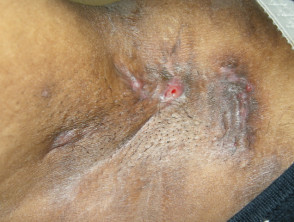
Response: The study was stimulated by data that suggested that an unusually large proportion of inpatient with Hidradenitis suppurativa (HS) were African American. HS is an underdiagnosed disease and the total numbers of inpatients with HS in the year we looked at initially seemed small. So we wanted to test whether this finding held up when the period of observation was extended. Point estimates can be unreliable and we had followed another finding in the data that did not hold up when we looked at other years, so we felt one year was not enough to confirm a trend
Dr. Albrecht[/caption]
Joerg Albrecht, MD, PhD
Dermatologist, Internist, Clinical Pharmacologist
Division of Dermatology, Department of Medicine
Attending Dermatologist, Chair Division of Dermatology
Chair system-wide Pharmacy & Therapeutics Committee
Cook County Health
Chicago, IL 60612
MedicalResearch.com: What is the background for this study?
Response: The study was stimulated by data that suggested that an unusually large proportion of inpatient with Hidradenitis suppurativa (HS) were African American. HS is an underdiagnosed disease and the total numbers of inpatients with HS in the year we looked at initially seemed small. So we wanted to test whether this finding held up when the period of observation was extended. Point estimates can be unreliable and we had followed another finding in the data that did not hold up when we looked at other years, so we felt one year was not enough to confirm a trend
 Dr. Haapasalo[/caption]
Annakaisa Haapasalo, PhD
Adjunct Professor
Research Director (Associate Professor
A.I. Virtanen Institute for Molecular Sciences
Molecular Neurodegeneration
University of Eastern Finland | UEF |
MedicalResearch.com: What is the background for this study? At what age might these changes be present?
Response: Our research team is interested in understanding the underlying disease mechanisms and developing biomarkers for frontotemporal dementia (FTD). FTD is the second most common cause of dementia in the working age population. Presently, no efficient therapies exist for FTD, it is challenging to diagnose, and the disease mechanisms of different types of FTD remain largely unclear. We are especially interested in FTD associated with the C9orf72 repeat expansion because it is the most common genetic cause of frontotemporal dementia and exceptionally prevalent in Finnish FTD patients.
Many current studies of FTD and C9orf72 repeat expansion have largely concentrated on examining neurons, as these are the principle CNS cells that are affected in neurodegeneration. Neurons are also one of our key research interests, but obtaining neurons directly from living patients is difficult in many ways. Therefore, we became interested in exploring the FTD patient skin fibroblasts with the idea in mind that they might represent more easily accessible patient-derived cells than neurons for trying to decipher disease mechanisms of FTD. Moreover, we were interested in finding out if these cells show any specific alterations or deficiencies that could be utilized later on in biomarker studies or testing drug effects.
Dr. Haapasalo[/caption]
Annakaisa Haapasalo, PhD
Adjunct Professor
Research Director (Associate Professor
A.I. Virtanen Institute for Molecular Sciences
Molecular Neurodegeneration
University of Eastern Finland | UEF |
MedicalResearch.com: What is the background for this study? At what age might these changes be present?
Response: Our research team is interested in understanding the underlying disease mechanisms and developing biomarkers for frontotemporal dementia (FTD). FTD is the second most common cause of dementia in the working age population. Presently, no efficient therapies exist for FTD, it is challenging to diagnose, and the disease mechanisms of different types of FTD remain largely unclear. We are especially interested in FTD associated with the C9orf72 repeat expansion because it is the most common genetic cause of frontotemporal dementia and exceptionally prevalent in Finnish FTD patients.
Many current studies of FTD and C9orf72 repeat expansion have largely concentrated on examining neurons, as these are the principle CNS cells that are affected in neurodegeneration. Neurons are also one of our key research interests, but obtaining neurons directly from living patients is difficult in many ways. Therefore, we became interested in exploring the FTD patient skin fibroblasts with the idea in mind that they might represent more easily accessible patient-derived cells than neurons for trying to decipher disease mechanisms of FTD. Moreover, we were interested in finding out if these cells show any specific alterations or deficiencies that could be utilized later on in biomarker studies or testing drug effects.
 Barrett's Esophagus -Wikipedia[/caption]
MedicalResearch.com: What is the background for this study?
Barrett’s oesophagus affects about one out of 100 people in the UK and is thought to be a precancerous lesion of a more deadline cancer, oesophageal adenocarcinoma.
Barrett’s is a condition where the squamous cells in the lower part of oesophagus are replaced by a special type of columnar cells, which look like intestine, a far distant organ, raising a question where are these columnar cells come from.
Many theories have been proposed in the past decades and no agreement was reached, and many conclusions were based on mouse models which do not recap the human condition.
We therefore collected fresh samples of human tissues that correspond to all the possible theories and assessed them all together using state of the art technologies.
Barrett's Esophagus -Wikipedia[/caption]
MedicalResearch.com: What is the background for this study?
Barrett’s oesophagus affects about one out of 100 people in the UK and is thought to be a precancerous lesion of a more deadline cancer, oesophageal adenocarcinoma.
Barrett’s is a condition where the squamous cells in the lower part of oesophagus are replaced by a special type of columnar cells, which look like intestine, a far distant organ, raising a question where are these columnar cells come from.
Many theories have been proposed in the past decades and no agreement was reached, and many conclusions were based on mouse models which do not recap the human condition.
We therefore collected fresh samples of human tissues that correspond to all the possible theories and assessed them all together using state of the art technologies.

 Response: Point-of-care ultrasound is one of the most significant advances in bedside patient care, and its use is expanding across nearly all fields of medicine. In order to best prepare medical students for residency and beyond, it is imperative to begin POCUS training as early as possible. At the Lewis Katz School of Medicine at Temple University, we introduced POCUS education over a decade ago and have expanded it since then.
By providing each student with a Butterfly iQ device, we can augment our curriculum significantly. In addition to our robust pre-clinical sessions, now we will expand into the clinical years highlighting the utility of POCUS with actual patients.
This gift was made possible by the incredible generosity of Dr. Ronald Salvitti, MD ’63.
Response: Point-of-care ultrasound is one of the most significant advances in bedside patient care, and its use is expanding across nearly all fields of medicine. In order to best prepare medical students for residency and beyond, it is imperative to begin POCUS training as early as possible. At the Lewis Katz School of Medicine at Temple University, we introduced POCUS education over a decade ago and have expanded it since then.
By providing each student with a Butterfly iQ device, we can augment our curriculum significantly. In addition to our robust pre-clinical sessions, now we will expand into the clinical years highlighting the utility of POCUS with actual patients.
This gift was made possible by the incredible generosity of Dr. Ronald Salvitti, MD ’63.