MedicalResearch.com Interview with:
[caption id="attachment_58962" align="alignleft" width="150"]
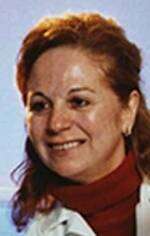
Dr. Klimis-Zacas[/caption]
Dorothy Klimis-Zacas, MS, PhD, FACN
Professor of Clinical Nutrition
School of Food and Agriculture
Graduate Faculty
School of Biomedical Sciences
Associate Faculty, Institute of Medicine
Fulbright Fellow
University of Maine Orono, Maine 04469
MedicalResearch.com: What is the background for this study?
Response: Bioactive compounds such as polyphenols have been documented to have wound healing properties . In the Klimis-Zacas laboratory, phenolic extracts (PE) from wild blueberries (WB) were reported to promote angiogenesis
in HUVEC cells via cell migration, angiogenesis, through VEGF/P13K/AKT pathway documented that the PE, primarily composed of chlorogenic acid significantly promoted cell migration and closure
speed of wound by 38% above the control as well as angiogenesis and gene expression for proteins critical for cell movement while the anthocyanin fraction inhibited the above processes (5,6).






 Dr. Stern[/caption]
Robert A. Stern, Ph.D.
Professor of Neurology, Neurosurgery, and Anatomy & Neurobiology
Director of Clinical Research, BU CTE Center
Senior Investigator, BU Alzheimer’s Disease Research Center
Boston University School of Medicine
MedicalResearch.com: What is the background for this study?
Response: The link between playing American football at the professional level and later-life brain disorders like chronic traumatic encephalopathy – or CTE -- and ALS has received increasing attention over the past 15 years. Previous research has shown that former NFL players are more likely to die from CTE and amyotrophic lateral sclerosis (ALS) and more likely to report cognitive impairment, behavioral changes, and dementia during life. Despite previous research focusing on the later-life effects of playing American football at the professional level, the long-term effects of college football participation remain largely unknown.
We had two goals for this new investigation. The first was to conduct a survey of the current overall health status, including cognitive and other neurological disorders, of older former college American football players compared with men in the general population. The second goal was to examine the mortality rate and causes of death in a cohort of older former college football players. The target population for this study was all 447 former Notre Dame football players who were listed as seniors on the varsity rosters during the 1964-1980 seasons. This was the era of legendary coaches Ara Parseghian and Dan Devine. I should add that this study was fully independent of the University of Notre Dame.
Dr. Stern[/caption]
Robert A. Stern, Ph.D.
Professor of Neurology, Neurosurgery, and Anatomy & Neurobiology
Director of Clinical Research, BU CTE Center
Senior Investigator, BU Alzheimer’s Disease Research Center
Boston University School of Medicine
MedicalResearch.com: What is the background for this study?
Response: The link between playing American football at the professional level and later-life brain disorders like chronic traumatic encephalopathy – or CTE -- and ALS has received increasing attention over the past 15 years. Previous research has shown that former NFL players are more likely to die from CTE and amyotrophic lateral sclerosis (ALS) and more likely to report cognitive impairment, behavioral changes, and dementia during life. Despite previous research focusing on the later-life effects of playing American football at the professional level, the long-term effects of college football participation remain largely unknown.
We had two goals for this new investigation. The first was to conduct a survey of the current overall health status, including cognitive and other neurological disorders, of older former college American football players compared with men in the general population. The second goal was to examine the mortality rate and causes of death in a cohort of older former college football players. The target population for this study was all 447 former Notre Dame football players who were listed as seniors on the varsity rosters during the 1964-1980 seasons. This was the era of legendary coaches Ara Parseghian and Dan Devine. I should add that this study was fully independent of the University of Notre Dame.
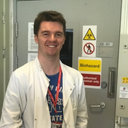 Dr. Otter[/caption]
Ashley Otter, PhD
Research scientist within Diagnostic Support
for the rare/imported pathogens laboratory (RIPL)
Public Health England (PHE)
MedicalResearch.com: What is the background for this study?
Response: The SIREN study is a national research project covering all four nations of the United Kingdom. Almost 45,000 healthcare workers from across the UK were enrolled midway through 2020, each providing monthly samples for antibody testing and fortnightly PCR testing. Using samples from participants from this project, we were able to take a snapshot of ~6,000 participants at different stages after they received their vaccination to see how different factors affect their antibody responses.
Dr. Otter[/caption]
Ashley Otter, PhD
Research scientist within Diagnostic Support
for the rare/imported pathogens laboratory (RIPL)
Public Health England (PHE)
MedicalResearch.com: What is the background for this study?
Response: The SIREN study is a national research project covering all four nations of the United Kingdom. Almost 45,000 healthcare workers from across the UK were enrolled midway through 2020, each providing monthly samples for antibody testing and fortnightly PCR testing. Using samples from participants from this project, we were able to take a snapshot of ~6,000 participants at different stages after they received their vaccination to see how different factors affect their antibody responses.


 Mr. Londoner[/caption]
Ken Londoner, MBA
Founder, Chief Executive Officer, Chairman, and Director
Mr. Londoner[/caption]
Ken Londoner, MBA
Founder, Chief Executive Officer, Chairman, and Director





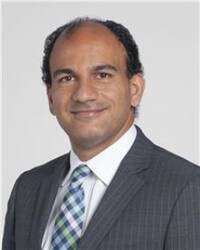
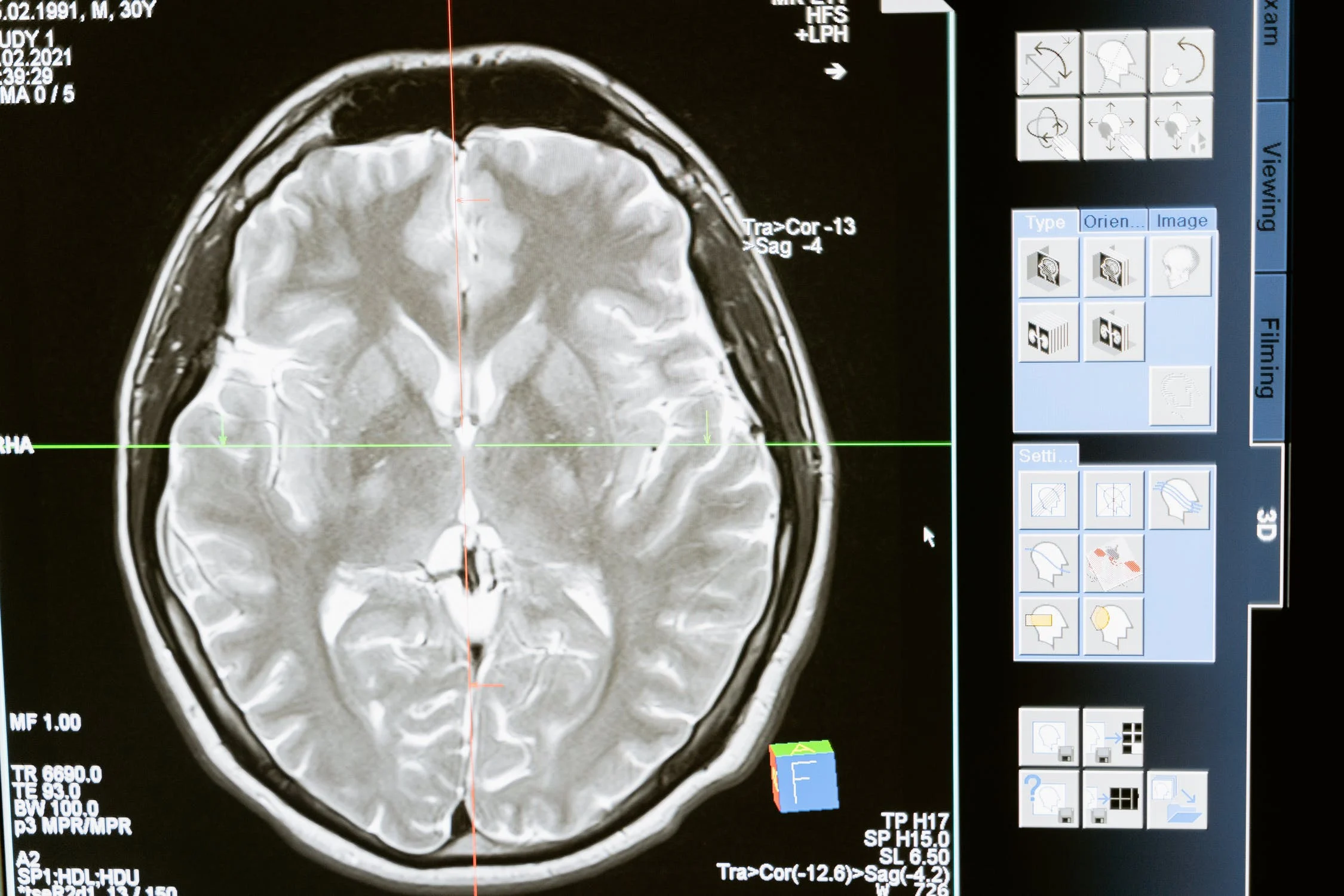
 Dr. Cheng-Ying Ho[/caption]
Cheng-Ying Ho, MD, PhD
Associate Professor
Department of Pathology
Johns Hopkins University School of Medicine
MedicalResearch.com: What is the background for this study?
Response: Smell loss is one of the most common symptoms of COVID-19 infection. The mechanism of COVID-19-related smell loss is unclear. Previous studies mainly focused on the effect of the viral infection on the lining of the nasal cavity. We went a step beyond to examine the olfactory bulb, a region that transmits smell-related signals to the brain.
Dr. Cheng-Ying Ho[/caption]
Cheng-Ying Ho, MD, PhD
Associate Professor
Department of Pathology
Johns Hopkins University School of Medicine
MedicalResearch.com: What is the background for this study?
Response: Smell loss is one of the most common symptoms of COVID-19 infection. The mechanism of COVID-19-related smell loss is unclear. Previous studies mainly focused on the effect of the viral infection on the lining of the nasal cavity. We went a step beyond to examine the olfactory bulb, a region that transmits smell-related signals to the brain.
 Dr. Ferris[/caption]
Laura Ferris, M.D., Ph.D.
Professor of Dermatology
Director of clinical trials for UPMC Department of Dermatology
University of Pittsburgh School of Medicine
MedicalResearch.com: What is the background for this study?
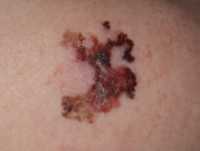
Response: In this quality initiative at UPMC (a large academic and community health system in Western PA and surrounding areas) Primary Care Physicians were trained to perform annual skin cancer screening examinations of their patients who were aged 35 years and older at routine medical visits.
Over a 5-year period more than 595,000 patients who were eligible to be screened were seen by a UPMC PCP and about 24% of them were screened. We compared the number and thickness (an important indicator of prognosis) of the melanomas diagnosed in those patients who were screened to those who were not screened.
Dr. Ferris[/caption]
Laura Ferris, M.D., Ph.D.
Professor of Dermatology
Director of clinical trials for UPMC Department of Dermatology
University of Pittsburgh School of Medicine
MedicalResearch.com: What is the background for this study?
Response: In this quality initiative at UPMC (a large academic and community health system in Western PA and surrounding areas) Primary Care Physicians were trained to perform annual skin cancer screening examinations of their patients who were aged 35 years and older at routine medical visits.
Over a 5-year period more than 595,000 patients who were eligible to be screened were seen by a UPMC PCP and about 24% of them were screened. We compared the number and thickness (an important indicator of prognosis) of the melanomas diagnosed in those patients who were screened to those who were not screened.
 Brett King, MD, PhD, FAAD
Associate Professor of Dermatology
Yale School of Medicine
MedicalResearch.com: What is the background for this study?
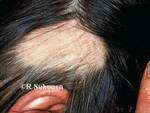
Response: Alopecia areata is an autoimmune disorder marked by disfiguring, non-scarring hair loss, and there are no therapies approved by the U.S. Food and Drug Administration for treatment of the disease. JAK inhibitors are showing promise for treatment of severe alopecia areata. In this work, the pooled results of two phase 3 clinical trials of the JAK inhibitor baricitinib were reported out to 52 weeks.
Brett King, MD, PhD, FAAD
Associate Professor of Dermatology
Yale School of Medicine
MedicalResearch.com: What is the background for this study?
Response: Alopecia areata is an autoimmune disorder marked by disfiguring, non-scarring hair loss, and there are no therapies approved by the U.S. Food and Drug Administration for treatment of the disease. JAK inhibitors are showing promise for treatment of severe alopecia areata. In this work, the pooled results of two phase 3 clinical trials of the JAK inhibitor baricitinib were reported out to 52 weeks.