
Author Interviews
22 Dec Mutliple Sclerosis: Ocrelizumab Lowers Rate of Disease Progression and Disability
MedicalResearch.com Interview with: [caption id="attachment_30711" align="alignleft" width="160"] Dr. Jerry Wolinsky,[/caption]
Jerry S. Wolinsky, MD
Emeritus Professor in Neurology
McGovern Medical School
The University of Texas Health Science Center at Houston
Houston’s Health University
Department of Neurology
Houston, Texas 77030
MedicalResearch.com: What is the background for this study?
Response: Multiple sclerosis (MS) clinically is a very heterogeneous disease. It presents in considerably different ways and has a very poorly predictable clinical course. In an attempt to better communicate between experts in the field, there have been multiple attempts to categorize “typical” courses of the disease. How we think about the disease is in part driven by these somewhat artificial categories that lump our patients into those with relapsing forms of the disease (relapsing remitting with or without accumulating clinical disability, and secondary progressive with accumulating disability eventually occurring even in the absence of apparent clinical episodes of the disease), and primary progressive MS, where patients are slowly or sometimes rather rapidly accumulating disability in the absence of prior clinical relapses.
However, the distinctions between multiple sclerosis patients are not always as clear as the definitions would suggest, and it is certain that patients with primary progressive multiple sclerosis sometimes have clinical relapses after years of never having had relapses, and show MRI evidence of having accumulated many lesions in the brain over the course of their disease. Until now, none of the drugs that have shown benefit for relapsing disease have been able to convincingly show clinical benefit for patients with primary progressive disease, and for that matter have shown variable results when attempted in patients categorized as having secondary progressive courses. While some of our currently approved drugs have shown hints of benefit when tried in major clinical trials in primary progressive MS, the results were not been robust enough to seek regulatory approval.
The Oratorio study design was based on lessons learned from prior trials in primary progressive and relapsing forms of MS, as well as the recognition that B cells might play an important role in the immunopathogenesis of disease based on a considerable amount of preclinical work and observations in patients with multiple sclerosis.
Dr. Jerry Wolinsky,[/caption]
Jerry S. Wolinsky, MD
Emeritus Professor in Neurology
McGovern Medical School
The University of Texas Health Science Center at Houston
Houston’s Health University
Department of Neurology
Houston, Texas 77030
MedicalResearch.com: What is the background for this study?
Response: Multiple sclerosis (MS) clinically is a very heterogeneous disease. It presents in considerably different ways and has a very poorly predictable clinical course. In an attempt to better communicate between experts in the field, there have been multiple attempts to categorize “typical” courses of the disease. How we think about the disease is in part driven by these somewhat artificial categories that lump our patients into those with relapsing forms of the disease (relapsing remitting with or without accumulating clinical disability, and secondary progressive with accumulating disability eventually occurring even in the absence of apparent clinical episodes of the disease), and primary progressive MS, where patients are slowly or sometimes rather rapidly accumulating disability in the absence of prior clinical relapses.
However, the distinctions between multiple sclerosis patients are not always as clear as the definitions would suggest, and it is certain that patients with primary progressive multiple sclerosis sometimes have clinical relapses after years of never having had relapses, and show MRI evidence of having accumulated many lesions in the brain over the course of their disease. Until now, none of the drugs that have shown benefit for relapsing disease have been able to convincingly show clinical benefit for patients with primary progressive disease, and for that matter have shown variable results when attempted in patients categorized as having secondary progressive courses. While some of our currently approved drugs have shown hints of benefit when tried in major clinical trials in primary progressive MS, the results were not been robust enough to seek regulatory approval.
The Oratorio study design was based on lessons learned from prior trials in primary progressive and relapsing forms of MS, as well as the recognition that B cells might play an important role in the immunopathogenesis of disease based on a considerable amount of preclinical work and observations in patients with multiple sclerosis.
22 Dec Photodynamic Therapy May Be Useful In Some Low-Risk Prostate Cancer
MedicalResearch.com Interview with: Prof Mark Emberton UCL Faculty of Medical Sciences London MedicalResearch.com: What is the background for this study? What are the main findings? Response: The key driver was a desire to come up with a treatment for men with localised prostate cancer that was better tolerated that the traditional options. The intervention is a combination of padeliporphin, a short acting photosensitiser which was developed by Drs Shertz and Salomon at the Weismann Institute. This is activated by a laser inserted into the prostate.22 Dec Genetic Predisposition To Schizophrenia Associated With Childhood Impairments
MedicalResearch.com Interview with: Dr Lucy Riglin Division of Psychological Medicine and Clinical Neurosciences MRC Centre for Neuropsychiatric Genetics and Genomics Cardiff University School of Medicine Cardiff UK MedicalResearch.com: What is the background for this study? What are the main findings? Response: Schizophrenia is a mental disorder that usually occurs after puberty. However, previous research suggests that individuals who go on to develop schizophrenia often presented cognitive, social, behavioural, and emotional impairments in childhood. Our study found that, in a general population sample, genetic risk for schizophrenia was associated with these childhood impairments as early as age 4 years.22 Dec Morning People May Make More Mistakes After A Long Day
MedicalResearch.com Interview with: [caption id="attachment_30715" align="alignleft" width="200"] Dr. Nicola Barclay[/caption]
Dr. Nicola Barclay, BA(Hons), MSc, PhD.
Lecturer in Sleep Medicine
Sleep and Circadian Neuroscience Institute (SCNi)
Nuffield Department of Clinical Neurosciences
Sir William Dunn School of Pathology
University of Oxford
MedicalResearch.com: What is the background for this study?
Response: We know that extreme sleep deprivation impairs our cognitive functions, particularly attention. This impairment in attention is likely to be driven by physiological mechanisms that change across the waking day (increasing sleep pressure), but also by factors associated with our biological clock. The timing of physiological processes particularly related to attention differ between morning and evening type people (our so called early morning larks and night owls), and so we hypothesised that morning and evening types would differ in their impairments in attention at different times of day, prior to and following 18 hours of sustained wakefulness.
Dr. Nicola Barclay[/caption]
Dr. Nicola Barclay, BA(Hons), MSc, PhD.
Lecturer in Sleep Medicine
Sleep and Circadian Neuroscience Institute (SCNi)
Nuffield Department of Clinical Neurosciences
Sir William Dunn School of Pathology
University of Oxford
MedicalResearch.com: What is the background for this study?
Response: We know that extreme sleep deprivation impairs our cognitive functions, particularly attention. This impairment in attention is likely to be driven by physiological mechanisms that change across the waking day (increasing sleep pressure), but also by factors associated with our biological clock. The timing of physiological processes particularly related to attention differ between morning and evening type people (our so called early morning larks and night owls), and so we hypothesised that morning and evening types would differ in their impairments in attention at different times of day, prior to and following 18 hours of sustained wakefulness.
21 Dec Newly Identified Molecule Turns Fat Storage Gene Off
MedicalResearch.com Interview with: [caption id="attachment_30700" align="alignleft" width="100"] Prof. Jamal Tazi[/caption]
Prof. Jamal Tazi
Institut de Génétique Moléculaire de Montpellier
University of Montpellier
Montpellier, Cedex, France
MedicalResearch.com: What is the background for this study? What are the main findings?
Response: Intense drug discovery efforts in the metabolic field highlight the need for novel strategies for the treatment of obesity. In this study we have used a novel approach to uncover novel drugs to treat obesity. Our approach is based on the finding that in humans the energy expenditure balance can be controlled by a single gene LMNA gene that can produce two different proteins with opposing effect on energy expenditure. We identified a molecule ABX300 that targets the expression of LMNA gene and favors energy expenditure leading to fat loss.
Prof. Jamal Tazi[/caption]
Prof. Jamal Tazi
Institut de Génétique Moléculaire de Montpellier
University of Montpellier
Montpellier, Cedex, France
MedicalResearch.com: What is the background for this study? What are the main findings?
Response: Intense drug discovery efforts in the metabolic field highlight the need for novel strategies for the treatment of obesity. In this study we have used a novel approach to uncover novel drugs to treat obesity. Our approach is based on the finding that in humans the energy expenditure balance can be controlled by a single gene LMNA gene that can produce two different proteins with opposing effect on energy expenditure. We identified a molecule ABX300 that targets the expression of LMNA gene and favors energy expenditure leading to fat loss.
21 Dec Study Finds No Clear Benefit of Mesh For Prolapse Surgery
MedicalResearch.com Interview with: [caption id="attachment_30694" align="alignleft" width="140"] Prof. Cathryn Glazener[/caption]
Prof. Cathryn Glazener PhD
Health Services Research Unit
University of Aberdeen
Aberdeen,UK
MedicalResearch.com: What is the background for this study? What are the main findings?
Response: Prolapse is a condition that affects up to half of all women after childbirth. Women notice a bulge or discomfort in their vaginas due to pressure from the bladder, bowel or womb moving downwards. Women who have surgery for their prolapse have a 3 in 10 chance of needing at least one more operation, so the success rate is not great. Gynaecologists hoped that by reinforcing their repairs the success rate would get better.
PROSPECT was a pragmatic, multicentre randomised controlled trial conducted in 35 centres across the UK. Women undergoing their first operation for prolapse were randomised to having a standard repair of the front or back wall of the vagina, or a repair reinforced by synthetic non-absorbable mesh, or a biological graft.
We found that, in contrast to previous research, women were just as likely to be cured after standard surgery rather than reinforced repairs. They were just as likely to have other symptoms such as bladder or sexual problems, and other adverse effects such as infection, bleeding or pain.
However, about 1 in 10 of the women who had mesh did have mesh exposure when a small portion of the mesh becomes visible through the vaginal wall. Although many women did not have symptoms, about half of those women needed a small operation to remove or bury the exposed mesh.
Prof. Cathryn Glazener[/caption]
Prof. Cathryn Glazener PhD
Health Services Research Unit
University of Aberdeen
Aberdeen,UK
MedicalResearch.com: What is the background for this study? What are the main findings?
Response: Prolapse is a condition that affects up to half of all women after childbirth. Women notice a bulge or discomfort in their vaginas due to pressure from the bladder, bowel or womb moving downwards. Women who have surgery for their prolapse have a 3 in 10 chance of needing at least one more operation, so the success rate is not great. Gynaecologists hoped that by reinforcing their repairs the success rate would get better.
PROSPECT was a pragmatic, multicentre randomised controlled trial conducted in 35 centres across the UK. Women undergoing their first operation for prolapse were randomised to having a standard repair of the front or back wall of the vagina, or a repair reinforced by synthetic non-absorbable mesh, or a biological graft.
We found that, in contrast to previous research, women were just as likely to be cured after standard surgery rather than reinforced repairs. They were just as likely to have other symptoms such as bladder or sexual problems, and other adverse effects such as infection, bleeding or pain.
However, about 1 in 10 of the women who had mesh did have mesh exposure when a small portion of the mesh becomes visible through the vaginal wall. Although many women did not have symptoms, about half of those women needed a small operation to remove or bury the exposed mesh.
21 Dec Early Participation in Physical Activity Following Acute Concussion in Children
MedicalResearch.com Interview with: [caption id="attachment_30597" align="alignleft" width="137"] Dr. Roger Zemek[/caption]
Roger Zemek, MD, FRCPC
Associate Professor, Dept of Pediatrics and Emergency Medicine, Clinical Research Chair in Pediatric Concussion, University of Ottawa
Director, Clinical Research Unit,
Children’s Hospital of Eastern Ontario
Ottawa, ON
MedicalResearch.com: What is the background for this study?
Response: While current concussion protocols endorse the conservative view that children should avoid physical activity until completely symptom-free, there is little evidence beyond expert opinion regarding the ideal timing of physical activity re-introduction. In fact, while rest does play a role in concussion recovery, protracted physical rest may actually negatively impact concussion recovery. Further, physiological, psychological, and functional benefits of early physical rehabilitation are observed in other disease processes such as stroke (which is an example of a severe traumatic brain injury). Therefore, our objective was to investigate the relationship between early physical activity (defined within 7 days of the concussion) and the eventual development of persistent post-concussion symptoms at one month.
Dr. Roger Zemek[/caption]
Roger Zemek, MD, FRCPC
Associate Professor, Dept of Pediatrics and Emergency Medicine, Clinical Research Chair in Pediatric Concussion, University of Ottawa
Director, Clinical Research Unit,
Children’s Hospital of Eastern Ontario
Ottawa, ON
MedicalResearch.com: What is the background for this study?
Response: While current concussion protocols endorse the conservative view that children should avoid physical activity until completely symptom-free, there is little evidence beyond expert opinion regarding the ideal timing of physical activity re-introduction. In fact, while rest does play a role in concussion recovery, protracted physical rest may actually negatively impact concussion recovery. Further, physiological, psychological, and functional benefits of early physical rehabilitation are observed in other disease processes such as stroke (which is an example of a severe traumatic brain injury). Therefore, our objective was to investigate the relationship between early physical activity (defined within 7 days of the concussion) and the eventual development of persistent post-concussion symptoms at one month.
21 Dec Maternal Risk of Death Elevated After Birth of Child With Major Congenital Abnormalities
MedicalResearch.com Interview with: [caption id="attachment_30599" align="alignleft" width="150"] Dr. Eyal Cohen[/caption]
Eyal Cohen, MD, MSc, FRCP(C)
Staff Physician, Paediatrics
The Hospital for Sick Children
Associate Scientist, Research Institute
Child Health Evaluative Sciences
Associate Professor, University of Toronto
MedicalResearch.com: What is the background for this study? What are the main findings?
Response: Major structural or genetic congenital anomalies affect approximately 2 percent to 5 percent of all births in the United States and Europe. Mothers of children born with major congenital anomalies face serious challenges such as high financial pressures, as well as the burden of providing care to a child with complex needs within the home setting, which can impair a mother's health. Little is known about the long-term health consequences for the mother. We assessed whether the birth of an infant with a major congenital anomaly was subsequently associated with an increased risk of death of the infant's mother.
The population-based study (n = 455,250 women) used individual-level linked Danish registry data for mothers who gave birth to an infant with a major congenital anomaly between 1979 and 2010, with follow-up until December 31, 2014. A comparison group was constructed by randomly sampling, for each mother with an affected infant, up to 10 mothers matched on maternal age, parity (the number of children a woman has given birth to), and year of infant's birth. Mothers in both groups were an average age of 29 years at delivery. After a median follow-up of 21 years, there were 1,275 deaths (1.60 per 1,000 person-years) among 41,508 mothers of a child with a major congenital anomaly vs 10,112 deaths (1.27 per 1,000 person-years) among 413,742 mothers in the comparison group. Mothers with affected infants were more likely to die of cardiovascular disease, respiratory disease, and other natural causes.
Dr. Eyal Cohen[/caption]
Eyal Cohen, MD, MSc, FRCP(C)
Staff Physician, Paediatrics
The Hospital for Sick Children
Associate Scientist, Research Institute
Child Health Evaluative Sciences
Associate Professor, University of Toronto
MedicalResearch.com: What is the background for this study? What are the main findings?
Response: Major structural or genetic congenital anomalies affect approximately 2 percent to 5 percent of all births in the United States and Europe. Mothers of children born with major congenital anomalies face serious challenges such as high financial pressures, as well as the burden of providing care to a child with complex needs within the home setting, which can impair a mother's health. Little is known about the long-term health consequences for the mother. We assessed whether the birth of an infant with a major congenital anomaly was subsequently associated with an increased risk of death of the infant's mother.
The population-based study (n = 455,250 women) used individual-level linked Danish registry data for mothers who gave birth to an infant with a major congenital anomaly between 1979 and 2010, with follow-up until December 31, 2014. A comparison group was constructed by randomly sampling, for each mother with an affected infant, up to 10 mothers matched on maternal age, parity (the number of children a woman has given birth to), and year of infant's birth. Mothers in both groups were an average age of 29 years at delivery. After a median follow-up of 21 years, there were 1,275 deaths (1.60 per 1,000 person-years) among 41,508 mothers of a child with a major congenital anomaly vs 10,112 deaths (1.27 per 1,000 person-years) among 413,742 mothers in the comparison group. Mothers with affected infants were more likely to die of cardiovascular disease, respiratory disease, and other natural causes.
21 Dec Children Can Choke to Death on Grapes
MedicalResearch.com Interview with: Dr Jamie G Cooper Consultant in Emergency Medicine Aberdeen Royal Infirmary Aberdeen UK MedicalResearch.com: What is the background for this study? [caption id="attachment_30632" align="alignleft" width="200"] Grapes
Wikipedia image[/caption] Response: Choking in children can be fatal and regularly grapes can be the cause. We believe that public awareness of the choking hazard posed by grapes (and other similarly shaped foods, such as cherry tomatoes) is not wide spread. By publishing this article we aimed to highlight the problem to health professionals who look after children and also to the public at large in an attempt to reduce the number of future episodes.
21 Dec No Association Between Length of Red Blood Cell Storage and Mortality
MedicalResearch.com Interview with: Märit Halmin, MD, PhD student Department of Medical Epidemiology and Biostatistics, Karolinska Institutet, Stockholm, Sweden MedicalResearch.com: What is the background for this study? Response: During recent years the possible negative effects among recipients of stored red blood cells have been investigated. Despite a large number of studies, including four randomized trials, no consensus exists. We therefore performed the hitherto largest register based cohort study of transfused patients, assessing the association between length of storage of red blood cells and mortality. Our design allowed for detection of small but still clinically significant effect, if such exists.21 Dec Are Co-Morbidities in Psoriasis Overestimated?
MedicalResearch.com Interview with: [caption id="attachment_18200" align="alignleft" width="266"]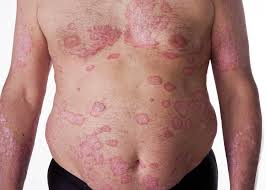 Psoriasis[/caption]
Mohammed D. Saleem, MD
Department of Dermatology
Wake Forest School of Medicine
Medical Center Boulevard
Winston-Salem, NC
MedicalResearch.com: What is the background for this study? What are the main findings?
Response: Over the past several years’ numerous research studies have identified comorbidities associated with psoriasis. The media has increasingly become involved with presenting these findings and patients commonly bring these concerns to their physician. The comorbidities are often presented as a relative risk, which can overestimate the effects of exposure, especially when the incidence is quite small. Comorbidities presented as attributed risk or number needed to harm might be a better measure for understanding the association between an exposure and comorbidity.
We found that although the relative risk of many diseases associated with psoriasis can be quite large, the attributed risk was small.
Psoriasis[/caption]
Mohammed D. Saleem, MD
Department of Dermatology
Wake Forest School of Medicine
Medical Center Boulevard
Winston-Salem, NC
MedicalResearch.com: What is the background for this study? What are the main findings?
Response: Over the past several years’ numerous research studies have identified comorbidities associated with psoriasis. The media has increasingly become involved with presenting these findings and patients commonly bring these concerns to their physician. The comorbidities are often presented as a relative risk, which can overestimate the effects of exposure, especially when the incidence is quite small. Comorbidities presented as attributed risk or number needed to harm might be a better measure for understanding the association between an exposure and comorbidity.
We found that although the relative risk of many diseases associated with psoriasis can be quite large, the attributed risk was small.
20 Dec Centrally-Acting Obesity Medications May Have Significant Side Effects
MedicalResearch.com Interview with: [caption id="attachment_30676" align="alignleft" width="200"] Dr. Igho Onakpoya[/caption]
Igho Onakpoya MD MSc
University of Oxford
Centre for Evidence-Based Medicine
Nuffield Department of Primary Care Health Sciences
Oxford UK
MedicalResearch.com: What is the background for this study? What are the main findings?
Response: Several medicines used to treat obesity have been withdrawn from the market over the last few years. However, the reasons for, and time trends about their withdrawals have not been systematically researched.
We identified 25 anti-obesity medicines withdrawn from the market over the last 50 years. 23 of these analogues of amphetamine or fenfluramine, i.e., neurotransmitters.
The reasons for withdrawal in the overwhelming majority of instances were cardiovascular or psychiatric adverse reactions, and drug abuse and dependence.
Dr. Igho Onakpoya[/caption]
Igho Onakpoya MD MSc
University of Oxford
Centre for Evidence-Based Medicine
Nuffield Department of Primary Care Health Sciences
Oxford UK
MedicalResearch.com: What is the background for this study? What are the main findings?
Response: Several medicines used to treat obesity have been withdrawn from the market over the last few years. However, the reasons for, and time trends about their withdrawals have not been systematically researched.
We identified 25 anti-obesity medicines withdrawn from the market over the last 50 years. 23 of these analogues of amphetamine or fenfluramine, i.e., neurotransmitters.
The reasons for withdrawal in the overwhelming majority of instances were cardiovascular or psychiatric adverse reactions, and drug abuse and dependence.
20 Dec NSAIDS May Increase Mortality From Endometrial Cancer
MedicalResearch.com Interview with: [caption id="attachment_30667" align="alignleft" width="133"] Dr. Theodore Brasky[/caption]
Theodore Brasky, PhD
The Ohio State University
Comprehensive Cancer Center
MedicalResearch.com: What is the background for this study? What are the main findings?
Response: There is a significant amount of data to suggest that long-term, regular use of nonsteroidal anti-inflammatory drugs (NSAIDS; examples include aspirin and ibuprofen) are associated with reduced risks of several cancers. Although the data across studies are inconsistent, one such candidate is endometrial cancer, which is the most common gynecologic cancer. There is good evidence that the use of these medications is associated with improved prognosis among patients diagnosed with colon cancer. Despite the importance of inflammation in endometrial cancer progression, very few have examined whether use of NSAIDs is associated with risk of death or recurrence from the disease. The study we published is the first of its kind to examine NSAID use comprehensively and in a study of over 4,000 patients.
Dr. Theodore Brasky[/caption]
Theodore Brasky, PhD
The Ohio State University
Comprehensive Cancer Center
MedicalResearch.com: What is the background for this study? What are the main findings?
Response: There is a significant amount of data to suggest that long-term, regular use of nonsteroidal anti-inflammatory drugs (NSAIDS; examples include aspirin and ibuprofen) are associated with reduced risks of several cancers. Although the data across studies are inconsistent, one such candidate is endometrial cancer, which is the most common gynecologic cancer. There is good evidence that the use of these medications is associated with improved prognosis among patients diagnosed with colon cancer. Despite the importance of inflammation in endometrial cancer progression, very few have examined whether use of NSAIDs is associated with risk of death or recurrence from the disease. The study we published is the first of its kind to examine NSAID use comprehensively and in a study of over 4,000 patients.
20 Dec Genetic Calcification Disorder May Lead To Better Treatment of Atherosclerosis
MedicalResearch.com Interview with: [caption id="attachment_30662" align="alignleft" width="106"] Dr. Manfred Boehm[/caption]
Manfred Boehm M.D.
Senior Investigator
Laboratory of Cardiovascular Regenerative Medicine
Center for Molecular Medicine
NHLBI-NIH
Bethesda, MD 20892
MedicalResearch.com: What is the background for this study? What are the main findings?
Response: Common atherosclerosis (hardening of blood vessels) is the leading cause for vascular diseases worldwide. Vascular calcification is a critical component of atherosclerosis and an indicator of negative outcomes. This process is highly regulated and dynamic. However, the underlying mechanism is poorly understood and no direct treatment is available to stop or reverse this devastating buildup of calcium crystals in the vessel wall. Arterial calcification due to deficiency of CD73 is a rare inherited vascular disease characterized by extensive calcification of blood vessels caused by mutation in a gene encoding an enzyme that generates a compound called Adenosine outside of cells. The lack of this important enzyme, CD73, activates a compensatory mechanism to generated Adenosine by an alternative enzyme. Unfortunately, increased activity of this other enzyme is causing accelerated vascular calcification. By using the patient’s own cells, this study characterized the compensatory signaling pathway and discovered several new treatment strategies.
Dr. Manfred Boehm[/caption]
Manfred Boehm M.D.
Senior Investigator
Laboratory of Cardiovascular Regenerative Medicine
Center for Molecular Medicine
NHLBI-NIH
Bethesda, MD 20892
MedicalResearch.com: What is the background for this study? What are the main findings?
Response: Common atherosclerosis (hardening of blood vessels) is the leading cause for vascular diseases worldwide. Vascular calcification is a critical component of atherosclerosis and an indicator of negative outcomes. This process is highly regulated and dynamic. However, the underlying mechanism is poorly understood and no direct treatment is available to stop or reverse this devastating buildup of calcium crystals in the vessel wall. Arterial calcification due to deficiency of CD73 is a rare inherited vascular disease characterized by extensive calcification of blood vessels caused by mutation in a gene encoding an enzyme that generates a compound called Adenosine outside of cells. The lack of this important enzyme, CD73, activates a compensatory mechanism to generated Adenosine by an alternative enzyme. Unfortunately, increased activity of this other enzyme is causing accelerated vascular calcification. By using the patient’s own cells, this study characterized the compensatory signaling pathway and discovered several new treatment strategies.
20 Dec Patients Treated By Female Doctors Have Better Outcomes and Fewer Readmissions
Posted at 12:42h
in Author Interviews, Brigham & Women's - Harvard, Gender Differences, Hospital Readmissions, JAMA
MedicalResearch.com Interview with:
[caption id="attachment_30658" align="alignleft" width="180"] Dr. Yusuke Tsugawa[/caption]
Yusuke Tsugawa, MD, MPH, PhD
Department of Health Policy and Management
Harvard T. H. Chan School of Public Health,
Department of Medicine
Brigham and Women’s Hospital and Harvard Medical School
Boston, Massachusetts
MedicalResearch.com: What is the background for this study? What are the main findings?
Response: We analyzed a 20% sample of Medicare beneficiaries hospitalized with a medical condition in 2011-2014, and found that patients treated by female doctors have lower mortality and readmission rates than those cared for by male doctors.
Dr. Yusuke Tsugawa[/caption]
Yusuke Tsugawa, MD, MPH, PhD
Department of Health Policy and Management
Harvard T. H. Chan School of Public Health,
Department of Medicine
Brigham and Women’s Hospital and Harvard Medical School
Boston, Massachusetts
MedicalResearch.com: What is the background for this study? What are the main findings?
Response: We analyzed a 20% sample of Medicare beneficiaries hospitalized with a medical condition in 2011-2014, and found that patients treated by female doctors have lower mortality and readmission rates than those cared for by male doctors.
20 Dec A Neuronal Network of Mitochondrial Dynamics Regulates Cancer Metastasis
MedicalResearch.com Interview with: Cecilia Caino, Ph.D. The Wistar Institute 3601 Spruce Street Philadelphia, PA 19104 MedicalResearch.com: What is the background for this study? What are the main findings? Response: Mitochondria have recently experienced a resurgence of interest in the field of cellular biology. Traditionally known for their role in energy production and in programmed cell death, mitochondria are more broadly recognized as signaling hubs and biosynthetic factories. Not surprisingly, mitochondria have been linked to several hallmarks of cancer, including evasion of apoptosis, tissue invasion and metastasis and abnormal metabolic pathways. It has become clear that mitochondria quality control and metabolism-regulated shape changes are dysregulated in cancer. Recent studies identified a novel therapy-resistance mechanism that involves mitochondrial subcellular re-localization and is responsible for enhanced metastatic potential of cancer cells. In this context, the molecular regulators of mitochondrial trafficking in cancer are largely unknown. Through analysis of shRNA screening results, we identified Syntaphilin (SNPH), which is considered to moderate mitochondrial trafficking in neurons, as a non-neuronal tissue specific factor to suppress cancer cell invasion. Using multi-disciplinary cell biological, real time imaging, in vivo studies and human clinical studies, SNPH was revealed to block cell motility and tumor metastasis by regulation of reprogramming of mitochondrial dynamics. We provided evidence from public databases and clinical samples that SNPH levels are decreased in different types of human tumors and low SNPH levels correlate with worse patient prognosis. Overall this study demonstrated a new mechanism by which tumor cell invasion is regulated by a SNPH-mediated pathway.20 Dec Zika Virus Infection in Pregnant Women in Rio de Janeiro
MedicalResearch.com Interview with: [caption id="attachment_30670" align="alignleft" width="150"] Karin Nielsen[/caption]
Karin Nielsen, MD, MPH
Professor of Clinical Pediatrics
Division of Pediatric Infectious Diseases
David Geffen School of Medicine at UCLA
Director, Center for Brazilian Studies
MedicalResearch.com: What is the background for this study? What are the main findings?
Response: Our research was a prospective study in which pregnant women in Rio de Janeiro who developed a rash in the last 5 days between the end of 2015 to mid 2016 were screened for possible infection with Zika virus by a special molecular test (PCR) which looked for the virus in blood or urine. Women who were found to have Zika virus in either blood, urine or both were followed throughout time to look for pregnancy and infant outcomes. We also followed women who had a negative PCR test for Zika as a comparison group. By July 2016, we had outcomes known for 125 Zika affected pregnancies, of these 58 had abnormal outcomes, with 9 fetal losses and 49 babies who had abnormal findings on physical exam or brain imaging, all consistent with neurologic abnormalities. This meant 46% of the pregnant women in our study had an abnormal pregnancy outcome, and 42% of live birth infants were found to have an abnormality in the first few months of life.
Karin Nielsen[/caption]
Karin Nielsen, MD, MPH
Professor of Clinical Pediatrics
Division of Pediatric Infectious Diseases
David Geffen School of Medicine at UCLA
Director, Center for Brazilian Studies
MedicalResearch.com: What is the background for this study? What are the main findings?
Response: Our research was a prospective study in which pregnant women in Rio de Janeiro who developed a rash in the last 5 days between the end of 2015 to mid 2016 were screened for possible infection with Zika virus by a special molecular test (PCR) which looked for the virus in blood or urine. Women who were found to have Zika virus in either blood, urine or both were followed throughout time to look for pregnancy and infant outcomes. We also followed women who had a negative PCR test for Zika as a comparison group. By July 2016, we had outcomes known for 125 Zika affected pregnancies, of these 58 had abnormal outcomes, with 9 fetal losses and 49 babies who had abnormal findings on physical exam or brain imaging, all consistent with neurologic abnormalities. This meant 46% of the pregnant women in our study had an abnormal pregnancy outcome, and 42% of live birth infants were found to have an abnormality in the first few months of life.
19 Dec How Strong is the Scientific Basis of Sugar Intake Guidelines?
MedicalResearch.com Interview with: [caption id="attachment_30649" align="alignleft" width="150"] Dr. Bradley Johnston[/caption]
Bradley C. Johnston, PhD
Prevention Lab, Child Health Evaluative Sciences, The Hospital for Sick Children Research Institute
Peter Gilgan Centre for Research and Learning
Toronto, Ontario
MedicalResearch.com: What is the background for this study?
Response: I am scientist at The Hospital for Sick Children and a professor of clinical epidemiology at the University of Toronto and McMaster University in Canada. I have a particular interest in research methodology and preventive medicine. As a research methodologist I am interested in how researchers get to their conclusions. In particular I am interested in the “uncertainty” in estimated treatment or exposure effects.
Many guidelines have methodological issues but it was suspected that the nutritional guidelines were especially problematic. Our study in Annals of Internal Medicine set out to document the issues systematically with respect to sugar intake recommendations from authoritative guidelines.
Dr. Bradley Johnston[/caption]
Bradley C. Johnston, PhD
Prevention Lab, Child Health Evaluative Sciences, The Hospital for Sick Children Research Institute
Peter Gilgan Centre for Research and Learning
Toronto, Ontario
MedicalResearch.com: What is the background for this study?
Response: I am scientist at The Hospital for Sick Children and a professor of clinical epidemiology at the University of Toronto and McMaster University in Canada. I have a particular interest in research methodology and preventive medicine. As a research methodologist I am interested in how researchers get to their conclusions. In particular I am interested in the “uncertainty” in estimated treatment or exposure effects.
Many guidelines have methodological issues but it was suspected that the nutritional guidelines were especially problematic. Our study in Annals of Internal Medicine set out to document the issues systematically with respect to sugar intake recommendations from authoritative guidelines.
19 Dec Marital History Linked to Survival After Stroke
MedicalResearch.com Interview with: [caption id="attachment_30645" align="alignleft" width="153"] Dr. Mathew Dupre[/caption]
Matthew E. Dupre, Ph.D.
Associate Professor
Department of Community and Family Medicine &
Duke Clinical Research Institute (DCRI)
Duke University
MedicalResearch.com: What is the background for this study? What are the main findings?
Response: There have been a handful of recent studies showing how divorce and widowhood increase one’s risk of suffering a serious health event such as a heart attack or stroke. Our research is the first to show that an individual’s marital history can have significant consequences for their prognosis after having a stroke.
We found that people who never married and those with a history of marital loss were significantly more likely to die after suffering a stroke than those who were stably married. We also found that adults who experienced more than one divorce or widowhood in their lifetime were about 50% more likely to die after having a stroke than those in a long-term stable marriage. We were also somewhat surprised to find that remarriage did not seem to reduce the risks from past marital losses.
Dr. Mathew Dupre[/caption]
Matthew E. Dupre, Ph.D.
Associate Professor
Department of Community and Family Medicine &
Duke Clinical Research Institute (DCRI)
Duke University
MedicalResearch.com: What is the background for this study? What are the main findings?
Response: There have been a handful of recent studies showing how divorce and widowhood increase one’s risk of suffering a serious health event such as a heart attack or stroke. Our research is the first to show that an individual’s marital history can have significant consequences for their prognosis after having a stroke.
We found that people who never married and those with a history of marital loss were significantly more likely to die after suffering a stroke than those who were stably married. We also found that adults who experienced more than one divorce or widowhood in their lifetime were about 50% more likely to die after having a stroke than those in a long-term stable marriage. We were also somewhat surprised to find that remarriage did not seem to reduce the risks from past marital losses.
19 Dec Protein Loss in Urine Associated With Increased Risk of Dementia
MedicalResearch.com Interview with: [caption id="attachment_30638" align="alignleft" width="133"] Kay Deckers[/caption]
Kay Deckers, MSc
PhD student
School for Mental Health and Neuroscience
Department of Psychiatry and Neuropsychology
Maastricht University
The Netherlands
MedicalResearch.com: What is the background for this study?
Response: In an earlier review (https://www.ncbi.nlm.nih.gov/pubmed/25504093), we found that renal dysfunction was one the new candidate risk factors of dementia and needed further investigation.
MedicalResearch.com: What are the main findings?
Response: Albuminuria is associated with an increased risk of developing cognitive impairment or dementia.
Kay Deckers[/caption]
Kay Deckers, MSc
PhD student
School for Mental Health and Neuroscience
Department of Psychiatry and Neuropsychology
Maastricht University
The Netherlands
MedicalResearch.com: What is the background for this study?
Response: In an earlier review (https://www.ncbi.nlm.nih.gov/pubmed/25504093), we found that renal dysfunction was one the new candidate risk factors of dementia and needed further investigation.
MedicalResearch.com: What are the main findings?
Response: Albuminuria is associated with an increased risk of developing cognitive impairment or dementia.
19 Dec Multiple Sclerosis: Brain Atrophy Linked to Leaked Hemoglobin
MedicalResearch.com Interview with: [caption id="attachment_30641" align="alignleft" width="200"] Dr. Charles Bangham[/caption]
Charles Bangham PhD ScD
Division of Infectious Diseases, Department of Medicine
Imperial College London
London, UK
MedicalResearch.com: What is the background for this study?
Response: Multiple sclerosis (MS) is a neurological disease of the brain and spinal cord, often beginning in the 20s and 30s which can cause both attacks (relapses) and disability over time. Most people with the condition have intermittent episodes of illness at first, but about two-thirds go on to develop a progressive form, known as secondary progressive MS. In this form, there is a gradual loss of nerve cells in the brain, resulting in shrinkage of the brain and progressive disability.
Neither the initiating cause of Multiple sclerosis nor the reasons for this brain shrinkage are known, and existing treatments for the early phase of the condition are unsatisfactory.
Dr. Charles Bangham[/caption]
Charles Bangham PhD ScD
Division of Infectious Diseases, Department of Medicine
Imperial College London
London, UK
MedicalResearch.com: What is the background for this study?
Response: Multiple sclerosis (MS) is a neurological disease of the brain and spinal cord, often beginning in the 20s and 30s which can cause both attacks (relapses) and disability over time. Most people with the condition have intermittent episodes of illness at first, but about two-thirds go on to develop a progressive form, known as secondary progressive MS. In this form, there is a gradual loss of nerve cells in the brain, resulting in shrinkage of the brain and progressive disability.
Neither the initiating cause of Multiple sclerosis nor the reasons for this brain shrinkage are known, and existing treatments for the early phase of the condition are unsatisfactory.
18 Dec New Strategy for Malaria Control Uses Non-Toxic Steroid Agonists
MedicalResearch.com Interview with: [caption id="attachment_30621" align="alignleft" width="133"] Dr. Catteruccia[/caption]
Flaminia Catteruccia PhD
Associate Professor of Immunology and Infectious Diseases
Department of Immunology and Infectious Diseases
Boston, Massachusetts 02115
MedicalResearch.com: What is the background for this study? What are the main findings?
Response: Mosquito control via lethal insecticides is a key method for reduction of malaria transmission. As insecticide resistance is spreading, new intervention methods are urgent. Our study demonstrates that studies on mosquito biology can provide novel, much needed tools for malaria control. We show how key aspects of mosquito physiology and Plasmodium development can be significantly disrupted in the female Anopheles mosquito by agonists of the insect steroid hormone 20-hydroxyecdysone (20E). Modeling of the data predicts that the integration of 20E agonists in malaria control programs would significantly reduce malaria prevalence to a similar extent as insecticides, but without imposing severe costs to mosquito populations
Dr. Catteruccia[/caption]
Flaminia Catteruccia PhD
Associate Professor of Immunology and Infectious Diseases
Department of Immunology and Infectious Diseases
Boston, Massachusetts 02115
MedicalResearch.com: What is the background for this study? What are the main findings?
Response: Mosquito control via lethal insecticides is a key method for reduction of malaria transmission. As insecticide resistance is spreading, new intervention methods are urgent. Our study demonstrates that studies on mosquito biology can provide novel, much needed tools for malaria control. We show how key aspects of mosquito physiology and Plasmodium development can be significantly disrupted in the female Anopheles mosquito by agonists of the insect steroid hormone 20-hydroxyecdysone (20E). Modeling of the data predicts that the integration of 20E agonists in malaria control programs would significantly reduce malaria prevalence to a similar extent as insecticides, but without imposing severe costs to mosquito populations
17 Dec Cancer Susceptibility Genes Common In Early-Onset Colorectal Cancer
MedicalResearch.com Interview with: [caption id="attachment_30499" align="alignleft" width="125"] Heather Hampel[/caption]
Heather Hampel, MS, LGC
Associate Director, Division of Human Genetics
Associate Director, Biospecimen Research
Professor, Internal Medicine
Licensed Genetic Counselor
The Ohio State University Comprehensive Cancer Center
Columbus, OH 43221
MedicalResearch.com: What is the background for this study? What are the main findings?
Response: This study was part of the Ohio Colorectal Cancer Prevention Initiative, a statewide study being conducted at 50 hospitals that includes universal tumor screening for Lynch syndrome. For the subset of 450 colorectal cancer patients diagnosed under age 50, we performed multi-gene cancer panel testing regardless of the results of their tumor screening for Lynch syndrome since early age of diagnosis is a red flag that a cancer might be hereditary.
Heather Hampel[/caption]
Heather Hampel, MS, LGC
Associate Director, Division of Human Genetics
Associate Director, Biospecimen Research
Professor, Internal Medicine
Licensed Genetic Counselor
The Ohio State University Comprehensive Cancer Center
Columbus, OH 43221
MedicalResearch.com: What is the background for this study? What are the main findings?
Response: This study was part of the Ohio Colorectal Cancer Prevention Initiative, a statewide study being conducted at 50 hospitals that includes universal tumor screening for Lynch syndrome. For the subset of 450 colorectal cancer patients diagnosed under age 50, we performed multi-gene cancer panel testing regardless of the results of their tumor screening for Lynch syndrome since early age of diagnosis is a red flag that a cancer might be hereditary.
17 Dec Does Skin Pigmentation Affect Accuracy of Pulse Oximetry in Infants?
MedicalResearch.com Interview with: [caption id="attachment_30505" align="alignleft" width="150"] Dr. Elizabeth Foglia[/caption]
Elizabeth Foglia, MD MSCE
Assistant Professor of Pediatrics
University of Pennsylvania Perelman School of Medicine
Attending Neonatologist
Hospital of the University of Pennsylvania
The Children's Hospital of Philadelphia
MedicalResearch.com: What is the background for this study? What are the main findings?
Response: Pulse oximetry is a non-invasive method of monitoring oxygen saturation that is frequently used to monitor ill newborns and infants. Previous studies of adults with hypoxemia (low blood oxygen levels) demonstrated that pulse oximetry is less accurate in adults with dark skin, compared to adults with light skin. We sought to determine if skin pigment affects the accuracy of pulse oximetry in infants with hypoxemia.
We studied 2 widely used pulse oximeters, and we did not find evidence that skin pigment affects the accuracy of pulse oximetry in infants with hypoxemia.
However, the overall performance (combined accuracy and precision) of both oximeters was poor. In addition, one oximeter (the Nellcor Oximax) consistently overestimated the measured blood oxygen level.
Dr. Elizabeth Foglia[/caption]
Elizabeth Foglia, MD MSCE
Assistant Professor of Pediatrics
University of Pennsylvania Perelman School of Medicine
Attending Neonatologist
Hospital of the University of Pennsylvania
The Children's Hospital of Philadelphia
MedicalResearch.com: What is the background for this study? What are the main findings?
Response: Pulse oximetry is a non-invasive method of monitoring oxygen saturation that is frequently used to monitor ill newborns and infants. Previous studies of adults with hypoxemia (low blood oxygen levels) demonstrated that pulse oximetry is less accurate in adults with dark skin, compared to adults with light skin. We sought to determine if skin pigment affects the accuracy of pulse oximetry in infants with hypoxemia.
We studied 2 widely used pulse oximeters, and we did not find evidence that skin pigment affects the accuracy of pulse oximetry in infants with hypoxemia.
However, the overall performance (combined accuracy and precision) of both oximeters was poor. In addition, one oximeter (the Nellcor Oximax) consistently overestimated the measured blood oxygen level.
17 Dec Gum Disease Linked to Autoimmunity in Rheumatoid Arthritis
Posted at 13:37h
in Author Interviews, Brigham & Women's - Harvard, Dental Research, Infections, Rheumatology, Science
MedicalResearch.com Interview with:
[caption id="attachment_30609" align="alignleft" width="200"] Dr. Maximilian F. Konig[/caption]
Maximilian F. Konig, MD
Division of Rheumatology,
Johns Hopkins University School of Medicine
Current affiliation:
Department of Medicine
Massachusetts General Hospital
Harvard Medical School
MedicalResearch.com: What is the background for this study?
Response:The idea that rheumatoid arthritis (RA), an autoimmune disease that leads to chronic joint inflammation and destruction, may be initiated by a bacterial infection is not novel, but has been posited for more than a century. Based on the clinical observation that patients with RA frequently have severe periodontal disease (gum disease), gum inflammation has long been thought to contribute to disease development in RA. However, limited understanding of the mechanisms that fuel and sustain the autoimmune attack in RA made it difficult to pinpoint a specific bacterial trigger.
In recent years, our understanding of the abnormal immune response that attacks the joints in patients with RA has grown exponentially, and we now know that disease-specific autoantibodies (ACPAs) target modified self-proteins (this modification is known as citrullination). It is this abnormal immune response against citrullinated proteins that appears to drive the joint (and sometimes lung) inflammation seen in rheumatoid arthritis. Recent studies from our laboratory at The Johns Hopkins University (led by principle investigator Felipe Andrade, MD, PhD) suggested that an immune cell called the neutrophil, which normally protects us from infection at sites like the oral cavity or anywhere else in the body, also appears to be the source of the proteins attacked in RA. We were therefore interested to understand what drives the association of gum disease, an inflammation commonly triggered by bacteria, with RA.
Dr. Maximilian F. Konig[/caption]
Maximilian F. Konig, MD
Division of Rheumatology,
Johns Hopkins University School of Medicine
Current affiliation:
Department of Medicine
Massachusetts General Hospital
Harvard Medical School
MedicalResearch.com: What is the background for this study?
Response:The idea that rheumatoid arthritis (RA), an autoimmune disease that leads to chronic joint inflammation and destruction, may be initiated by a bacterial infection is not novel, but has been posited for more than a century. Based on the clinical observation that patients with RA frequently have severe periodontal disease (gum disease), gum inflammation has long been thought to contribute to disease development in RA. However, limited understanding of the mechanisms that fuel and sustain the autoimmune attack in RA made it difficult to pinpoint a specific bacterial trigger.
In recent years, our understanding of the abnormal immune response that attacks the joints in patients with RA has grown exponentially, and we now know that disease-specific autoantibodies (ACPAs) target modified self-proteins (this modification is known as citrullination). It is this abnormal immune response against citrullinated proteins that appears to drive the joint (and sometimes lung) inflammation seen in rheumatoid arthritis. Recent studies from our laboratory at The Johns Hopkins University (led by principle investigator Felipe Andrade, MD, PhD) suggested that an immune cell called the neutrophil, which normally protects us from infection at sites like the oral cavity or anywhere else in the body, also appears to be the source of the proteins attacked in RA. We were therefore interested to understand what drives the association of gum disease, an inflammation commonly triggered by bacteria, with RA.
17 Dec Annual Report of Transcatheter Valve Therapy Registry
MedicalResearch.com Interview with: [caption id="attachment_30605" align="alignleft" width="132"] Dr. Frederick Grover[/caption]
Frederick L. Grover, M. D.
Professor, Division of Cardiothoracic Surgery
Past Chair, Department of Surgery
University of Colorado School of Medicine-Anschutz Medical Campus
Aurora, CO
Past President, Society of Thoracic Surgeons
Vice Chair, Society of Thoracic Surgeons/American College of Cardiology Transcatheter Valve Therapy Registry
MedicalResearch.com: What is the background for this study? What are the main findings?
Response: Following approval of the first transcatheter aortic heart valve late in 2011 the TVT-R was established and data entry was mandated by CMS for all patients who were undergoing transcatheter valve therapy. Data is currently collected on transcatheter aortic valves (TAVR) from two companies, transcatheter mitral clip procedures (TMC), transcatheter mitral valve in valve or valve in ring procedures and aortic valve in valve procedures. A report is published annually jointly in the Journal of the American College of Cardiology (JACC) and the Annals of Thoracic Surgery (ATS). This report contains data from the beginning of 2012 through December 31, 2015. Peoperative risk factors, operative details and outcomes data are collected prior to procedures, during the hospitalization, 30 days post procedure and at one year and later data can be collected by linking to CMS administrative data.
For this annual report we concentrated on touching on some of the highlights since the length of the manuscript is limited. We discussed the trends in TAVR, since this is the most common procedure performed, the last two years’ experience in mitral clips since a very detailed paper was published on this last year, and the mitral valve in valve and ring since the results for this procedure were impressively good.
In regard to TAVR, 418 sites perform this procedure and the number of cases in 2015 increased from 16,295 in 2014 to 24,808. Very importantly, mortality and complications have been decreasing each year, probably related to improvements in the technology with smaller catheter and sheath sizes leading to less vascular complications, greater experience of those doing the procedures, a less sick group of patients going initially from those too ill to do an open operation on, to very high risk to high risk according to approval criteria. The age of the patients however is most often in the 80s.
Dr. Frederick Grover[/caption]
Frederick L. Grover, M. D.
Professor, Division of Cardiothoracic Surgery
Past Chair, Department of Surgery
University of Colorado School of Medicine-Anschutz Medical Campus
Aurora, CO
Past President, Society of Thoracic Surgeons
Vice Chair, Society of Thoracic Surgeons/American College of Cardiology Transcatheter Valve Therapy Registry
MedicalResearch.com: What is the background for this study? What are the main findings?
Response: Following approval of the first transcatheter aortic heart valve late in 2011 the TVT-R was established and data entry was mandated by CMS for all patients who were undergoing transcatheter valve therapy. Data is currently collected on transcatheter aortic valves (TAVR) from two companies, transcatheter mitral clip procedures (TMC), transcatheter mitral valve in valve or valve in ring procedures and aortic valve in valve procedures. A report is published annually jointly in the Journal of the American College of Cardiology (JACC) and the Annals of Thoracic Surgery (ATS). This report contains data from the beginning of 2012 through December 31, 2015. Peoperative risk factors, operative details and outcomes data are collected prior to procedures, during the hospitalization, 30 days post procedure and at one year and later data can be collected by linking to CMS administrative data.
For this annual report we concentrated on touching on some of the highlights since the length of the manuscript is limited. We discussed the trends in TAVR, since this is the most common procedure performed, the last two years’ experience in mitral clips since a very detailed paper was published on this last year, and the mitral valve in valve and ring since the results for this procedure were impressively good.
In regard to TAVR, 418 sites perform this procedure and the number of cases in 2015 increased from 16,295 in 2014 to 24,808. Very importantly, mortality and complications have been decreasing each year, probably related to improvements in the technology with smaller catheter and sheath sizes leading to less vascular complications, greater experience of those doing the procedures, a less sick group of patients going initially from those too ill to do an open operation on, to very high risk to high risk according to approval criteria. The age of the patients however is most often in the 80s.
17 Dec MRI Can Better Diagnose Fetal Brain Abnormalities in-Utero
MedicalResearch.com Interview with: Prof Paul D Griffiths, FRCR and Cara Mooney, Study Manager: MERIDIAN Clinical Trials Research Unit The University of Sheffield MedicalResearch.com: What is the background for this study? What are the main findings? Response: Around three in every 1000 pregnancies is complicated by a fetal abnormality. In the UK Ultrasonography (USS) has, for many years, been the mainstay of antenatal screening and detailed anomaly scanning to detect such abnormalities. However previous studies have suggested that in utero Magnetic Resonance (iuMR) imaging may be a useful adjunct to USS for detecting these brain abnormalities in the developing fetus. This study was designed to test the diagnostic accuracy and clinical impact of introducing fetal MR in to the diagnostic pathway. Our results show that iuMR has an overall diagnostic accuracy of 93% compared to ultrasound at 68%, this is an increase in diagnostic accuracy of 25%. When divided into gestational age group the improvement in diagnostic accuracy ranged from 23% in the 18-23 week group, and 29% in the 24 week and over group. IuMR provided additional diagnostic information in 49% of cases, changed prognostic information in at least 20% and the contribution to clinical management was felt to be at least ‘significant’ in 35% of cases. IuMR also had high patient acceptability with at least 95% of women stating that they would have an iuMR if a future pregnancy were complicated by a fetal brain abnormality.17 Dec Relationship Between Physician Burnout and Quality of Care
MedicalResearch.com Interview with: [caption id="attachment_30593" align="alignleft" width="128"] Dr. Salyers[/caption]
Michelle P. Salyers Ph.D.
Professor, Psychology
Director, Clinical Psychology Program
Director, ACT Center of Indiana
Affiliated Scientist, Regenstrief Institute, Inc.
Indiana University-Purdue University
Indianapolis, IN
MedicalResearch.com: What is the background for this study? What are the main findings?
Response: Professional burnout among healthcare providers is receiving more attention in research and in public press. There have long been speculations that the level of burnout may be related to quality of care provided, and many studies have been done linking provider burnout with different aspects of quality of care.
This study brings together that literature, to summarize and quantify the link between professional burnout in healthcare provider and the quality of care they provide. We were able to combine data from 82 independent samples, across health care disciplines, settings, and types of quality indicators. We found small to medium relationships between provider burnout and indicators of quality of care.
Dr. Salyers[/caption]
Michelle P. Salyers Ph.D.
Professor, Psychology
Director, Clinical Psychology Program
Director, ACT Center of Indiana
Affiliated Scientist, Regenstrief Institute, Inc.
Indiana University-Purdue University
Indianapolis, IN
MedicalResearch.com: What is the background for this study? What are the main findings?
Response: Professional burnout among healthcare providers is receiving more attention in research and in public press. There have long been speculations that the level of burnout may be related to quality of care provided, and many studies have been done linking provider burnout with different aspects of quality of care.
This study brings together that literature, to summarize and quantify the link between professional burnout in healthcare provider and the quality of care they provide. We were able to combine data from 82 independent samples, across health care disciplines, settings, and types of quality indicators. We found small to medium relationships between provider burnout and indicators of quality of care.
17 Dec STEM Enrichment Activities Did Not Improve Math or Science Scores
MedicalResearch.com Interview with: [caption id="attachment_30588" align="alignleft" width="162"] Dr. Banerjee[/caption]
Pallavi Amitava Banerjee, PhD
Lecturer, Graduate School of Education
University of Exeter, UK
MedicalResearch.com: What is the background for this study?
Response: Science technology engineering mathematics skills are highly valued in the UK as in most other developed countries of the world. Concerns were raised in the past by the Royal Society, Science Council and other learned societies and the UK Parliament about the insufficient number of young people wanting to take up these subjects beyond school. What then followed were a range of STEM enrichment and enhancement activities delivered at the local and national level. These activities were run to help young people appreciate science and math better to break the myth that these are only for the brainy. Students from secondary schools did hands-on practical activities, had STEM ambassador visits and several other events organized.
Dr. Banerjee[/caption]
Pallavi Amitava Banerjee, PhD
Lecturer, Graduate School of Education
University of Exeter, UK
MedicalResearch.com: What is the background for this study?
Response: Science technology engineering mathematics skills are highly valued in the UK as in most other developed countries of the world. Concerns were raised in the past by the Royal Society, Science Council and other learned societies and the UK Parliament about the insufficient number of young people wanting to take up these subjects beyond school. What then followed were a range of STEM enrichment and enhancement activities delivered at the local and national level. These activities were run to help young people appreciate science and math better to break the myth that these are only for the brainy. Students from secondary schools did hands-on practical activities, had STEM ambassador visits and several other events organized.