Dr. Edith Perez[/caption]
Edith Perez, MD
Vice President and Head of U.S. Medical Affairs
Genentech BioOncology
MedicalResearch.com: What is the background for this study? What are the main findings?
Response: MARIANNE was designed to evaluate three HER2-targeted regimens in previously untreated (first-line) HER2-positive metastatic breast cancer (Kadcyla alone, Kadcyla plus Perjeta, Herceptin plus chemotherapy). The study met its non-inferiority endpoint, showing similar progression-free survival (PFS) among the three treatment arms. However, neither Kadcyla-containing treatment arm significantly improved PFS compared to Herceptin and chemotherapy.
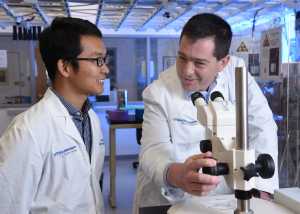
(l-r) Dr. Zhenhua Shao and Dr. Daniel Rosenbaum UT Southwestern[/caption]
Dan Rosenbaum, Ph.D.
Principal Investigator
Department of Biophysics
The University of Texas Southwestern Medical Center
Dallas, Texas
MedicalResearch.com: What is the background for this study? What are the main findings?
Response: This study focuses on the structure of the human CB1 cannabinoid receptor.
The CB1 protein is a membrane-embedded G protein-coupled receptor (GPCR) in the brain and peripheral tissues that responds to a variety of different compounds, including endogenous lipid messengers (‘endocannabinoids’), plant natural products (such as THC from the Cannabis sativa plant i.e. marijuana), and synthetic antagonists (such as the taranabant ligand used for this study). The CB1 receptor is involved in regulating neurotransmission in vertebrates, and is a potential therapeutic target for numerous conditions including obesity, pain, and epilepsy.
The main findings of this study entailed the solution of the high-resolution crystal structure of human CB1 receptor bound to the inhibitor taranabant. This structure revealed the precise shape of the inhibitor binding pocket, which is also responsible for binding THC and endocannabinoids. In addition to helping explain the mechanism of inhibitor and THC binding, our structure provides a framework for computational studies of binding to a large diversity of cannabinoid modulators of therapeutic importance.
Dr. Catharina J. M. Klijn[/caption]
Catharina J. M. Klijn, MD
Brain Center Rudolf Magnus, Department of Neurology and Neurosurgery
University Medical Center Utrecht, Utrecht
Donders Institute for Brain, Cognition and Behaviour, Centre for Neuroscience
Department of Neurology
Radboud University Nijmegen Medical Centre
Nijmegen, the Netherlands
MedicalResearch.com: What is the background for this study?
Response: The incidence of stroke is higher in men than in women. This difference attenuates with increasing age. Established risk factors for stroke, such as hypertension, cigarette smoking and ischemic heart disease are more prevalent in men but only partly explain the difference in stroke incidence. The contribution of oral contraceptive use and hormone therapy to stroke risk has been previously reviewed. We aimed to evaluate what is known on other female- and male specific risk factors for ischemic and hemorrhagic stroke incidence and stroke mortality through a systematic review and meta-analysis of 78 studies including over 10 million participants.
Dr. Stuart L. Goldstein[/caption]
Stuart L. Goldstein, MD, FAAP, FNKF
Clark D. West Endowed Chair
Professor of Pediatrics
University of Cincinnati College of Medicine
Director, Center for Acute Care Nephrology | Associate Director, Division of Nephrology
Medical Director, Pheresis Service | Co-Medical Director, Heart Institute Research Core
Division of Nephrology and Hypertension | The Heart Institute
Cincinnati Children’s Hospital Medical Center
Cincinnati, OH 45229
MedicalResearch.com: What is the background for this study? What are the main findings?
Response: This was a prospective international multi-center assessment of the epidemiology of acute kidney injury in children in young adults. Over 5,000 children were enrolled from 32 pediatric ICUs in 9 countries on 4 continents.
The main findings are:
1) Severe AKI, defined by either Stage 2 or 3 KDIGO serum creatinine and urine output criteria carried an incremental risk of death after adjusting for 16 co-variates.
2) Patients with AKI by low urine output would have been misclassified as not having AKI by serum creatinine criteria and patients with AKI by urine output criteria have worse outcomes than patients with AKI by creatinine crtieria.
3) Severe AKI was also associated with increased and prolonged mechanical ventilation use, increased receipt of dialysis or ECMO
Healthline Sugar Survey[/caption]
Tracy Stickler, Editor in Chief
Healthline
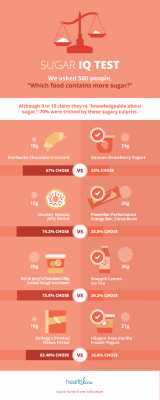
Ms. Stickler discusses a Healthline survey of over 3000 Americans, regarding “their knowledge of sugar and how it affects the body to gauge their relationship about their own sugar consumption and the effects it has on them”.
MedicalResearch.com: What is the background for this study? What are the main findings?
Response: Our company surveyed over 3,000 Americans from across the country about their sugar consumption habits and awareness about added sugar in food.
What we learned is that while many people are aware of the threat overconsumption of sugar is to their health, they aren’t doing much about it. Why not? They don’t know how and quite often they don’t know how much sugar is contained in certain foods they eat. We have an awareness issue. Two out of 3 respondents answered incorrectly to our questions related to which food item contained more sugar.
Dr. Melissa Bartick[/caption]
Melissa C. Bartick, MD, MSc
Department of Medicine
Cambridge Health Alliance
Harvard Medical School
Cambridge, MA
MedicalResearch.com: What is the background for this study?
Response: This is the first study ever to combine maternal and pediatric health outcomes from breastfeeding into a single model.
We had published a cost analysis of suboptimal breastfeeding for pediatric disease in 2010, which found that suboptimal breastfeeding cost the US $13 billion in costs of premature death costs and medical expenses, and 911 excess deaths. We followed that up with a maternal cost analysis which found about $18 billion in premature death costs and medical expenses.
In both these studies, most of the costs were from premature death. We were unable to combine the results of these two studies because their methodologies were different, and both of them, especially the pediatric portion needed to be updated.
Dr. Traverso[/caption]
C. Giovanni Traverso, MB, BChir, PhD
Gastroenterologist and biomedical engineer
Division of Gastroenterology at BWH
Instructor of medicine at Harvard Medical School
MedicalResearch.com: What is the background for this study? What are the main findings?
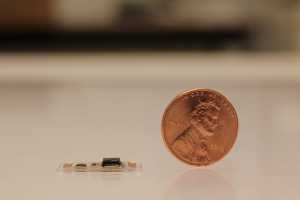
Response: We developed a drug delivery system capable of safely residing in the stomach for 2 weeks. Furthermore we demonstrated the capacity of the novel dosage form, in the shape of a star, to protect the drug from the acidic stomach environment and also slowly release drug over the course of 14 days.
We applied this new technology towards efforts targeting the elimination of malaria. Specifically, we focused on a drug called ivermectin that has been used to treat parasites but also has the benefit of being toxic to malaria-carrying mosquitos when they bite someone who has ivermectin in their system.
Dr. Carlota Batres,[/caption]
Carlota Batres, Ph.D.
Perception Lab
School of Psychology and Neuroscience
University of St Andrews
UK
MedicalResearch.com: What is the background for this study?
Response: The background for this study is that previous research had found that people in different environments prefer different faces, which suggests that preferences change according to the environment. However, because previous research had never tracked the same participants across environmental changes, such a link could not be confirmed. Therefore, we sought to determine if, and to what extent, face preferences were malleable by repeatedly testing participants whose environment was not changing as well participants undergoing intensive training at an army camp.
Dr. Vasiliki Georgiopoulou[/caption]
Vasiliki Georgiopoulou MD MPH PhD
Assistant Professor of Medicine (Cardiology)
Emory University School of Medicine
MedicalResearch.com: What is the background for this study? What are the main findings?
Response: Although existing evidence suggests that more exercise capacity is associated with lower risk of CV disease and death, we don’t know whether more exercise capacity would lead to lower risk for heart failure also. This would be especially important for older adults, who are the group with the highest risk to develop heart failure. We used the data of a cohort study to test this association.
The exercise capacity was evaluated by a walking test that is easy to perform – the long-distance corridor walk test. We observed that older adults who were able to complete the test had the lowest risk to develop heart failure and the lowest mortality rates, when compared with those who were not able to complete the test and those who could not do the test for medical reasons. We also observed that changes in exercise capacity 4 years later did not predict subsequent heart failure or mortality – perhaps because less fit older patients had already developed heart failure or had died.
Mandeep R. Mehra, MD, FACC, FESC, FHFSA, FRCP
Medical Director, Brigham and Women’s Hospital Heart and Vascular Center
Executive Director, Center for Advanced Heart Disease
Professor of Medicine, Harvard Medical School
Editor in Chief, The Journal of Heart and Lung Transplantation
Brigham and Women's Hospital
Boston, MA
MedicalResearch.com: What is the background for this study?
Response: 10% of patients with heart failure and a reduced ejection fraction transition into Advanced Stages of disease where they become unresponsive to life prolonging traditional medications. Such patients typically require intravenous inotropic therapy to preserve cardiac function but most remain profoundly limited in their quality of life. In such cases a heart transplant is desirable but this is an option for only a few patients.
Left Ventricular Assist Devices (LVADs) have become the mainstay for treating such patients either while they await a transplant or as a permanent option. However, there are challenges leading to infections, strokes, bleeding and most importantly pump malfunction due to thrombosis of the LVAD itself. The HeartMate 3 LVAD is a centrifugal pump that is designed to overcome the problem of pump thrombosis by virtue of 3 engineering attributes:
(a) A frictionless rotor that is based on a fully magnetically levitated platform
(b) wide blood flow passages that reduce red cell destruction and
(c) an artificial intrinsic pulse that prevents stasis of blood within the pump.
DR. THOMAS W. DUBENSKY, Jr.[/caption]
THOMAS W. DUBENSKY, JR., PH.D.
CHIEF SCIENTIFIC OFFICER
ADURO BIOTECH, INC.
MedicalResearch.com: What is the background for this study? What are the main findings?
Response: This presentation highlights findings from multiple preclinical models evaluating ADU-S100 (also known as MIW815), Aduro Biotech’s investigational STING (Stimulator of Interferon Genes) Pathway Activator immunotherapy. The company is developing ADU-S100 in partnership with Novartis.
ADU-S100 is a synthetic ‘off-the-shelf’ small molecule immune modulator that is designed to generate a response against a patient’s own unique set of cancer antigens. It does this through the activation of human STING. STING is generally expressed at high levels in immune cells, including dendritic cells. Once activated, the STING receptor initiates a profound innate immune response through multiple pathways, inducing the expression of a broad profile of cytokines, including interferons and chemokines. This subsequently leads to the development of a systemic tumor antigen-specific T-cell adaptive immune response.
We conducted preclinical studies in a variety of preclinical models to better understand the potential mechanism of action of ADU-S100 and its potential for treating a variety of cancer types, both within the immediate tumor environment, as well as throughout the body. Data from these preclinical studies suggest the following:
Dr. Michael Fox[/caption]
Michael D. Fox, MD, PhD
Assistant Professor in Neurology
Berenson-Allen Center for Noninvasive Brain Stimulation
Division of Cognitive Neurology, Department of Neurology
Beth Israel Deaconess Medical Center
Boston, MA
MedicalResearch.com: What is the background for this study? What are the main findings?
Response: Consciousness is thought to be composed of arousal plus awareness, but no one knows where these processes live in the human brain.
We took a unique approach to this question by studying human brain lesions that disrupt consciousness and cause coma.
We found one small spot in the brainstem that was specific for coma (i.e. lesions that hit this spot caused coma while lesions that didn’t hit the spot did not cause coma).
In other words, there was one spot in the human brainstem that, when lesioned, disrupted arousal and caused coma
We then looked at the connectivity of that brainstem spot, and found that it was connected to two cortical regions previously implicated in awareness. These cortical regions also contained a unique type of brain cell thought only to be present in higher order mammals that are self-aware.
To confirm our findings, we looked at the integrity of our network in patients with disorders of consciousness (e.g. persistent vegetative state) and found selective disruption of this network.
Dr. Timothy Beukelman[/caption]
Timothy Beukelman, MD, MSCE
Associate Professor of Pediatrics
Division of Rheumatology and
Division of Clinical Immunology & Rheumatology
University of Alabama at Birmingham
MedicalResearch.com: What is the background for this study?
Response: In 2009 the US FDA issued a boxed warning about malignancies reported in children treated with TNF inhibitors but their analysis did not account for a possible malignancy risk from other medications of from the Juvenile idiopathic arthritis (JIA) disease process itself.
Dr. Maryam Kavousi[/caption]
Maryam Kavousi MD, PhD, FESC
Assistant Professor
Department of Epidemiology
Erasmus University Medical Center
Rotterdam The Netherlands
MedicalResearch.com: What is the background for this study? What are the main findings?
Response: The most recent American College of Cardiology/American Heart Association (ACC/AHA) cardiovascular disease (CVD) prevention guidelines recommend statins for a larger proportion of populations.
Notably, a large group of women are categorized as low CVD risk by the guidelines and would therefore not typically qualify for intensive management of their standard risk factors. Coronary artery calcium (CAC) scanning allows for the detection of subclinical coronary atherosclerosis and is viewed as the vessel’s memory of lifetime exposure to risk factors. We therefore aimed to address the utility of CAC as a potential tool for refining CVD risk assessment in asymptomatic women at low CVD risk based on the new guidelines.
This study involved data on 6,739 low-risk women from 5 population-based cohort studies across the United States and Europe. We found that CAC was present in 36% of low-risk women and was associated with increased risk of CVD.
Dr Linda H Aiken[/caption]
Dr Linda H Aiken PhD, FAAN, FRCN, RN
Claire M. Fagin Leadership Professor in Nursing
Professor of Sociology, School of Arts & Sciences
Director, Center for Health Outcomes and Policy Research
University of Pennsylvania School of Nursing
Center for Health Outcomes and Policy Research
Philadelphia, PA 19104
MedicalResearch.com: What is the background for this study?
Response: The idea that adding lower skilled and lower wage caregivers to hospitals instead of increasing the number of professional nurses could save money without adversely affecting care outcomes is intuitively appealing to mangers and policymakers but evidence is lacking on whether this strategy is safe or saves money.
Dr. Dragana Radovanovic[/caption]
Dragana Radovanovic, MD
Head of AMIS Plus Data Center
Epidemiology, Biostatistics and Prevention Institute (EBPI)
University of Zurich
Zurich Switzerland
MedicalResearch.com: What is the background for this study?
Response: Although patients presenting with new or presumed new left bundle branch block (LBBB) represent a minority of the patients admitted with suspected acute myocardial infarction (AMI), they remain a challenging and unresolved diagnostic and therapeutic dilemma in routine clinical practice. Large trials such as PLATO or SHOCK have evaluated AMI therapy and considered ST-elevation MI (STEMI) and new LBBB as a single diagnostic group. Currently, European and American guidelines differ. European guidelines recommend that reperfusion therapy should be considered promptly, preferably using emergency coronary angiography with a view to primary PCI in patients with clinical suspicion of ongoing myocardial ischemia and new or presumed new LBBB.
However, the ACCF/AHA guidelines are much less enthusiastic and recommend that patients with new or presumed new LBBB should not be considered as diagnostic of AMI in isolation and consequently provide little guidance on how to react if biomarkers are elevated. Routine clinical practice documentation of prior ECGs, which would confirm whether the LBBB was new or not, is often missing increasing the uncertainty on how to treat these patients.
Dr. Robert Wong[/caption]
Robert Wong MD, MS
Assistant Clinical Professor of Medicine
Director of Research and Education
Division of Gastroenterology and Hepatology
Alameda Health System - Highland Hospital
MedicalResearch.com: What is the background for this study? What are the main findings?
Response: Hepatitis B Virus infection is a leading cause of chronic liver disease leading to hepatocellular carcinoma and cirrhosis worldwide. Early detection of chronic HBV through implementation of effective screening programs can improve early treatment to reduce disease progression and risk of hepatocellular carcinoma. Sub-optimal awareness of the importance of HBV screening among patients and providers and sub-optimal awareness of who constitutes as high risk may further contribute to low HBV screening rates. Our current study prospectively evaluated rates of HBV screening and awareness of HBV screening results among patients at high risk for chronic HBV among an ethnically diverse underserved safety-net hospital population.
Among nearly 900 patients that were evaluated, 62% were high risk and eligible for Hepatitis B screening. However, among this high risk population, less than 25% received HBV screening. Furthermore, among patients that have undergone previous HBV testing only 22% of patients were aware of those results.
Dr. Paul Hauptman[/caption]
Paul J. Hauptman, MD
Professor Internal Medicine, Division of Cardiology
Health Management & Policy, School of Public Health
MedicalResearch.com: What is the background for this study? What are the main findings?
Response: We decided to evaluate the cost of generic heart failure medications after an uninsured patient of ours reported that he could not fill a prescription for digoxin because of the cost for a one month's supply: $100. We called the pharmacy in question and confirmed the pricing. At that point we decided to explore this issue more closely.
We called 200 retail pharmacies in the bi-state, St. Louis metropolitan area, 175 of which provided us with drug prices for three generic heart failure medications: digoxin, carvedilol and lisinopril. We found significant variability in the cash price for these medications. Combined prices for the three drugs ranged from $12-$400 for 30 day supply and $30-$1,100 for 90 day supply.
The variability was completely random, not a function of pharmacy type, zip code, median annual income, region or state. In fact, pricing even varied among different retail stores of the same pharmacy chain.
Dr. Ken Fujioka[/caption]
Ken Fujioka M.D.
Director of the Center for Weight Management
Scripps Clinical Department of Endocrinology
La Jolla CA
MedicalResearch.com: What is the background for this study?
Response: Obesity is an odd disease that has many causes (overeating, underactivity, the patient being placed on a medication that drives up weight and a whole lot of other causes that result in a higher weight) so trying to find the right treatment, in this case a weight loss medication, for a particular patient is not an easy task. If there is a way to find out if you’ve picked the right medication (a weight loss of at least 5%) then this can help you decide whether you should keep the patient on the medication or stop the medication.
There are two huge benefits to this:
1. Is that you find your responders (patients) that will go on to lose weight and do well and 2. When you stop the medication in the non-responders you eliminate any potential adverse events from the weight loss medication.
Thus this study was designed to find out if early weight loss can predict who will go on to lose a significant amount of weight on Liraglutide.
And yes those who lose weight go on to lose weight.
Dr. Feng Xie[/caption]
Feng Xie, Ph.D.
Associate Professor
Department of Clinical Epidemiology and Biostatistics
Faculty of Health Sciences
McMaster University
MedicalResearch.com: What is the background for this study? What are the main findings?
Response: Cutaneous melanoma, an aggressive and deadly form of skin cancer, in early stages is often cured with surgery alone. Most patients presenting with advanced-stage disease, however, are not candidates for surgery and drug therapy is the main course of treatment. Around 40-60% of melanomas have a mutation in the BRAF protein. Multiple effective first-line treatment options are available for patients with advanced BRAF-mutated melanoma, which fall under two established classes of drug therapies: targeted therapy and immunotherapy. Presently, it remains uncertain which is the optimal first-line treatment.
In our network meta-analysis we evaluated 15 randomized controlled trials published between 2011 and 2015 assessing the benefits and harms of targeted or immune checkpoint inhibitors in 6662 treatment naïve patients with lymph node metastasis not amenable to surgery or distant metastatic melanoma.
We found that combined BRAF and MEK targeted therapy and PD-1 immunotherapy were both equally effective in improving overall survival. Combined BRAF and MEK inhibition was most effective in improving progression-free survival. PD-1 inhibition was associated with the lowest risk of serious adverse events.
Dr. Jim Hu[/caption]
Jim C. Hu, M.D., M.P.H.
Ronald P. Lynch Professor of Urologic Oncology
Director of the LeFrak Center for Robotic Surgery
Weill Cornell Medicine
Urology
New York Presbyterian/Weill Cornell
New York, NY 10065
MedicalResearch.com: What is the background for this study? What are the main findings?
Response: The US Preventative Services Task Force (USPSTF) recommended against PSA testing in men older than 75 years in 2008 and more recently in all US men regardless of age in 2012. This was largely based on a faulty study, the prostate, lung, colo-rectal and ovarian screening study. We demonstrated in May 2016 that this randomized trial did not compare screening to no screening or apples to oranges, as it set out to do. It compared screening to screening. Although controversial, the guidelines were well-intentioned, as recognize that there is over-diagnosis and over-treatment of men with prostate cancer. Given this background, the goal of our study was to explore the downstream consequences of the recommendation against PSA screening. As such, we explored 3 separate databases to characterize national procedure volumes for prostate needle biopsy and radical prostatectomy, or surgery to cure prostate cancer.
The main finding was that prostate biopsy numbers decreased by 29% and radical prostatectomy surgeries decreased by 16% when comparing before to after USPSTF recommendations against PSA screening. Therefore practice patterns followed policy. Prostate biopsies are usually performed due to an elevated, abnormal screening PSA. However, it is also performed to monitor low-risk, slow growing prostate cancers. We also found that while the overall number of prostate biopsies decreased, there was a 29% increase in the proportion or percentage of biopsies performed due to active surveillance, or monitoring of low risk prostate cancers which should be done periodically. Therefore we provide the first national study to demonstrate that there is less over-diagnosis and over-treatment of prostate cancer.
However, the concern is that we also recently demonstrated that there is more aggressive prostate cancer on surgical pathology for men who go on to radical prostatectomy. They have high grade, higher stage cancers, which have a lower chance of cure. The link is:
http://www.prostatecancerreports.org/fulltext/2016/_Hu_JC160708.pdf
Dr. Sean van Diepen[/caption]
Dr. Sean van Diepen, MD, FRCPC
Assistant Professor of Critical Care Medicine and Cardiology
Coronary Intensive Care Unit Co-Director
University of Alberta Hospital
MedicalResearch.com: What is the background for this study? What are the main findings?
Response: Studies have documented a wide variation in CCU admission rates for patients hospitalized with acute coronary syndromes (ACS) or heart failure (HF). The reasons underpinning these differences are incompletely understood and little is known about the associations between hospital type, resource utilization, and clinical outcomes among patients admitted to the CCU with an ACS or HF.
In a national cohort of 220,759 patients, we observed that CCU admission rates varied by hospital type: 41% in teaching hospitals, 29.9% in large teaching hospitals, 42.6% in medium community hospitals and13.7% in small community hospitals. The percentage of patients that did not receive critical care therapies within the first 2 days of admission were: 35.5%, 58.0%, 83.3% and 95.6%, respectively. Compared large community hospitals, community hospitals all had higher adjusted in hospital mortality rates.
Dr. Michelle Chen[/caption]
Michelle M. Chen, MD/MHS
Department of Otolaryngology- Head and Neck Surgery
Stanford University
MedicalResearch.com: What is the background for this study? What are the main findings?
Response: The benefit of post-operative radiotherapy (PORT) for patients with T1-T2 N1 oral cavity and oropharyngeal cancer without adverse pathologic features is unclear. Starting in 2014, the national guidelines no longer recommended consideration of post-operative radiotherapy for N1 oropharyngeal cancer patients, but left it as a consideration for N1 oral cavity cancer patients. We found that post-operative radiotherapy was associated with improved survival in both oral cavity and oropharyngeal cancers, particularly in patients younger than 70 years of age and those with T2 disease.